
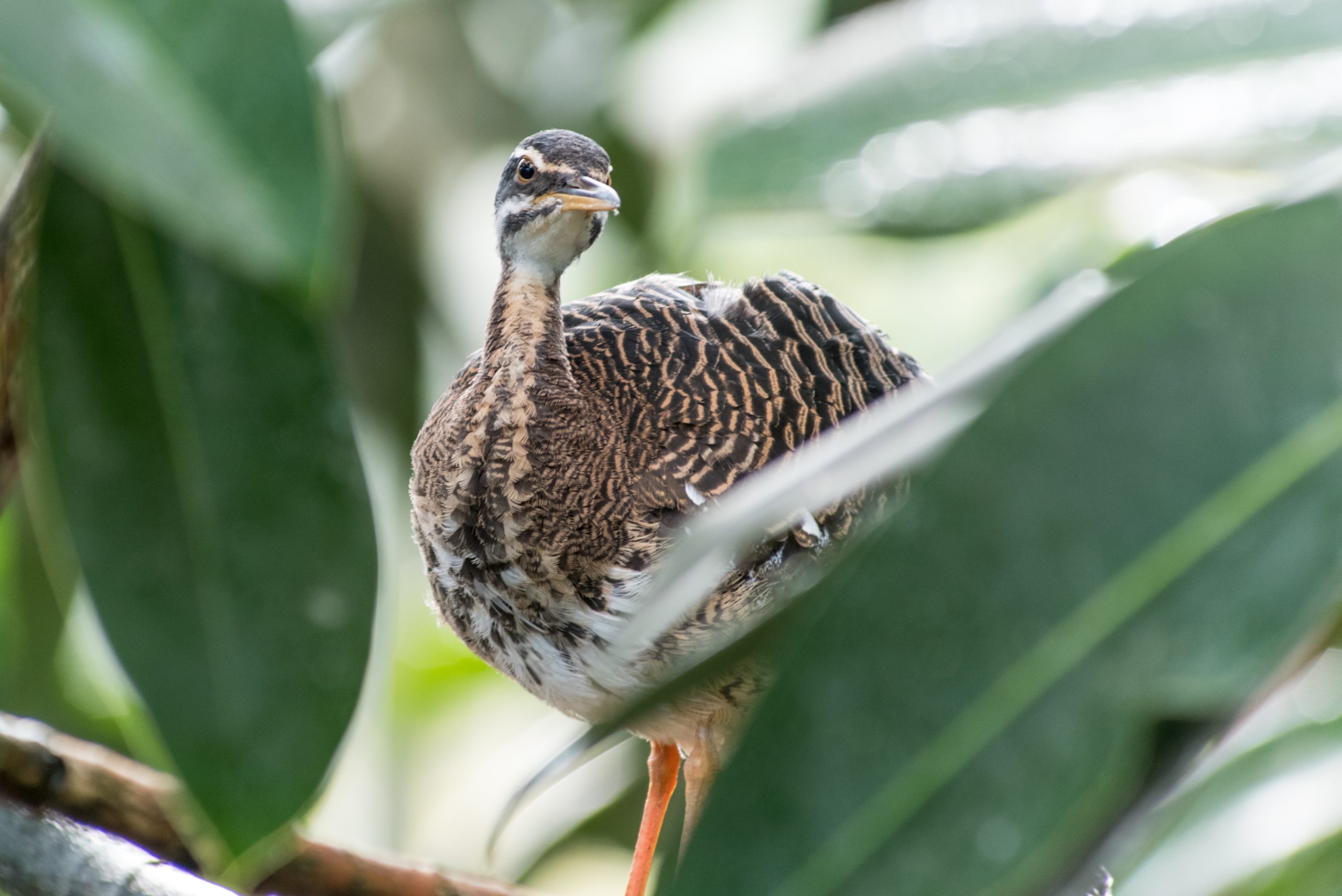
The Sunbittern is an unusual bird of forested streams of Central and South America. This species is perhaps best known for a characteristic display involving large “eyespots” in the plumage of their wings. Sunbitterns have a characteristic “Frontal Display” that they use when they are threatened. The spread and tilt their wings forward, exposing two…
Read More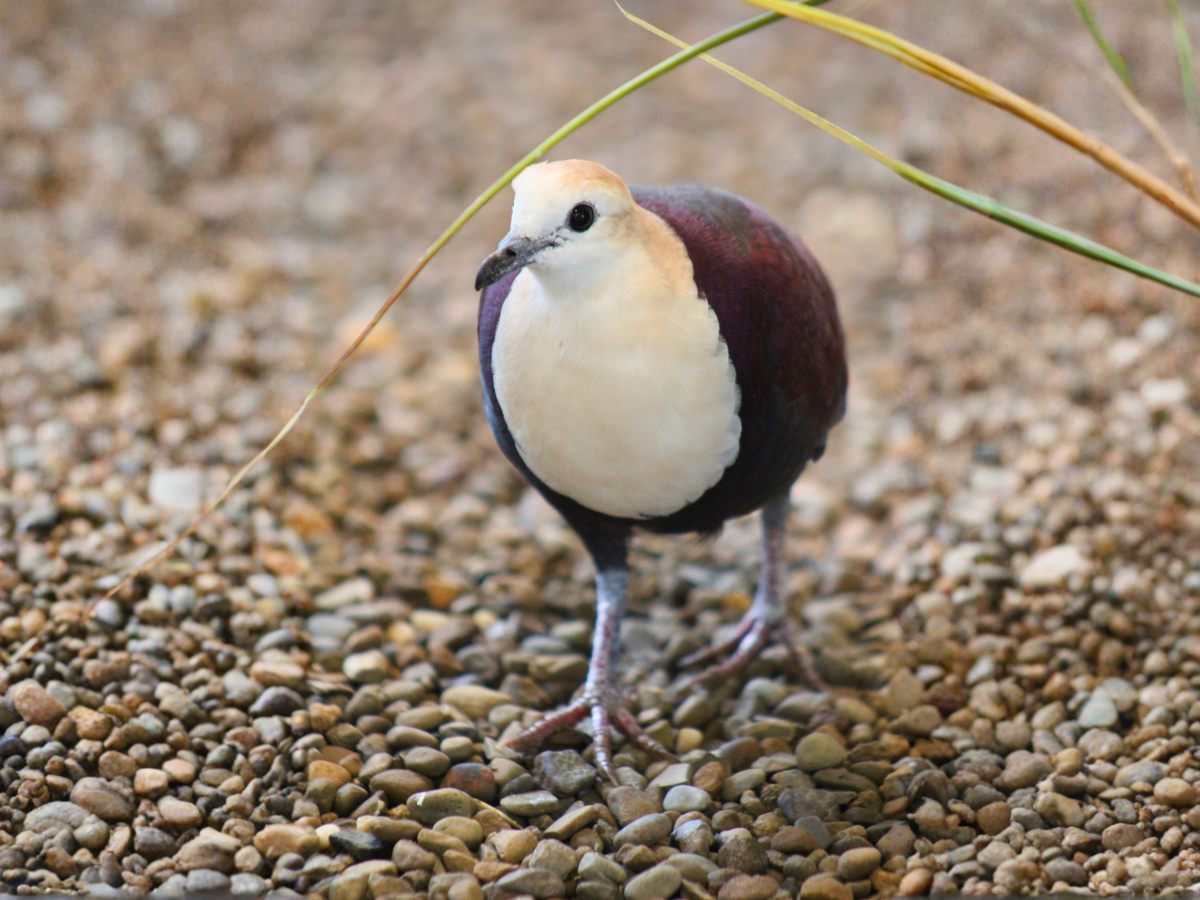
The White-throated Ground Dove is a little known species from the Northern Mariana Islands of the Pacific Ocean. It occurs in all types of forested habitats on several islands in the Mariana Islands chain, and is most abundant on the island of Rota. This species is frugivorous, meaning it primarily eats fruits. Unlike other birds…
Read More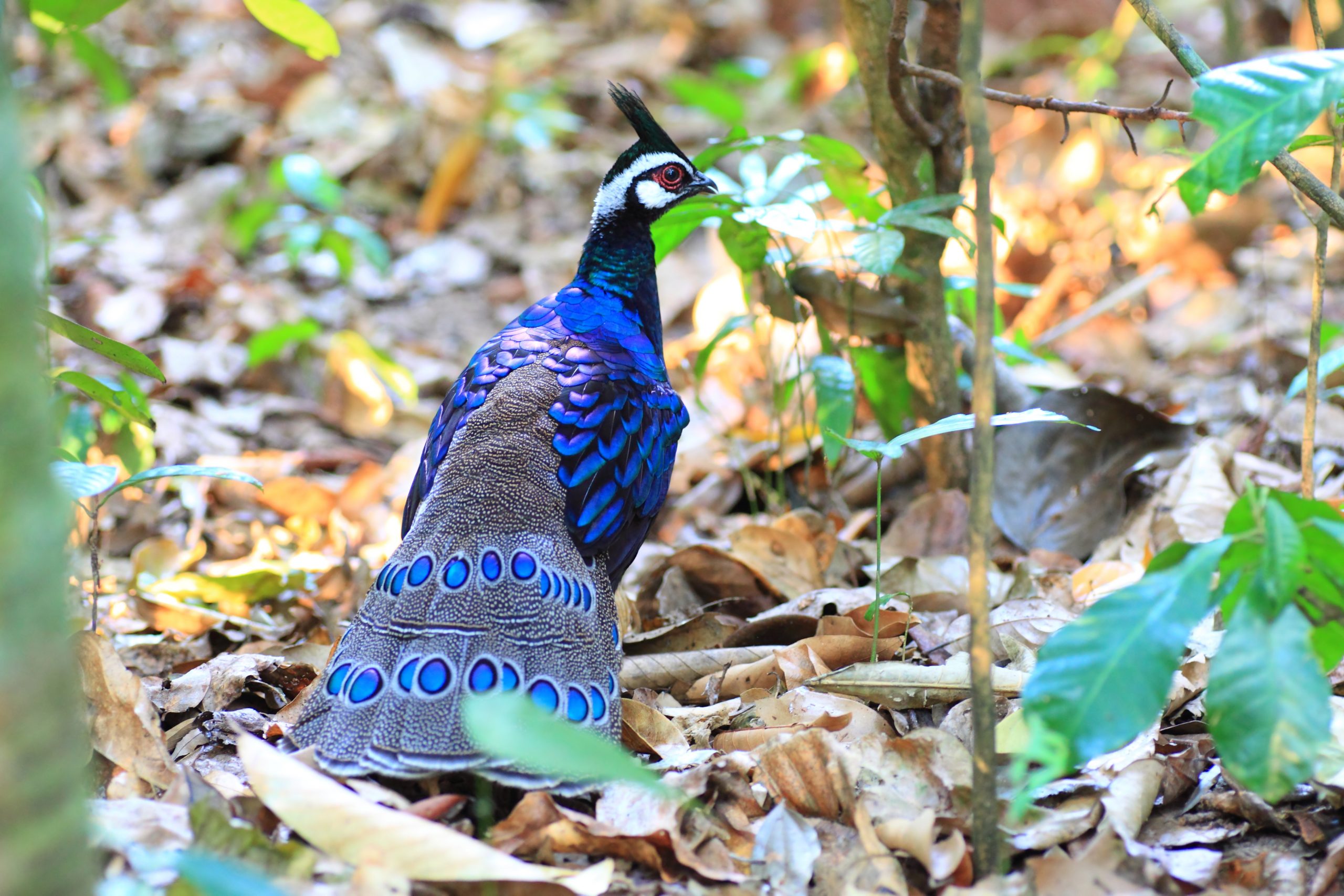
The Palawan Peacock-pheasant is a gorgeous bird with vibrant plumage; males have bright blue accents while females have striking markings and less colorful plumage. The spots on their feathers resemble eyes and may help scare away predators. Males use their remarkable plumage in an elaborate courtship display. Palawan Peacock-pheasants are strictly monogamous, and both males…
Read More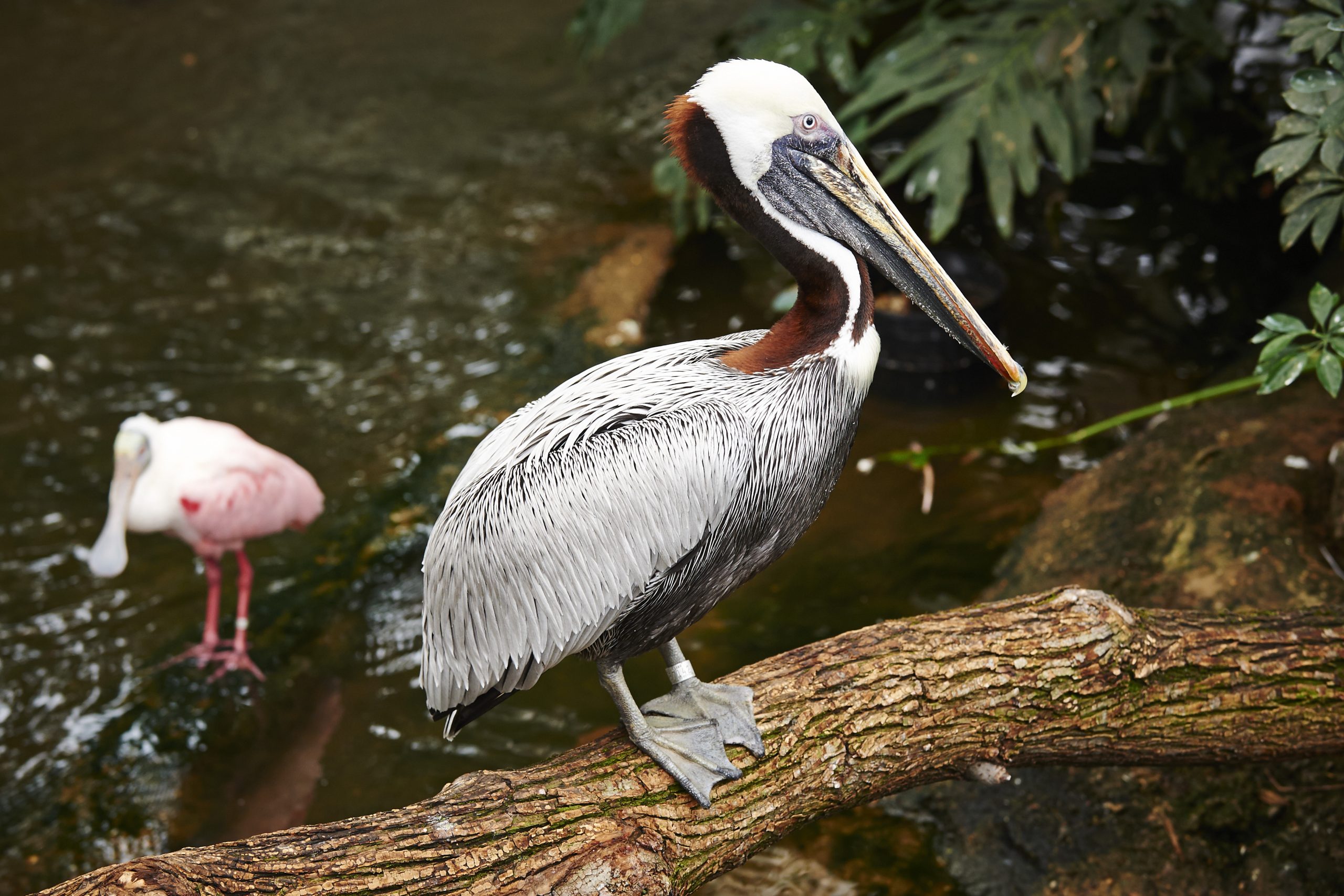
Pelicans are large, bulky waterbirds with webbed feet, short legs, and a remarkably long bill. The underside of their bills extends into a pouch that can hold 2-3 gallons of water at a time, which they use to trap fish. When hunting, they spot their prey from the air and plunge into the water head-first….
Read More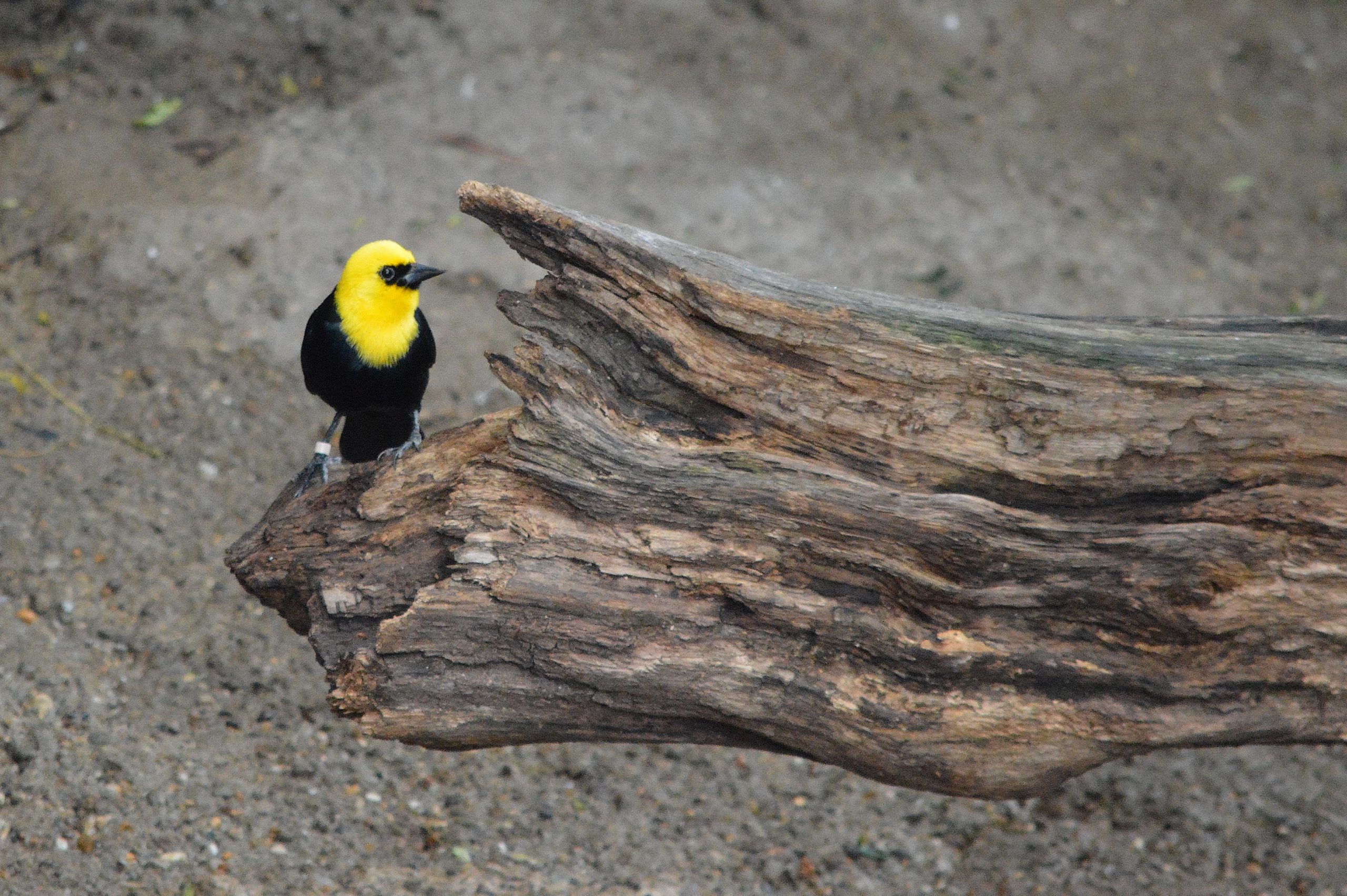
The Yellow-hooded Blackbird occurs in northern South America where it favors marshes with emergent aquatic plants such as cattails or bulrushes, as well as humid savannas, mangroves, and agricultural land where it can forage in newly plowed fields. Yellow-hooded Blackbirds also frequently forage in grass and vegetation for seeds and insects, including caterpillars and weevils….
Read More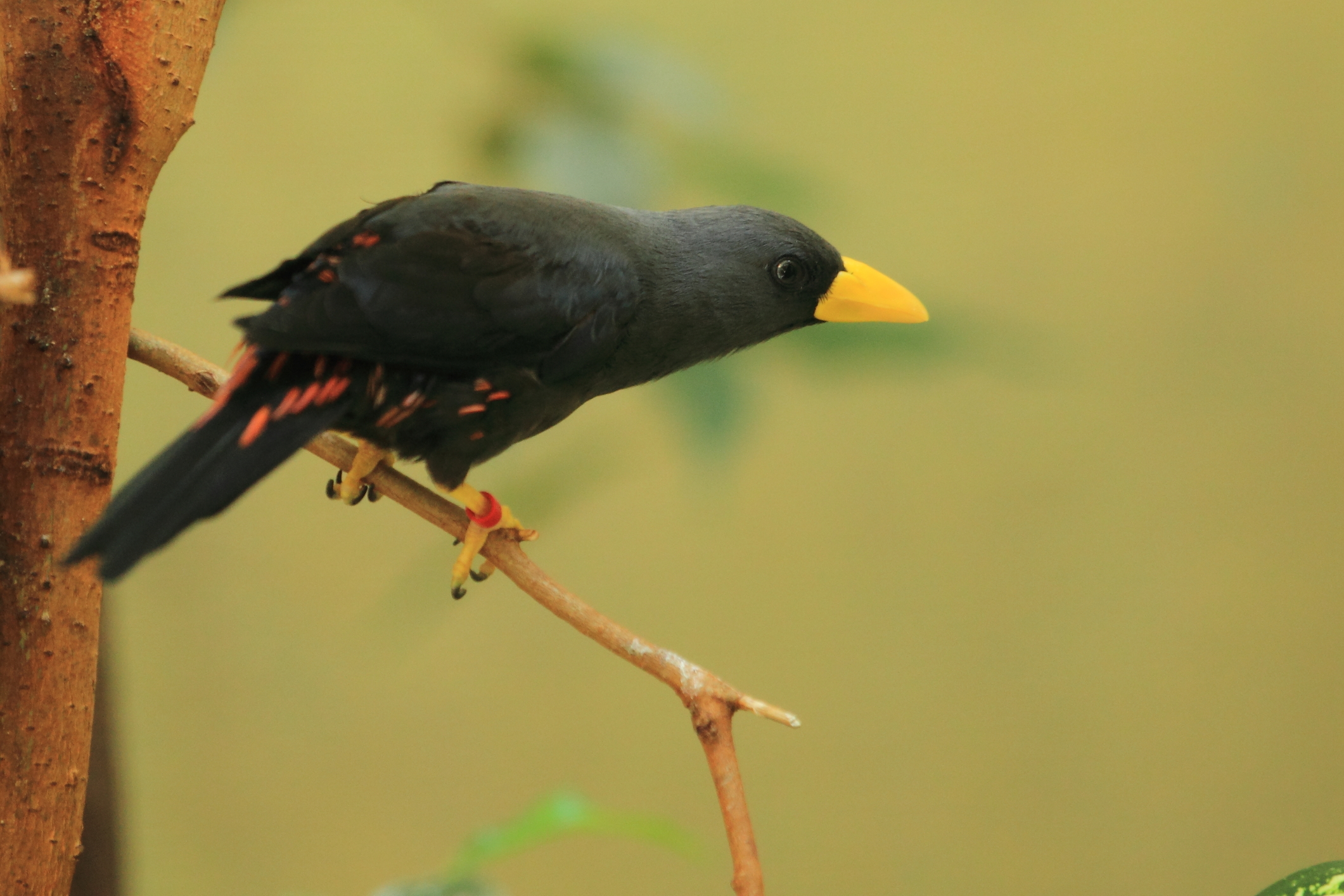
The Grosbeak Starling, also known as the Finch-billed Myna, is endemic to the island of Sulawesi, Indonesia where it inhabits forest edge and open woodlands. It is also very common in modified habitats such as plantations. The Grosbeak Starling often forages in large groups with other Grosbeak Starlings high in the canopy where it consumes…
Read More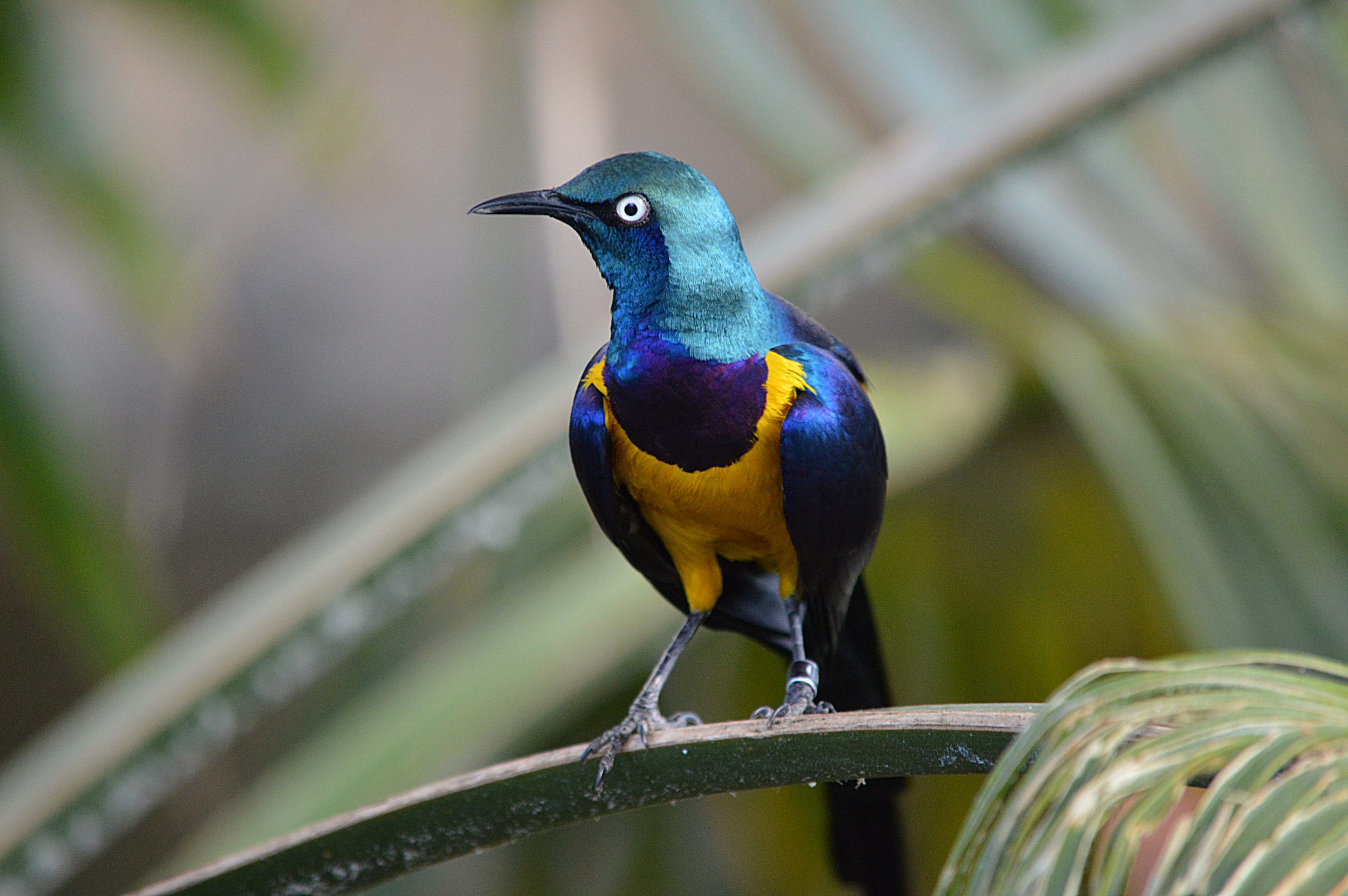
The Golden-breasted Starling is a beautifully colored bird, unmistakable and hard to miss! It inhabits the dry bush and savanna of the arid and semi-arid regions of northeastern Africa. This starling forages mainly on the ground for a variety of insects and some fruits, but termites are a favorite food. This species is a cooperative…
Read More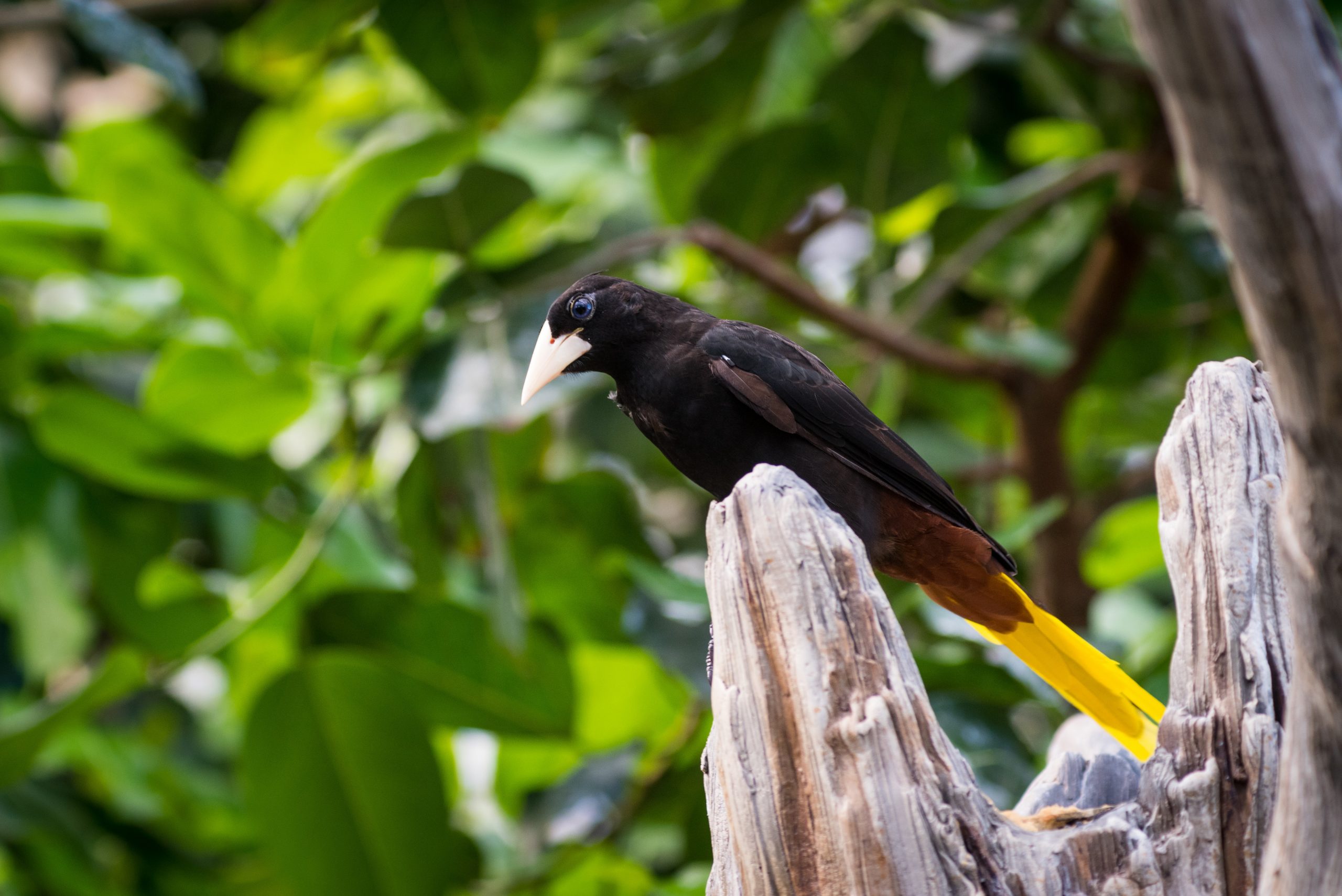
The Crested Oropendola inhabits forest edges and clearings in lowland South America east of the Andes Mountains. This species forages mostly in the upper stratum of trees on fruits, insects, and spiders, as well as small vertebrates such as tree frogs. The Crested Oropendola will also take cultivated fruits such as oranges, papayas, and mangos….
Read More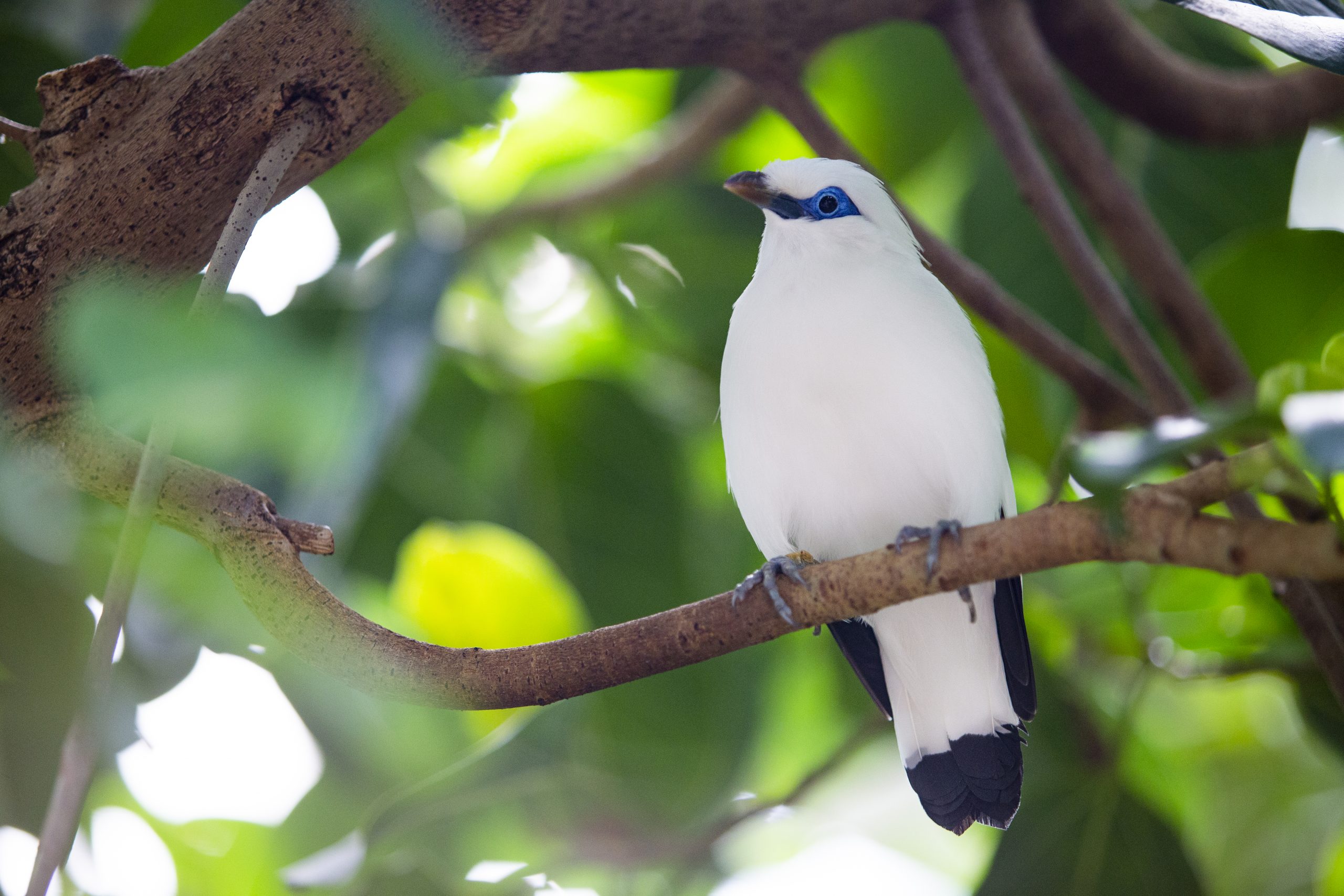
The Bali Myna is a Critically Endangered endemic resident of Bali and surrounding small islands, where fewer than 100 individuals remain. Habitat destruction and capture for the illegal wildlife trade have significantly impacted this species. Community-based conservation efforts are underway to help save this species, as is a robust breeding program in zoos through the…
Read More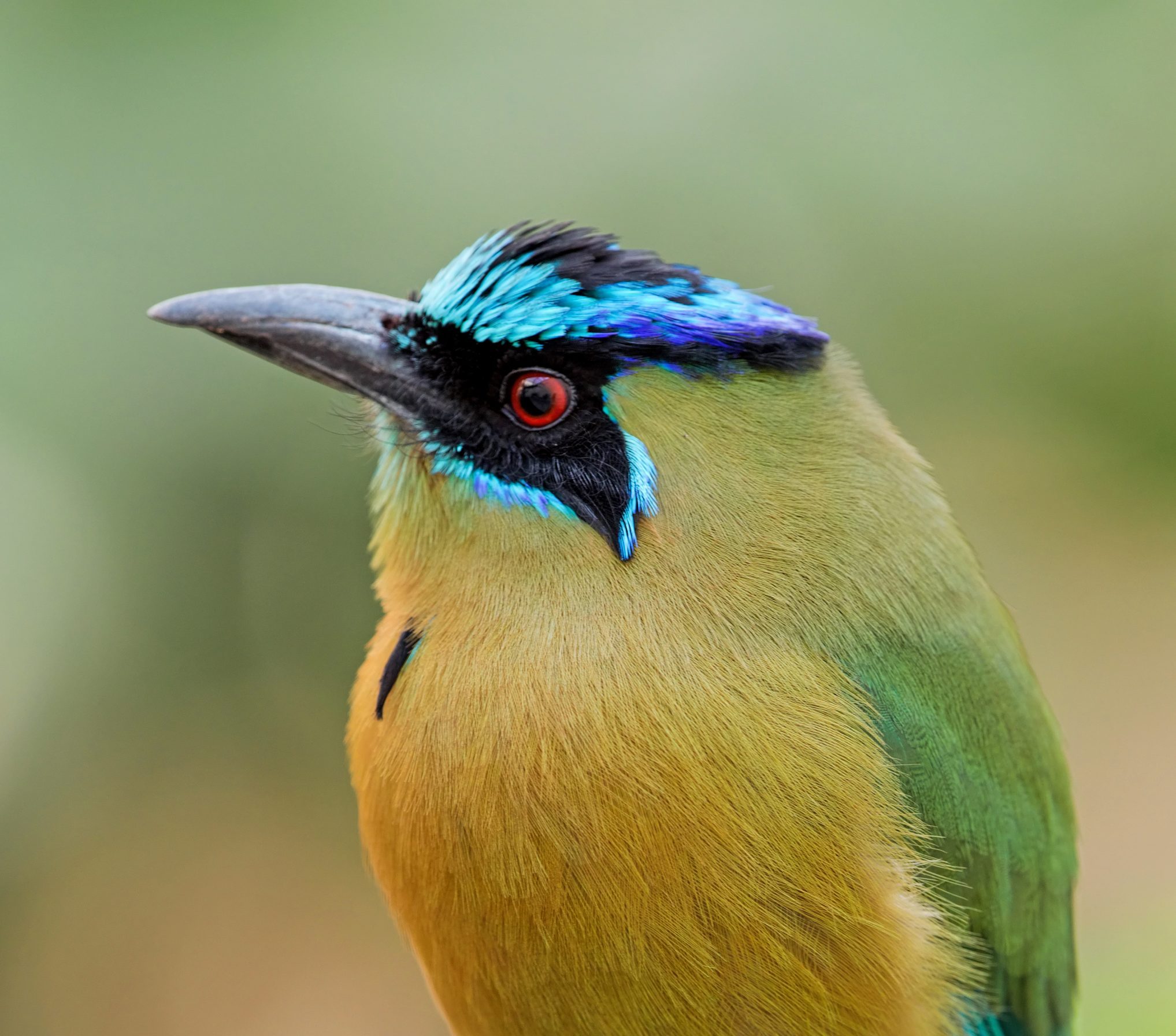
Both the male and female Blue-crowned Motmot have green and blue plumage with a chestnut chest. They have a large head with a blue crown, black eye mask around red eyes, and a short serrated beak. Their most distinguishing features are their long central tail feathers that feature bare sections near the tips. These oddly…
Read More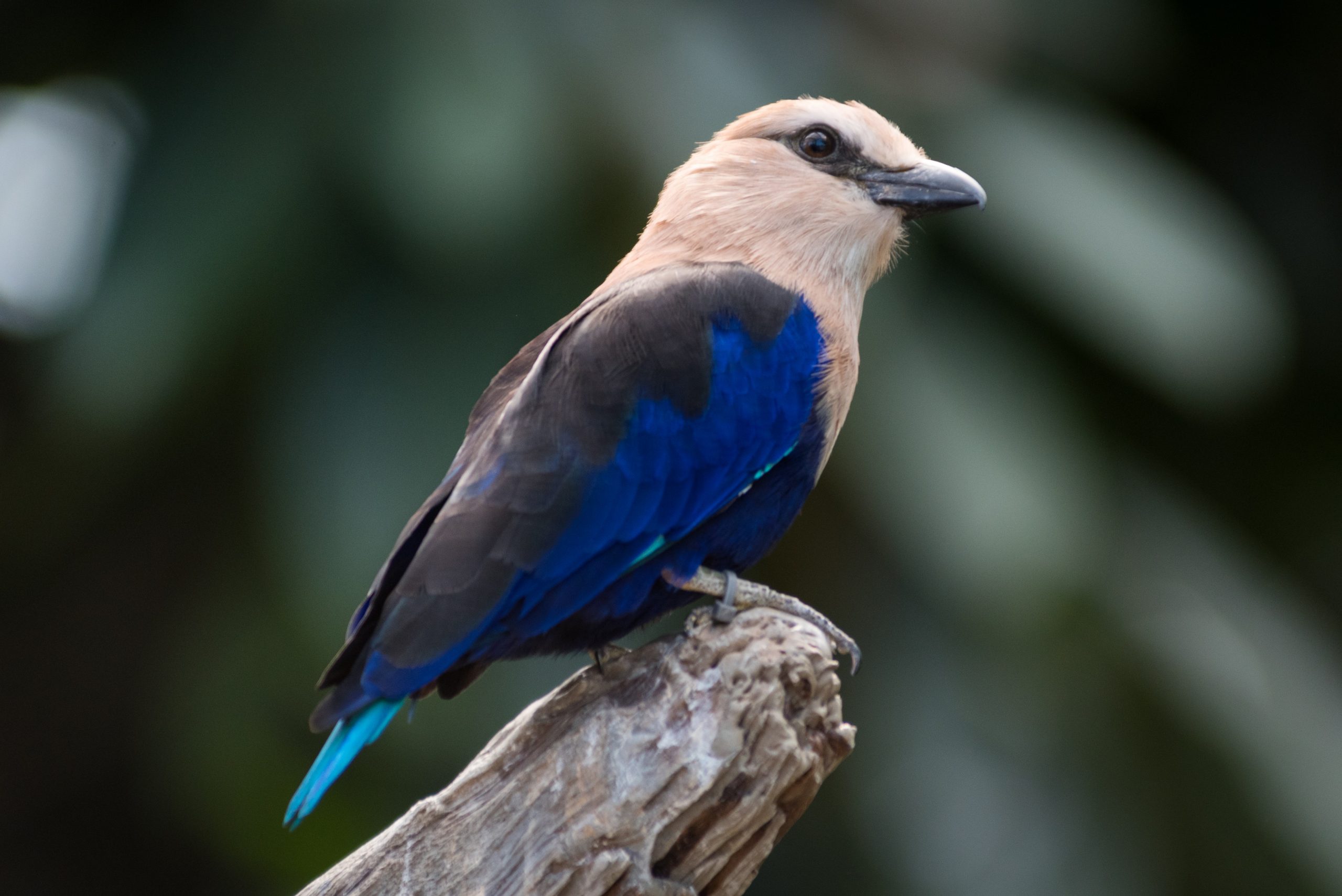
Blue-bellied Rollers are a colorful species native to central Africa. Males and females look identical, and have a brilliant royal blue abdomen, dark and light blue feathers on their wings, and a tan head. They are powerful flyers and have a loud, croaking call. During the breeding season, pairs of Blue-bellied Rollers engage in elaborate…
Read More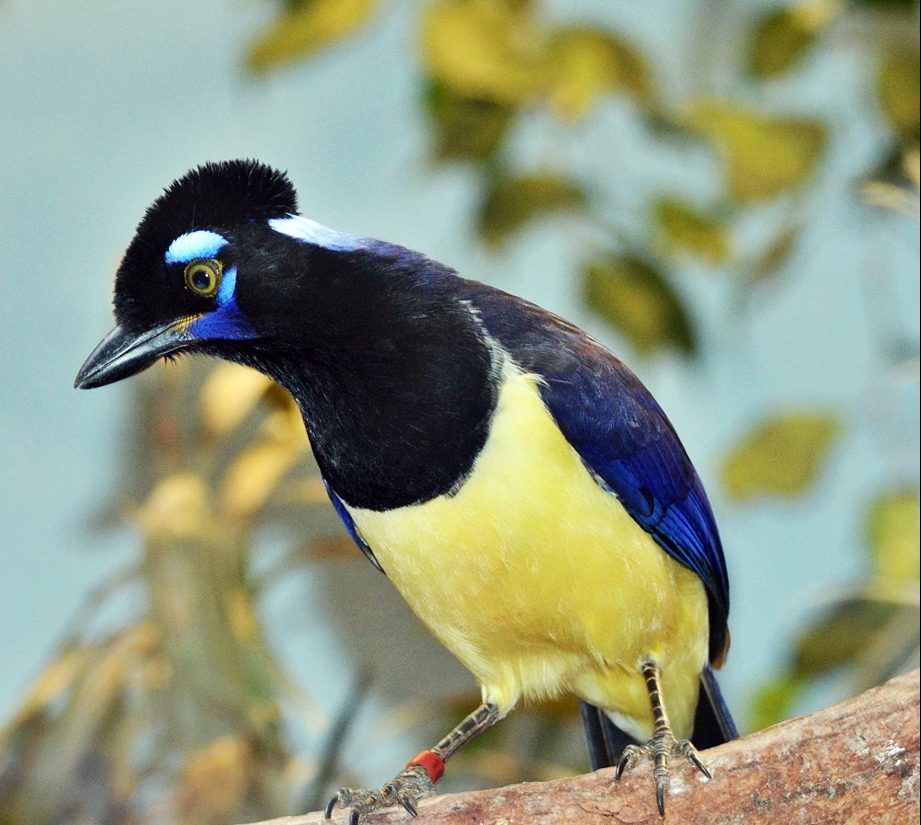
The handsome Plush-crested Jay inhabits forests, open woodlands, and forest edges, as well as scrublands and fruit groves of south-central South America. This species is omnivorous, mostly eating small invertebrates and fruits, but also taking seeds, eggs, nestlings, frogs, and lizards. Plush-crested Jays forage in flocks of several birds, and, like temperate zone jays, will…
Read More Previous Posts