Fulfilling a Lifelong Promise
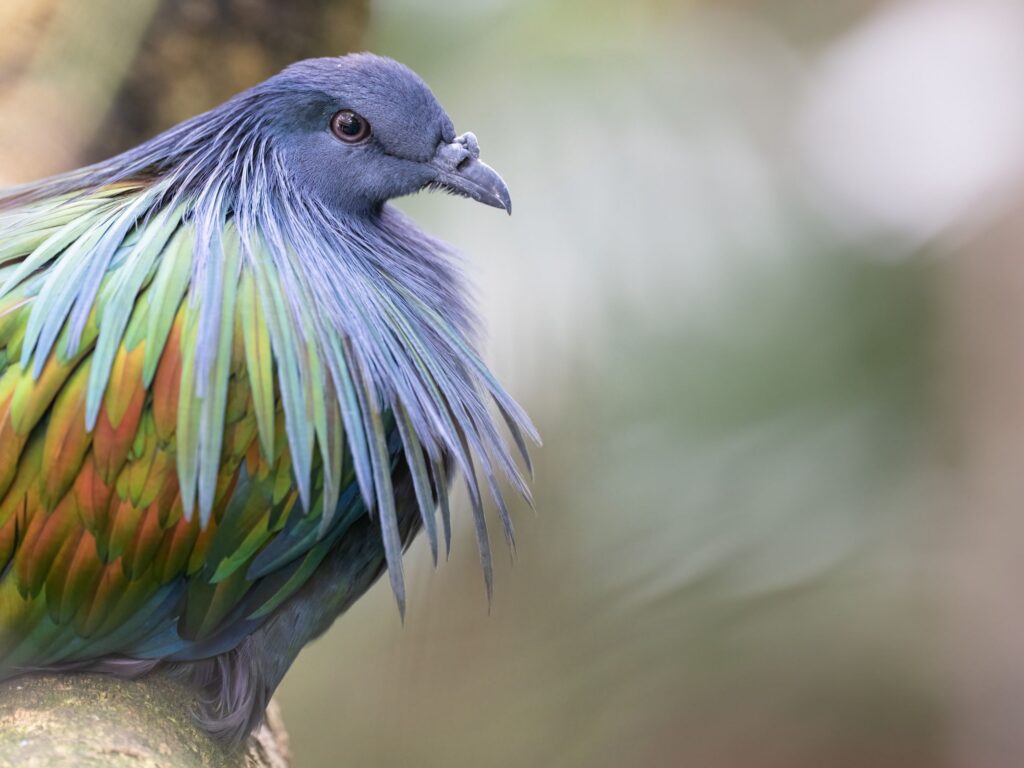
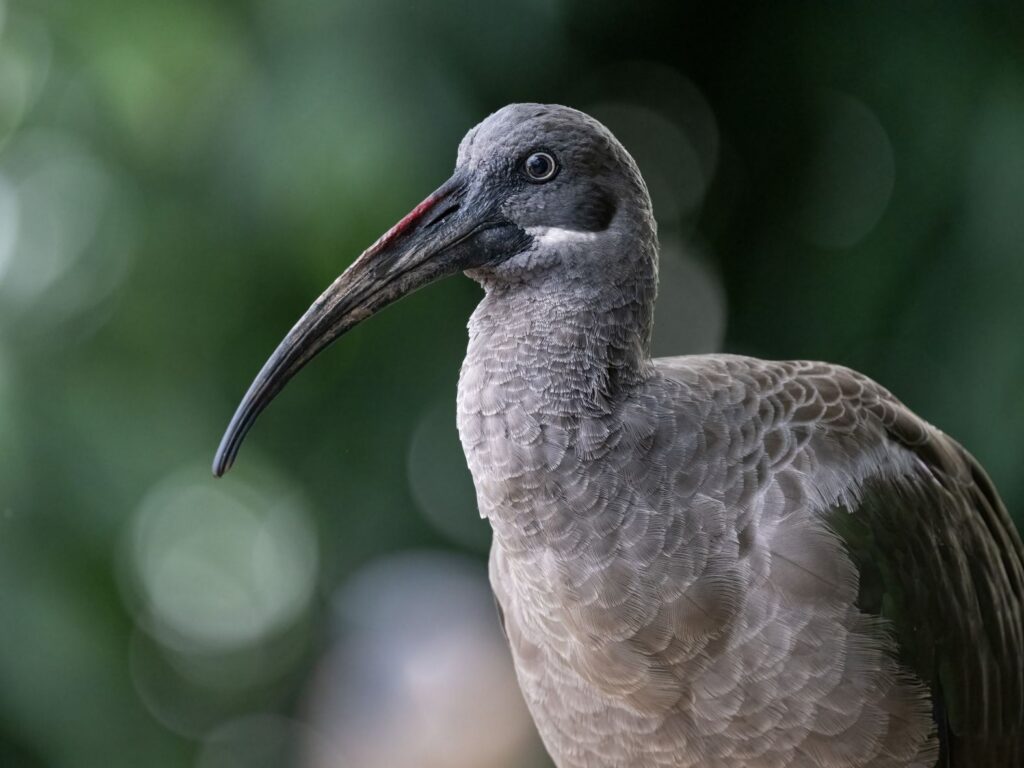
There are a few things more precious than time – and for animals in their golden years, each second is more important than the last. The National Aviary is committed to providing individualized care to each bird, mammal, and reptile that calls us home at every phase of their lives. This unequivocal dedication is exemplified through the impressive lifespans of several of the Aviary’s residents, many of whom have been identified as the oldest on record for their species within accredited zoos. Two of these include the TreeTops Presented by Peoples-dwelling Nicobar Pigeon, Lady, and Wetlands resident Hadada Ibis, Floyd, turning 41 and 40 in 2026, respectively.
These feats are even more incredible when you consider how many of the Aviary’s other feathered and fuzzy friends also exceed their wild counterparts’ life expectancy. With every passing year, the National Aviary will continue to fulfill a sacred promise – providing individualized quality care that lasts a lifetime.
Support the Care of Our FlockCare Fit for a Queen
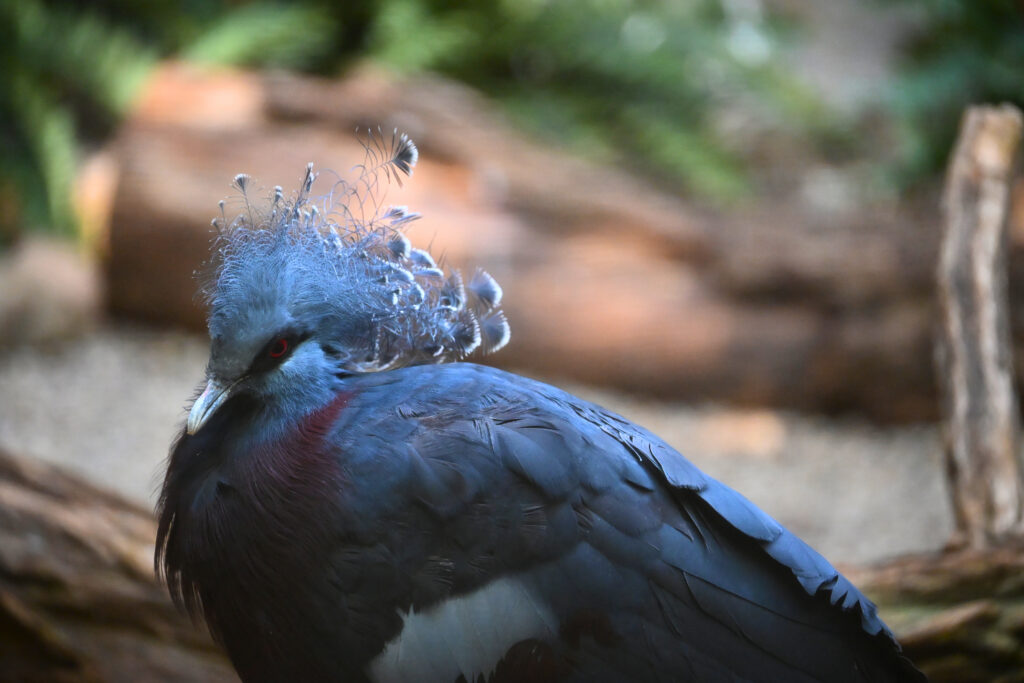
One individual’s story from our feathered flock, which highlights these efforts, is that of our regal Victoria Crowned Pigeon, Mary, named after the first queen of England. The 80’s baby, one of the oldest Victoria Crowned Pigeons on record in an accredited zoo setting, spends her days inside a cozy habitat along Canary’s Call Presented by Dollar Bank. There, she comfortably rests on perches low to the ground, gentle on her slightly aged wings, and perfectly angled for her to soak up the sun. Her diet consists of fruity treats alongside special medications for a host of age-related conditions. With a strong lust for life, the spunky, vibrant blue bird also enjoys socializing with her fellow Victoria Crowned Pigeons and other habitat-mates.
ground-level perch
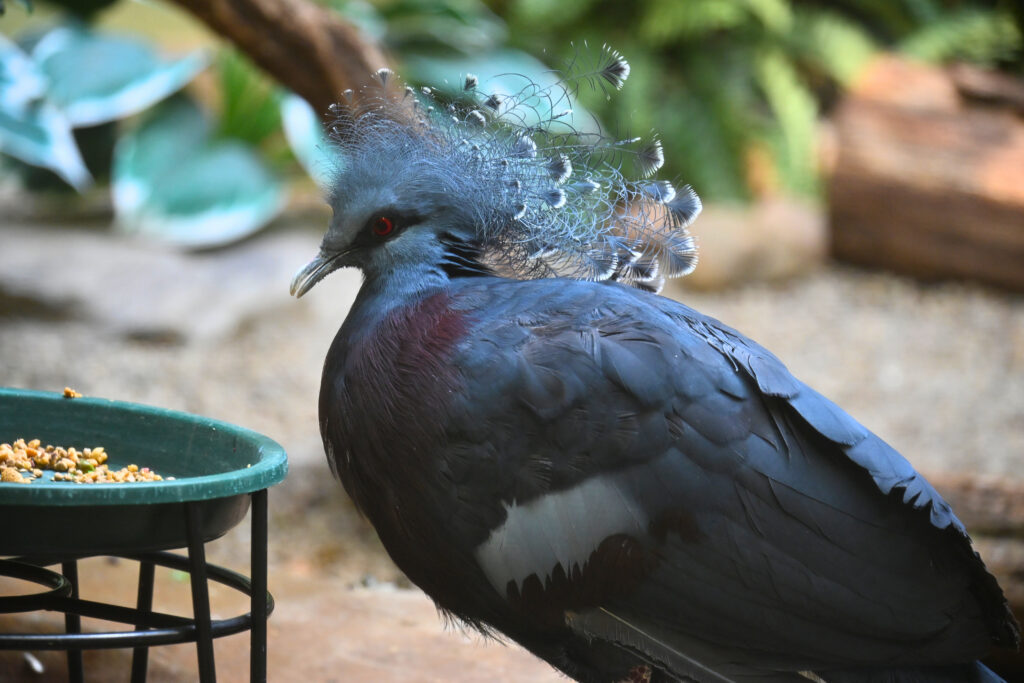
In her younger years, Mary was a dedicated mother who hatched six chicks, three of whom eventually hatched eggs themselves, making her a great, great, great, GREAT grand-“hatcher.” Several of Mary’s descendants reside in accredited facilities across the country, acting as ambassadors for their species, one that is steadily declining in the wild. Listed as Near Threatened by the International Union for the Conservation of Nature (IUCN), spotting the large pigeon species on its native island, New Guinea, has become a rare occurrence, making every hatching in accredited zoos that much more important.
“It’s truly such an honor to care for a bird like Mary as she enjoys her golden years,” says Jessica LaHurd, National Aviary Senior Aviculturist. “The general health and ages of our eldest animal residents are a true testament to our quality care; it’s always a joy to attend to birds like Mary, who are even older than I am!”
Care for the Slow & Steady
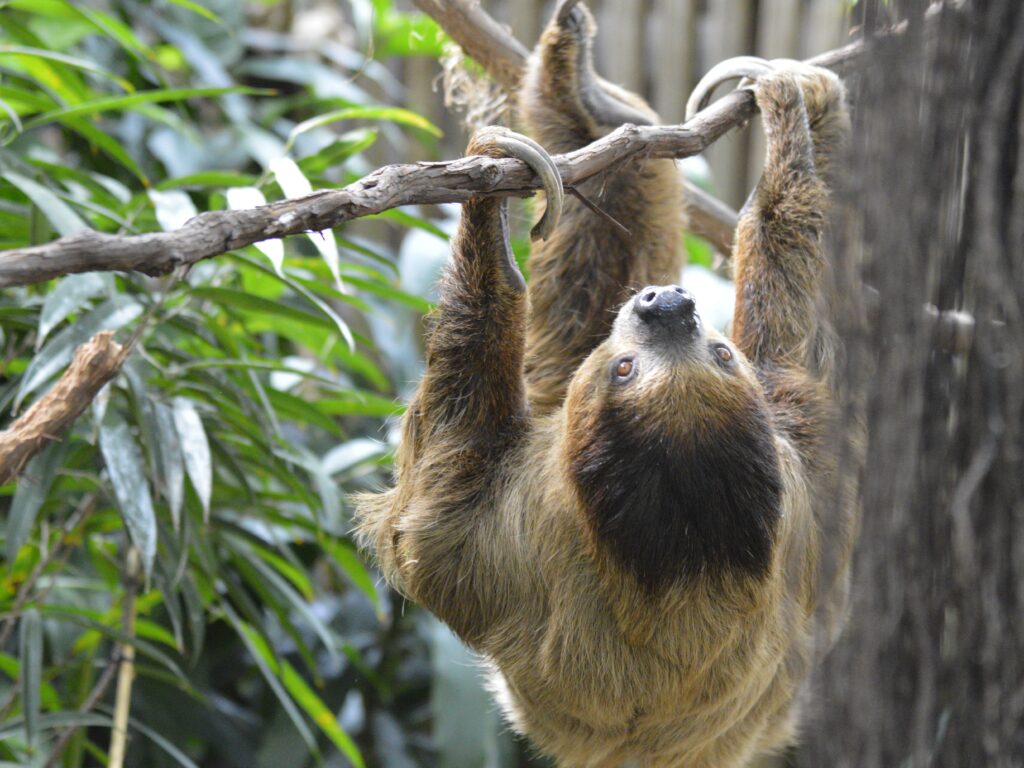
Another animal “wise beyond his years” with whom Jessica delights in caring for is flock-fan-fan-favorite, Linnaeus’s Two-toed Sloth, Wookiee. Turning 26 in late August, the adorable mammal has surpassed the average lifespan of his wild counterparts by nearly a decade. His care team has created a carefully curated plan that takes a proactive approach to meeting his daily needs, similar to what a human physician may recommend for you! This includes a plant-based diet (except for an occasional hard-boiled egg), blood tests that check for early signs of age-related conditions, and nail trims that keep his claws clean and manageable.
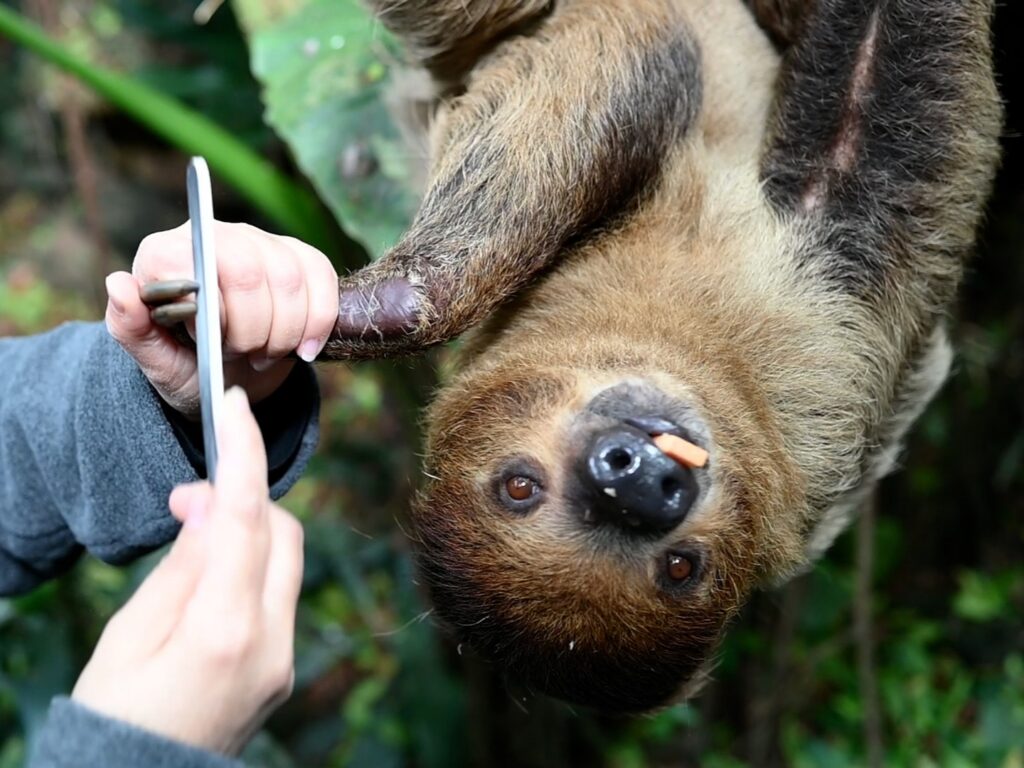
“We use a method called targeting, which is where we signal Wookiee to come down from the tree canopy to eat his meals. During that time, he’s also able to participate in his own routine healthcare procedures, making the entire process seamless and effective,” says Jessica.
Guests can visit Wookiee as he swings his way through the Tropical Rainforest and “hangs” high in the treetops.
Support the Care of Our FlockInnovative Approaches to Lifetime Care
From the lowland forests of South America, where sloths reside, to the high Andes Mountains around which condors soar, the Aviary’s advanced avian care techniques are designed to conserve species no matter their natural habitat. The National Aviary’s first-ever Andean Condor, affectionately named Lianni, hatched in 1984 – making her middle-aged for human years, but still in peak breeding condition as a condor! Since her arrival as a juvenile, Lianni has produced five offspring, including Marijo, who was one of only two Andean Condors hatched in North American zoos in 2022 (the other being Marijo’s habitat-mate, Illimani). While Marijo represents juvenile condor species in accredited zoos, another chick of Lianni’s, who hatched in 2009, was released into the dense highlands of South America to boost the declining wild population there. This hatching is even more impressive given a condor’s slower reproductive cycle, as well as habitat loss concerns in the wild. And, of course, despite traumatic health circumstances endured by Lianni years ago.
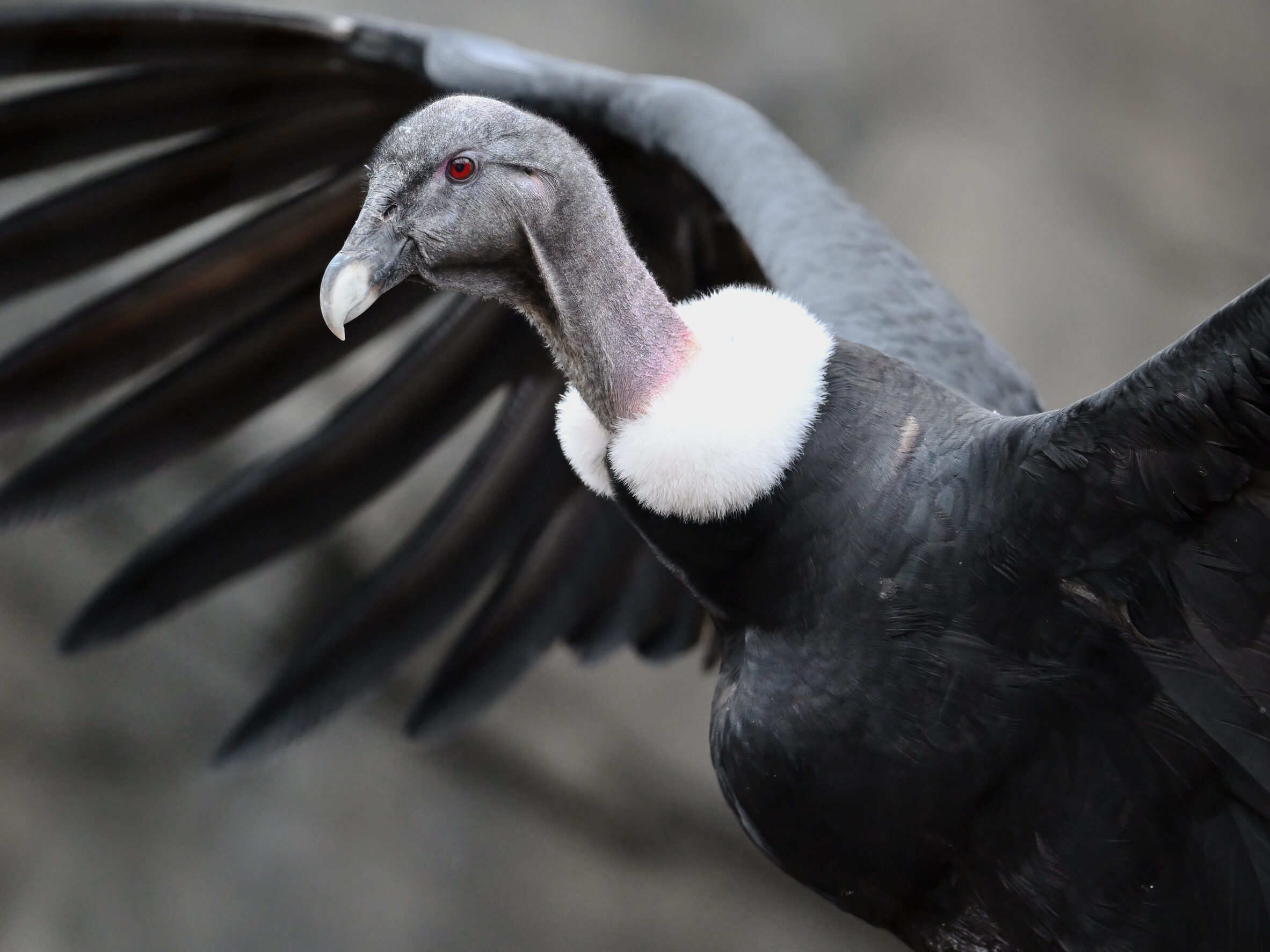
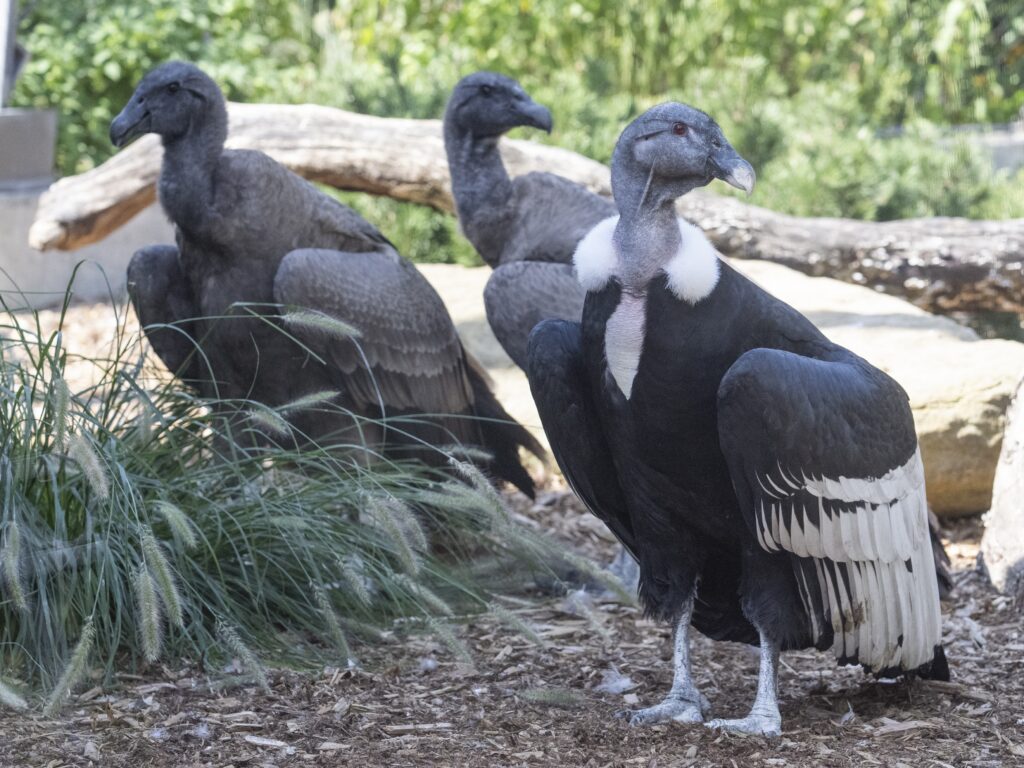
In 2012, Lianni suddenly fell desperately ill and required a blood transfusion, a procedure that had never been done on a condor. A team led by National Aviary USDA-accredited veterinarian Dr. Pilar Fish mobilized to safely collect small samples of blood from 15 Aviary birds of prey, establishing a first-of-its-kind avian blood bank. The transfusion was a success, putting Lianni on the path toward recovery with a future of motherhood still ahead of her. With this exceptional level of care, Lianni was able to heal and now continues to live a normal, active life.
Lianni’s story is yet another illustration of just how much effort the National Aviary’s expert staff puts into protecting the future of those in our care. Your gift today will ensure that the level of attentiveness Aviary supporters like you have come to expect never wavers.
Give Today