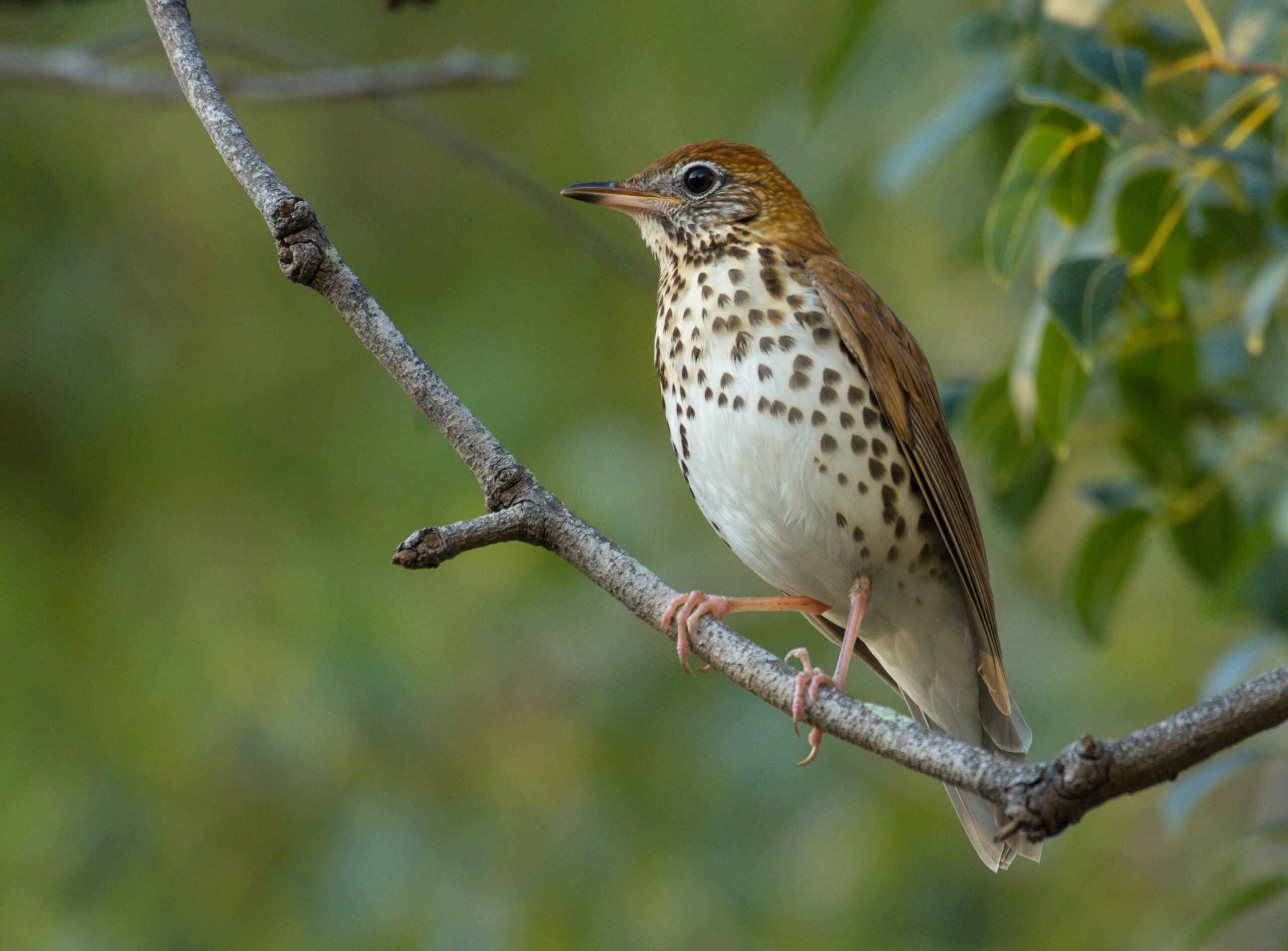
The Wood Thrush is a medium-sized songbird found primarily in forests across eastern North America. Recognizable by its rich, flutelike song, it has a distinctive appearance with a reddish-brown back and spotted breast. These thrushes are primarily migratory, spending their winters in Central America and returning to North America to breed. One of the most…
Read More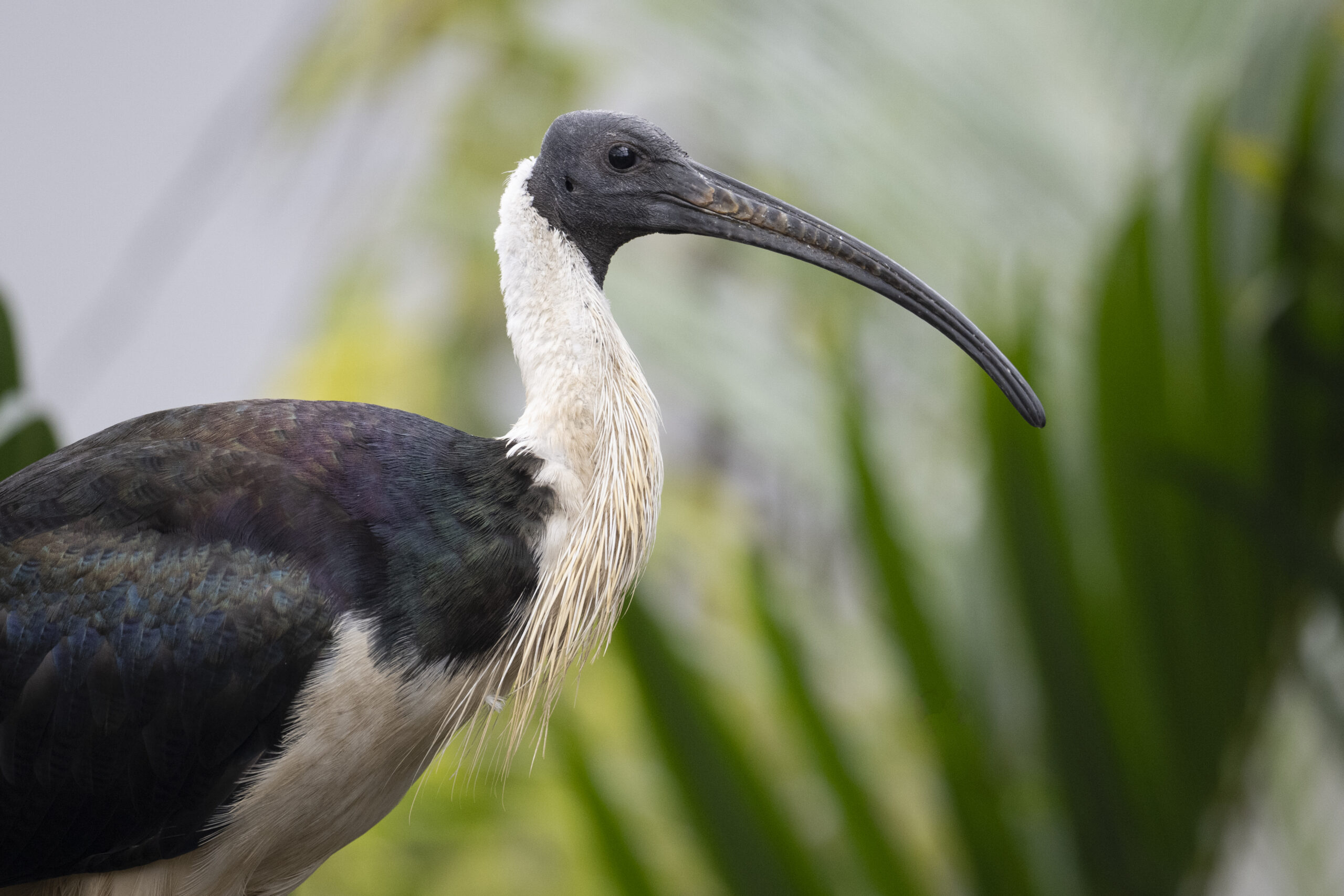
The Straw-Necked Ibis is a unique bird species that is known for its distinct features and vocalizations. With its iridescent wings and backs, and straw-like plumage on their necks, these birds are a sight to behold. Interestingly, males have longer bills while females have a dark band across their chest. The Straw-Necked Ibis also has…
Read More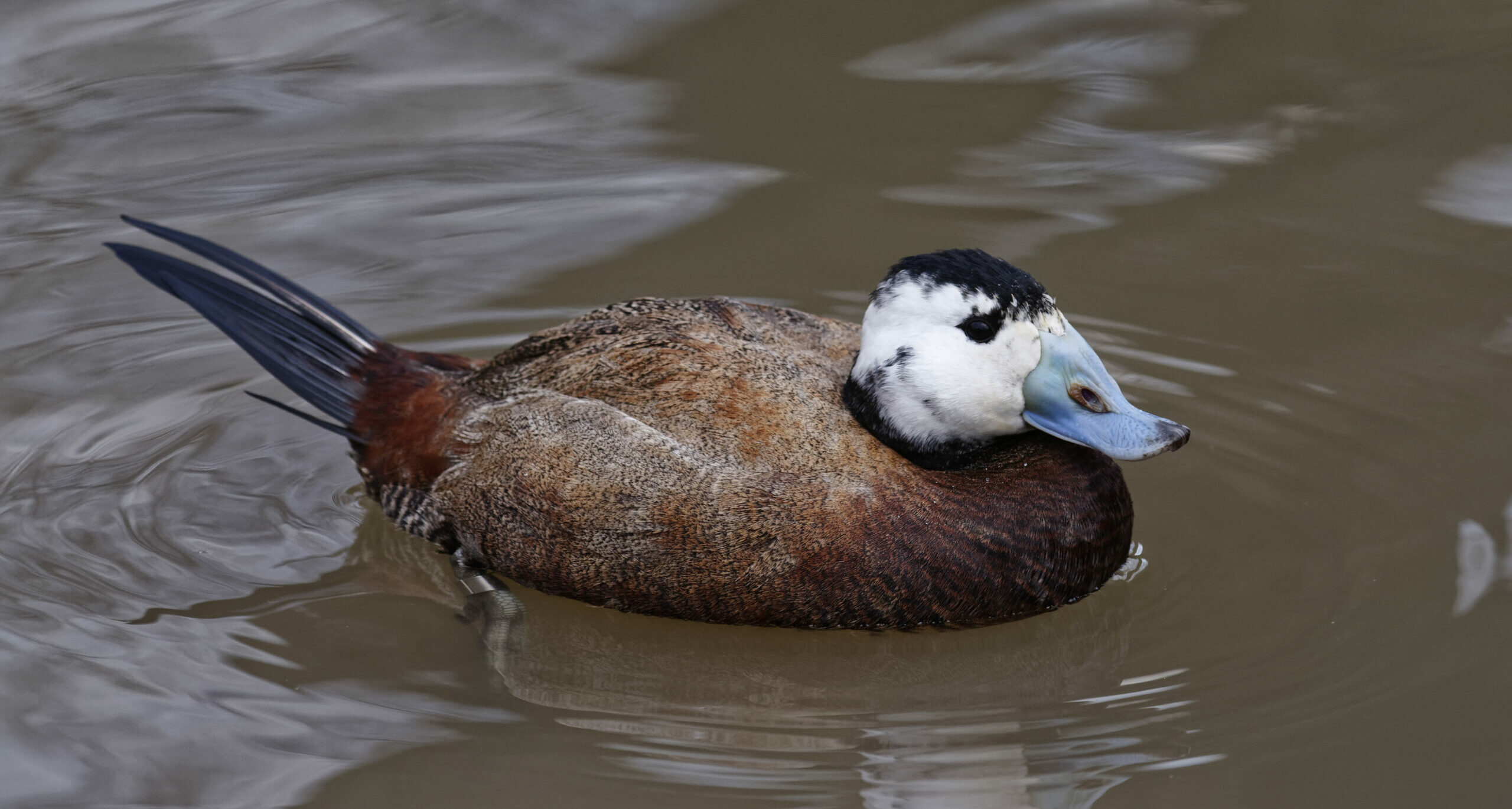
These birds are unique in that the females look different than the males, showcasing the beauty of dimorphism. But that’s not all – their prominent bills and gorgeous plumage make them a sight to behold. White-headed Ducks are also impressive divers! They engage in extensive feeding at night, feasting on mideg larvae, and can remain…
Read More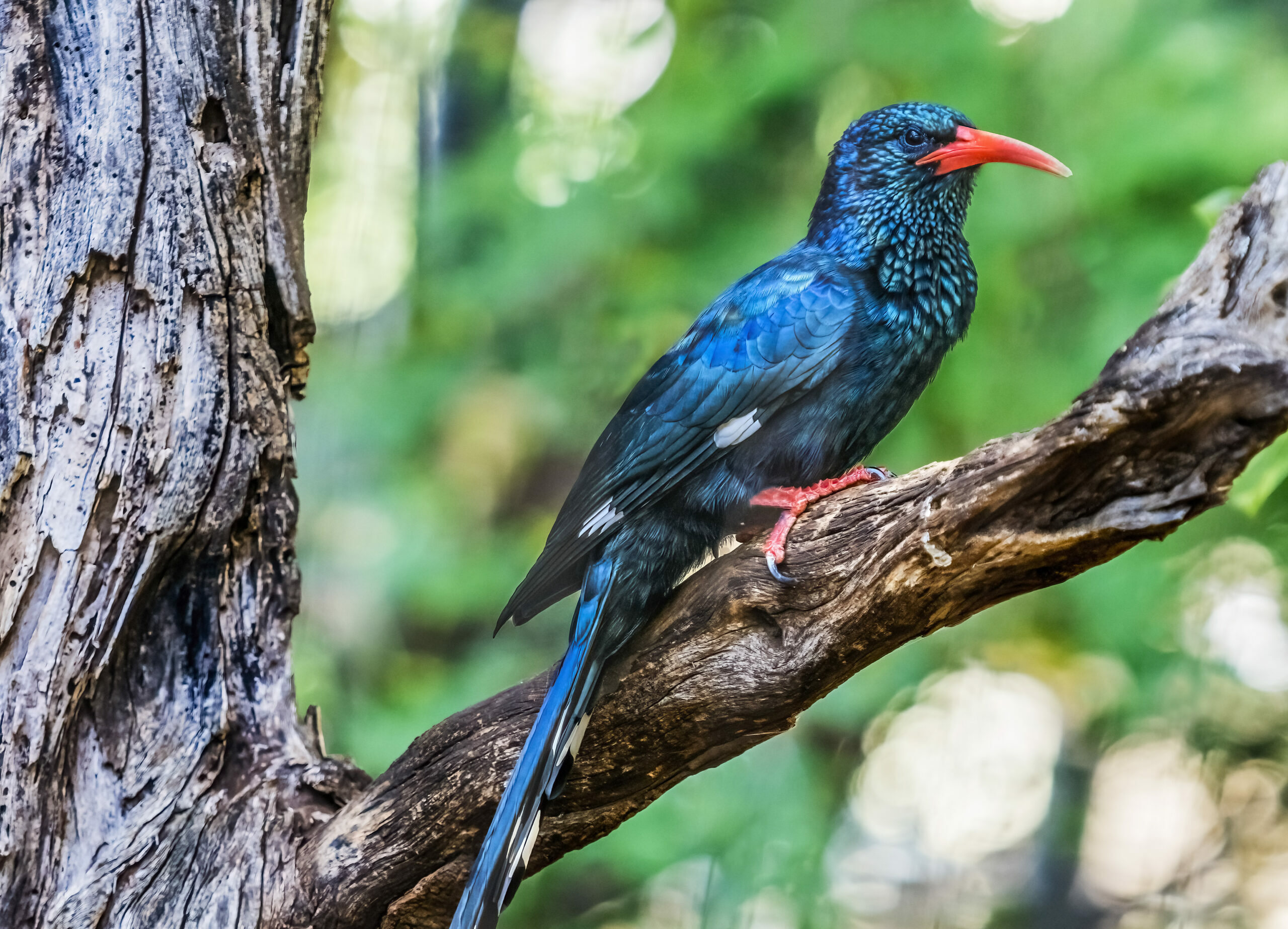
Green Woodhoopoes are very social and extremely curious about their environment – known to probe their long, curved, bright red bill into cracks and crevices in search of insects. They use their bill to pry apart bark and buds, gaining access to the food within. Woodhoopoes all have striking iridescent green, blue, and purple plumage,…
Read More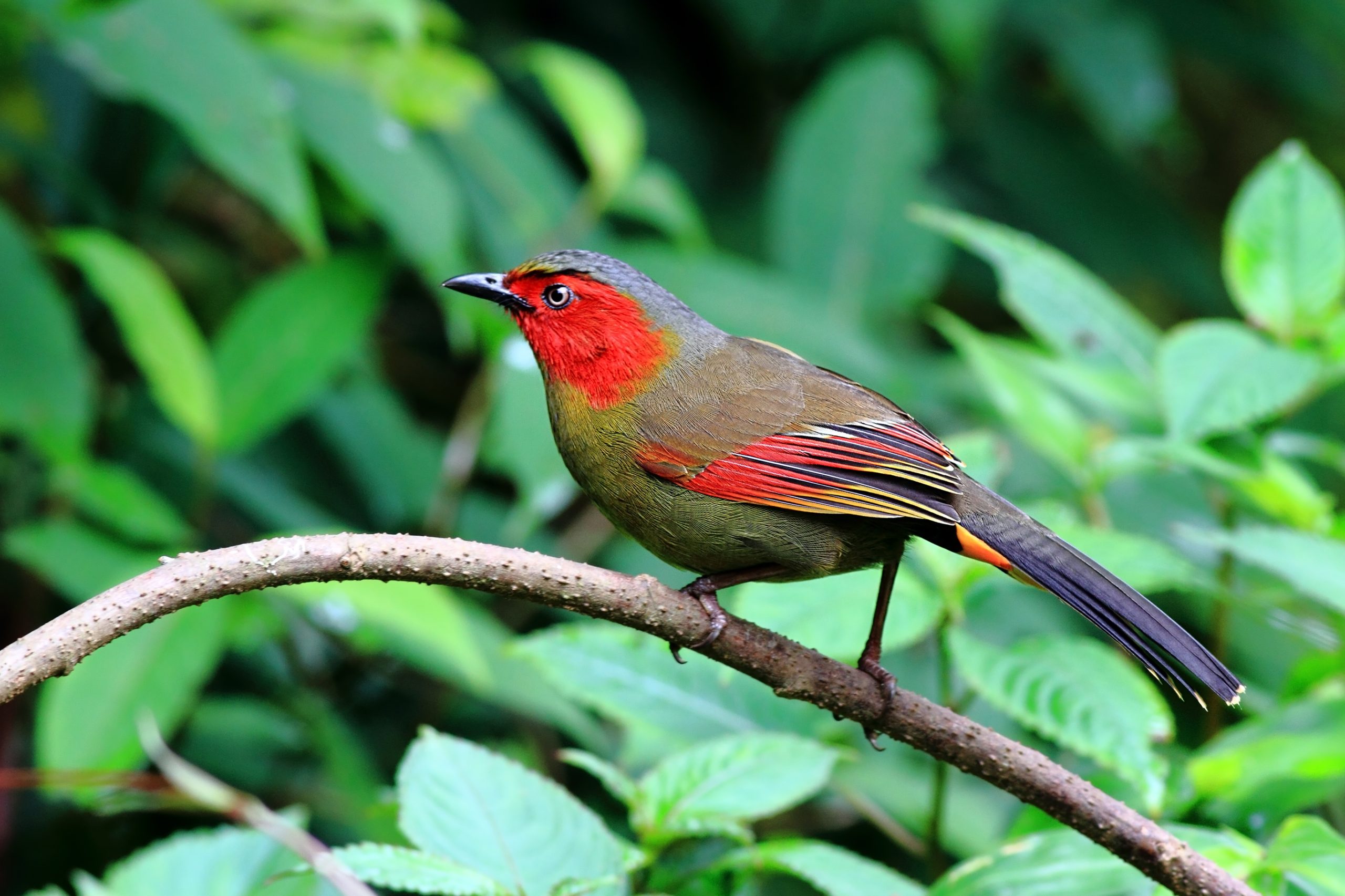
The striking Scarlet-faced Liocichla is found in the dense, hilly forests in Myanmar, Thailand, Vietnam, and China. These birds are typically furtive, spending much of their time foraging in the forest undergrowth. Scarlet-faced Liocichlas are known for being very vocal and musical like other members of the bird family that contains laughinghthrushes and babblers. As…
Read More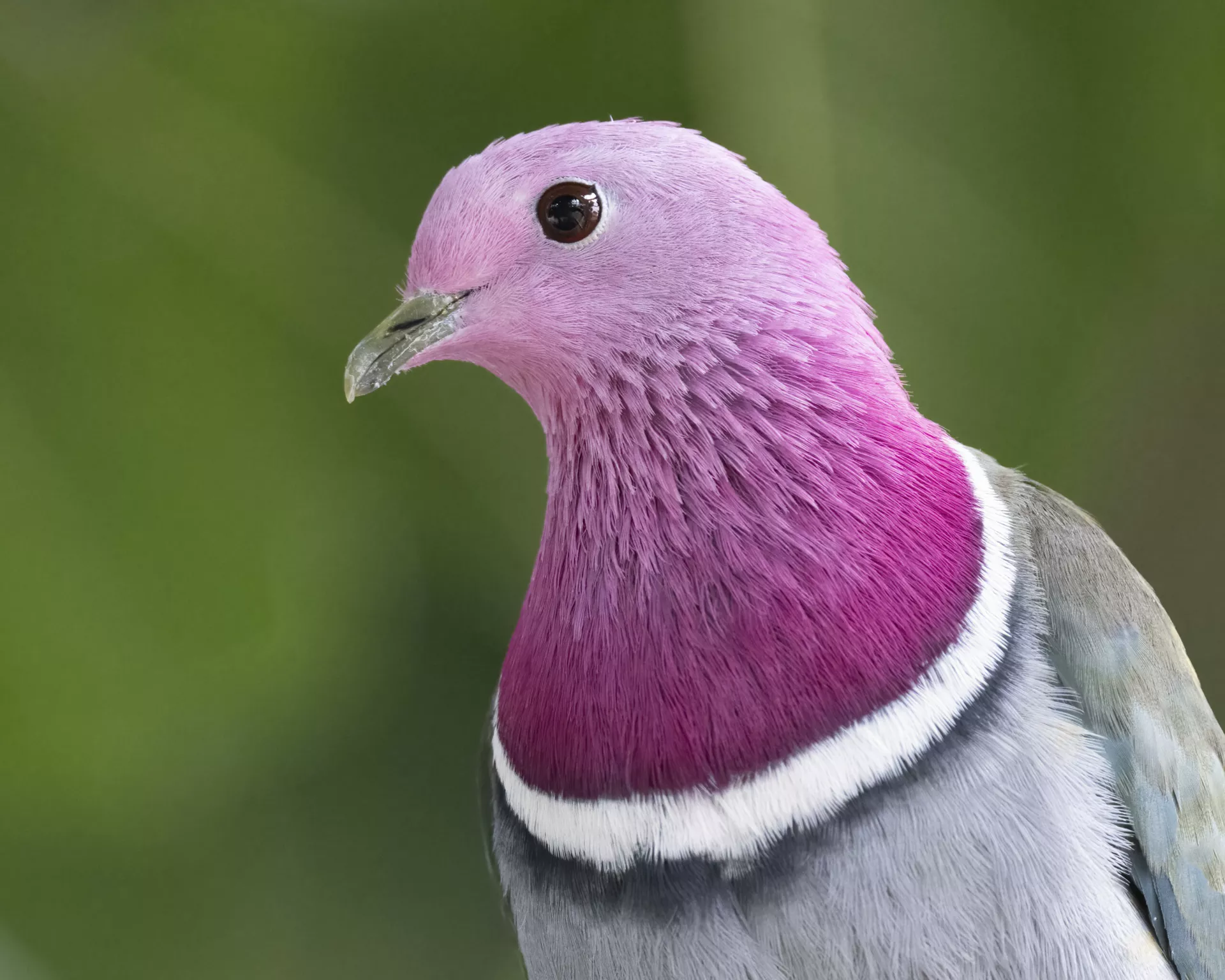
The Pink-headed Fruit-Dove is a stunning resident of the montane forests in high mountains throughout Indonesia. They feed on figs and small berries, staying high up in the forest canopy. This species lays a single egg, which the male incubates during the day and the female at night. While the Pink-headed Fruit-Dove is considered a…
Read More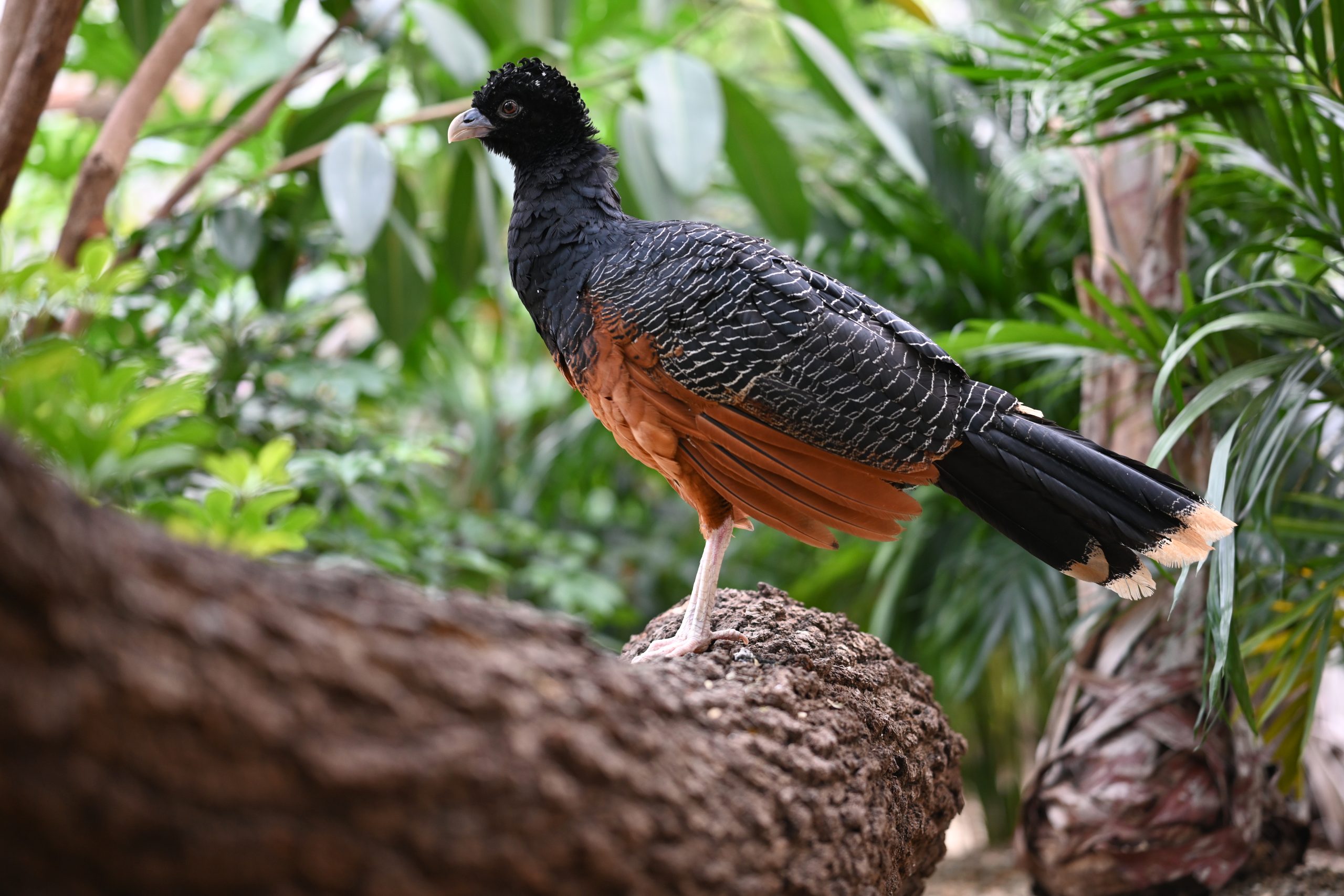
Blue-billed Curassows are large, turkey-like birds found in small, fragmented lowland habitats in Colombia. Males and females both have a fleshy blue wattle that hangs below the bill, but only the male grows a cere, or a knob, on the bill. They are primarily found on the forest floor, where they find worms, insects, fruits,…
Read More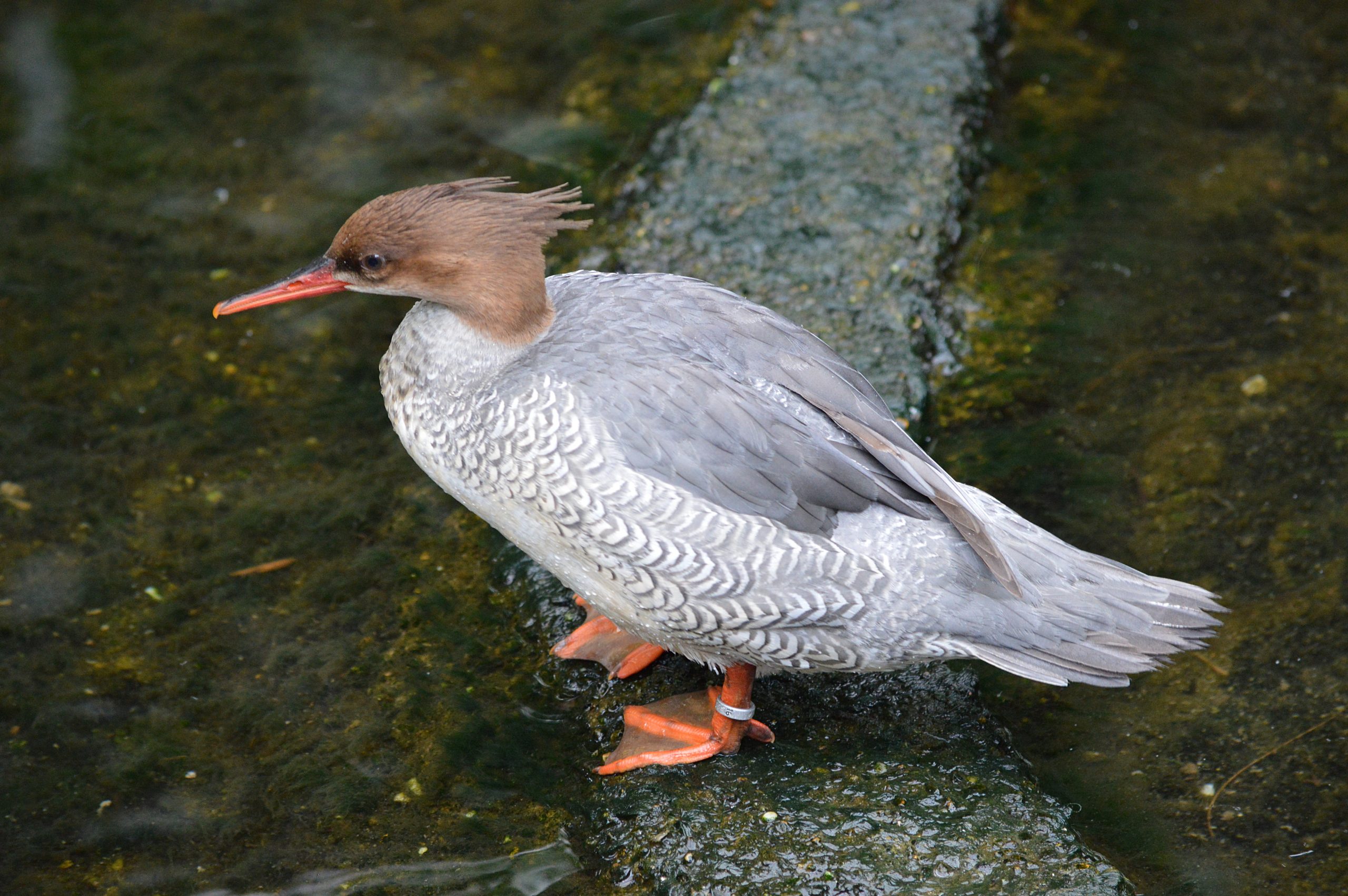
The Scaly-sided Merganser is a diving duck that breeds in Siberia, northern China, and Korea, and winters in southern China and in Russia. This species makes its home along clear, fast-flowing mountain rivers and forested streams in the taiga, a swampy coniferous forest between the tundra and the steppes. Scaly-sided Merganser females sometimes end up…
Read More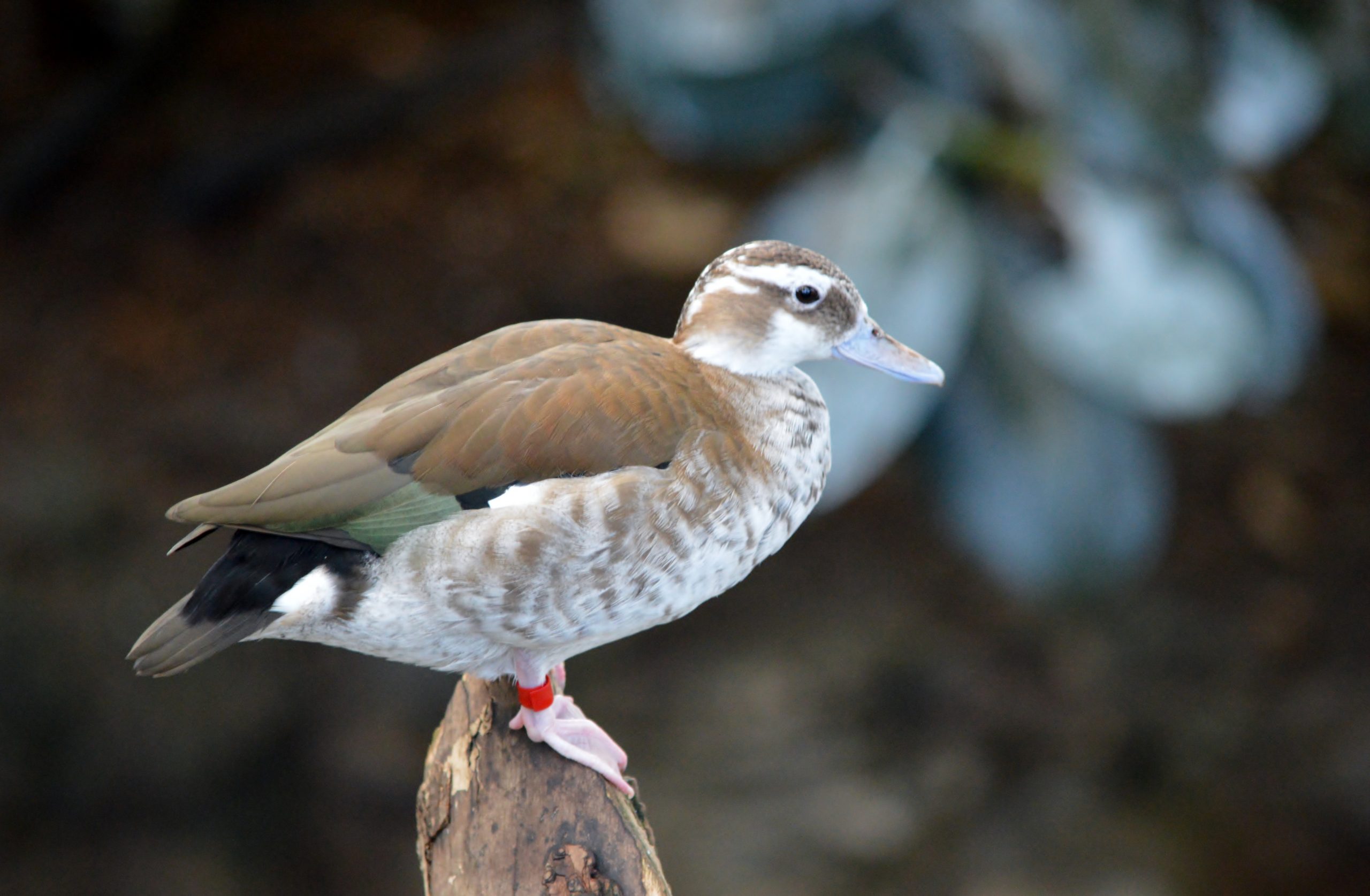
The Ringed Teal is a colorful dabbling duck of South American forests where it favors swampy tropical forests and marshy clearings in well-wooded lowlands. Although its diet is not well known, it probably includes mostly seeds, other vegetable matter, and aquatic insects. A cavity nester, the Ringed Teal forms very strong pair bonds that can…
Read More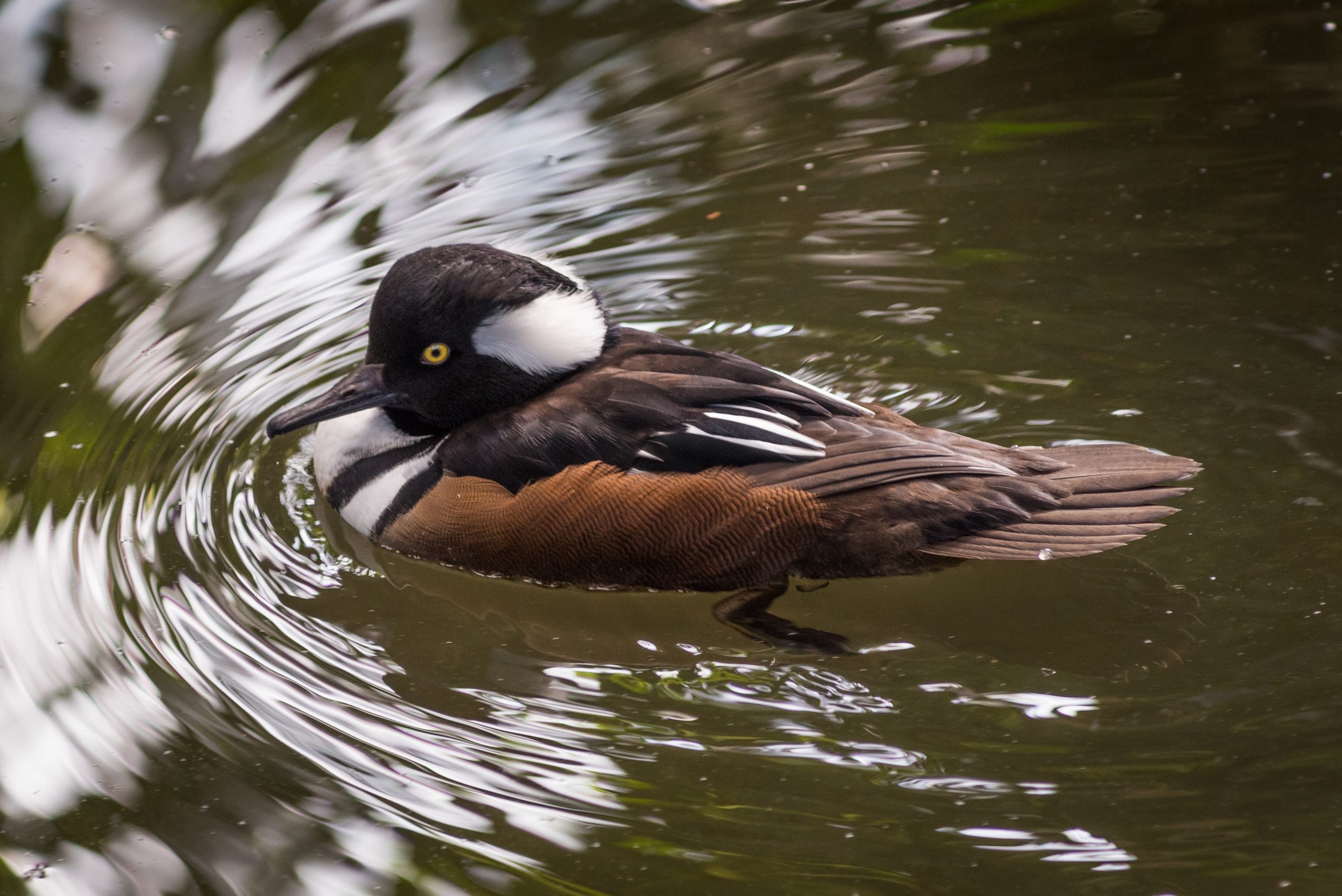
The Hooded Merganser is a showy diving duck with a distinctive head crest and bright eyes. The smallest of the three merganser species found in North America, the Hooded Merganser is found throughout most of the continental United States and southern Canada. The serrated edge and hooked tip of its bill helps the Hooded Merganser…
Read More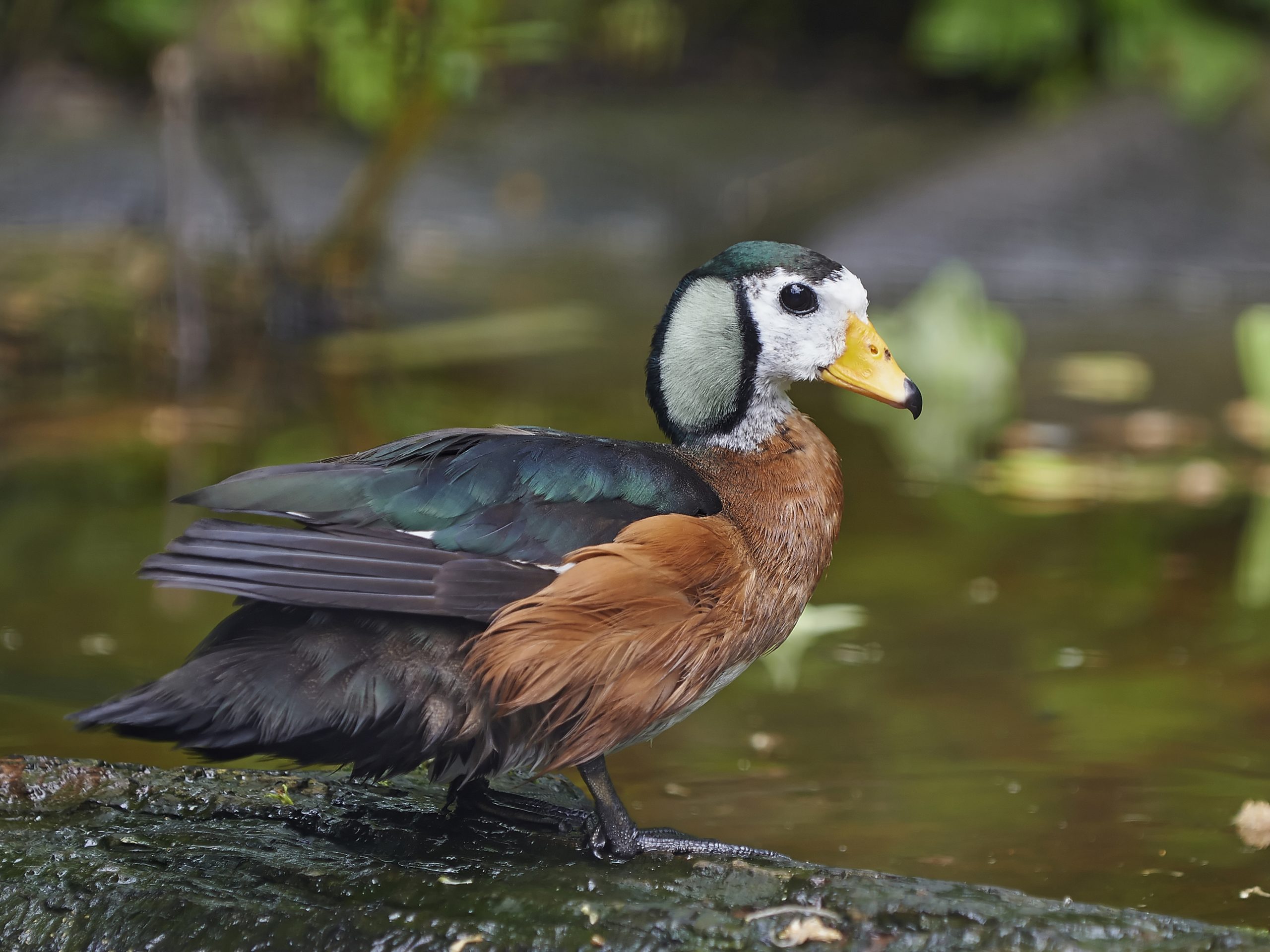
Weighing just over half a pound, the African Pygmy-Goose is the smallest species of waterfowl in the world! This goose inhabits swamps, marshes, shallow freshwater lakes, and slow-flowing rivers in Africa which have abundant aquatic vegetation. Here it feeds primarily on seeds, leaves, and flowers of various aquatic plants, and nests in a variety of…
Read More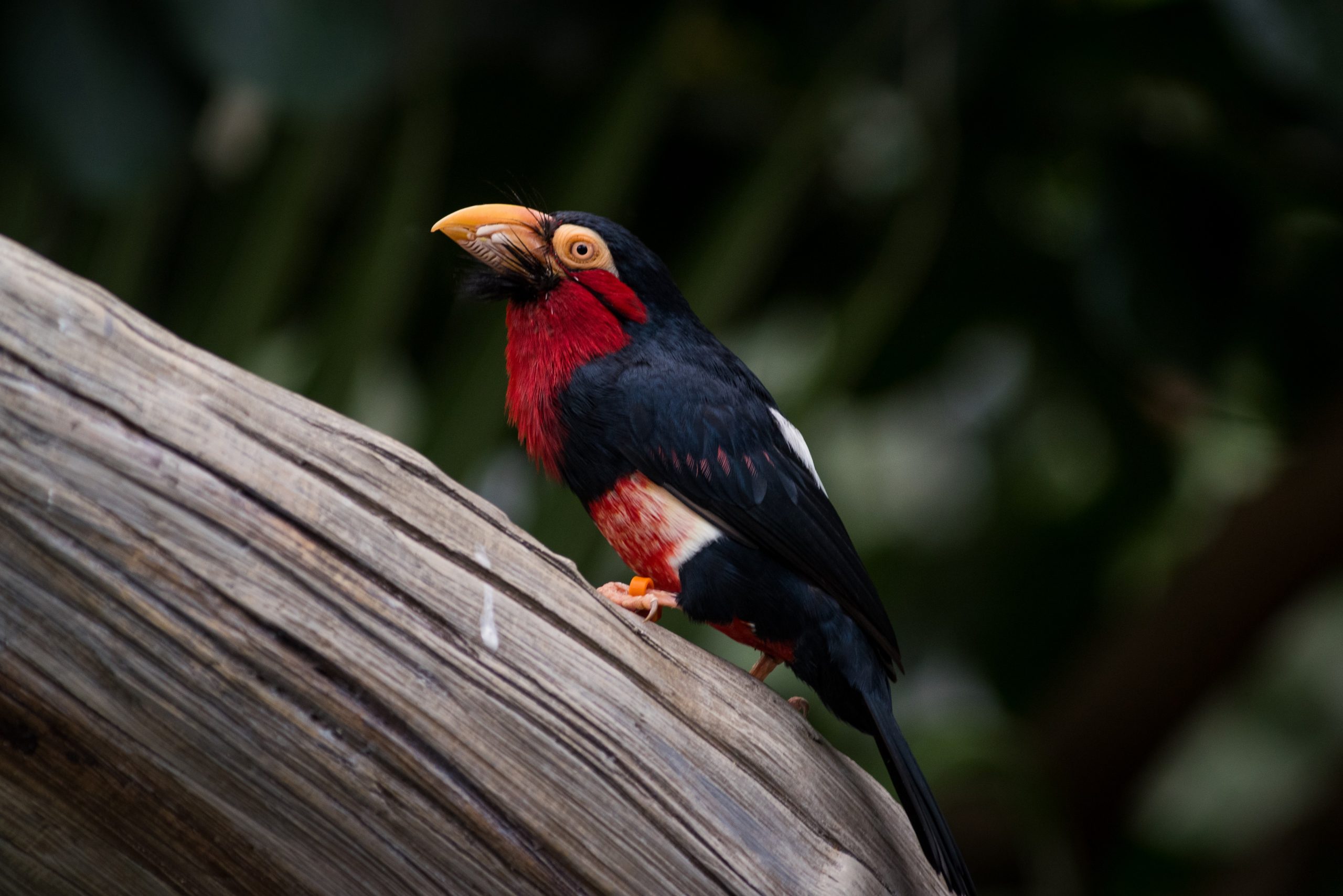
The Bearded Barbet derives its name from the distinctive bristles that sit at the base of its bill, which both males and females possess. This handsome bird, with bright red underbelly and glossy black feathers on its back, is native to the tropical habitats of western Africa. Bearded Barbets are often found in groups, moving…
Read More