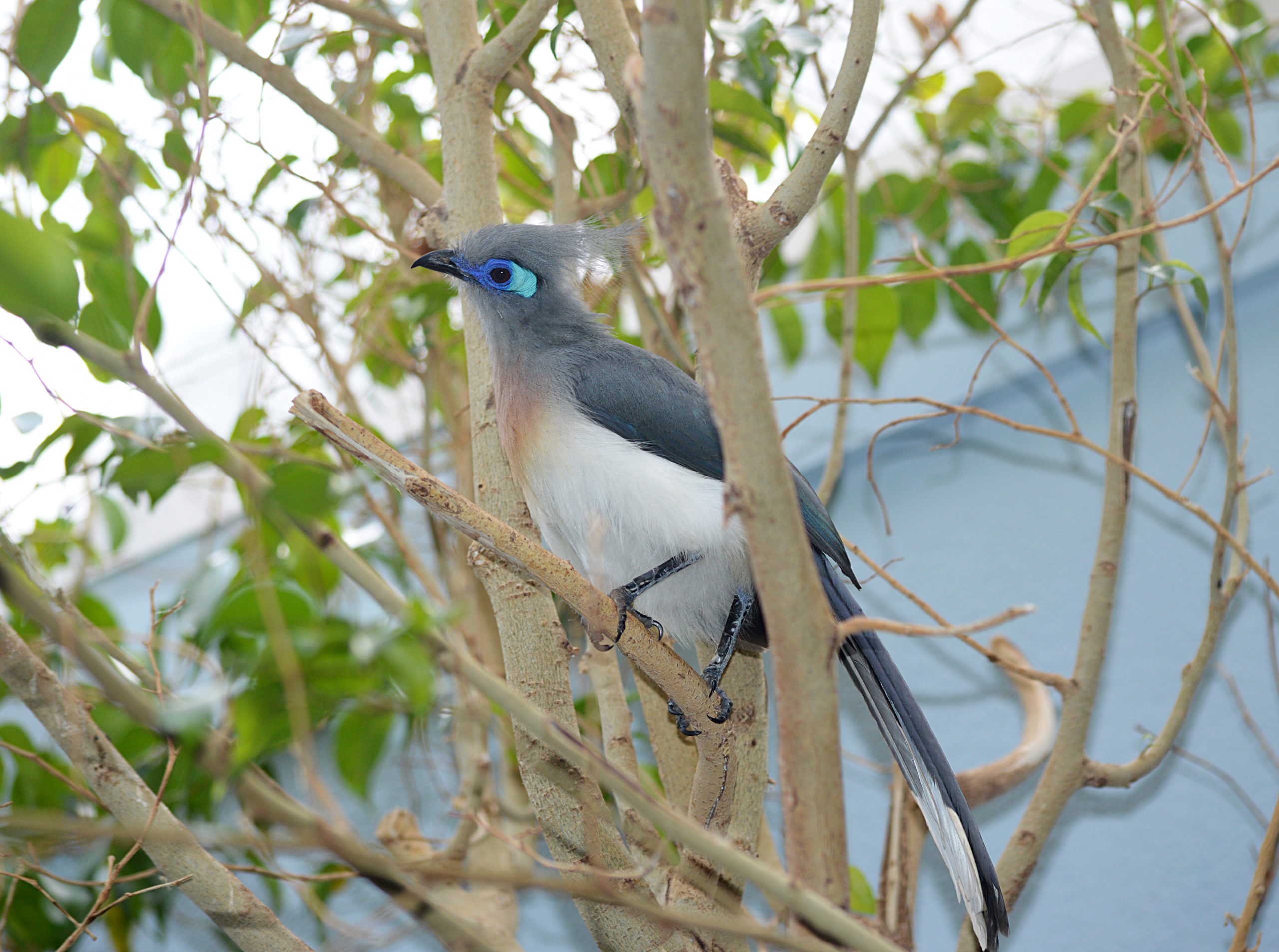
Location: Wetlands

A Crested Coua perched on a branch

The Crested Coua is found in drier habitats of the Afrotropical region, including coastal deciduous forest, savanna, spiny brushland, palms, and mangroves. The Crested Coua eats large insects, snails, small lizards, and occasionally other birds’ eggs, but also some berries, seeds, and fruits. These are collected at higher levels of the forest, mostly by walking…

Read More
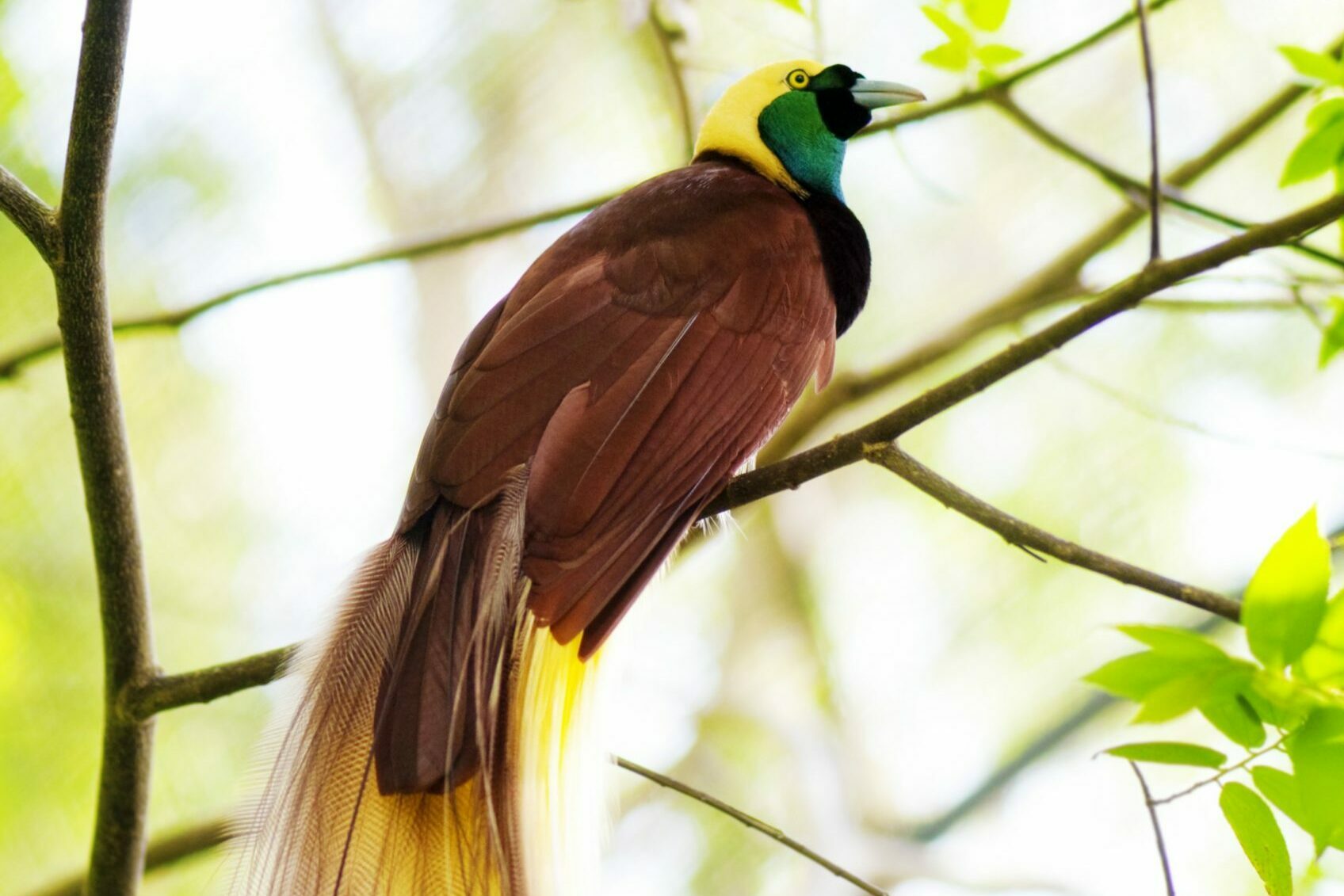
Male Lesser Bird-Of-Paradise perched on a branch

The spectacular Raggiana Bird-of-Paradise is found in lowland forest, hill forest and lower montane forest, secondary growth, forest edges and patches, and even gardens in New Guinea. Eating primarily fruits and arthropods, the species is an important dispereser of mahogany and nutmeg seeds. The male Raggiana Bird-of-Paradise’s tail has two long tail wires and cinnamon-colored…

Read More

In The News

See All News

National Aviary in Pittsburgh starts their 2026 Fall Annual Campaign to help Brown Pelican Harper and other birds | Beaver County Radio

Support for recovery of a young Brown Pelican named Harper and other birds is the main reason that this campaign exists.

Read More »

Sister Skunk Name Results Are IN! | National Aviary

The entire two-round naming contest highlighted just how much people truly care about the National Aviary: raising more $2,500 in 2.5 weeks, and increasing September Guest and Member attendance at the Aviary by 40% compared to past years.

Read More »

The National Aviary receives prestigious accreditation from the Association of Zoos and Aquariums | Association of Zoos and Aquariums

The Association of Zoos and Aquariums (AZA) has announced that the National Aviary in Pittsburgh, Pennsylvania was once again granted accreditation by AZA’s independent Accreditation Commission.

Read More »

The Expert’s Guide to Helping Injured Birds During the Fall Migration | National Geographic

Every year billions of birds die from glass window collisions, or from house cat attacks. These incidents can be avoided, and injured birds can be taken care of.

Read More »

If You Hear “Kis-Ka-Dee,” Look Up Because Experts Say You May Have a Rare Visitor in Your Yard | Yahoo Life

But avid birdwatchers know that every region also has birds that are far less common—and that makes spotting one an extra memorable experience no matter how old you are.

Read More »