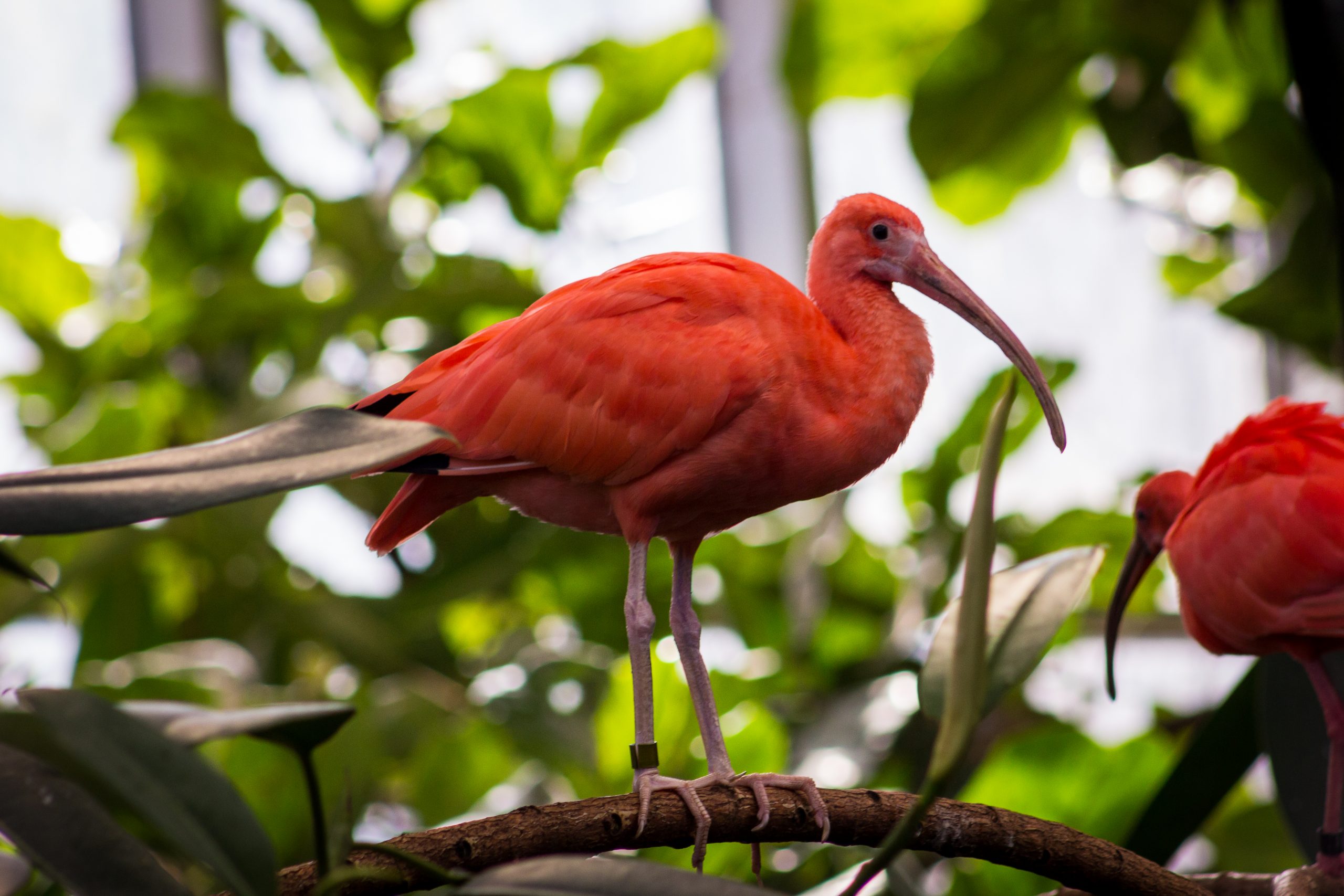
Scarlet Ibis are beautiful birds noted for the vibrancy of their namesake scarlet feathers. These bright birds are found in mangrove swamps and wetlands of northern South America, feeding on crustaceans as they wade through water. Like other ibis species, the Scarlet Ibis is very social, and sometimes even forages with other species like herons…
Read More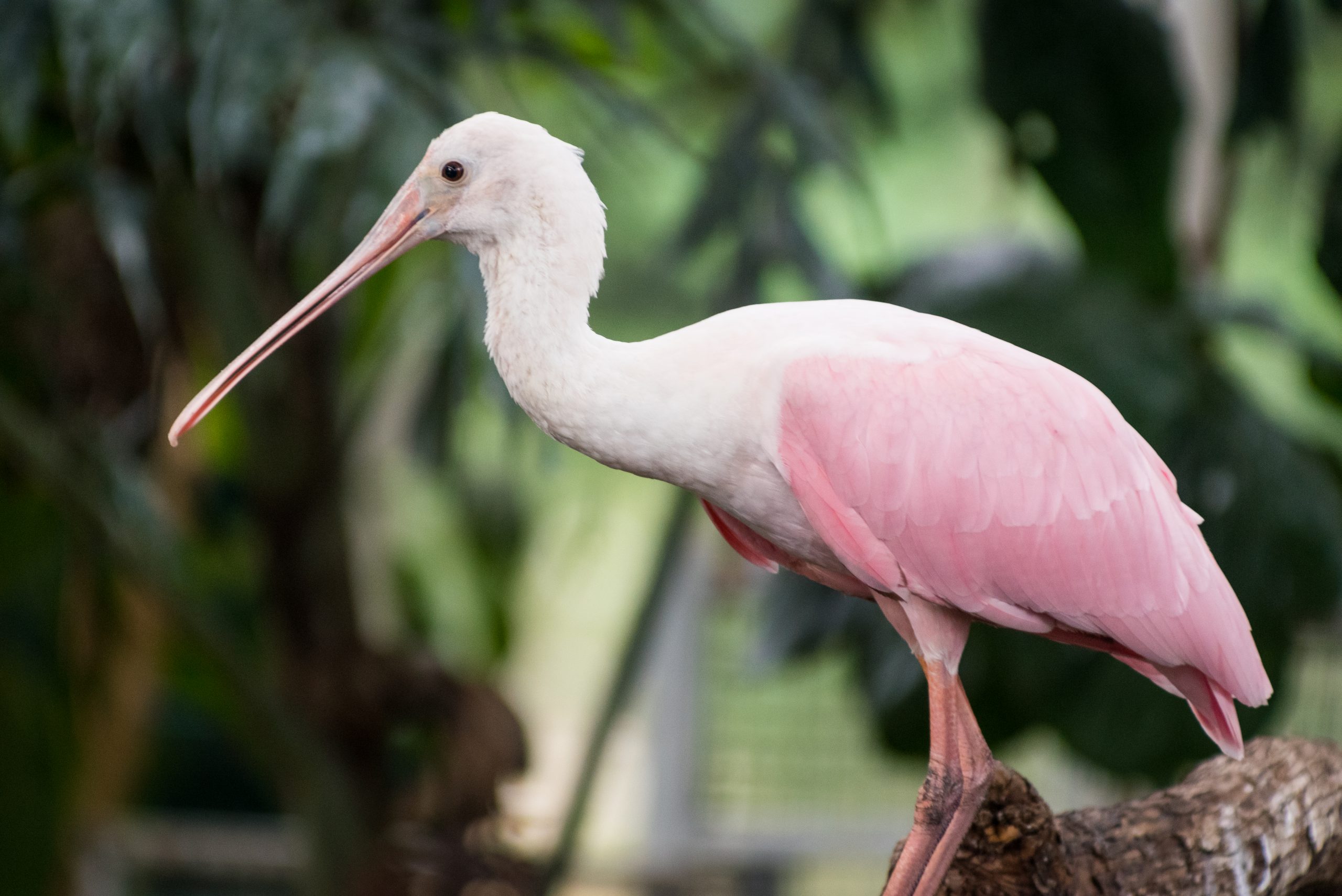
Roseate Spoonbills are distinctive birds with pink plumage with a uniquely shaped bill that gives them their name. Their long, flat bill is rounded at the end like a spoon, and they use it to scoop up small crustaceans as they slowly walk through shallow water. These small crustaceans are also the source of the…
Read More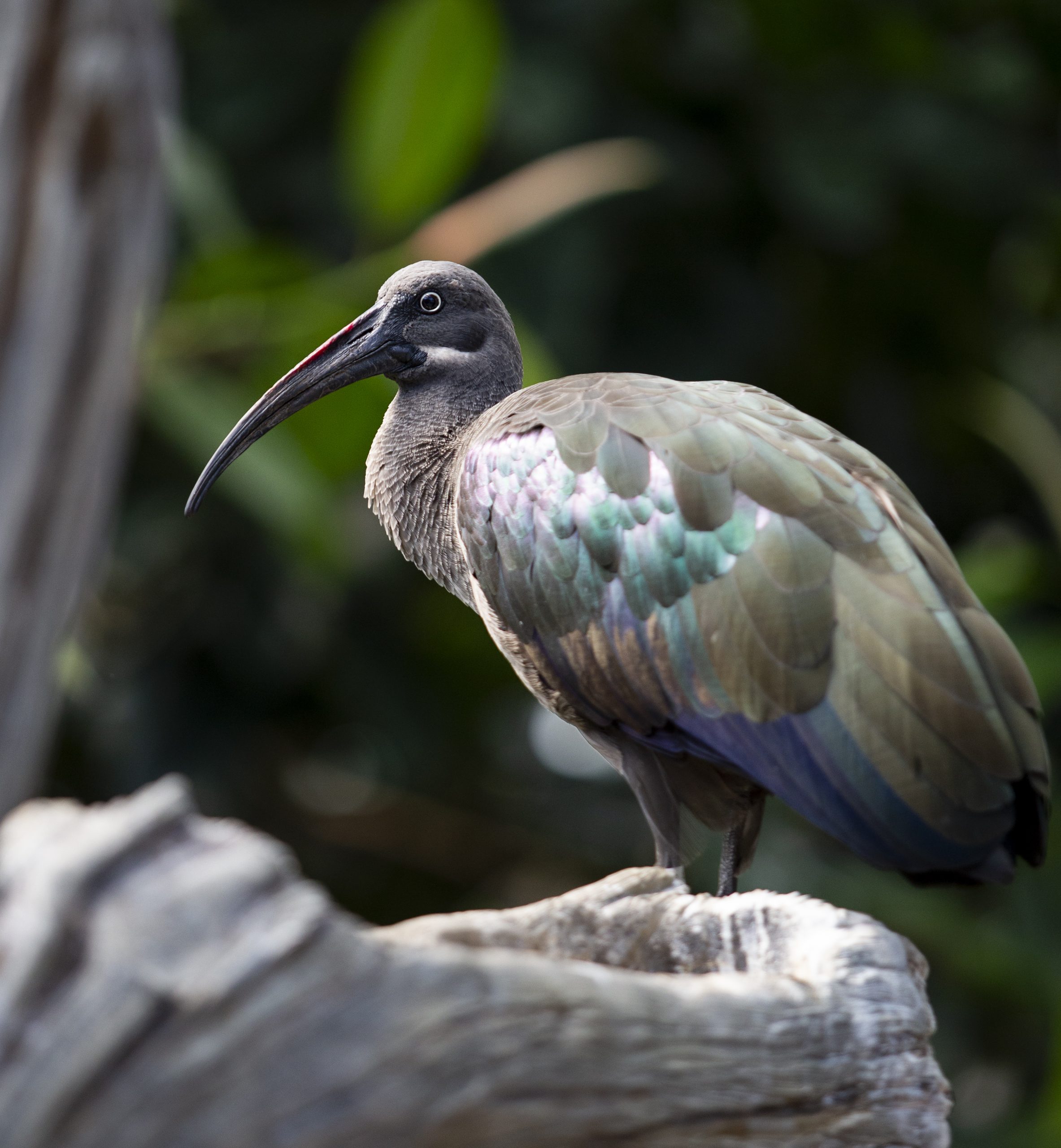
The shimmery feathers of the Hadada Ibis isn’t the only attention-grabbing feature of this bird: its loud call can be heard echoing through the Wetlands! Hadada Ibises are found in sub-Saharan Africa in a variety of habitats and often in close proximity to humans. This medium-sized ibis uses its long, curved beak to probe the…
Read More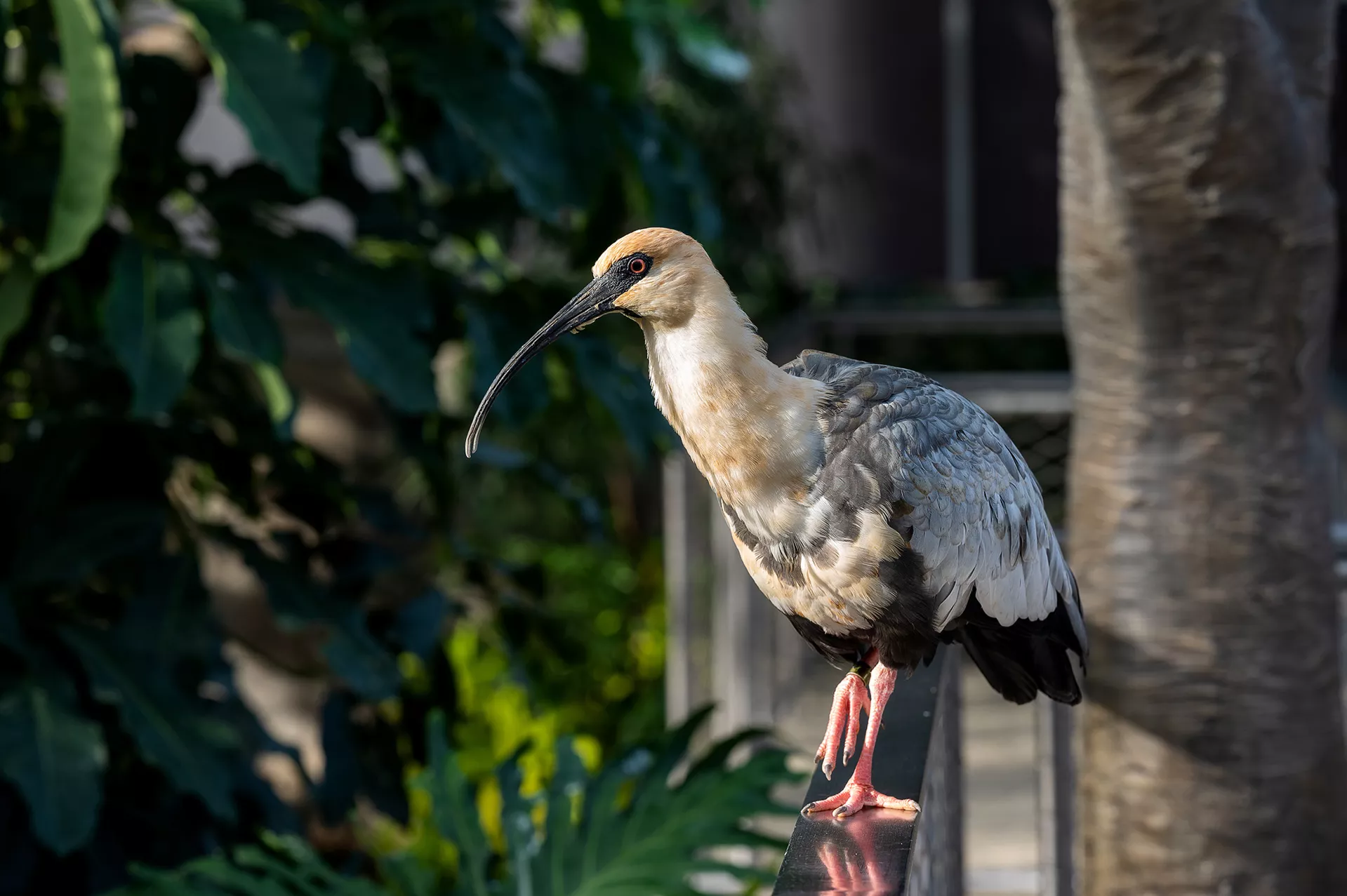
The Black-faced Ibis is found throughout open fields and meadows in southern South America. Black-faced Ibises are sociable birds, often nesting in colonies of up to 50 pairs, and sometimes among other species like Black-crowned Night-Herons or cormorants. They may feed alone or in small flocks, and their diet consists of insects and occasionally frogs,…
Read More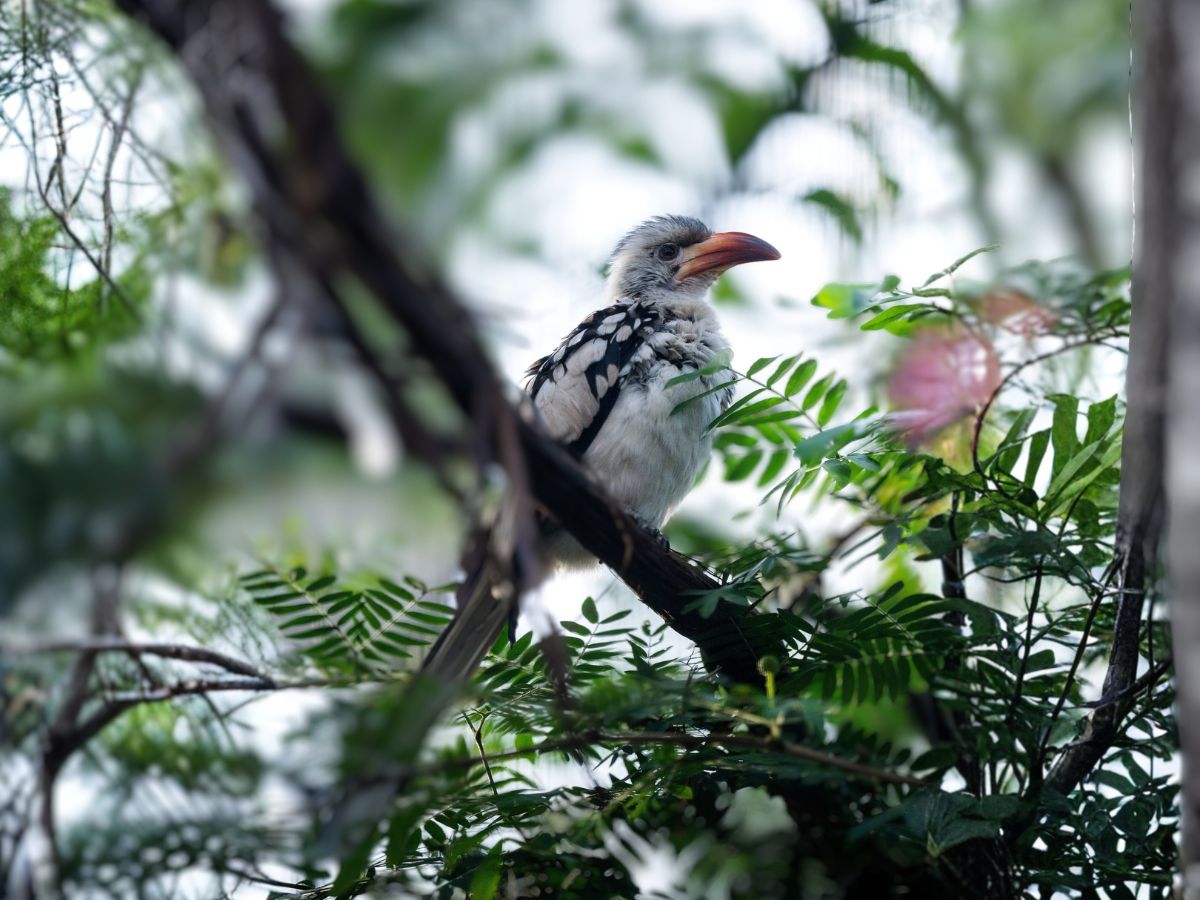
Made internationally famous as the result of the animated character, Zazu, in Disney’s The Lion King, the Red-billed Hornbill is a bird of open savannas and woodlands, and dry thorn-scrub with sparse ground cover in the Afrotropical region. This species forages for a variety of small invertebrates, but will also take some fruit and seeds….
Read More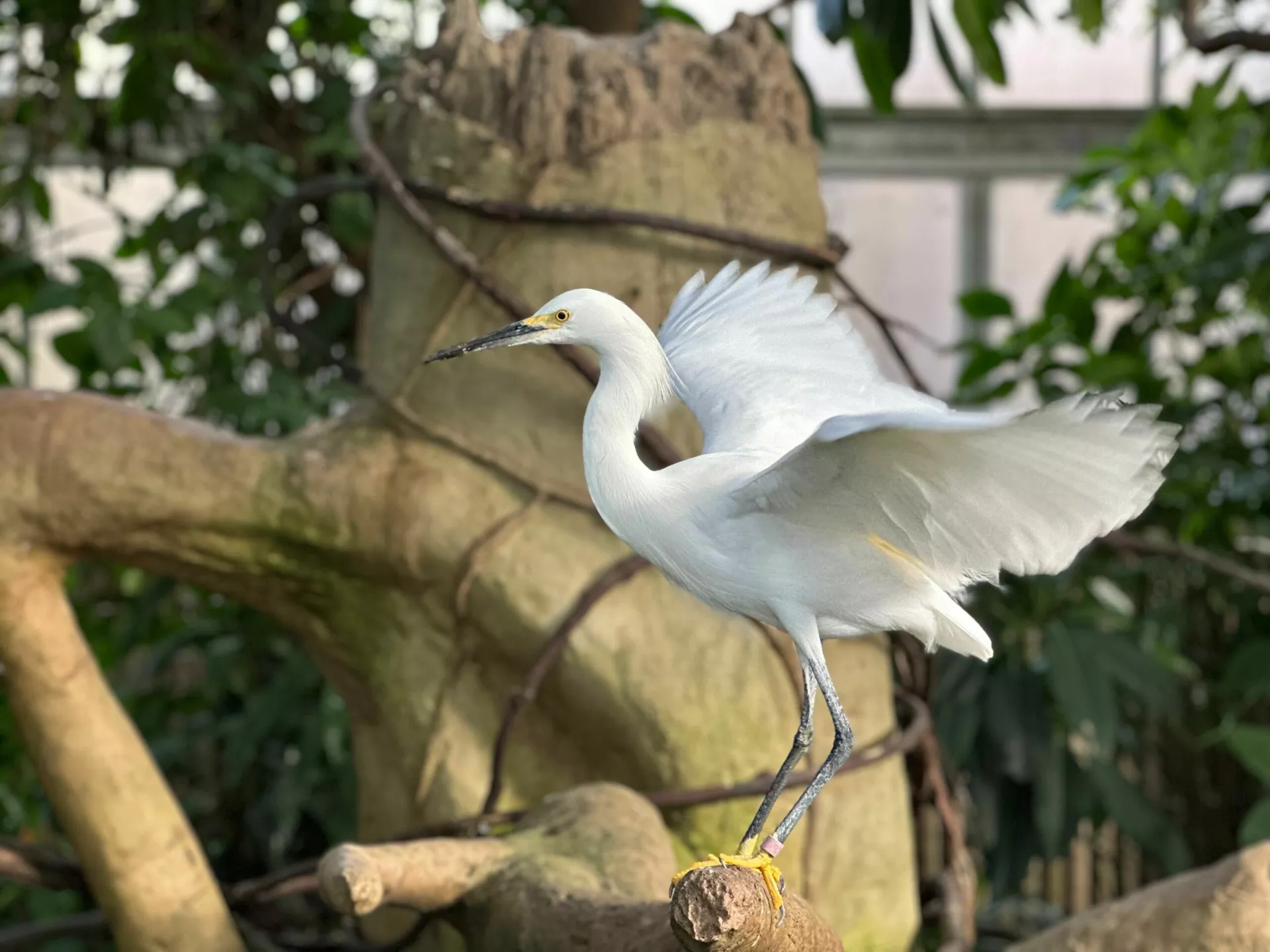
Snowy Egrets are strikingly beautiful birds, with pure white plumage and graceful and elaborate courtship displays. The feathers of the Snowy Egret were highly sought after for fashion, primarily for women’s hats, throughout the late 1800s and into the early twentieth century. The species’ population declined rapidly until restrictions on hunting were put into place…
Read More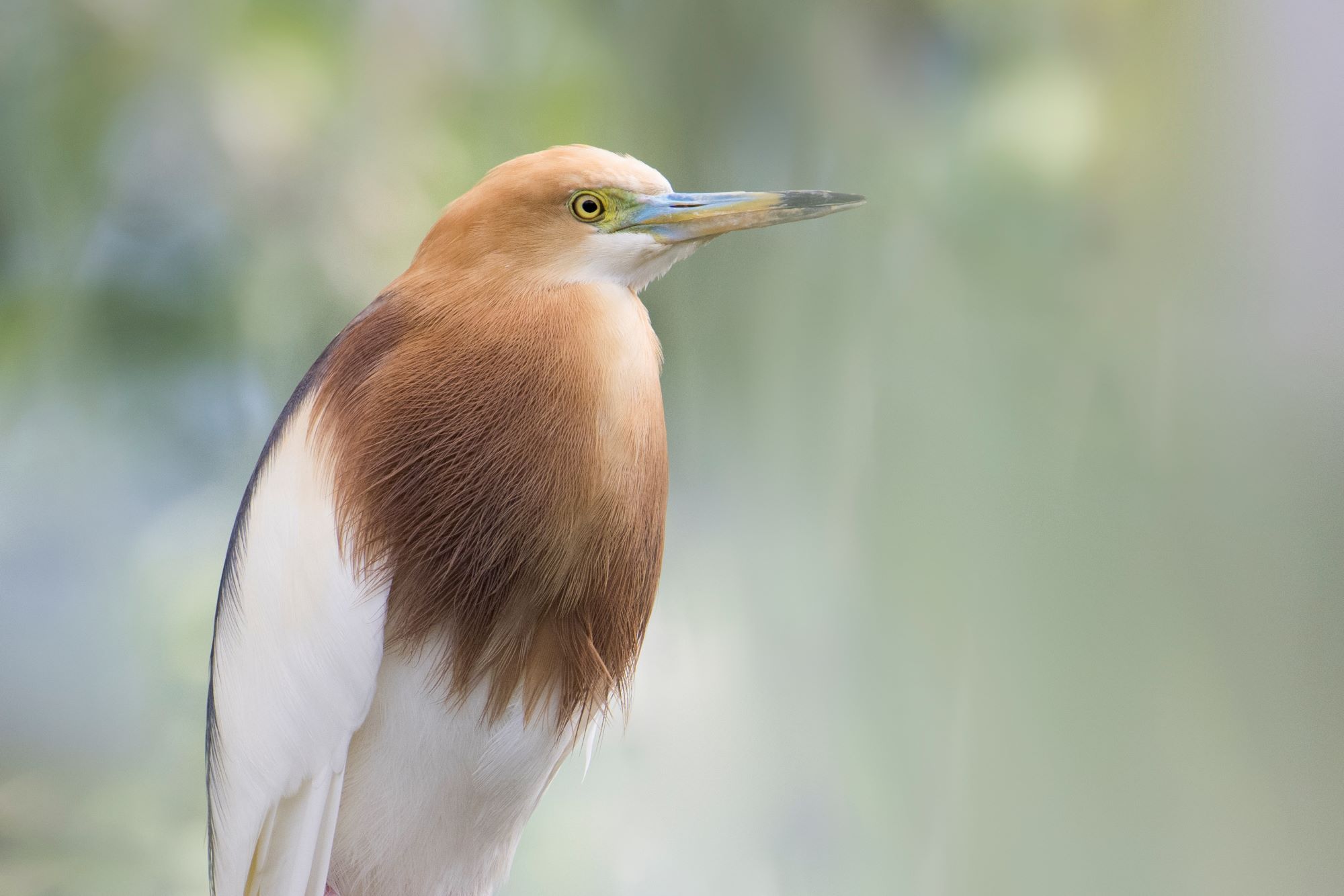
The Javan Pond-Heron is a wading bird found in Southeast Asia. Described as “stout,” this heron is sometimes mistaken for an egret with similar plumage. It inhabits swamps, marshes, and flooded plains, where it forages for crabs, insects, and fish by remaining motionless for long periods of time before snatching food from the water. This…
Read More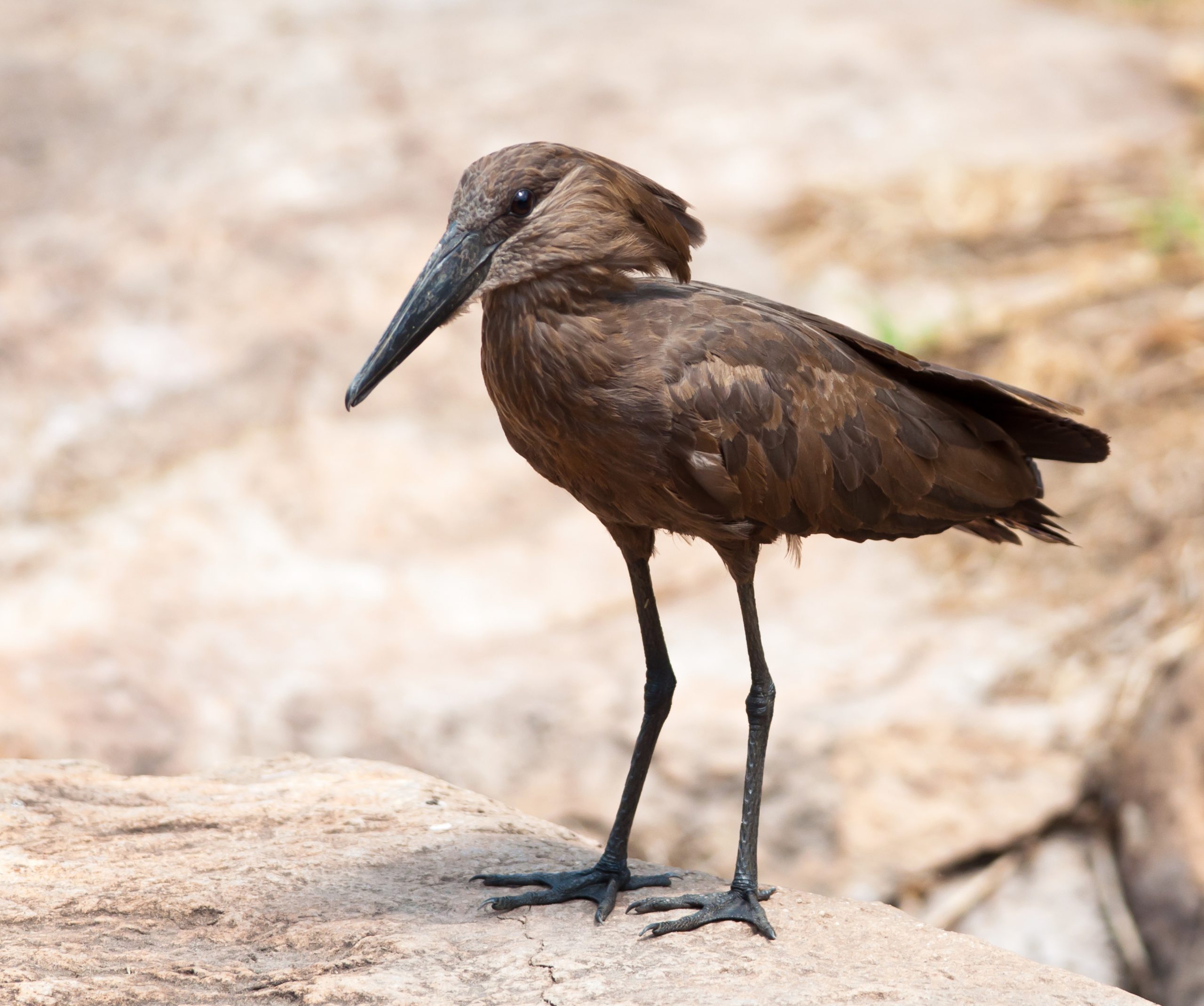
The Hamerkop is a mostly brown bird of the wetlands of Africa and Madagascar, and are known for the huge stick nests which they build – sometimes make several or more each year! Hamerkops are found in a variety of wetlands, including estuaries, and lake margins, but they also require nearby trees important for roosting…
Read More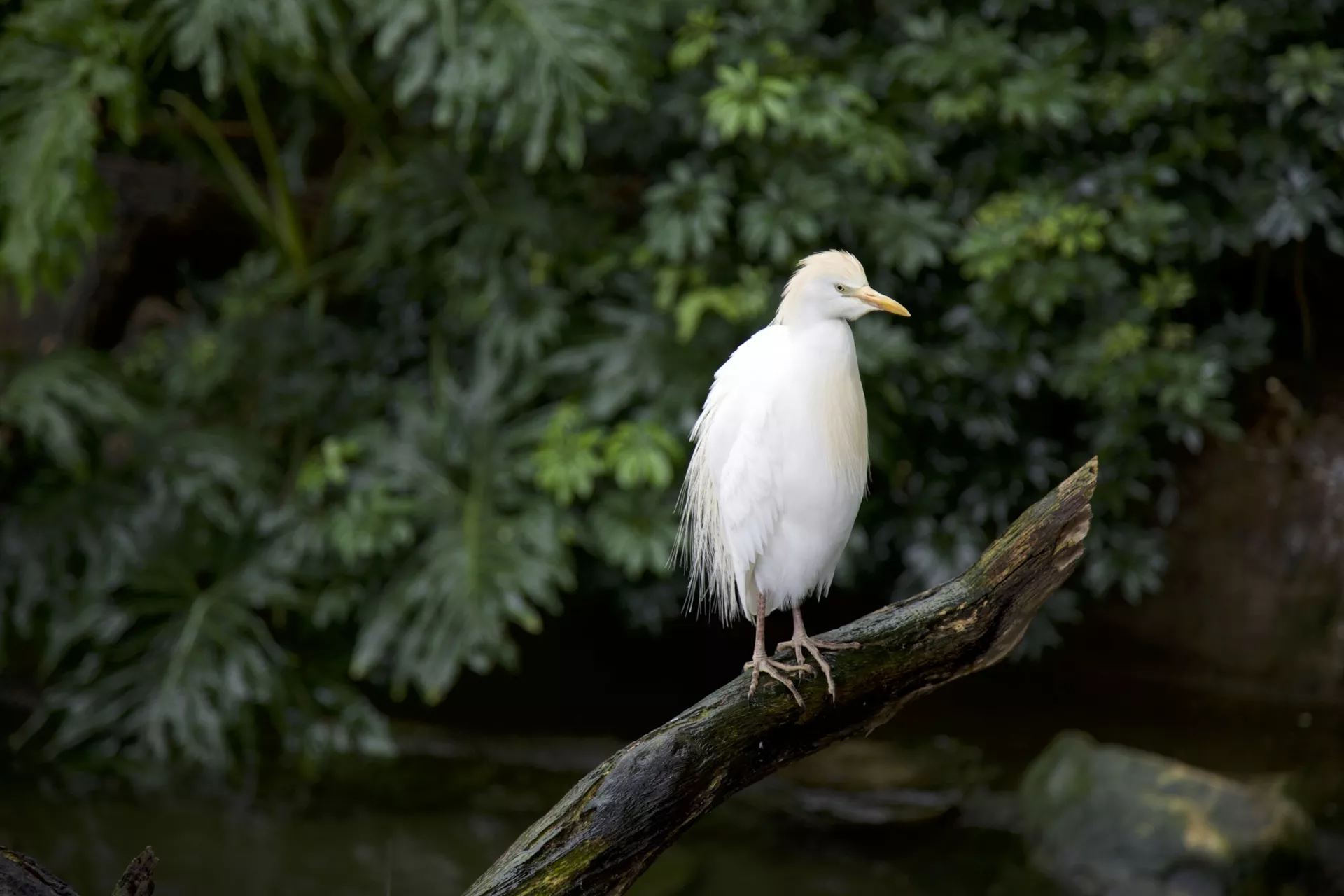
A smaller egret, the Eastern Cattle Egret is named for its habit of stalking insects and other small prey disturbed by herds of cattle moving through and grazing in grassland habitats. Egrets will fly to a grass fire from far away in order to catch fleeing insects, and they even forage at airports, waiting at…
Read More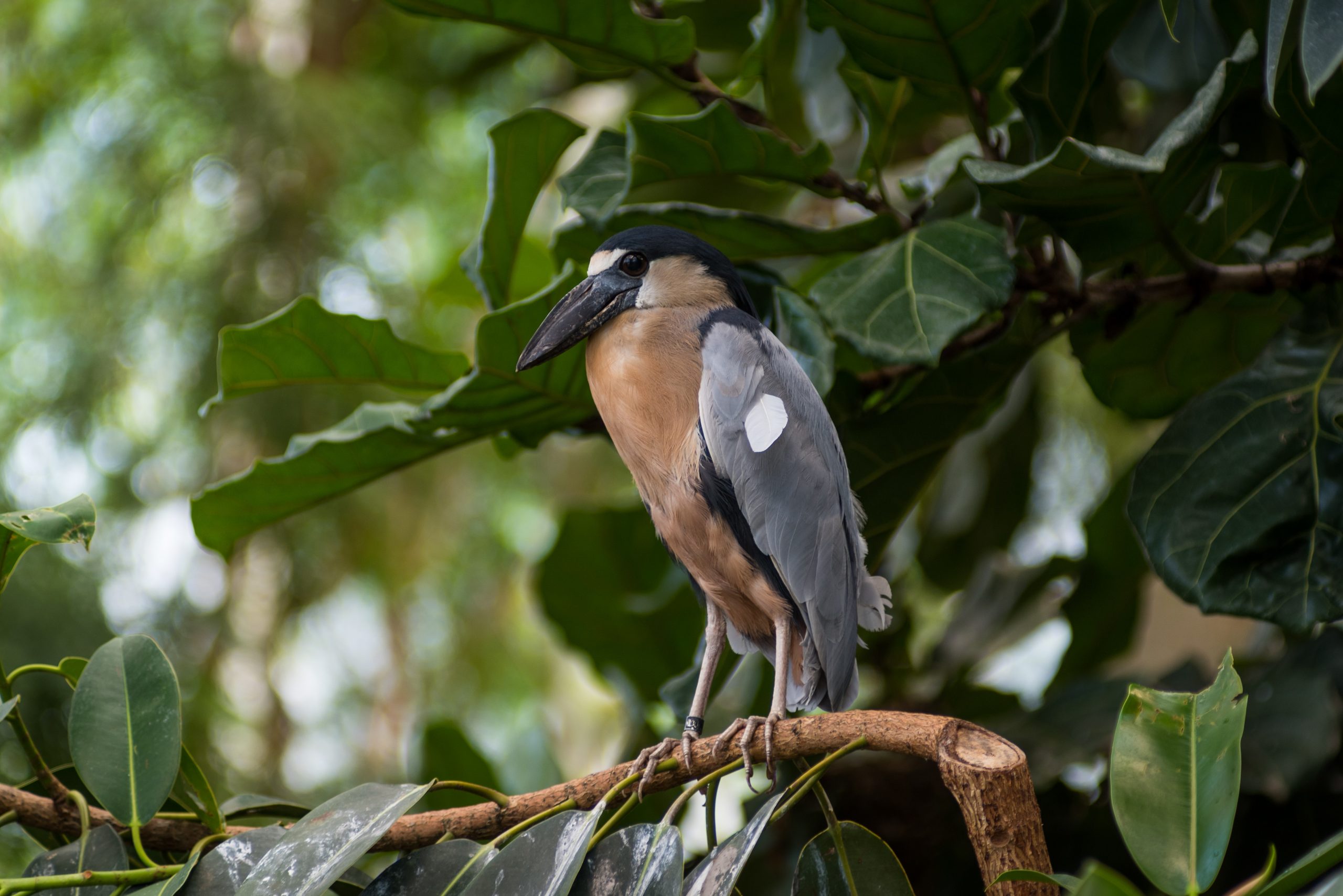
Boat-billed Herons have shorter legs and squatter bodies than most herons, but their distinguishing feature is their very large and broad bill and huge, dark eyes. The eyes are an indication of their foraging behavior, which takes place at dusk and early night. Native to the Neotropics, this heron is an inhabitant of coastal mangroves…
Read More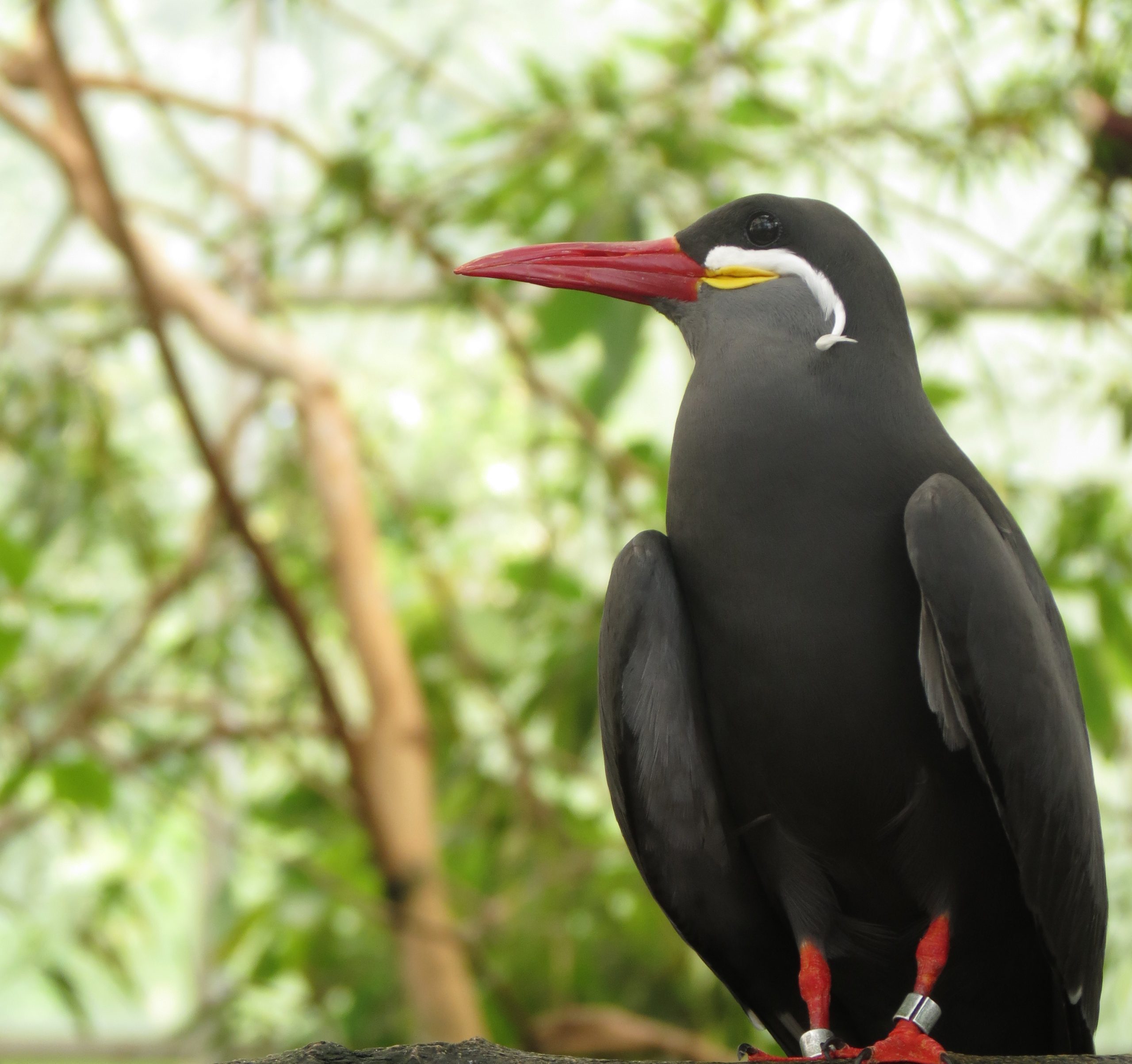
This dark tern with its reddish-orange beak and feat, and striking white moustache, is a resident of the coasts of Peru and Chile where it catches fish in the Humboldt Current. The Inca Tern nests along the Pacific coast on rocky cliffs or guano islands, sometimes utilizing the old nest of a Humboldt Penguin. Reduction…
Read More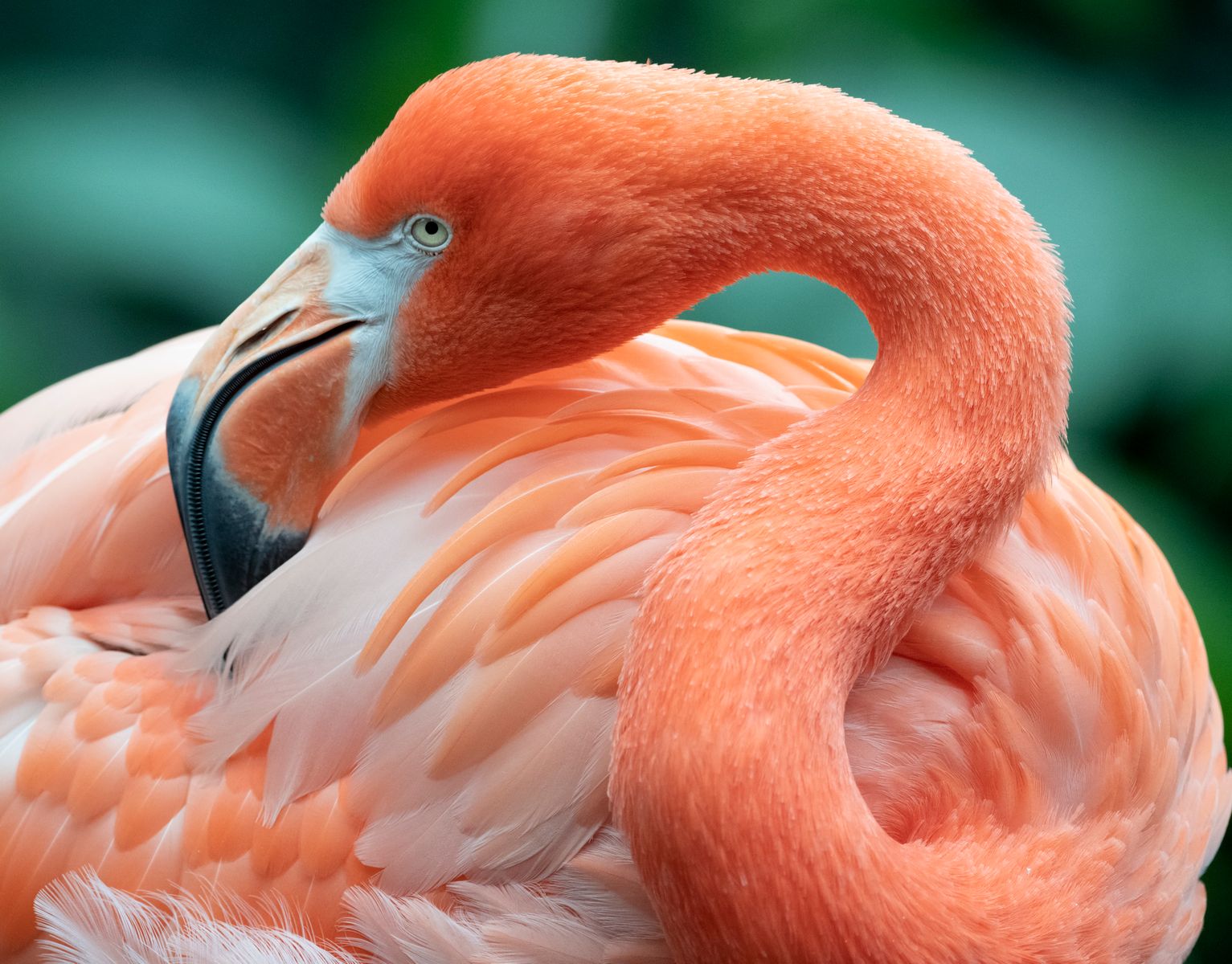
American Flamingos have brilliant feathers that range from pale pink to a deep scarlet red, and get their coloring from the microscopic shrimp and algae in their diet. The depth of their pigmentation indicates how well a flamingo was eating as its feathers grew. Their long neck and legs allow them to wade and forage…
Read More Previous Posts