
Hope for Harper
When you step inside the National Aviary’s coastally inspired Wetlands habitat, our Brown Pelicans quickly catch your eye. Size may have something to do with that: pelicans can measure up to four-and-a-half feet, boast a nearly seven-foot wingspan (the same as their habitat-mates: American Flamingoes), and bear an iconic pouch that holds up to 3 gallons of water!
Size isn’t everything: when pelicans flock together, as highly social birds, you’ll be mesmerized by how they effortlessly mirror each other’s gliding and swimming moves. In fact, the video above was taken on the very first day Harper joined Ralph in the Wetlands.
What Lies Beneath
What you may not see are the injuries our Brown Pelicans, female Ralph and male Harper, sustained in the wild. While Ralph has been at the Aviary for more than a decade, Harper joined our flock in 2026.
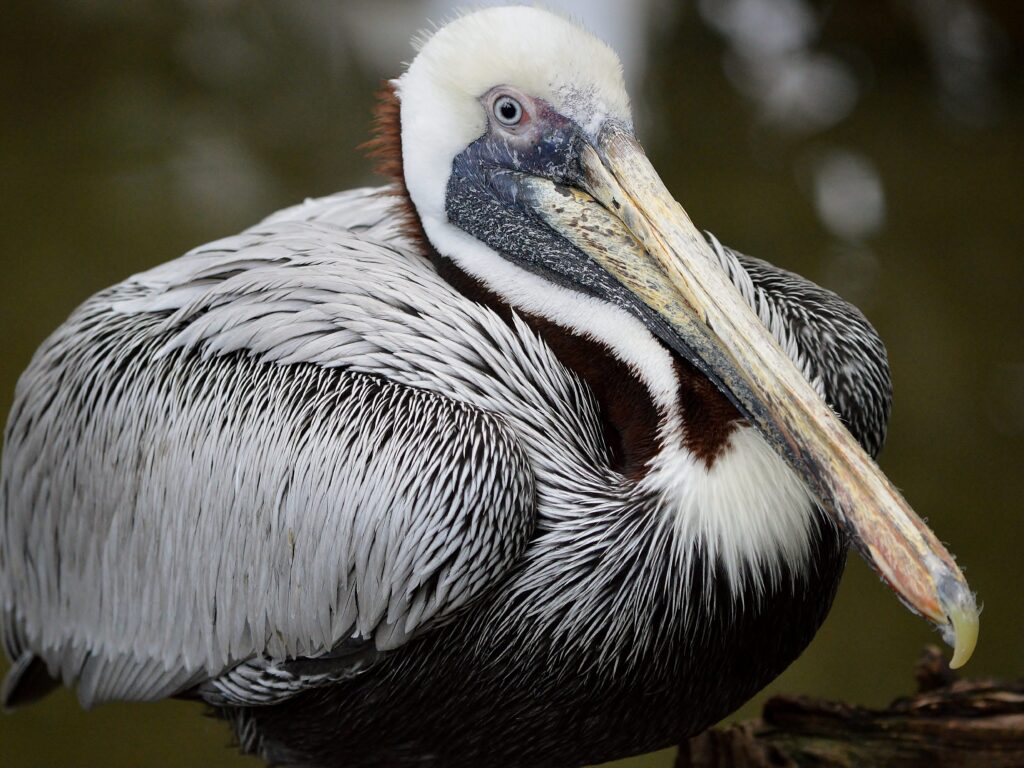
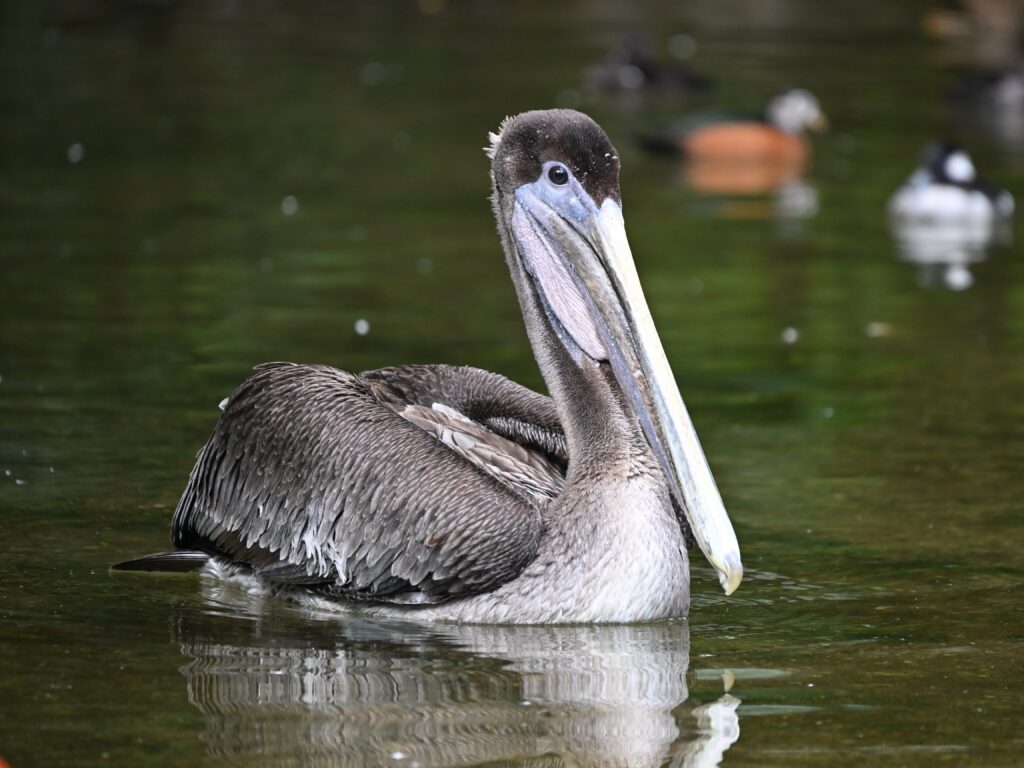
As a juvenile, he became tangled in discarded fishing lines along a Florida shoreline. Severely injured, Harper was transported to the Seaside Seabird Sanctuary in Florida, where their team worked hard on Harper’s recovery.
Their experts determined that lasting wing damage rendered him unable to effectively hunt for fish in the wild; Harper needed a new home. One that could meet his daily needs as a pelican and provide the medical care a bird with a permanent injury requires.
Give TodayHarper’s Home
That’s where we came in. While the National Aviary is not a licensed wildlife rehabilitation center, our world-class aviculturists (care staff) and veterinary staff enable us to take in rehabilitated birds who cannot survive in the wild. Brown Pelicans can live more than 30 years in human care; we are honored to have built a world in which they can flourish for the rest of their long lives.
Harper is now thriving in our Wetlands habitat alongside Ralph, and he’s become a favorite of his aviculturists and our guests. You’ll usually find him perched on his favorite log, showing off those beautiful pelican features, or patiently awaiting meals of sustainably sourced fish.
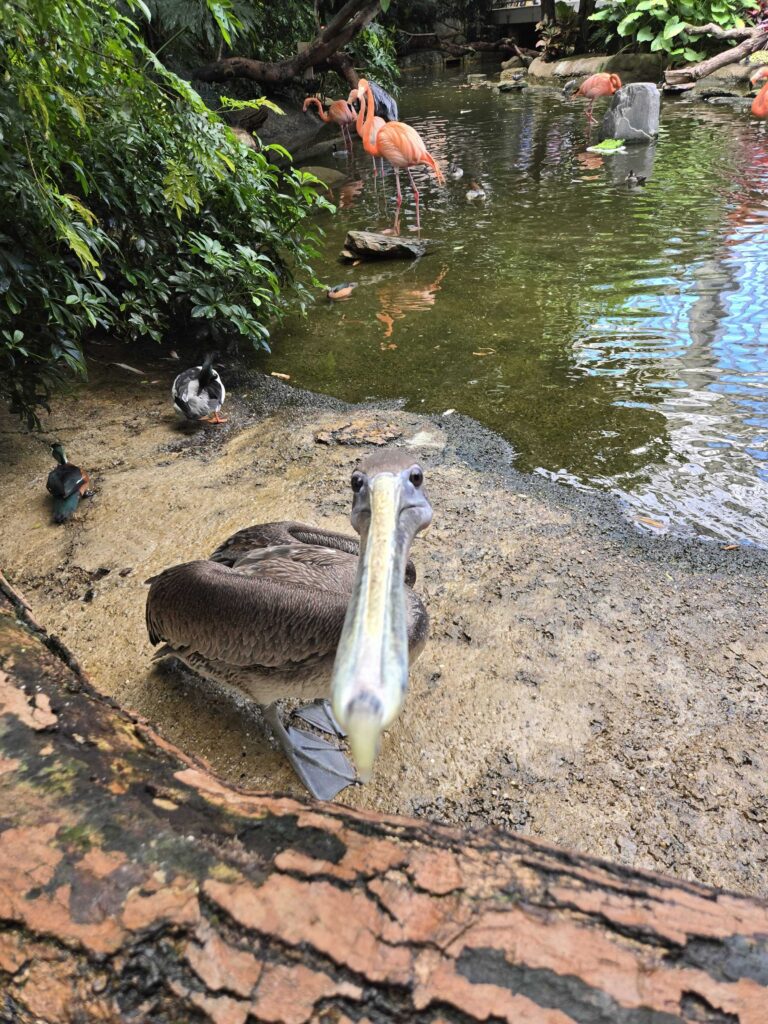
Harper and Ralph will spend the rest of their lives here, with regular checkups, careful attention to old injuries, and a diet our team put together just for them.
National Birds at the National Aviary
Meet two more of our residents: Bald Eagles, Indy and Flinn. Both were injured in the wild. Flinn suffered a wing injury and received intensive treatment at a licensed rehabilitation center. The team determined that even after rehabilitation, he couldn’t sustain flight well enough to survive in the wild on his own. Indy’s injuries left him in a similar situation.
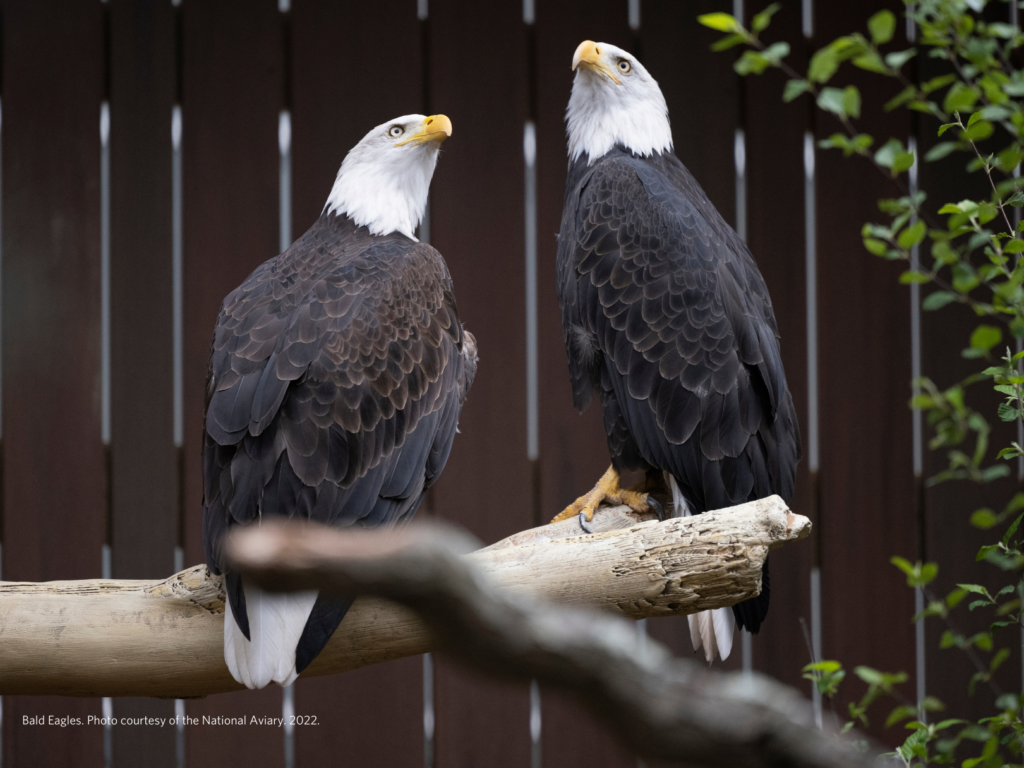
The National Aviary’s individualized habitats and care offer a great, safe place for Indy and Flinn to spend their days. Today, they help our guests learn about one of America’s greatest environmental comeback stories.
In the mid-1900s, Bald Eagles were on the brink of extinction across most of their range, decimated by human-caused challenges including habitat destruction and widespread use of harmful pesticides. Dichlorodiphenyltrichloroethane (DDT), an insecticide developed in the 1940s, washed into waterways and accumulated in fish – a staple of a Bald Eagle’s diet. This ultimately led to thin-shelled eggs that often broke during incubation. By 1963, only 417 nesting pairs of Bald Eagles remained.
A complete ban on DDT in 1972 and coordinated conservation efforts have allowed this species to rebound, with Bald Eagle sightings a common occurrence, especially on Pittsburgh’s three rivers! They were removed from the federal Endangered Species List in 2007 and remain protected under the Migratory Bird Treaty Act, which prohibits poaching, possession, and transportation of migratory birds without prior approval from government officials. Bald Eagles also receive additional protection under the Bald and Golden Eagle Protection Act and the Lacey Act.
Help Them Thrive
You can make a difference for our rehabilitated birds and our entire flock by giving to our Fall Annual Campaign: From Rescue to Recovery. Dr. Marshall Sklar, a generous friend of the National Aviary and member of our Donor Society, will match the first $10,000 we raise, dollar for dollar.
All gifts will go to our Avian Conservation Fund, so we can continue providing care for more than 500 animals that call the National Aviary home. Dr. Sklar’s match goes straight to our veterinary care program, the team that keeps Harper and every other Aviary resident healthy.
Give Today