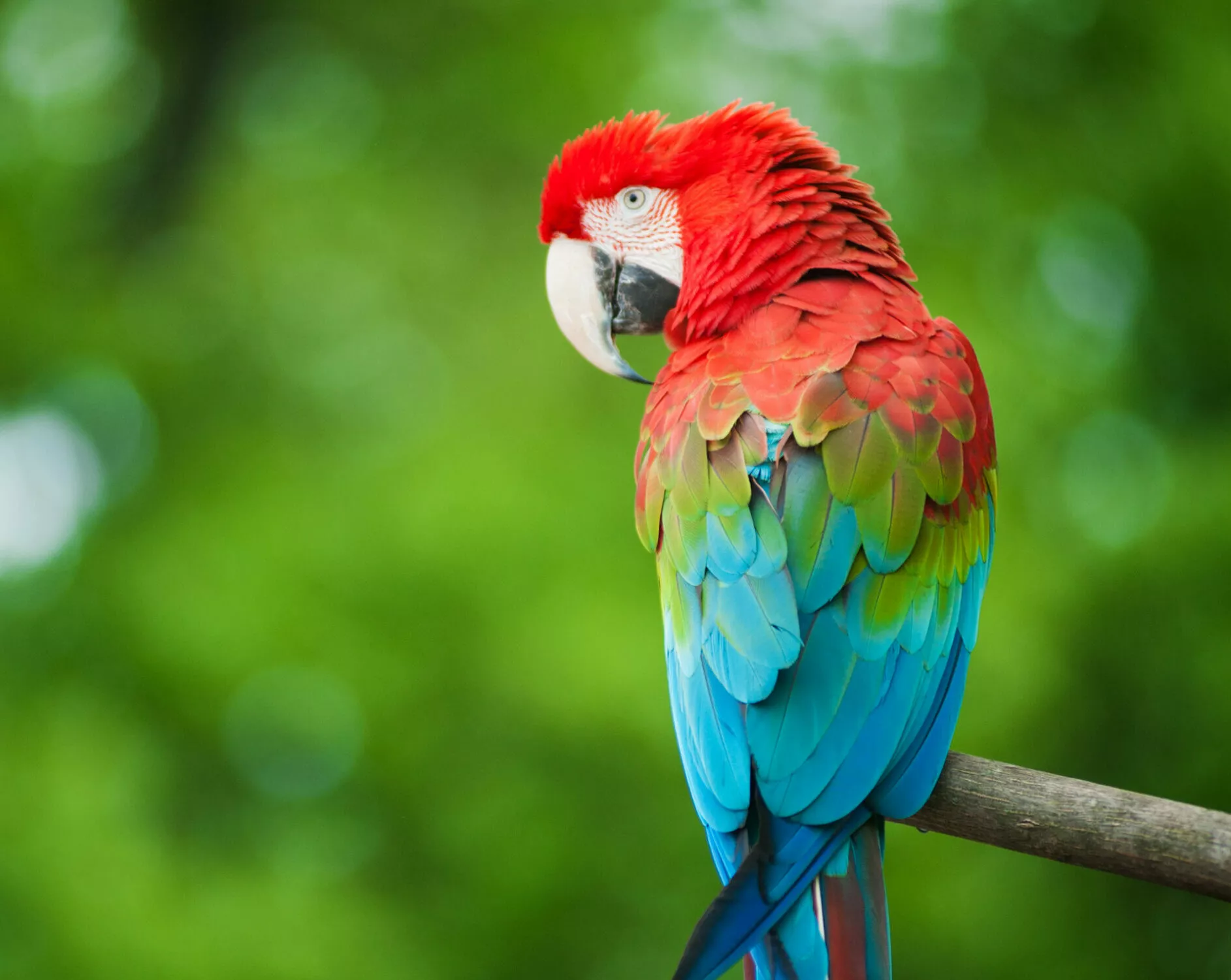
The Green-winged Macaw (also called the Red-and-green Macaw) is a large parrot, second only to the Hyacinth Macaw in size. This species range is also large, spanning eastern Panama to Paraguay. The Green-winged Macaw’s band of green feathers on its wings and the presence of fine, tiny red feathers on its white face distinguish it…
Read More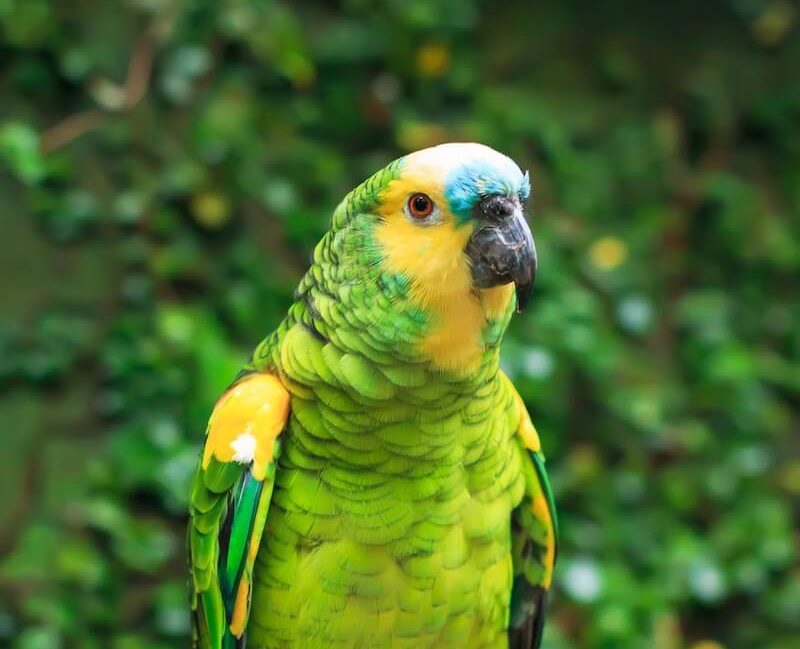
Blue-fronted Amazon parrots, also called Turquoise-fronted Amazons, are loud, social, and intelligent birds that live in family groups in their native South American habitats. They are cavity nesters, and rely on old-growth forested areas for breeding. Like all parrots, Blue-fronted Amazons have the ability to mimic different sounds in their environment — an ability that…
Read More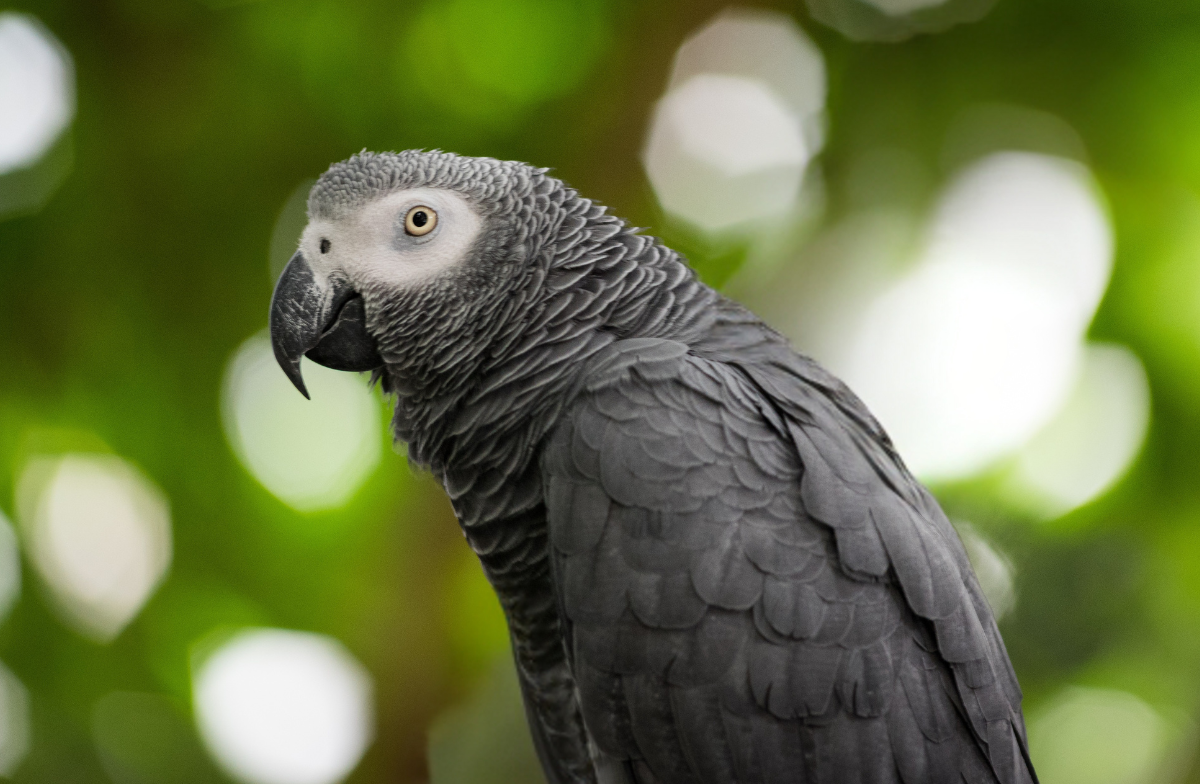
African Grey Parrots, a medium-sized parrot native to the forests of central Africa, are some of the best mimics in the bird world. In the wild, this species often copies the sounds of other animals in the forest. Around people, they may learn to copy a variety of sounds including laughter, a phone ringing, whistling,…
Read More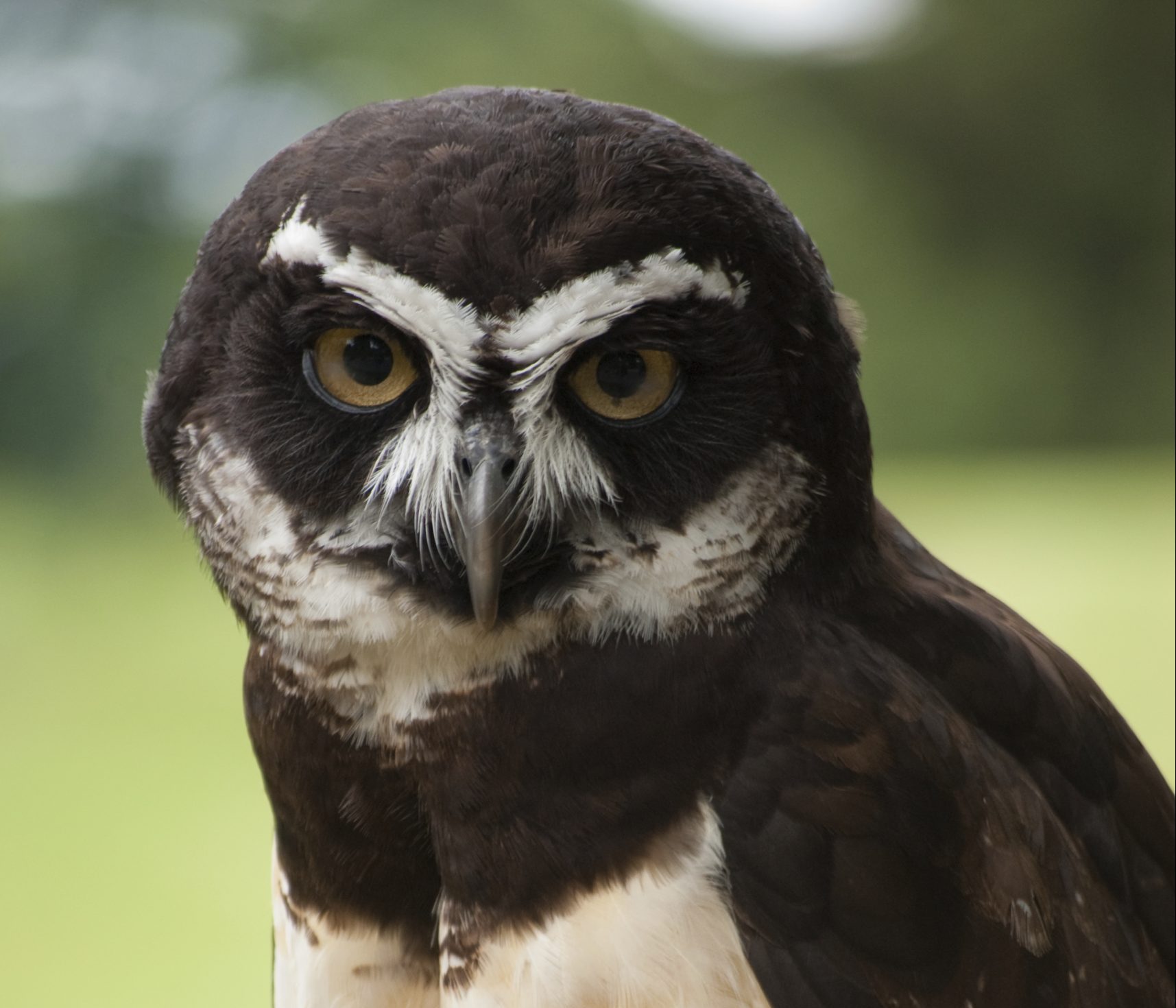
Adult Spectacled Owls are distinctive for their brown upperparts and head with whitish face markings resembling a pair of glasses. As juveniles, their facial markings are the complete opposite—pure white except for a chocolate brown facial disc! This distinctive species can be found throughout Central and South America in dense rainforest habitats. The call of…
Read More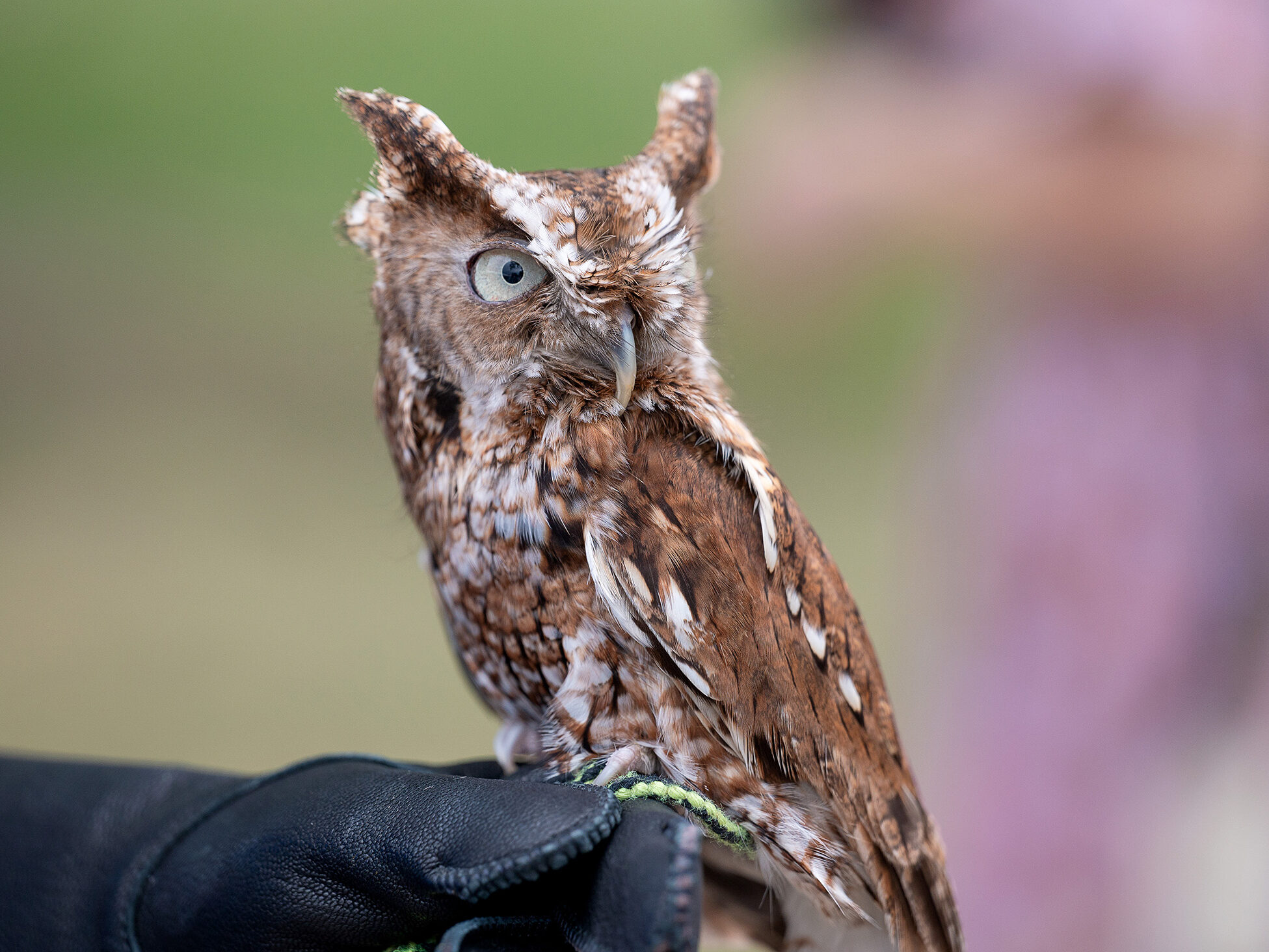
Eastern Screech-Owls are a very common owl species throughout North America, and they have gotten very used to living near humans. These pint-sized owls can be gray or a reddish-brown. They roost and nest in cavities in trees, but also make use of nest boxes. Males are smaller than females, but still have a deeper…
Read More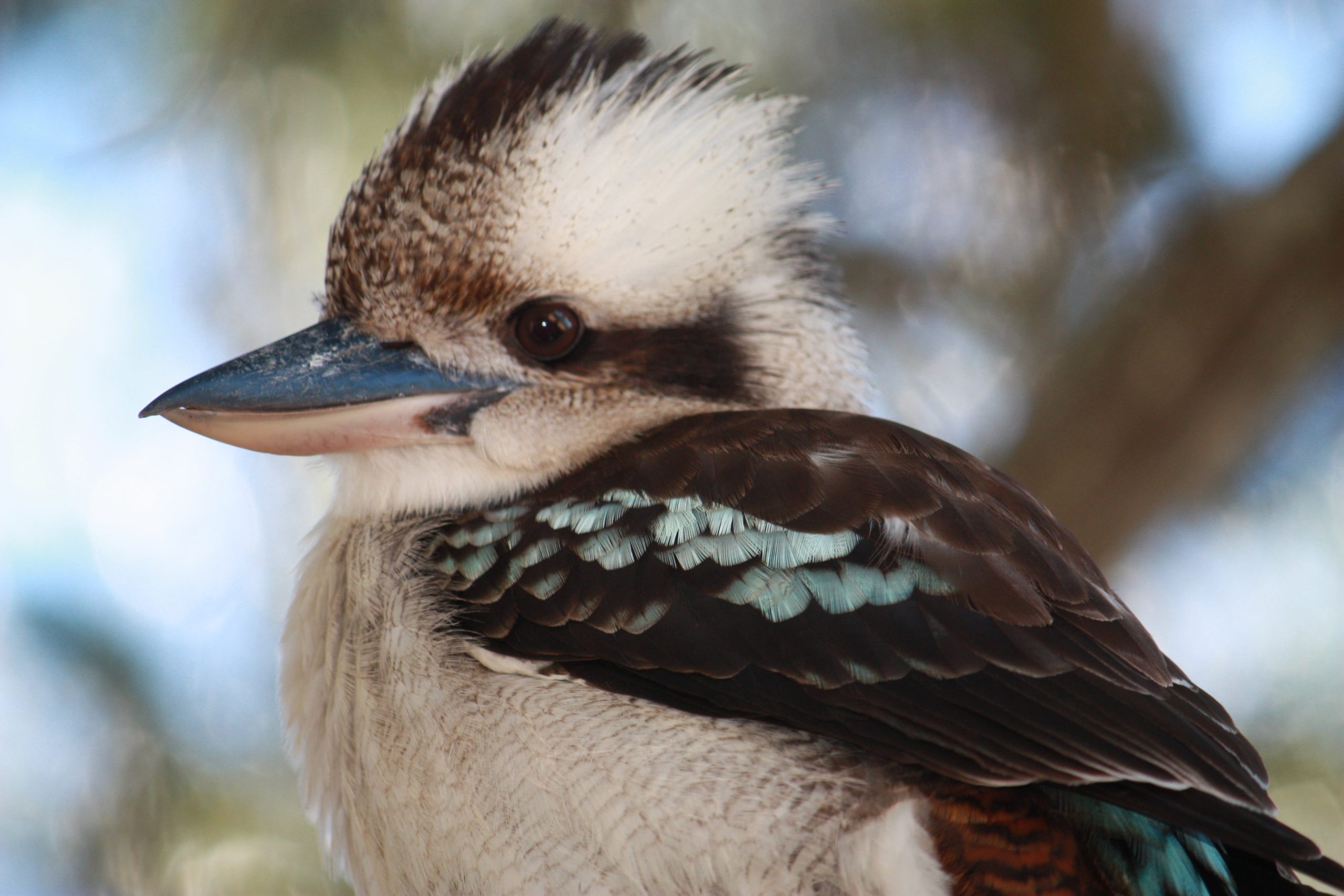
You may not think you’ve heard the rollicking call of the Laughing Kookaburra, but you almost certainly have. The Kookaburra’s loud “laugh” — that echoing koo-koo-koo-koo-KA-KA-KA! in the background of every jungle movie ever made — actually comes from a squat, unassuming bird who would never be found anywhere near a jungle. In fact, the…
Read More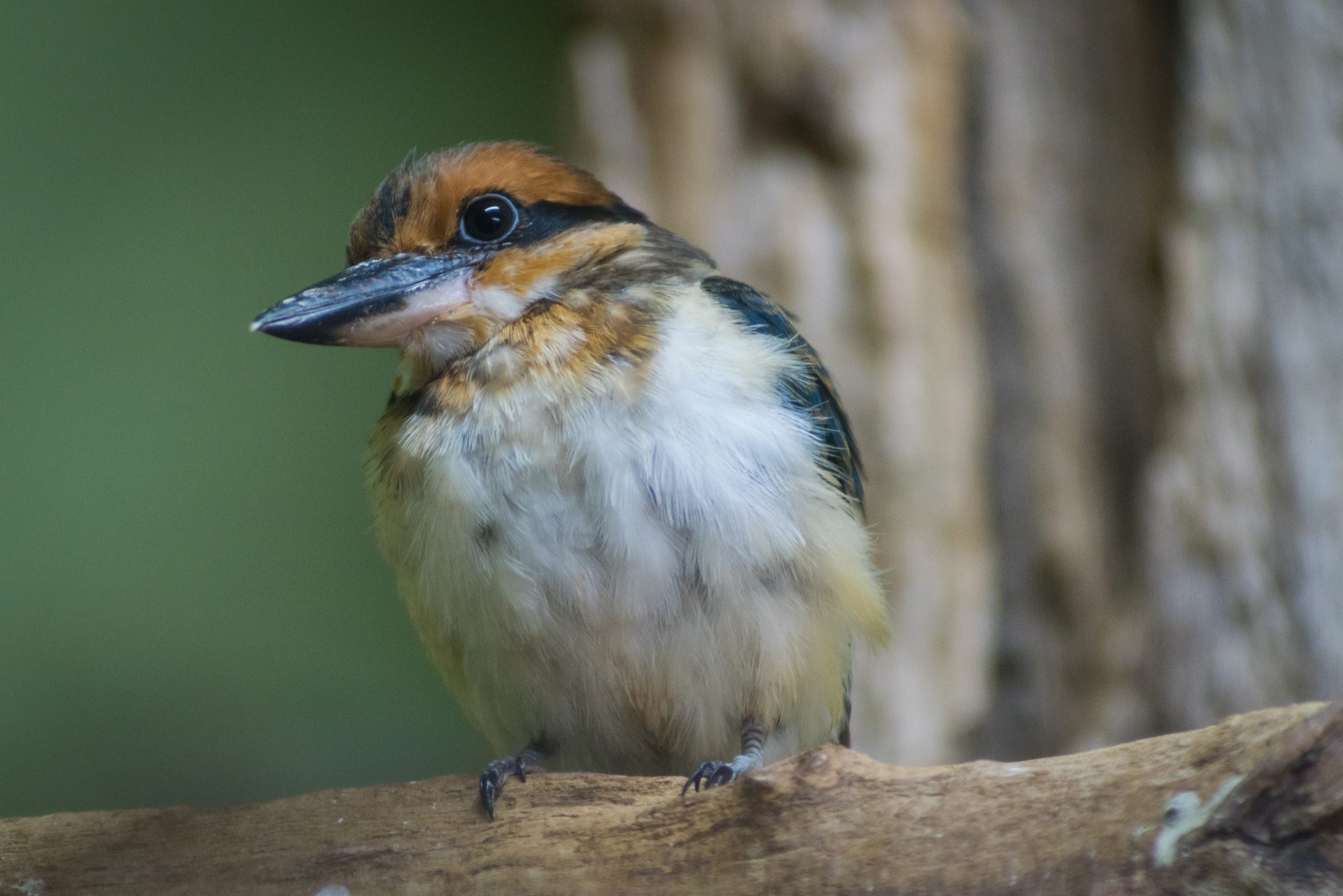
The Guam Kingfisher is small by kingfisher standards. Males average only about 58g (two ounces) and 24 cm (9 inches) long, making them less than half the size of North America’s Belted Kingfisher. Both male and female Guam Kingfishers have an iridescent blue-green back, a disproportionately very large, slightly crested, rust-colored head, and a long,…
Read More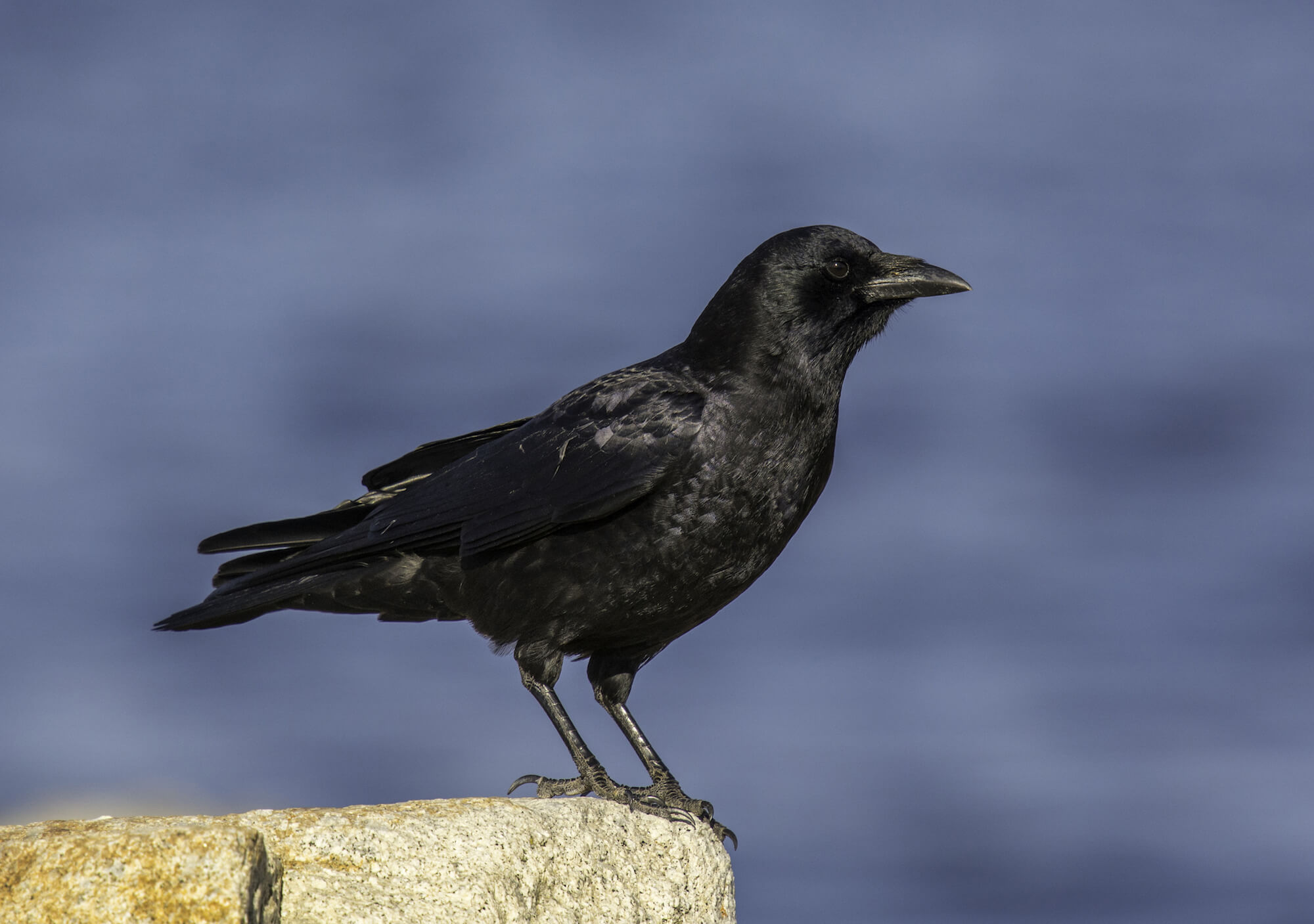
The American Crow occurs in a wide range of habitats in North America and can be found in rural farmland, suburbs, and even urban and residential areas. This species requires little more than large trees for roosting and nesting, and open ground for foraging. Much of the success of the American Crow lies in its…
Read More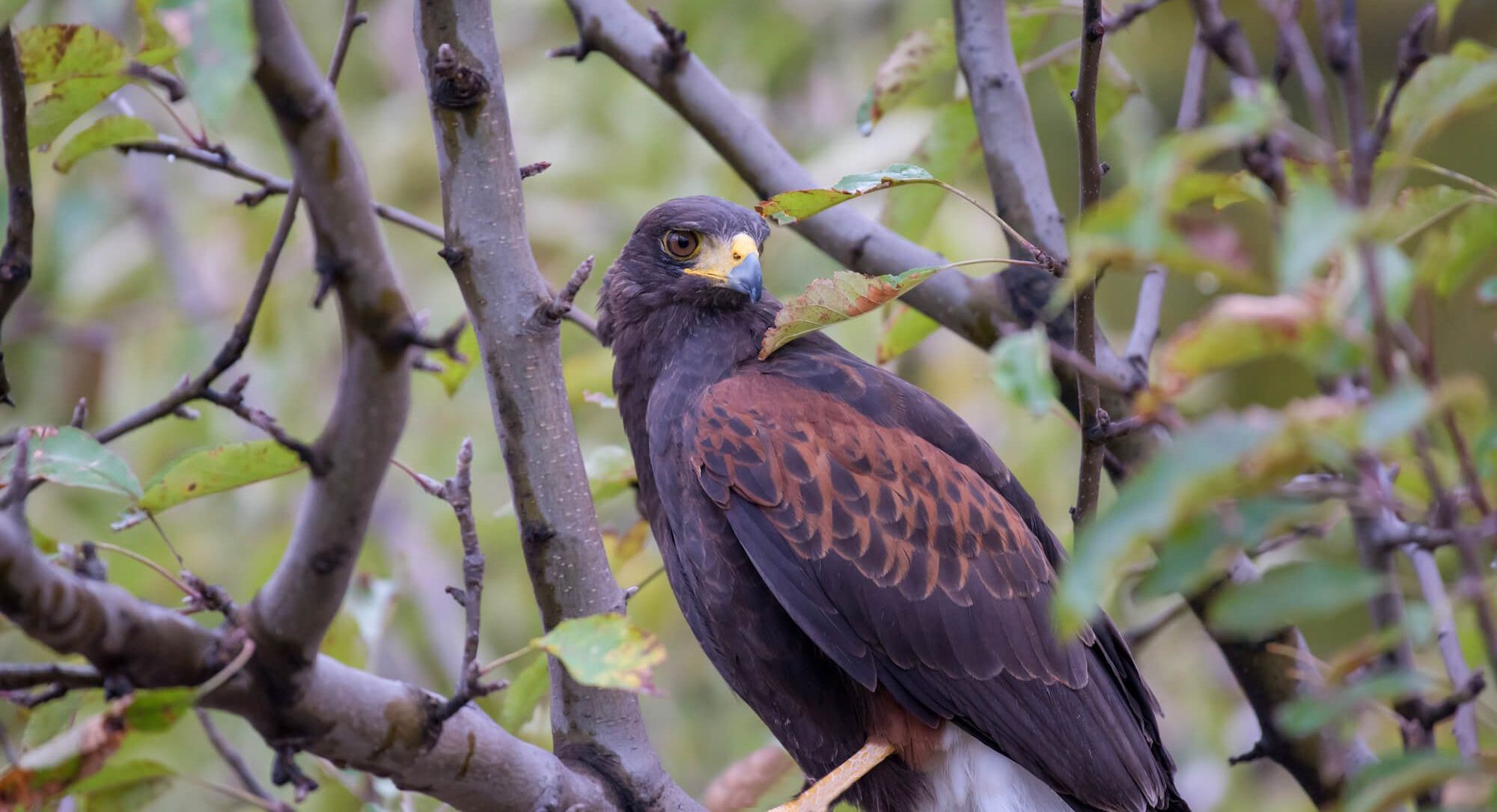
Harris’s Hawks are a deep chestnut brown with yellow markings that make them stand out. They are a very social species, and have been observed raising young and hunting—an unusual trait for a raptor species! While on the hunt, a group of Harris’s Hawks will descend on their prey and flush it. Harris’s Hawks can…
Read More
The Black Kite is a medium-sized, primarily brown raptor. Kites are characterized by their long wings and tails, buoyant and acrobatic flight, and ability to catch food in mid-air. Black Kites are widespread and adaptable and can be found throughout portions of Africa, Europe, and Australasia. They eat small mammals, other birds, carrion, and insects….
Read More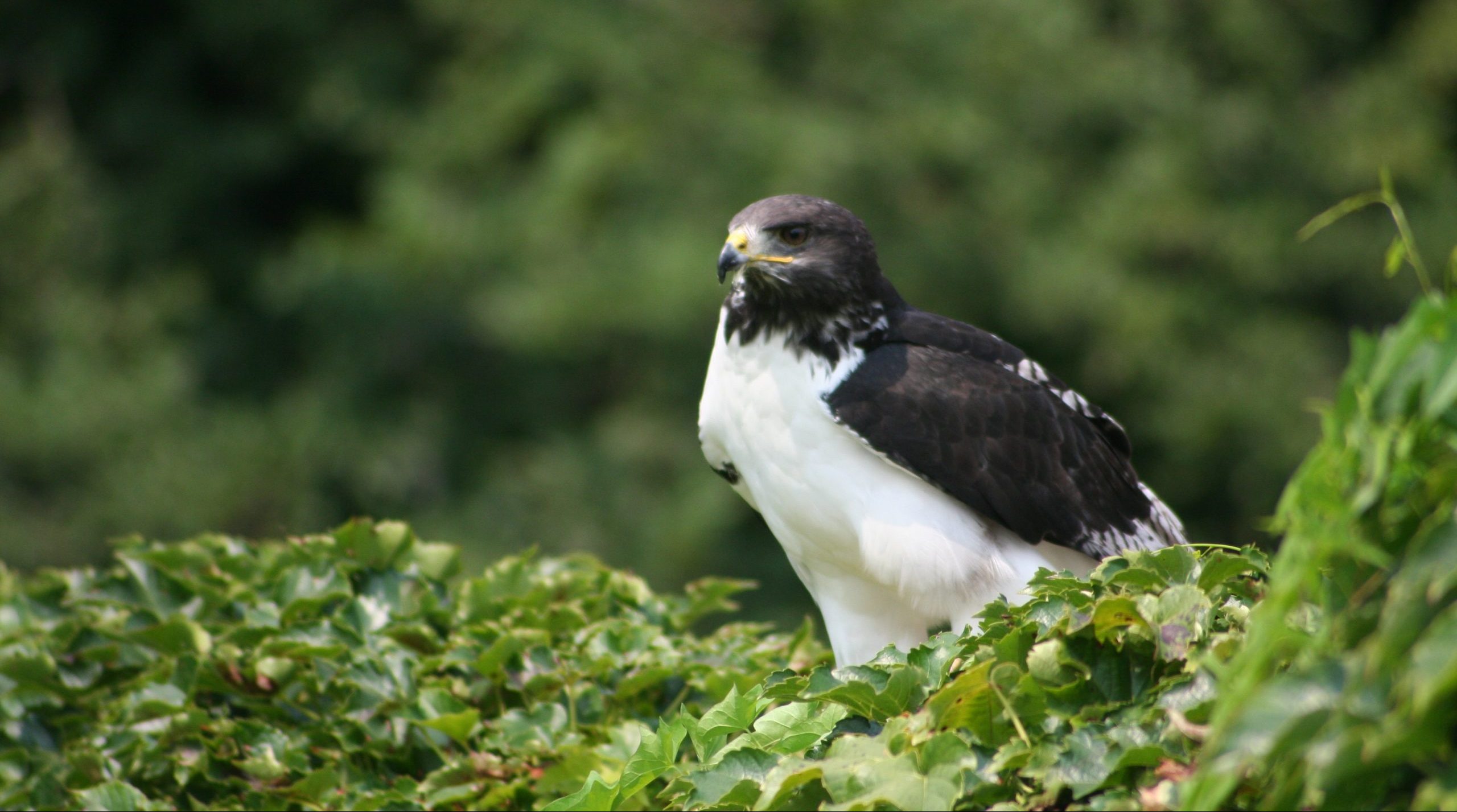
Augur Buzzards are one of the most numerous types of hawks in Africa. In the Americas, the term “buzzard” generally refers to vultures, but in the Old World, the word’s original meaning was “hawk.” Augur Buzzards are members of the Buteo genus, a group of hawks found all over the world and known for their…
Read More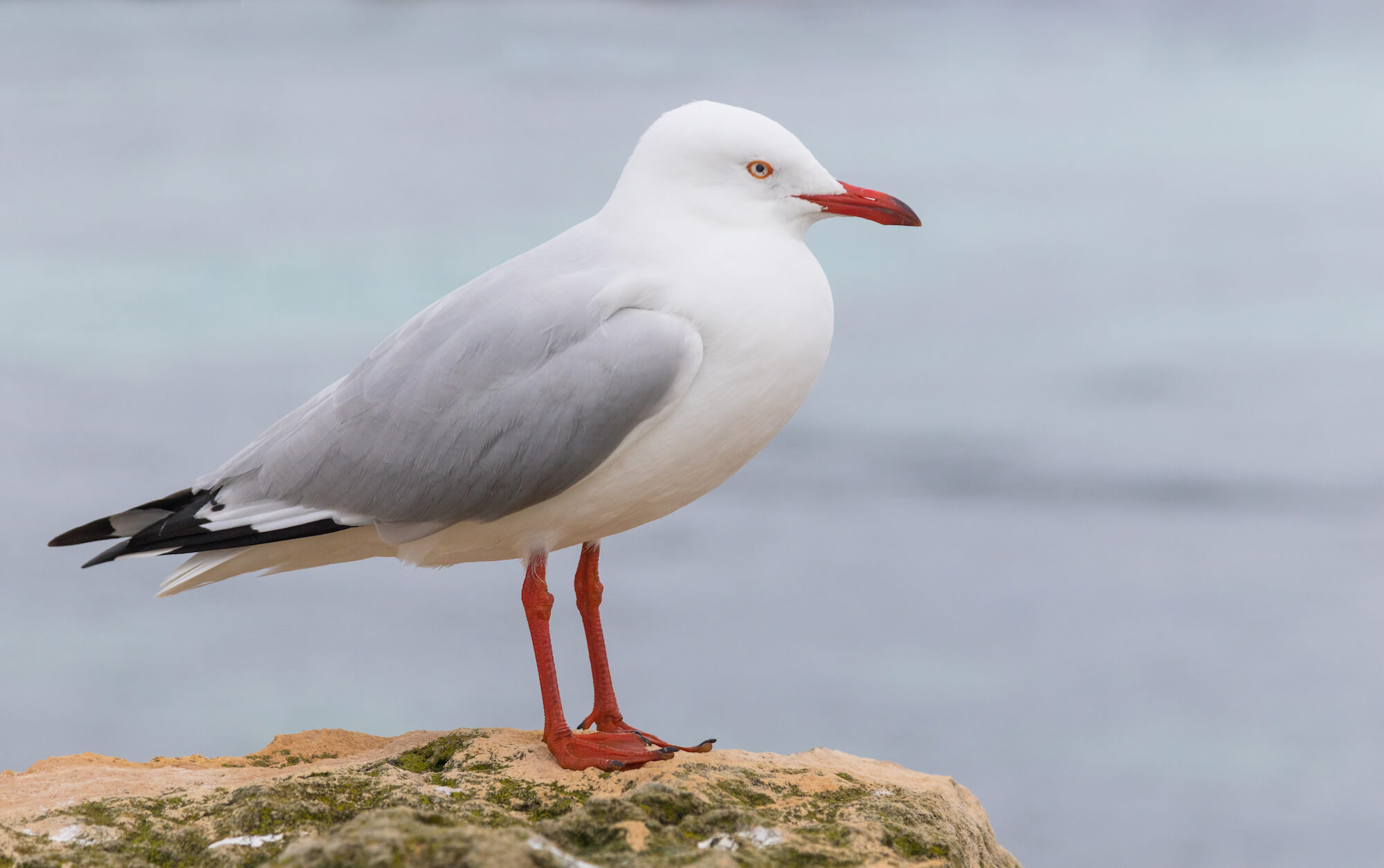
The Silver Gull is the most common gull found in Australia. It is most common in coastal areas but can be found throughout the continent. They use a variety of habitats, from sandy and rocky shores to garbage dumps, and breed on small islands. Their diet is as varied as their habitats. The Silver Gull…
Read More Previous Posts