
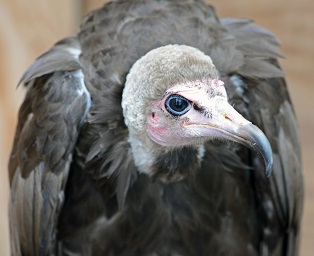
The Critically Endangered Hooded Vulture is a rather small, brown vulture, native to Sub-Saharan Africa. This species mainly occupies open woodland and savanna, but also forest edge, where if feeds on carrion and human food scraps. Unlike other vultures which mostly construct their nests on cliffs or buildings, the Hooded Vulture makes a stick nest…
Read More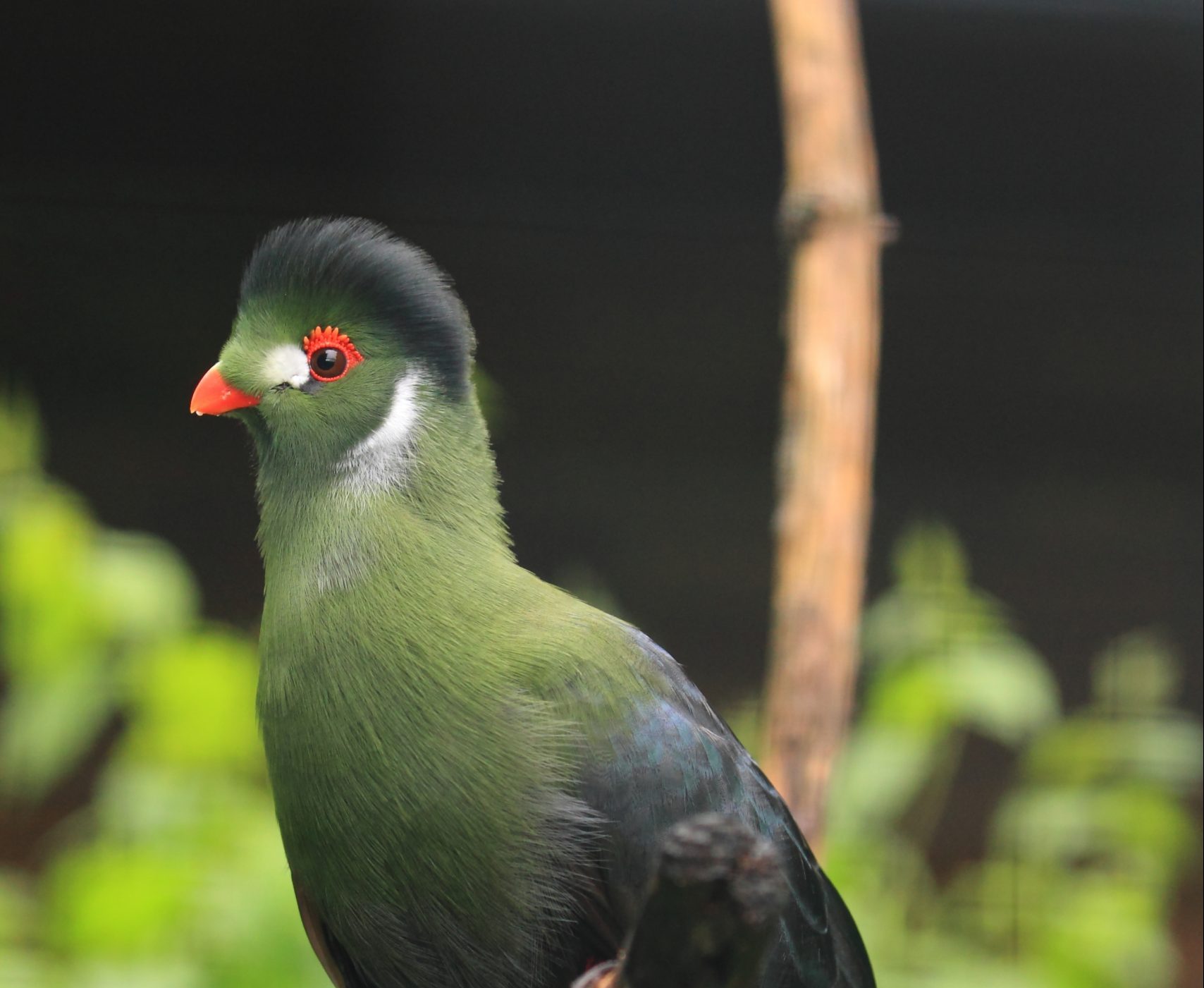
A beautiful multicolored bird with flashy white cheeks, the White-cheeked Turaco is native to Sudan, South Sudan, Ethiopia and Eritrea, where they inhabit higher elevation Podocarpus and juniper forests, as well as tall gallery trees and thick bush along watercourses at lower elevations. Here the turaco favors the fruits and berries of Podocarpus trees and…
Read More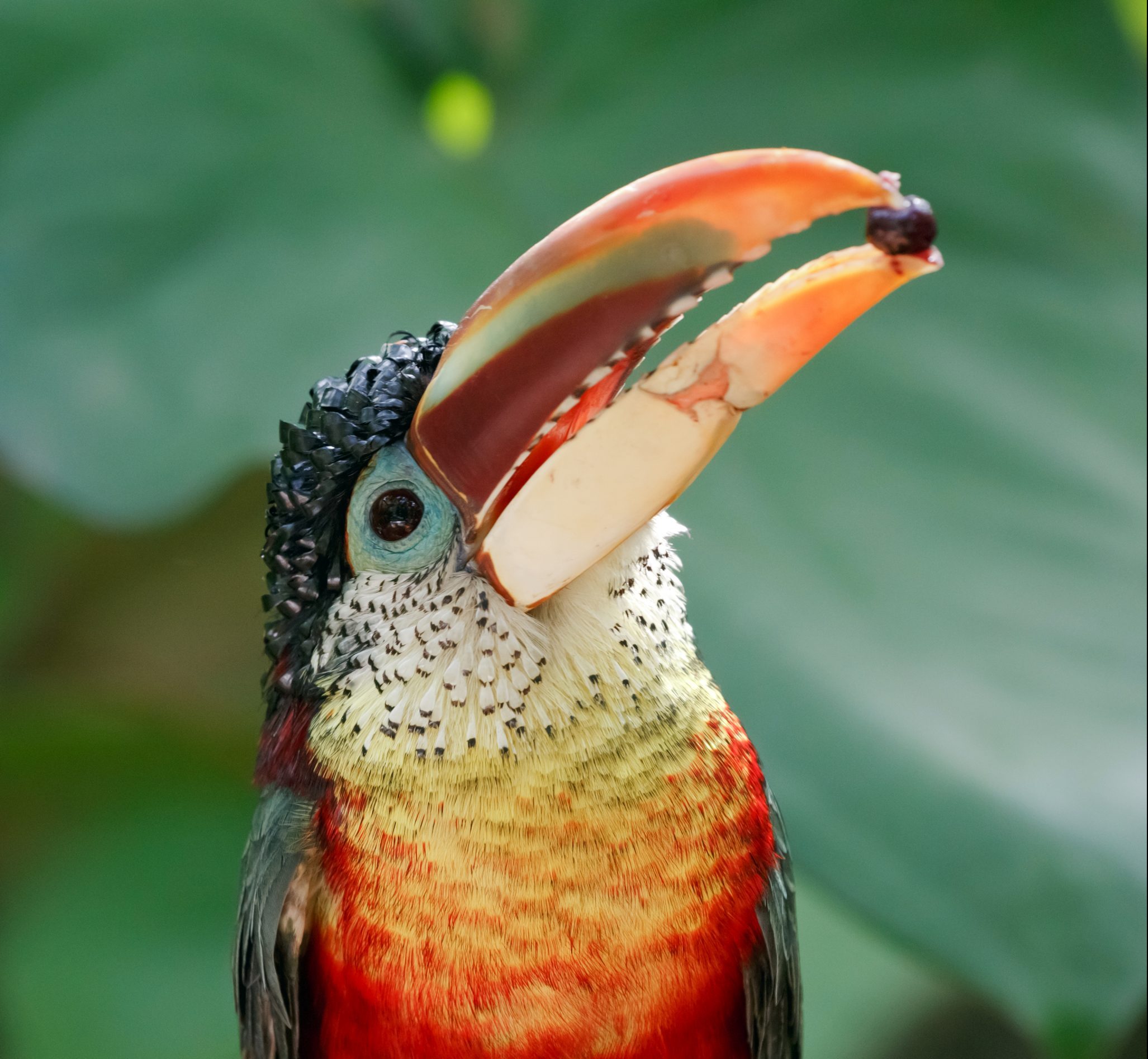
The Curl-crested Aracari is an eye-catching small toucan found in lowland forests in parts of Peru, Brazil, and Bolivia. It is very colorful, with bright yellow, red, and green feathers and a multi-colored bill. Its most distinctive feature is the glossy black curlicue feathers atop its head. They eat mostly fruits but occasionally will eat…
Read More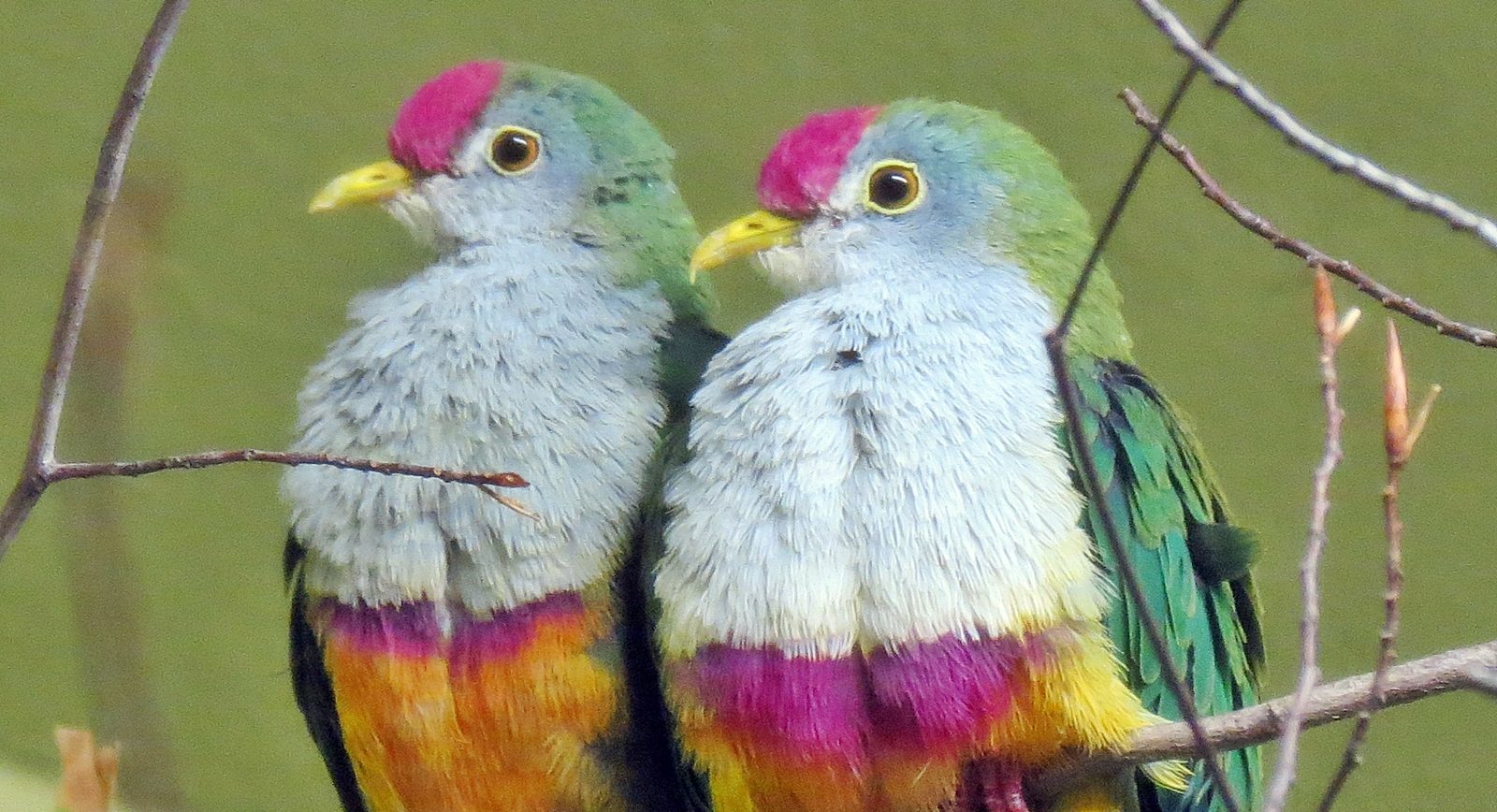
The Beautiful Fruit-Dove is appropriately named! This dove has gorgeous coloring, from its purplish-red crown to its green wings and orange underbelly. The Beautiful Fruit-Dove is found in New Guinea, where it lives in all levels of primary and secondary forests, from understory to canopy. They are frugivorous (fruit-eating), and forage either alone or in…
Read More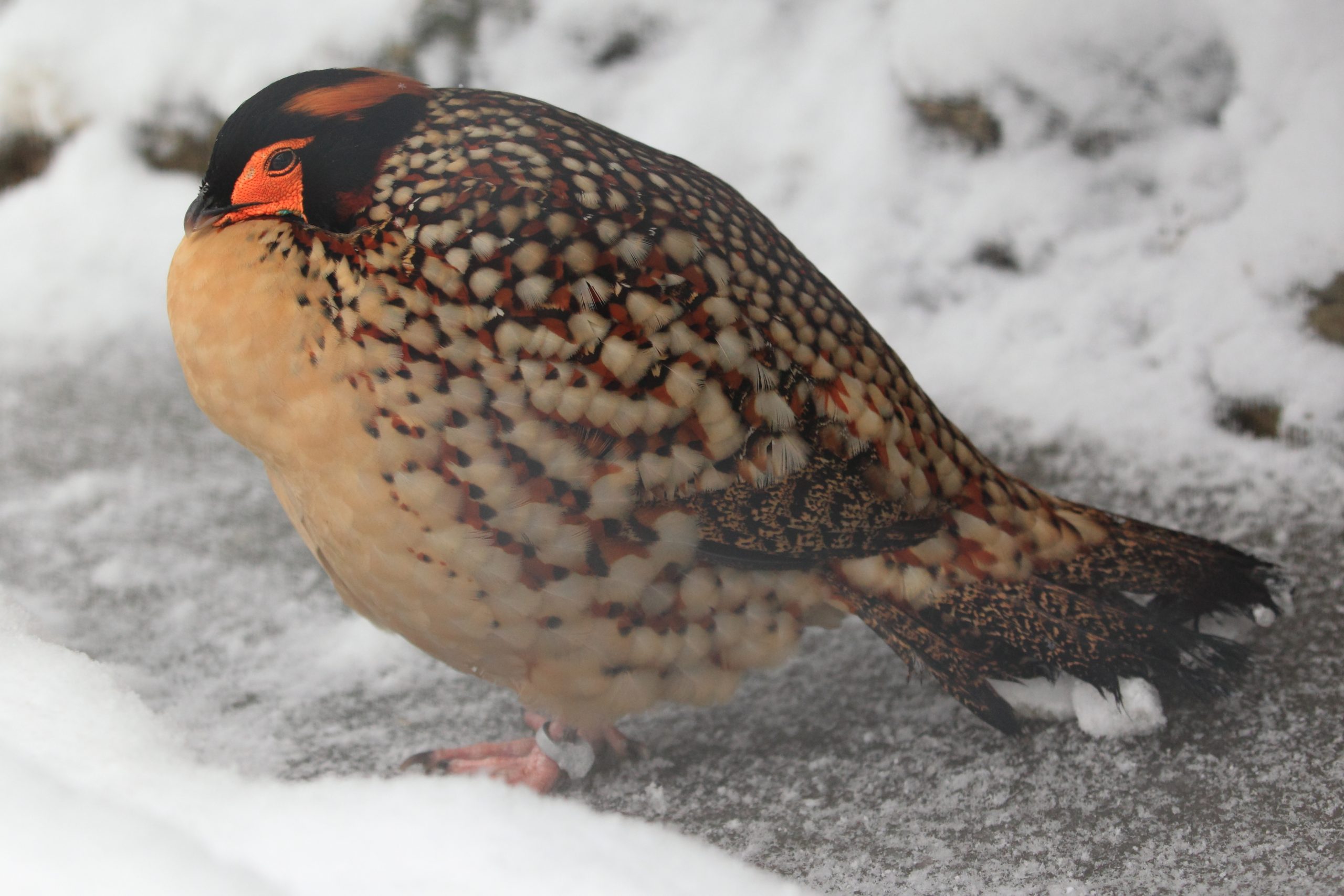
An inhabitant of high mountain ranges in eastern China, the Cabot’s Tragopan—also sometimes called the Yellow-bellied Tragopan—is a grouse-like bird. Male Cabot’s Tragopans perform a spectacular display at dawn and dusk, sometimes while perched on a mossy log, which is reminiscent of Pennsylvania’s state bird, the Ruffed Grouse. Both the Ruffed Grouse and Cabot’s Tragopan…
Read More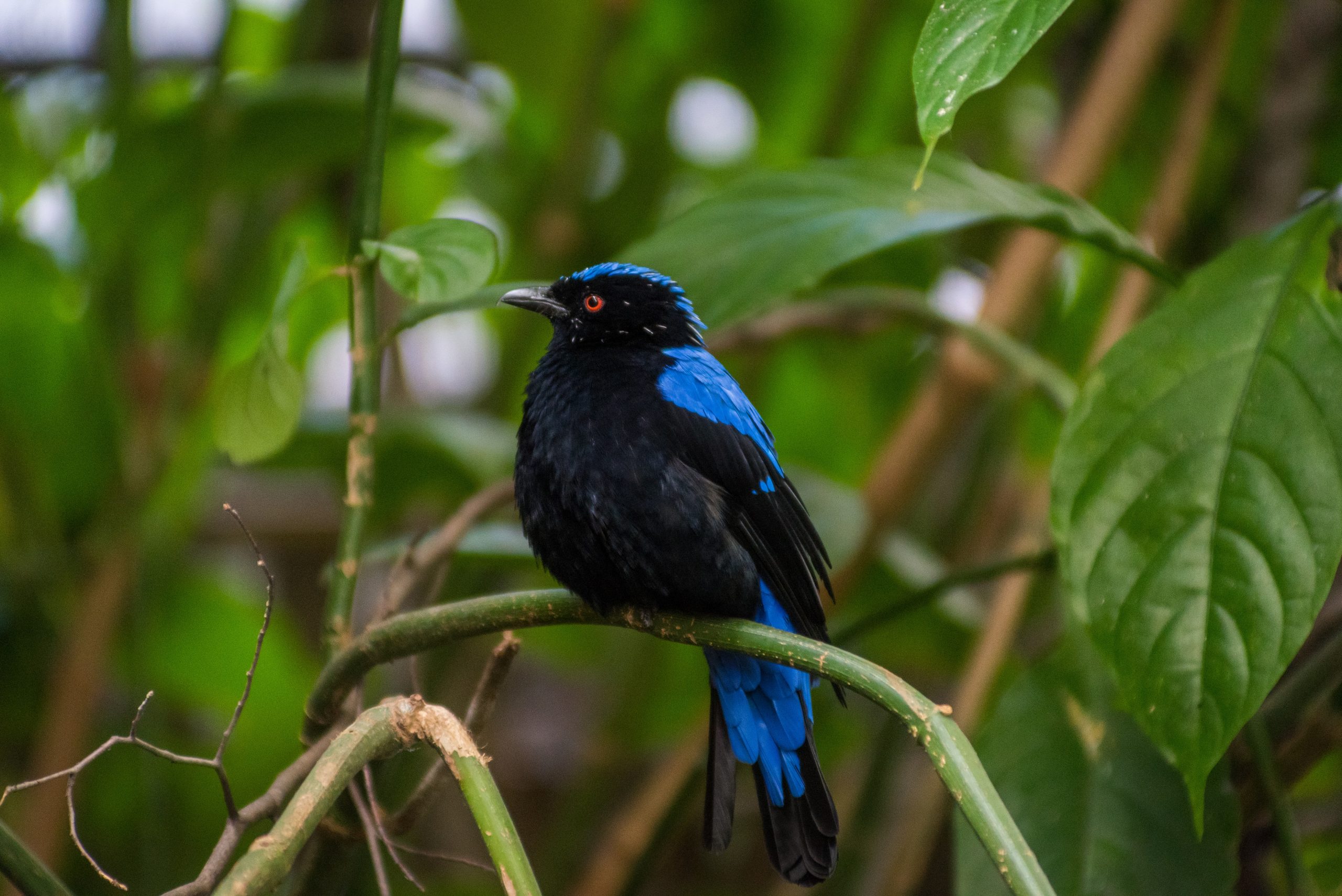
The Asian Fairy-bluebird lives up to its name: this bird’s plumage is a deep, brilliant blue. Males have glossy black feathers on the wings, chest, and tail, and the eyes of both sexes are bright red. Found in tropical forests throughout Southeast Asia, the Asian Fairy-bluebird mainly eats fruit, which it takes while perched or…
Read More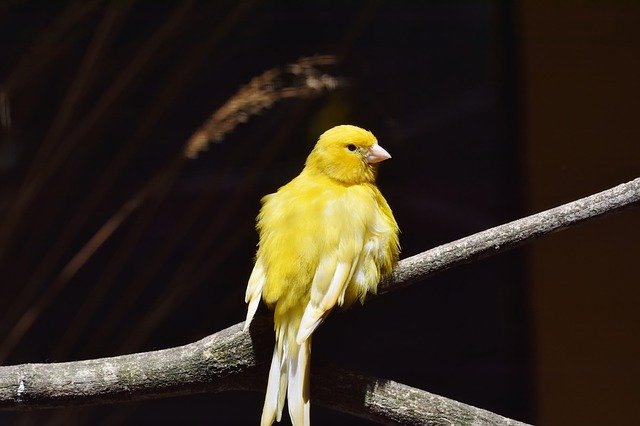
When most of us think of the canary, we think of a cheerful, bright yellow bird in a decorative cage. In reality, this common canary (Serinus canaria domestica) is the domesticated cousin of the “true” Island Canary (Serinus canaria), native to the Canary Islands just off the northwest coast of Africa. Spanish sailors first brought…
Read More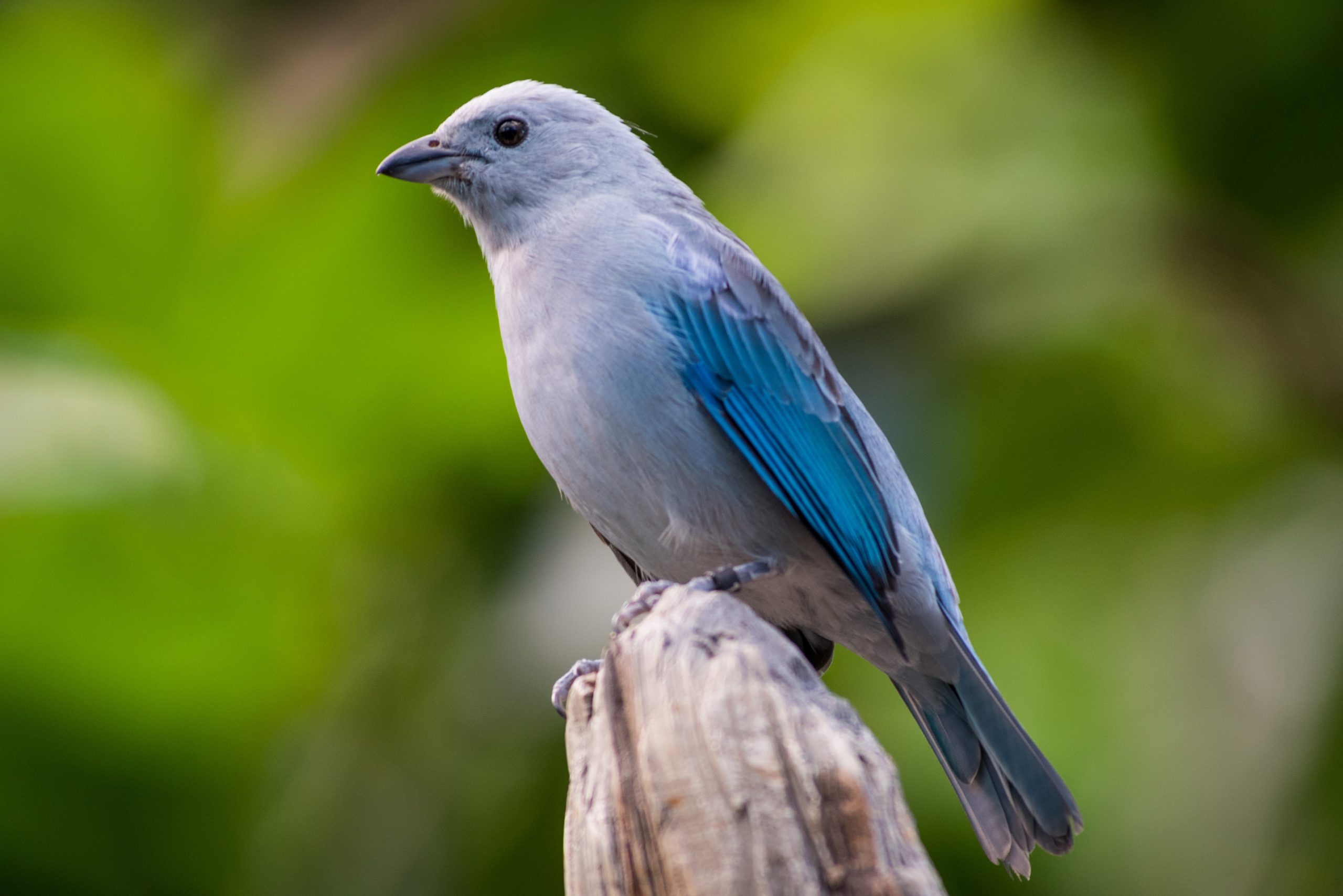
One of the most familiar tanagers of the Neotropics, the Blue-gray Tanager ranges from Mexico south through Central and South America. This species uses a wide variety of non-forest and human-altered habitats, including cacao and coffee plantations, city parks and gardens, and second growth forest and forest edges. Typically seen in pairs, this tanager may…
Read More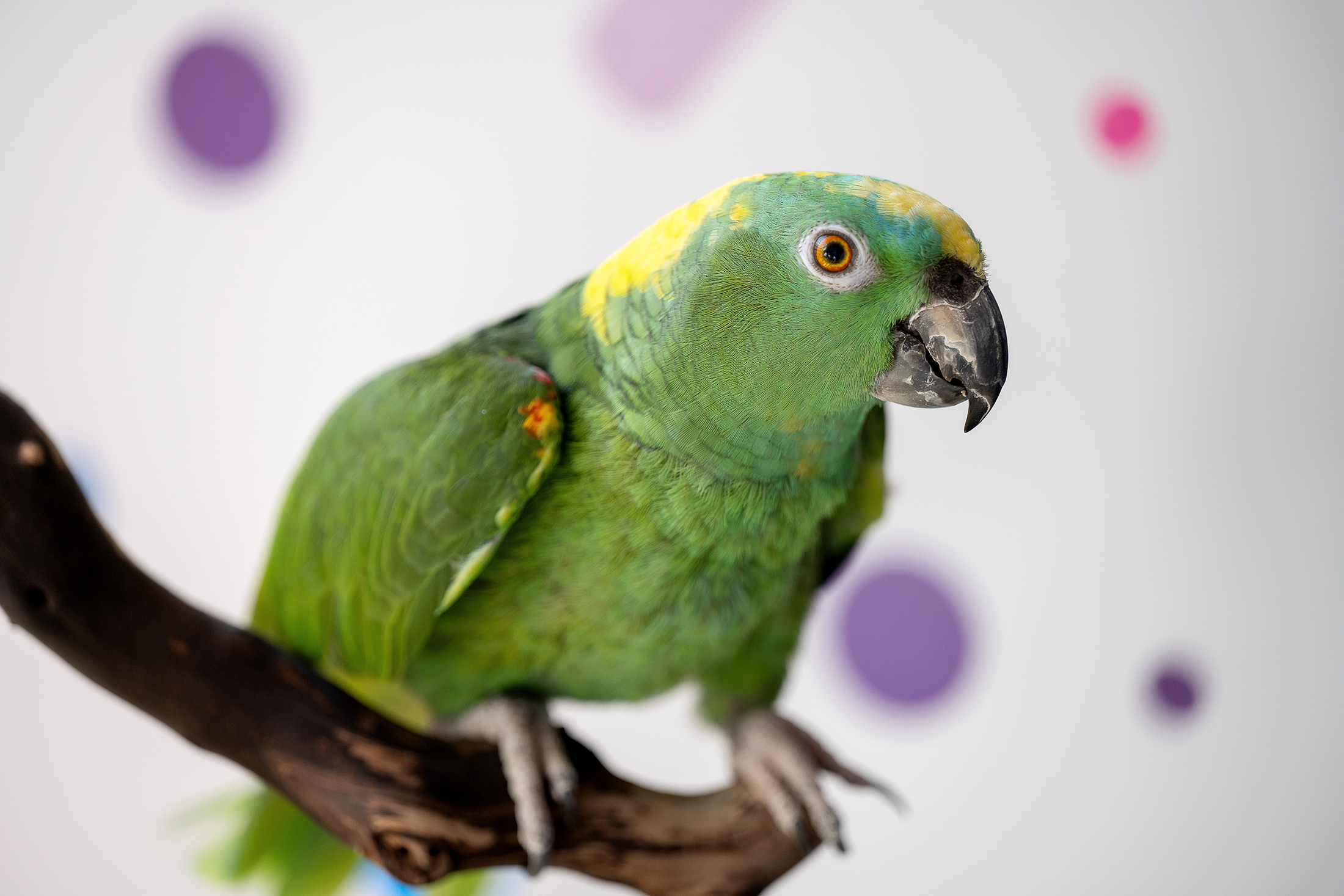
The Yellow-naped Amazon is an Endangered species of the Pacific coast of Mexico and Central America. It inhabits semi-arid woodland, arid scrubland and pine savannas, and treefall gaps in tropical deciduous and swamp forests. Often found in large and noisy flocks, they feed on a variety of seeds and fruits. They nest in hollows of…
Read More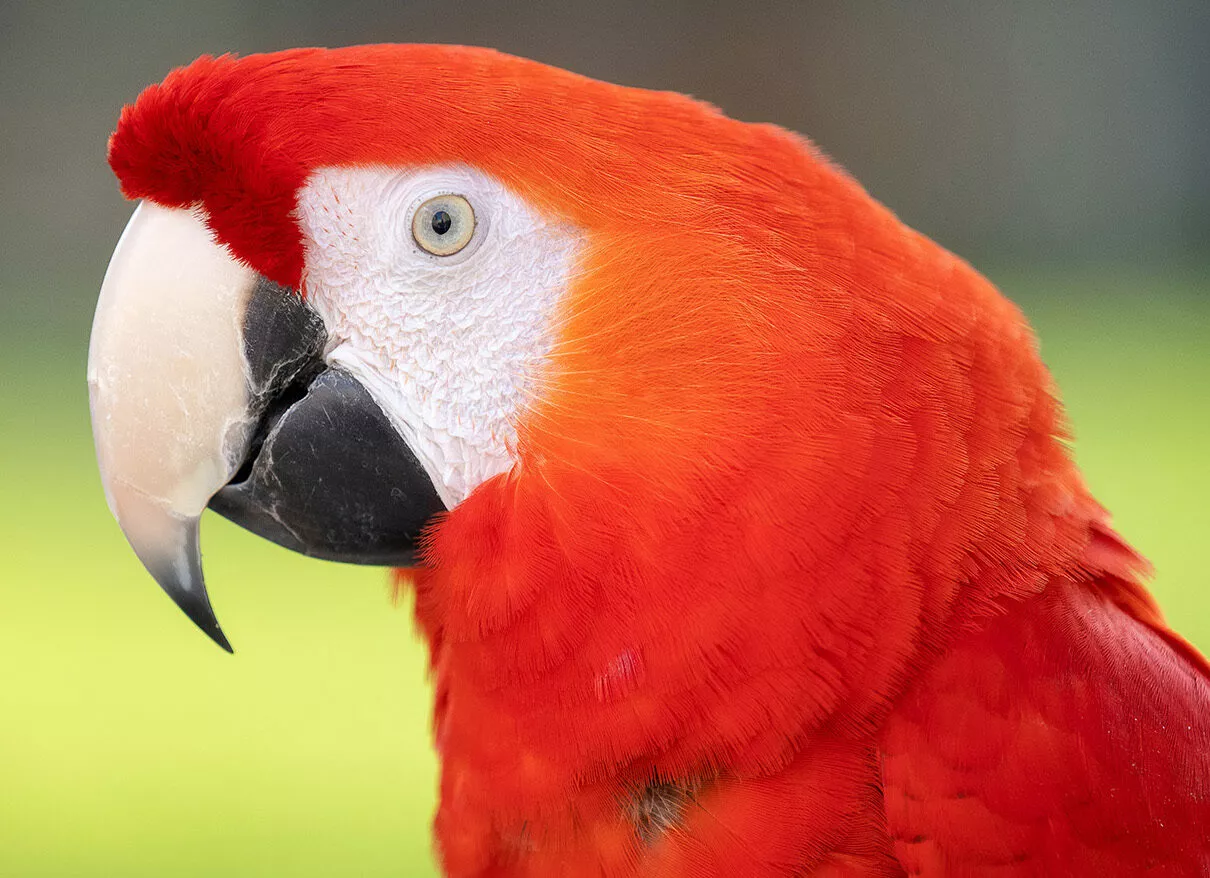
Scarlet Macaws are a striking bird, known for their deep red coloring and white faces. In their tropical evergreen habitats, they can often be seen flying in pairs or in family groups. Their calls can be loud and harsh, and Scarlet Macaws in human care can sometimes mimic human speech. They have powerful beaks and…
Read More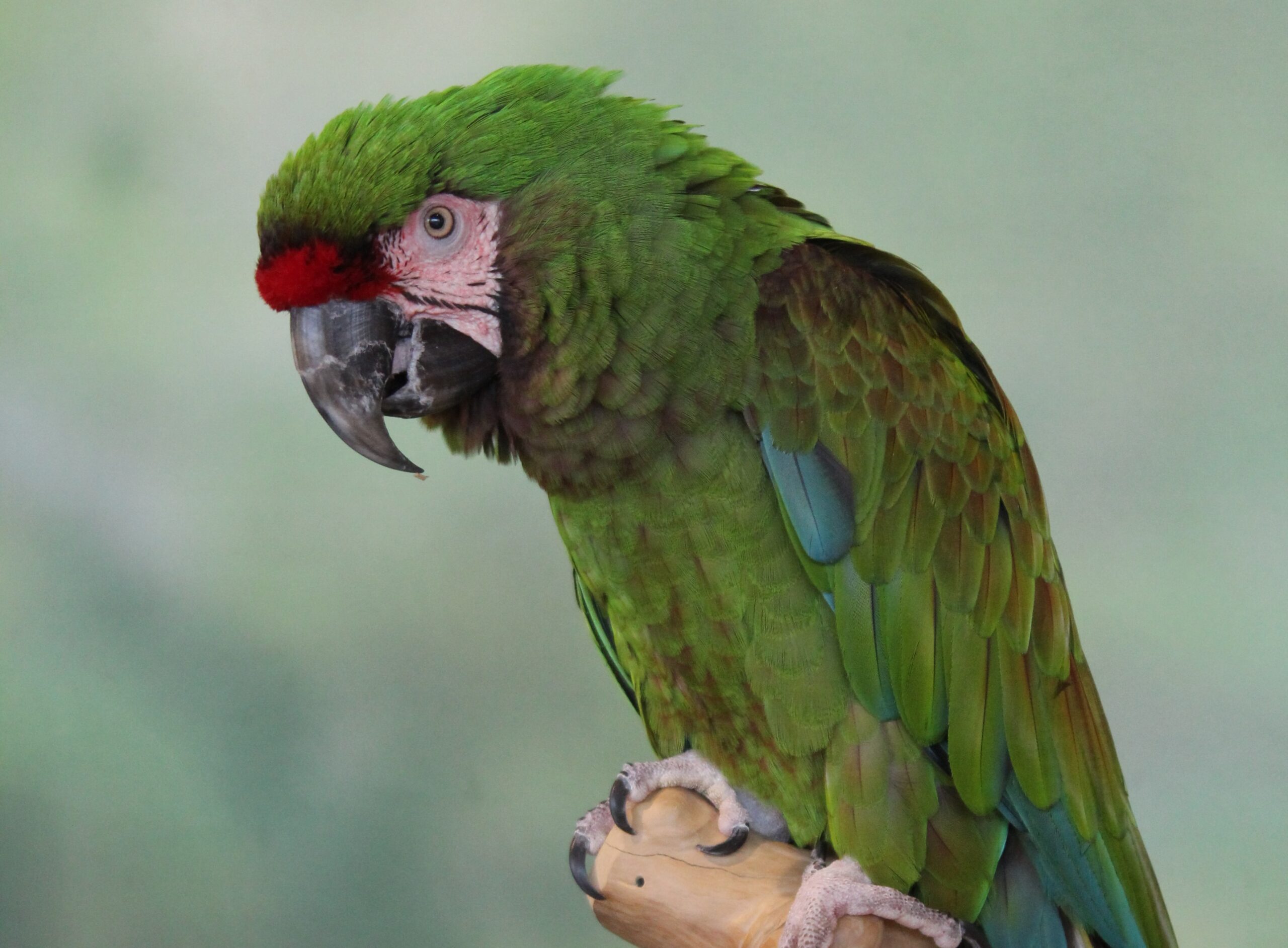
The Military Macaw, a parrot species with a fragmented range running from Mexico to northwest Argentina, is a playful and inquisitive bird. Each Military Macaw has a unique pattern of feathers on its face, similar to a human fingerprint. They also have incredible vision and are able to see colors on the ultraviolet spectrum that…
Read More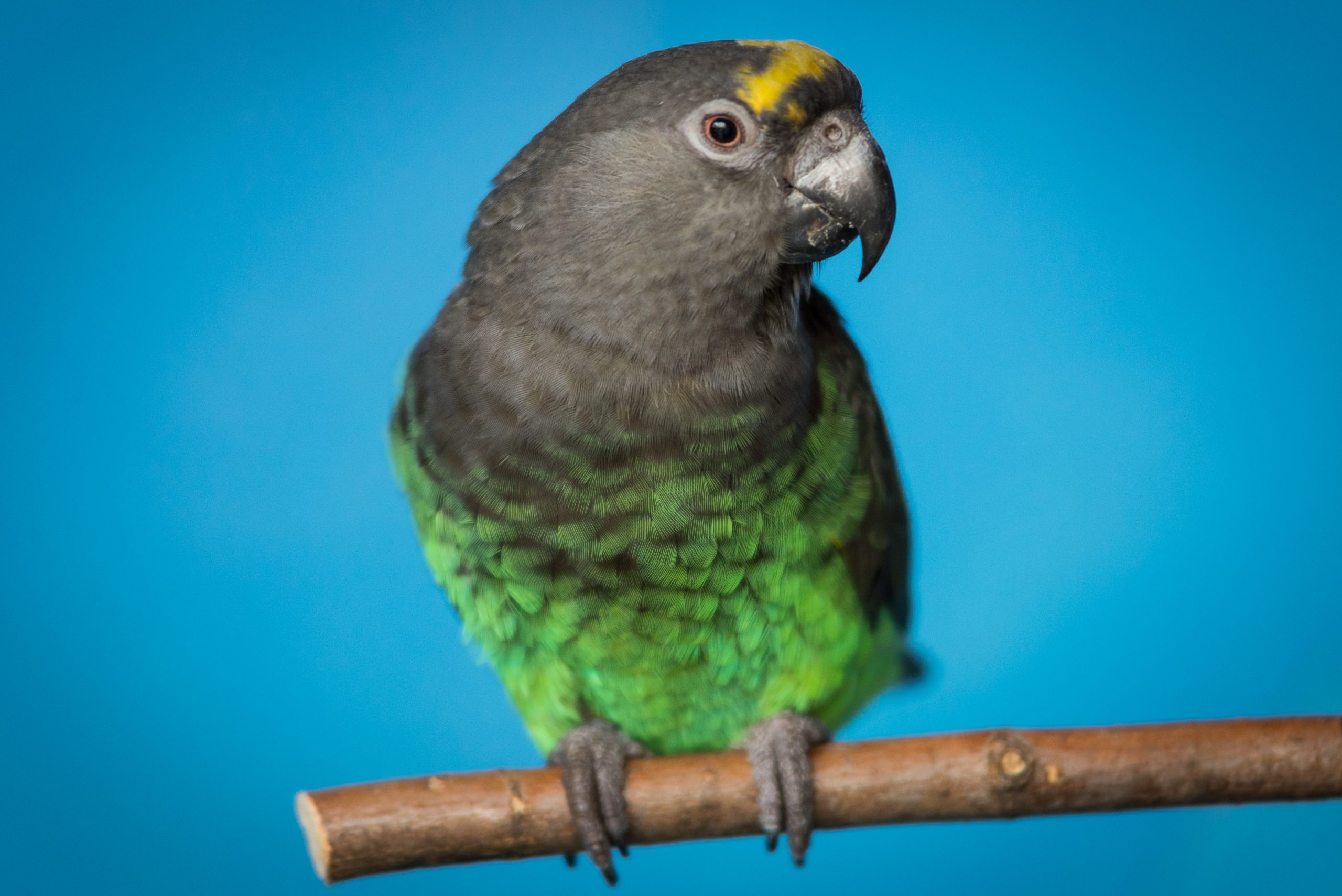
The Meyer’s Parrot (also called the Brown Parrot), is a species native to tropical Africa, found throughout scrub, savanna, palm grove, and subtropical woodland habitats. This species relies on old-growth areas with large trees, because it nests in the excavated cavities left by woodpeckers. While the Meyer’s Parrot is similar to other parrots in its…
Read More Previous Posts