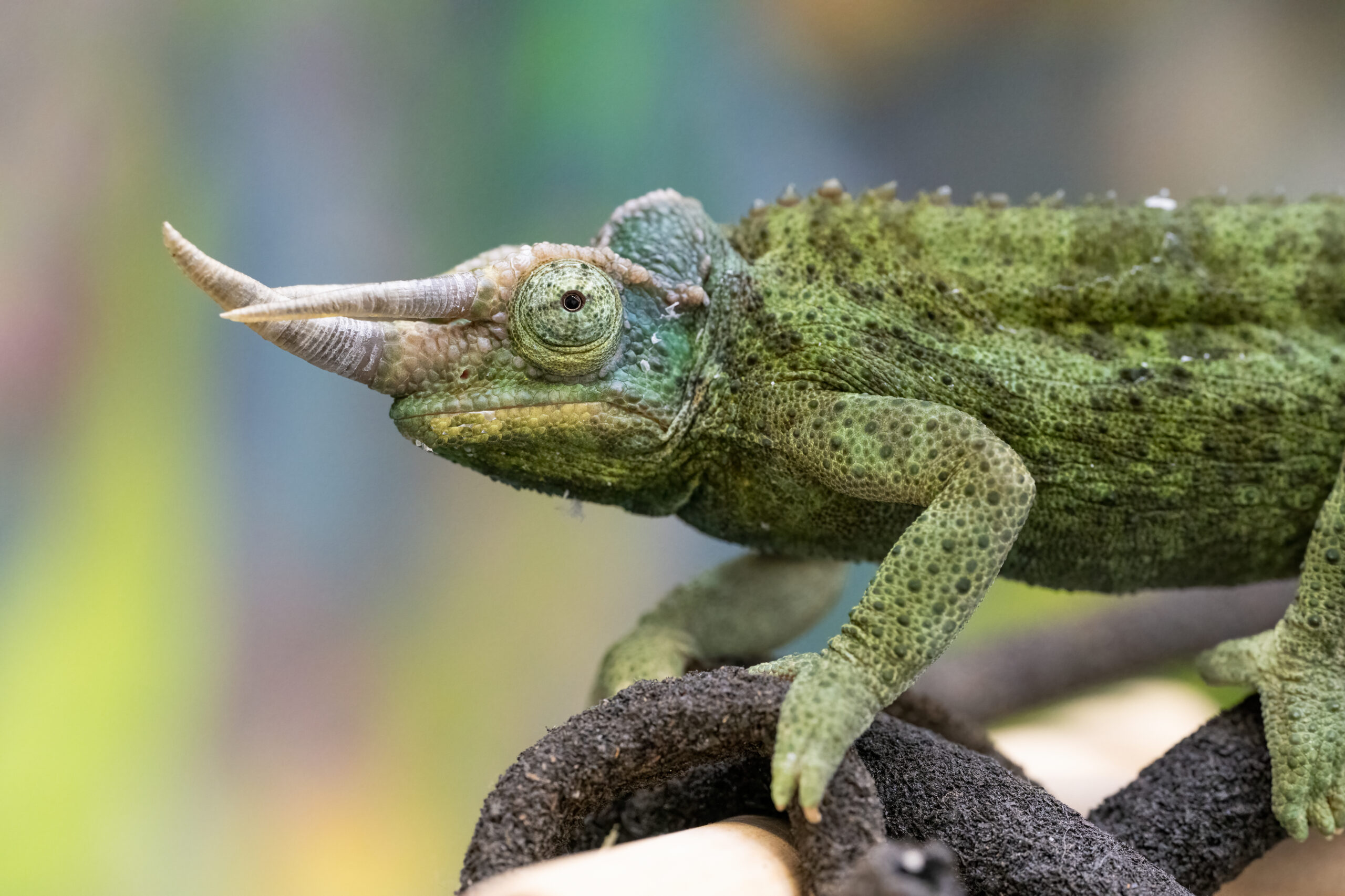
Measuring roughly 12 inches in length, Jackson’s Three-horned Chameleons live amongst tree canopies. Their prehensile tail – or a tail adapted to grasp or hold objects – allows them to grip tree branches. They are a dimorphic species – meaning it’s easy to tell males from females. Males are bright green-yellow and feature three, distinct…
Read More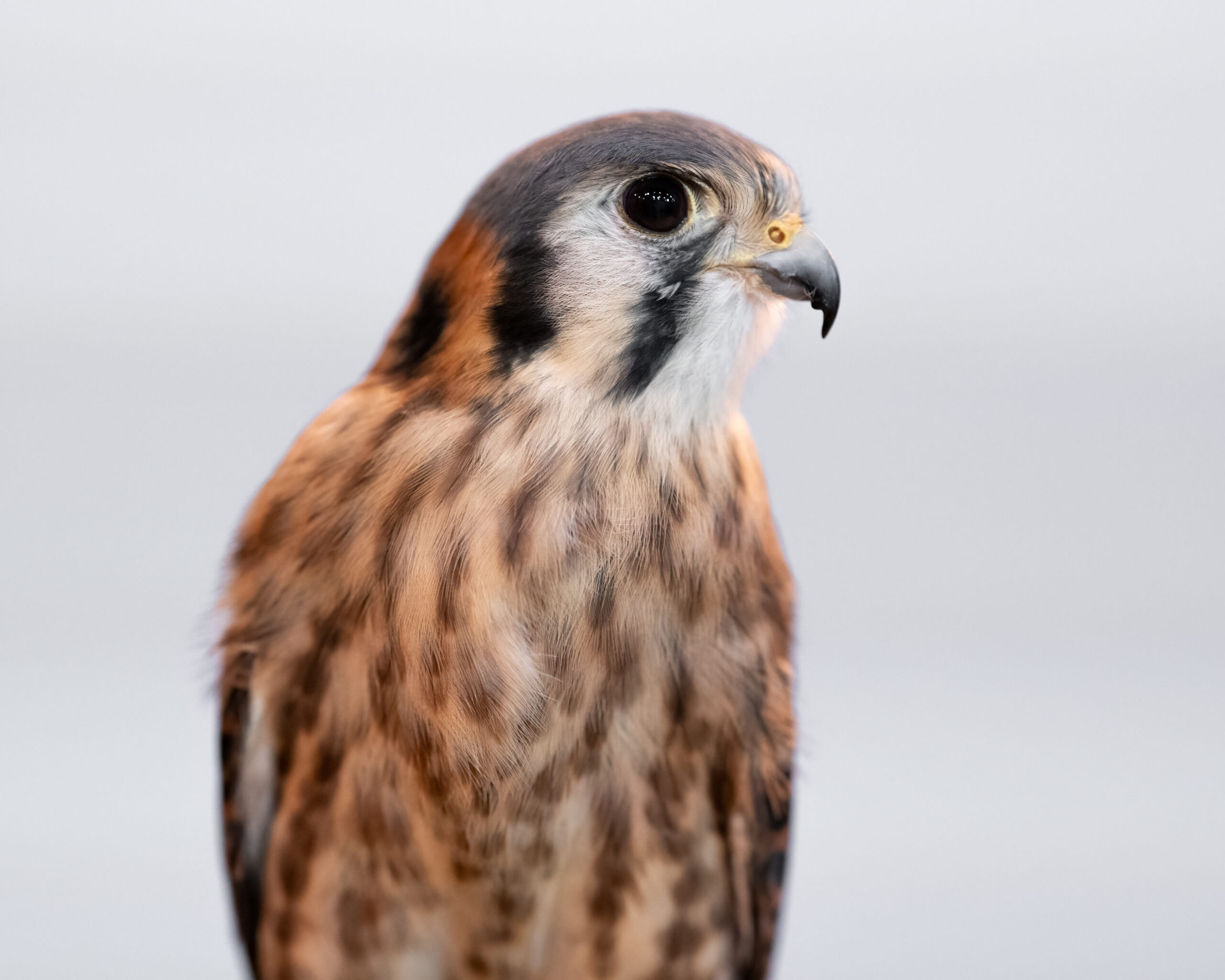
A small raptor (weighing between 3 to 6 ounces) with a widespread distribution throughout much of the Americas, the American Kestrel is the smallest falcon in North America. It is one of few dimorphic raptors, with the male and female being very differently colored. The best way to tell the difference? Males have blue-gray wings…
Read More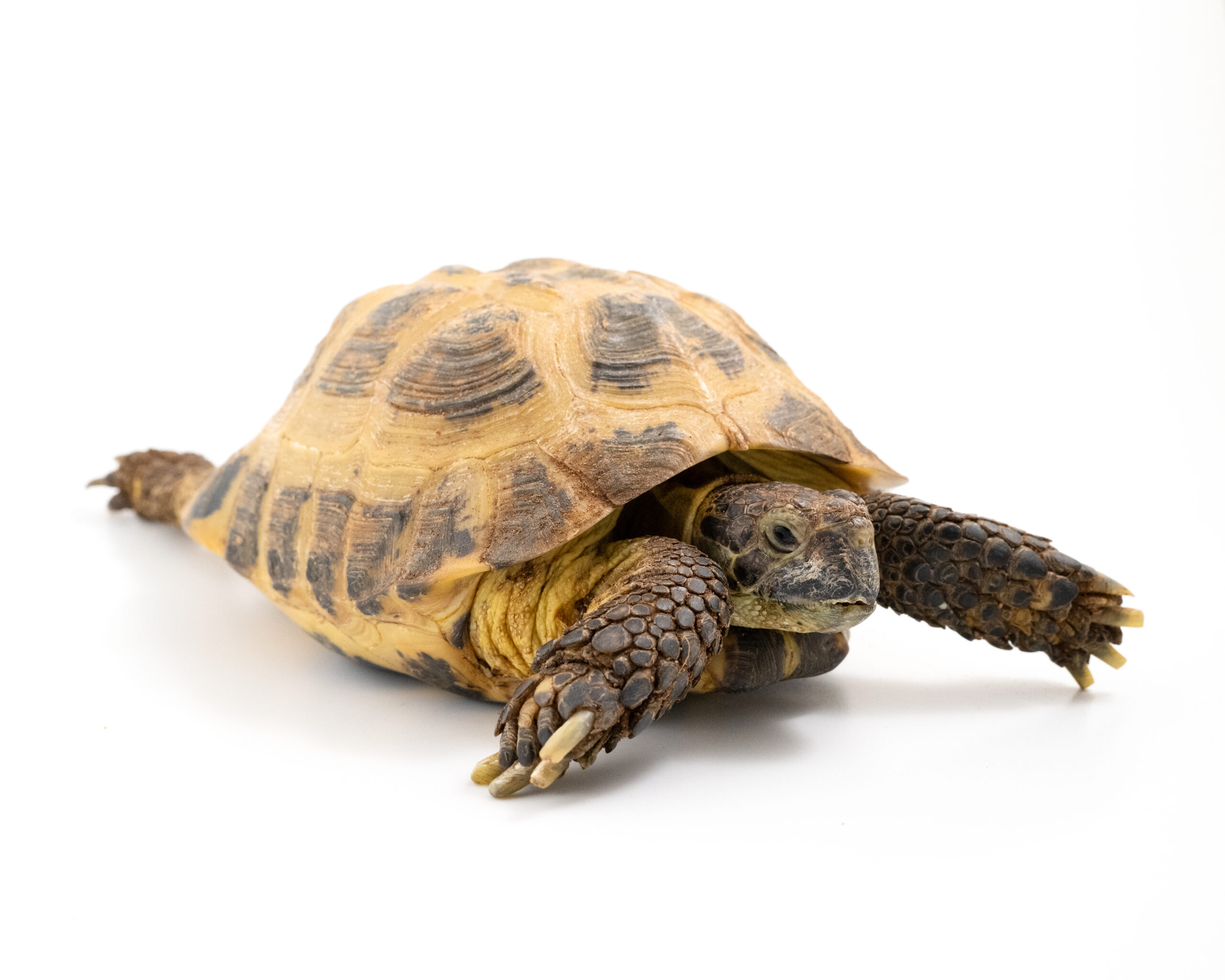
The Central Asian Tortoise thrives in dry, semi-arid regions with sparse vegetation. They are characterized by their domed, yellowish-brown to green shells featuring a distinct pattern of light and dark markings. They feed primarily on grasses, weeds, and some flowers and are well-adapted to surviving harsh environments. In their natural habitats, their diet helps control…
Read More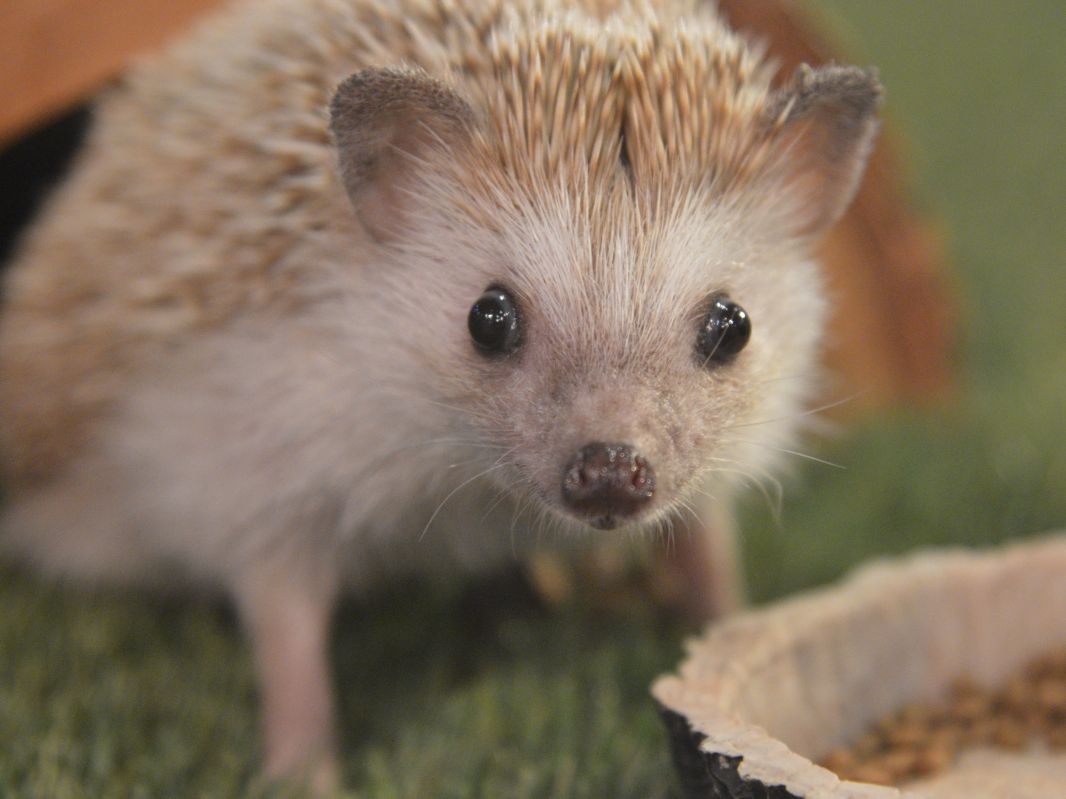
This small, endearing species found primarily in North Africa, is known for its distinctive appearance, featuring a rounded body covered in tiny spines. Unlike their larger European counterparts, these hedgehogs are small and have four toes on each foot instead of five, hence the name! They are nocturnal and active at night, foraging for various…
Read More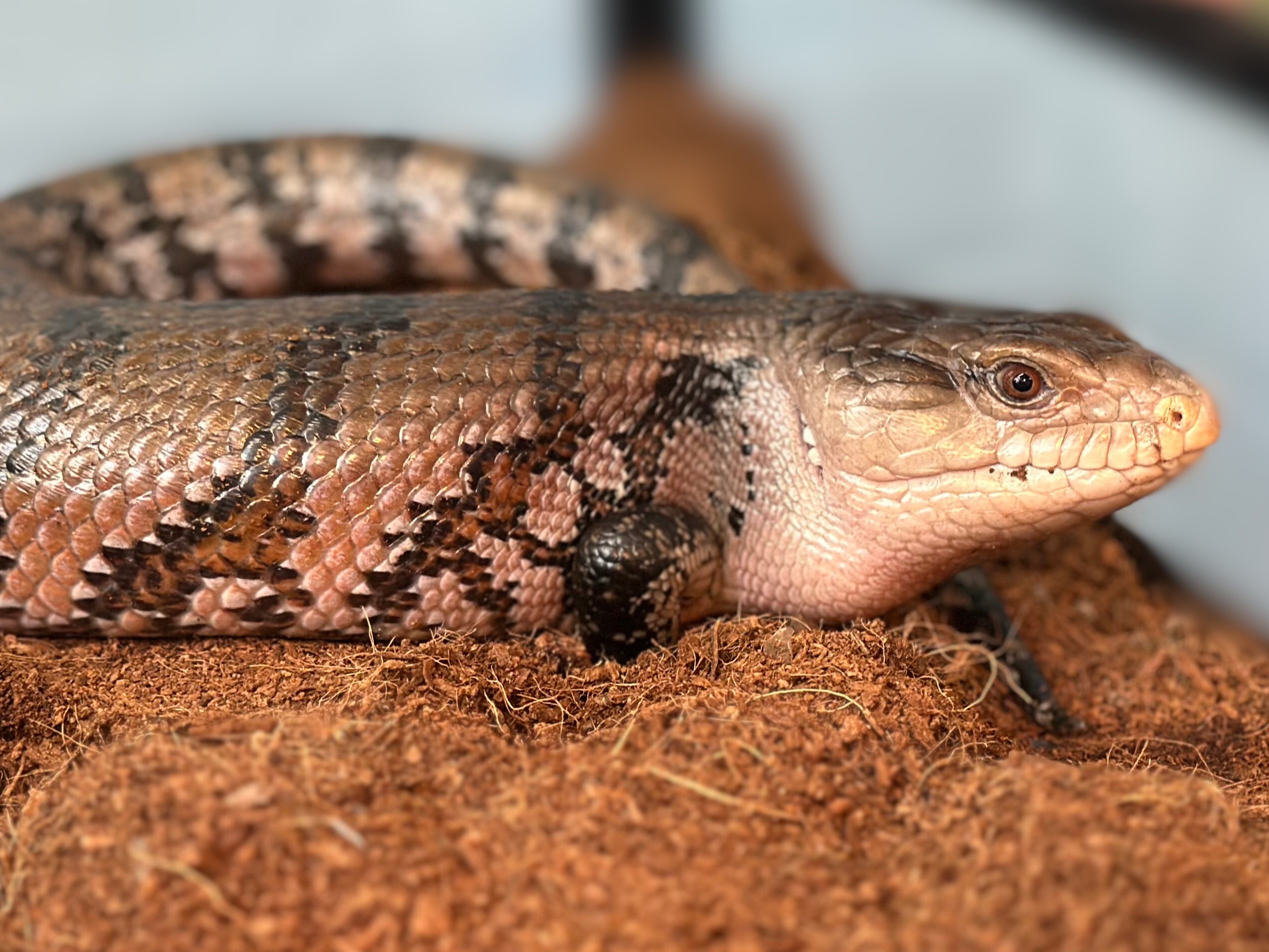
Native to northern and eastern Australia, as well as parts of New Guinea, New Guinea Blue-tongued Skinks are one of the largest skink species (measuring up to 24 inches long!). They have robust, stocky bodies, a triangular head, and sturdy limbs that are adapted for both climbing and burrowing. They are adorned with a mix…
Read More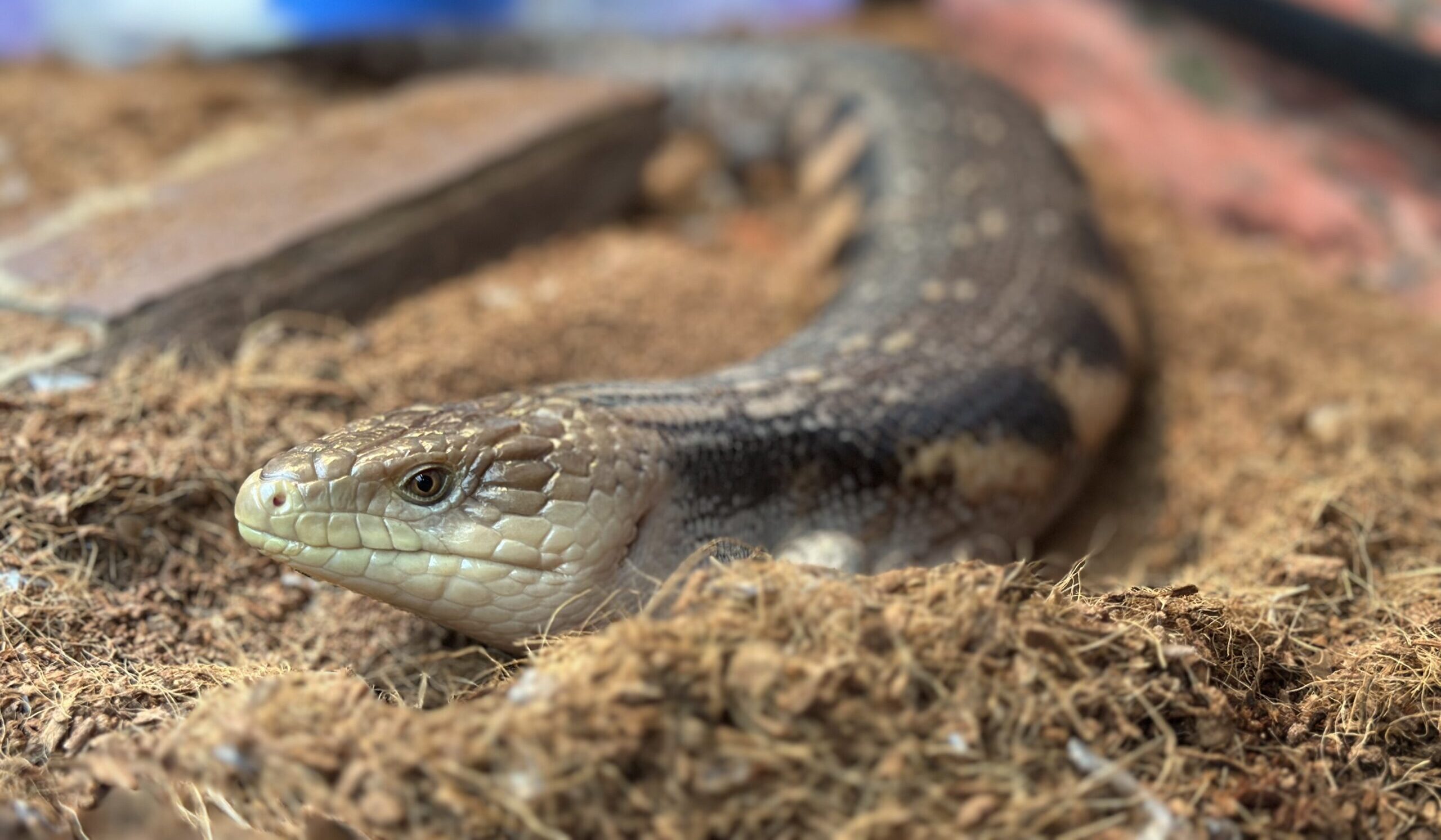
Named after their iconic, vibrant, blue tongue, the Blue-tongued Skink is a multi-faceted reptile. As an omnivore, Blue-tongued Skinks eat both plants and animals. While they aren’t poisonous or venomous, they trick predators into believing they are! In the wild, bright colors tend to indicate that an animal is toxic or venomous. As a defense…
Read More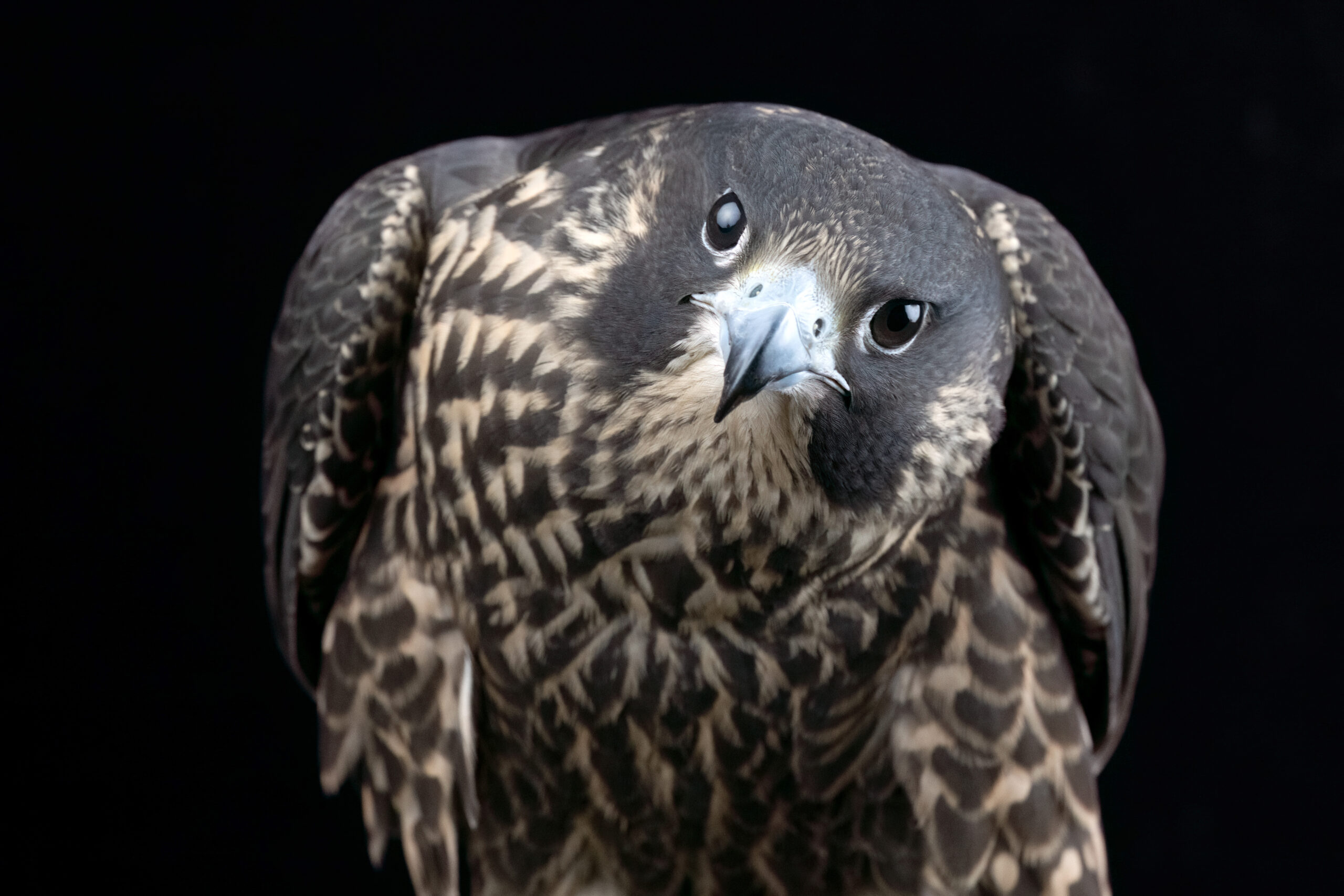
Peregrine Falcons are one of the most widely distributed land animals in the world, having been observed on every content in the world except for Antarctica. Highly regarded as a noble bird by biologists and licensed falconers, Peregrines have darker, striped plumage and tapered wings for aerodynamic flight. Although currently classified as Least Concern, Peregrine…
Read More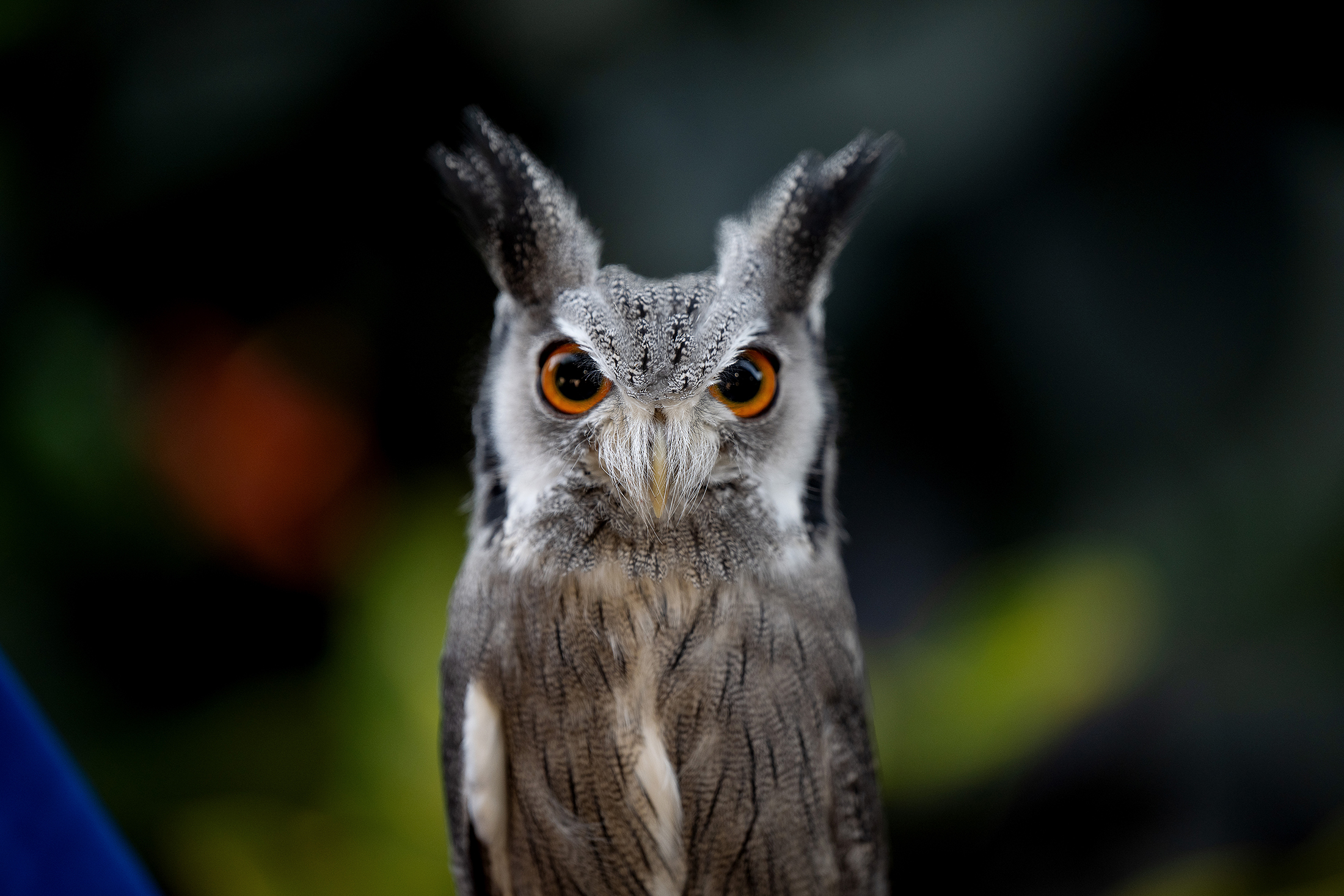
Northern White-faced Owls stand at about ten inches tall, comparable in size to Eastern Screech-Owls. They are distinguished by their prominent ear tufts and a striking white facial disc outlined by a thick black border. The body of the Northern White-Faced Owl is predominantly light gray-brown, adorned with delicate streaks and vermiculation’s – or markings…
Read More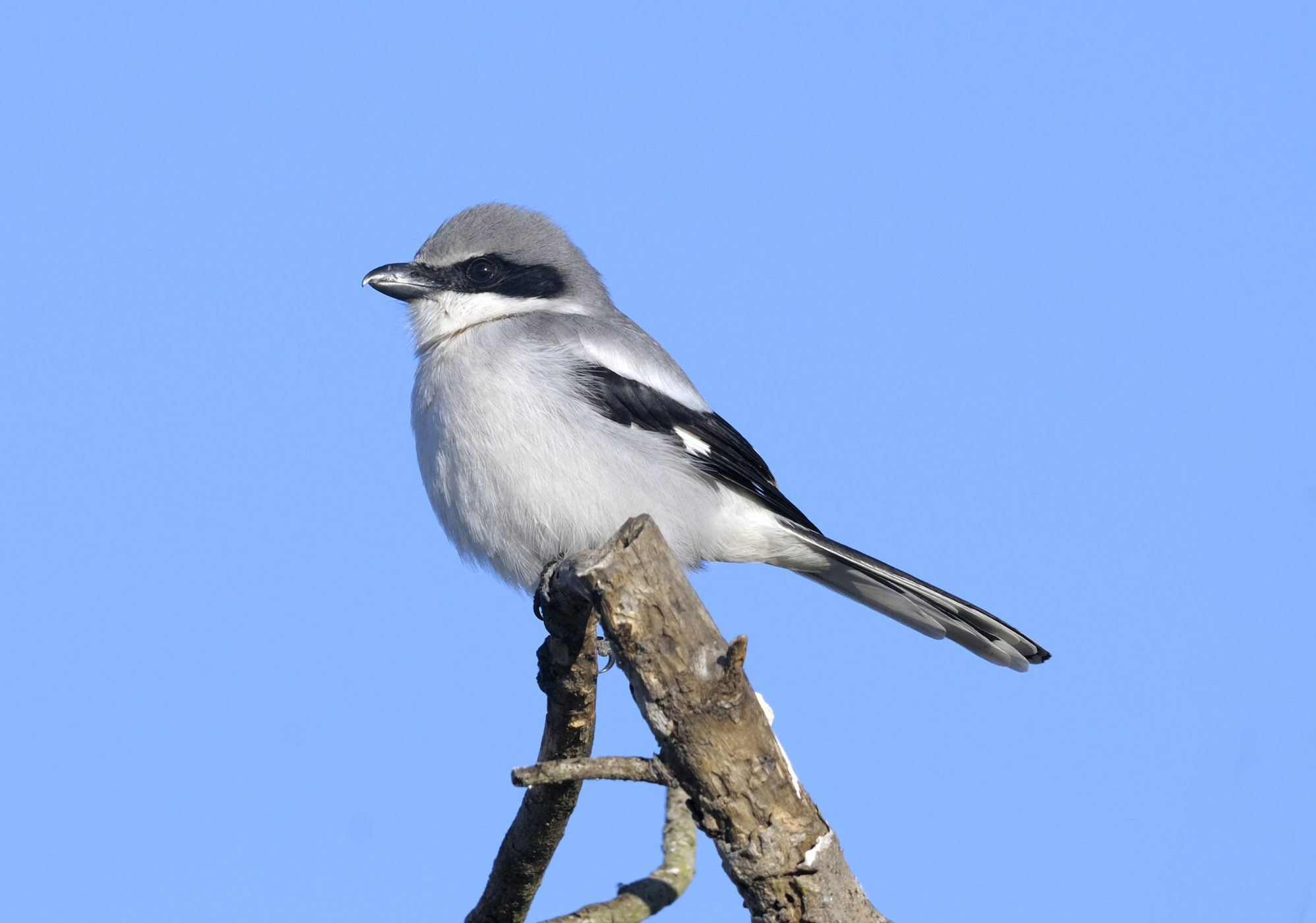
The National Aviary is home to Loggerhead Shrikes behind-the-scenes. They are hawk-like songbirds that create “food pantries.”
Read More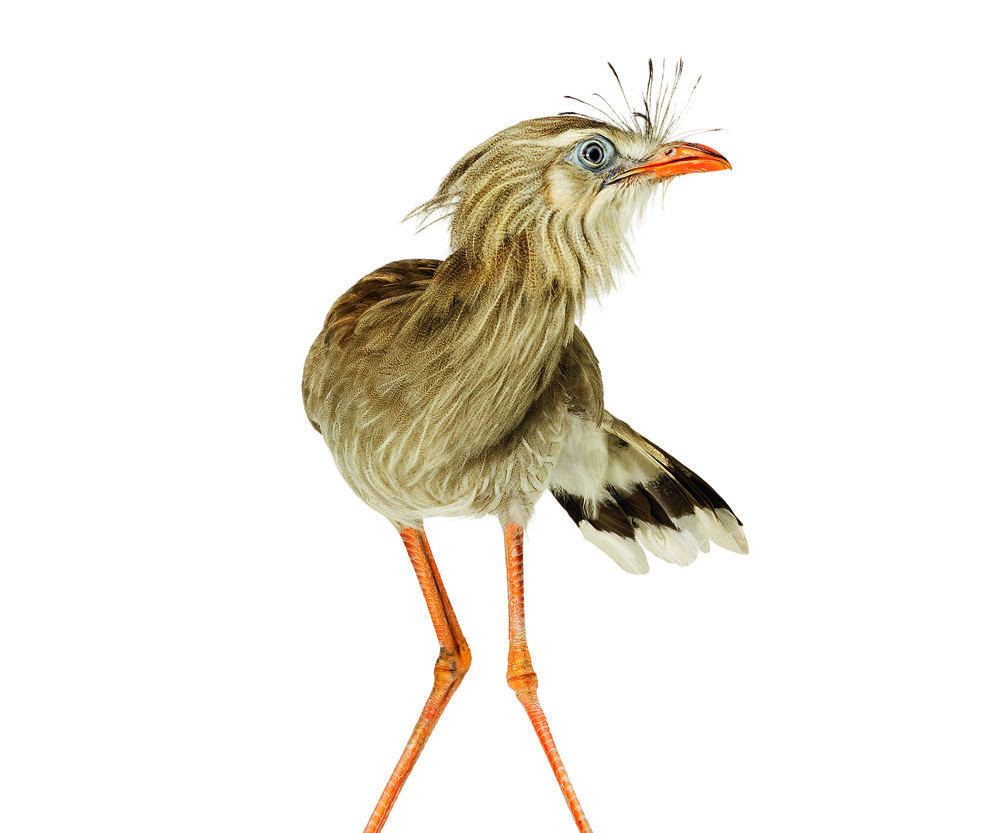
The Red-legged Seriema inhabits South American dry grasslands south of the Amazon River. In addition to grasslands, they are found in open woodland, thorny scrub, grassy savannas, and rangeland. Territorial pairs and family groups occupy a home range of about 20 hectares. Loud, far-carrying vocalizations are performed as duets by mated pairs from elevated perches…
Read More
A very common dabbling duck of the Nearctic region, and introduced elsewhere where it is sometimes considered an invasive pest, the Mallard occurs on almost any body of shallow water, but especially those with submerged or floating vegetation. In the breeding season the Mallard eats mostly animal foods such as aquatic insect larvae and snails,…
Read More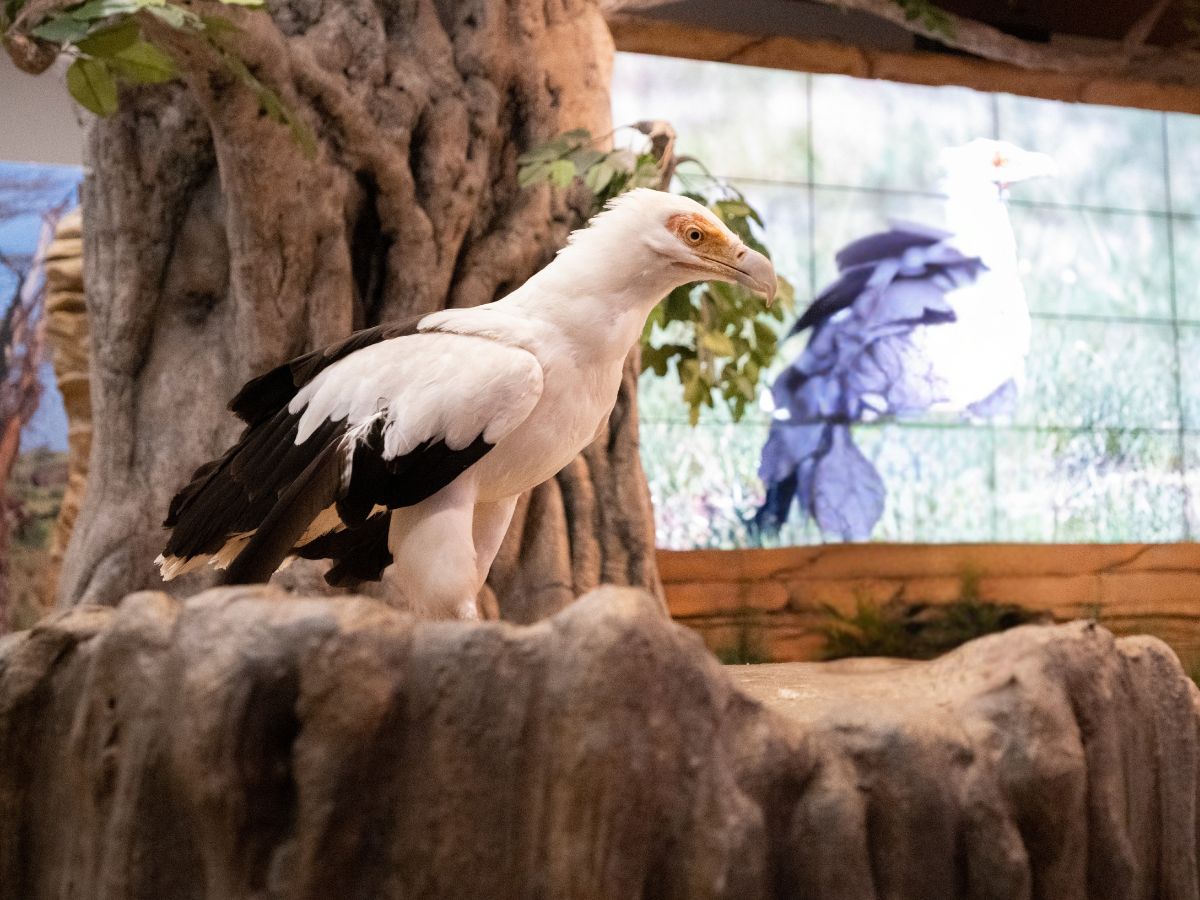
A striking black and white vulture of Sub-Saharan Africa, the Palm-nut Vulture is found along the edges of tropical forests, large rivers, lakes, and seashores, especially where oil palms abound. Unlike other vultures, the Palm-nut Vulture feeds only occasionally on smaller carrion – and rarely at large animal carcasses – and instead specializes its feeding…
Read More