Location: Behind the Scenes

Silver Gull standing on a rock

The Silver Gull is the most common gull found in Australia. It is most common in coastal areas but can be found throughout the continent. They use a variety of habitats, from sandy and rocky shores to garbage dumps, and breed on small islands. Their diet is as varied as their habitats. The Silver Gull…

Read More
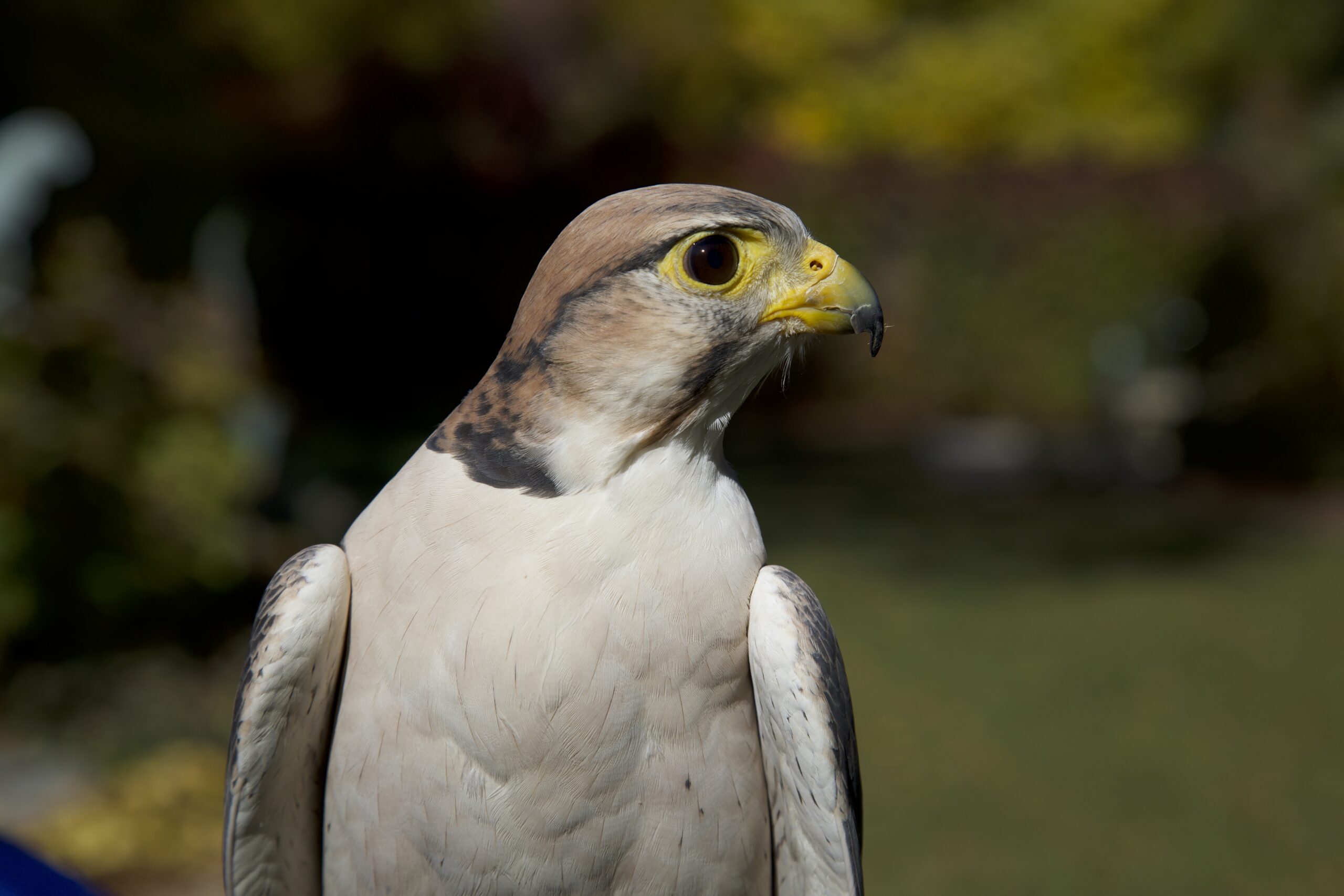
Lanner Falcon side profile

Lanner Falcons are strong, stocky birds with long wings and a relatively short tail, very similar to the North American Peregrine Falcon. Males and females of this species tend to look the same, but females are slightly larger. Lanner Falcons have been used in the sport of falconry for centuries, and are prized for their…

Read More
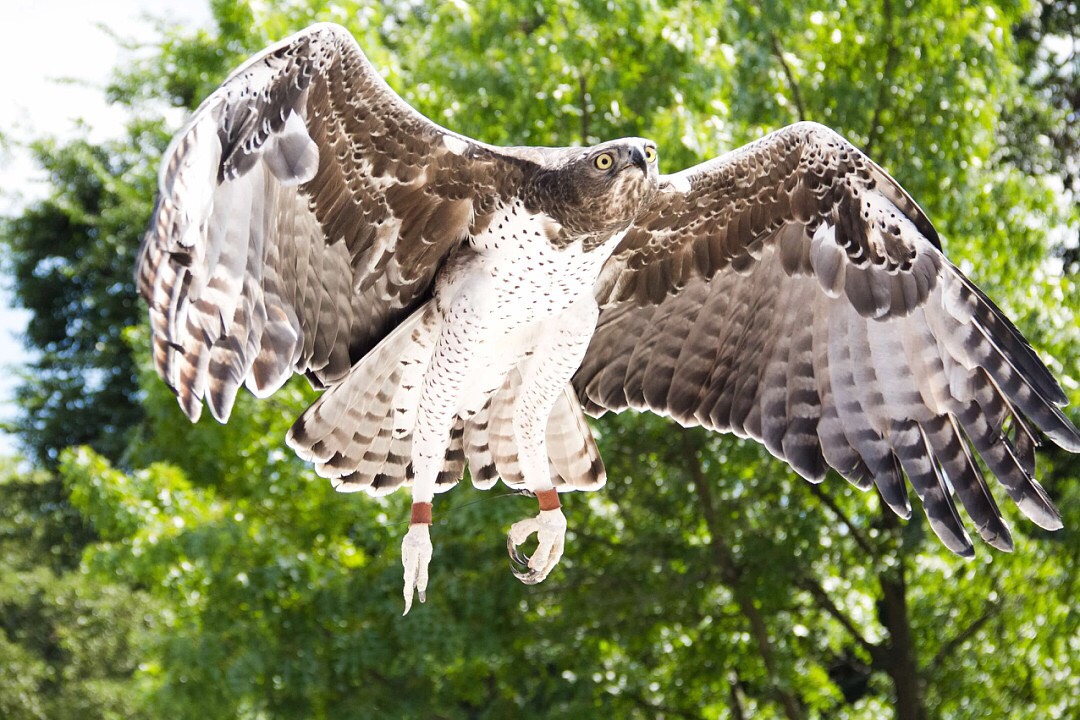
A Martial Eagle flying

A large and powerful eagle of Africa, the Martial Eagle is found in sparse woodlands and other open habitats such as steppes, savannas, and shrublands. Martial Eagles are extremely powerful predators, feeding on medium-sized vertebrates which they catch after stooping from a high soar. Martial Eagles build large stick nests in the fork of a…

Read More
Headshot of a Golden Eagle

The Golden Eagle, named for the golden feathers on its nape, is a resident of the New and Old Worlds, and occurs in a wide variety of open habitats, from desert areas to the edge of the tundra, and from sea-level to high alpine mountain levels. It is one of the largest birds in North…

Read More
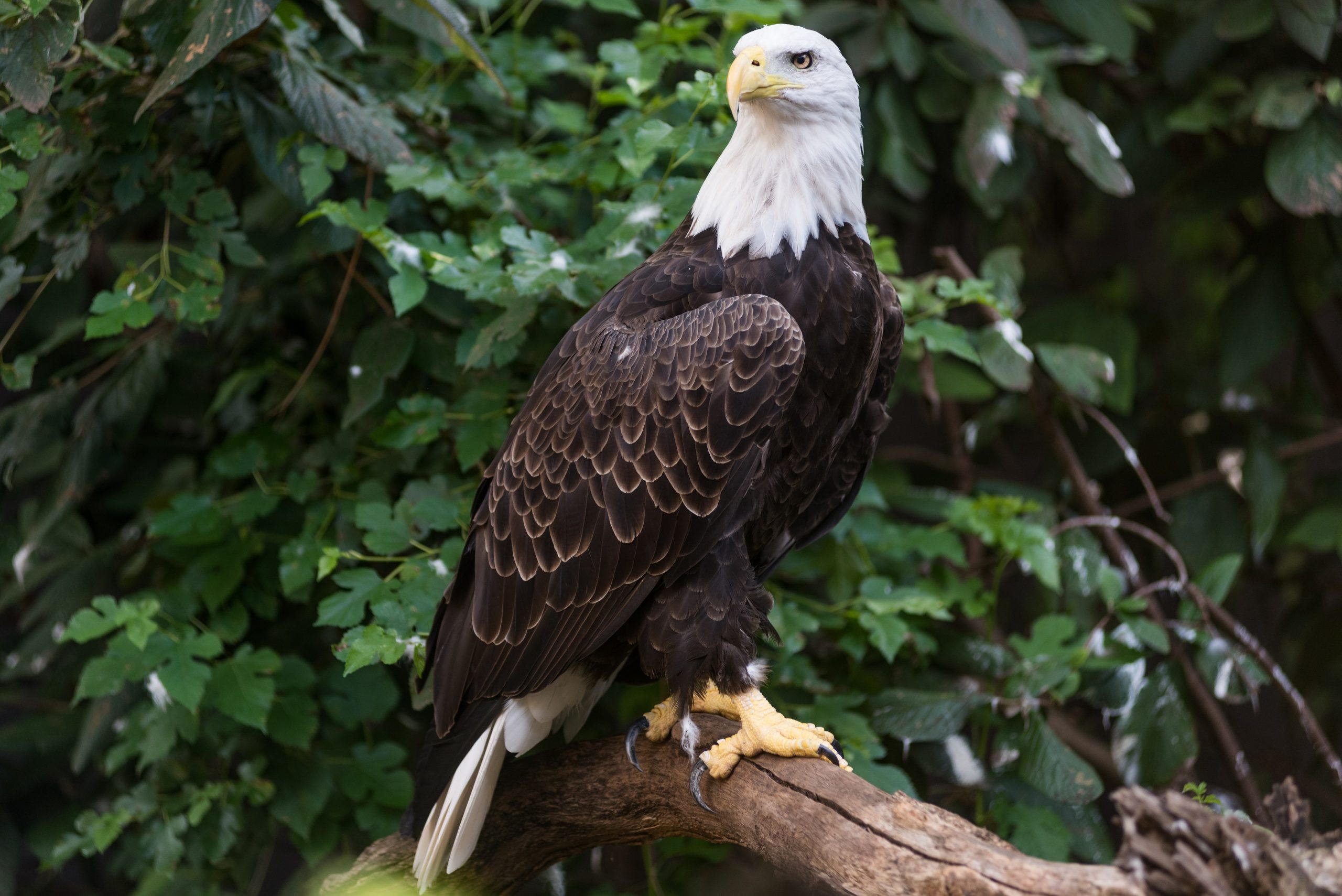
Bald Eagle perched on a branch

The Bald Eagle is one of the most readily recognizable birds in North America. They are also one of the largest, with the biggest females reaching 13 pounds or more. And, since 1782, the Bald Eagle has been the national bird of the United States. Bald Eagles are also one of the most well known…

Read More
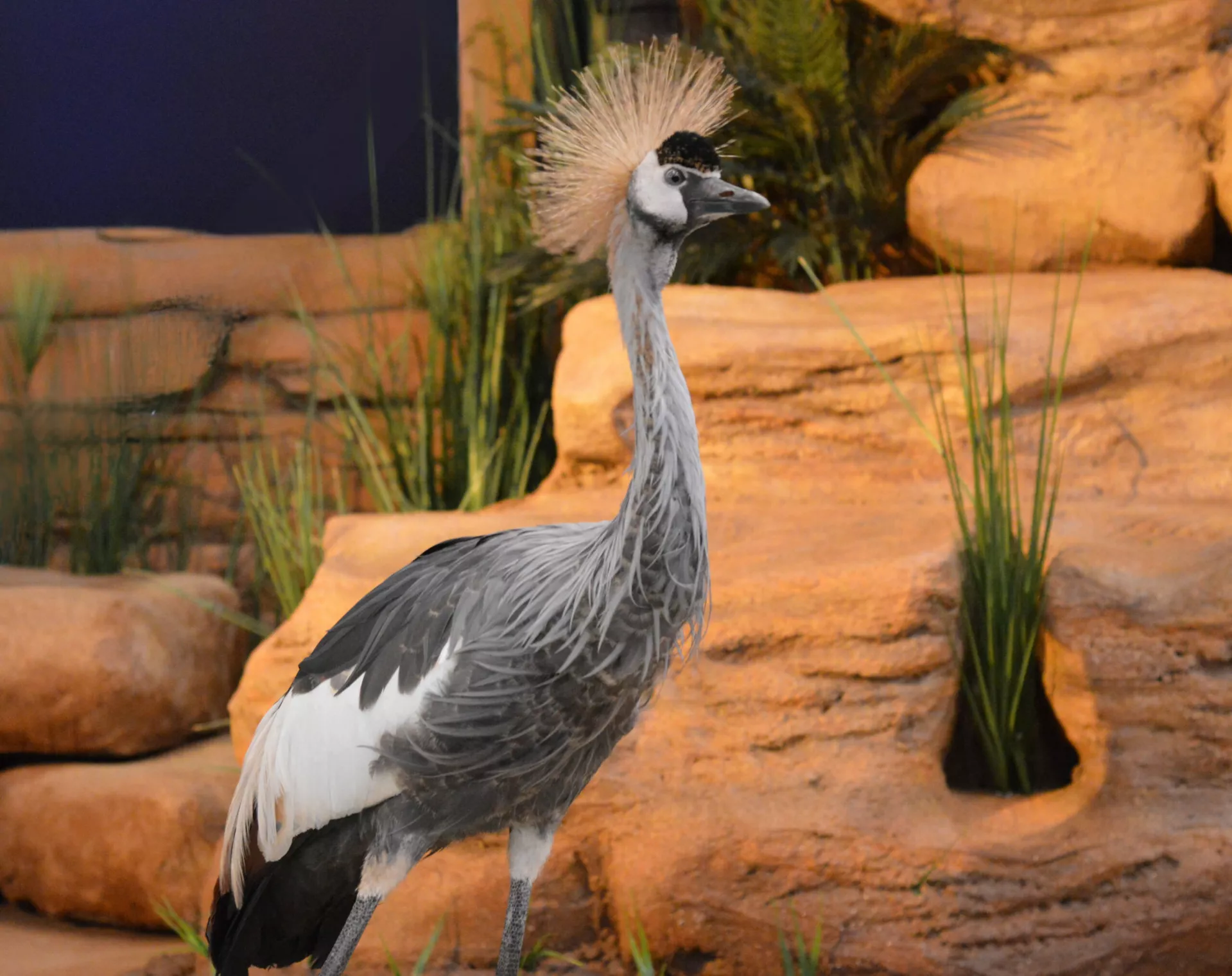
Gray crowned crane

Native to East Africa, the Gray Crowned-Crane is featured on Uganda’s coat of arms and flag and is the country’s national bird; this bird also is a sacred symbol for Kenya, Namibia, Zambia and South Africa. The Gray Crowned-Crane is unique among the cranes in being one of only two species capable of perching in…

Read More
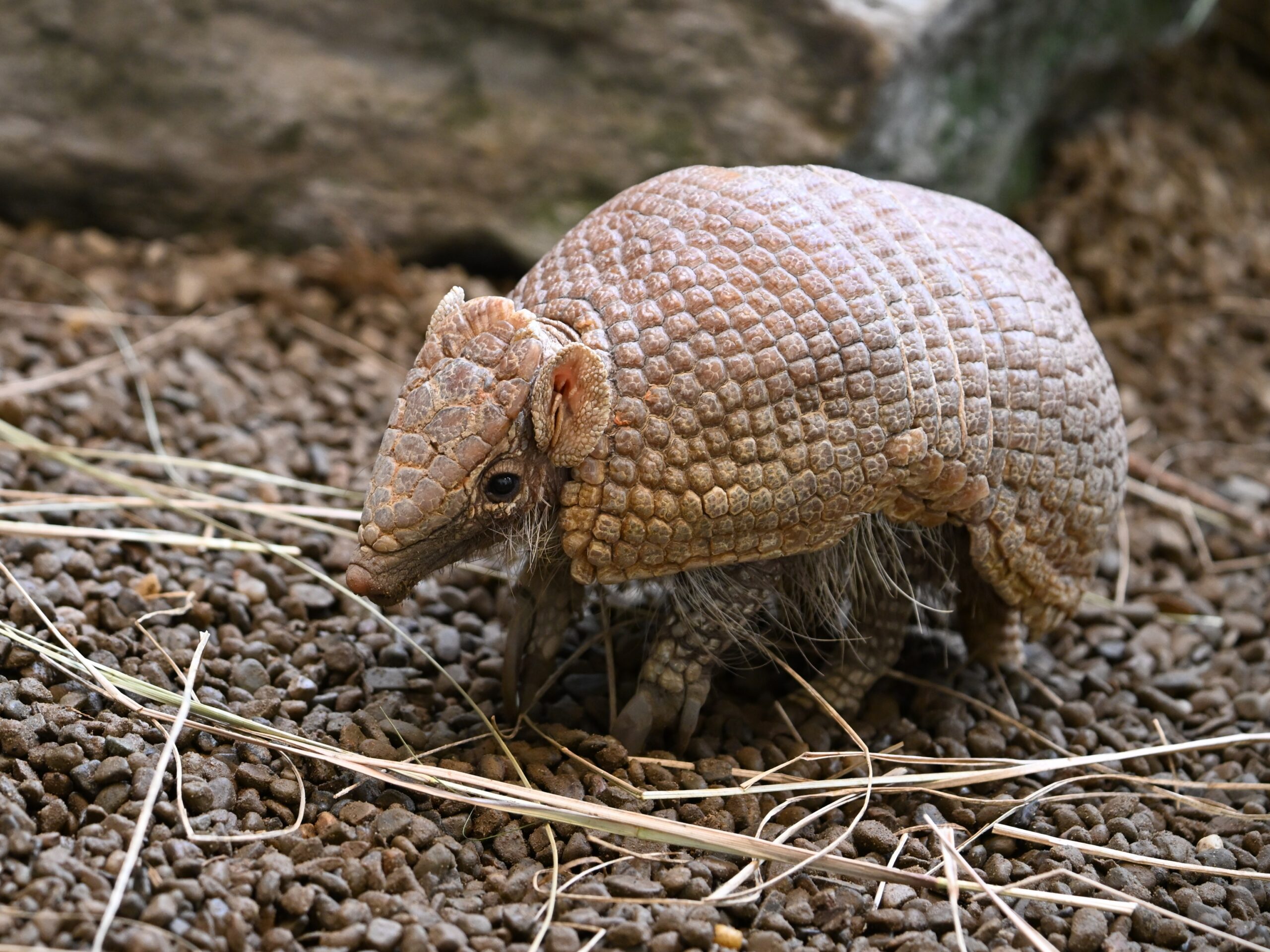
Willy walking through straw and pebbles that mimic his natural habitat

Southern Three-banded Armadillos are one of the mammal species living at the National Aviary. They are among the smaller of the armadillo species, and are native to grassy areas and forests throughout Argentina, Bolivia, Brazil, and Paraguay. Armadillos have very acute senses of hearing and smell, which helps them to find termites and ants and…

Read More

In The News

See All News

These Plants Can Turn Your Yard into a Hummingbird Haven (Featuring Insight from National Aviary Ornithologist Bob Mulvihill) | A-Z Animals

According to Bob Mulvihill, a Lead Ornithologist at The National Aviary, hummingbirds and flowers have spent millennia shaping each other.

Read More »

Peregrine falcons start incubating clutch of 4 eggs in Cathedral of Learning nest | WPXI

The National Aviary says Carla started incubating her eggs after laying a third one on Sunday afternoon.

Read More »

Peregrine falcon clutch of eggs growing in Cathedral of Learning nest | WPXI

The clutch of peregrine falcon eggs is growing up high on the Cathedral of Learning.

Read More »

Peregrine falcons on Pitt’s Cathedral of Learning lay first egg of season | CBS News

The National Aviary, which runs a livestream of the nest, said Carla laid the first egg around 4 a.m. on Wednesday. It's the first of up to six, though the average peregrine falcon clutch is four. 

Read More »