
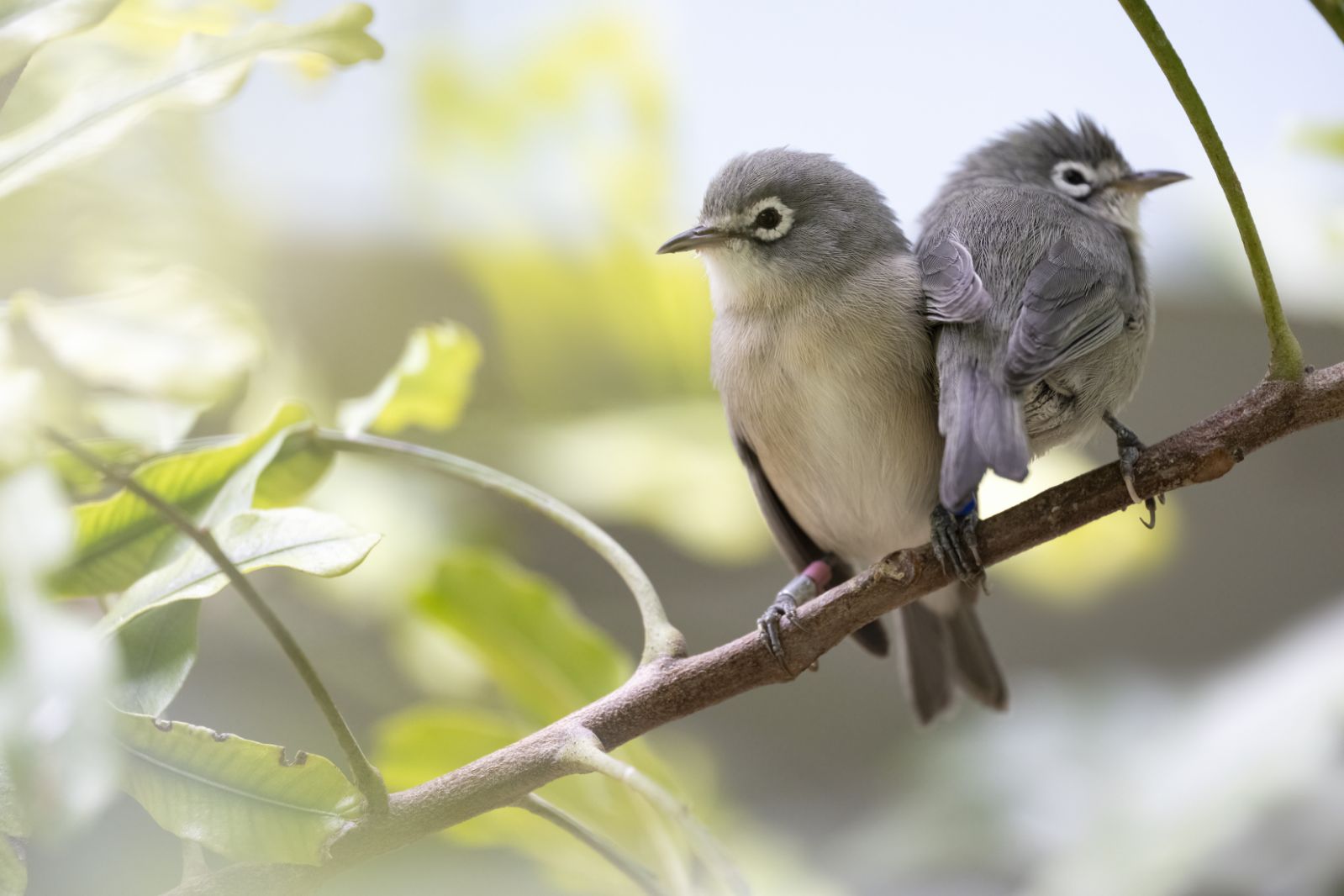
Like the Golden White-eye, the Saipan White-eye, also known as the Bridled White-eye, is a small, understory specialist. Restricted to the island of Saipan in the Northern Mariana Islands, this species occurs in a wide variety of wooded and semi-wooded habitats, including native limestone forest, scrubby secondary growth of disturbed habitats, and even urban areas….
Read More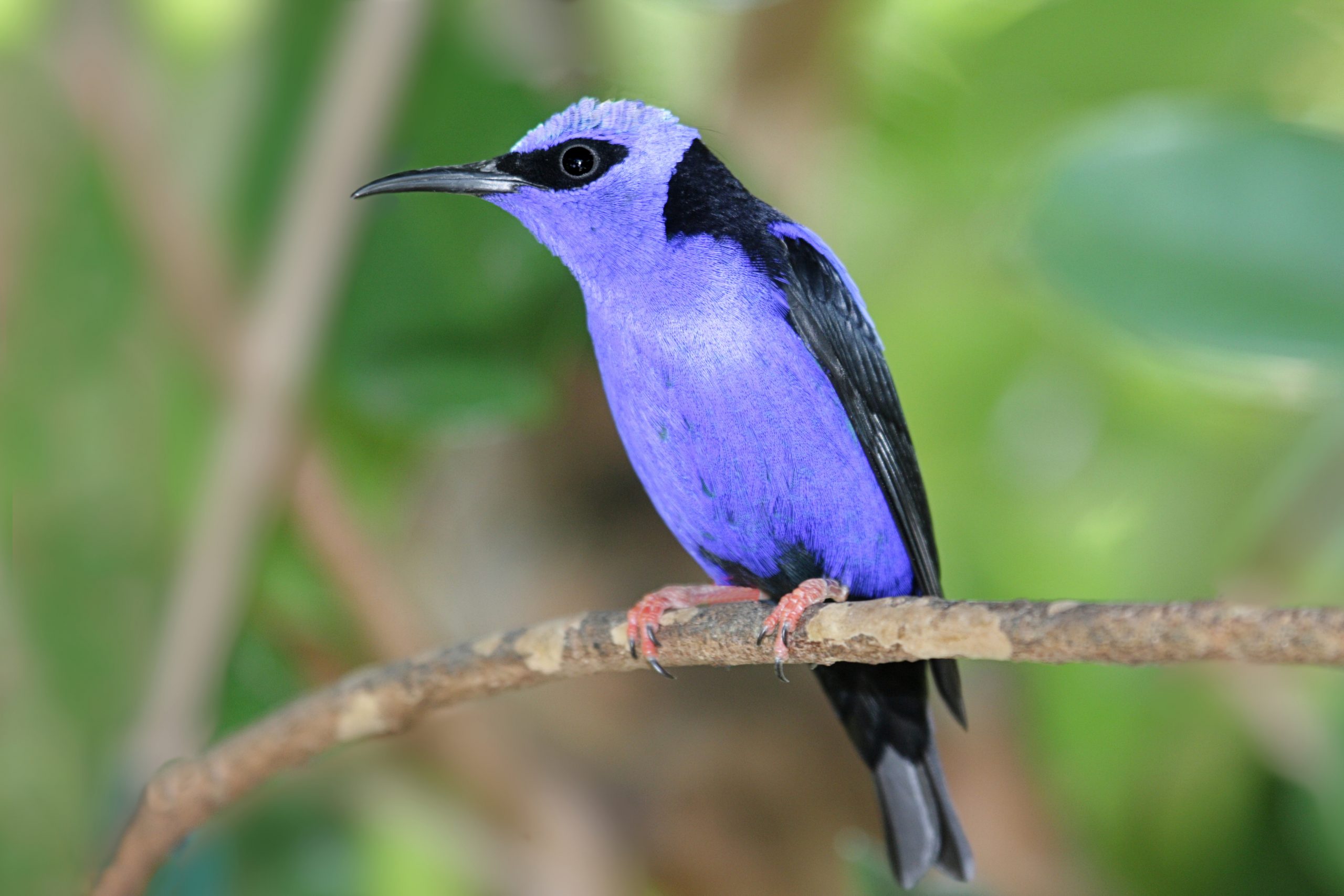
One look at the Red-legged Honeycreeper and it’s easy to see where it gets its name. Largest of the Cyanerpes honeycreepers at about 12 centimeters long, both male and female Red-legged Honeycreepers sport bright, candy-red legs and a long, sharp bill that’s almost as recognizable as their legs. Males in breeding plumage are a brilliant…
Read More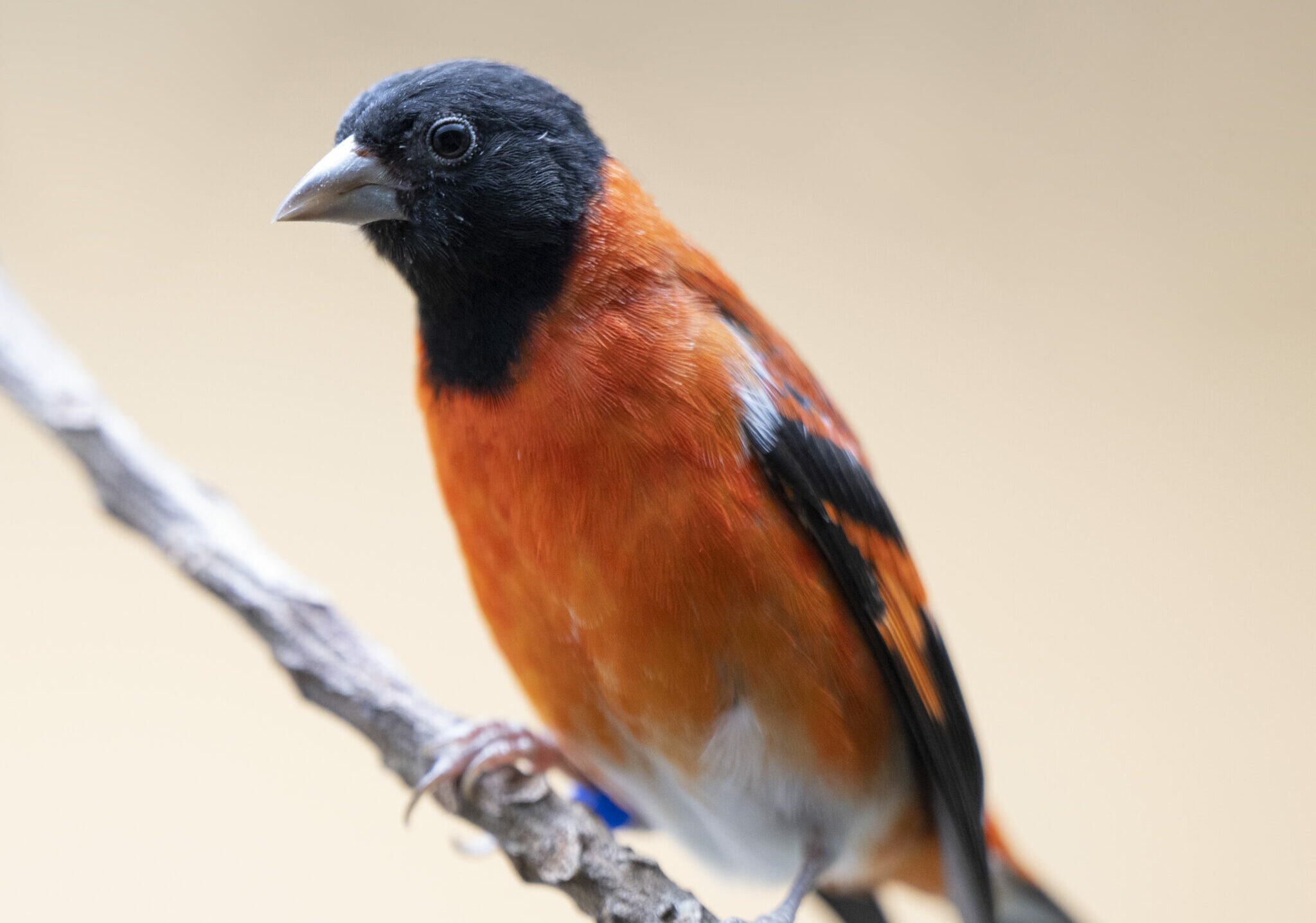
The Red Siskin is an Endangered species owing to its popularity as a cage bird. The Red Siskin is a vibrantly colored finch that was once plentiful in Venezuela and so recognizable that their image is printed on Venezuelan banknotes, written into poetry, and appears in works of art. Native to the northern regions of…
Read More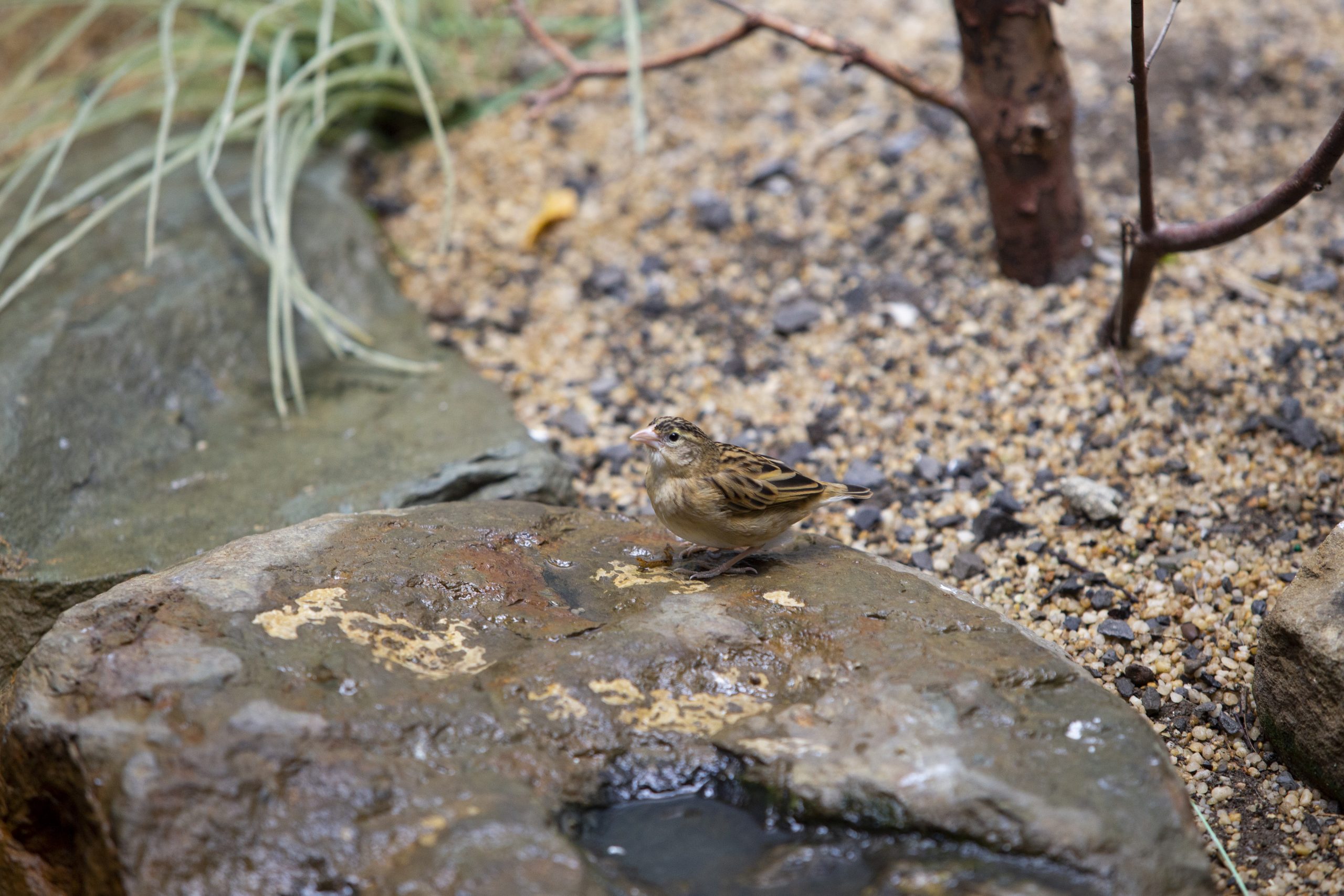
The Northern Red Bishop, sometimes called the Orange Bishop, is a small songbird found in the grasslands and wetlands of Africa. Some populations have become established in other areas, as well. This species forages in small flocks, primarily eating seeds. Males are a stunning orange. Females are less colorful but have beautiful streaking. Their song…
Read More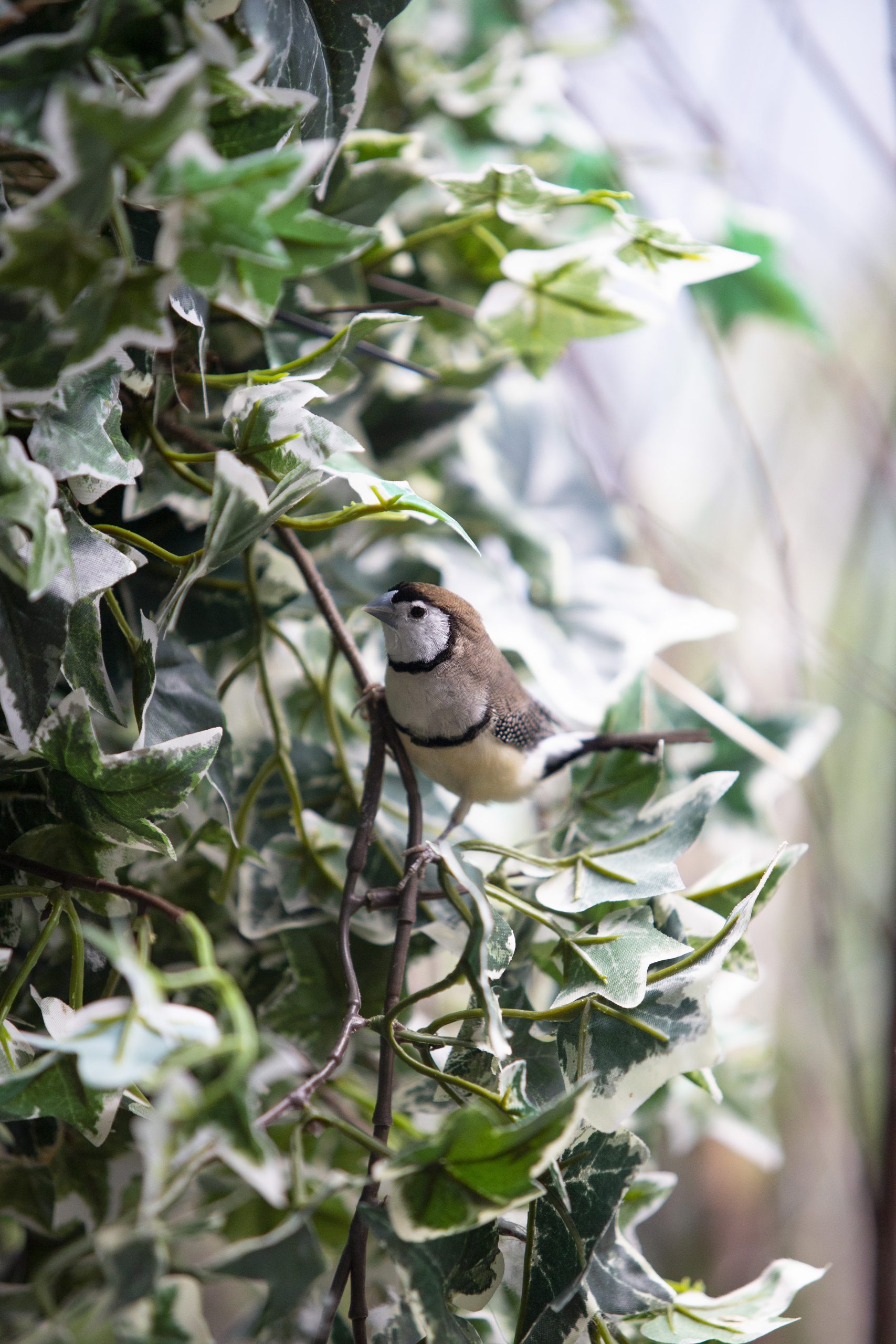
The Owl Finch, or Double-barred Finch, is a handsome bird from northern and eastern Australia, where it is found in open grassy woodlands, scrublands, forest edge, and grassy vegetation along larger watercourses, as well as more anthropogenic habitats such as cane fields, roadsides, and parks and gardens. Like similar finches, the Owl Finch feeds of…
Read More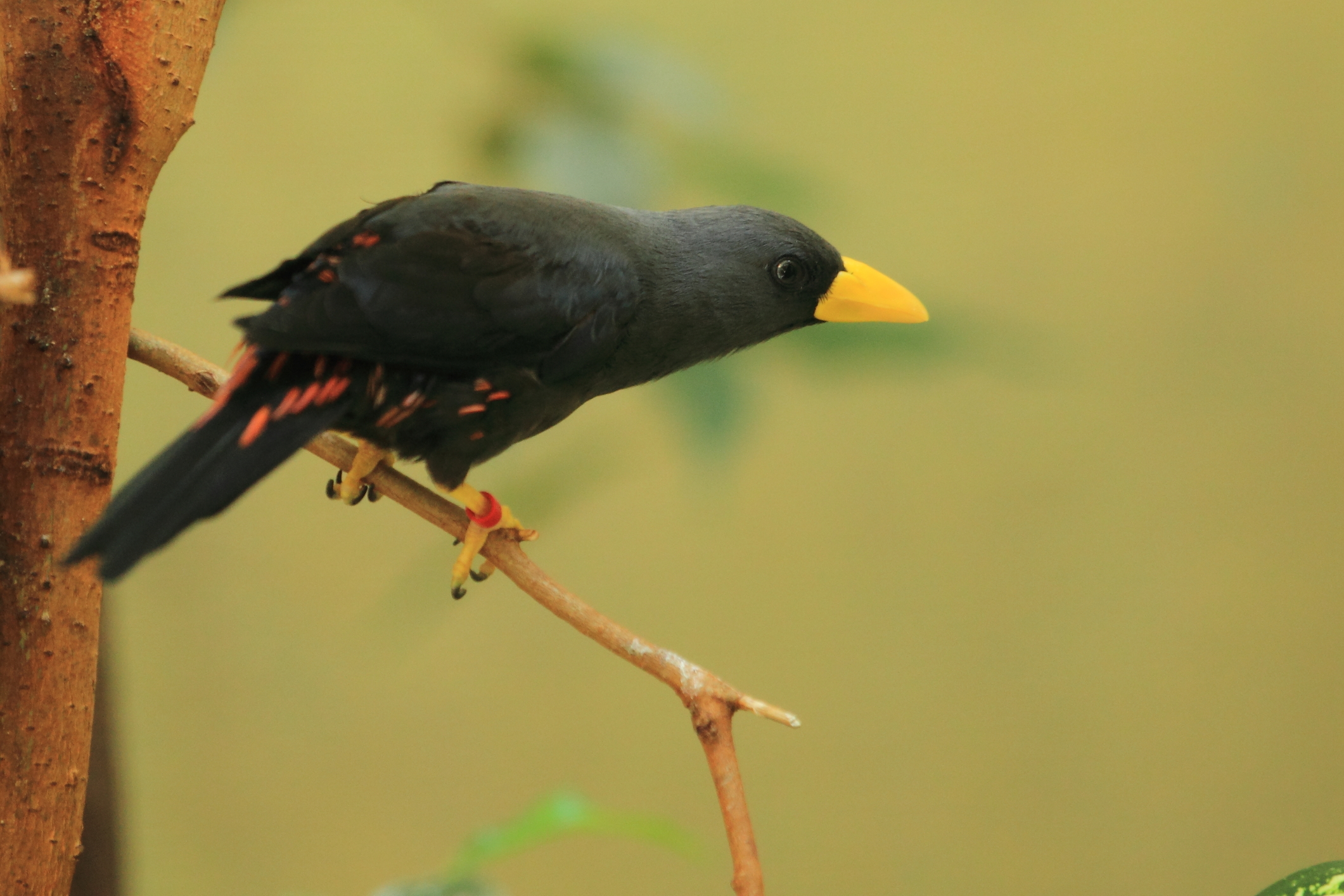
The Grosbeak Starling, also known as the Finch-billed Myna, is endemic to the island of Sulawesi, Indonesia where it inhabits forest edge and open woodlands. It is also very common in modified habitats such as plantations. The Grosbeak Starling often forages in large groups with other Grosbeak Starlings high in the canopy where it consumes…
Read More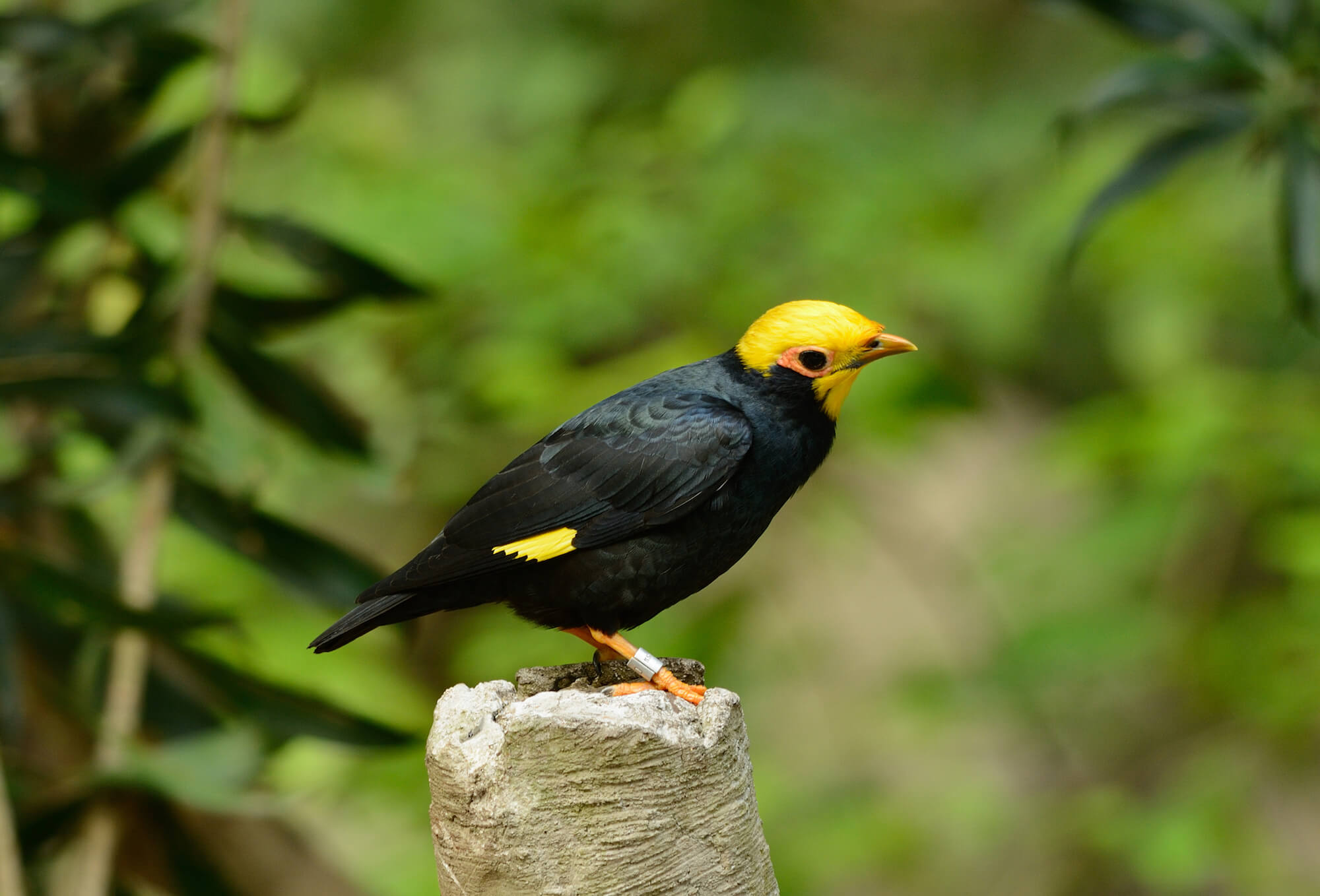
A native of lowland evergreen forest, deciduous and mixed woodland, open forest, and cleared areas with scattered tall trees of India and Indochina, the striking Golden-crested Myna forages for fruit and insects high in the canopy. A cavity nester, this species most frequently utilizes natural holes in trees. Although Golden-crested Mynas are often captured for…
Read More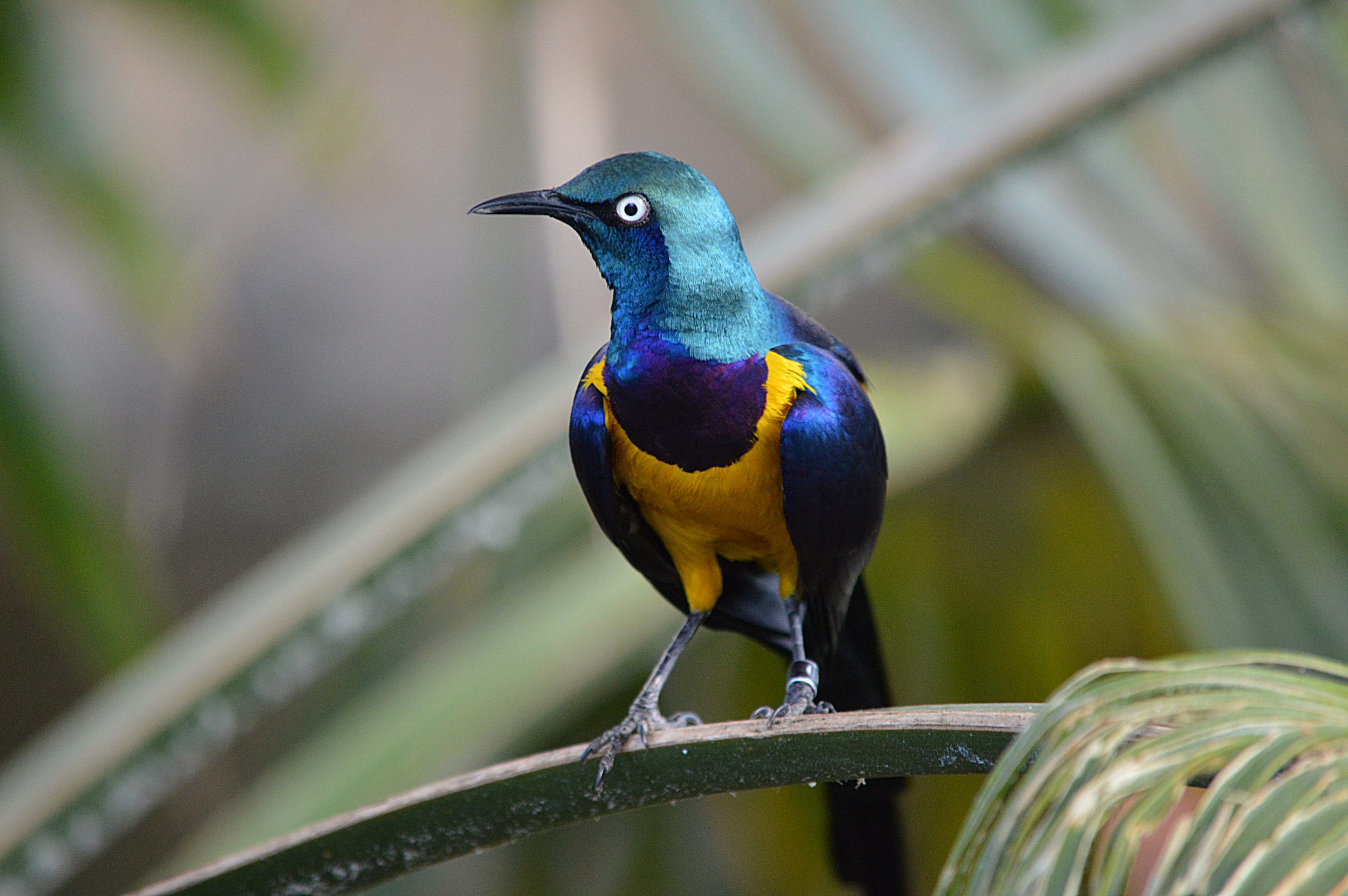
The Golden-breasted Starling is a beautifully colored bird, unmistakable and hard to miss! It inhabits the dry bush and savanna of the arid and semi-arid regions of northeastern Africa. This starling forages mainly on the ground for a variety of insects and some fruits, but termites are a favorite food. This species is a cooperative…
Read More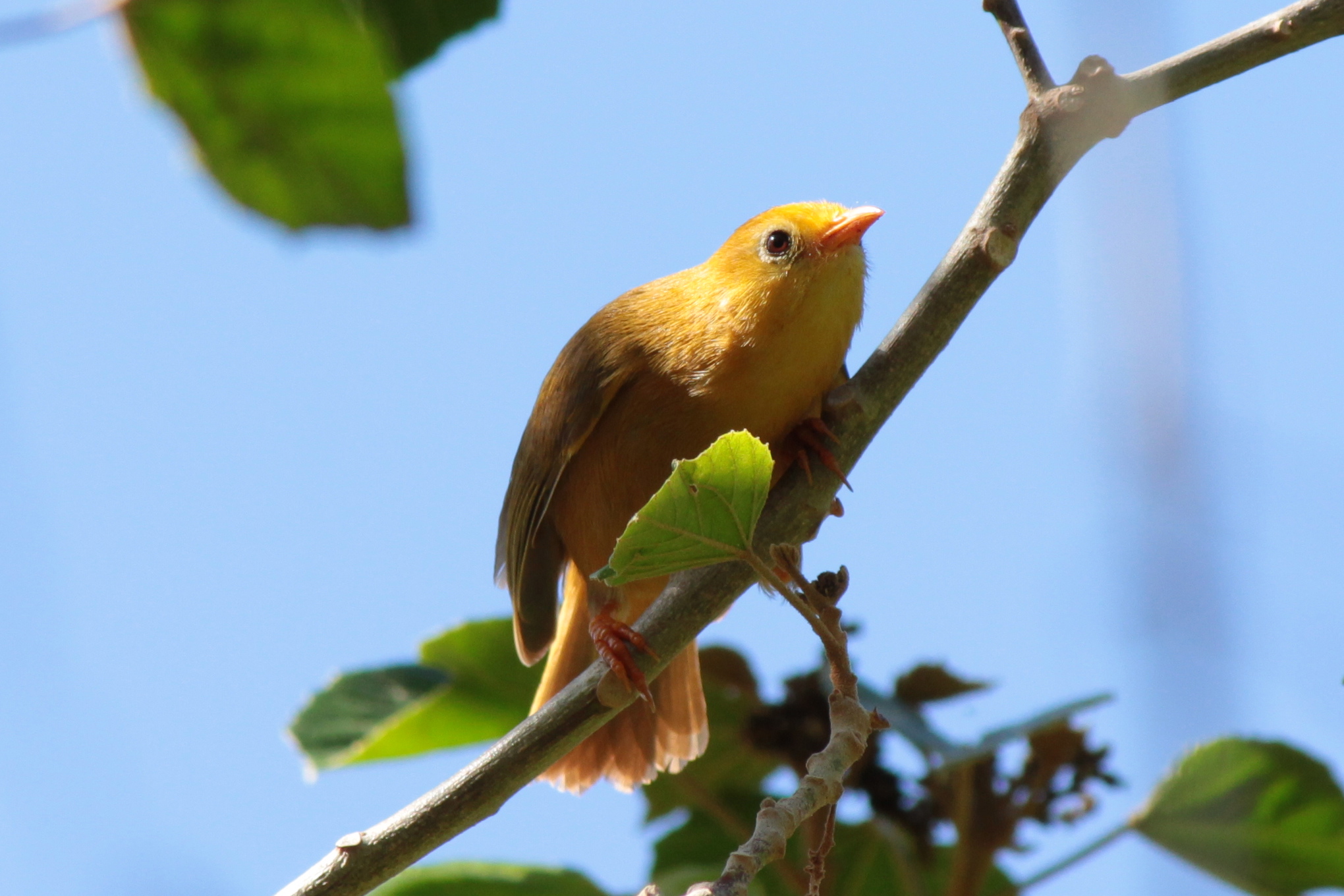
A small, understory specialist, the Golden White-eye is an Endangered bird restricted to the islands of Saipan and Aguijan in the Northern Mariana Islands. This species occurs in a wide variety of wooded and semi-wooded habitats, including suburban areas where it pursues a generalized diet of berries, seeds, nectar, and flower parts, as well as…
Read More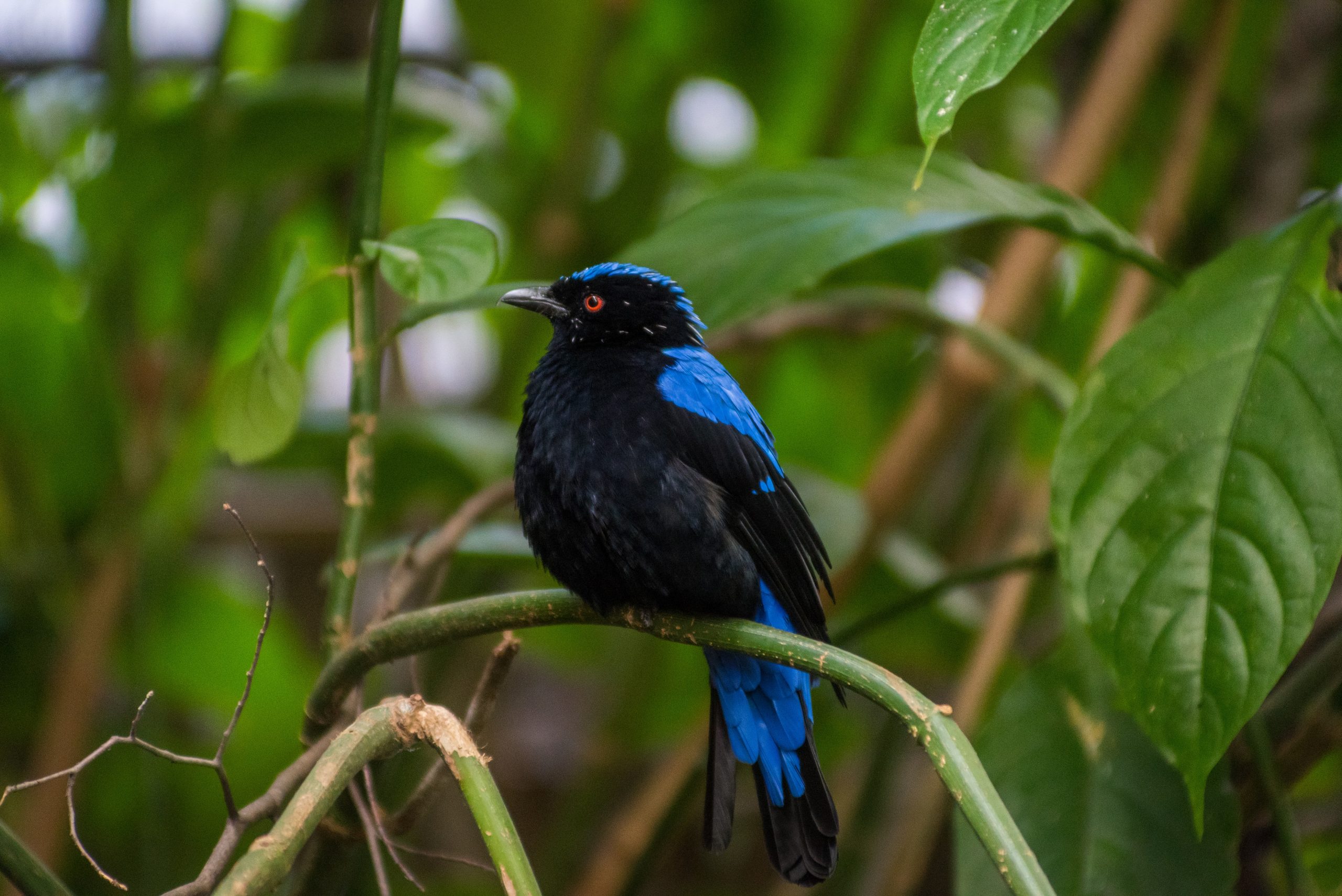
The Asian Fairy-bluebird lives up to its name: this bird’s plumage is a deep, brilliant blue. Males have glossy black feathers on the wings, chest, and tail, and the eyes of both sexes are bright red. Found in tropical forests throughout Southeast Asia, the Asian Fairy-bluebird mainly eats fruit, which it takes while perched or…
Read More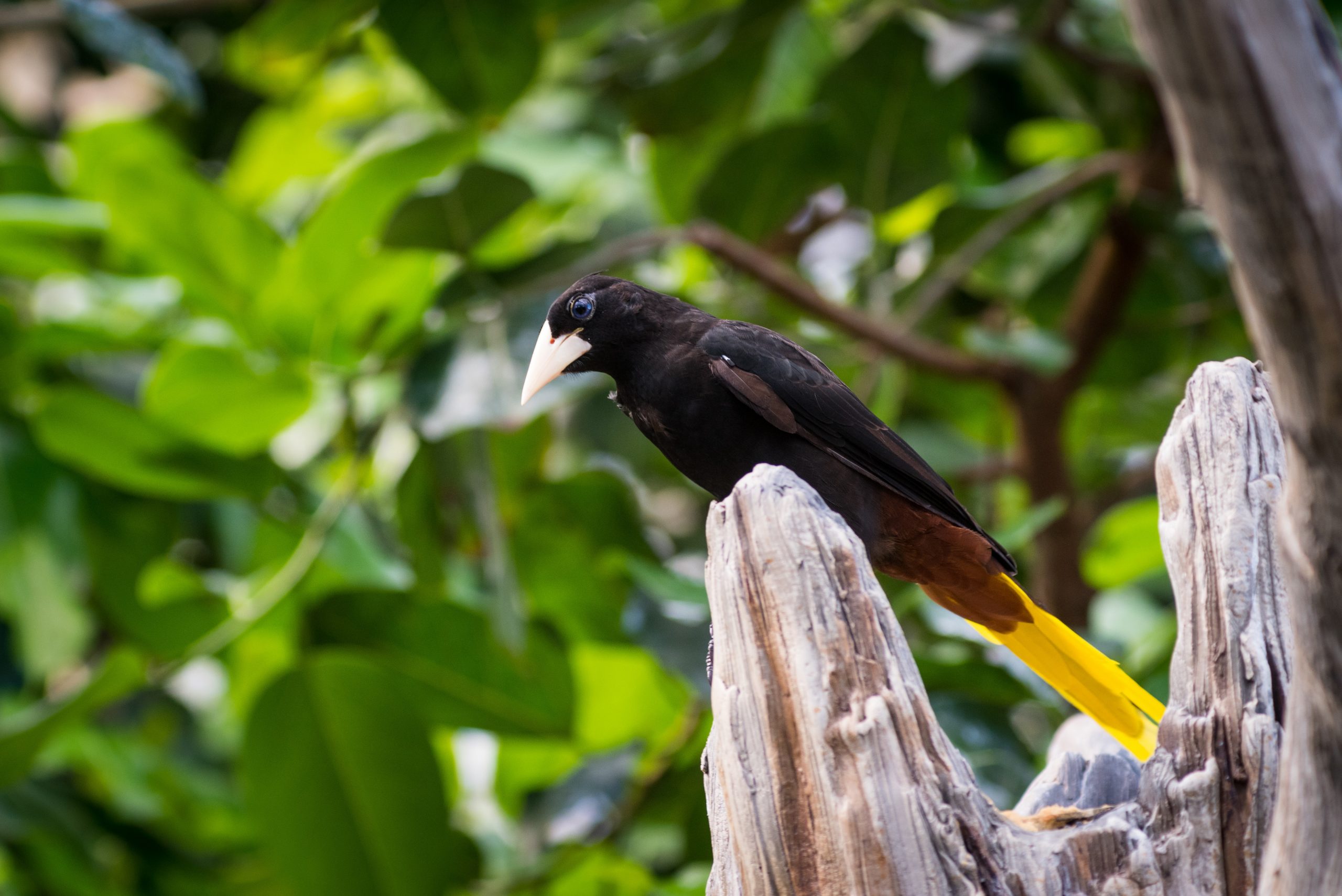
The Crested Oropendola inhabits forest edges and clearings in lowland South America east of the Andes Mountains. This species forages mostly in the upper stratum of trees on fruits, insects, and spiders, as well as small vertebrates such as tree frogs. The Crested Oropendola will also take cultivated fruits such as oranges, papayas, and mangos….
Read More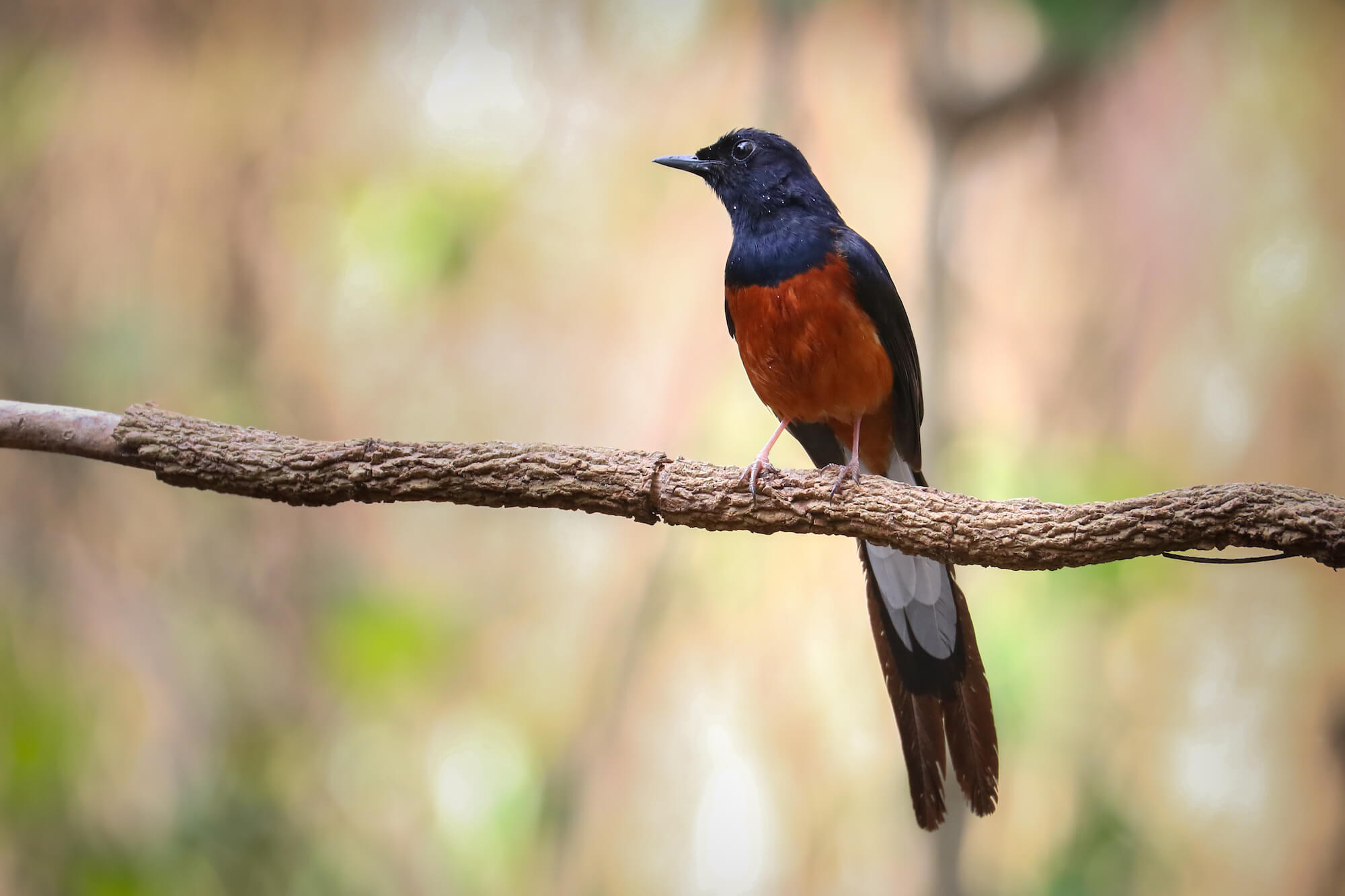
The White-rumped Shama, also called the Common Shamma Thrush, is native to southeast Asia, India, and some Indonesian islands. This species prefers dense greenery and uses its long tail to change directions easily as it flits about in dense thickets. It has a melodious and complex song and was once thought to be a member…
Read More Previous Posts