
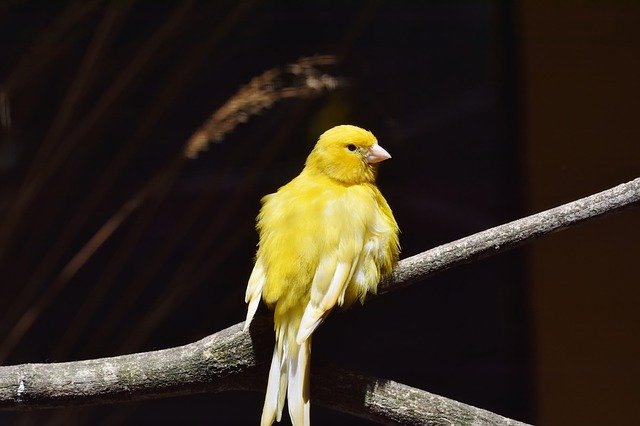
When most of us think of the canary, we think of a cheerful, bright yellow bird in a decorative cage. In reality, this common canary (Serinus canaria domestica) is the domesticated cousin of the “true” Island Canary (Serinus canaria), native to the Canary Islands just off the northwest coast of Africa. Spanish sailors first brought…
Read More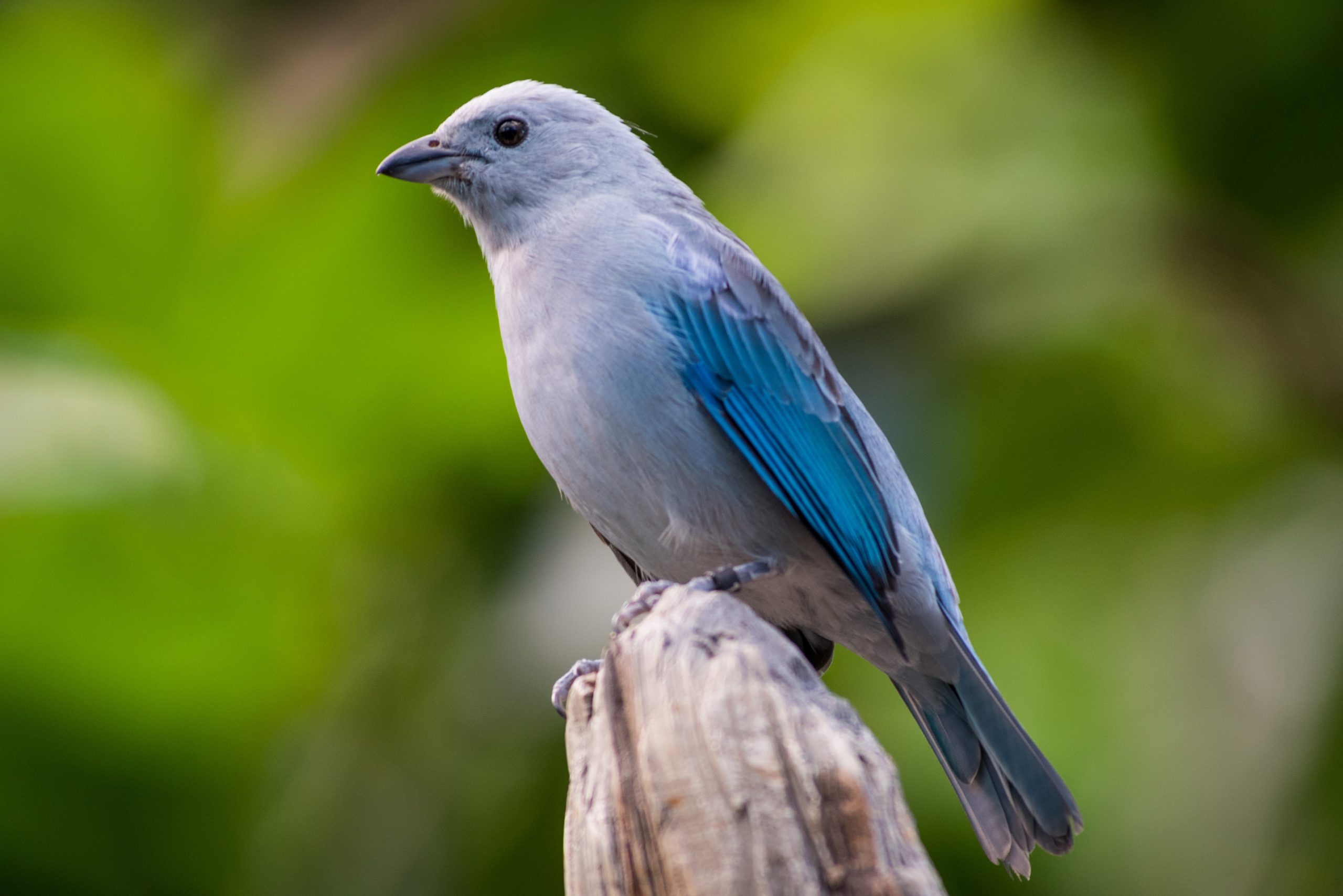
One of the most familiar tanagers of the Neotropics, the Blue-gray Tanager ranges from Mexico south through Central and South America. This species uses a wide variety of non-forest and human-altered habitats, including cacao and coffee plantations, city parks and gardens, and second growth forest and forest edges. Typically seen in pairs, this tanager may…
Read More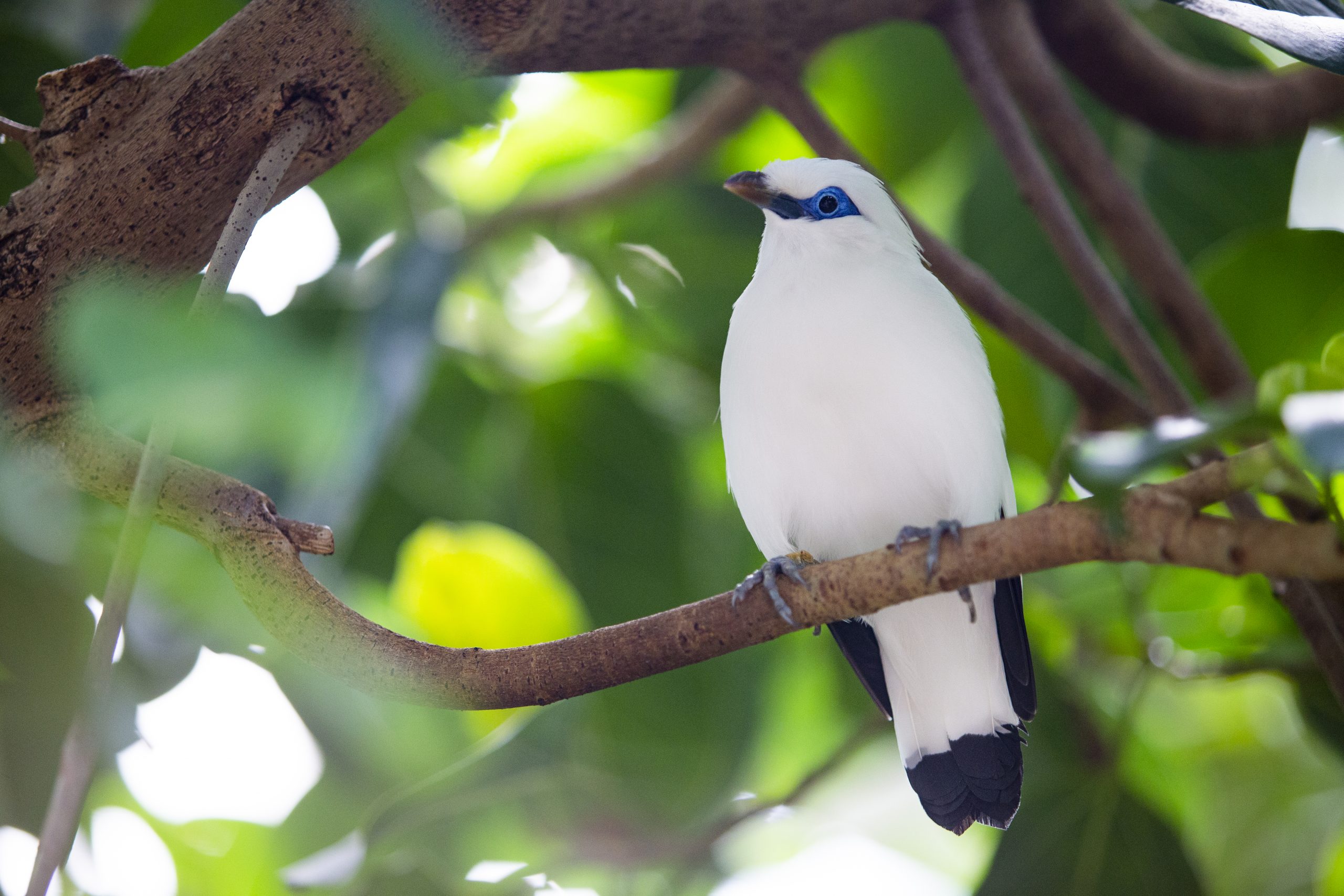
The Bali Myna is a Critically Endangered endemic resident of Bali and surrounding small islands, where fewer than 100 individuals remain. Habitat destruction and capture for the illegal wildlife trade have significantly impacted this species. Community-based conservation efforts are underway to help save this species, as is a robust breeding program in zoos through the…
Read More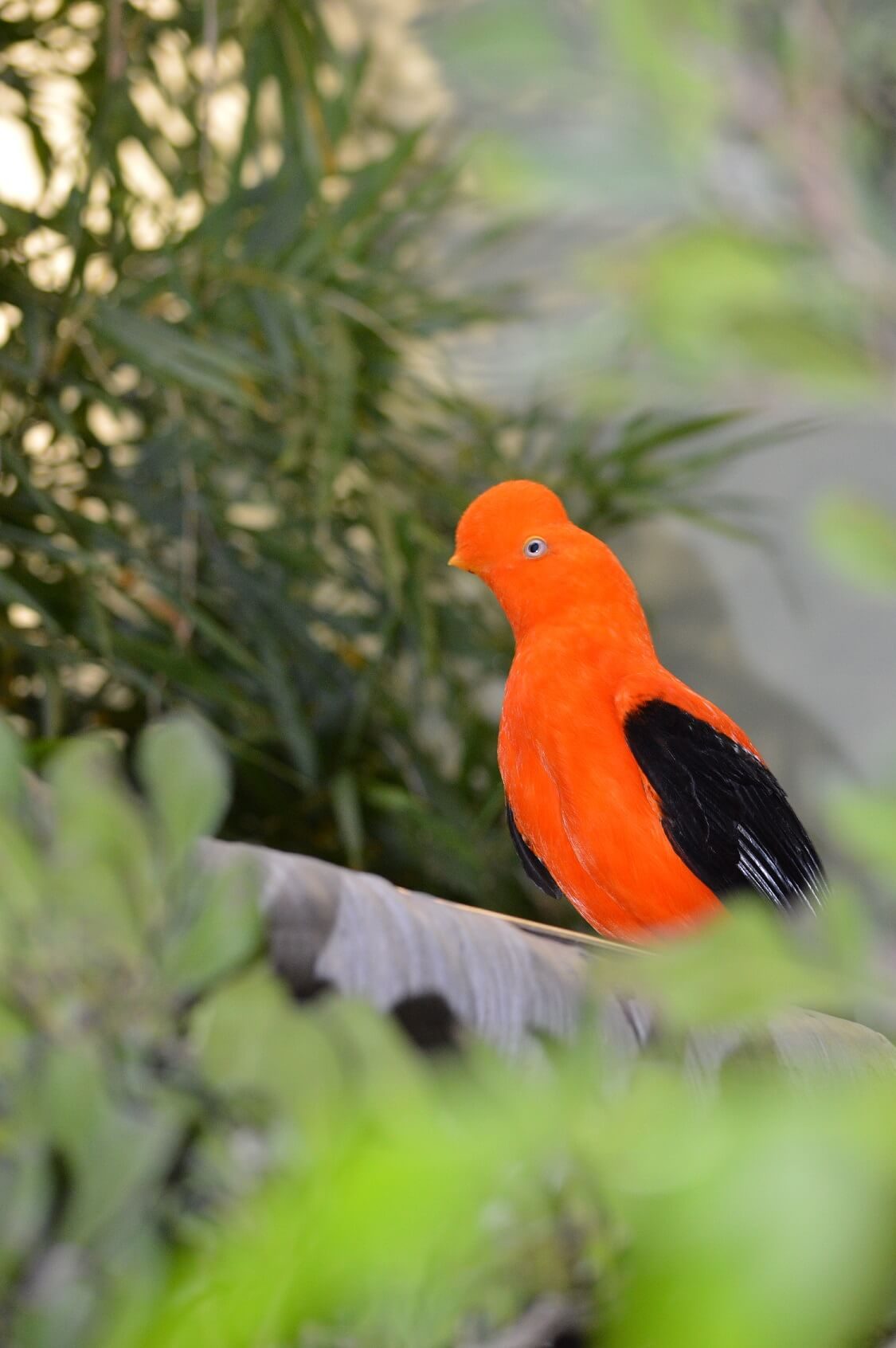
This spectacular bird, with its bright orange fan-shaped crest, is a resident of montane cloud forests, especially in ravines and along streams, in the Andes Mountains from Venezuela to Bolivia. The Andean Cock-of-the-rock feeds on fruits, large insects, and small vertebrates, and builds a nest mainly of mud lined with coarse vegetable fibers and attached…
Read More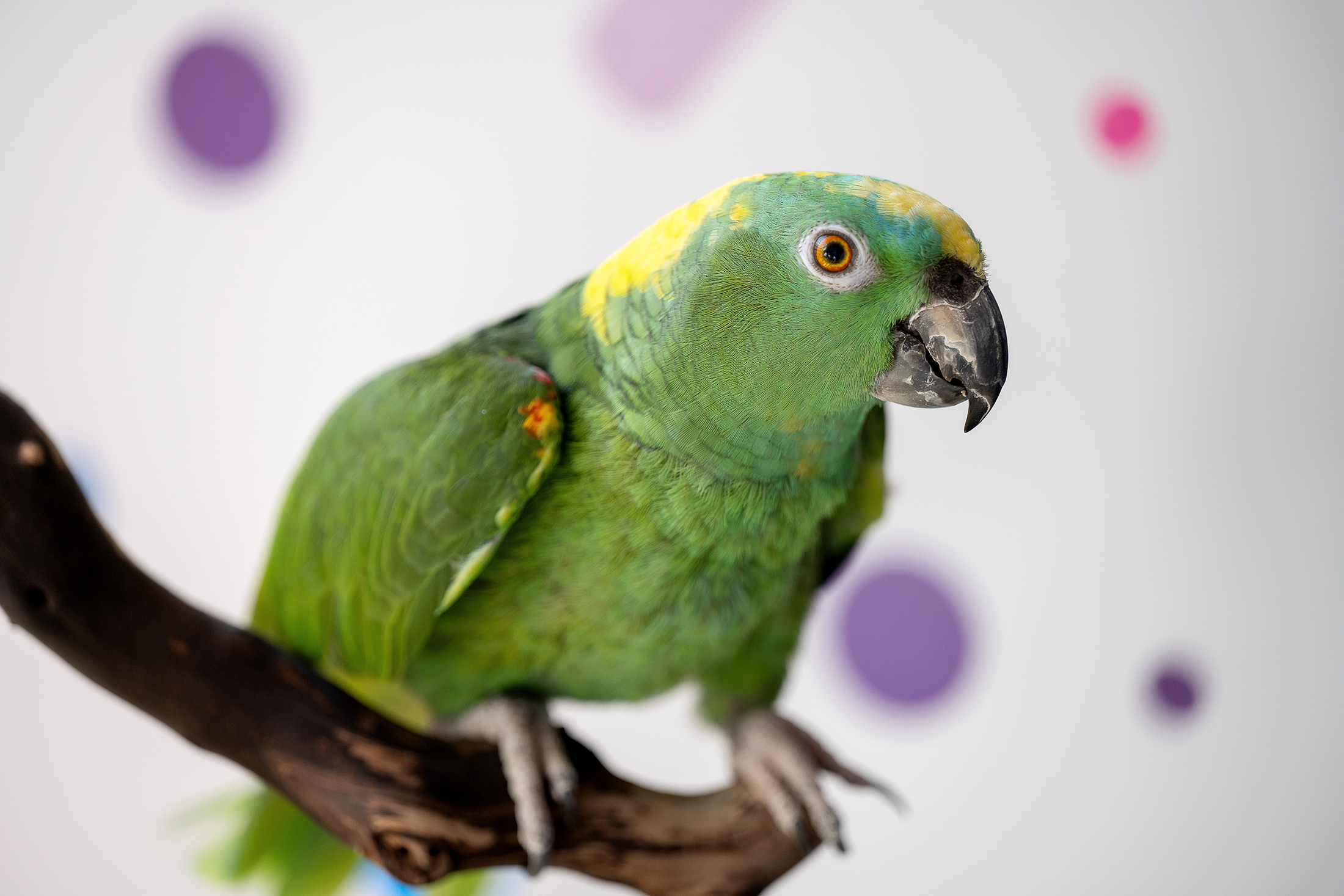
The Yellow-naped Amazon is an Endangered species of the Pacific coast of Mexico and Central America. It inhabits semi-arid woodland, arid scrubland and pine savannas, and treefall gaps in tropical deciduous and swamp forests. Often found in large and noisy flocks, they feed on a variety of seeds and fruits. They nest in hollows of…
Read More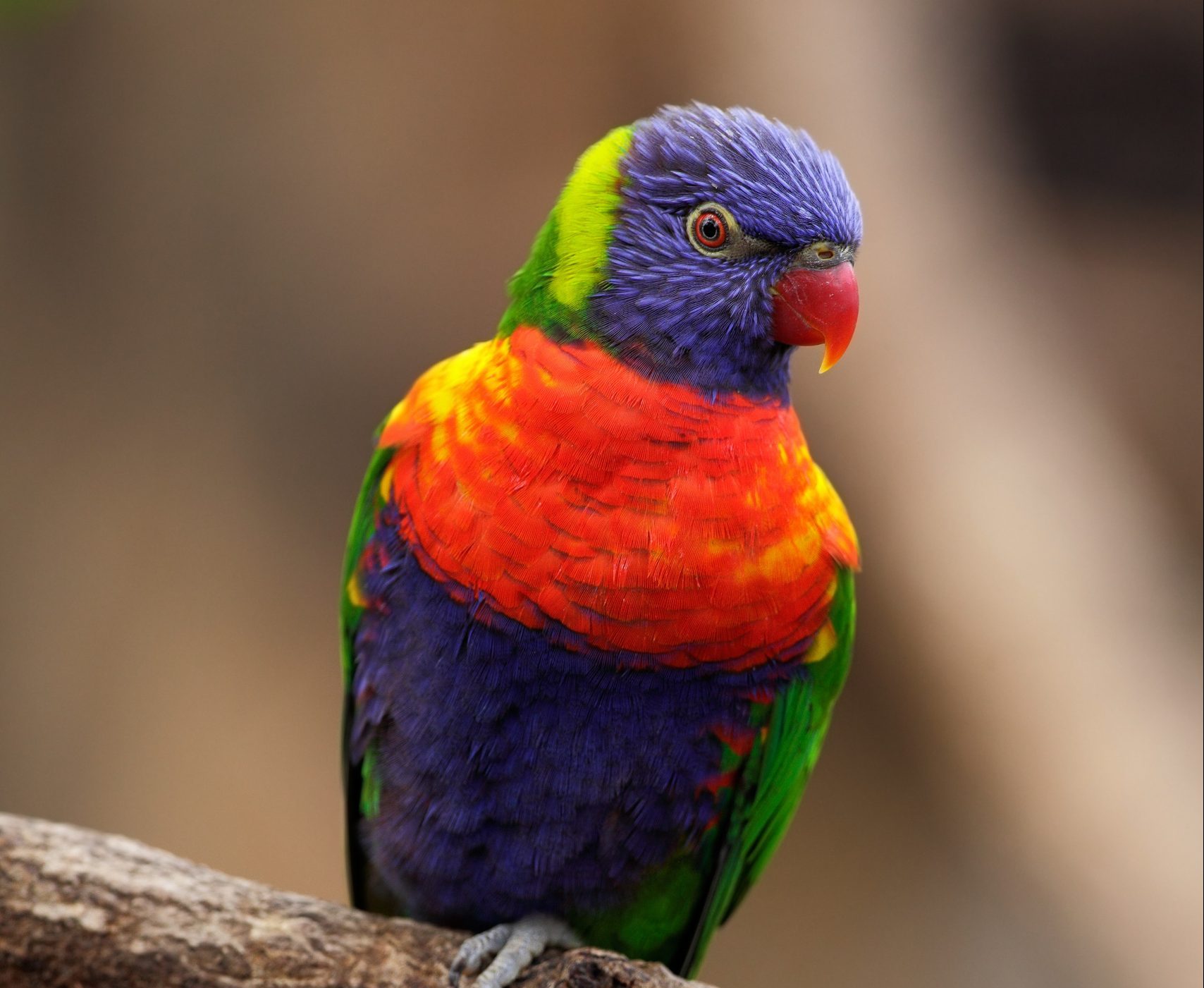
Rainbow Lorikeets couldn’t have a more appropriate name. These small, active parrots are among the most brightly colored in the bird world – as though someone used a whole box of crayons while designing them! Lorikeets are native to Australia and eastern Indonesia, where they live in large, noisy flocks. Nectar from blooming trees such…
Read More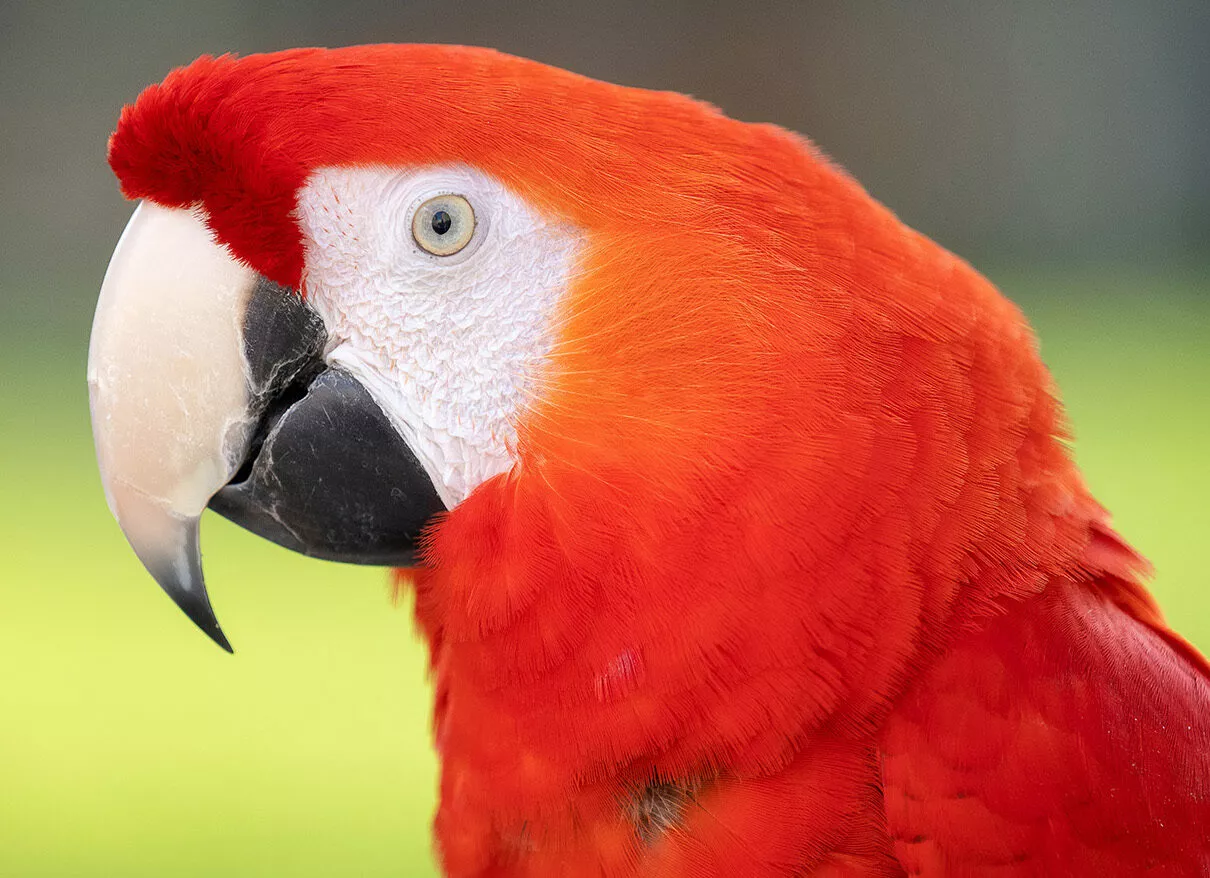
Scarlet Macaws are a striking bird, known for their deep red coloring and white faces. In their tropical evergreen habitats, they can often be seen flying in pairs or in family groups. Their calls can be loud and harsh, and Scarlet Macaws in human care can sometimes mimic human speech. They have powerful beaks and…
Read More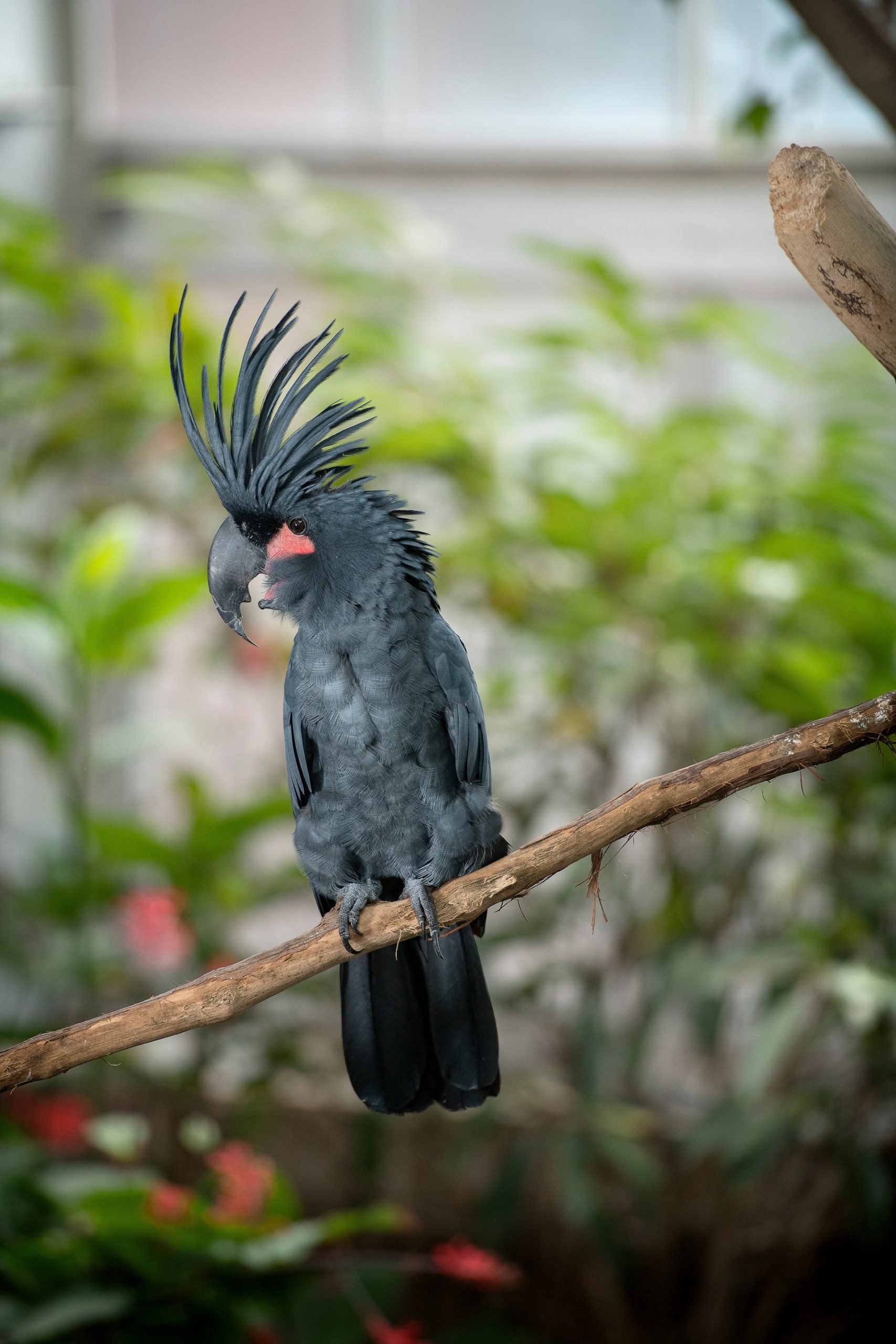
The Palm Cockatoo has the largest bill of any parrot (except for the Hyacinth Macaw), and it uses its powerful bill to eat very hard seeds and nuts that other species can’t access, like palm nuts. They are also among the loudest of all parrots, and communicate by whistling contact calls, stomping noisily on their…
Read More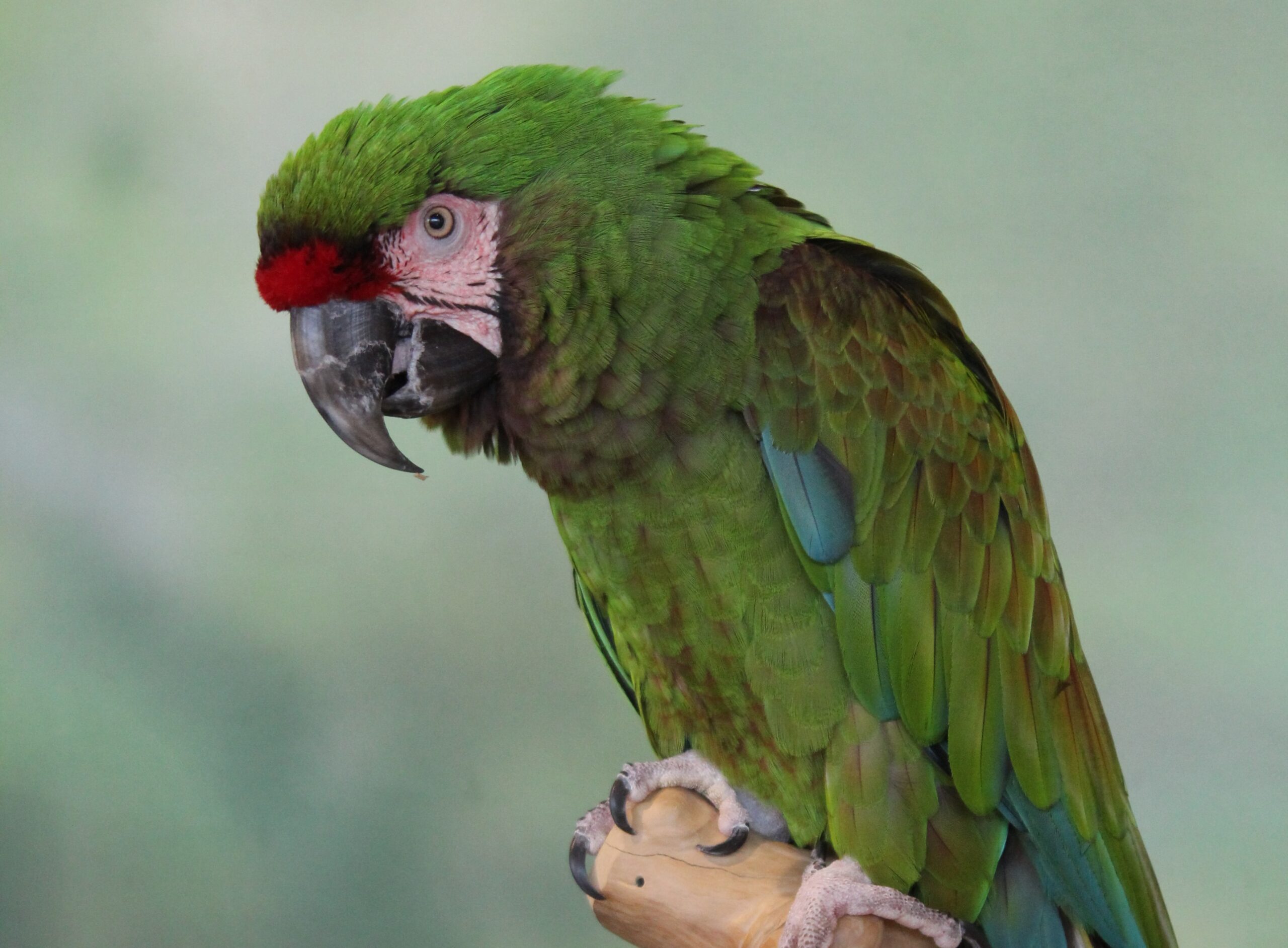
The Military Macaw, a parrot species with a fragmented range running from Mexico to northwest Argentina, is a playful and inquisitive bird. Each Military Macaw has a unique pattern of feathers on its face, similar to a human fingerprint. They also have incredible vision and are able to see colors on the ultraviolet spectrum that…
Read More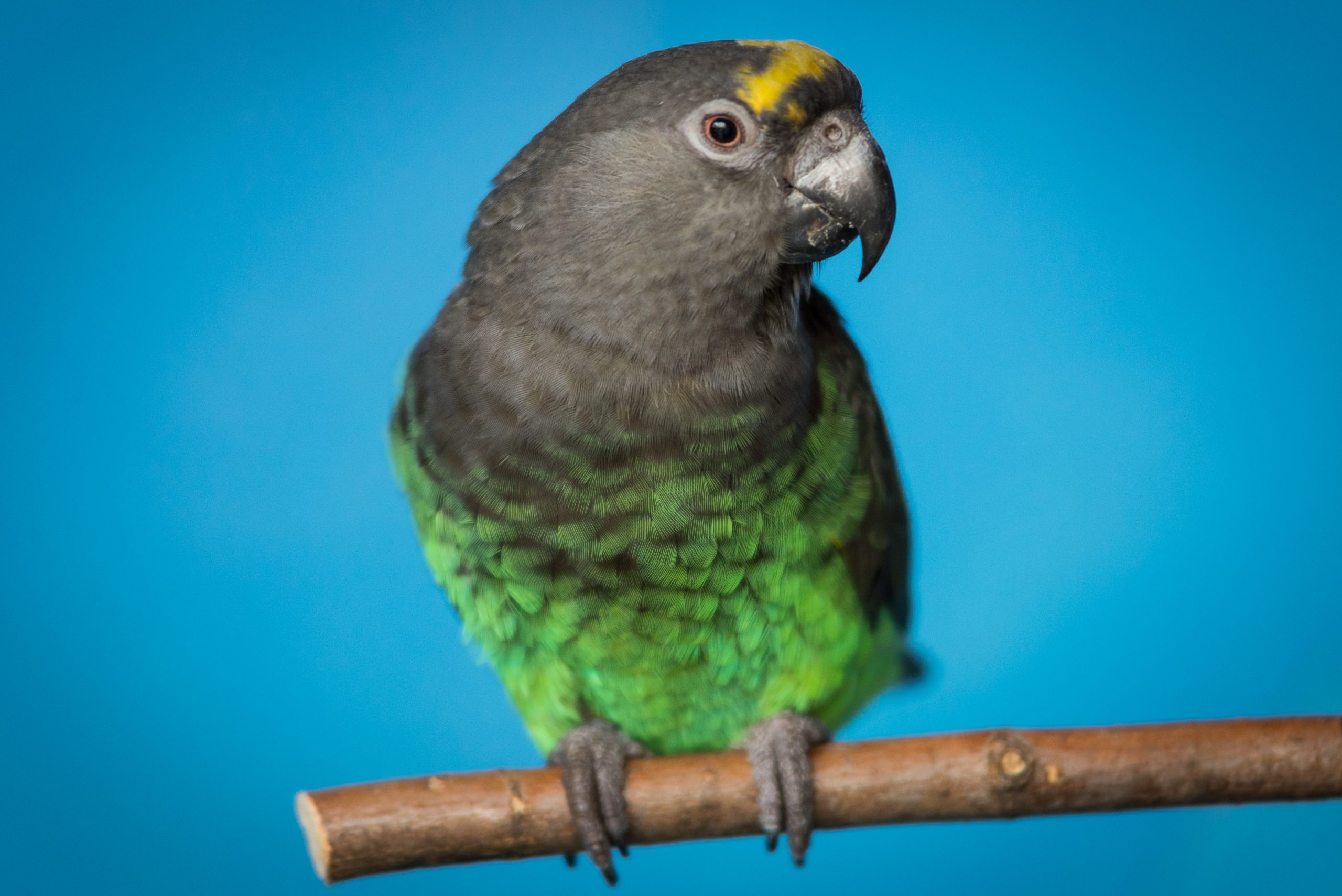
The Meyer’s Parrot (also called the Brown Parrot), is a species native to tropical Africa, found throughout scrub, savanna, palm grove, and subtropical woodland habitats. This species relies on old-growth areas with large trees, because it nests in the excavated cavities left by woodpeckers. While the Meyer’s Parrot is similar to other parrots in its…
Read More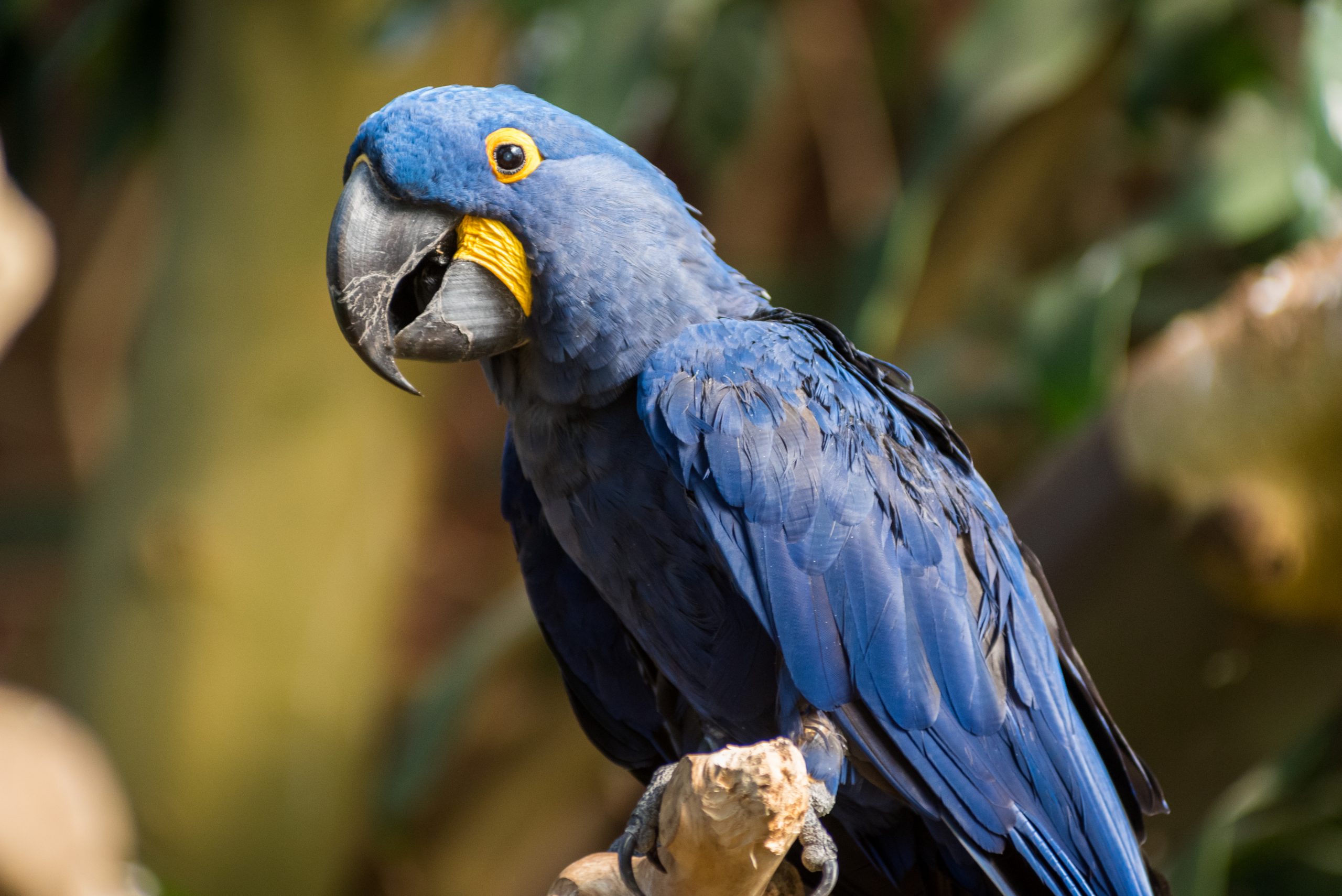
The Hyacinth Macaw is a beautiful inhabitant of várzea, savanna, palm-savannas, and similar habitats adjacent to tropical forests in central and eastern South America. These intelligent and social birds are sometimes known as “gentle giants” for their gentle personalities and their large size. They are the largest macaw species, with strong beaks to match: some…
Read More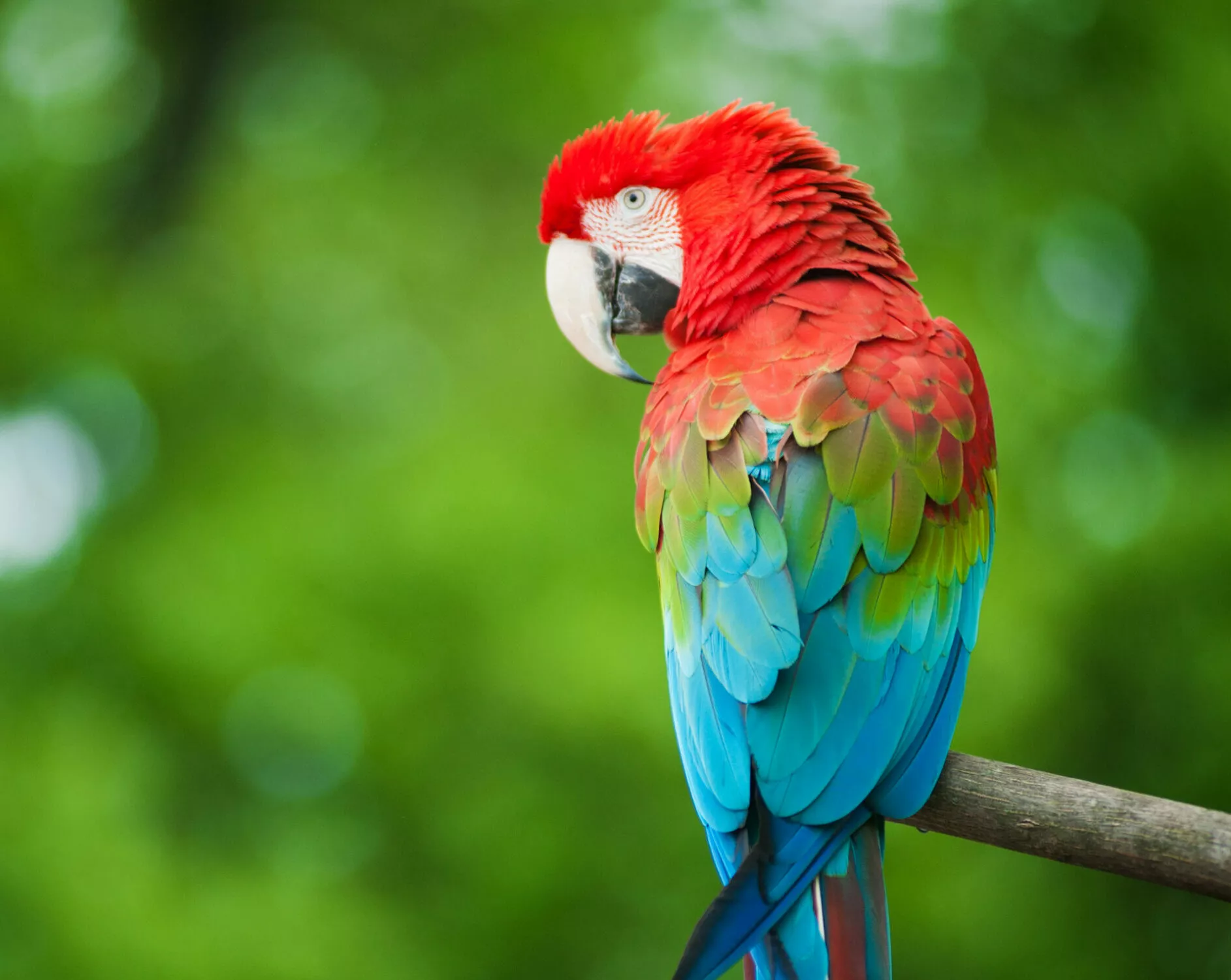
The Green-winged Macaw (also called the Red-and-green Macaw) is a large parrot, second only to the Hyacinth Macaw in size. This species range is also large, spanning eastern Panama to Paraguay. The Green-winged Macaw’s band of green feathers on its wings and the presence of fine, tiny red feathers on its white face distinguish it…
Read More Previous Posts