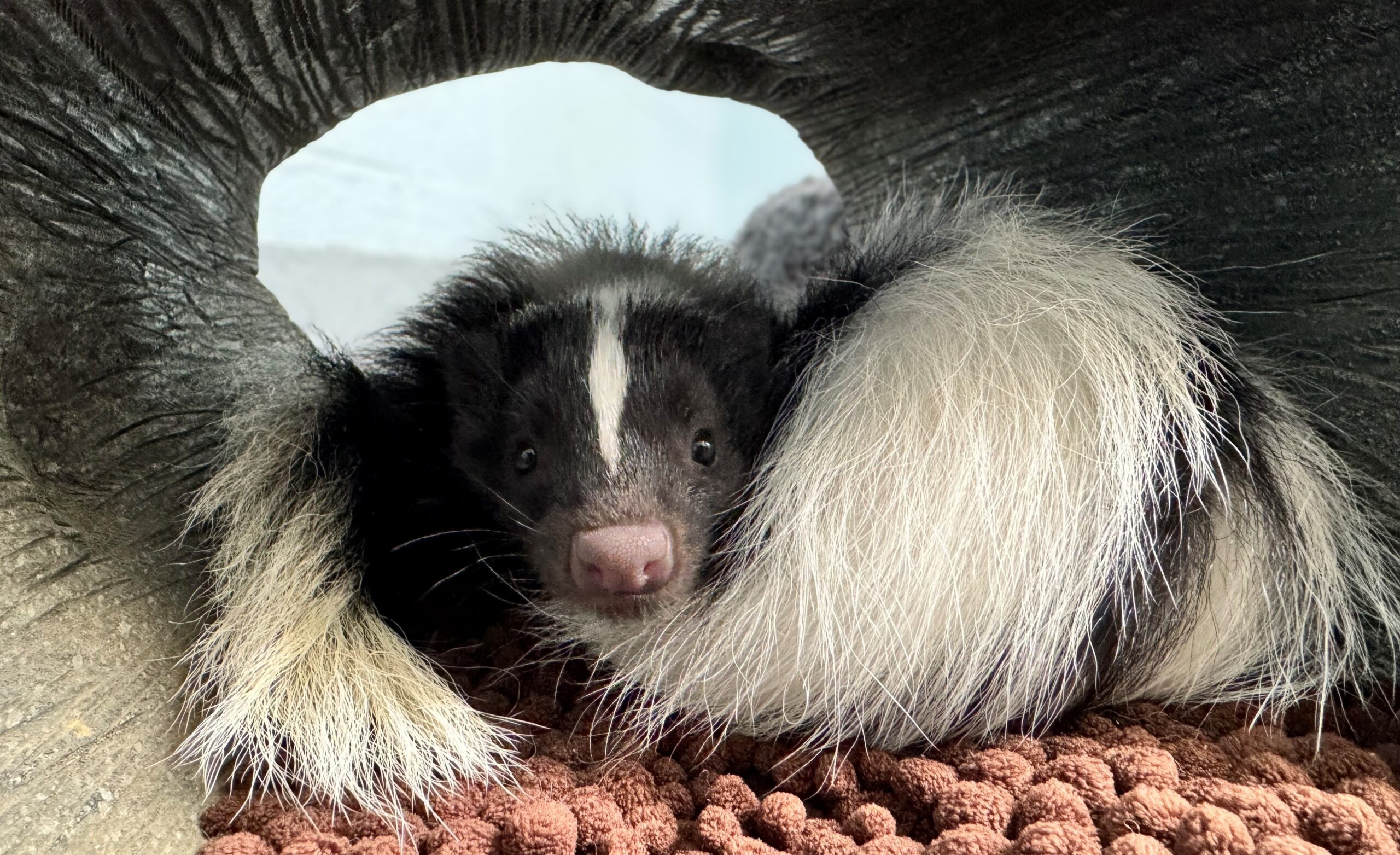
Striped Skunks are nocturnal mammals found across North America, known for their distinctive black-and-white fur pattern and bushy tail (which is about half the length of their bodies!). They are typically active at night, foraging for food such as insects, small mammals, and plants. Infamous for their strong, musky odor, skunks can spray as a…
Read More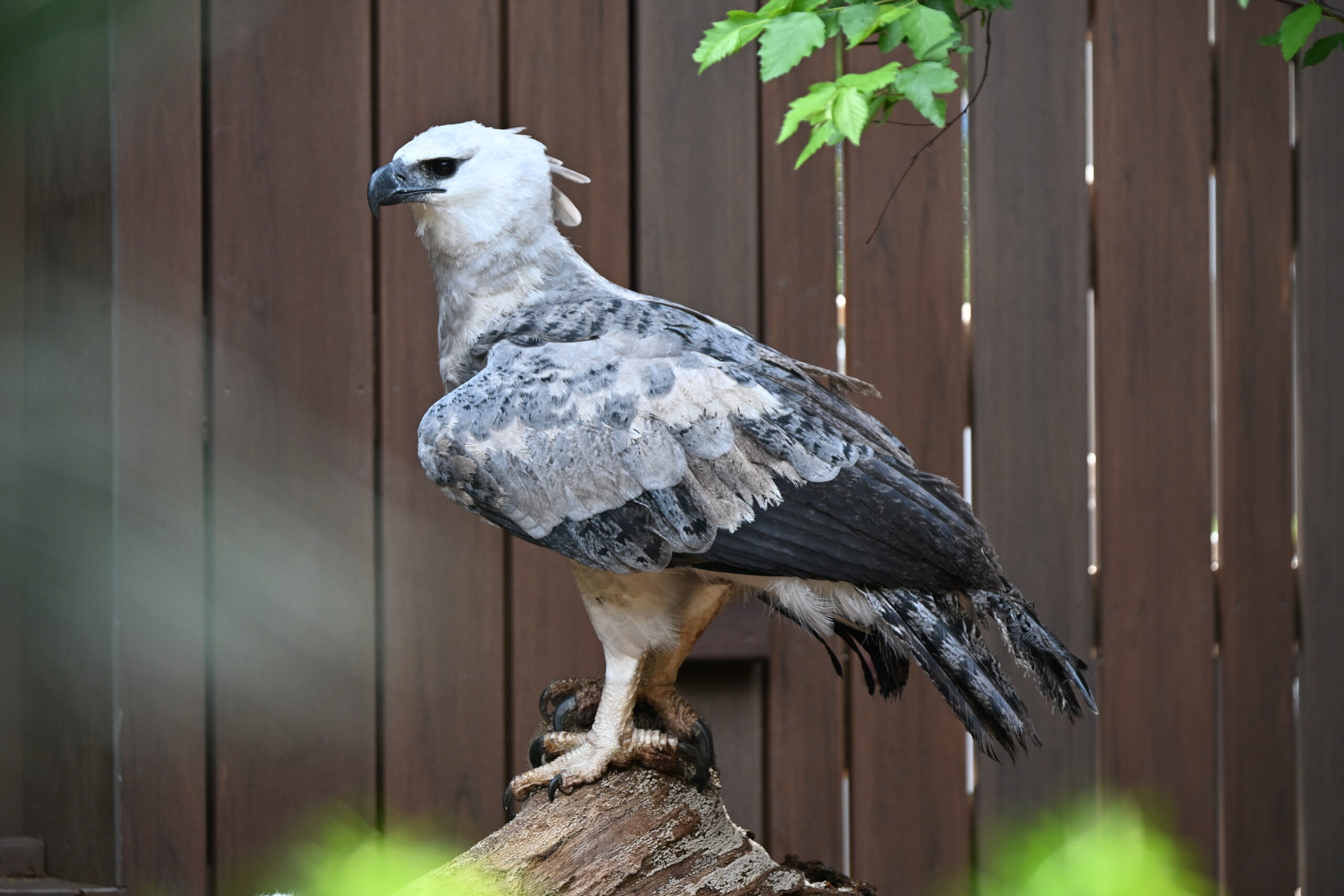
Although the Harpy Eagle is massive, weighing 17–20 pounds, it is built very differently from many other large raptors. Despite their weight and the enormous size of their legs, feet, and talons, Harpy Eagles actually have a relatively short wingspan compared to birds like the Bald Eagle and Golden Eagle. This compact wing structure is…
Read More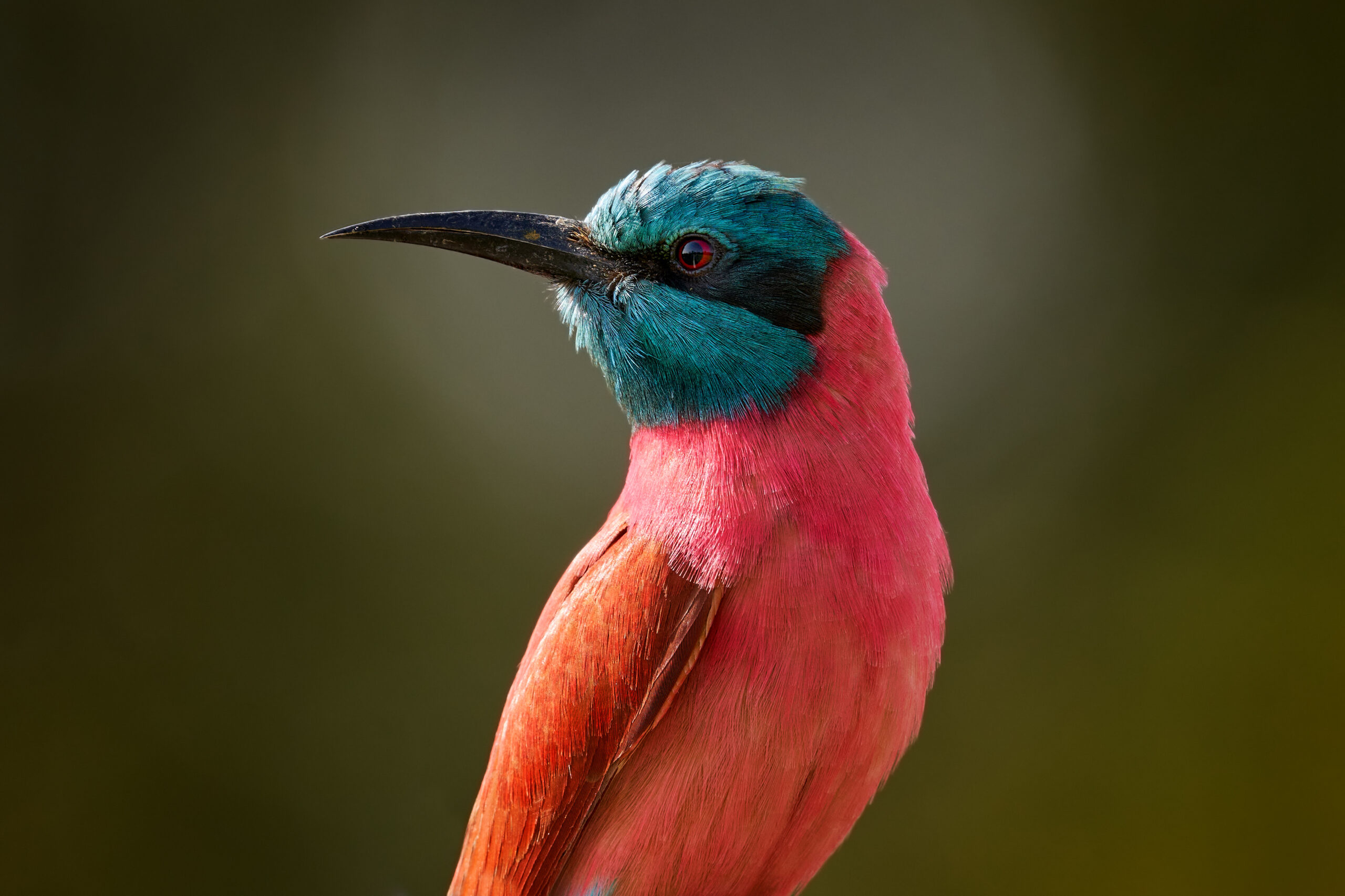
Like other bee-eaters, the Northern Carmine Bee-eater sports rich, bold plumage. They are predominantly a vivid red (hence “carmine”) hue, with a green-blue head and throat and black mask. Their elongated central tailfeathers aid in their aerial hunting tactics. Similar to a boat rudder, which increases steering and balance, these uniquely adapted tailfeathers increase agility…
Read More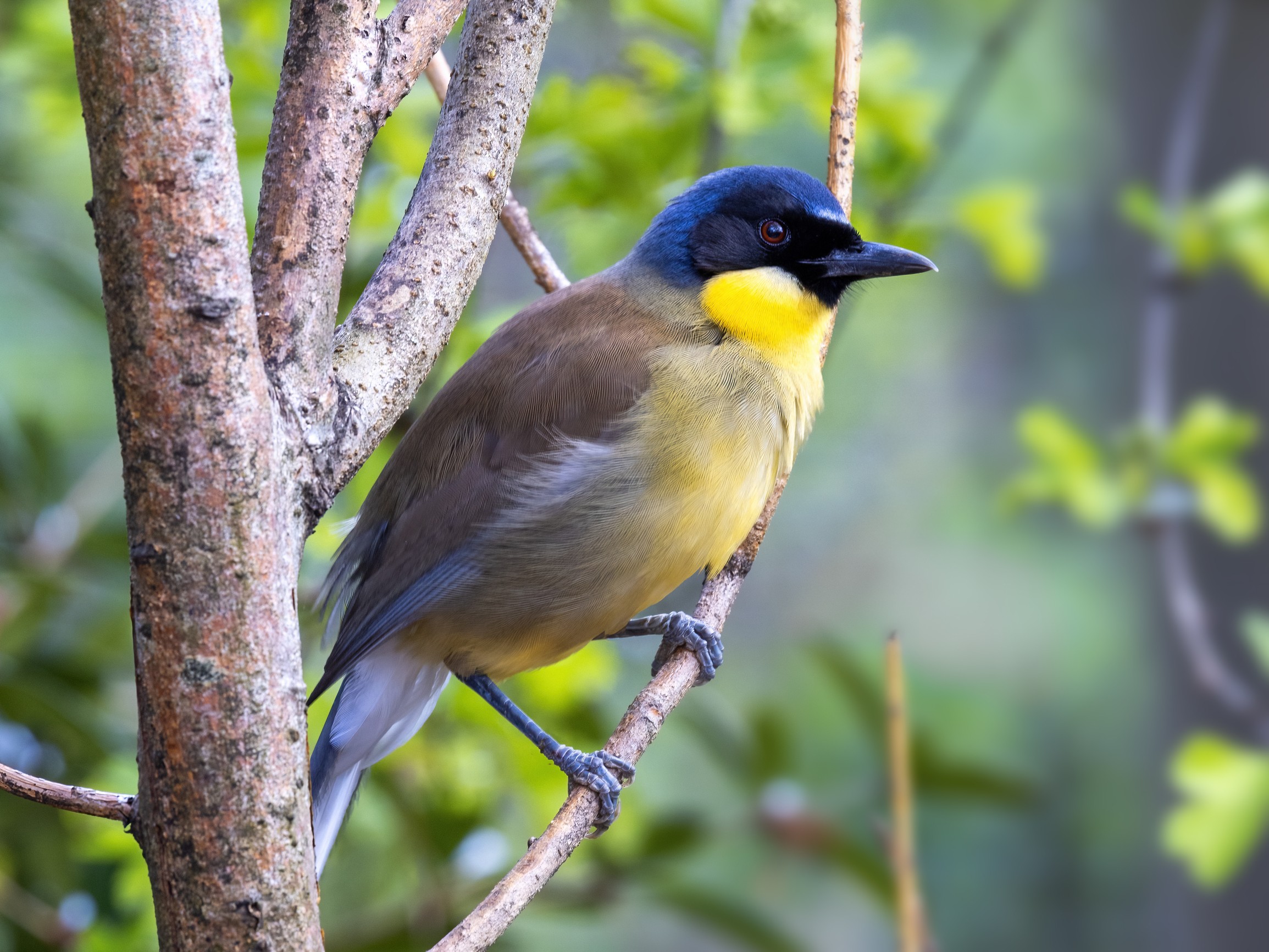
As the name suggests, Blue-crowned Laughingthrushes are an extremely social species, often maintaining a close family dynamic where sometimes young from early clutches help raise younger chicks. These beautifully blue, yellow, and brownish birds communicate with each other through various squeals and calls…and one that even sounds like human laughter! In the late 1980s, the…
Read More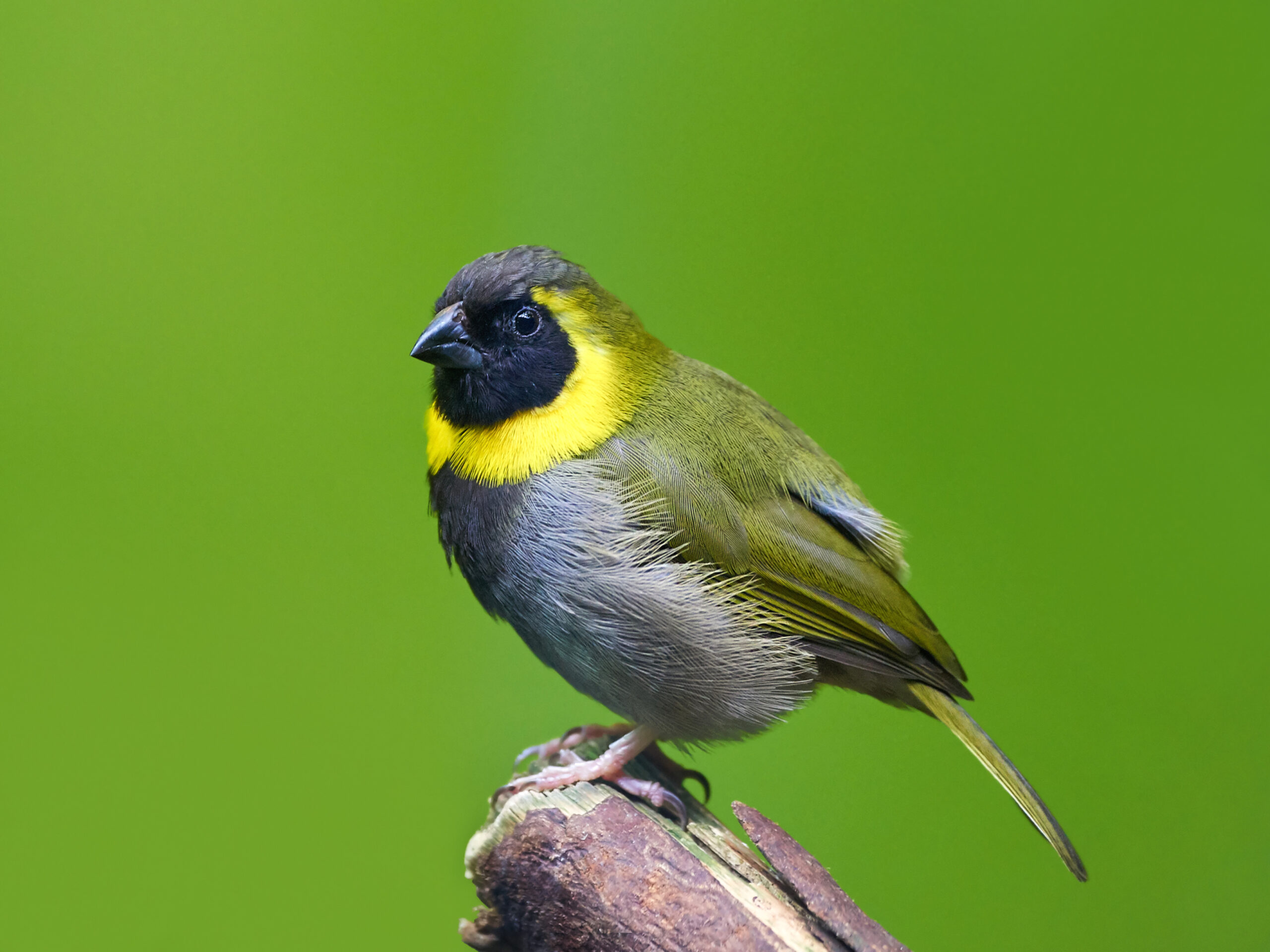
The Cuban Grassquit (pronounced grass-keet, like parakeet!) is a member of the tanager family known for its beautiful calls. So much so that the “canora” in their scientific name is derived from the Latin canorus, which means “melodious.” Males are notably different than their female counterparts. Males feature a black mask and breast-patch with bright…
Read More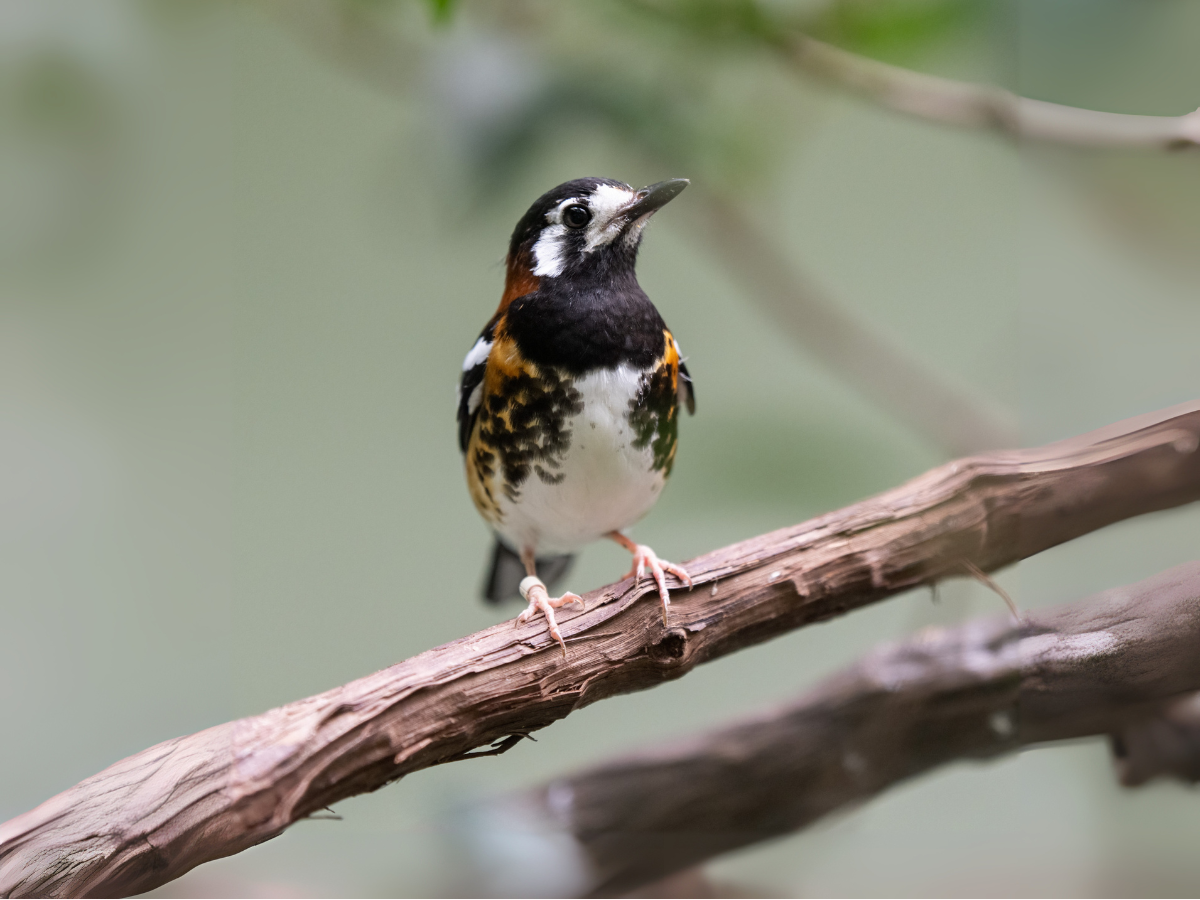
The Chestnut-backed Thrush is a beautifully patterned bird endemic to Lombok, Timor, and the Lesser Sunda Islands in Indonesia. They thrive in areas with semi-evergreen mountain areas, or forest edges with dense trees and higher elevations. Their scientific name pays homage to William Doherty, an American Ethnologist from the 19th century. Some of his collections…
Read More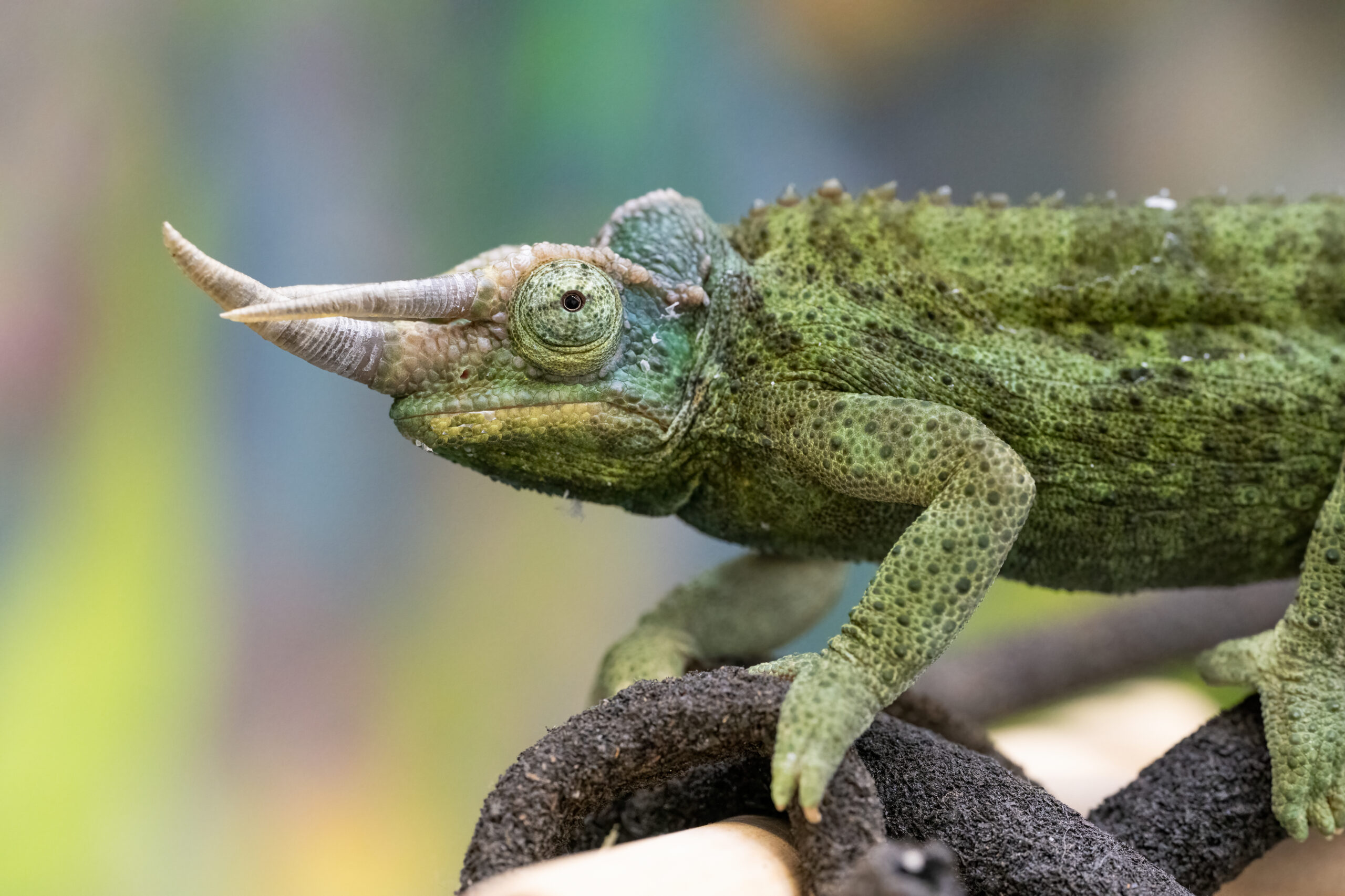
Measuring roughly 12 inches in length, Jackson’s Three-horned Chameleons live amongst tree canopies. Their prehensile tail – or a tail adapted to grasp or hold objects – allows them to grip tree branches. They are a dimorphic species – meaning it’s easy to tell males from females. Males are bright green-yellow and feature three, distinct…
Read More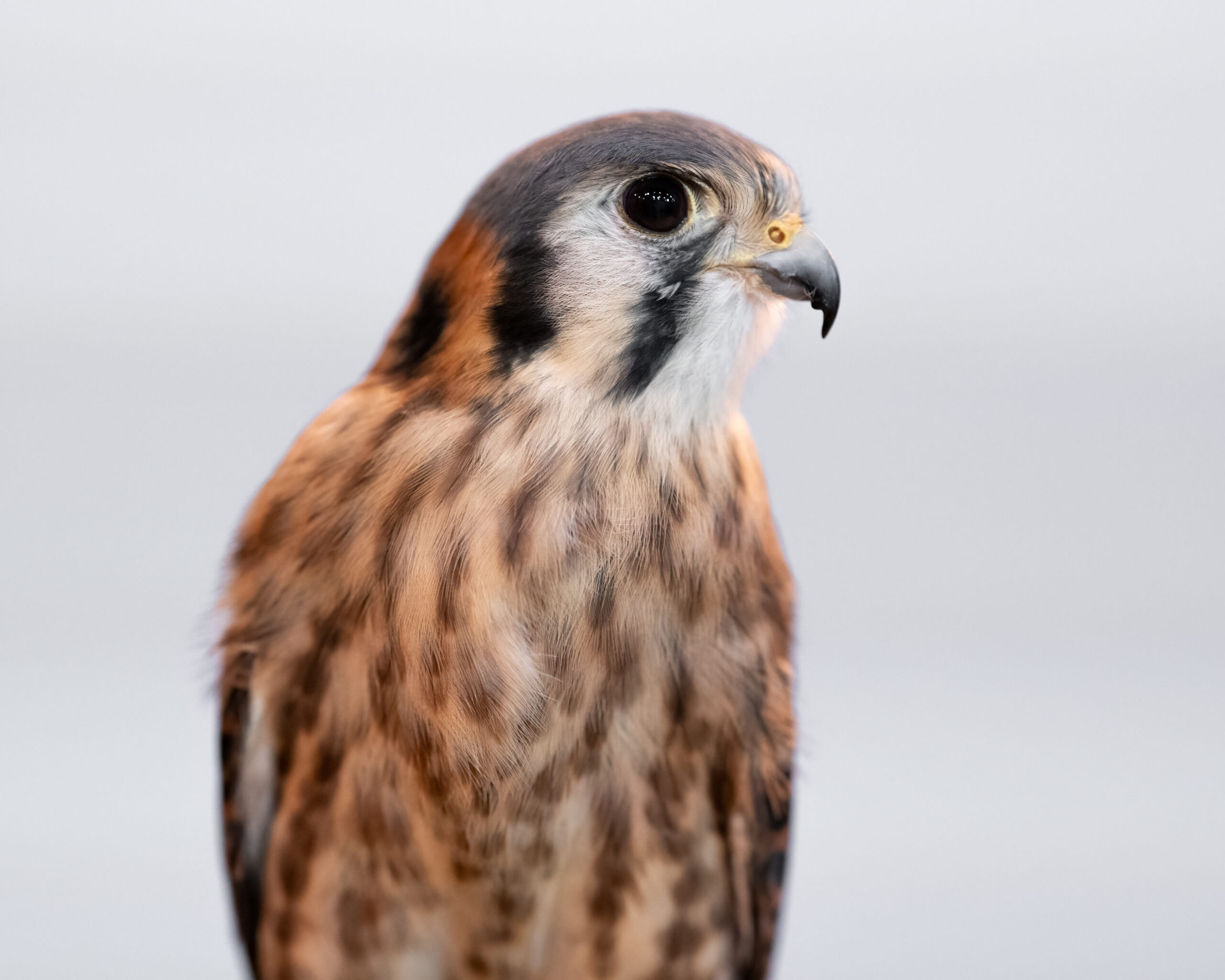
A small raptor (weighing between 3 to 6 ounces) with a widespread distribution throughout much of the Americas, the American Kestrel is the smallest falcon in North America. It is one of few dimorphic raptors, with the male and female being very differently colored. The best way to tell the difference? Males have blue-gray wings…
Read More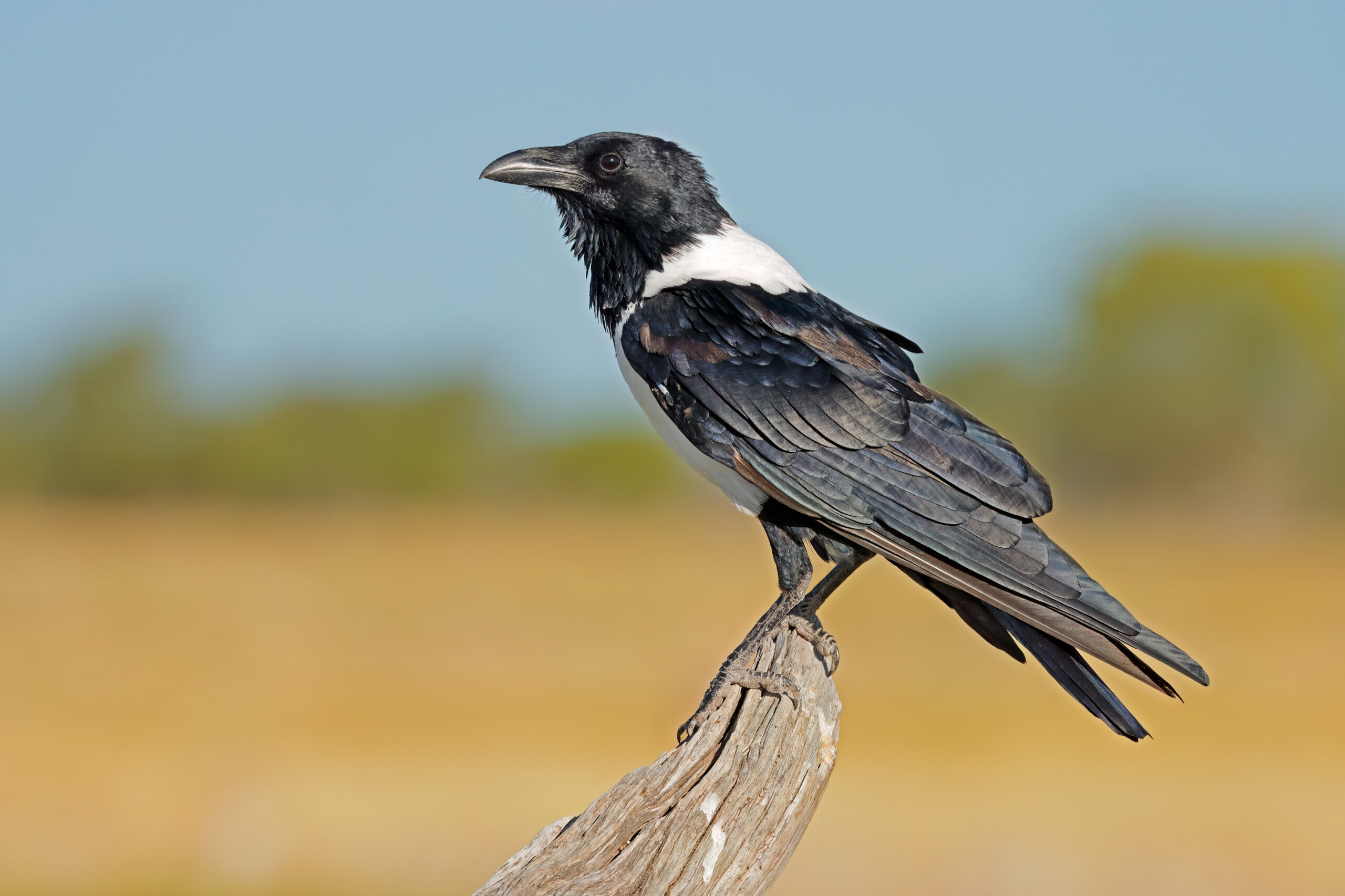
Measuring between 18 – 20 inches long, Pied Crows are found throughout Africa, from Senegal to Sudan. They reside in most environments except for rainforests and very hot desert regions. They have a hefty, robust bill that allows them to eat various foods from small vertebrates to fruit, and carrion. Because of its expansive diet,…
Read More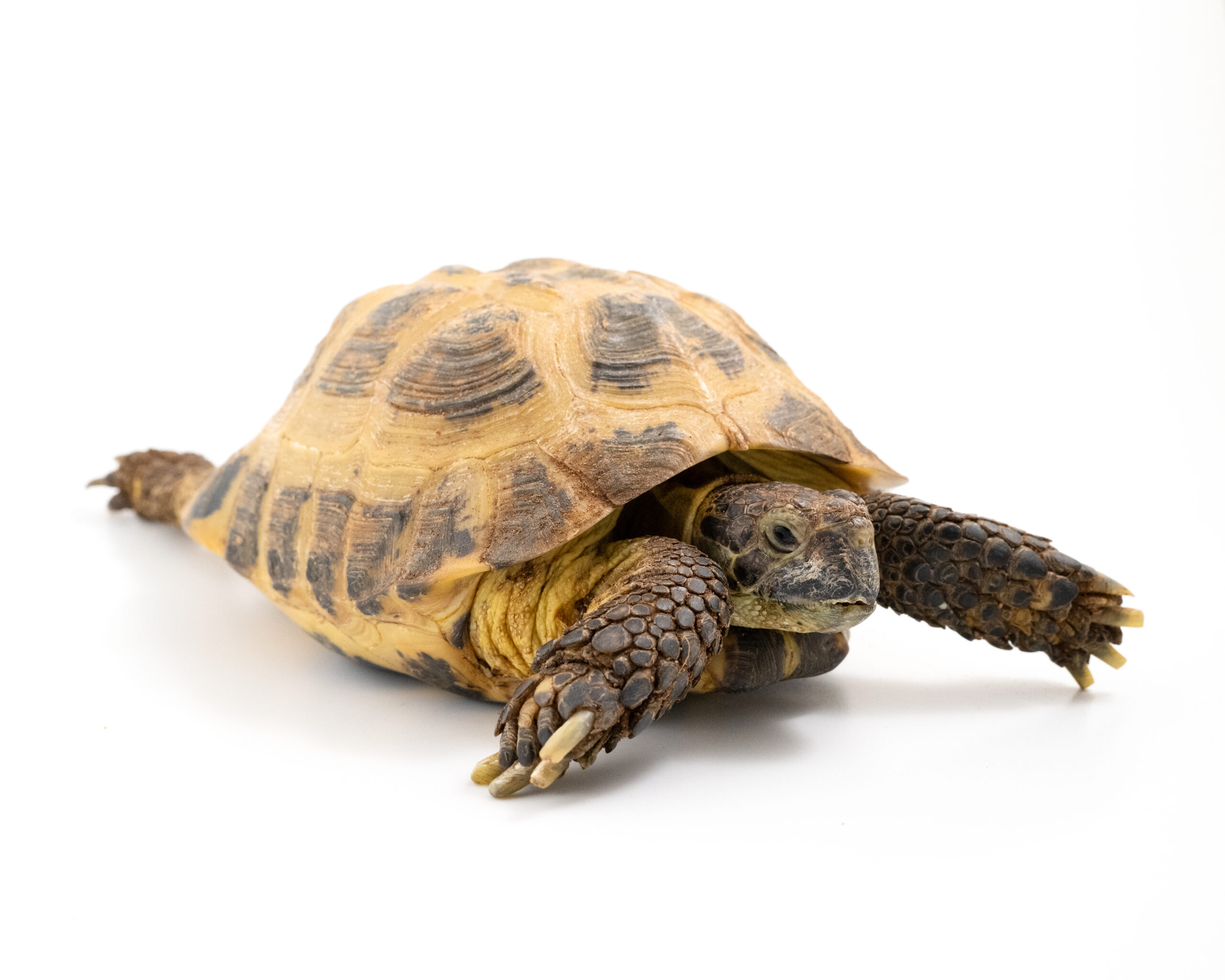
The Central Asian Tortoise thrives in dry, semi-arid regions with sparse vegetation. They are characterized by their domed, yellowish-brown to green shells featuring a distinct pattern of light and dark markings. They feed primarily on grasses, weeds, and some flowers and are well-adapted to surviving harsh environments. In their natural habitats, their diet helps control…
Read More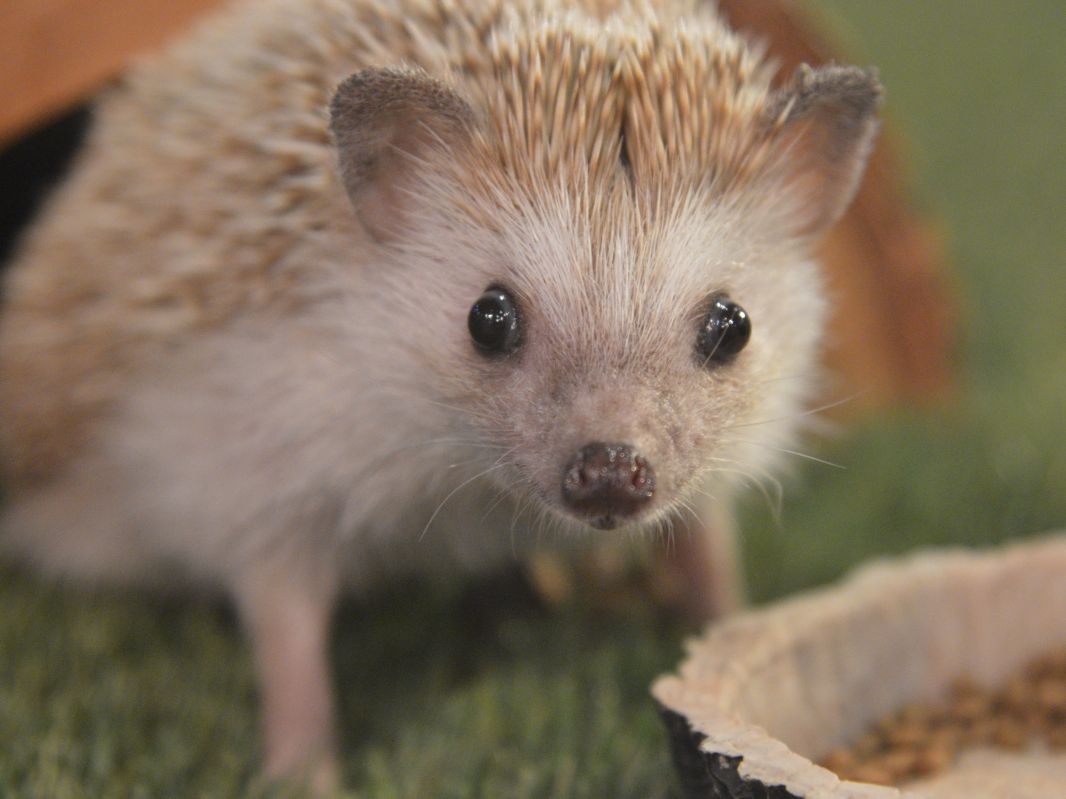
This small, endearing species found primarily in North Africa, is known for its distinctive appearance, featuring a rounded body covered in tiny spines. Unlike their larger European counterparts, these hedgehogs are small and have four toes on each foot instead of five, hence the name! They are nocturnal and active at night, foraging for various…
Read More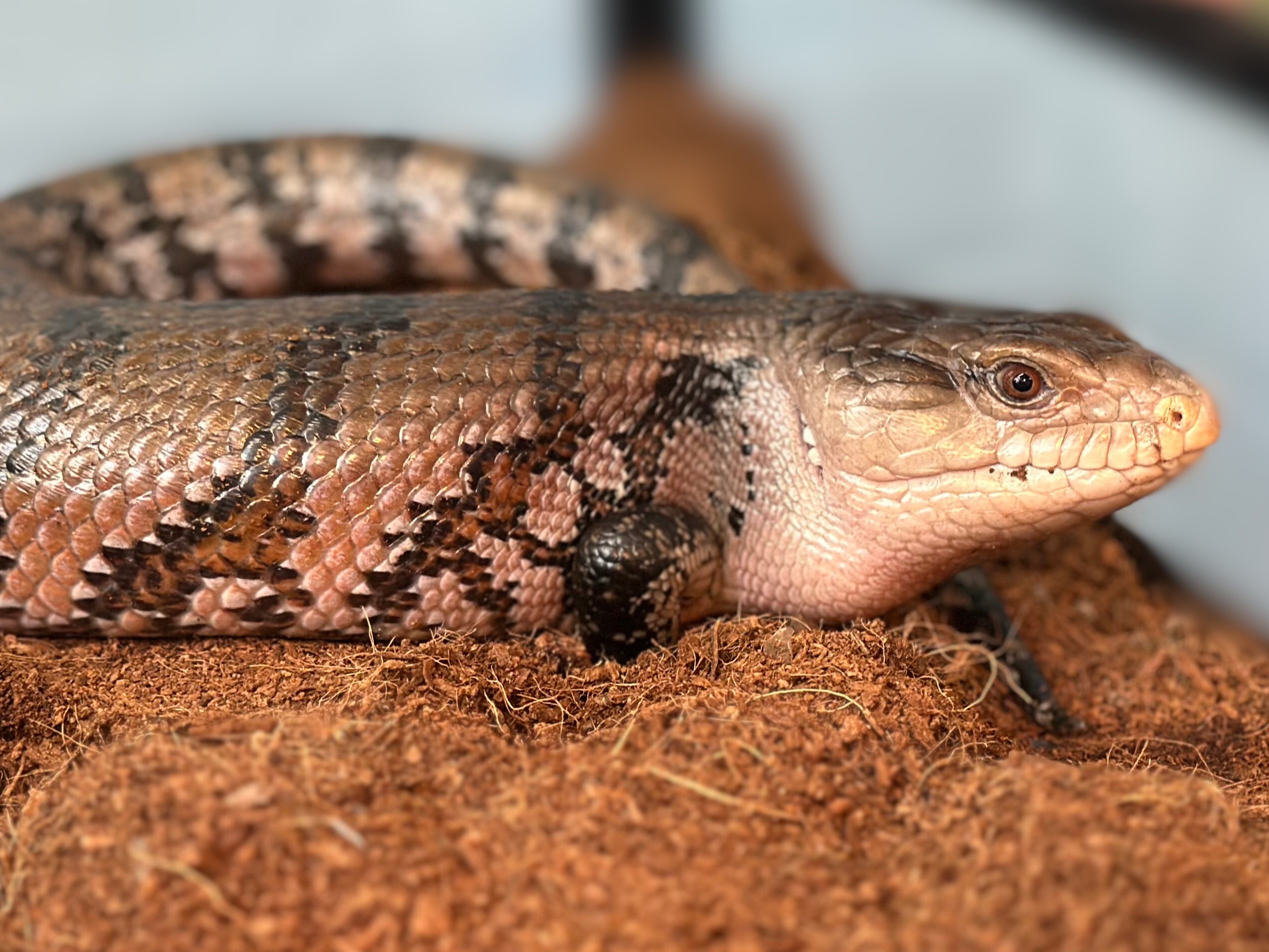
Native to northern and eastern Australia, as well as parts of New Guinea, New Guinea Blue-tongued Skinks are one of the largest skink species (measuring up to 24 inches long!). They have robust, stocky bodies, a triangular head, and sturdy limbs that are adapted for both climbing and burrowing. They are adorned with a mix…
Read More