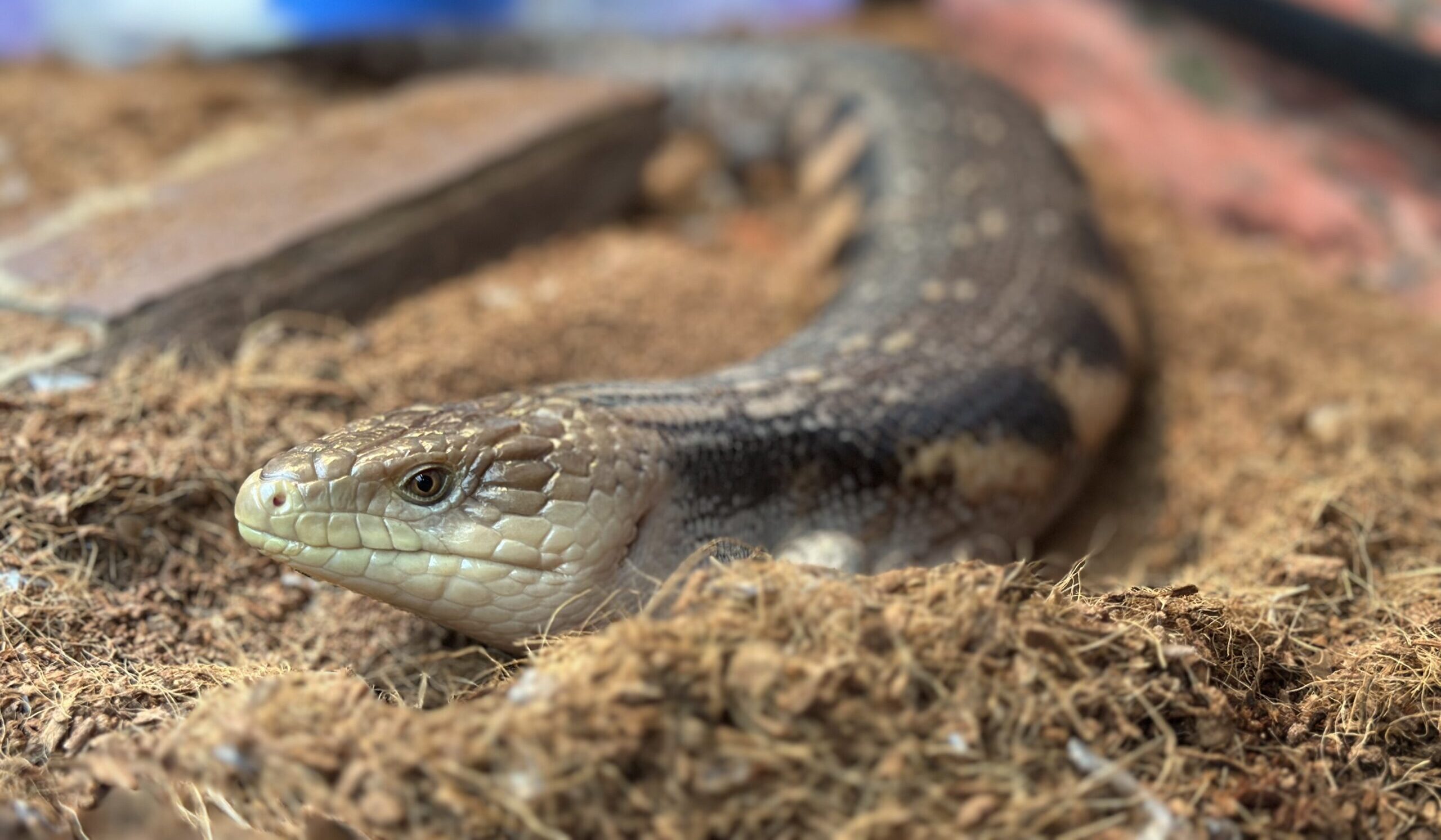
Named after their iconic, vibrant, blue tongue, the Blue-tongued Skink is a multi-faceted reptile. As an omnivore, Blue-tongued Skinks eat both plants and animals. While they aren’t poisonous or venomous, they trick predators into believing they are! In the wild, bright colors tend to indicate that an animal is toxic or venomous. As a defense…
Read More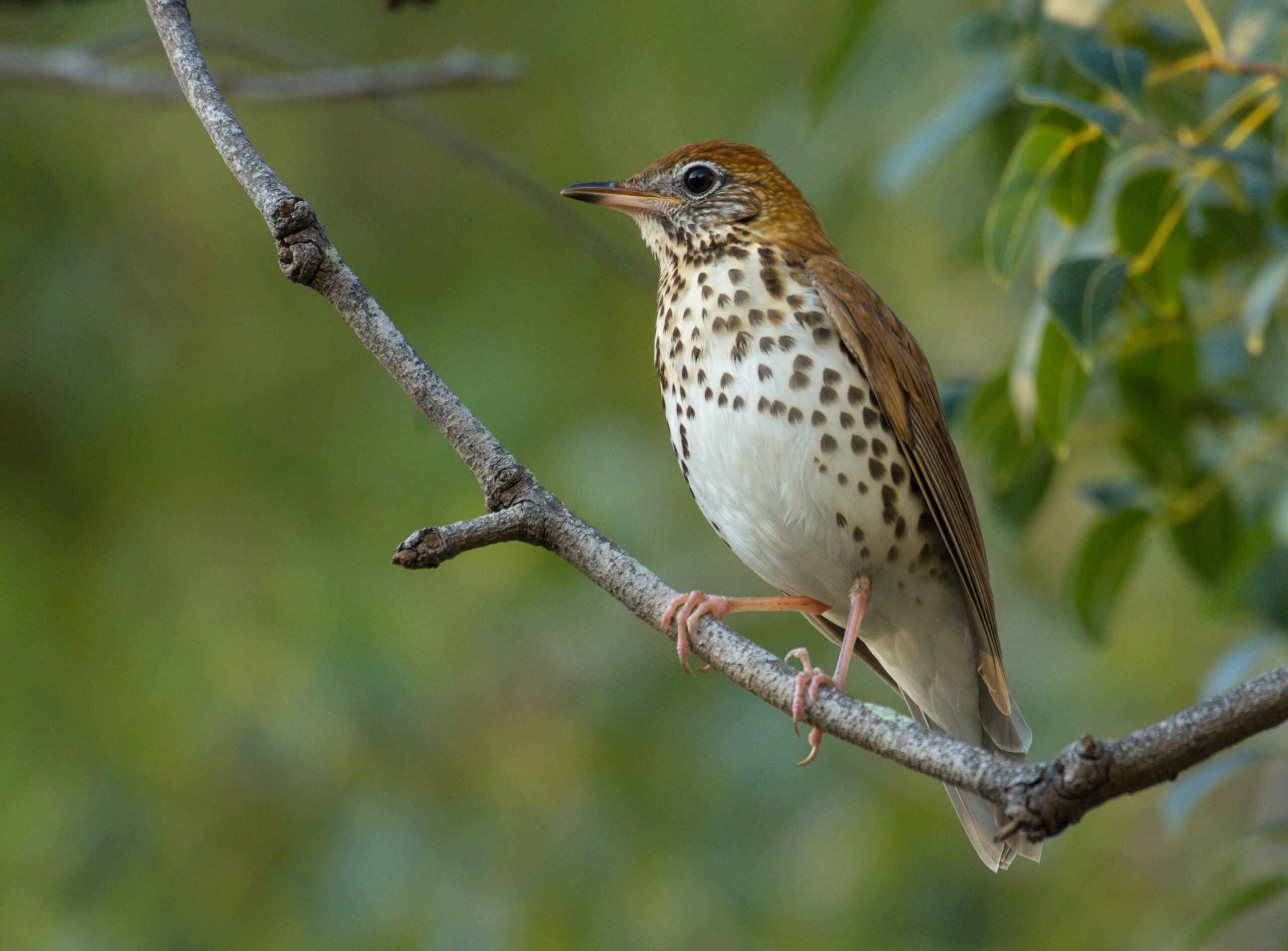
The Wood Thrush is a medium-sized songbird found primarily in forests across eastern North America. Recognizable by its rich, flutelike song, it has a distinctive appearance with a reddish-brown back and spotted breast. These thrushes are primarily migratory, spending their winters in Central America and returning to North America to breed. One of the most…
Read More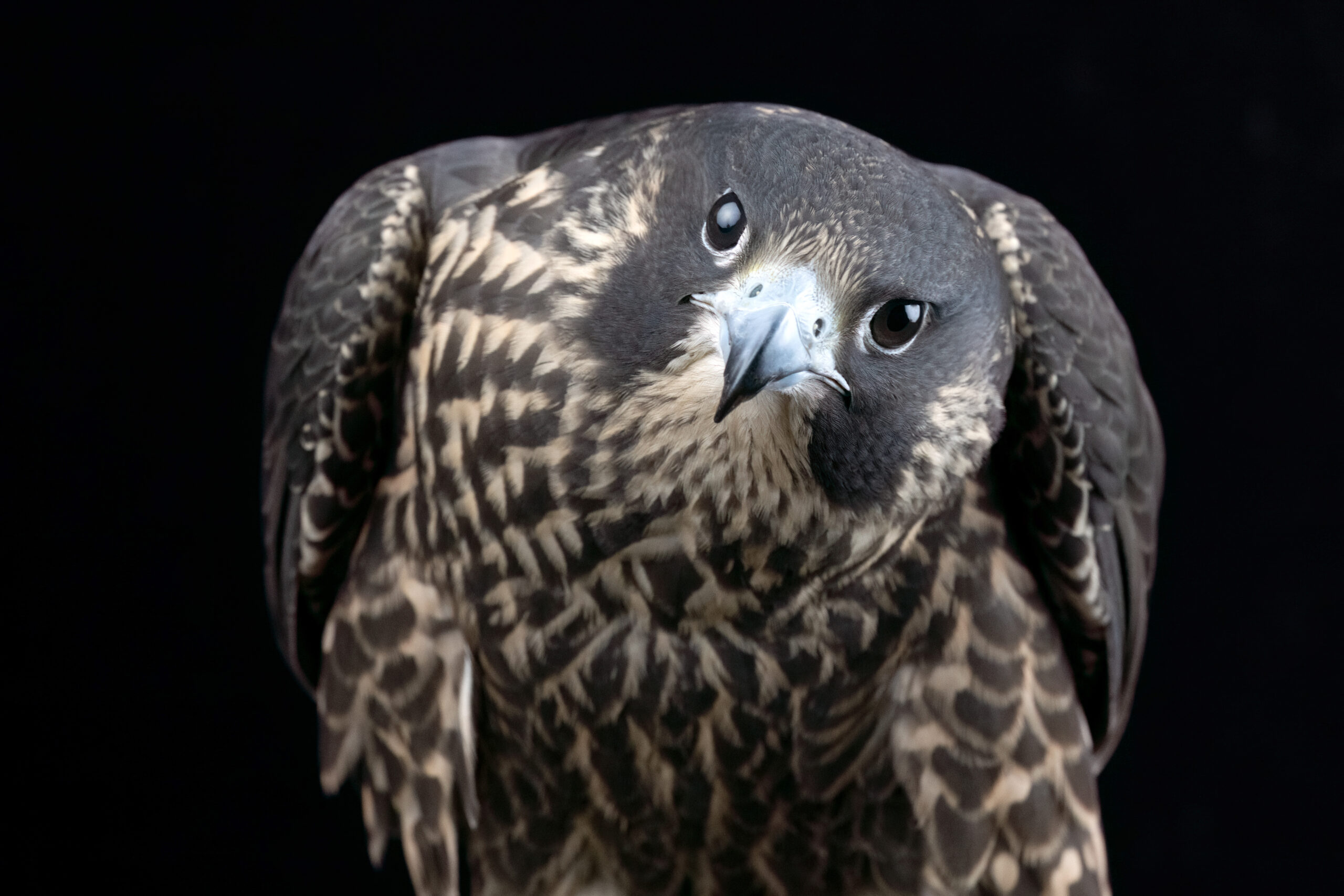
Peregrine Falcons are one of the most widely distributed land animals in the world, having been observed on every content in the world except for Antarctica. Highly regarded as a noble bird by biologists and licensed falconers, Peregrines have darker, striped plumage and tapered wings for aerodynamic flight. Although currently classified as Least Concern, Peregrine…
Read More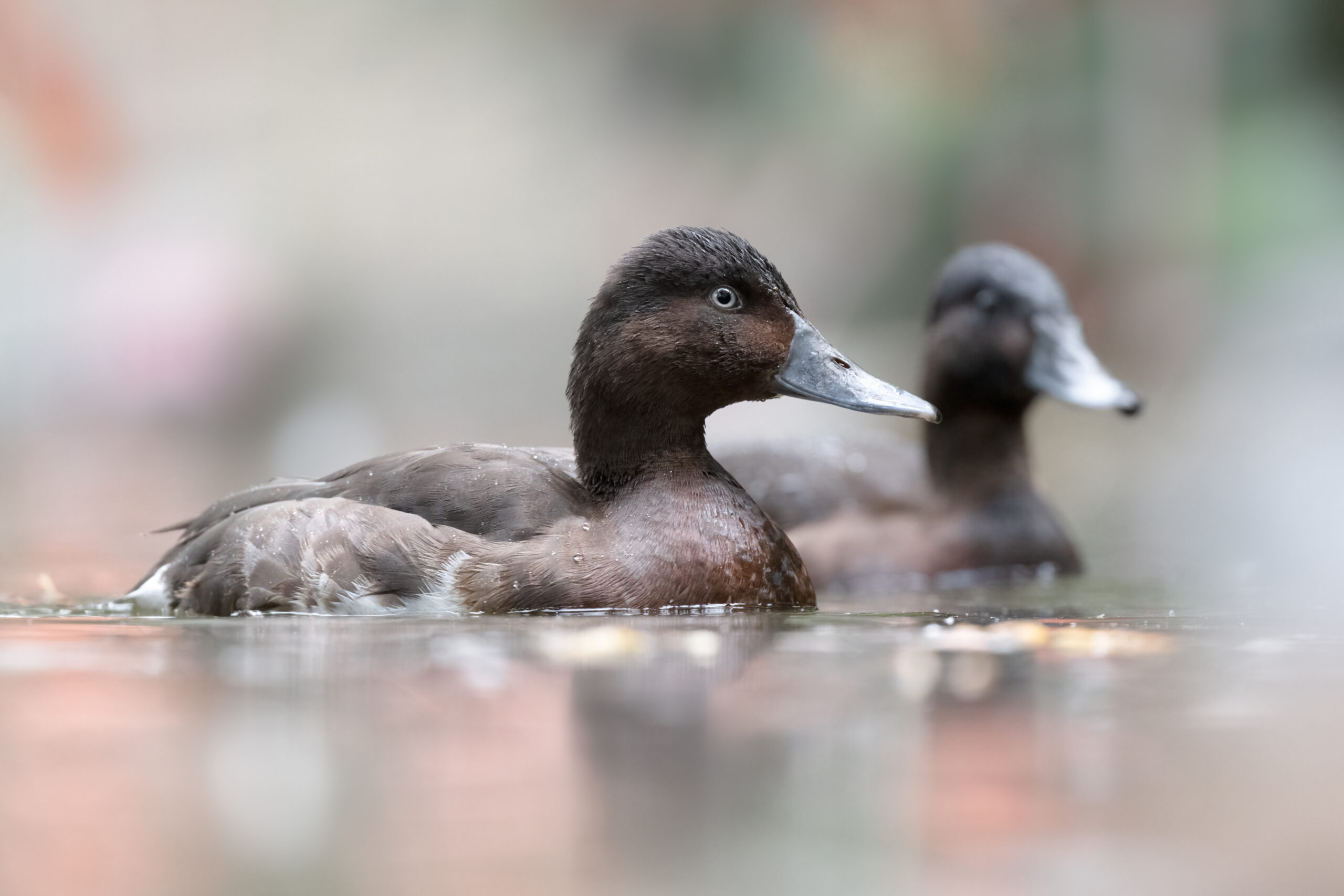
Baer’s Pochards have sleek dark gray and sometimes black head with hues of brown, red, and white on their sides. They have a distinctive white band on their wings which can only be seen when they have their wings open. It’s estimated that this species can reach depths of more than six feet under the…
Read More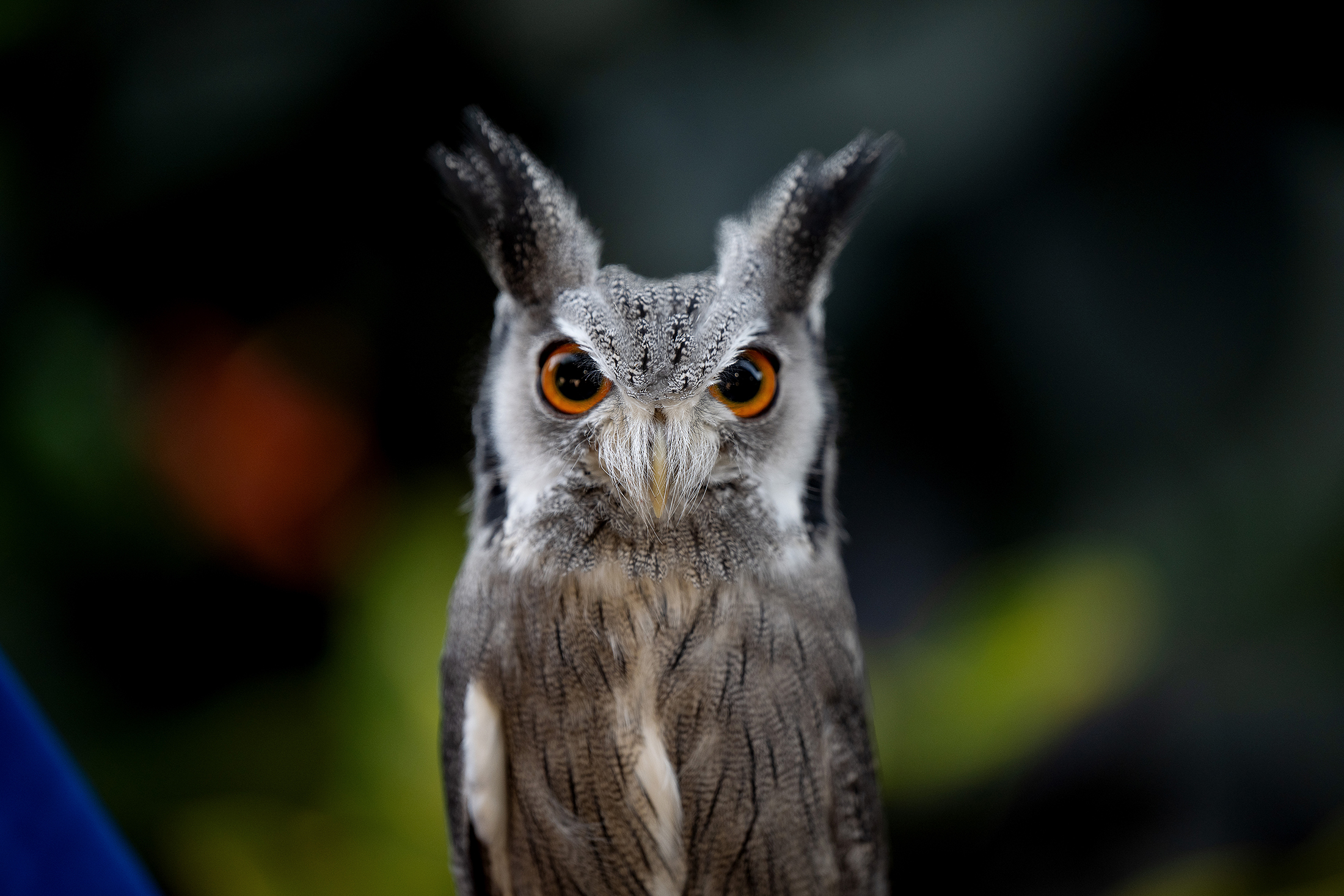
Northern White-faced Owls stand at about ten inches tall, comparable in size to Eastern Screech-Owls. They are distinguished by their prominent ear tufts and a striking white facial disc outlined by a thick black border. The body of the Northern White-Faced Owl is predominantly light gray-brown, adorned with delicate streaks and vermiculation’s – or markings…
Read More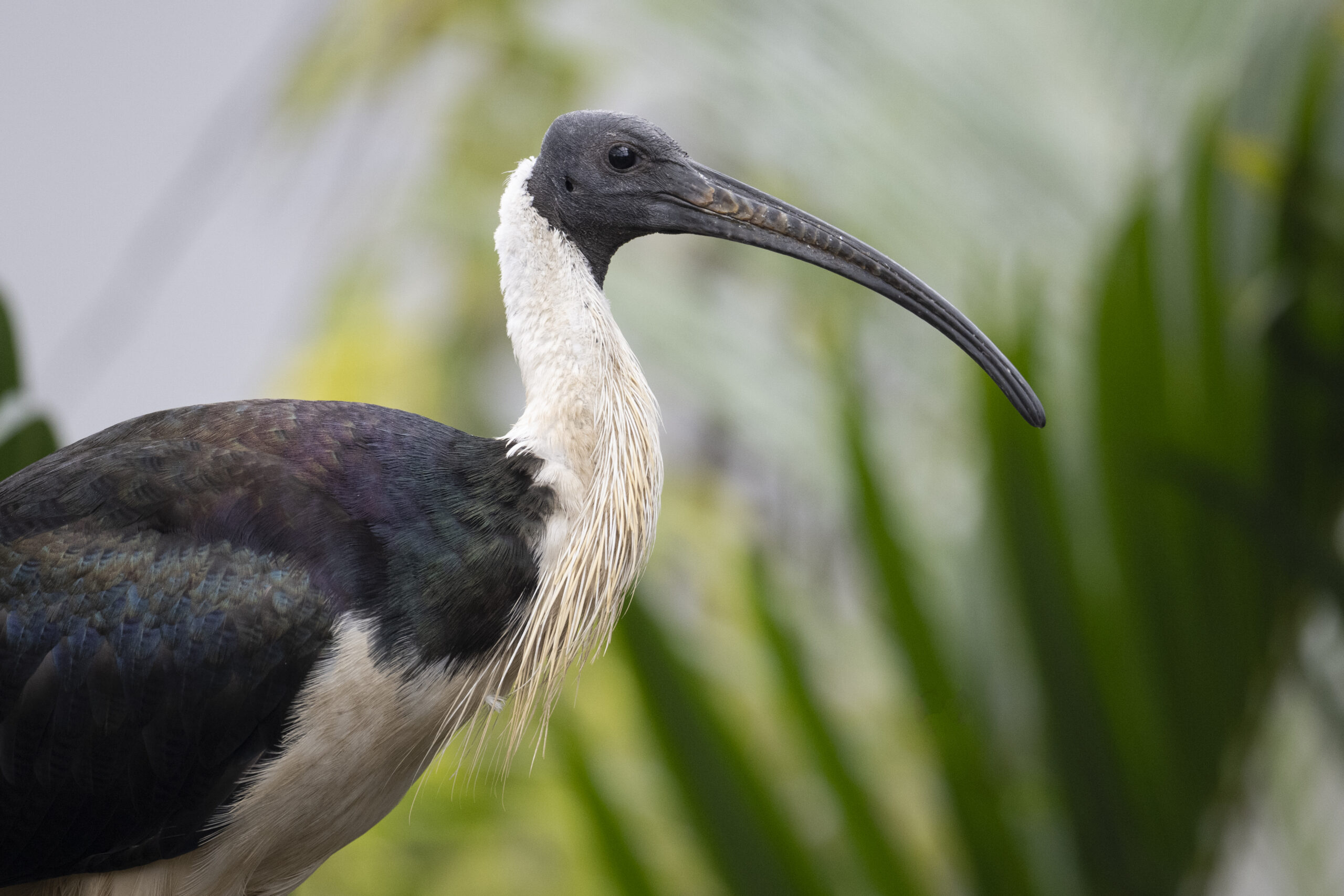
The Straw-Necked Ibis is a unique bird species that is known for its distinct features and vocalizations. With its iridescent wings and backs, and straw-like plumage on their necks, these birds are a sight to behold. Interestingly, males have longer bills while females have a dark band across their chest. The Straw-Necked Ibis also has…
Read More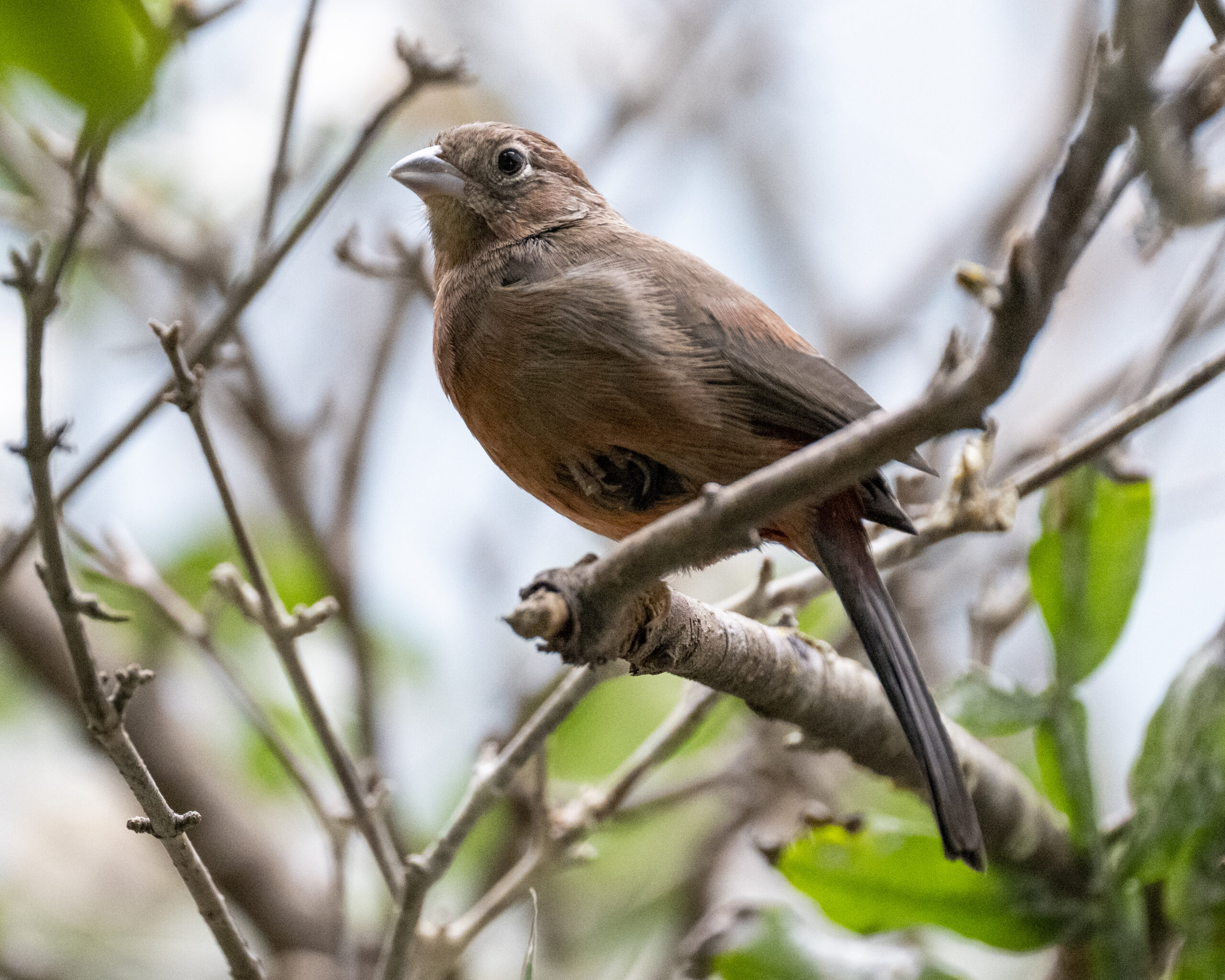
In many species, such as Red-crested Finches, males have a distinct appearance compared to females. They have a dark red coloration with a narrow white eye ring and a black-bordered bright red crown. Males can partly conceal or show off their crown coloration according to the situation. On the other hand, females have a white…
Read More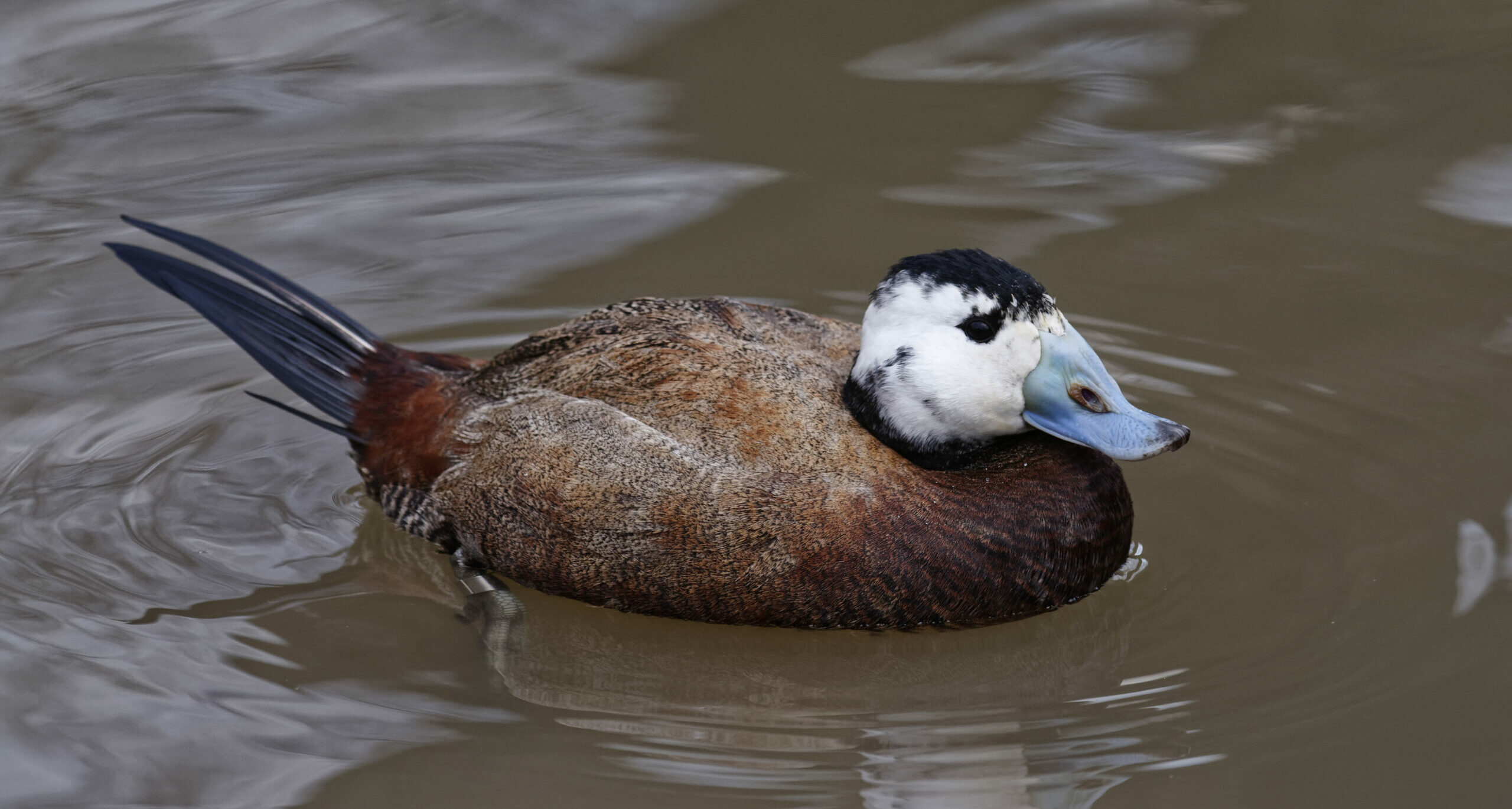
These birds are unique in that the females look different than the males, showcasing the beauty of dimorphism. But that’s not all – their prominent bills and gorgeous plumage make them a sight to behold. White-headed Ducks are also impressive divers! They engage in extensive feeding at night, feasting on mideg larvae, and can remain…
Read More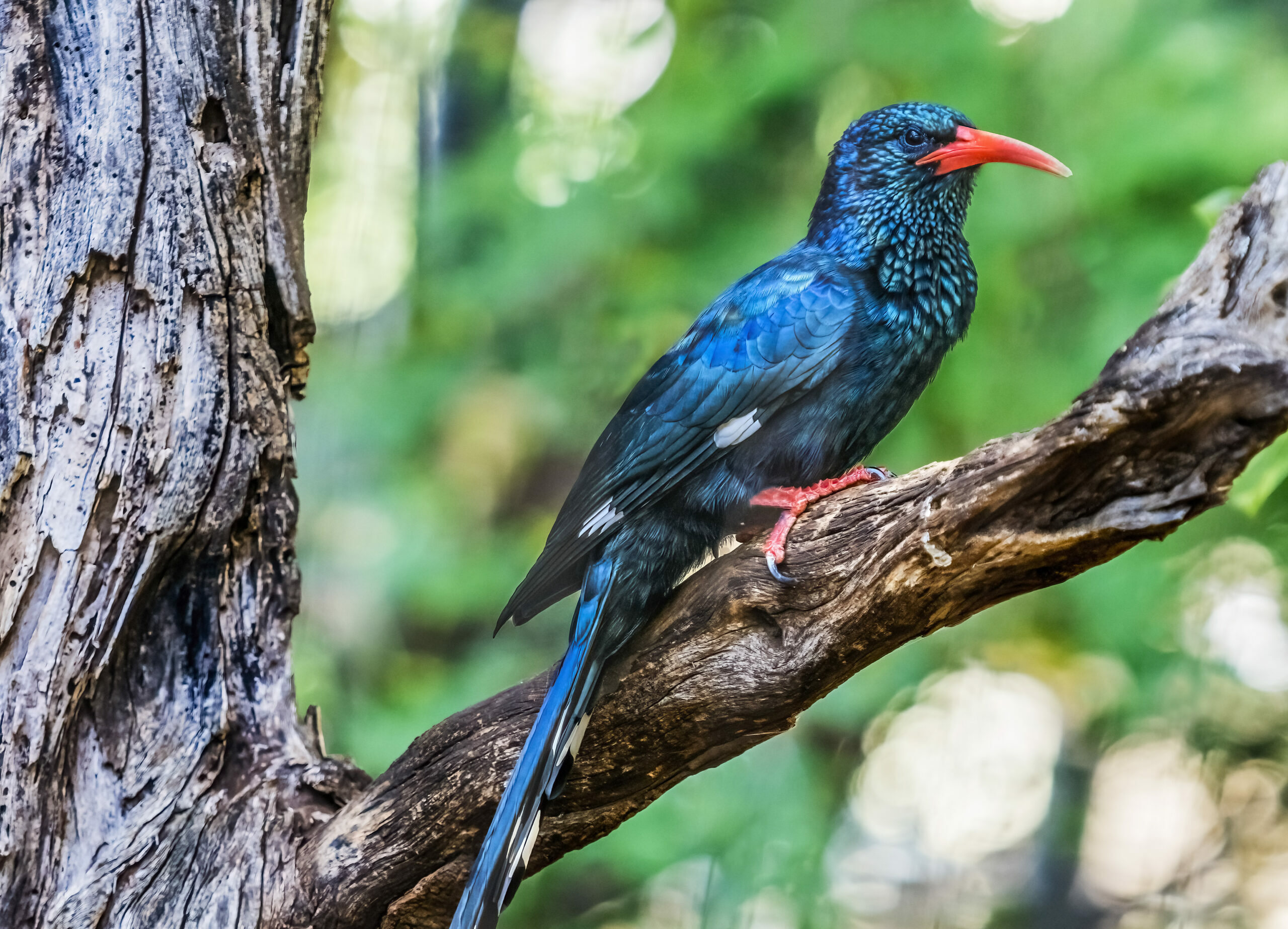
Green Woodhoopoes are very social and extremely curious about their environment – known to probe their long, curved, bright red bill into cracks and crevices in search of insects. They use their bill to pry apart bark and buds, gaining access to the food within. Woodhoopoes all have striking iridescent green, blue, and purple plumage,…
Read More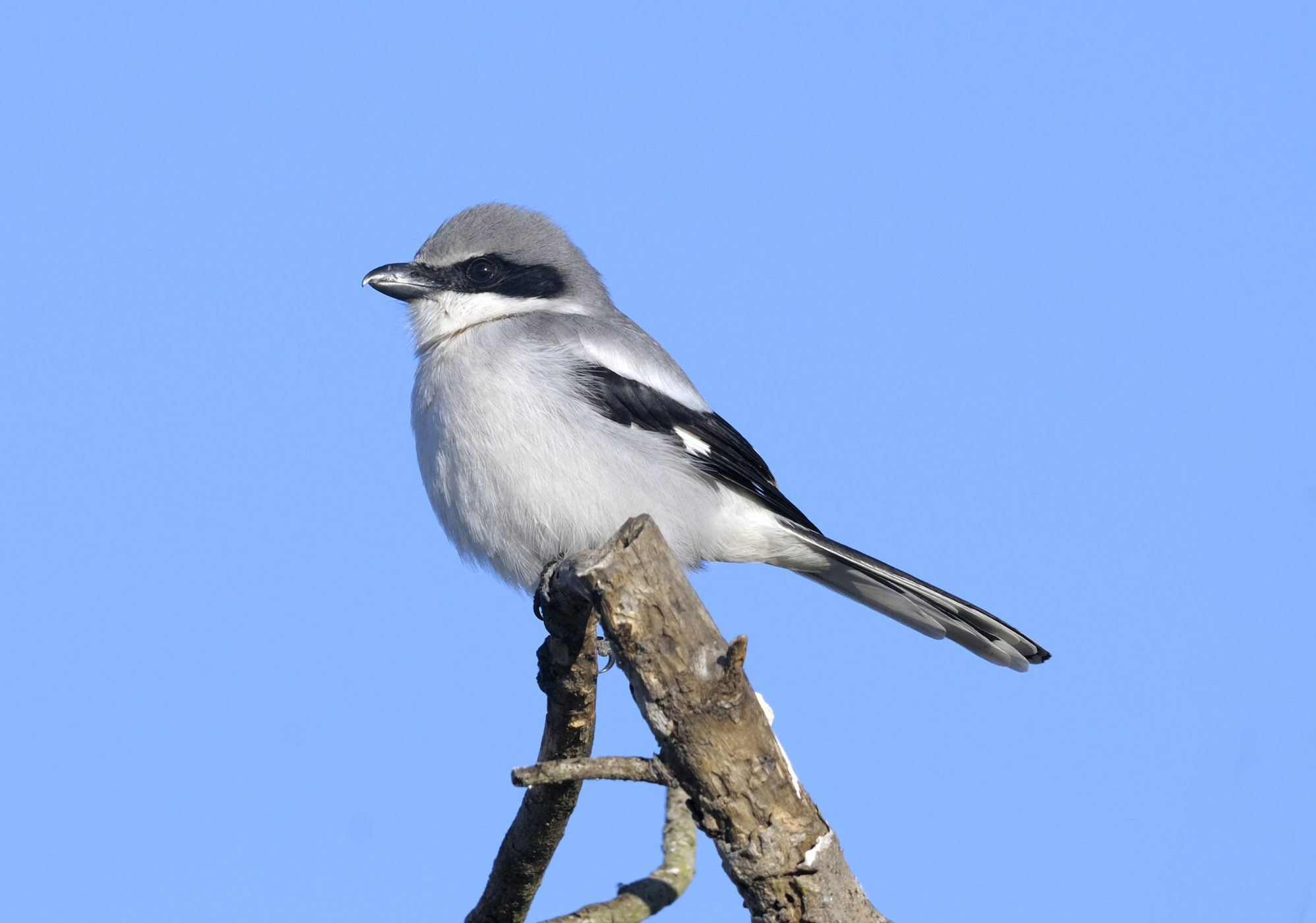
The National Aviary is home to Loggerhead Shrikes behind-the-scenes. They are hawk-like songbirds that create “food pantries.”
Read More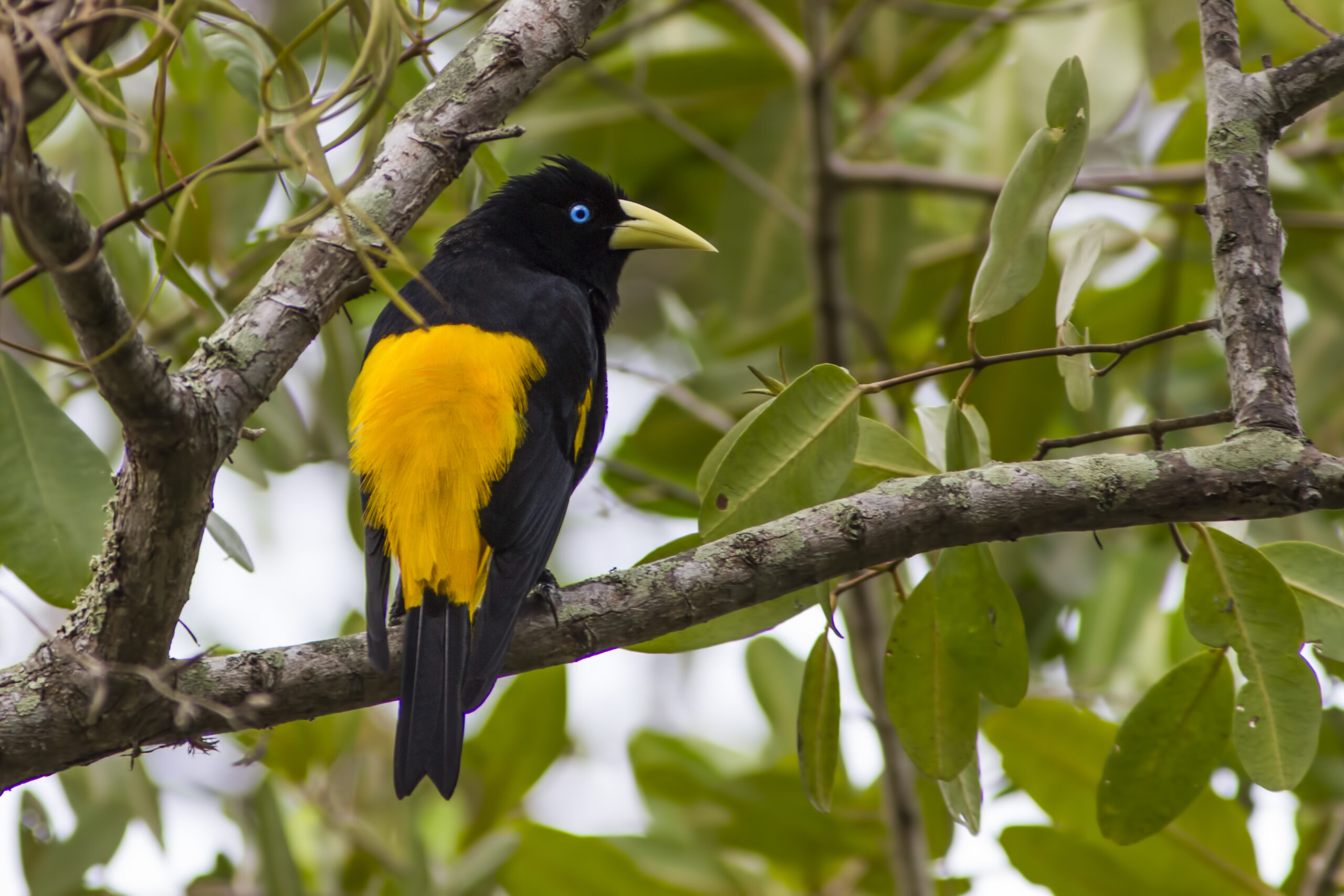
Yellow-rumped Caciques are named after the bright yellow plumage on their rump, which is brighter in males than females.
Read More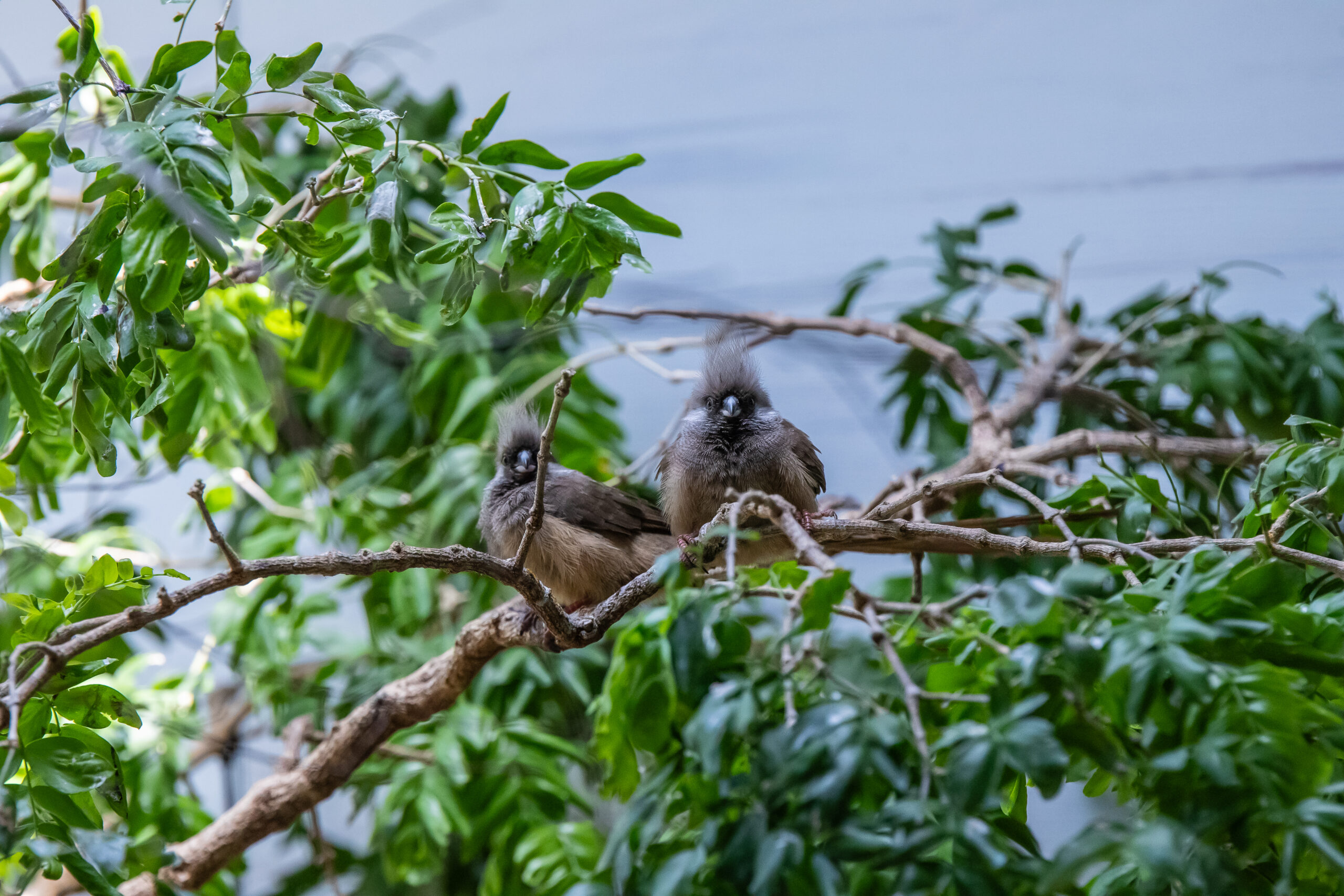
Speckled Mousebirds are very social, often living in flocks of twenty or more birds. See these fascinating birds at the National Aviary.
Read More Previous Posts