
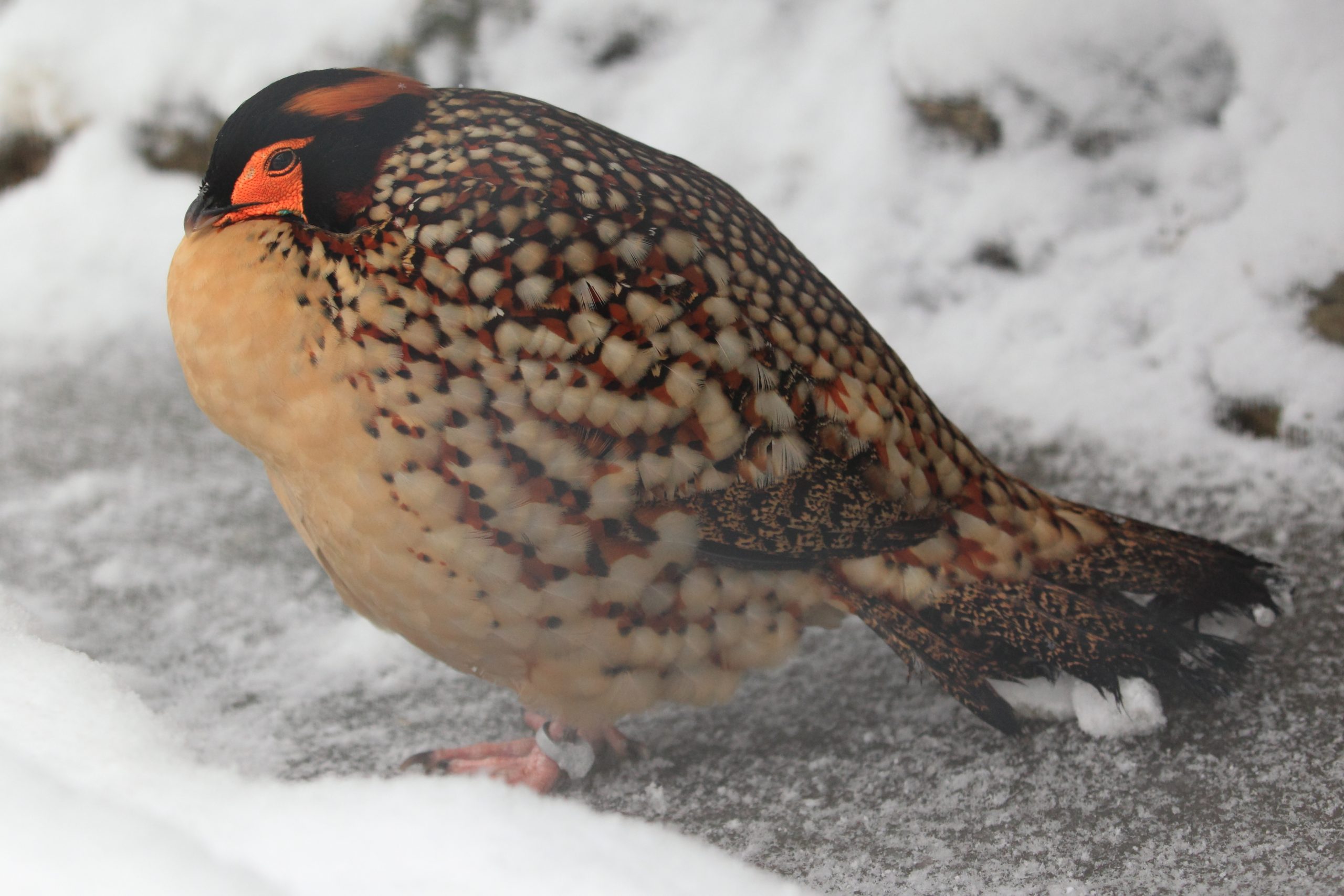
An inhabitant of high mountain ranges in eastern China, the Cabot’s Tragopan—also sometimes called the Yellow-bellied Tragopan—is a grouse-like bird. Male Cabot’s Tragopans perform a spectacular display at dawn and dusk, sometimes while perched on a mossy log, which is reminiscent of Pennsylvania’s state bird, the Ruffed Grouse. Both the Ruffed Grouse and Cabot’s Tragopan…
Read More
African Penguins are native to the southwestern coast of Africa, and are one of the 18 species of penguins found throughout the Southern Hemisphere. They are also among the smallest penguins, standing about 18 inches tall and weighing 6 to 10 pounds. They are a temperate species comfortable in a wide range of temperatures, making…
Read More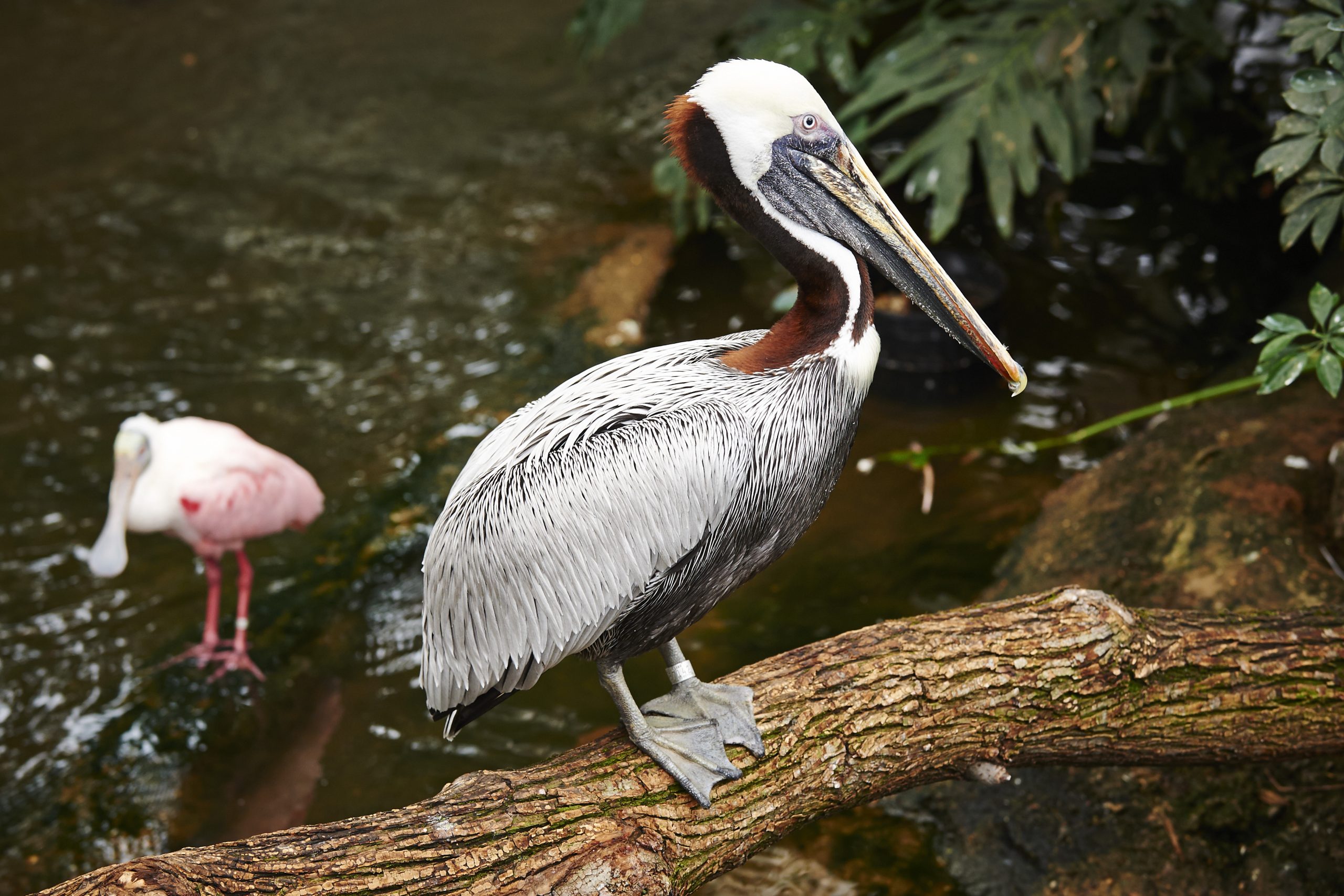
Pelicans are large, bulky waterbirds with webbed feet, short legs, and a remarkably long bill. The underside of their bills extends into a pouch that can hold 2-3 gallons of water at a time, which they use to trap fish. When hunting, they spot their prey from the air and plunge into the water head-first….
Read More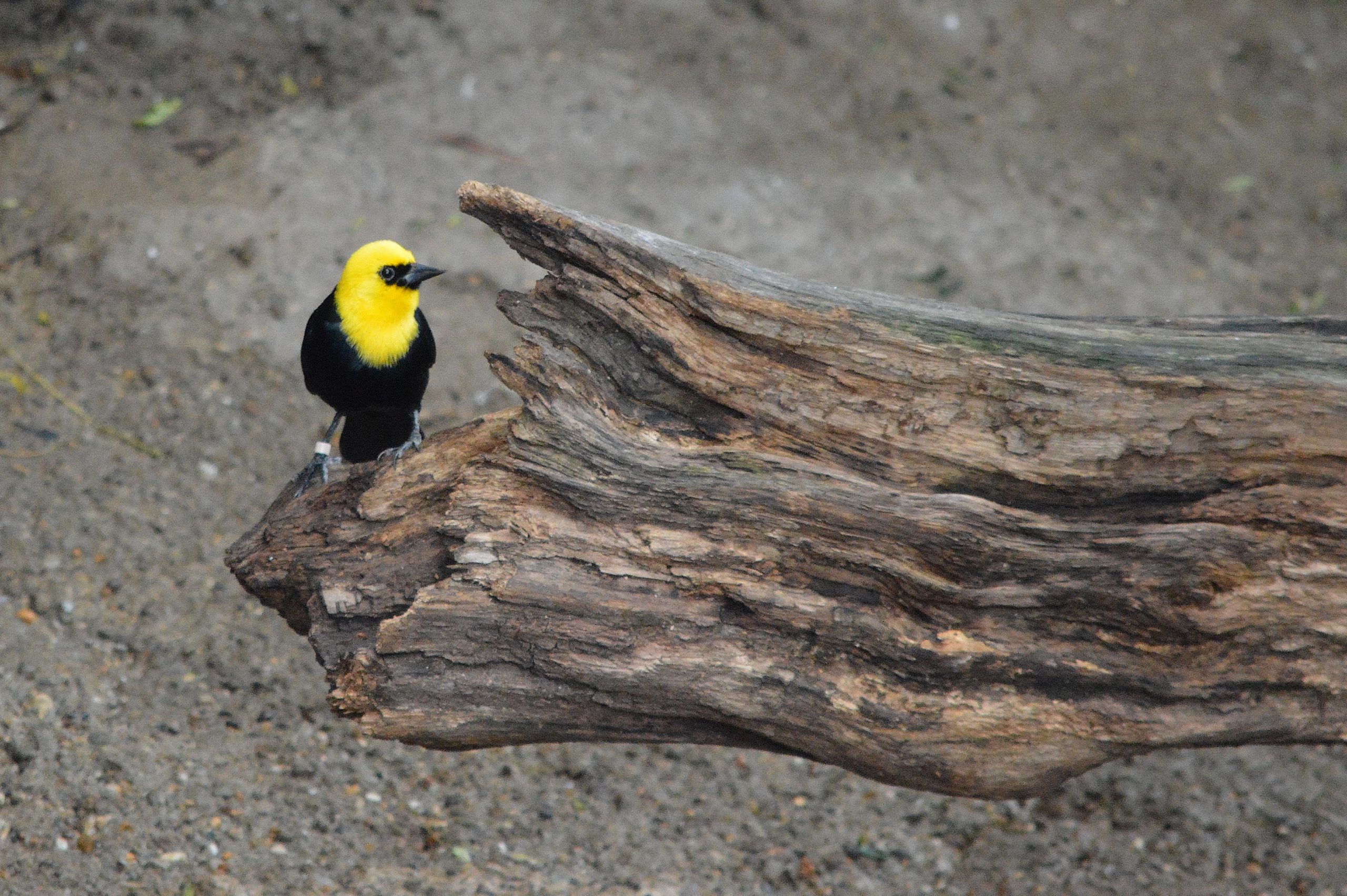
The Yellow-hooded Blackbird occurs in northern South America where it favors marshes with emergent aquatic plants such as cattails or bulrushes, as well as humid savannas, mangroves, and agricultural land where it can forage in newly plowed fields. Yellow-hooded Blackbirds also frequently forage in grass and vegetation for seeds and insects, including caterpillars and weevils….
Read More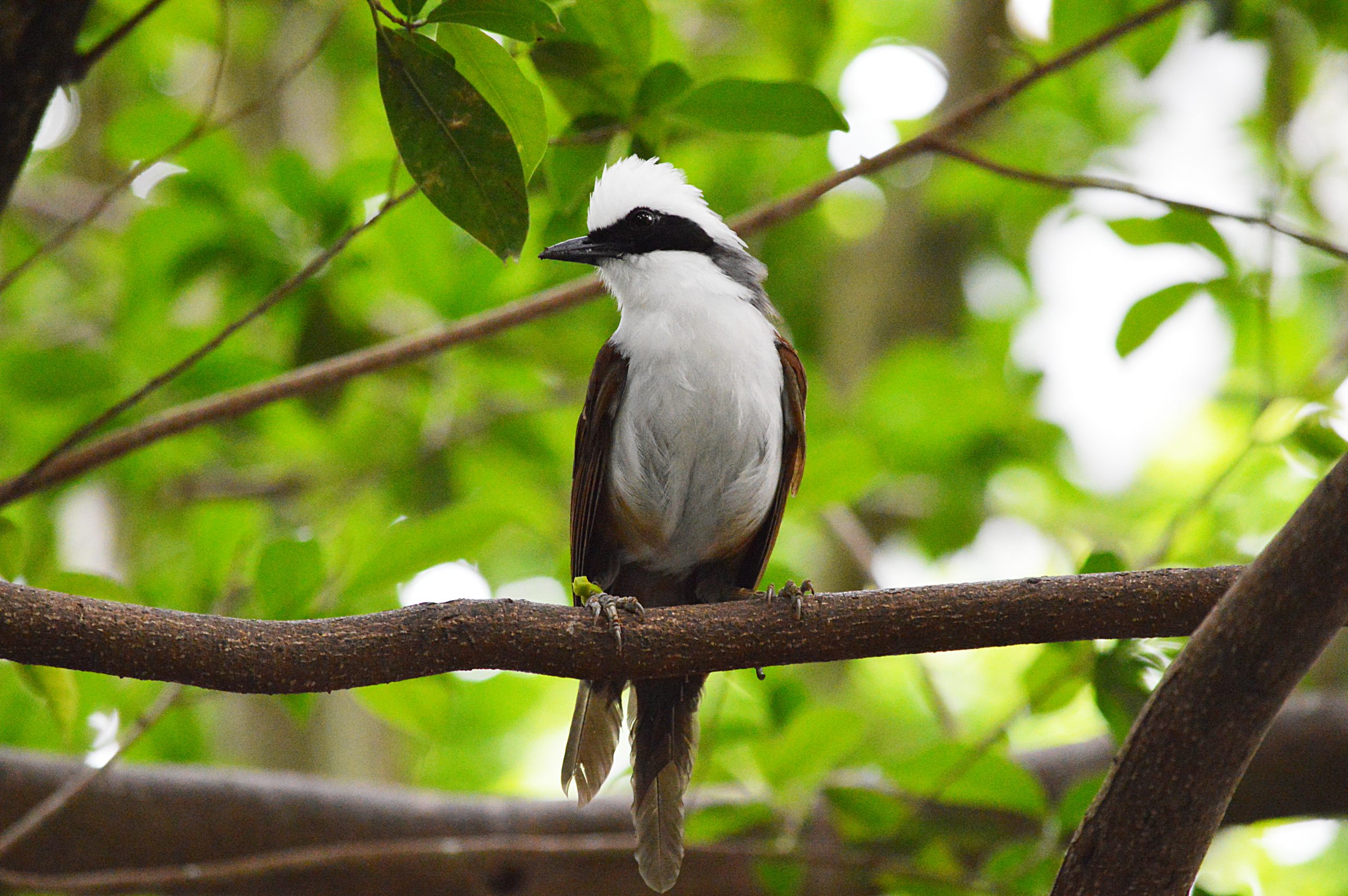
The White-crested Laughingthrush occurs in broadleaf evergreen forest and mixed deciduous forest in Southeast Asia and in the foothills of the Himalayan Mountains. It will also inhabit disturbed forests, secondary forest and gardens. This is a very social and vocal species, often foraging on the ground in groups of 6 to 20 individuals while looking…
Read More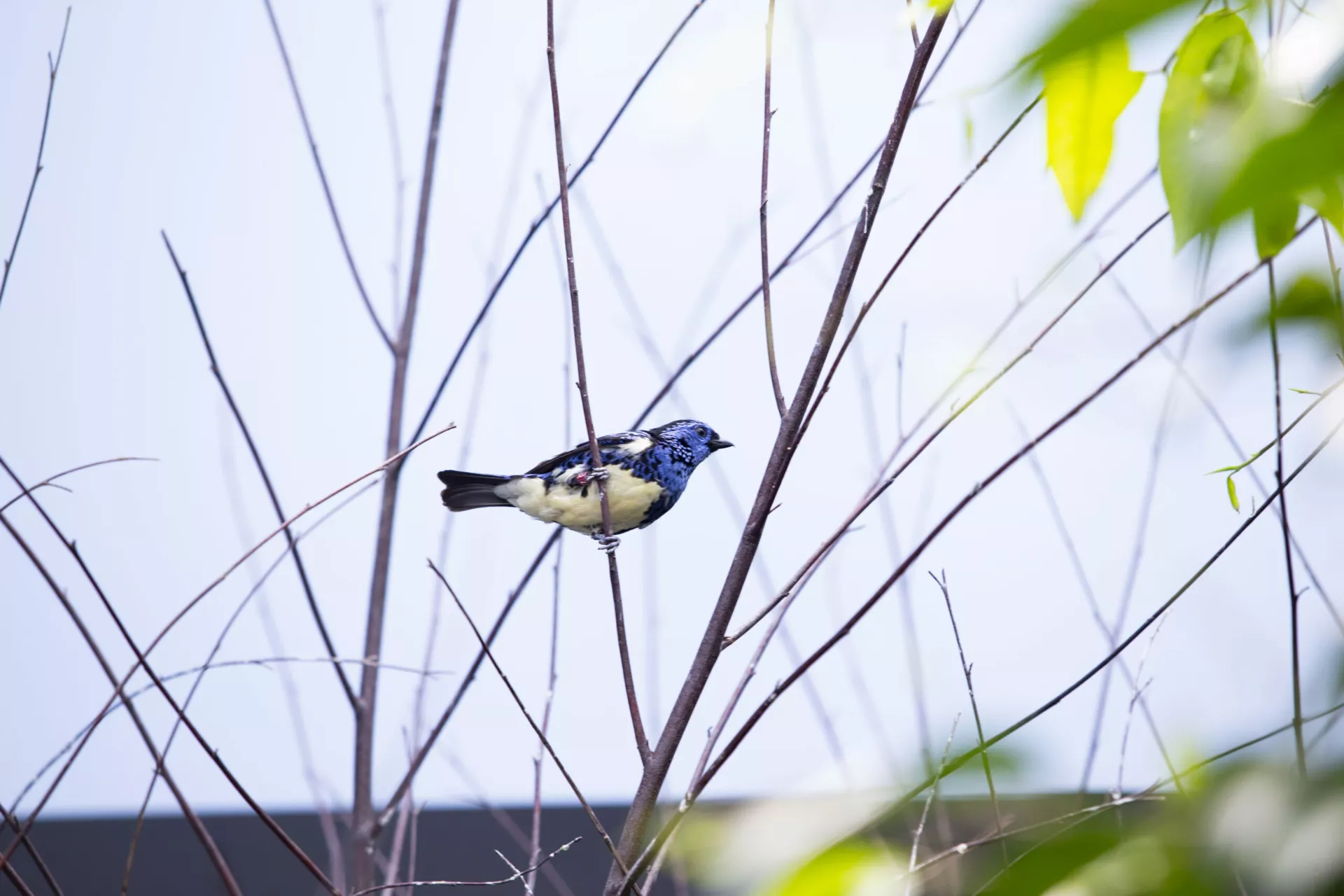
The Turquoise Tanager occurs in the Amazon Basin and nearby habitats of South America where it favors forest edge, clearings with scattered trees, tall second growth, riparian forests, and parks and gardens. It consumes about equal proportions of fruit and insects, but in particular, mistletoe berries are a very important part of the diet of…
Read More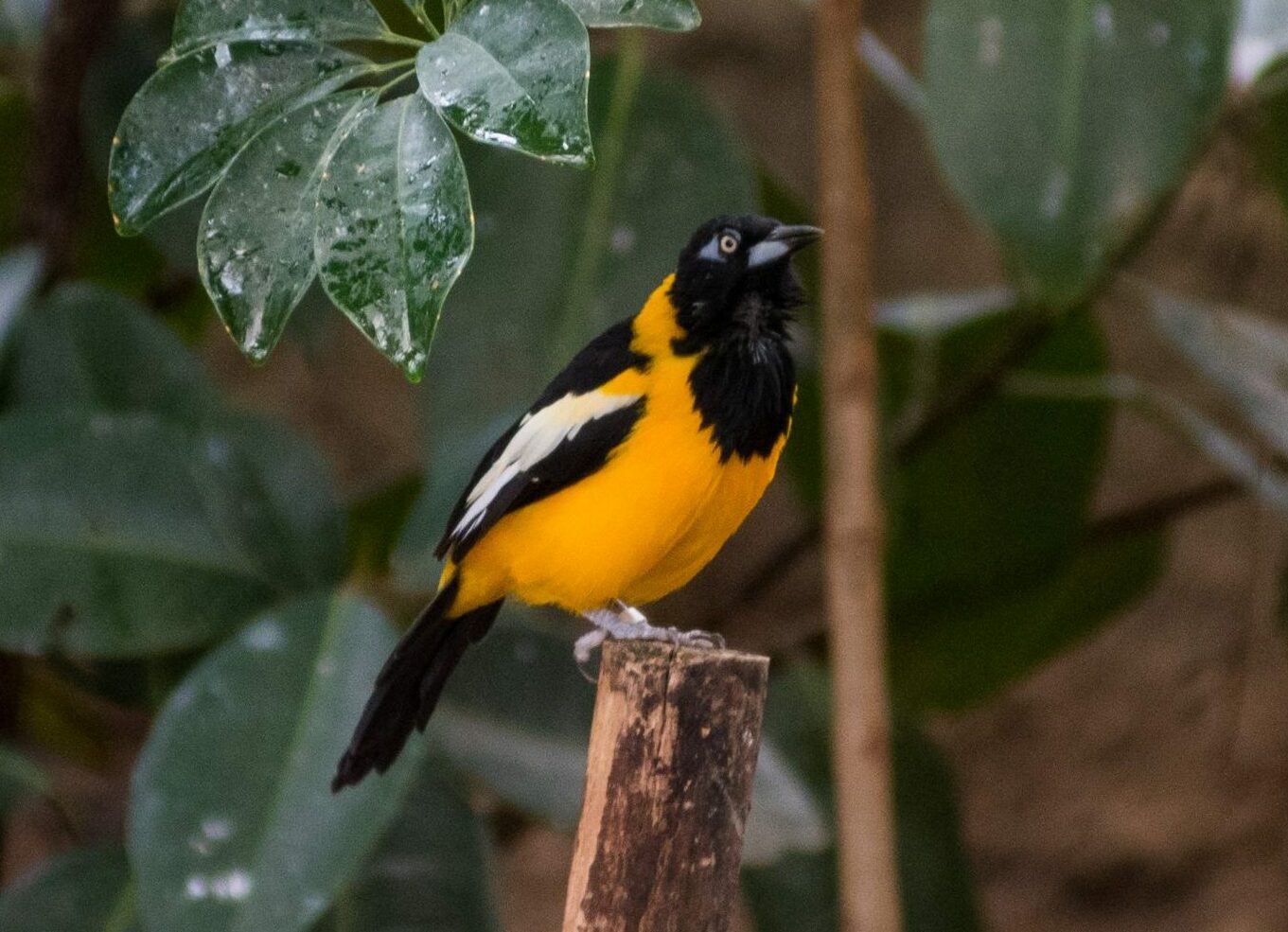
The Venezuelan Troupial is the national bird of Venezuala. It is found in northern South America and several Caribbean islands. It occurs in dry woodland of acacia and tree-like cacti, but also in pastures and savanna, dry or seasonal woodlands, and sometimes old fruit plantations. The Venezuelan Troupial is omnivorous, feeding on nectar, fruits, seeds,…
Read More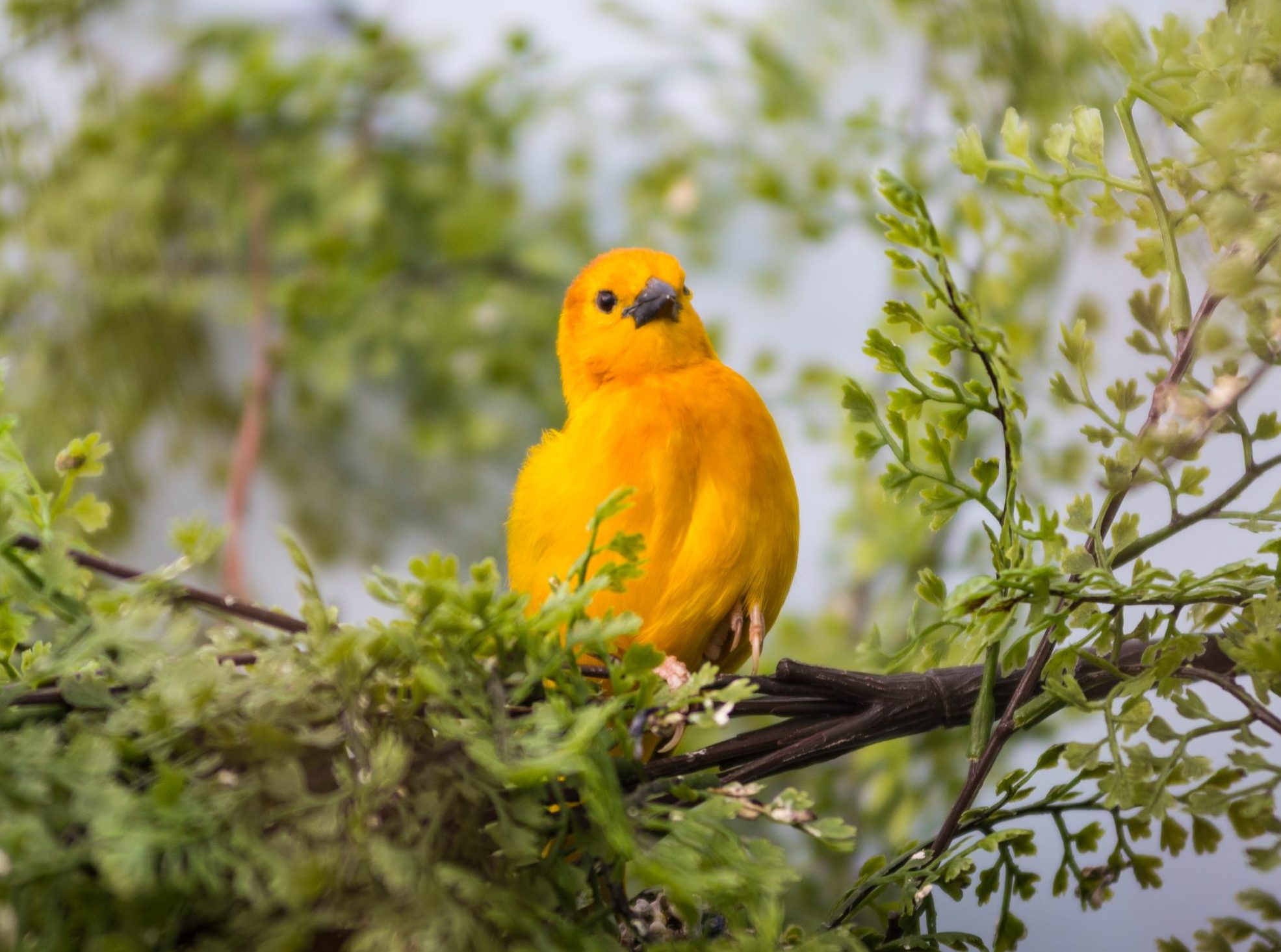
The Taveta Golden Weaver occurs in East African in Kenya and Tanzania. They are found in swampy lowland areas during the breeding season. Outside of the breeding season, they are found in adjacent dry bush country. They build impressive spherical nests hanging over water. The intricately weaving strips of reed leaf blades that make up…
Read More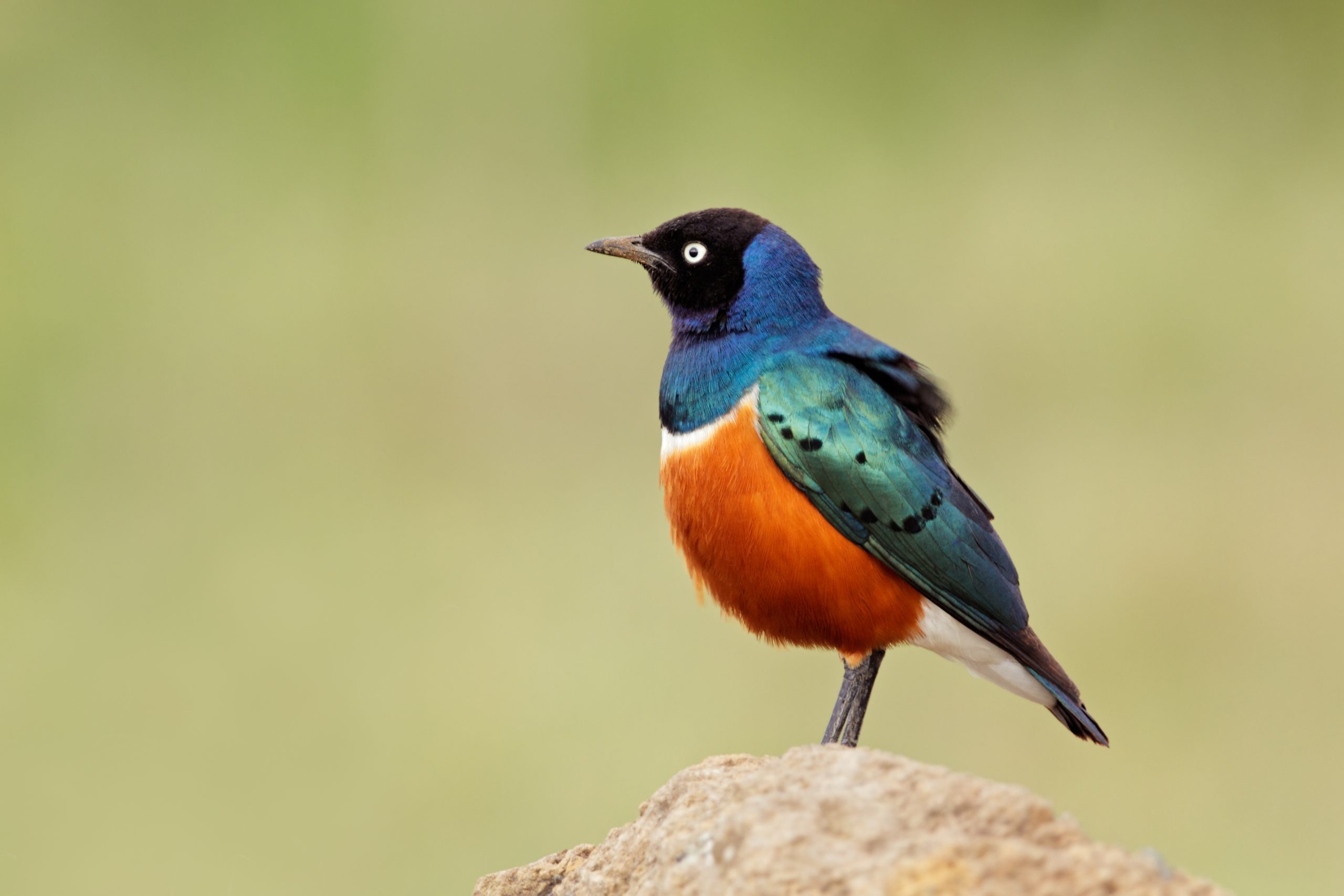
Superb Starlings are dark iridescent blue on the back of their head and chest, a black face that sets off their bright white eyes, metallic blue-green back and wings, and a dark orange belly bounded by bright white under the tail and in a band across the breast. The Superb Starling occurs in open woodland,…
Read More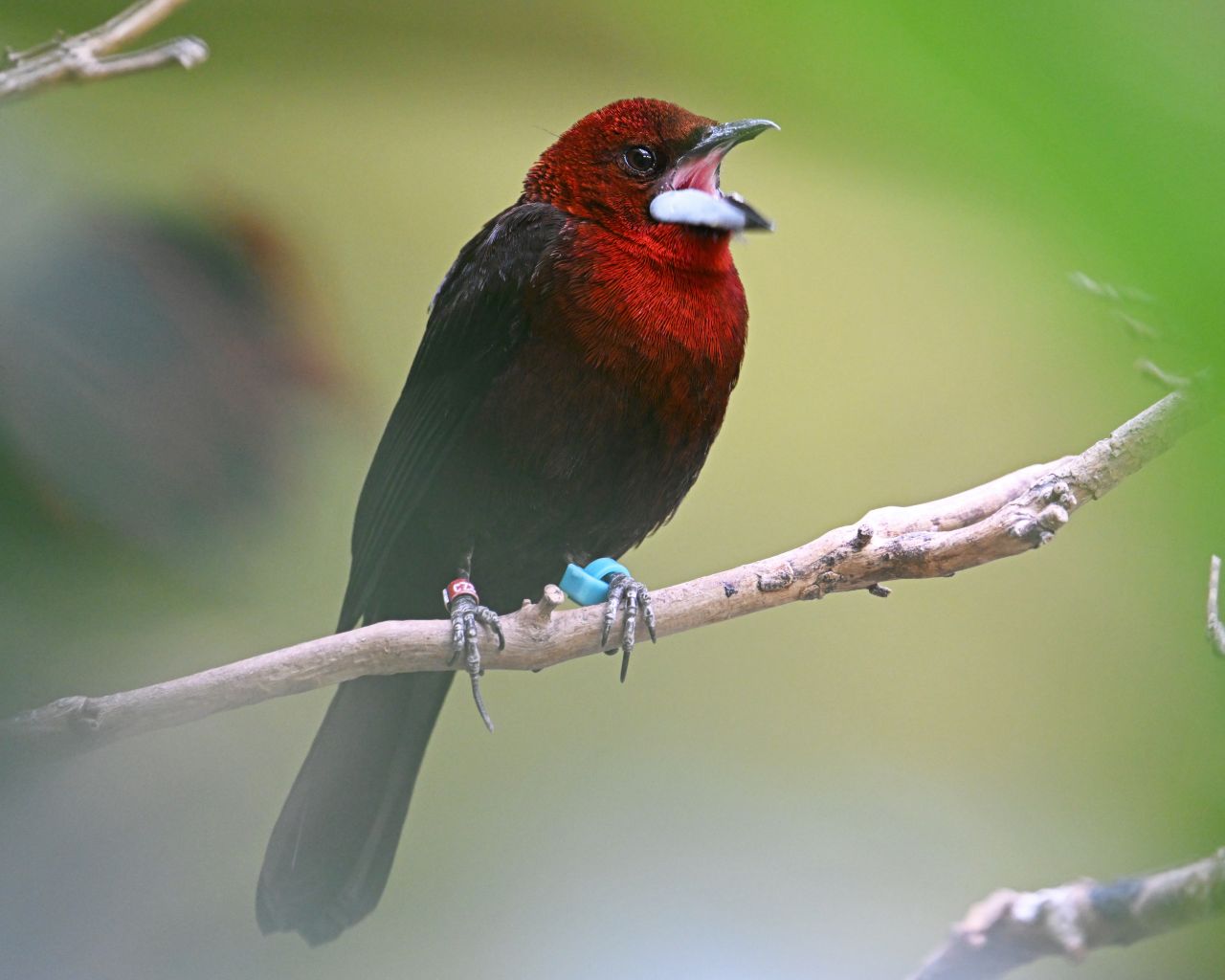
The Silver-beaked Tanager is a striking South American tanager of brushy forest borders, overgrown clearings, second growth, and shrubs around habitations and riverbanks. Often feeding in small groups, this tanager consumes about equal proportions of arthropods and fruit. Nesting birds are sometimes found close together, and it is occasionally a cooperative breeder with helpers attending…
Read More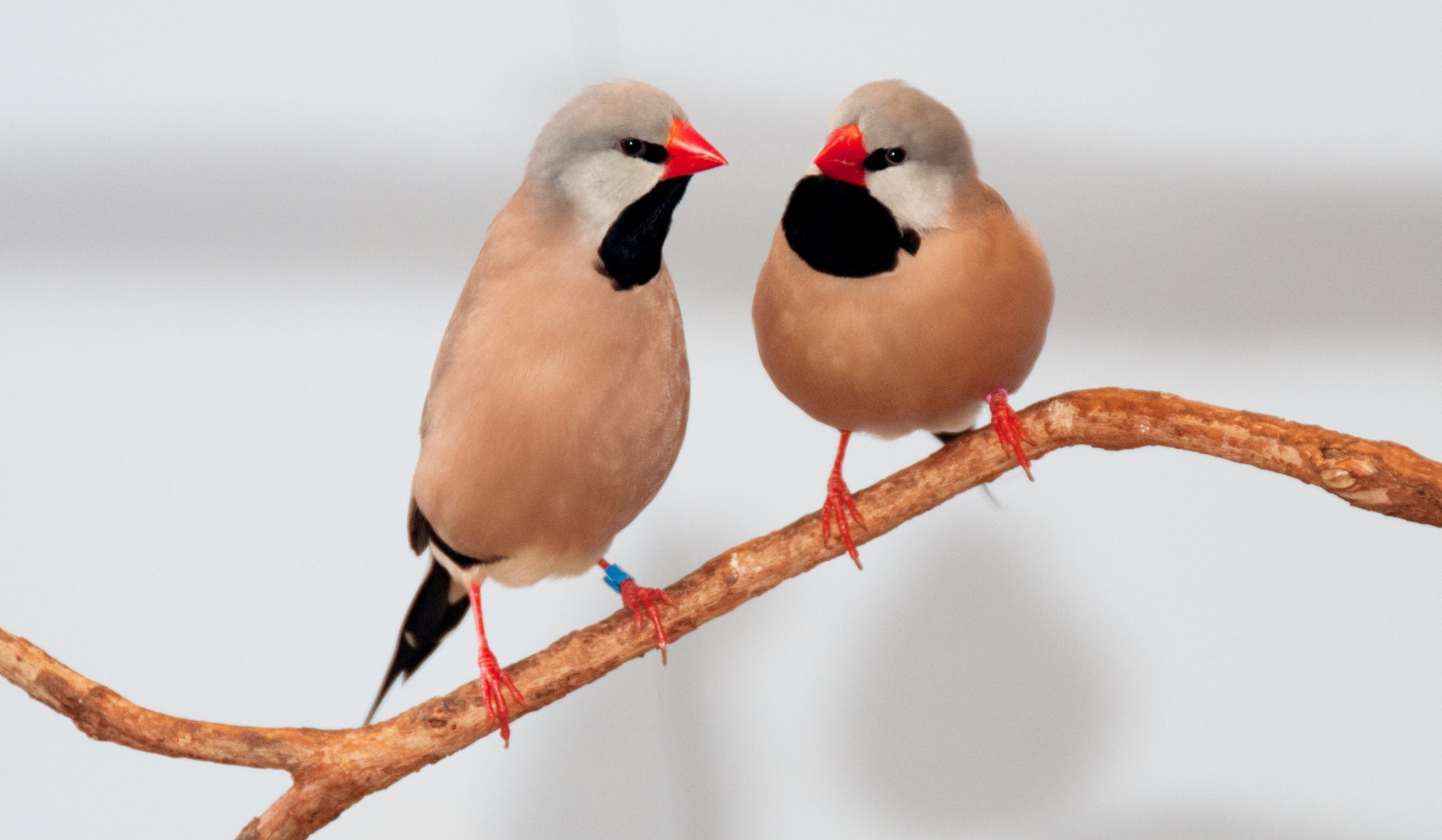
The Shaft-tailed Finch, or Long-tailed Finch, is a handsome bird from northern Australia, where it is found in open woodlands, dry grassy savannas, and grassy brushland especially near water courses. Like similar finches, it feeds on ripe and half-ripe grass seeds on the ground, but during the breeding season will consume more insects off the…
Read More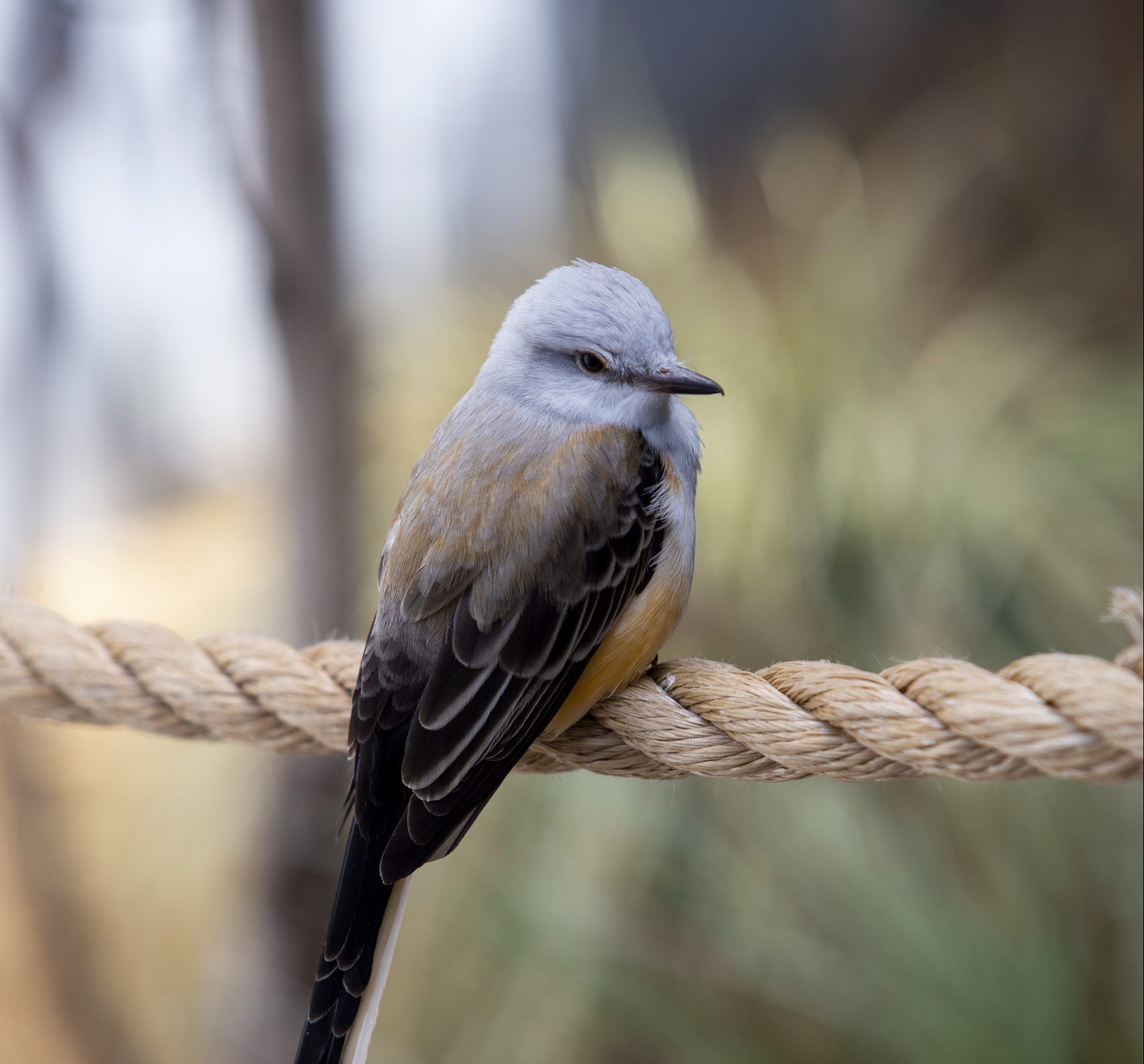
The Scissor-tailed Flycatcher, with its extremely long and distinctive tail, is a resident of savannas, fields, and pastures, as well as landscaped areas where there is a mix of trees, perches, and open areas. This flycatchers breeding range extends across south-central North America, while it winters in southern Mexico south through Panama. The Scissor-tailed Flycatcher…
Read More Previous Posts