
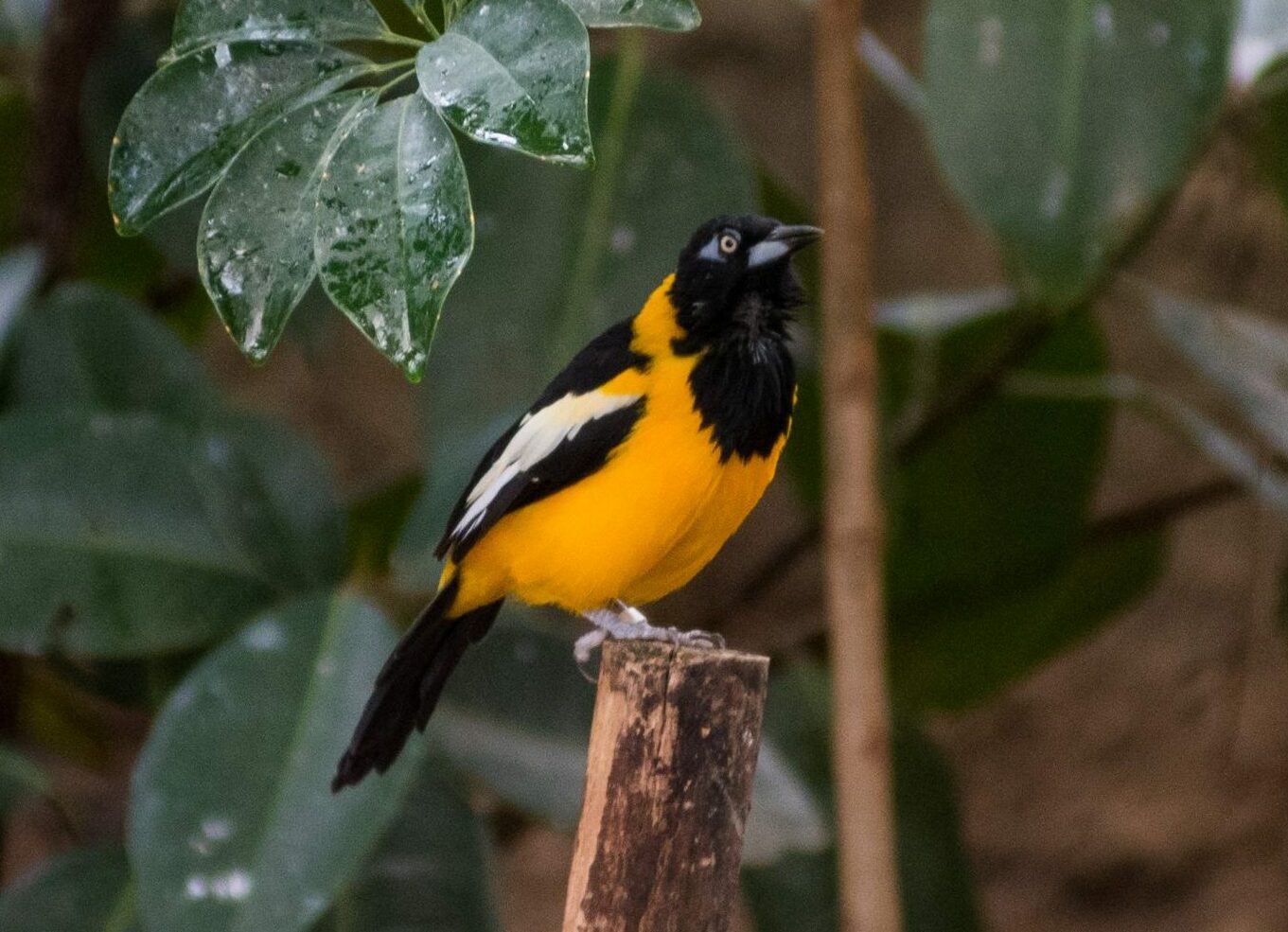
The Venezuelan Troupial is the national bird of Venezuala. It is found in northern South America and several Caribbean islands. It occurs in dry woodland of acacia and tree-like cacti, but also in pastures and savanna, dry or seasonal woodlands, and sometimes old fruit plantations. The Venezuelan Troupial is omnivorous, feeding on nectar, fruits, seeds,…
Read More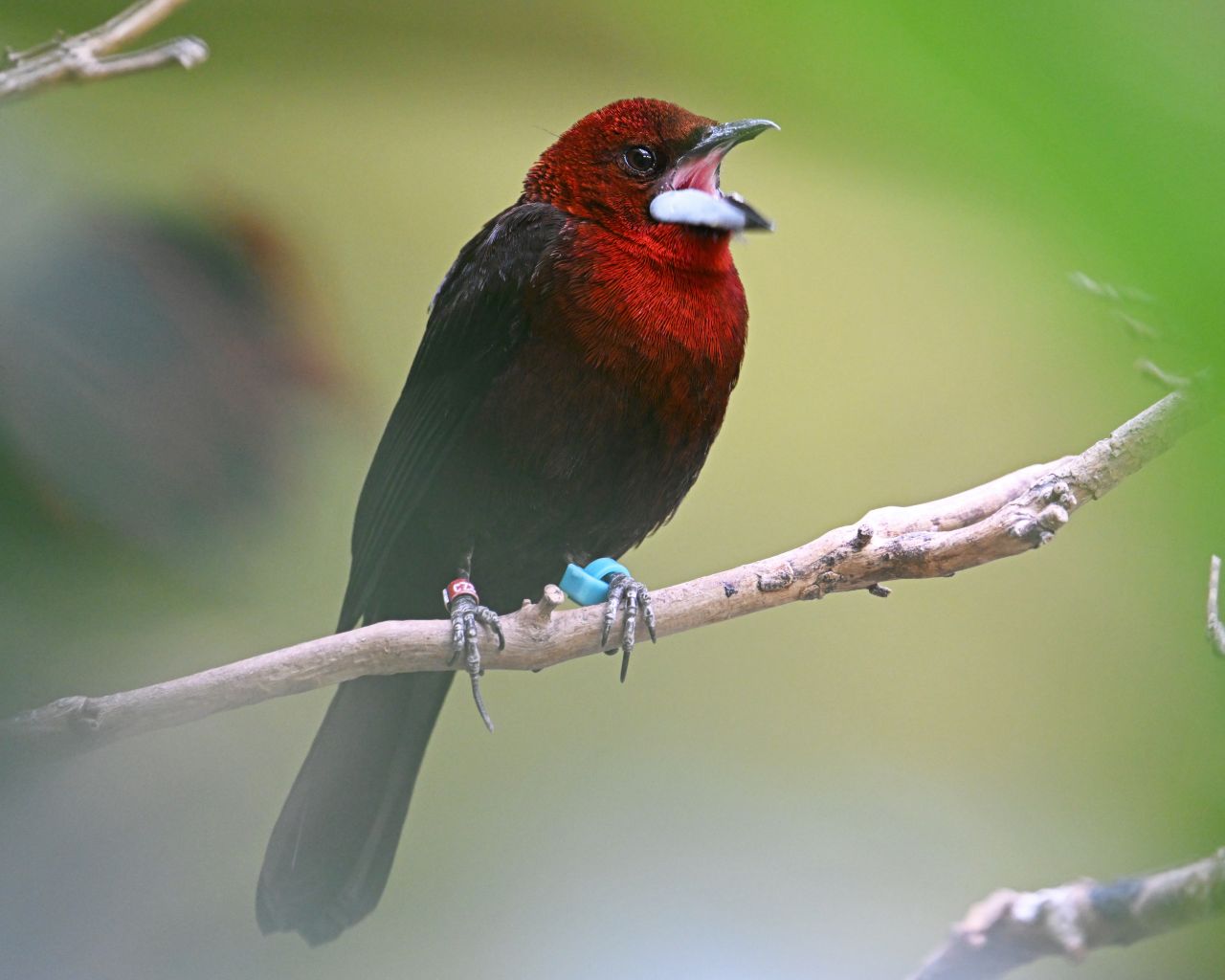
The Silver-beaked Tanager is a striking South American tanager of brushy forest borders, overgrown clearings, second growth, and shrubs around habitations and riverbanks. Often feeding in small groups, this tanager consumes about equal proportions of arthropods and fruit. Nesting birds are sometimes found close together, and it is occasionally a cooperative breeder with helpers attending…
Read More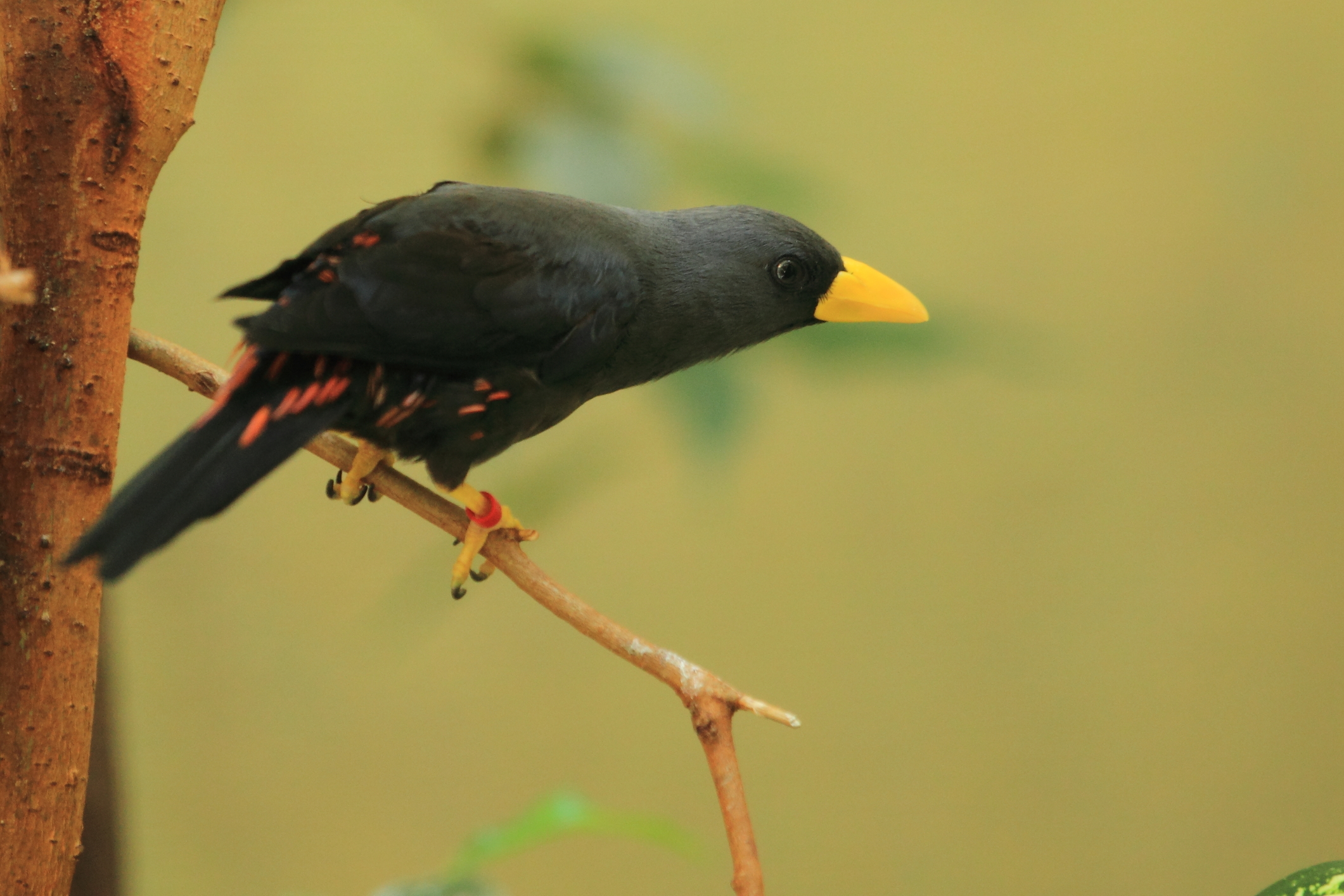
The Grosbeak Starling, also known as the Finch-billed Myna, is endemic to the island of Sulawesi, Indonesia where it inhabits forest edge and open woodlands. It is also very common in modified habitats such as plantations. The Grosbeak Starling often forages in large groups with other Grosbeak Starlings high in the canopy where it consumes…
Read More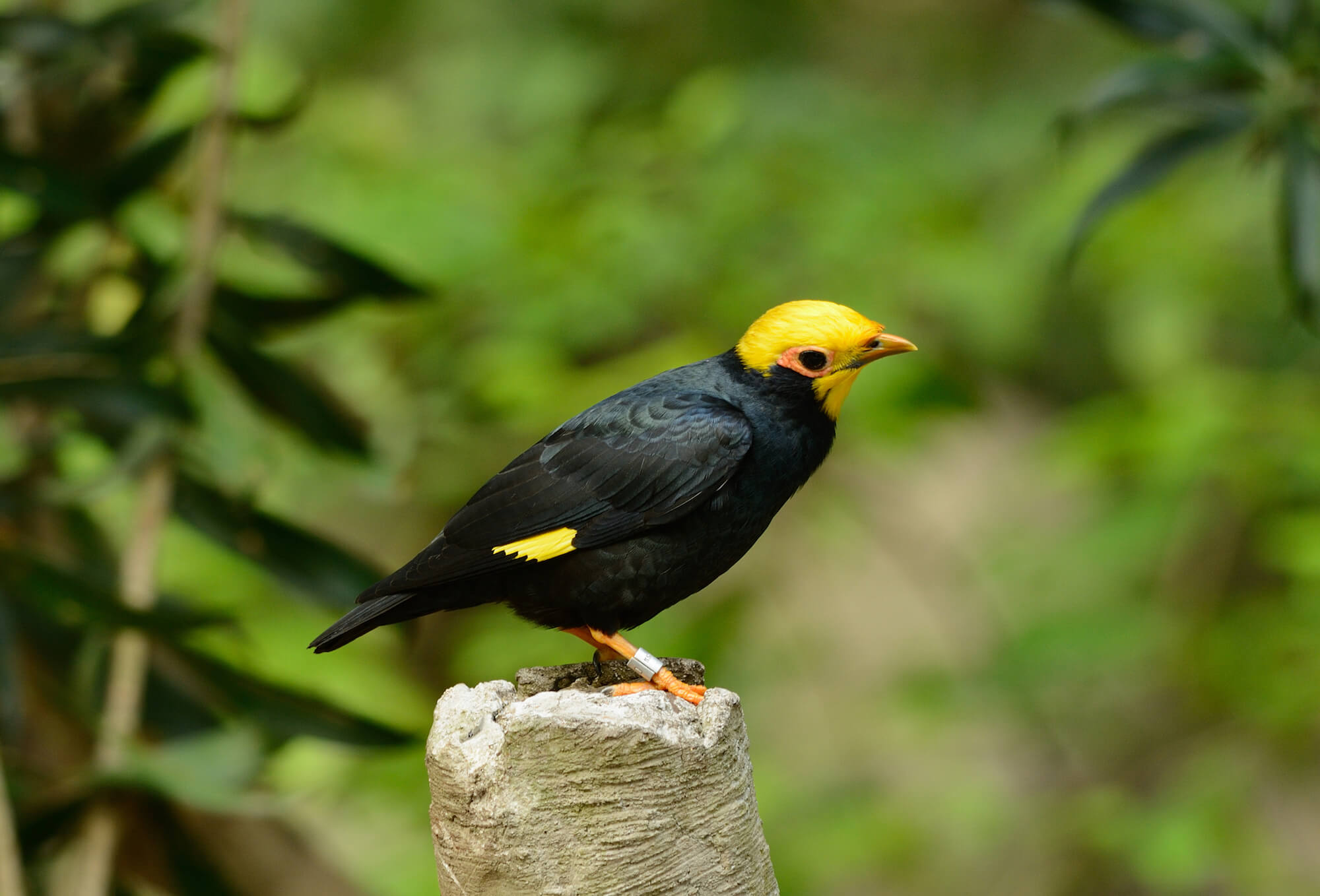
A native of lowland evergreen forest, deciduous and mixed woodland, open forest, and cleared areas with scattered tall trees of India and Indochina, the striking Golden-crested Myna forages for fruit and insects high in the canopy. A cavity nester, this species most frequently utilizes natural holes in trees. Although Golden-crested Mynas are often captured for…
Read More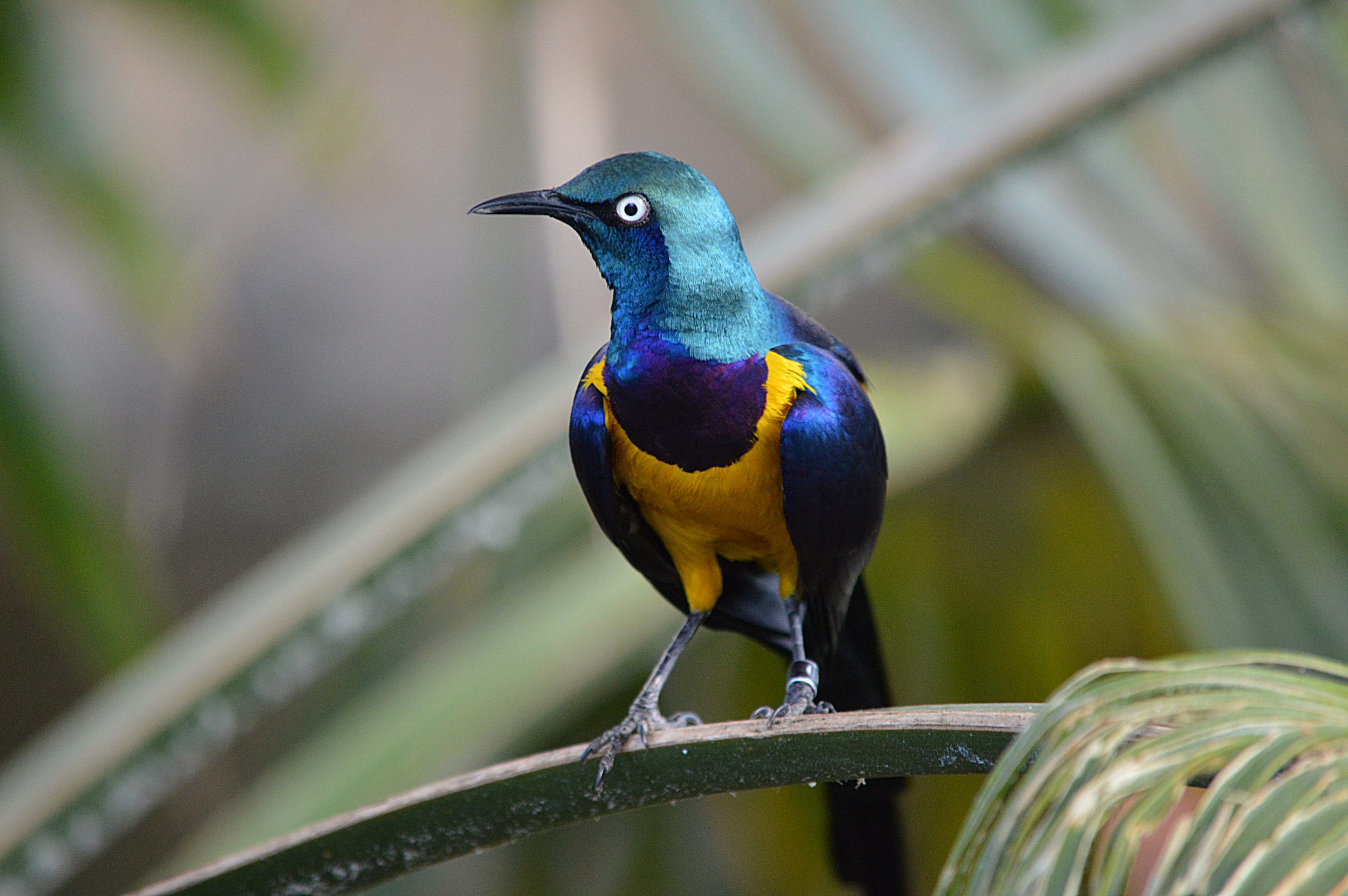
The Golden-breasted Starling is a beautifully colored bird, unmistakable and hard to miss! It inhabits the dry bush and savanna of the arid and semi-arid regions of northeastern Africa. This starling forages mainly on the ground for a variety of insects and some fruits, but termites are a favorite food. This species is a cooperative…
Read More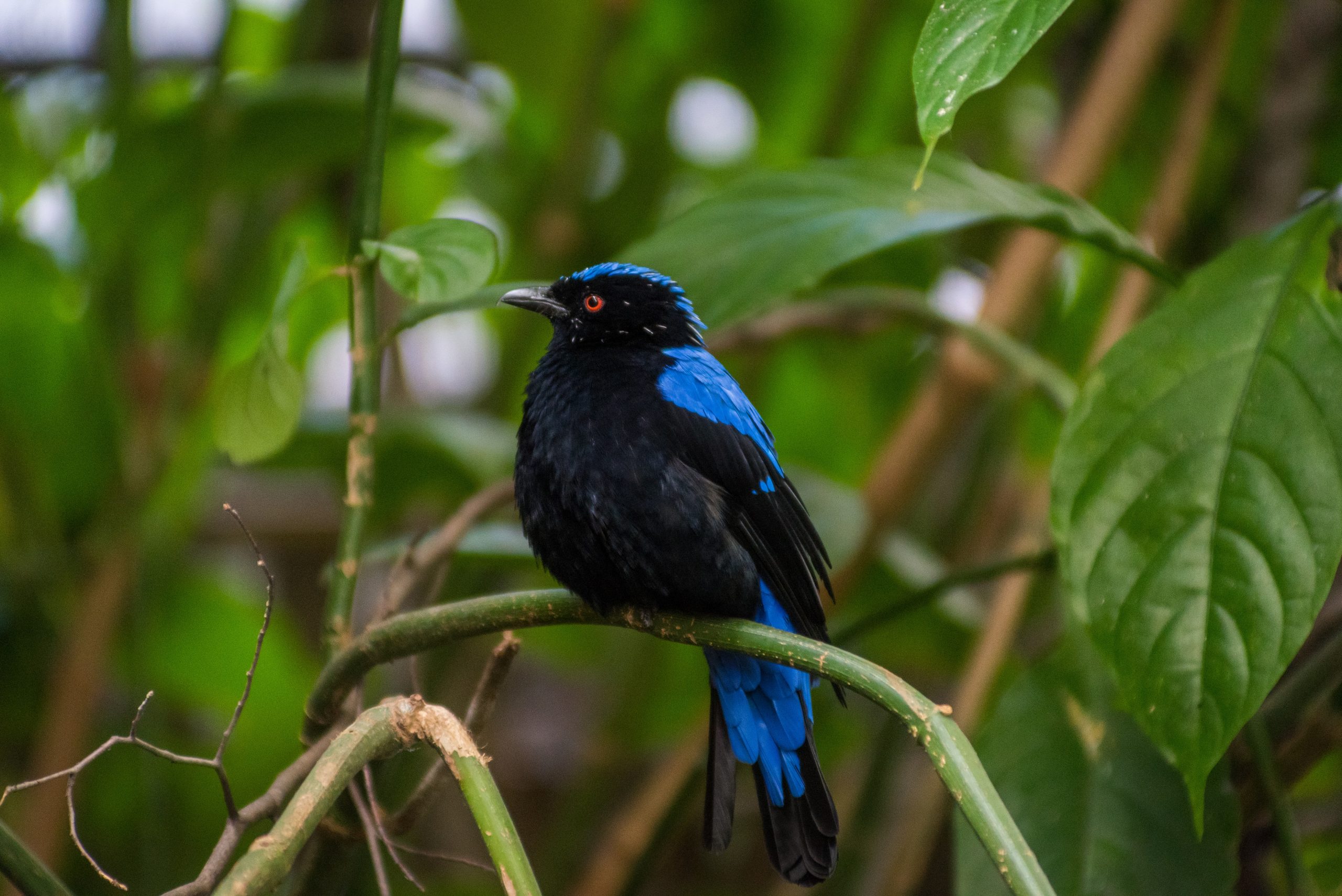
The Asian Fairy-bluebird lives up to its name: this bird’s plumage is a deep, brilliant blue. Males have glossy black feathers on the wings, chest, and tail, and the eyes of both sexes are bright red. Found in tropical forests throughout Southeast Asia, the Asian Fairy-bluebird mainly eats fruit, which it takes while perched or…
Read More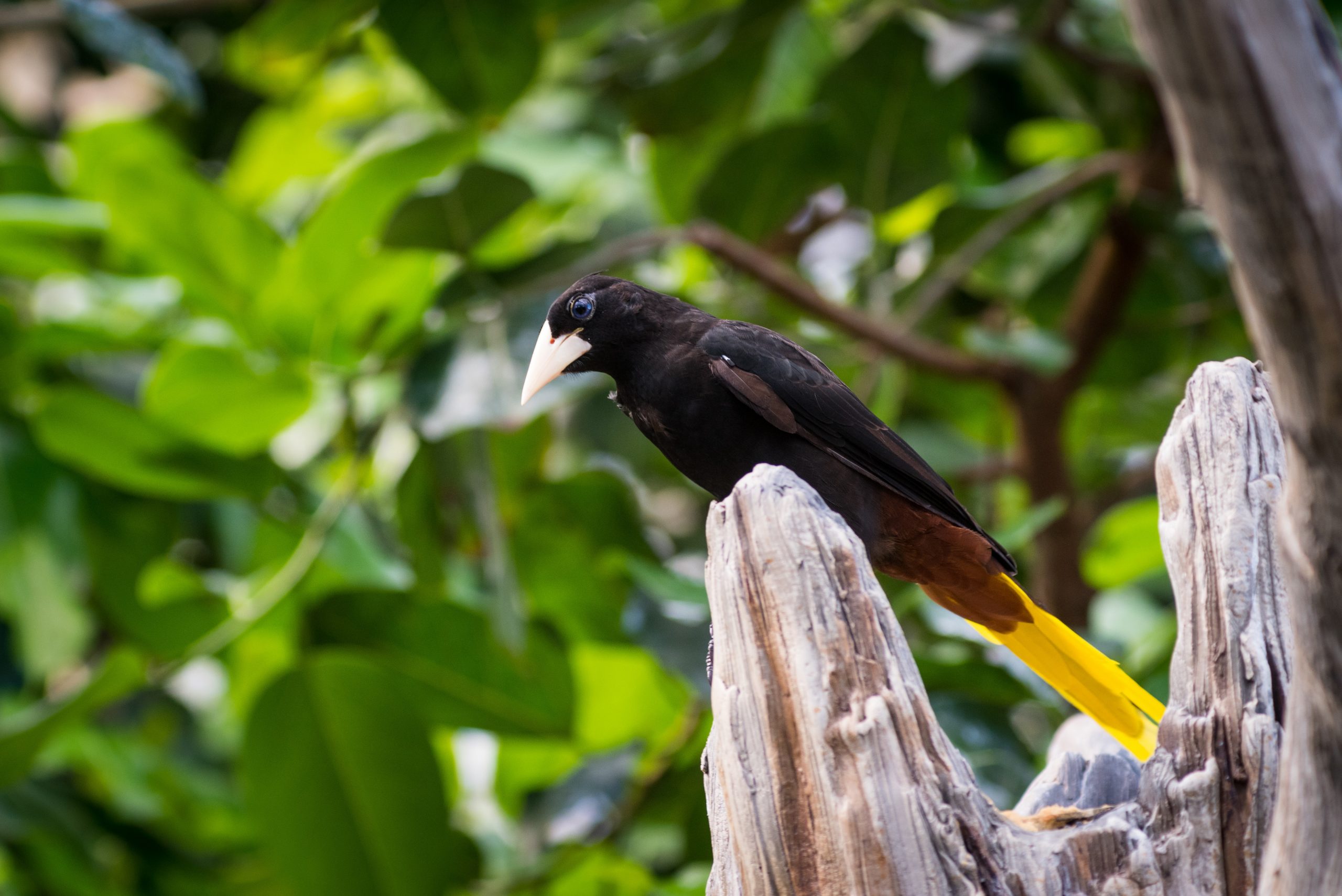
The Crested Oropendola inhabits forest edges and clearings in lowland South America east of the Andes Mountains. This species forages mostly in the upper stratum of trees on fruits, insects, and spiders, as well as small vertebrates such as tree frogs. The Crested Oropendola will also take cultivated fruits such as oranges, papayas, and mangos….
Read More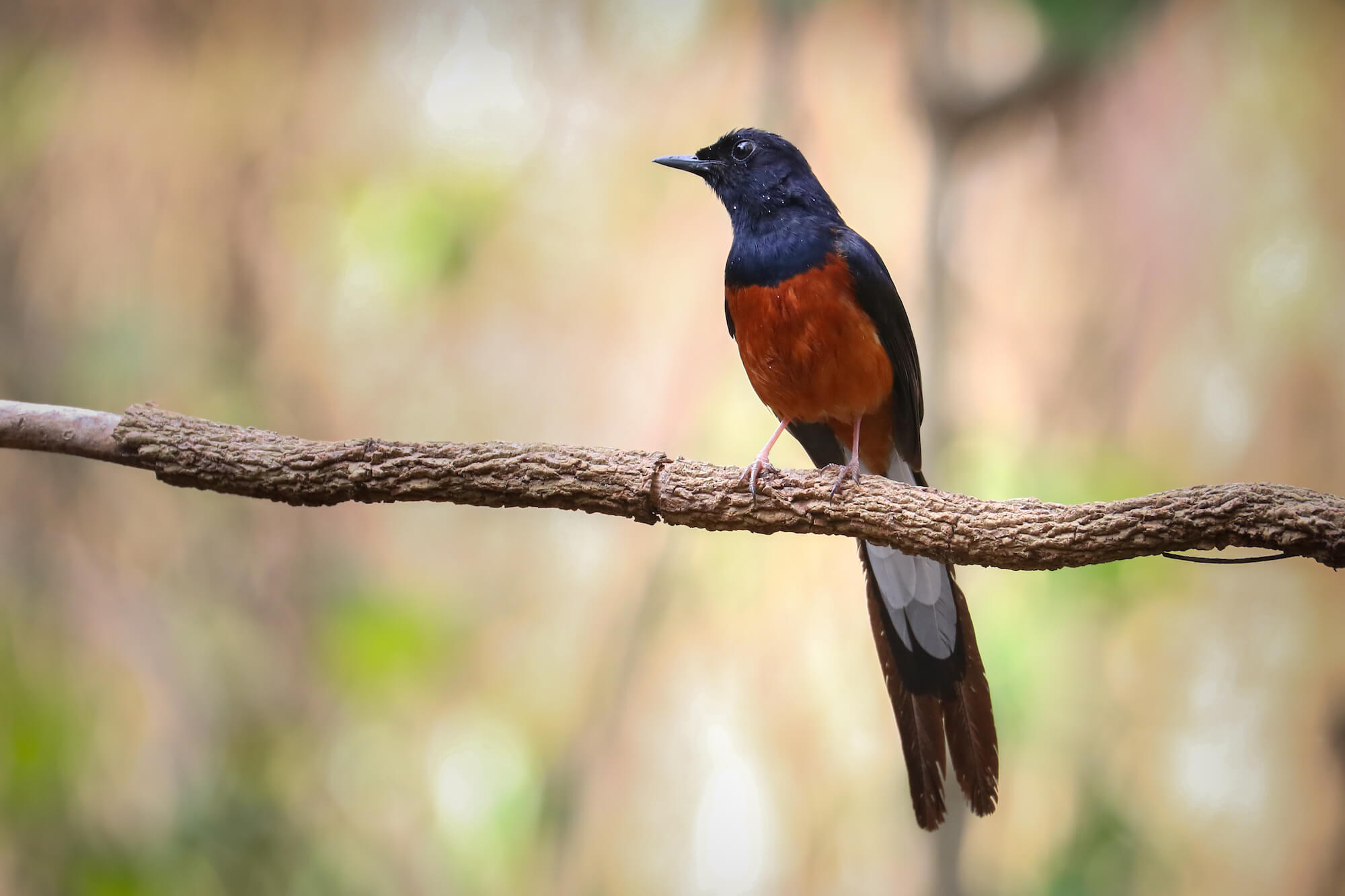
The White-rumped Shama, also called the Common Shamma Thrush, is native to southeast Asia, India, and some Indonesian islands. This species prefers dense greenery and uses its long tail to change directions easily as it flits about in dense thickets. It has a melodious and complex song and was once thought to be a member…
Read More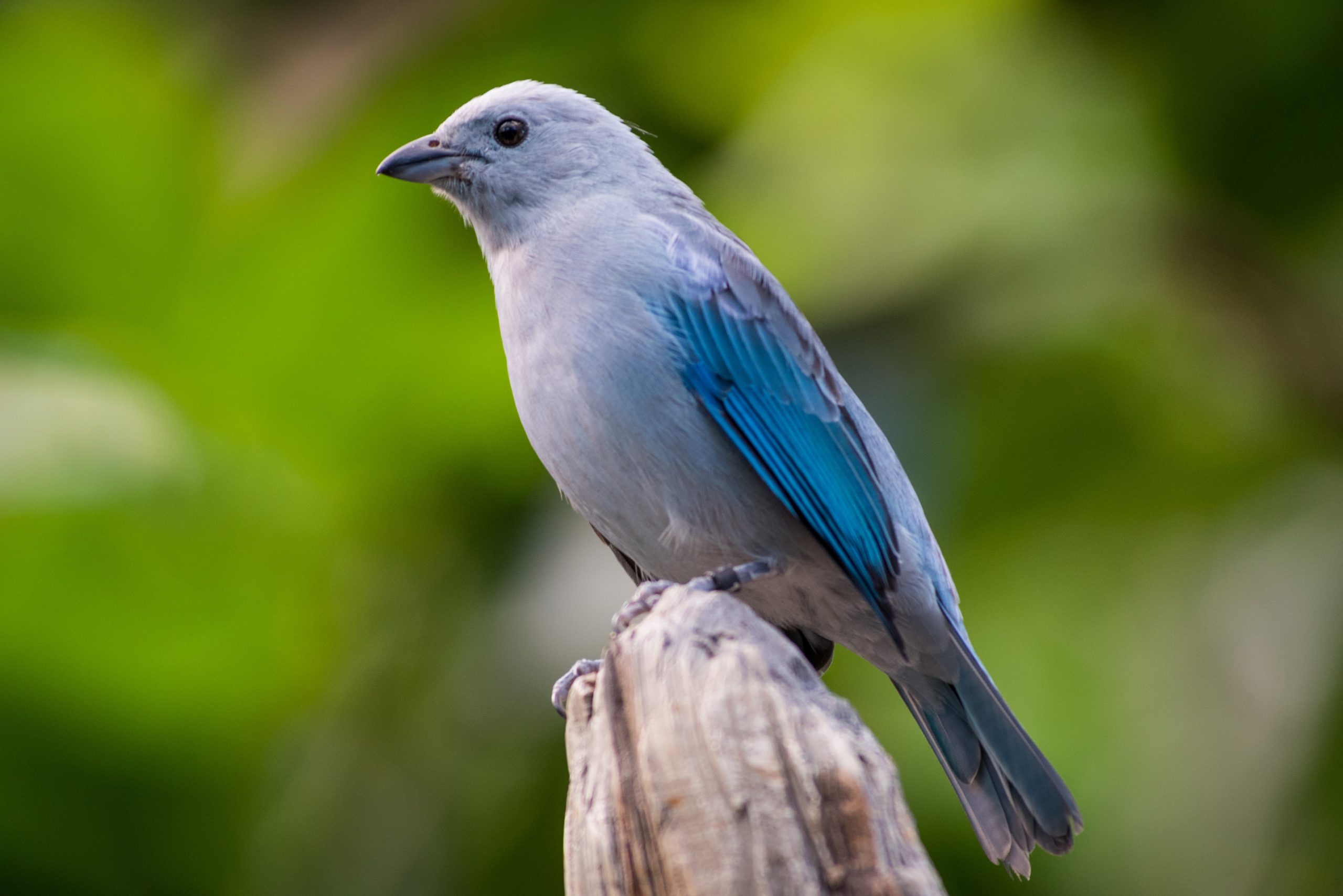
One of the most familiar tanagers of the Neotropics, the Blue-gray Tanager ranges from Mexico south through Central and South America. This species uses a wide variety of non-forest and human-altered habitats, including cacao and coffee plantations, city parks and gardens, and second growth forest and forest edges. Typically seen in pairs, this tanager may…
Read More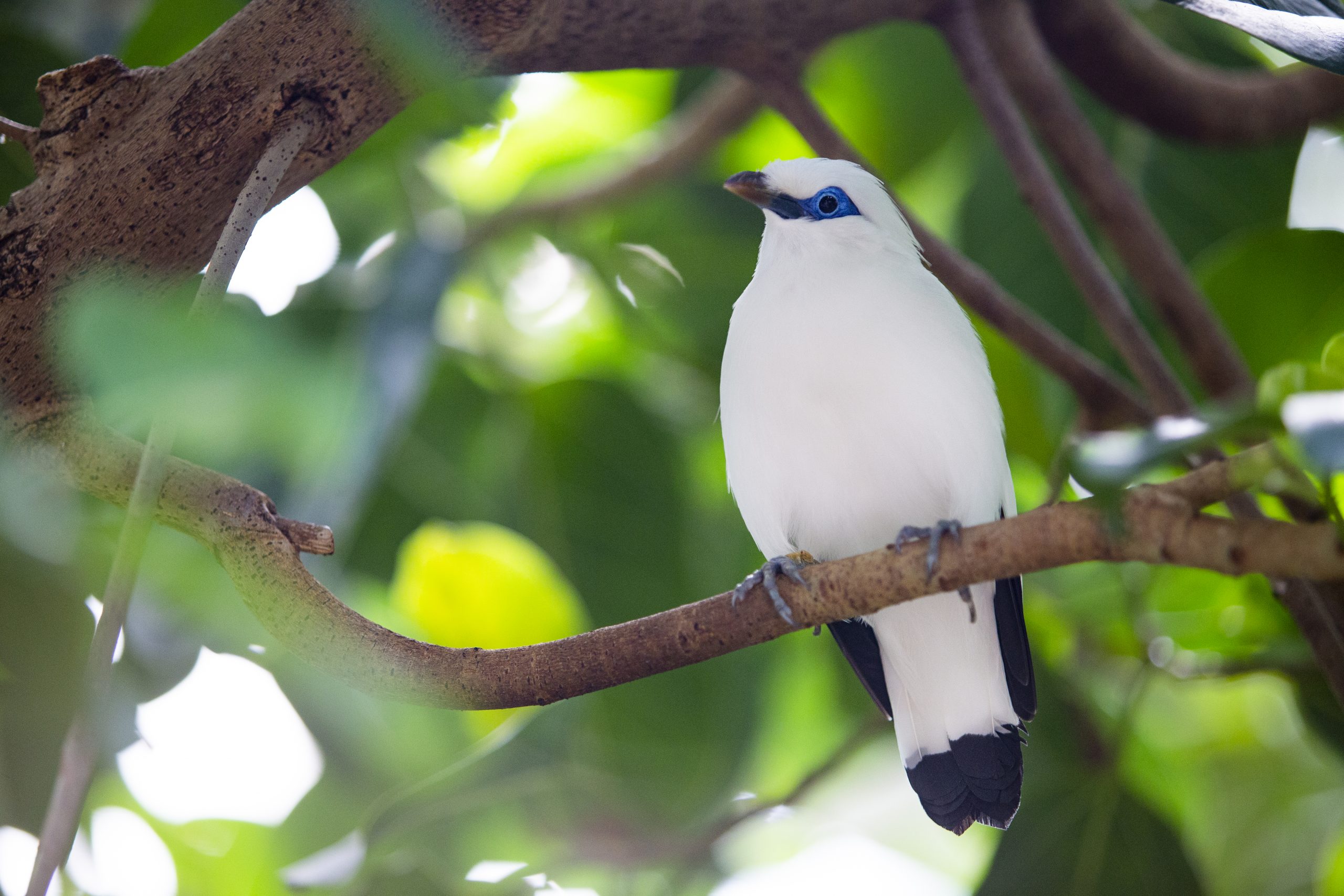
The Bali Myna is a Critically Endangered endemic resident of Bali and surrounding small islands, where fewer than 100 individuals remain. Habitat destruction and capture for the illegal wildlife trade have significantly impacted this species. Community-based conservation efforts are underway to help save this species, as is a robust breeding program in zoos through the…
Read More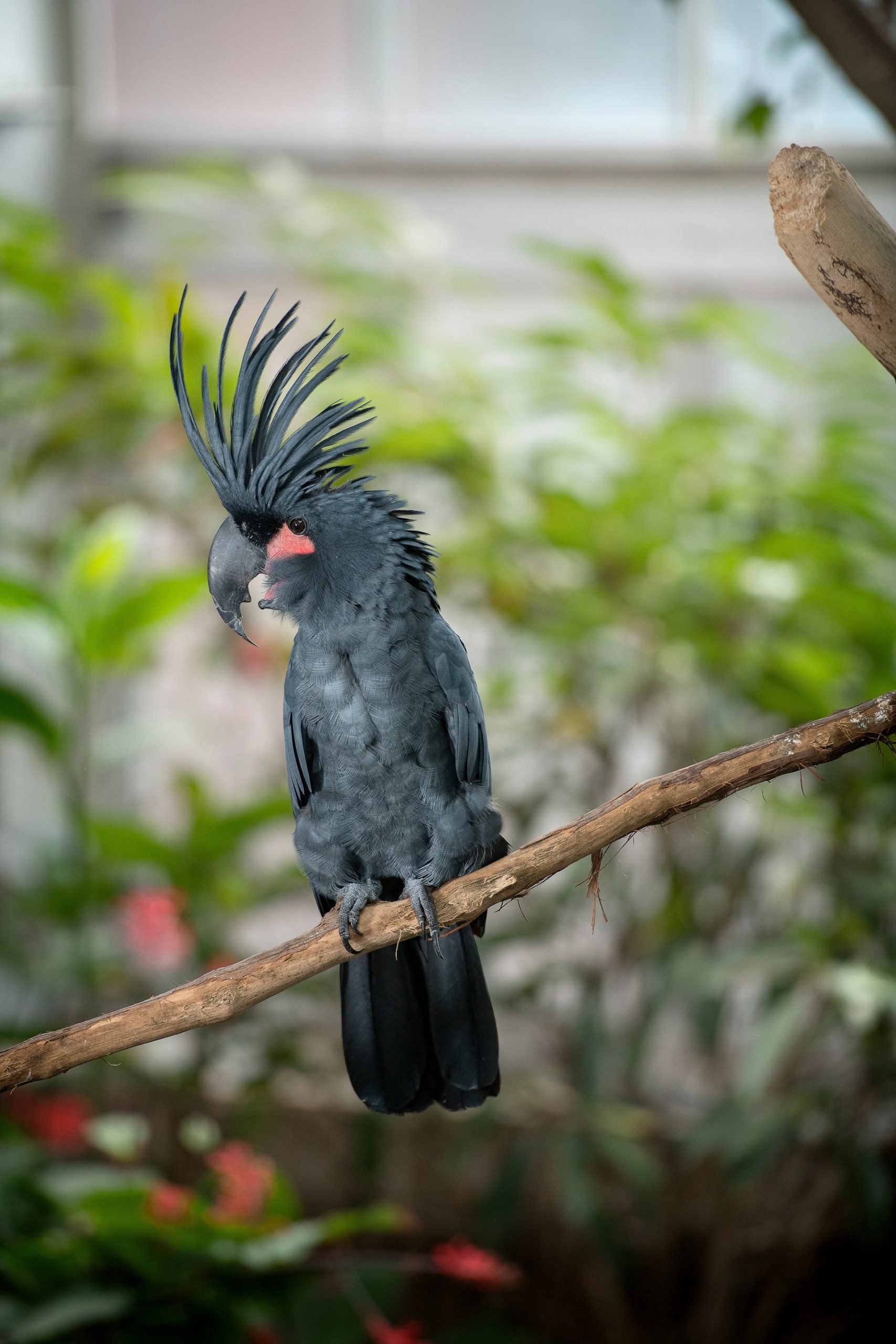
The Palm Cockatoo has the largest bill of any parrot (except for the Hyacinth Macaw), and it uses its powerful bill to eat very hard seeds and nuts that other species can’t access, like palm nuts. They are also among the loudest of all parrots, and communicate by whistling contact calls, stomping noisily on their…
Read More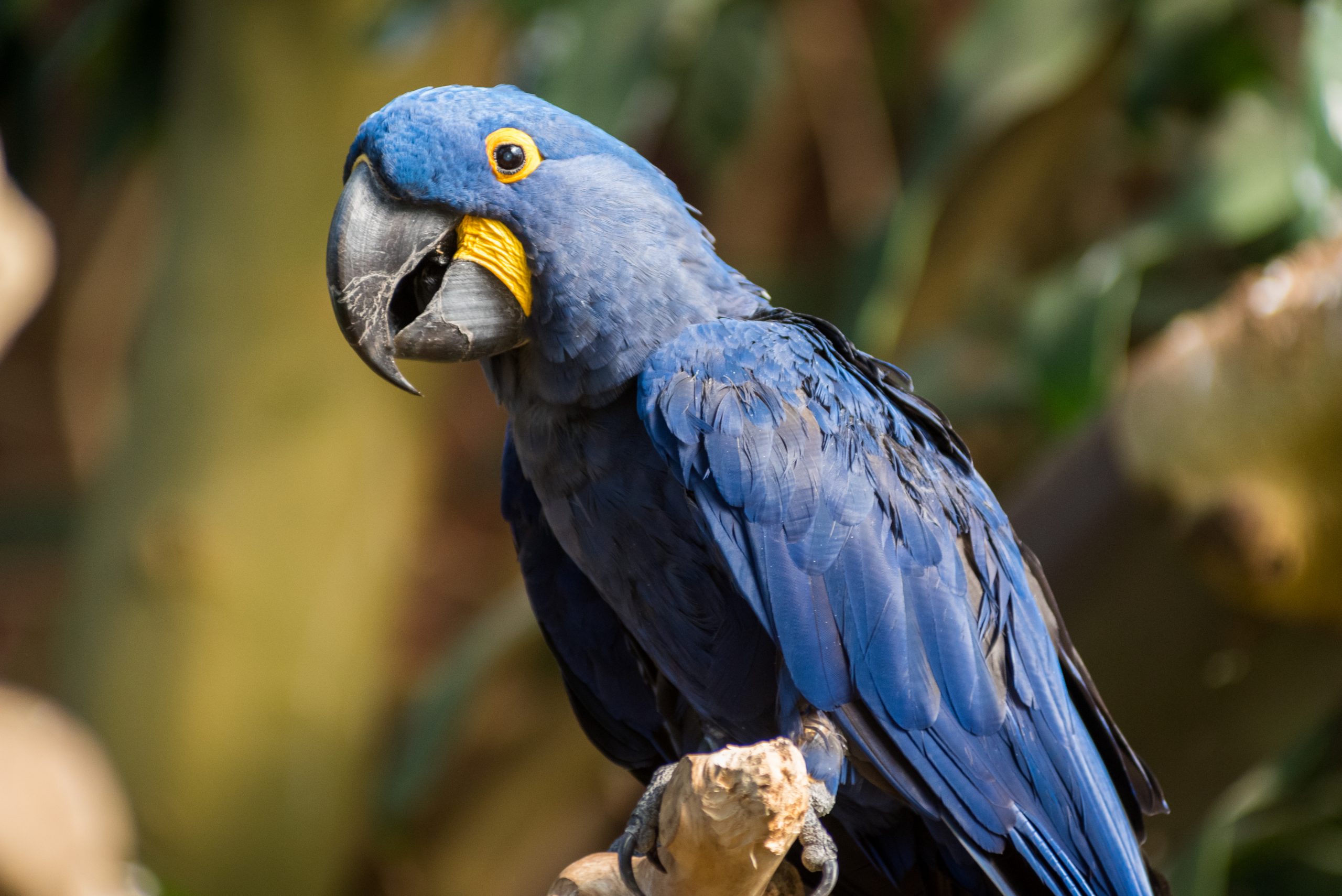
The Hyacinth Macaw is a beautiful inhabitant of várzea, savanna, palm-savannas, and similar habitats adjacent to tropical forests in central and eastern South America. These intelligent and social birds are sometimes known as “gentle giants” for their gentle personalities and their large size. They are the largest macaw species, with strong beaks to match: some…
Read More Previous Posts