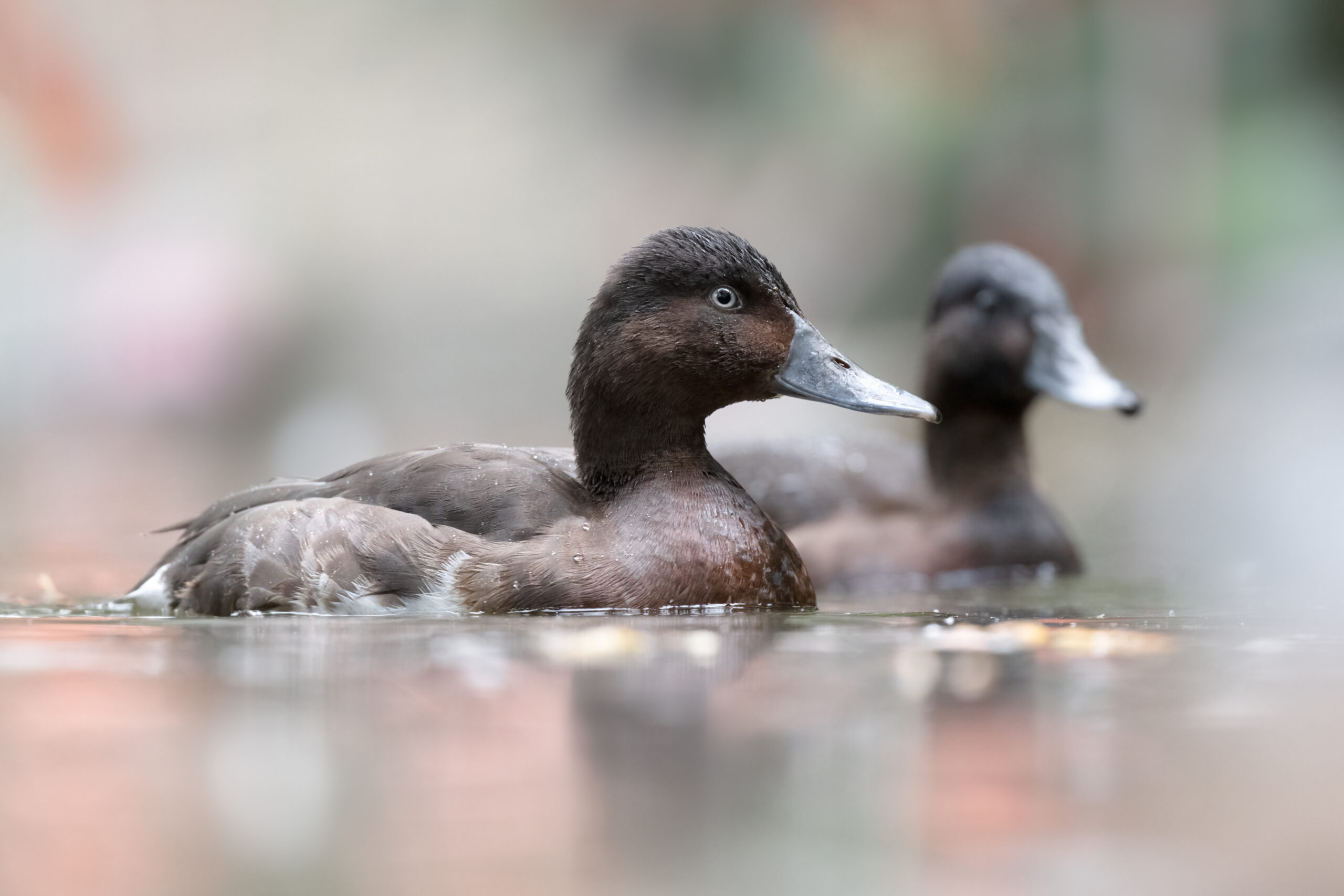
Baer’s Pochards have sleek dark gray and sometimes black head with hues of brown, red, and white on their sides. They have a distinctive white band on their wings which can only be seen when they have their wings open. It’s estimated that this species can reach depths of more than six feet under the…
Read More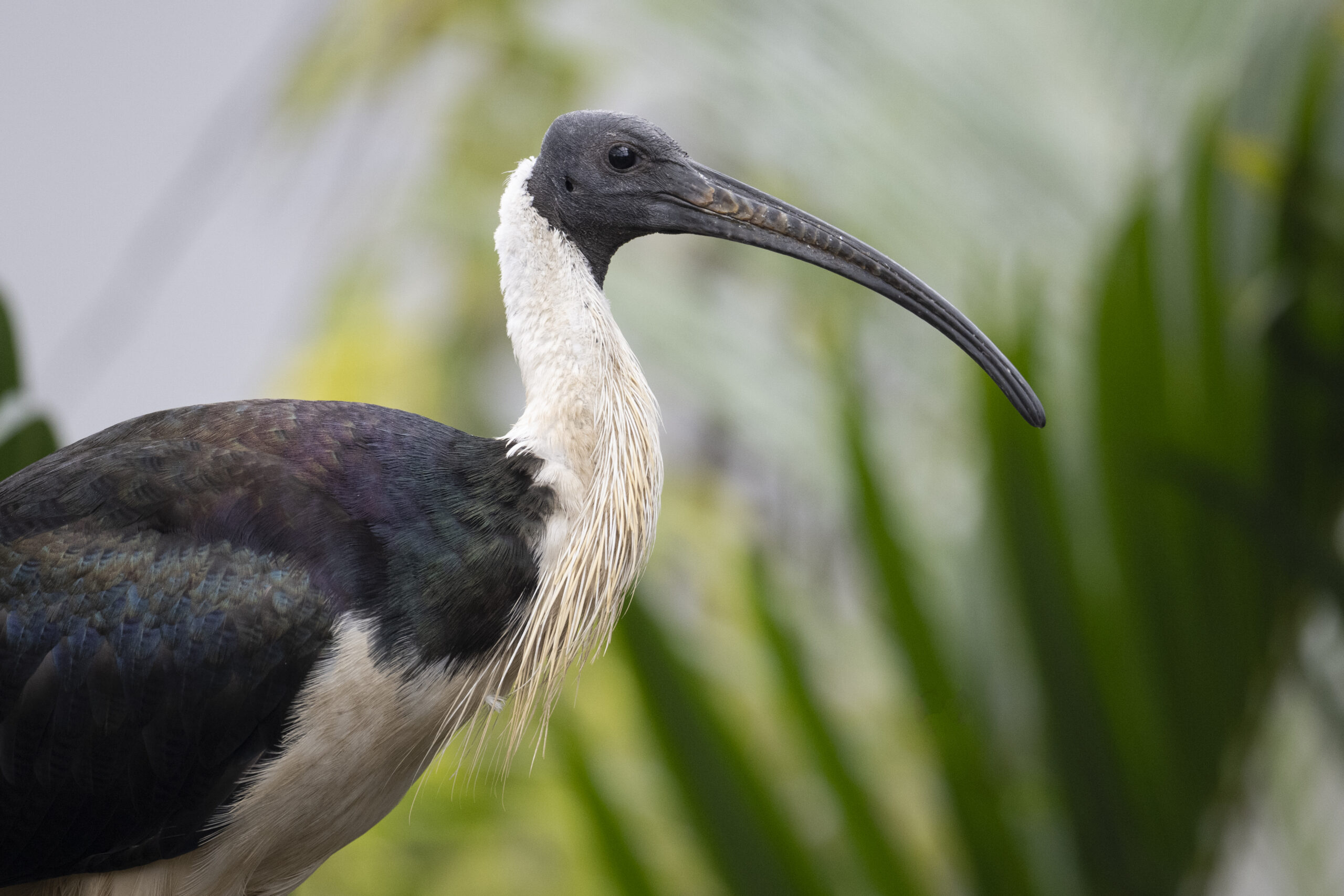
The Straw-Necked Ibis is a unique bird species that is known for its distinct features and vocalizations. With its iridescent wings and backs, and straw-like plumage on their necks, these birds are a sight to behold. Interestingly, males have longer bills while females have a dark band across their chest. The Straw-Necked Ibis also has…
Read More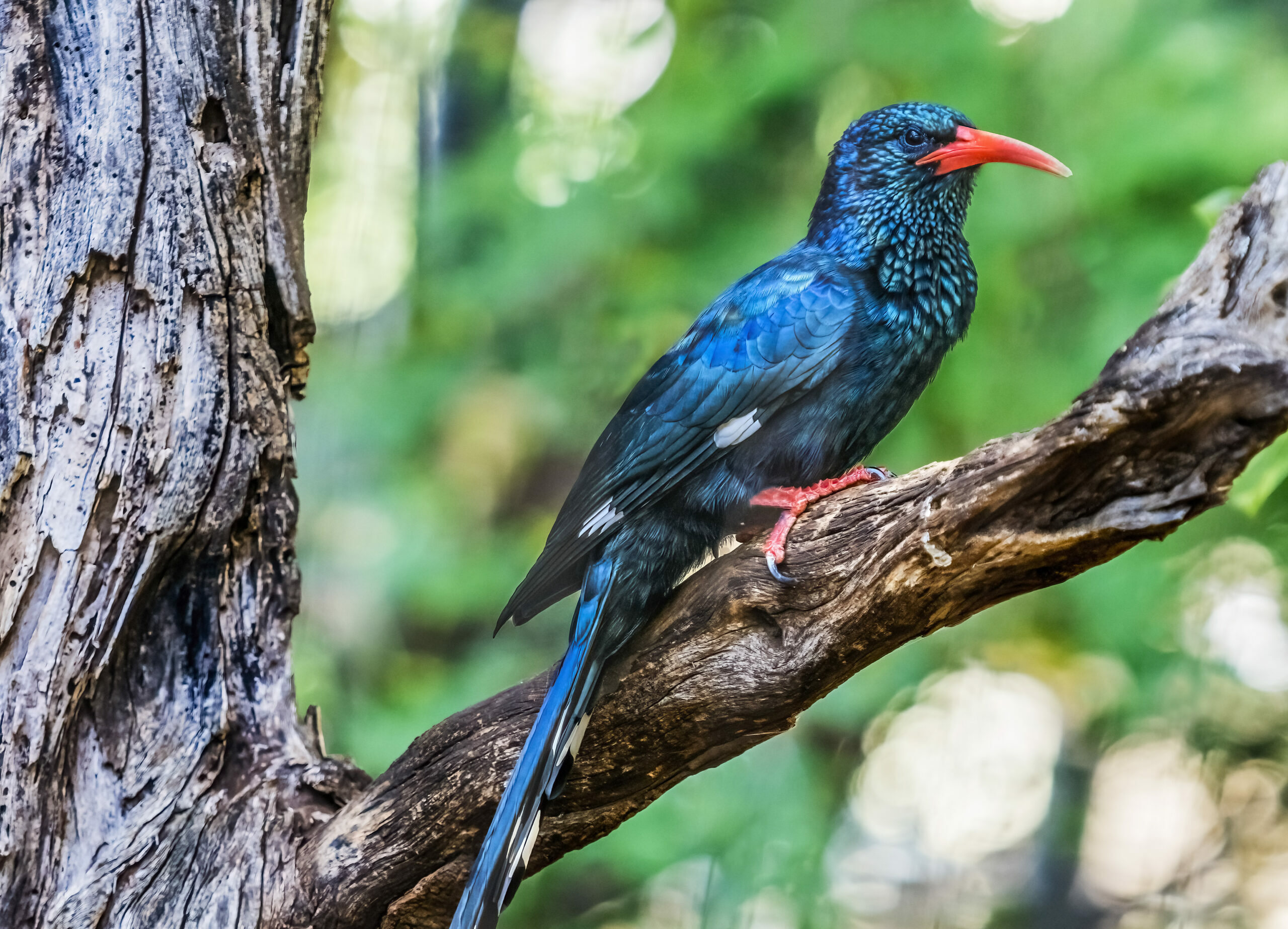
Green Woodhoopoes are very social and extremely curious about their environment – known to probe their long, curved, bright red bill into cracks and crevices in search of insects. They use their bill to pry apart bark and buds, gaining access to the food within. Woodhoopoes all have striking iridescent green, blue, and purple plumage,…
Read More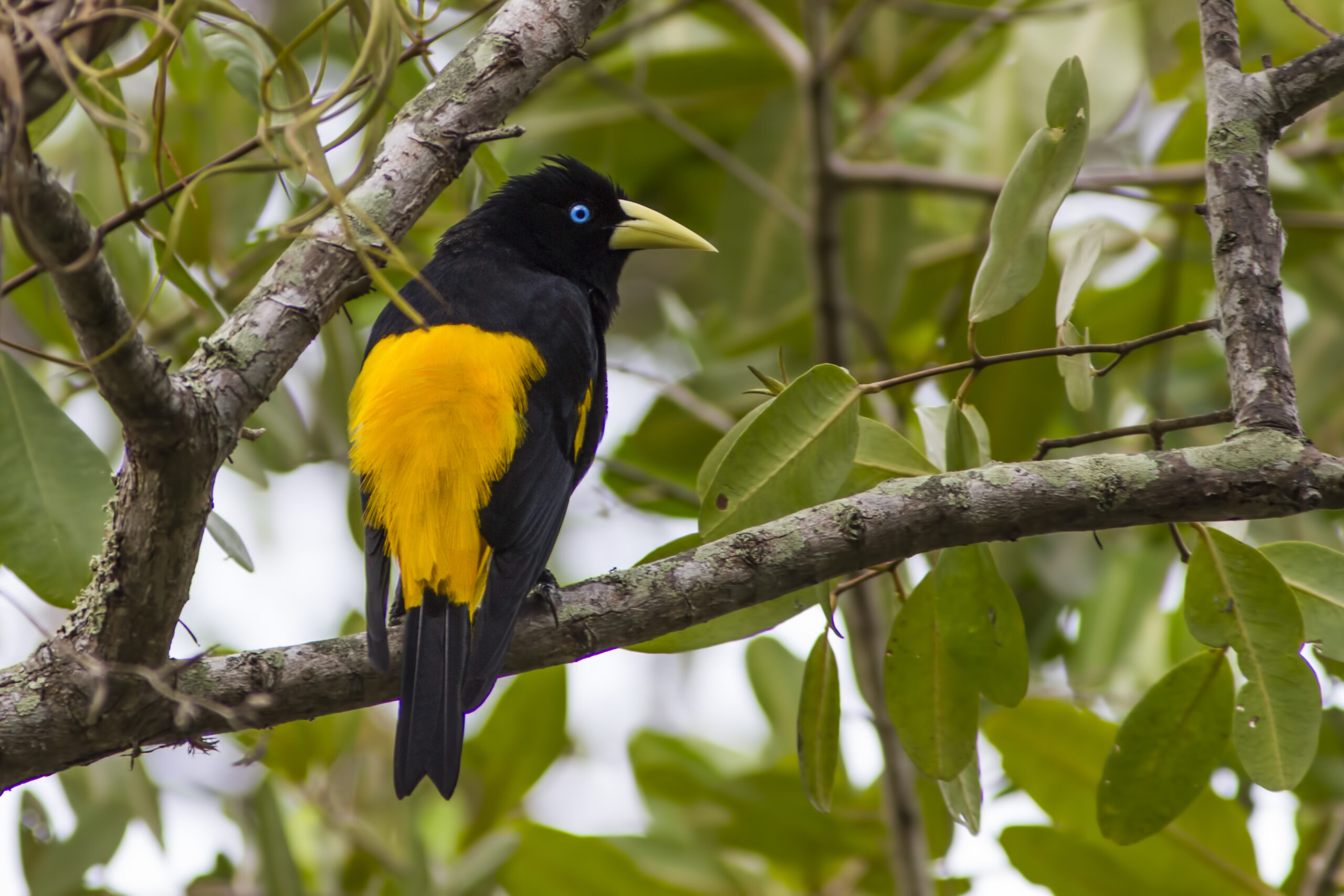
Yellow-rumped Caciques are named after the bright yellow plumage on their rump, which is brighter in males than females.
Read More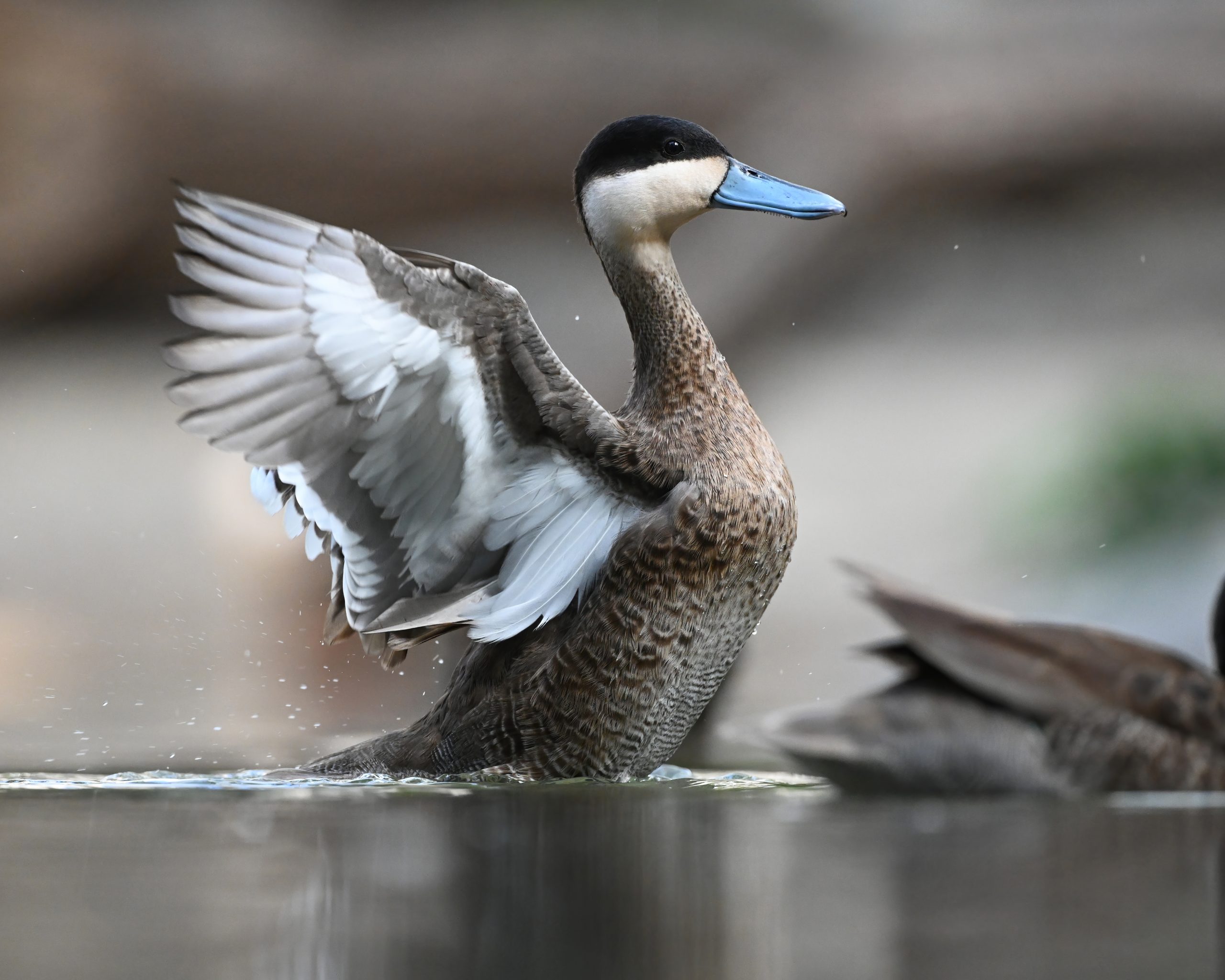
Puna Teal are dabbling ducks that feed by tipping up and reaching down into shallow water and are commonly found on bogs, lakes, and wetlands in the high Andes Mountains. Male and female Puna Teal look alike and sport a blue bill and a crisp, black cap, though males tend to be slightly brighter.
Read More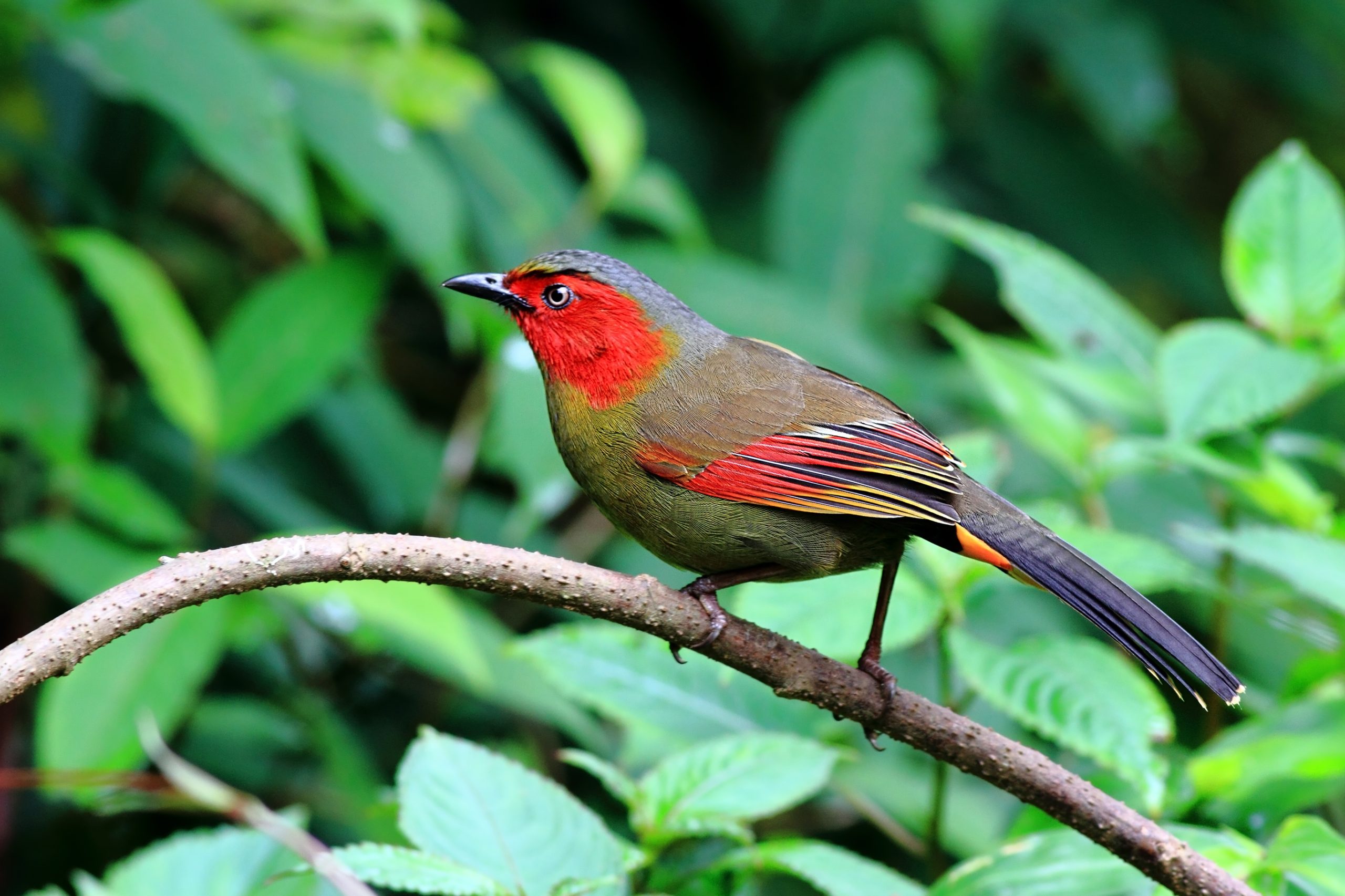
The striking Scarlet-faced Liocichla is found in the dense, hilly forests in Myanmar, Thailand, Vietnam, and China. These birds are typically furtive, spending much of their time foraging in the forest undergrowth. Scarlet-faced Liocichlas are known for being very vocal and musical like other members of the bird family that contains laughinghthrushes and babblers. As…
Read More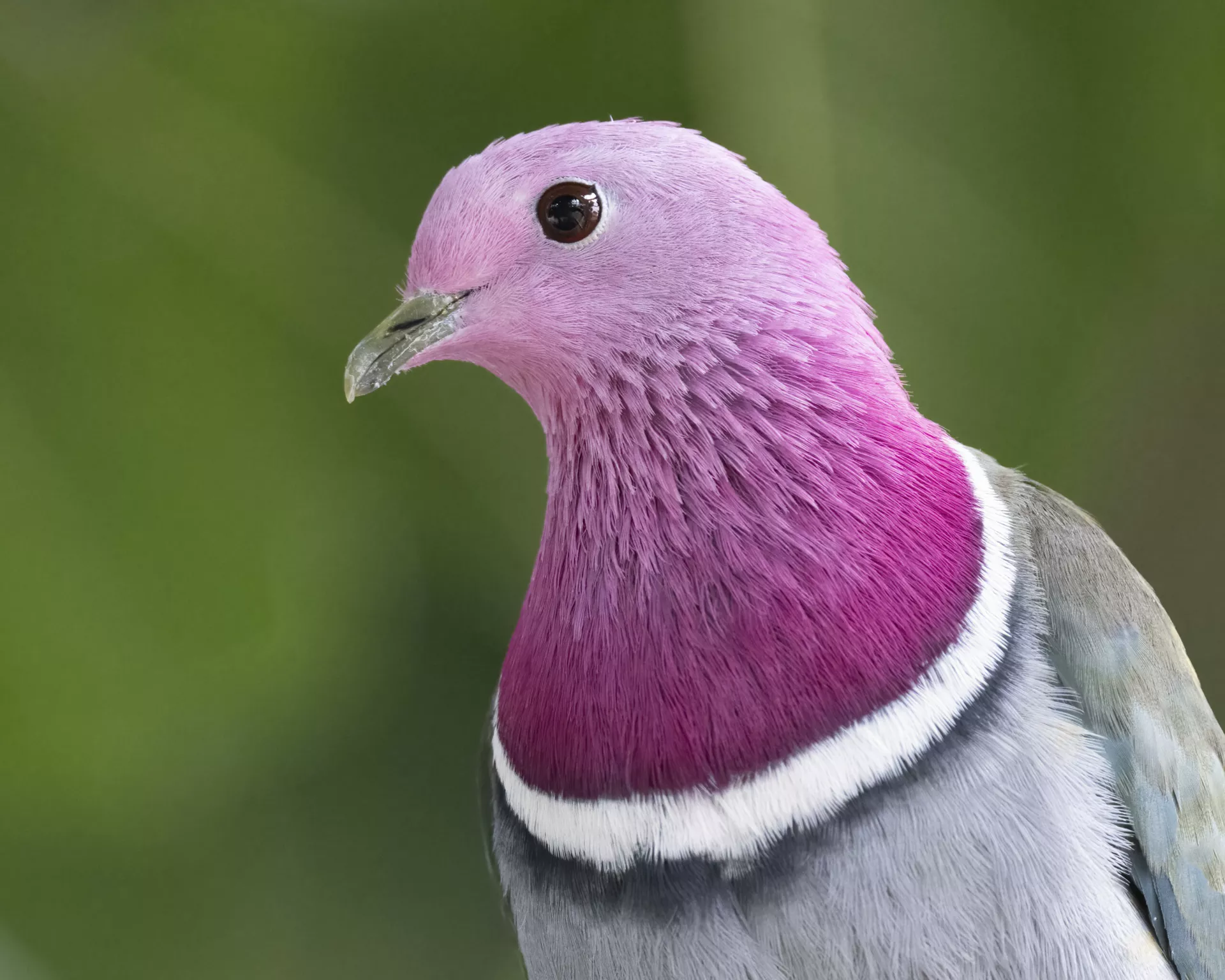
The Pink-headed Fruit-Dove is a stunning resident of the montane forests in high mountains throughout Indonesia. They feed on figs and small berries, staying high up in the forest canopy. This species lays a single egg, which the male incubates during the day and the female at night. While the Pink-headed Fruit-Dove is considered a…
Read More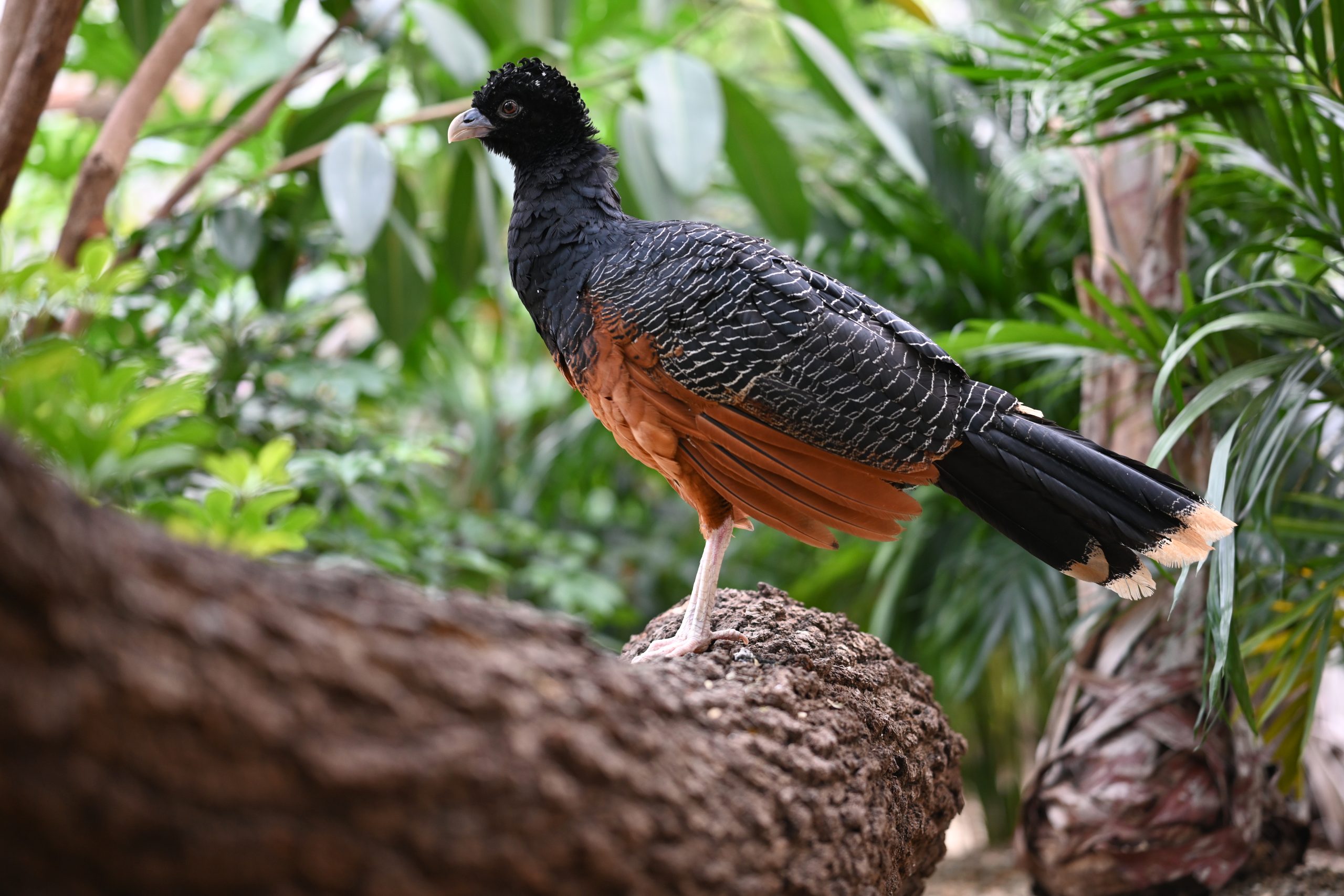
Blue-billed Curassows are large, turkey-like birds found in small, fragmented lowland habitats in Colombia. Males and females both have a fleshy blue wattle that hangs below the bill, but only the male grows a cere, or a knob, on the bill. They are primarily found on the forest floor, where they find worms, insects, fruits,…
Read More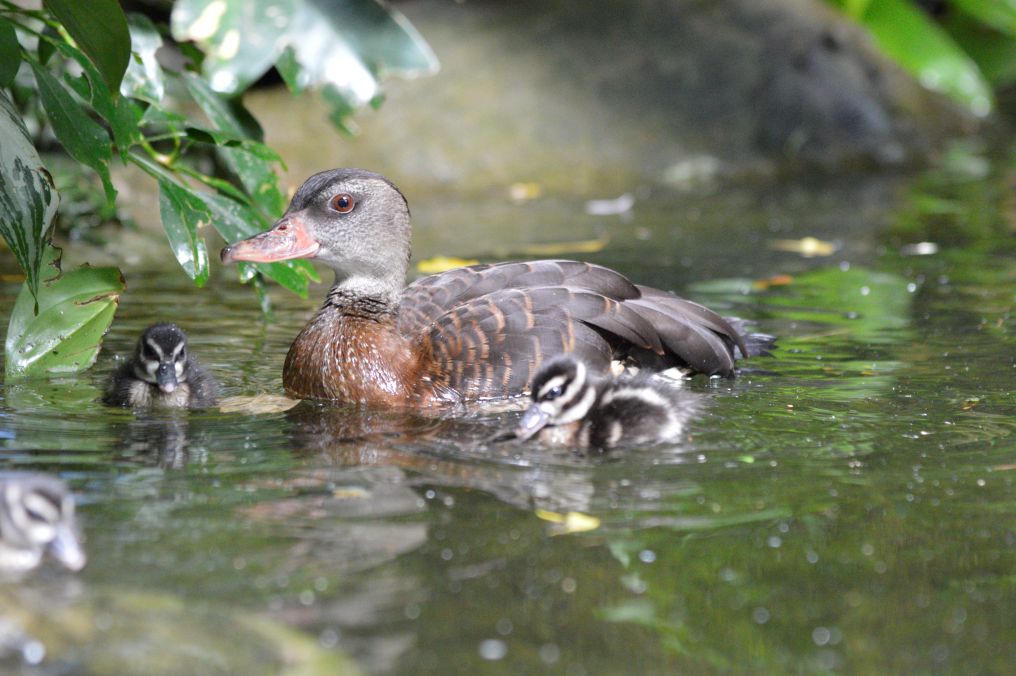
The Spotted Whistling-Duck is a distinctive duck species found in Southeast Asia. Also known as the tree duck, it has long legs and a long neck compared to other ducks, and is very comfortable perching high up in trees. They favor low-lying wetlands, where they both dabble and dive for food, which includes seeds and…
Read More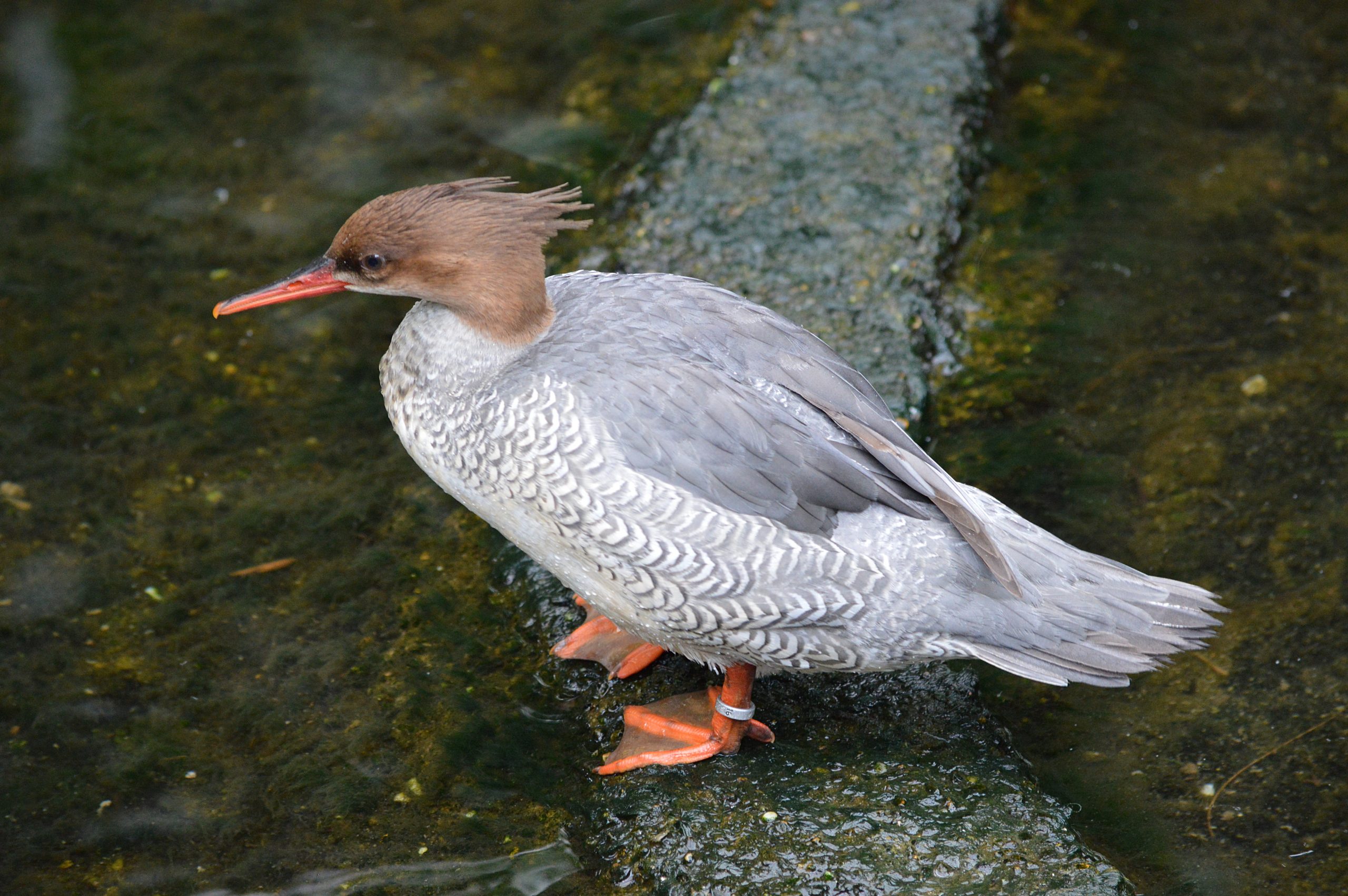
The Scaly-sided Merganser is a diving duck that breeds in Siberia, northern China, and Korea, and winters in southern China and in Russia. This species makes its home along clear, fast-flowing mountain rivers and forested streams in the taiga, a swampy coniferous forest between the tundra and the steppes. Scaly-sided Merganser females sometimes end up…
Read More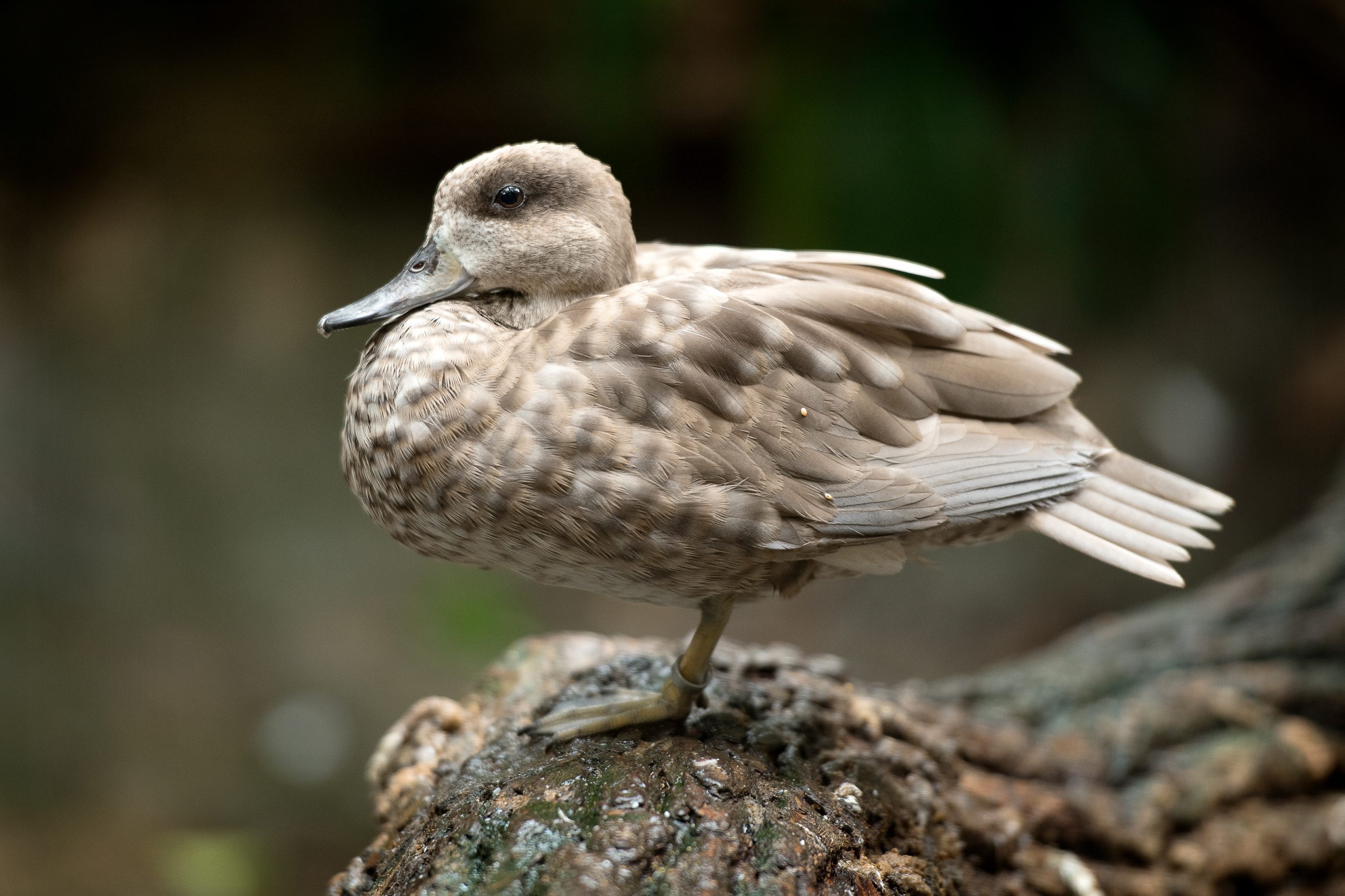
The Marbled Teal is a duck of the Mediterranean region, particularly fond of shallow brackish and freshwater pools with abundant emergent vegetation. This is an omnivorous dabbling duck, eating seeds, roots, tubers, and green parts of aquatic plants, as well as aquatic invertebrates like midge larvae. The Marbled Teal is threatened by over-hunting, and by…
Read More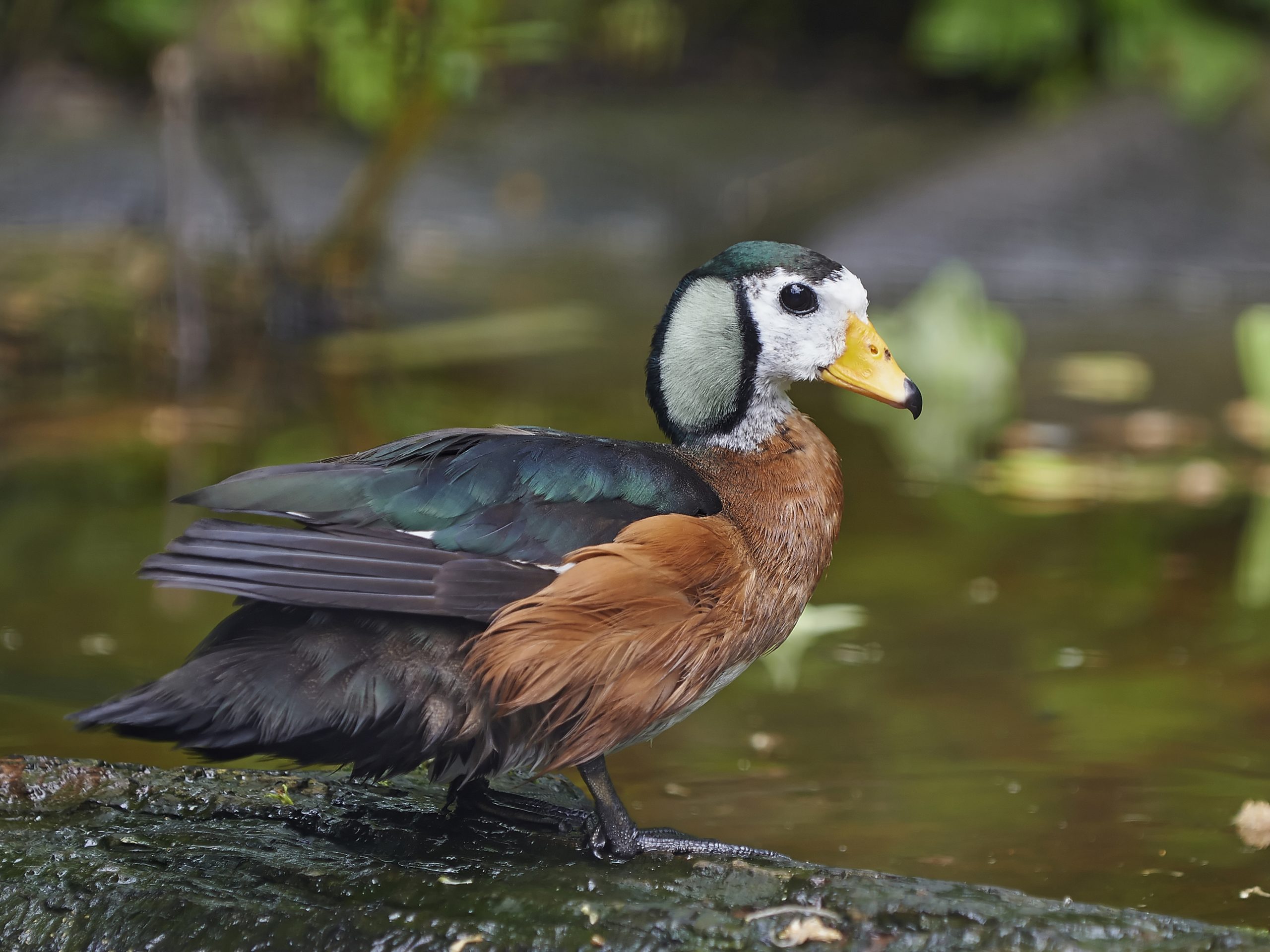
Weighing just over half a pound, the African Pygmy-Goose is the smallest species of waterfowl in the world! This goose inhabits swamps, marshes, shallow freshwater lakes, and slow-flowing rivers in Africa which have abundant aquatic vegetation. Here it feeds primarily on seeds, leaves, and flowers of various aquatic plants, and nests in a variety of…
Read More