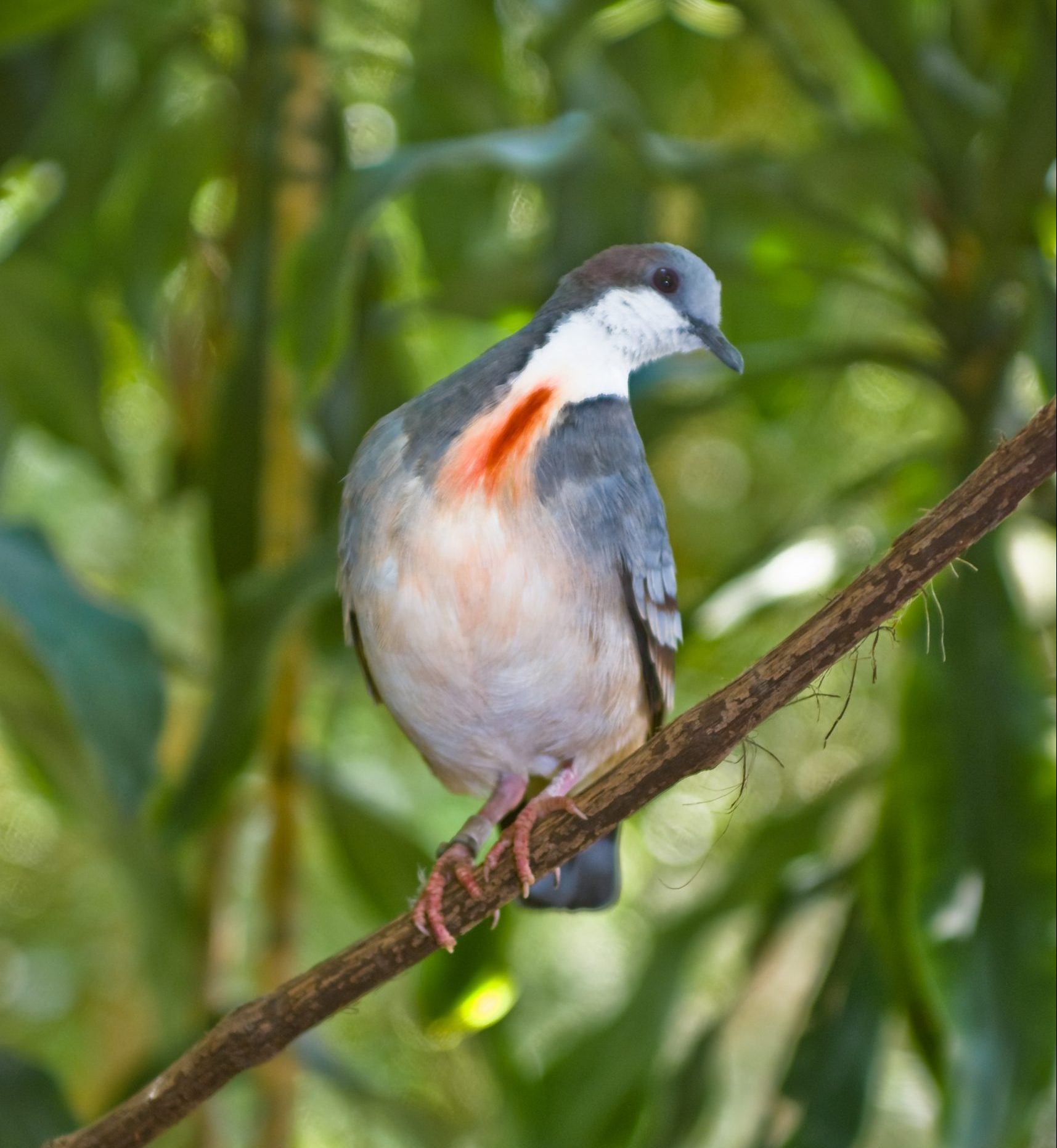
The beautiful Luzon Bleeding-heart gets its name for the scarlet markings on its chest. Found throughout primary and secondary forests in the Philippines, the Luzon Bleeding-heart feeds on seeds, berries, and insects along the forest floor. Their call is a mournful coo. The species is generally considered rare or scarce, and is considered to be…
Read More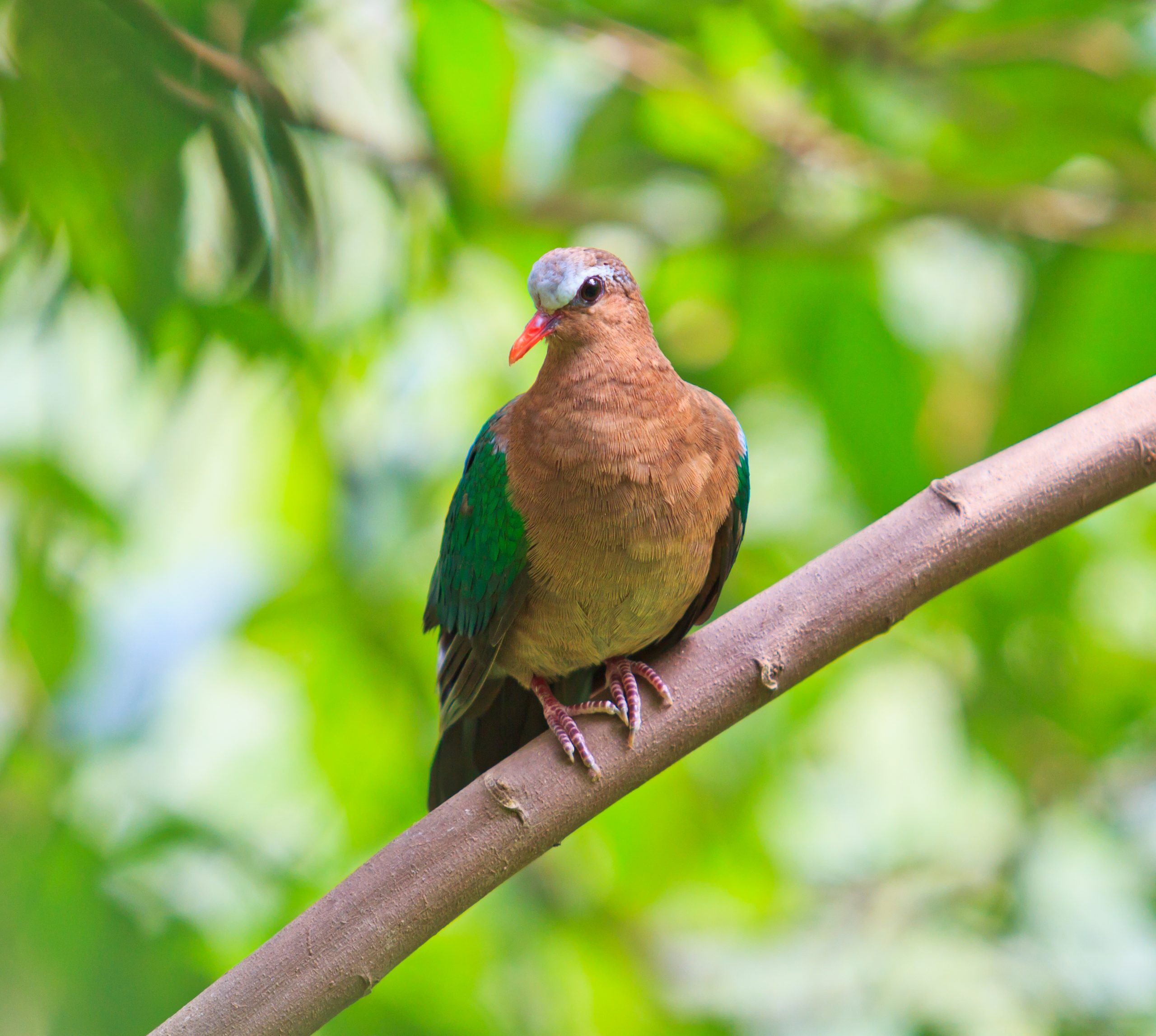
The Grey-capped Emerald Dove, also called the Asian Emerald Dove or the Green-winged Dove, is found in a wide range of forest types, including rainforests, mangroves, and bamboo forests, throughout Southeast Asia. This “pretty pigeon” has very bold, irridescent green wings. Males have a distinctive grey crown and shimmery wings, while females are duller. They…
Read More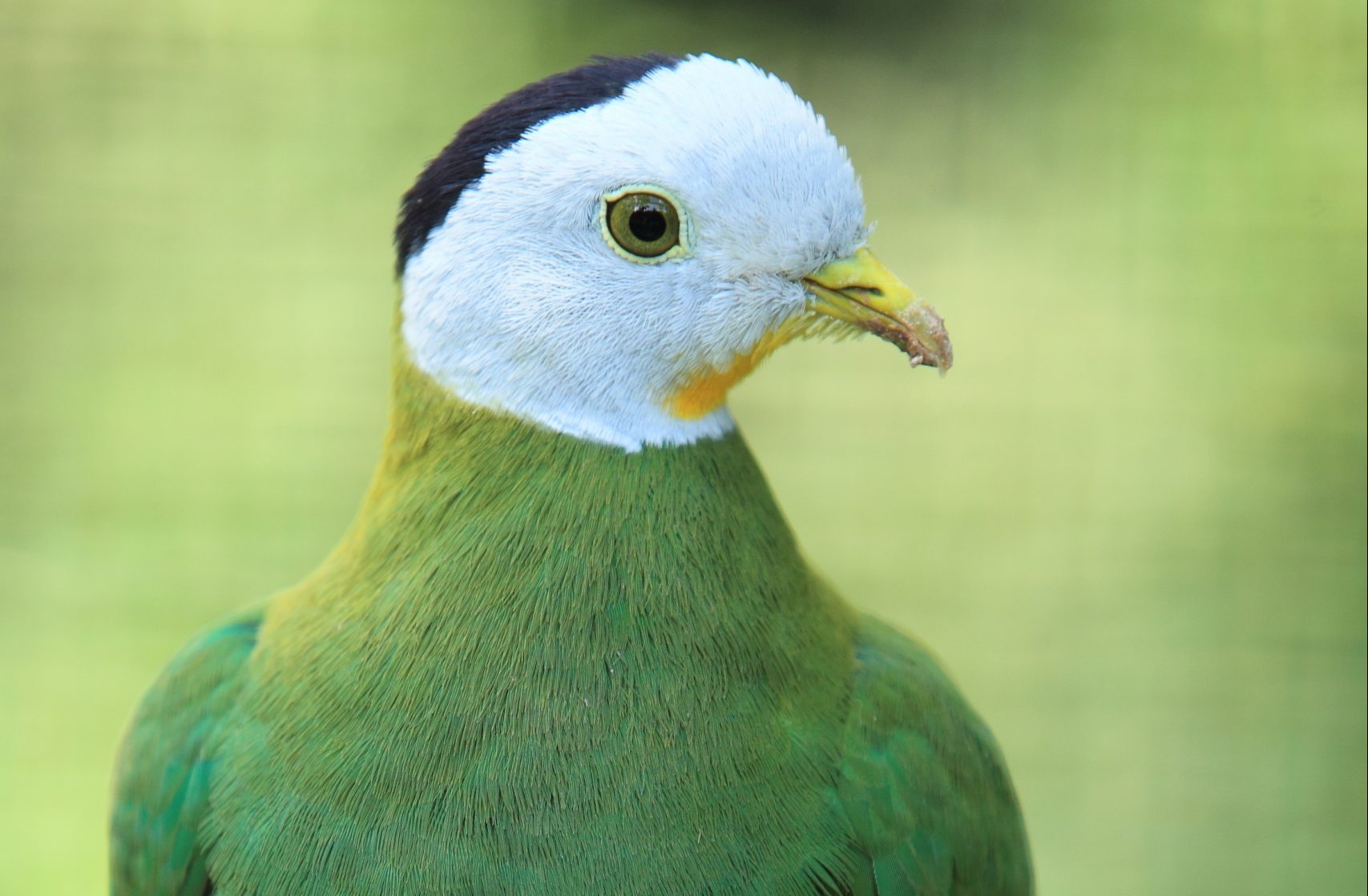
Black-naped Fruit-Doves are colorful birds, common on the islands of Java, Bali, and Sulawesi. Males are a rainbow of colors, with a yellow throat patch, purplish wing tips, red undertail feathers, and a silvery head topped with a black cap. Females are almost entirely green. They forage for berries and fruits in pairs or small…
Read More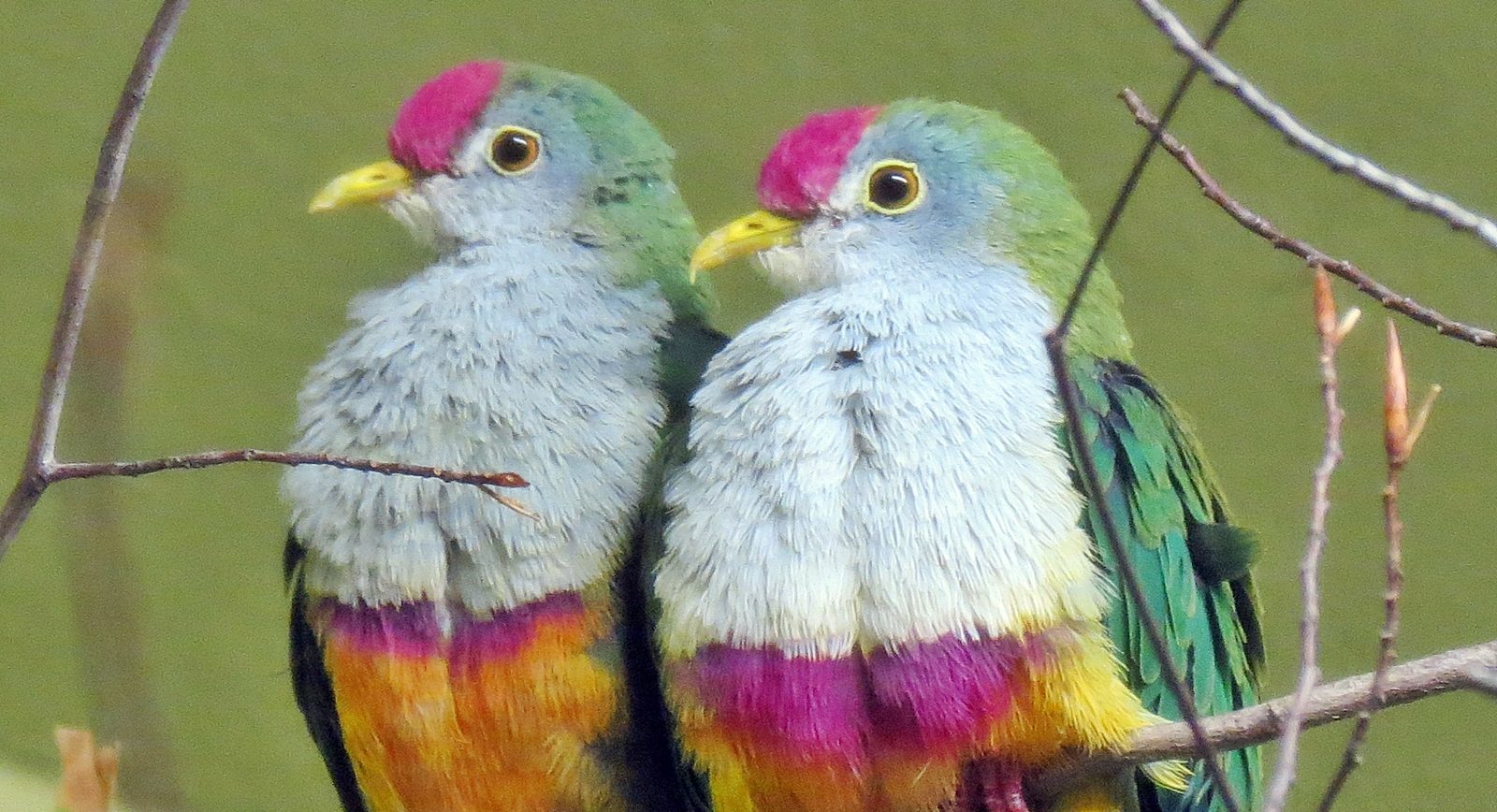
The Beautiful Fruit-Dove is appropriately named! This dove has gorgeous coloring, from its purplish-red crown to its green wings and orange underbelly. The Beautiful Fruit-Dove is found in New Guinea, where it lives in all levels of primary and secondary forests, from understory to canopy. They are frugivorous (fruit-eating), and forage either alone or in…
Read More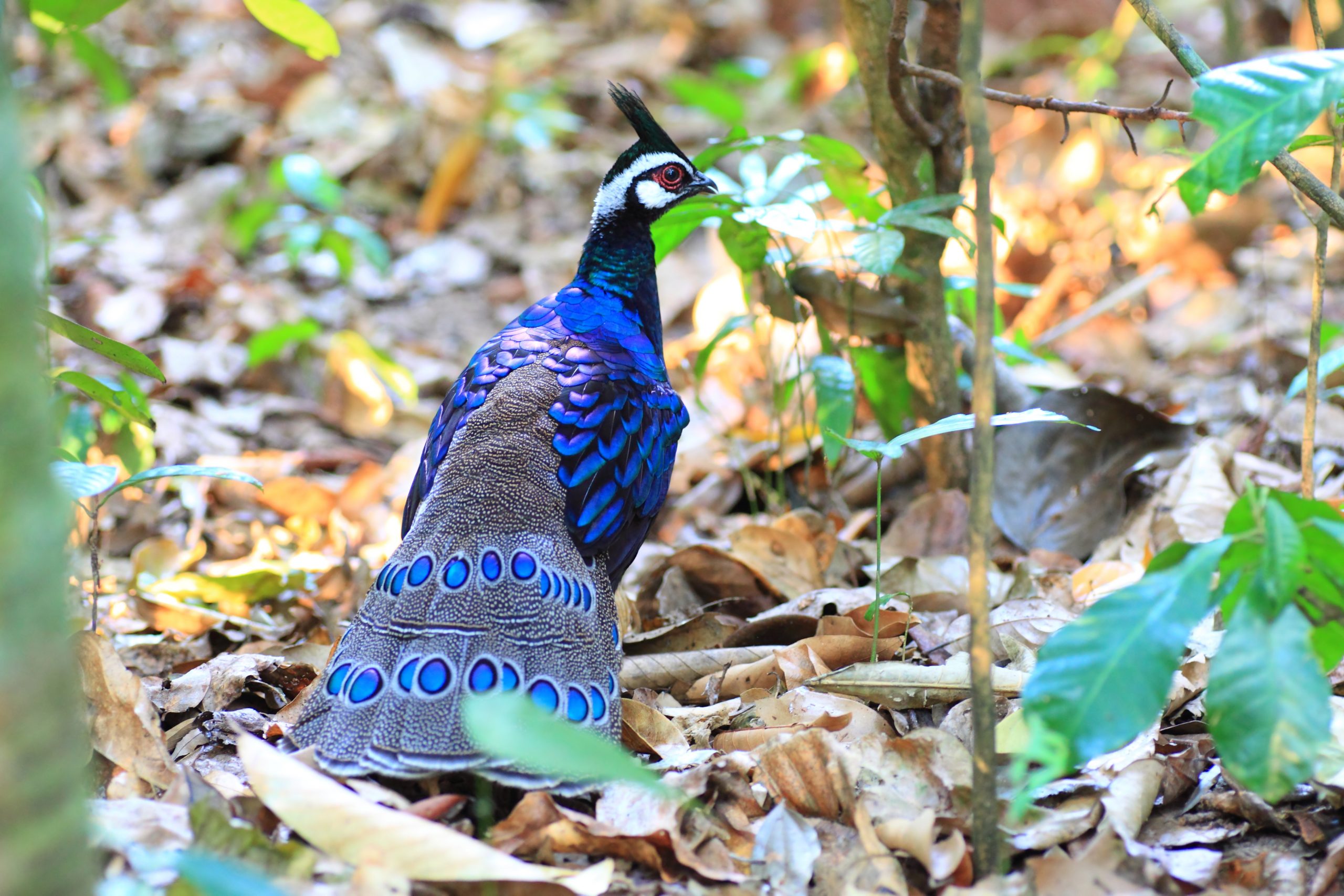
The Palawan Peacock-pheasant is a gorgeous bird with vibrant plumage; males have bright blue accents while females have striking markings and less colorful plumage. The spots on their feathers resemble eyes and may help scare away predators. Males use their remarkable plumage in an elaborate courtship display. Palawan Peacock-pheasants are strictly monogamous, and both males…
Read More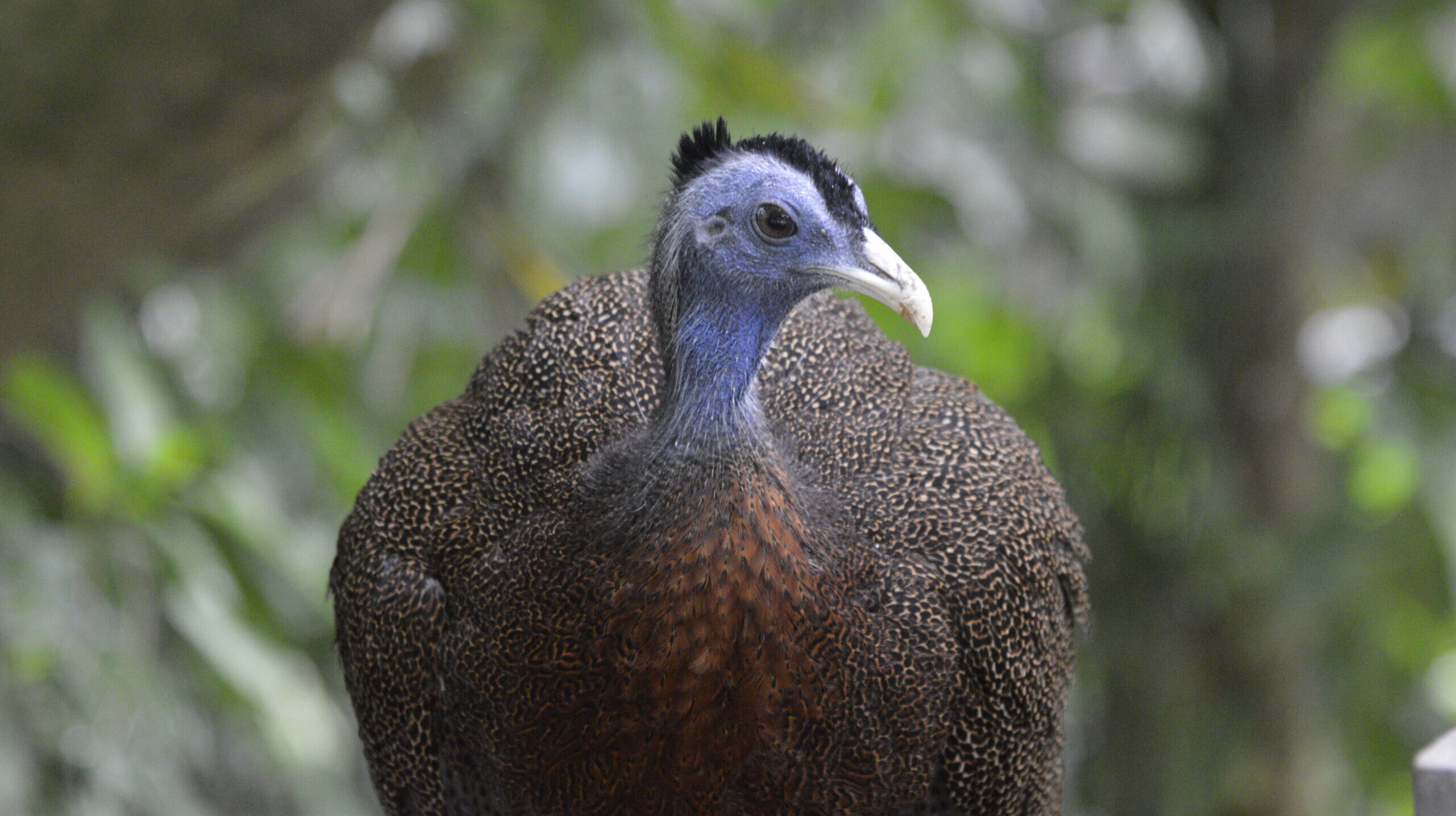
A fabulously majestic resident of tall, dry, primary, and secondary forests of the Indo-Malayan region, the Great Argus forages solitarily for fruit, seeds, flowers, and invertebrates on the forest floor. The bird’s taxonomic and common names both derive from Argus, the hundred-eyed giant, from Greek mythology (a reference to the many eye-like spots on the…
Read More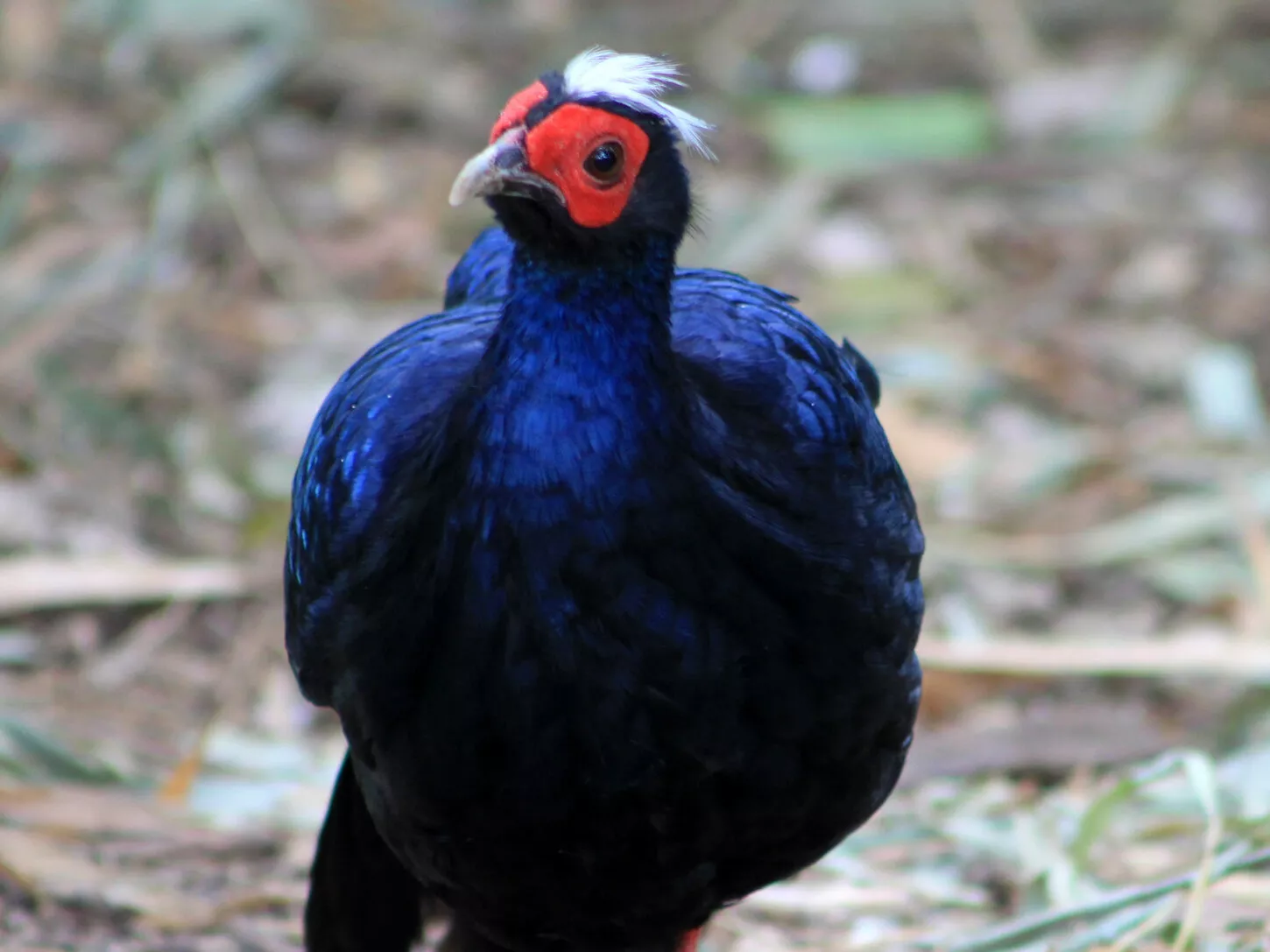
The Vietnam Pheasant, also called the Edwards’s Pheasant, is a little-known species which may be Extinct in the Wild. It has not been observed in the wild since 2000 and is currently listed as Critically Endangered. Much of the species’ potential habitat was destroyed as a result of herbicide use during the Vietnam War, and…
Read More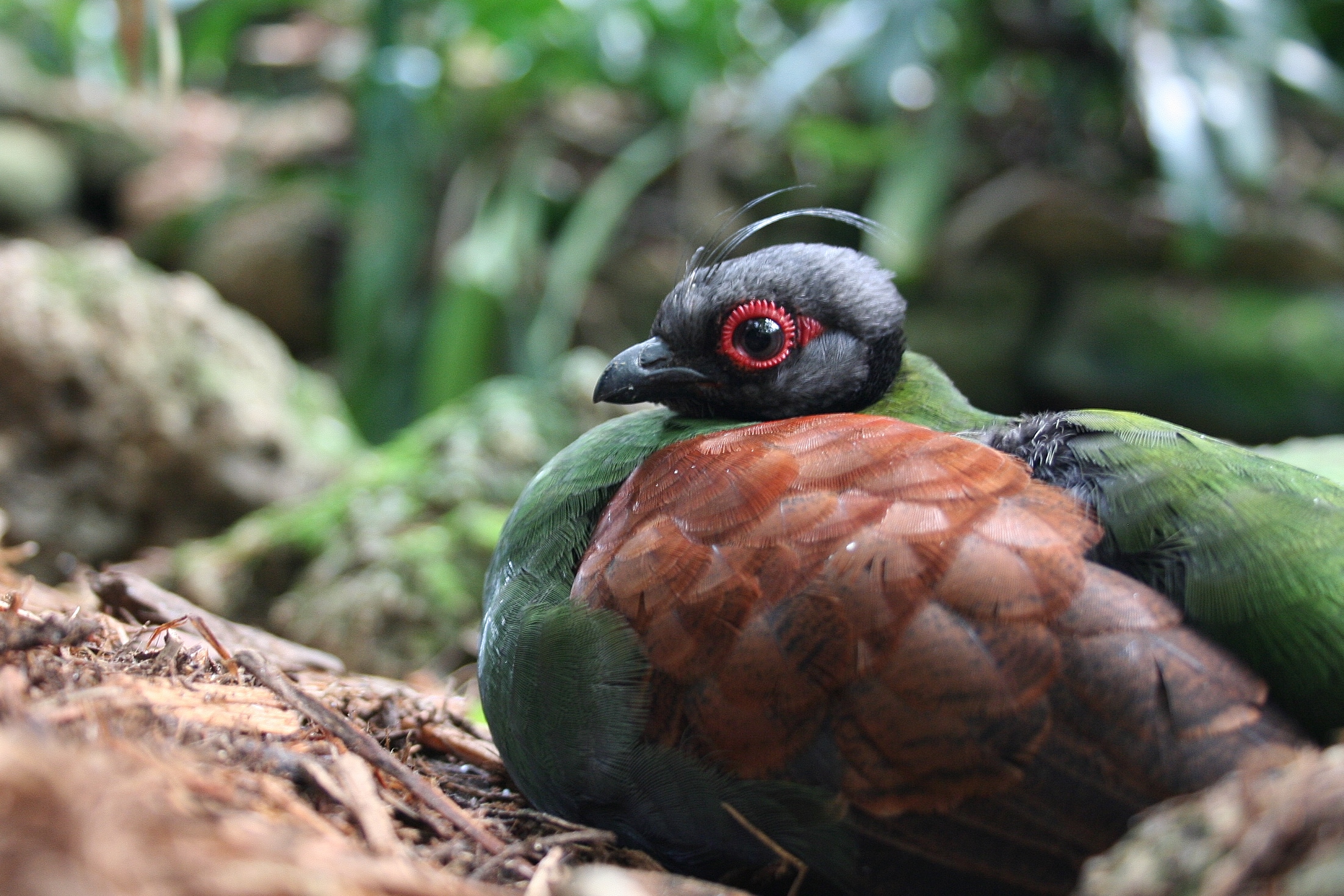
The Crested Partridge is a fairly small, quail-like bird; its short tail adds to a rotund appearance. A native of low elevation, broad-leaved evergreen and dense primary forests, the Crested Partridge consumes a variety of seeds, large fruits, large beetles, ants, and snails. This species is considered Vulnerable because of habitat lost to logging and…
Read More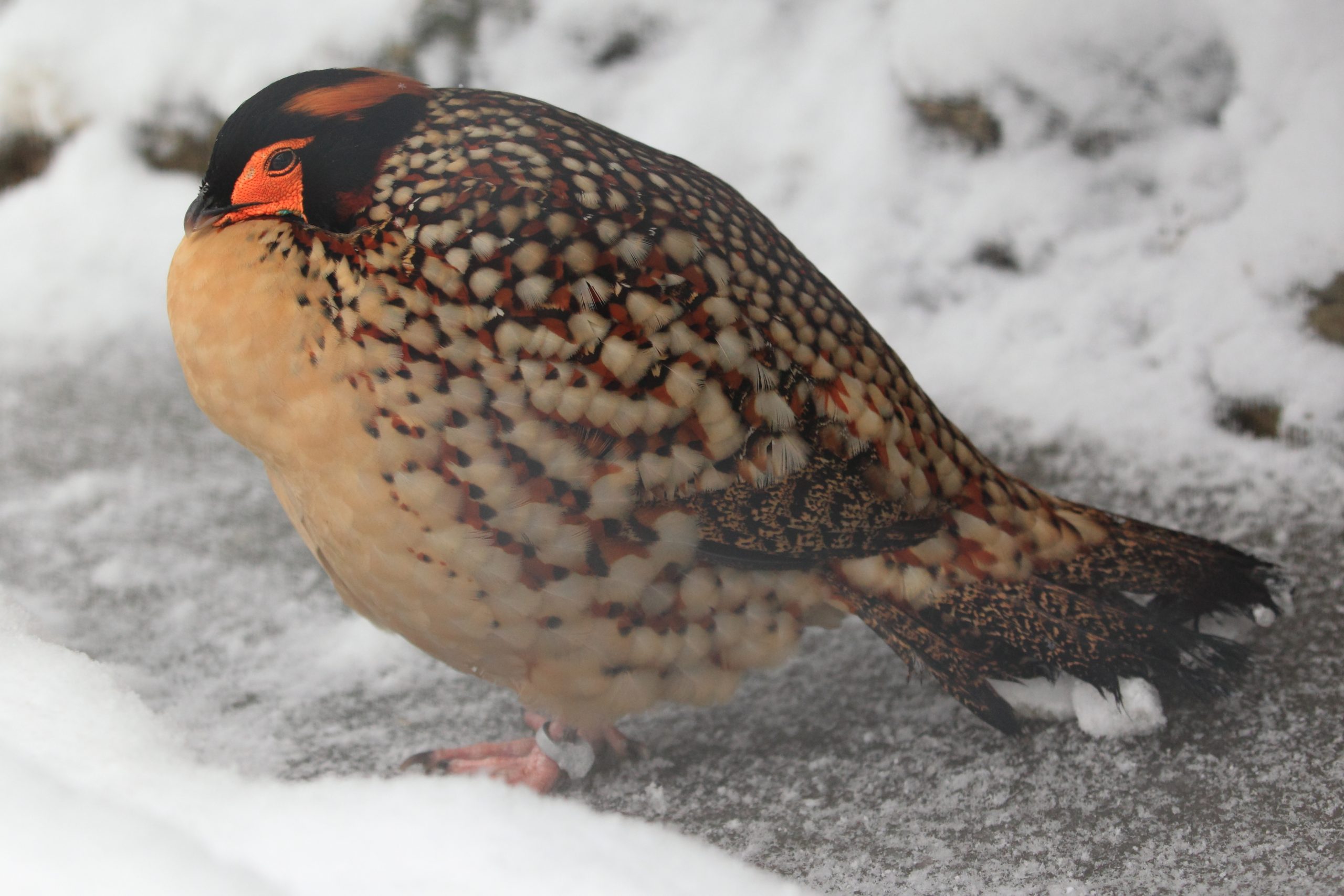
An inhabitant of high mountain ranges in eastern China, the Cabot’s Tragopan—also sometimes called the Yellow-bellied Tragopan—is a grouse-like bird. Male Cabot’s Tragopans perform a spectacular display at dawn and dusk, sometimes while perched on a mossy log, which is reminiscent of Pennsylvania’s state bird, the Ruffed Grouse. Both the Ruffed Grouse and Cabot’s Tragopan…
Read More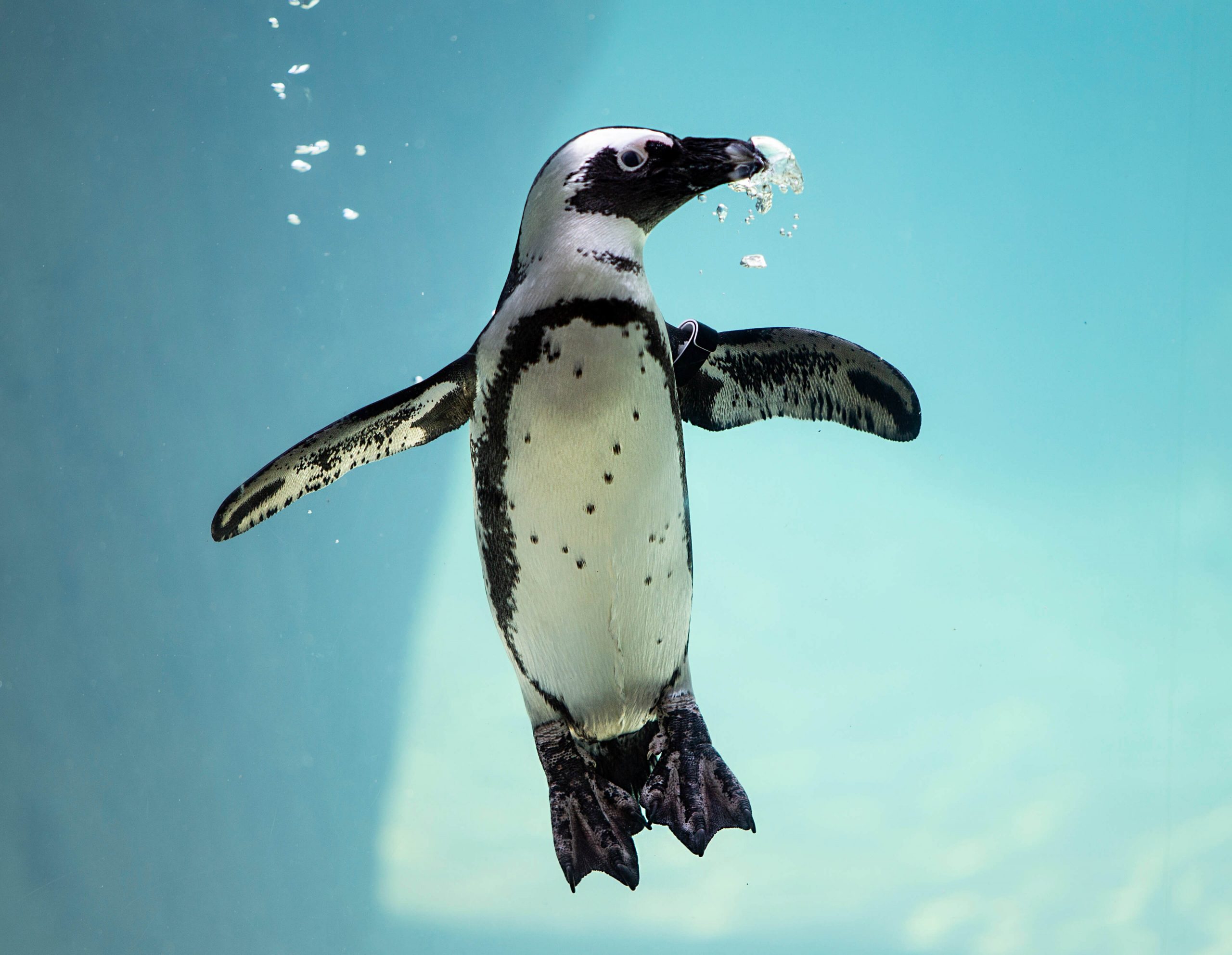
African Penguins are native to the southwestern coast of Africa, and are one of the 18 species of penguins found throughout the Southern Hemisphere. They are also among the smallest penguins, standing about 18 inches tall and weighing 6 to 10 pounds. They are a temperate species comfortable in a wide range of temperatures, making…
Read More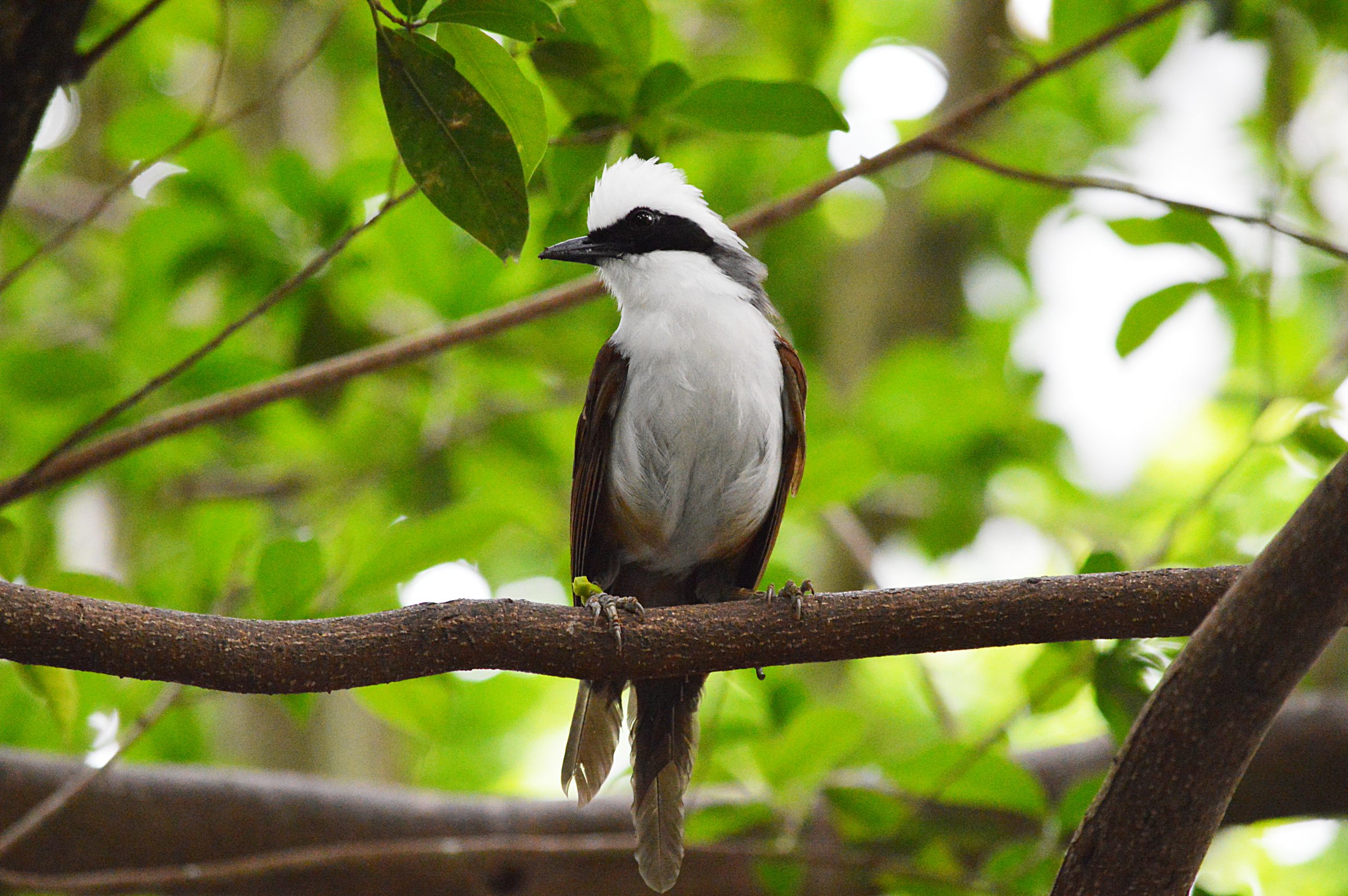
The White-crested Laughingthrush occurs in broadleaf evergreen forest and mixed deciduous forest in Southeast Asia and in the foothills of the Himalayan Mountains. It will also inhabit disturbed forests, secondary forest and gardens. This is a very social and vocal species, often foraging on the ground in groups of 6 to 20 individuals while looking…
Read More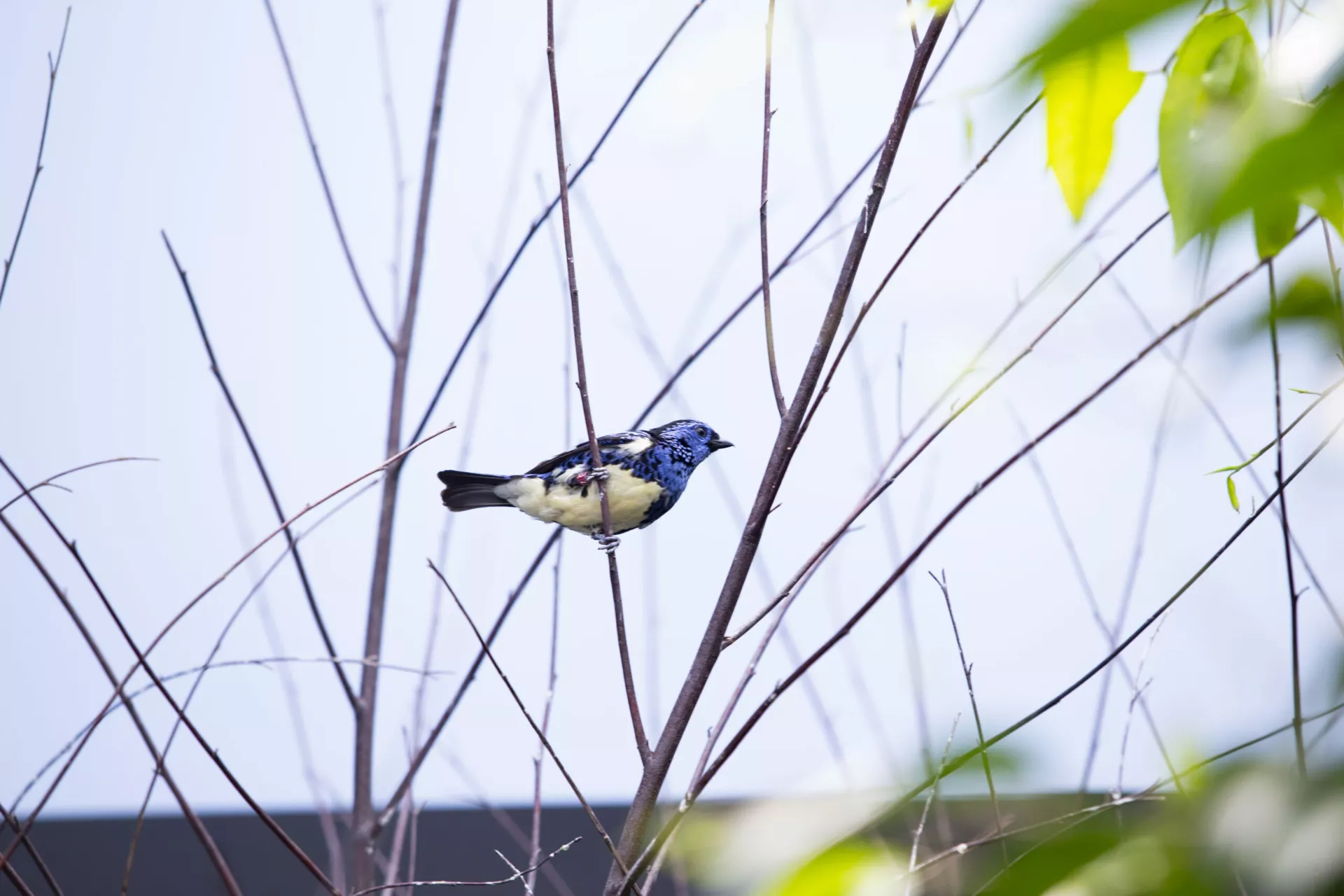
The Turquoise Tanager occurs in the Amazon Basin and nearby habitats of South America where it favors forest edge, clearings with scattered trees, tall second growth, riparian forests, and parks and gardens. It consumes about equal proportions of fruit and insects, but in particular, mistletoe berries are a very important part of the diet of…
Read More Previous Posts