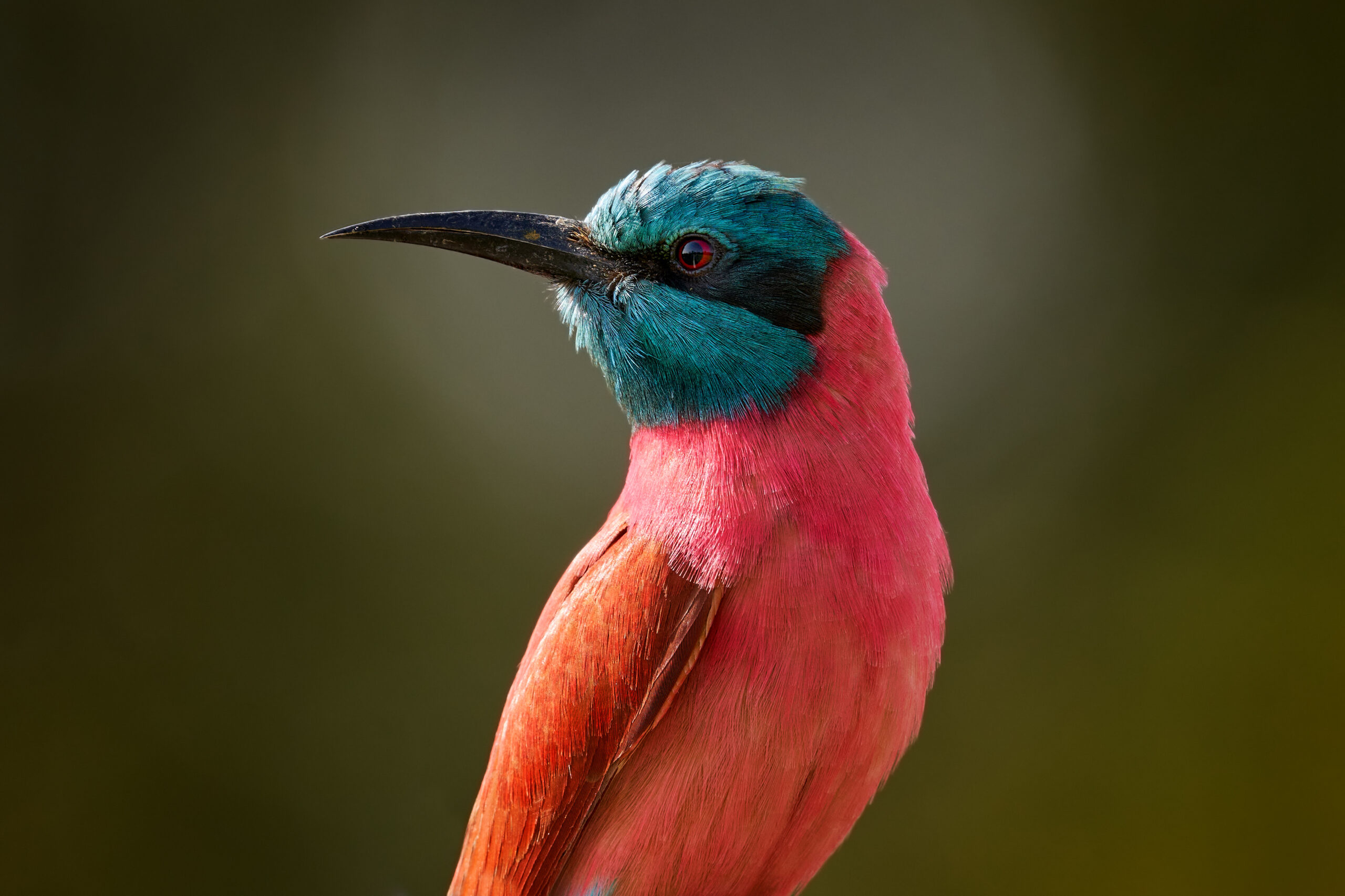
Like other bee-eaters, the Northern Carmine Bee-eater sports rich, bold plumage. They are predominantly a vivid red (hence “carmine”) hue, with a green-blue head and throat and black mask. Their elongated central tailfeathers aid in their aerial hunting tactics. Similar to a boat rudder, which increases steering and balance, these uniquely adapted tailfeathers increase agility…
Read More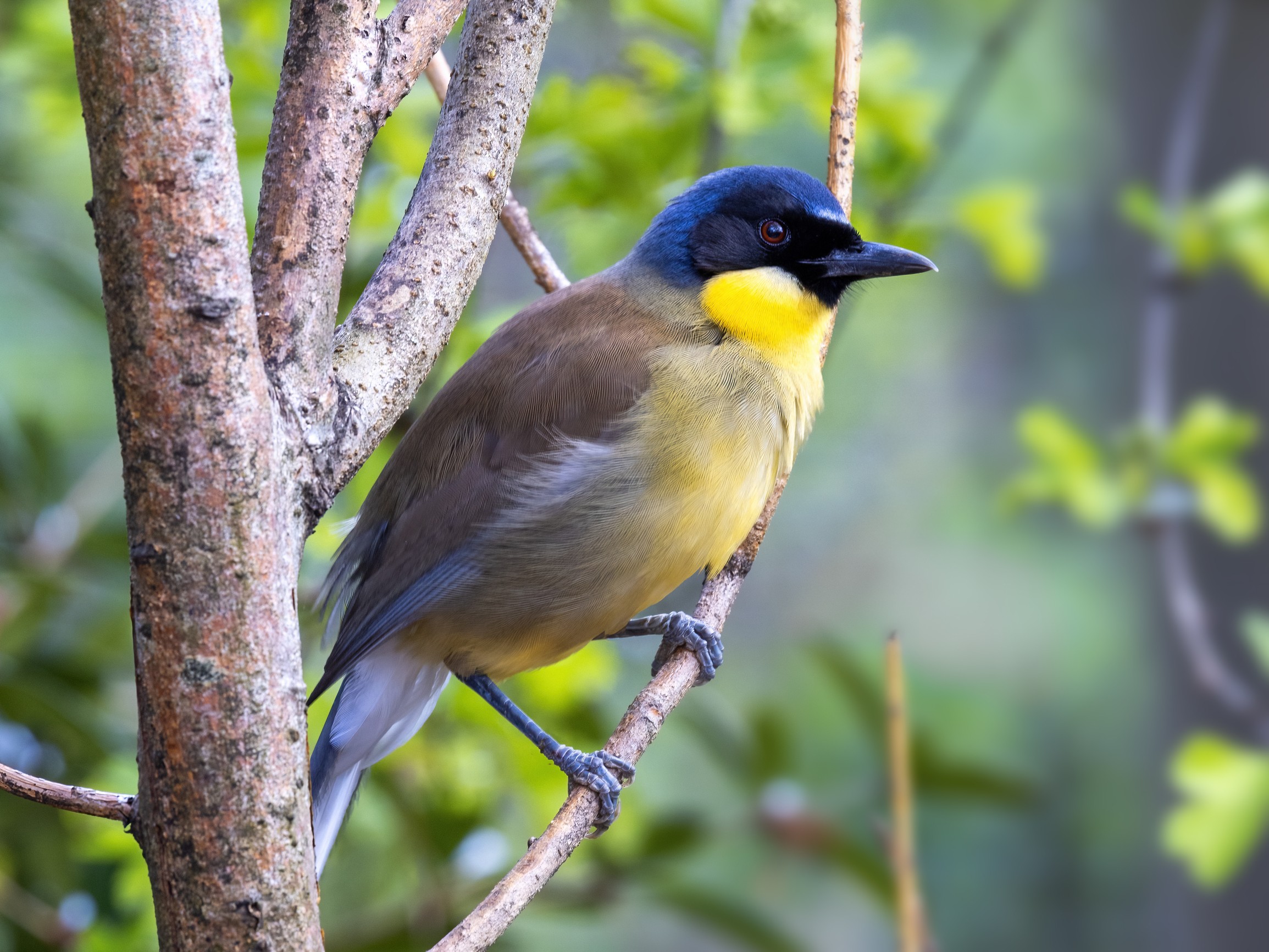
As the name suggests, Blue-crowned Laughingthrushes are an extremely social species, often maintaining a close family dynamic where sometimes young from early clutches help raise younger chicks. These beautifully blue, yellow, and brownish birds communicate with each other through various squeals and calls…and one that even sounds like human laughter! In the late 1980s, the…
Read More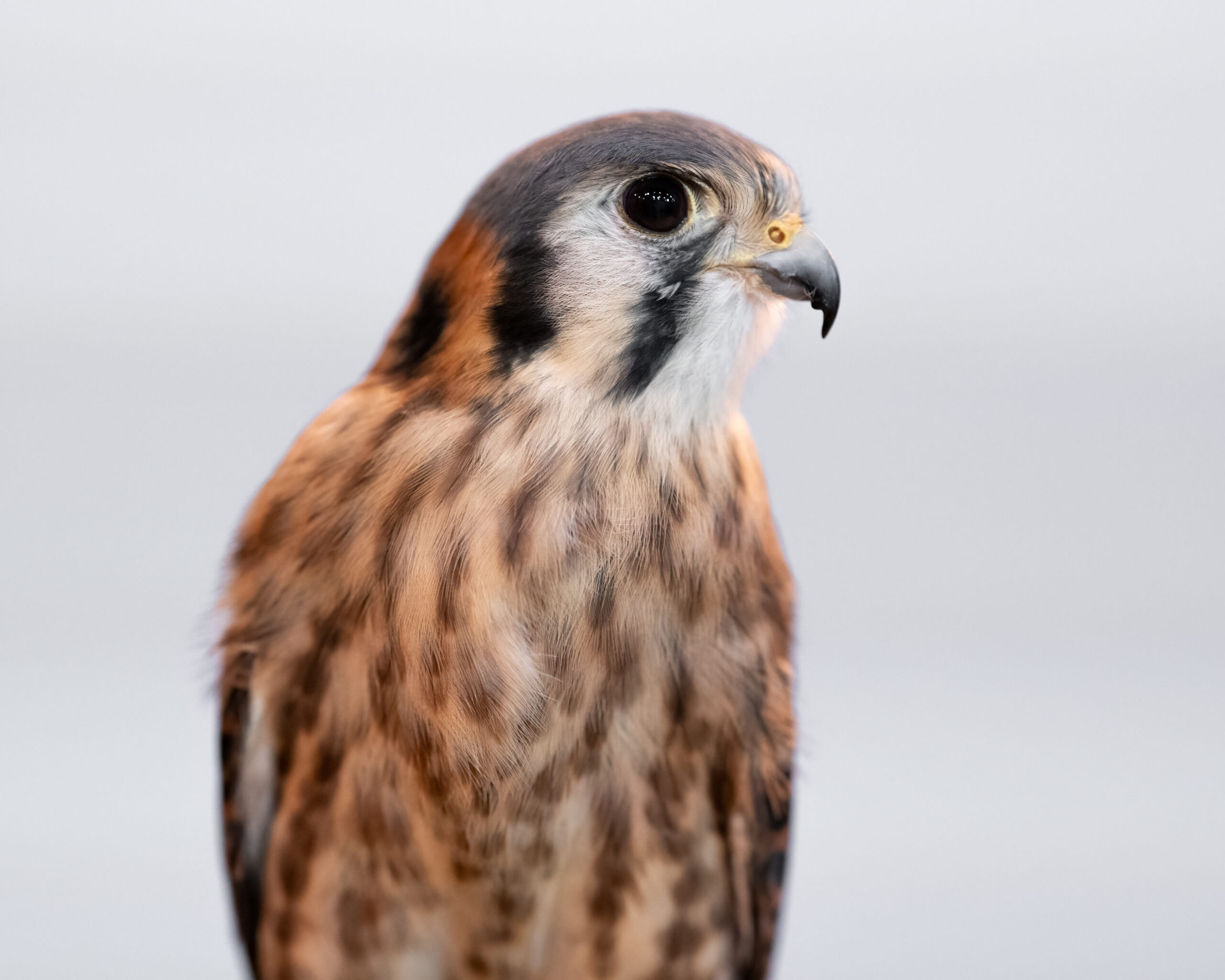
A small raptor (weighing between 3 to 6 ounces) with a widespread distribution throughout much of the Americas, the American Kestrel is the smallest falcon in North America. It is one of few dimorphic raptors, with the male and female being very differently colored. The best way to tell the difference? Males have blue-gray wings…
Read More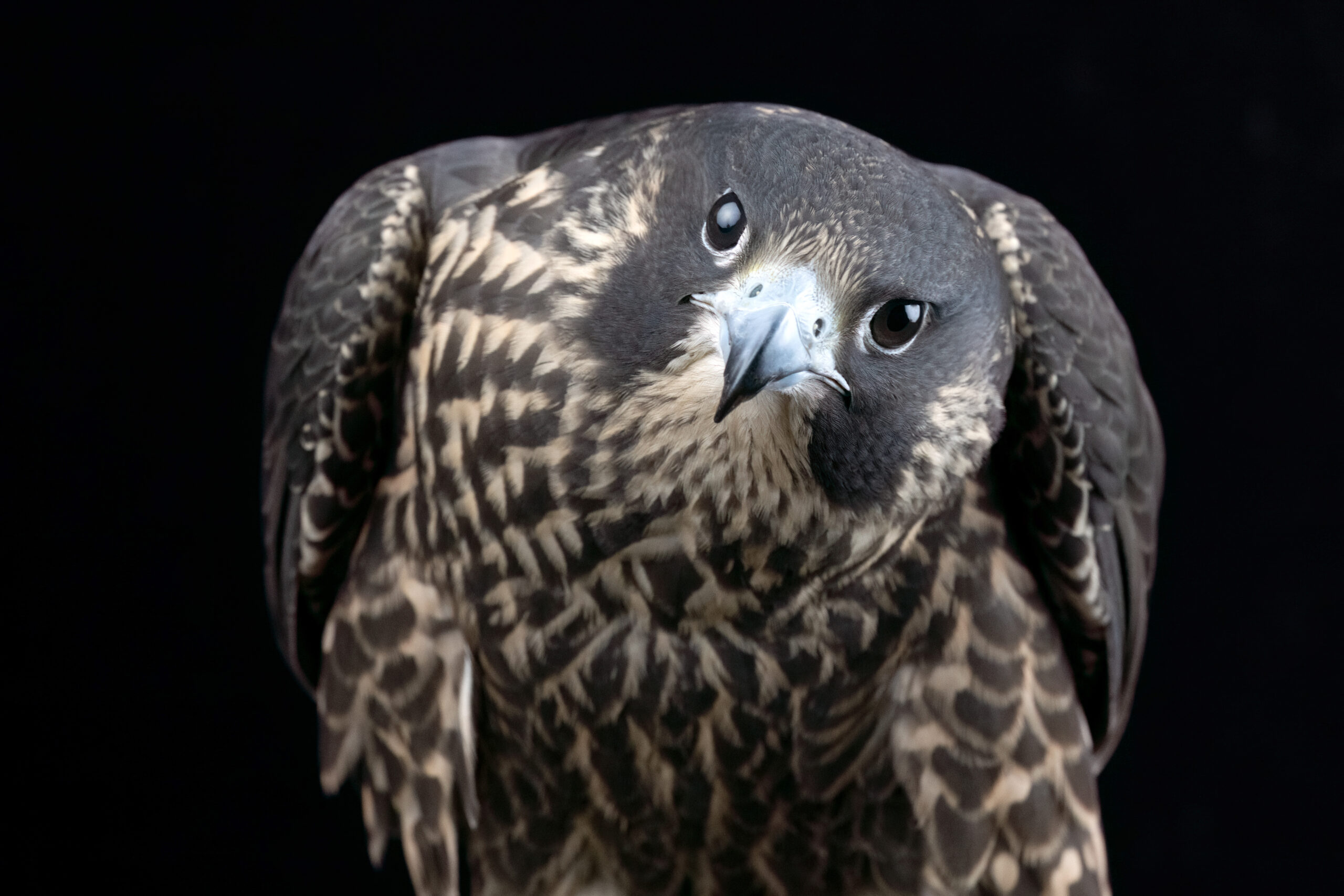
Peregrine Falcons are one of the most widely distributed land animals in the world, having been observed on every content in the world except for Antarctica. Highly regarded as a noble bird by biologists and licensed falconers, Peregrines have darker, striped plumage and tapered wings for aerodynamic flight. Although currently classified as Least Concern, Peregrine…
Read More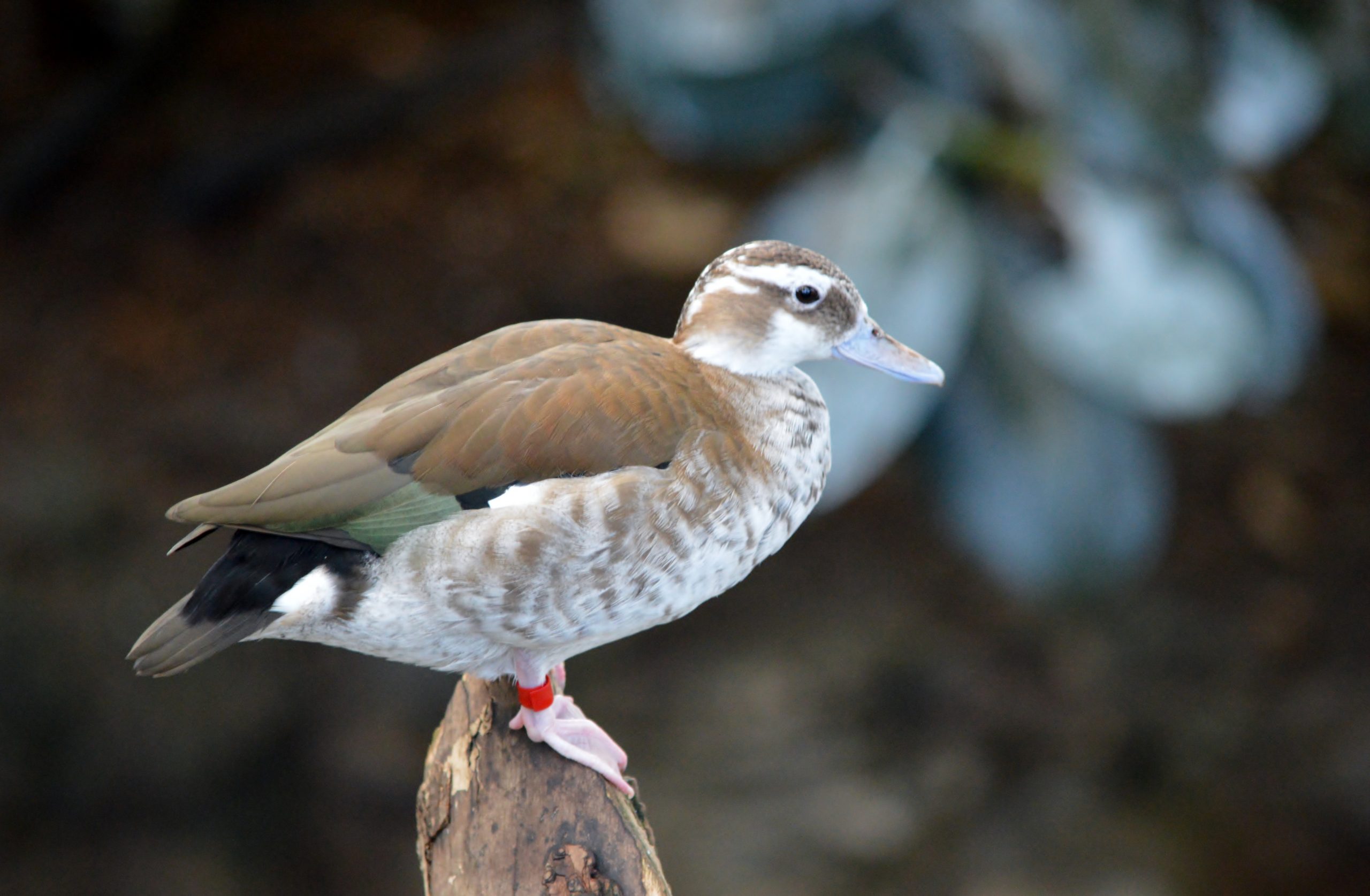
The Ringed Teal is a colorful dabbling duck of South American forests where it favors swampy tropical forests and marshy clearings in well-wooded lowlands. Although its diet is not well known, it probably includes mostly seeds, other vegetable matter, and aquatic insects. A cavity nester, the Ringed Teal forms very strong pair bonds that can…
Read More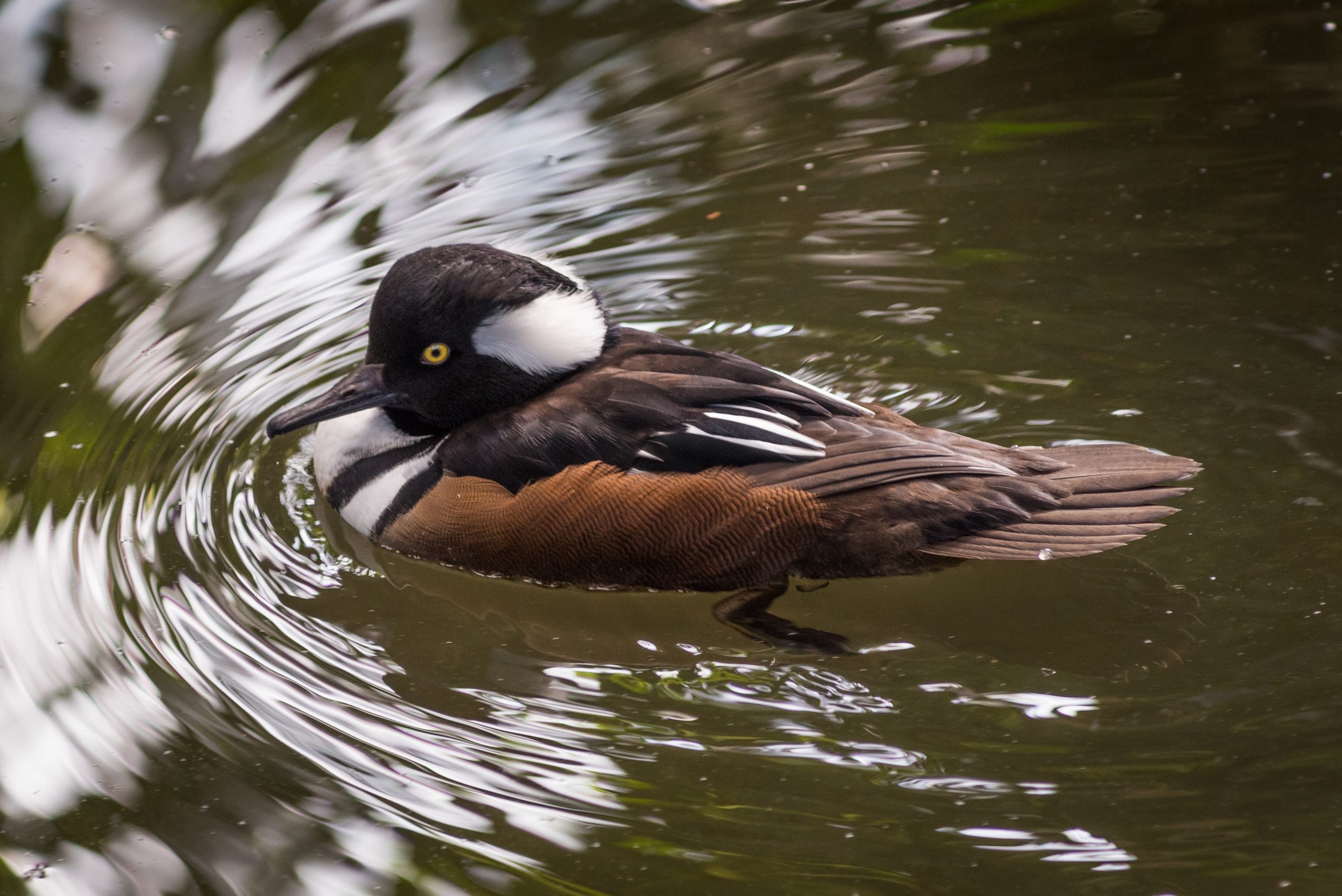
The Hooded Merganser is a showy diving duck with a distinctive head crest and bright eyes. The smallest of the three merganser species found in North America, the Hooded Merganser is found throughout most of the continental United States and southern Canada. The serrated edge and hooked tip of its bill helps the Hooded Merganser…
Read More
A very common dabbling duck of the Nearctic region, and introduced elsewhere where it is sometimes considered an invasive pest, the Mallard occurs on almost any body of shallow water, but especially those with submerged or floating vegetation. In the breeding season the Mallard eats mostly animal foods such as aquatic insect larvae and snails,…
Read More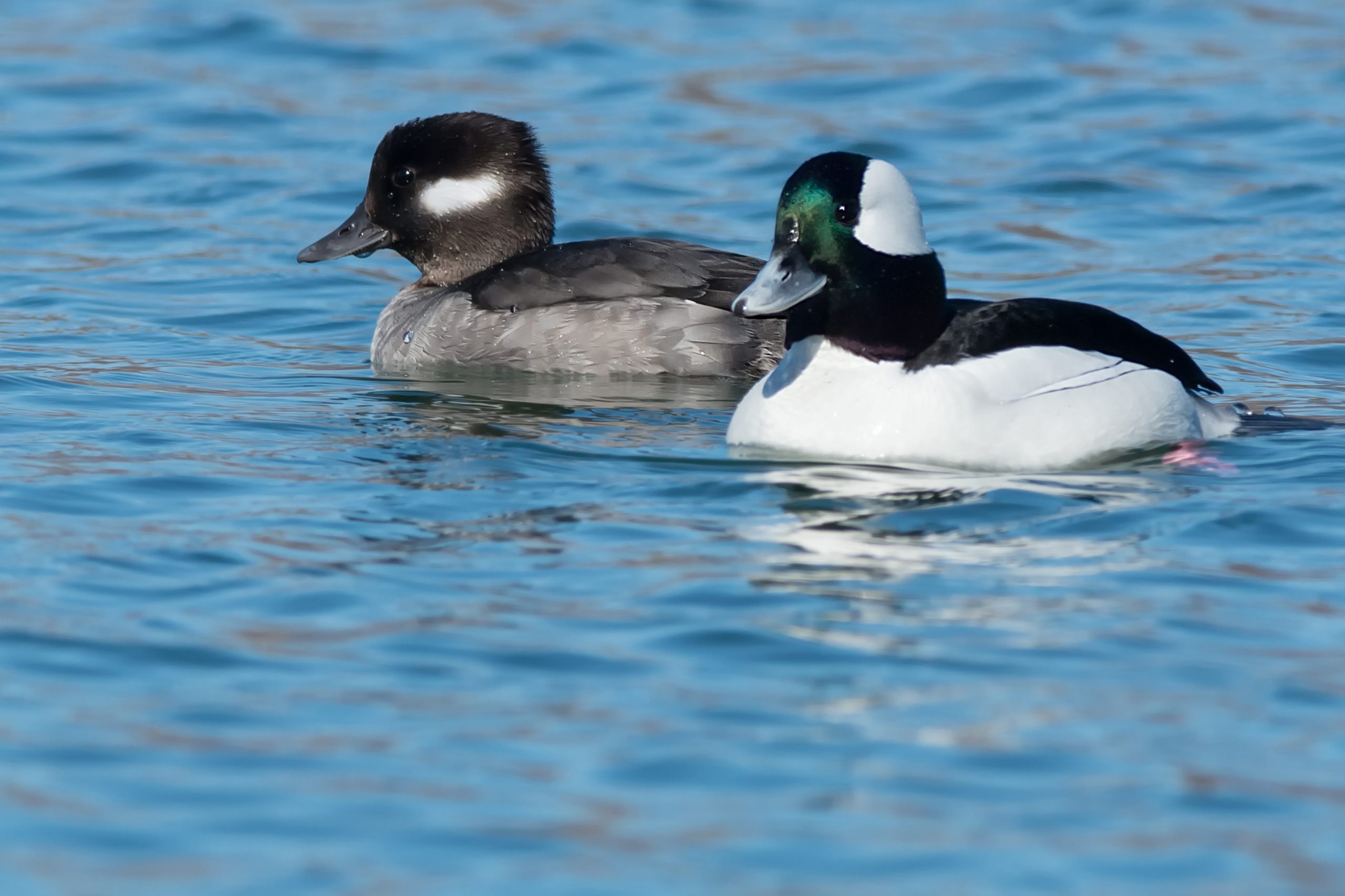
The Bufflehead is a small, handsome resident of permanent freshwater ponds and lakes within the boreal forest and aspen parkland zone of North America. The smallest duck species in North America nests in old woodpecker cavities in poplar, spruce, or fir trees near water. This duck is small enough to fit in the nest cavities…
Read More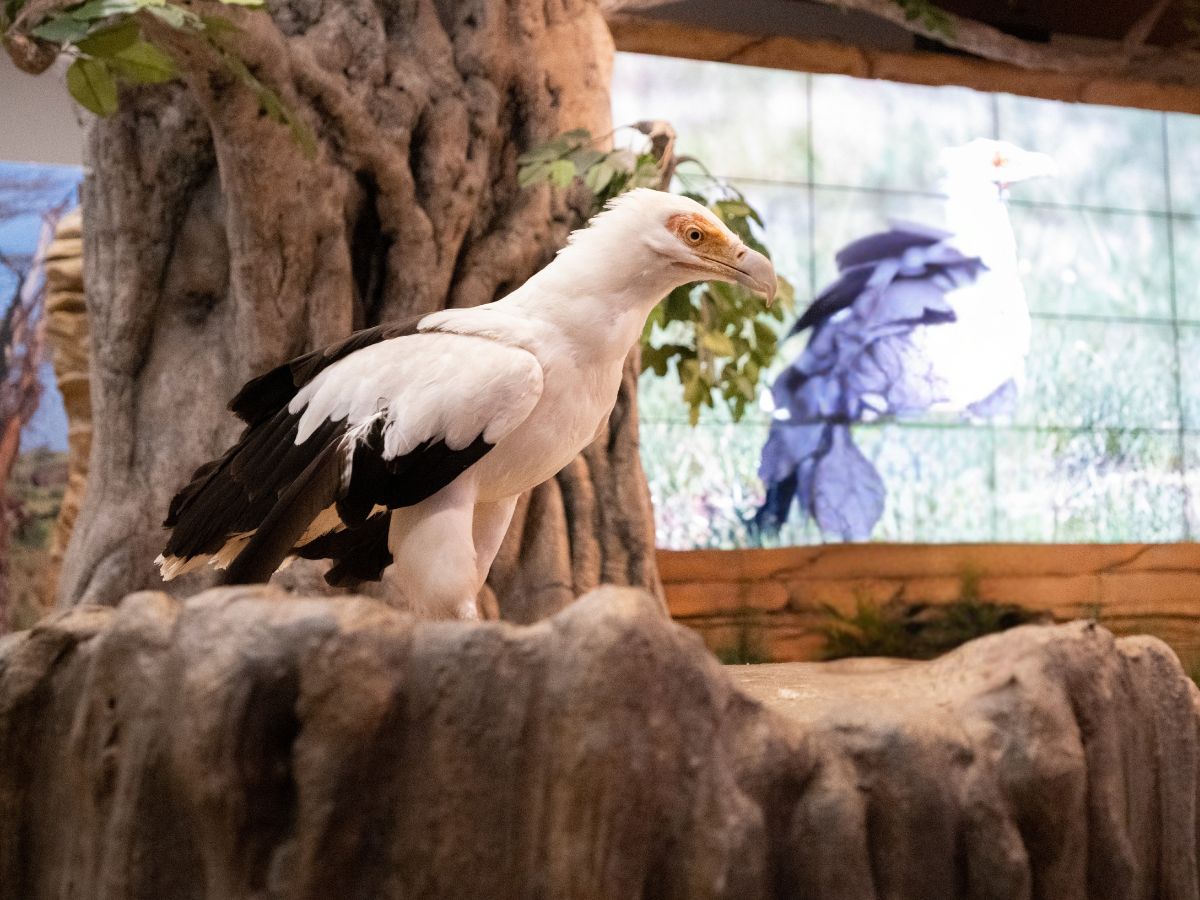
A striking black and white vulture of Sub-Saharan Africa, the Palm-nut Vulture is found along the edges of tropical forests, large rivers, lakes, and seashores, especially where oil palms abound. Unlike other vultures, the Palm-nut Vulture feeds only occasionally on smaller carrion – and rarely at large animal carcasses – and instead specializes its feeding…
Read More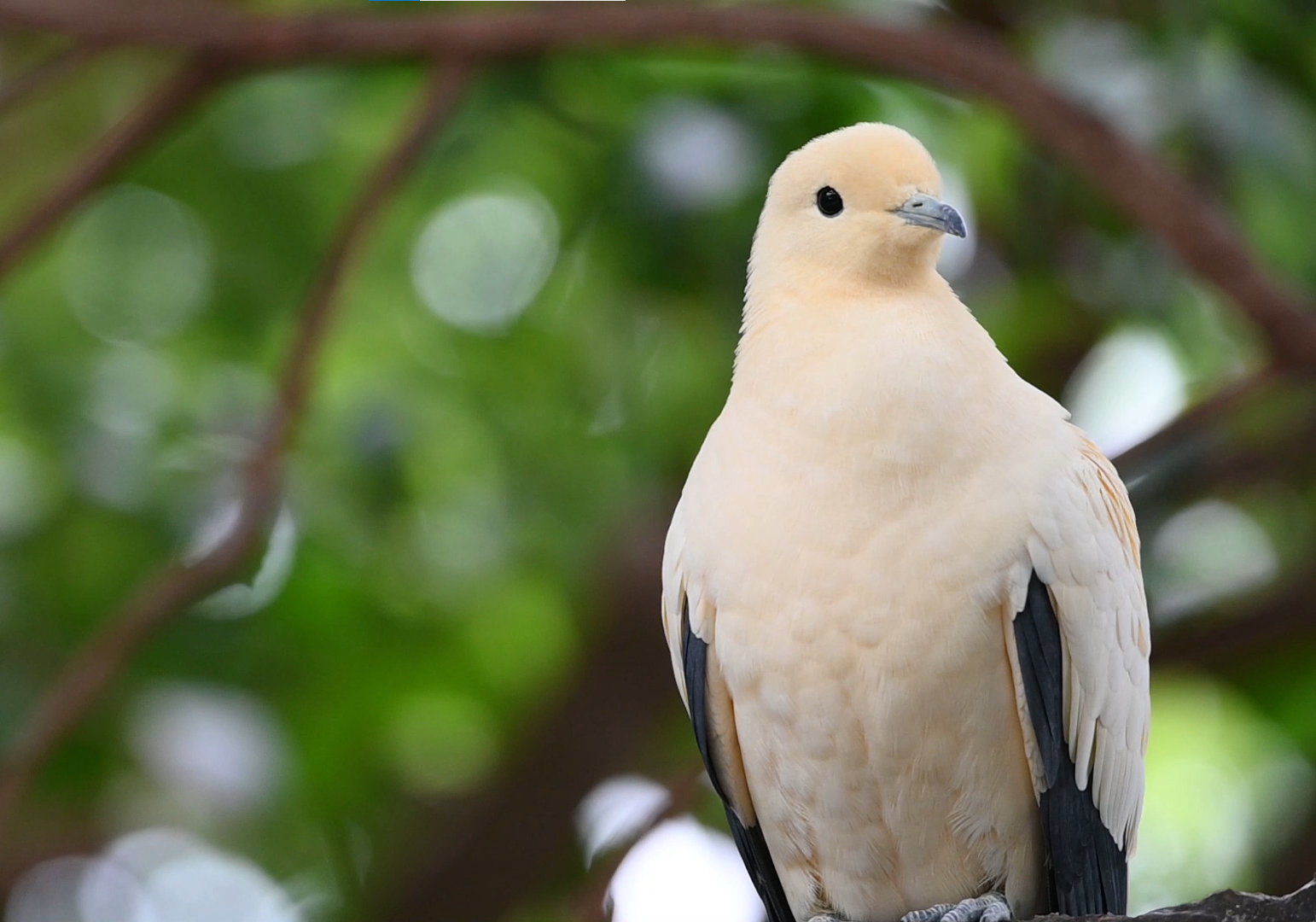
The Pied Imperial-Pigeon is a very large inhabitant of coastal forests, mangroves and coconut plantations, principally on islands in the Indo-Malayan region. This species travels in flocks at dusk and dawn and nests in colonies of up to tens of thousands of birds. They are among the most powerful and agile flyers in the bird…
Read More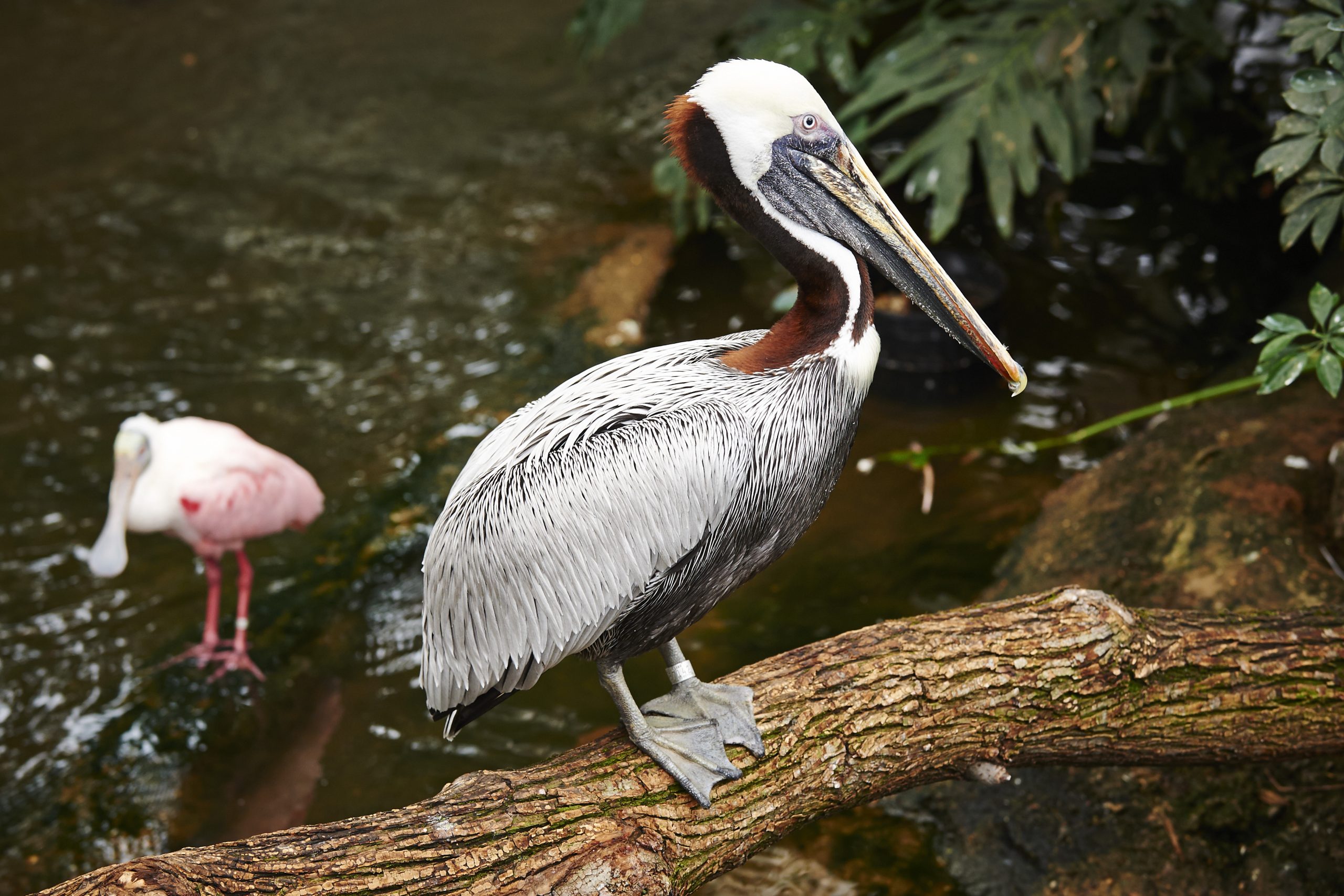
Pelicans are large, bulky waterbirds with webbed feet, short legs, and a remarkably long bill. The underside of their bills extends into a pouch that can hold 2-3 gallons of water at a time, which they use to trap fish. When hunting, they spot their prey from the air and plunge into the water head-first….
Read More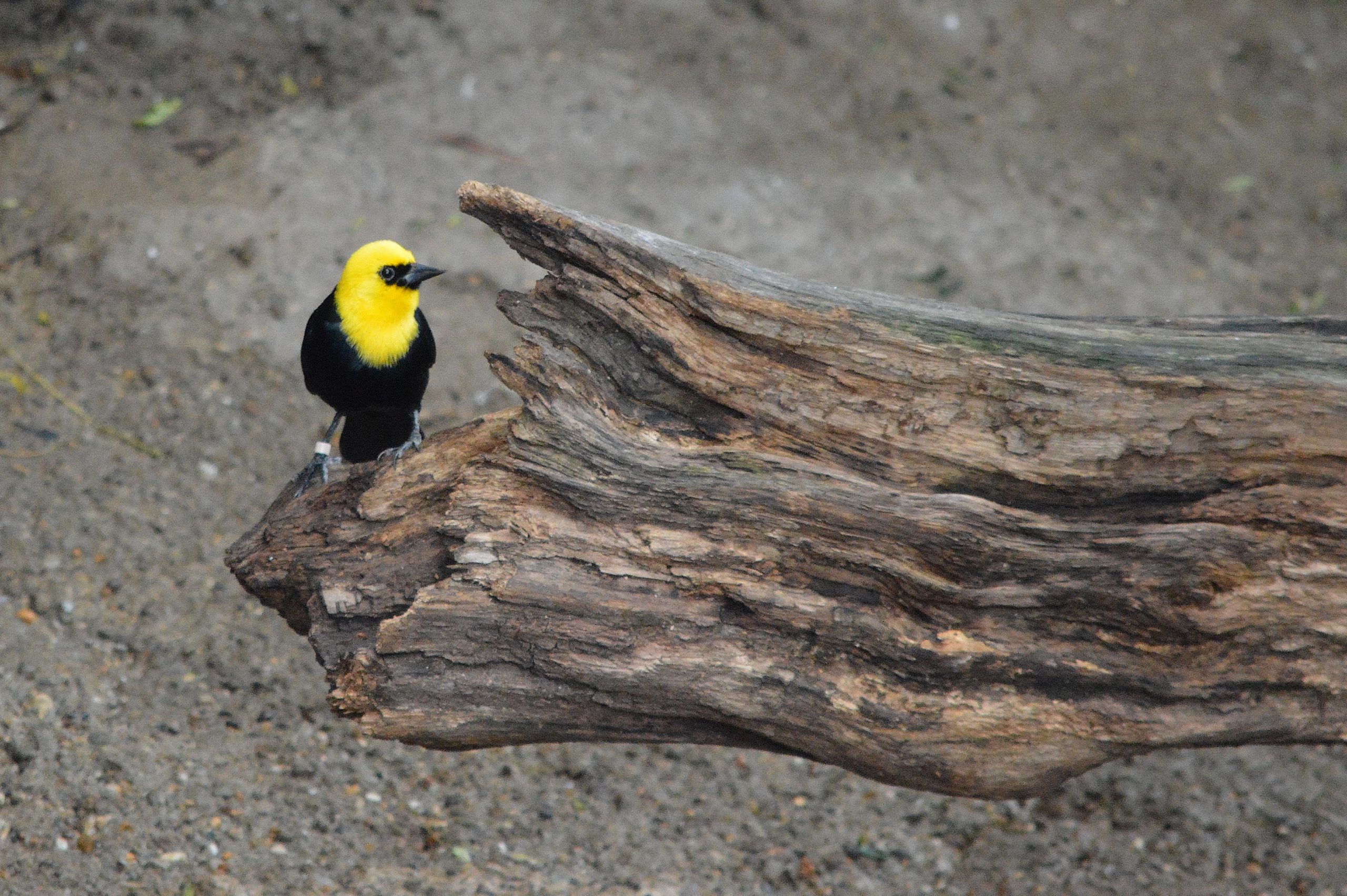
The Yellow-hooded Blackbird occurs in northern South America where it favors marshes with emergent aquatic plants such as cattails or bulrushes, as well as humid savannas, mangroves, and agricultural land where it can forage in newly plowed fields. Yellow-hooded Blackbirds also frequently forage in grass and vegetation for seeds and insects, including caterpillars and weevils….
Read More