
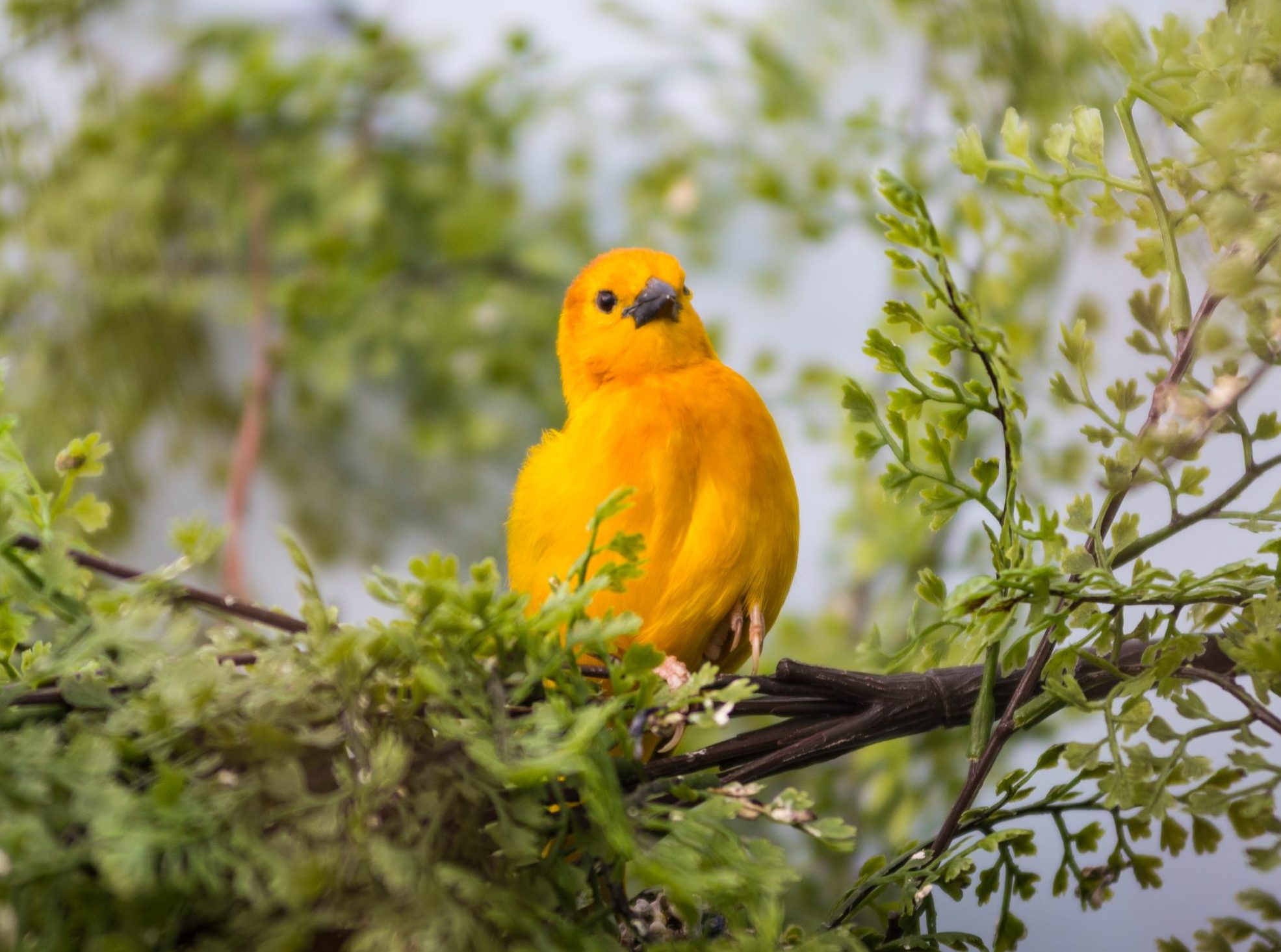
The Taveta Golden Weaver occurs in East African in Kenya and Tanzania. They are found in swampy lowland areas during the breeding season. Outside of the breeding season, they are found in adjacent dry bush country. They build impressive spherical nests hanging over water. The intricately weaving strips of reed leaf blades that make up…
Read More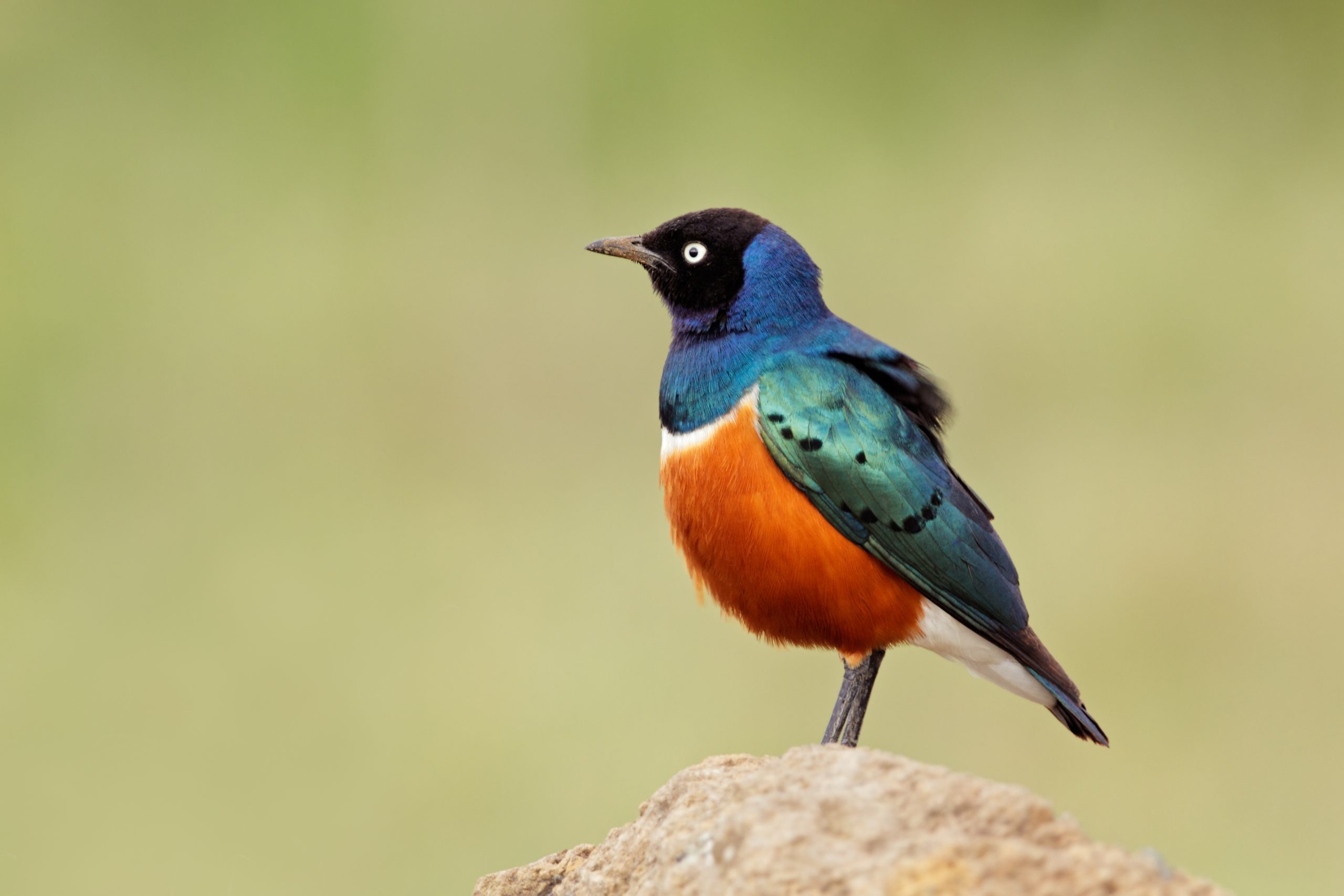
Superb Starlings are dark iridescent blue on the back of their head and chest, a black face that sets off their bright white eyes, metallic blue-green back and wings, and a dark orange belly bounded by bright white under the tail and in a band across the breast. The Superb Starling occurs in open woodland,…
Read More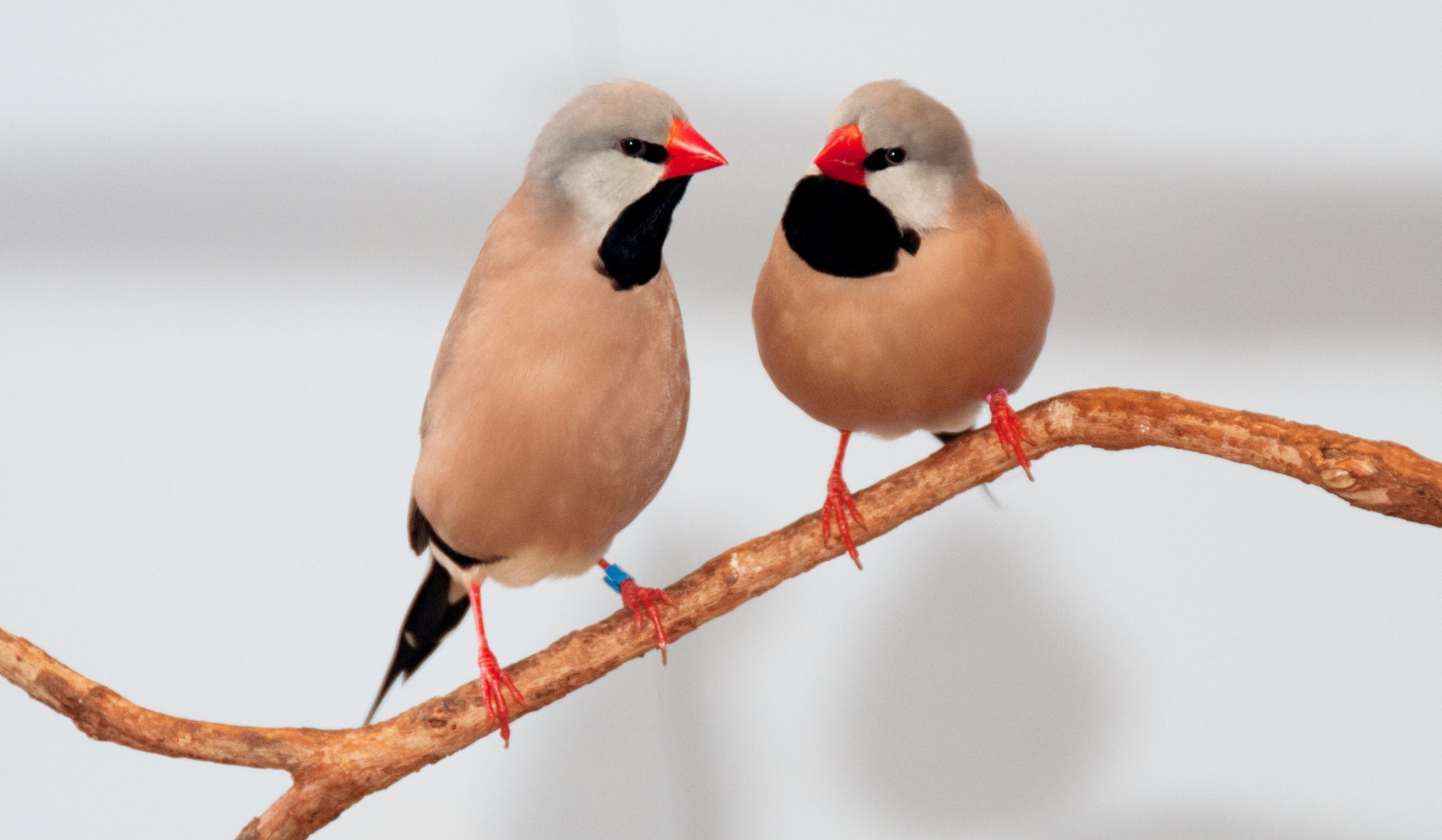
The Shaft-tailed Finch, or Long-tailed Finch, is a handsome bird from northern Australia, where it is found in open woodlands, dry grassy savannas, and grassy brushland especially near water courses. Like similar finches, it feeds on ripe and half-ripe grass seeds on the ground, but during the breeding season will consume more insects off the…
Read More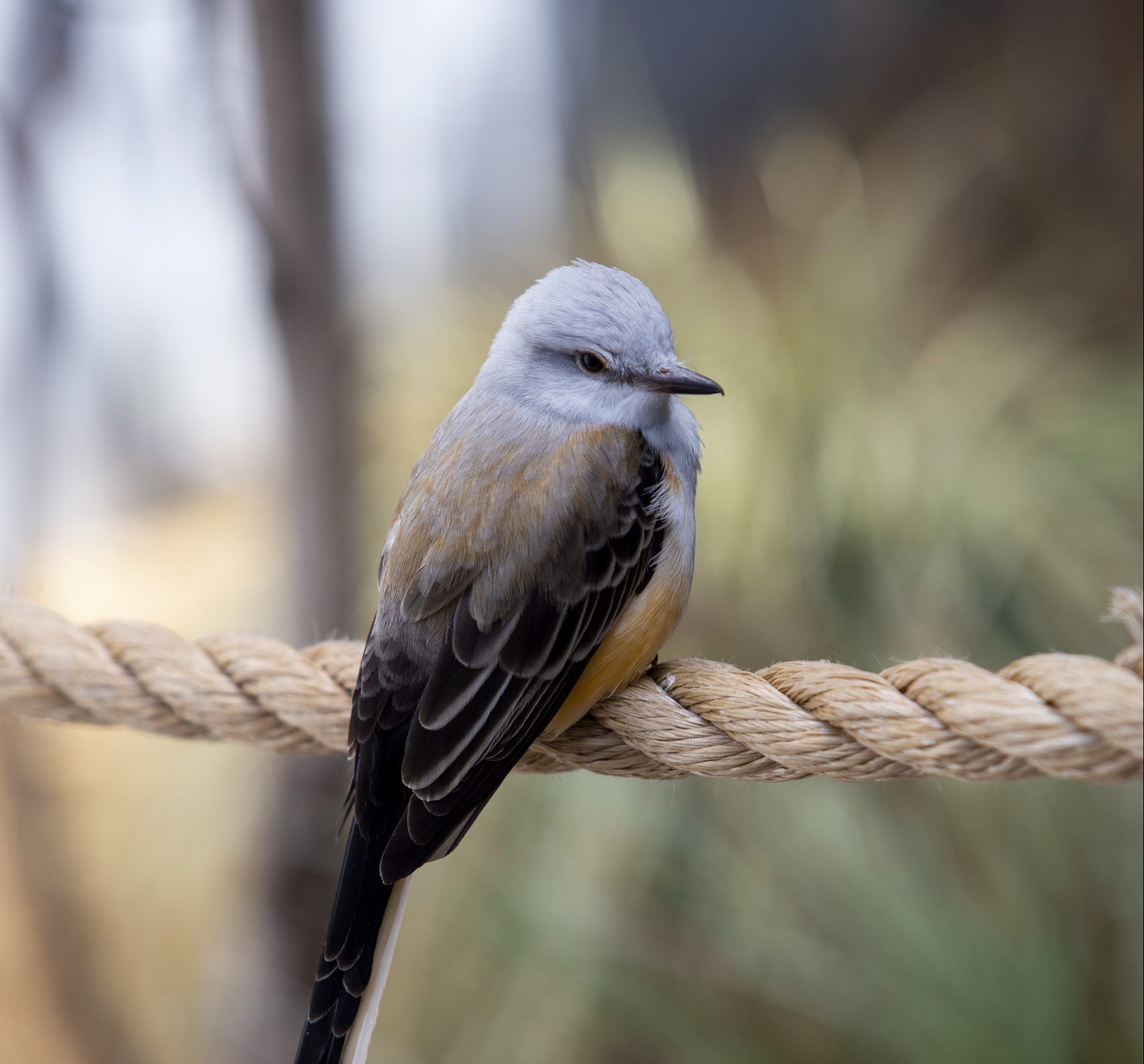
The Scissor-tailed Flycatcher, with its extremely long and distinctive tail, is a resident of savannas, fields, and pastures, as well as landscaped areas where there is a mix of trees, perches, and open areas. This flycatchers breeding range extends across south-central North America, while it winters in southern Mexico south through Panama. The Scissor-tailed Flycatcher…
Read More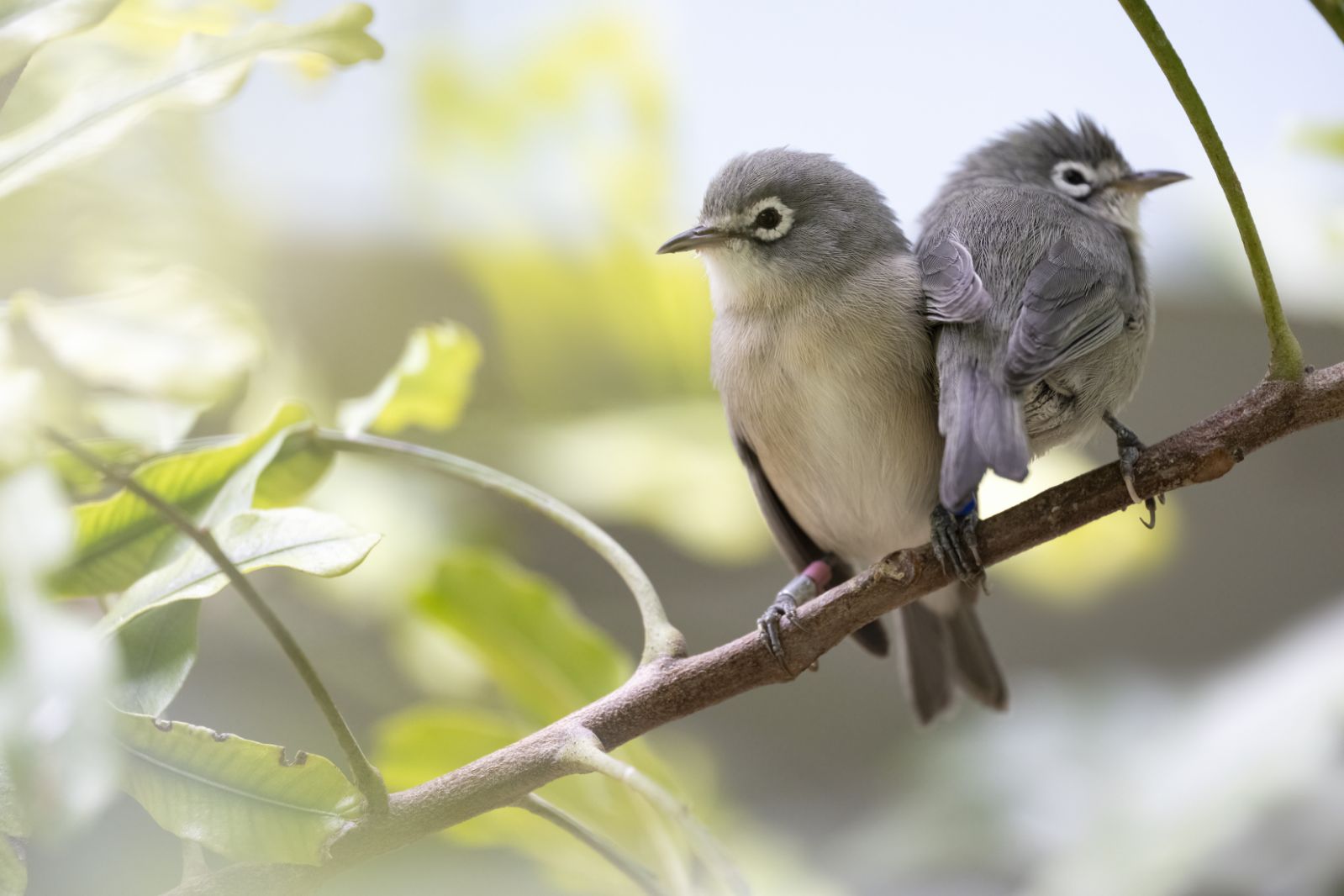
Like the Golden White-eye, the Saipan White-eye, also known as the Bridled White-eye, is a small, understory specialist. Restricted to the island of Saipan in the Northern Mariana Islands, this species occurs in a wide variety of wooded and semi-wooded habitats, including native limestone forest, scrubby secondary growth of disturbed habitats, and even urban areas….
Read More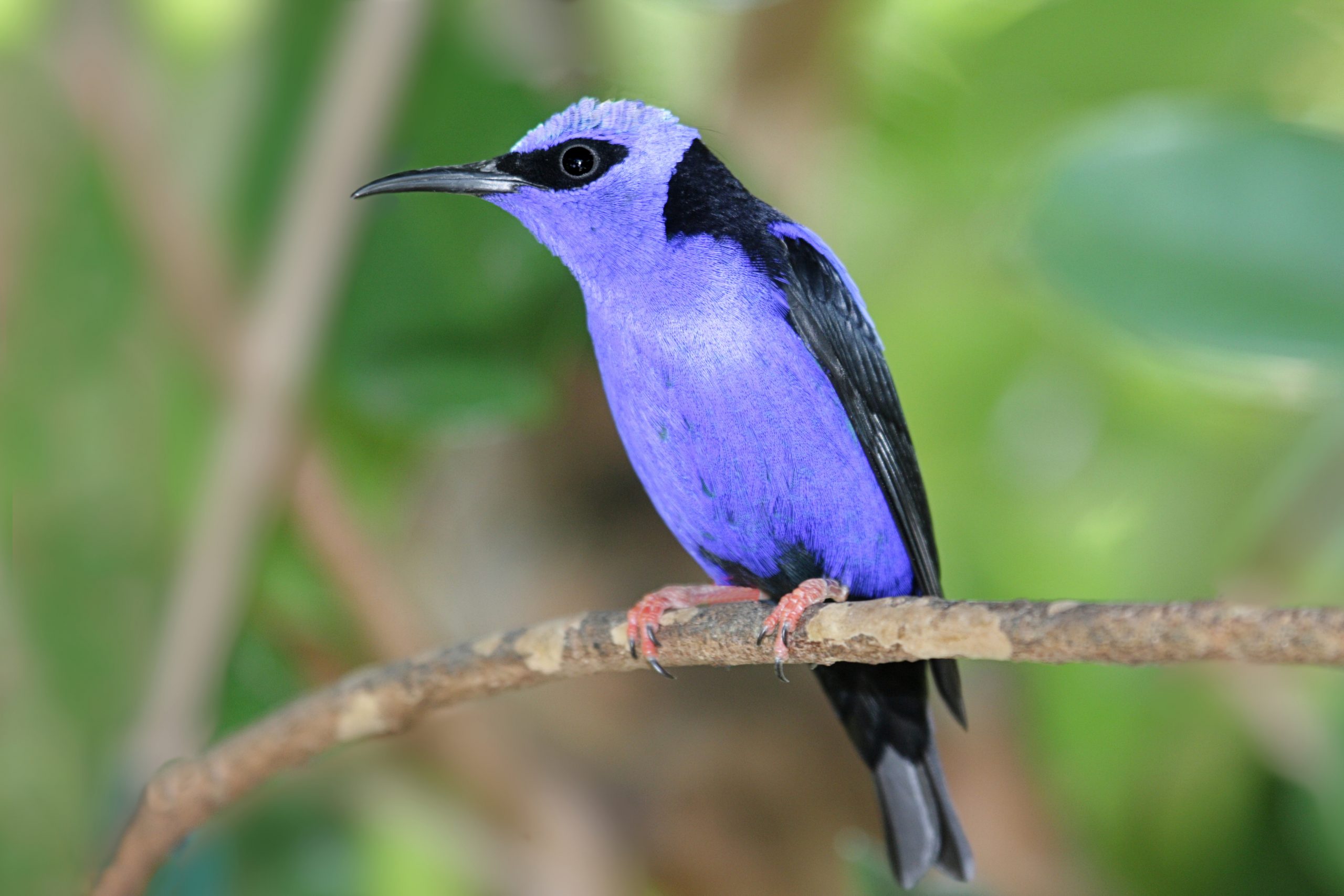
One look at the Red-legged Honeycreeper and it’s easy to see where it gets its name. Largest of the Cyanerpes honeycreepers at about 12 centimeters long, both male and female Red-legged Honeycreepers sport bright, candy-red legs and a long, sharp bill that’s almost as recognizable as their legs. Males in breeding plumage are a brilliant…
Read More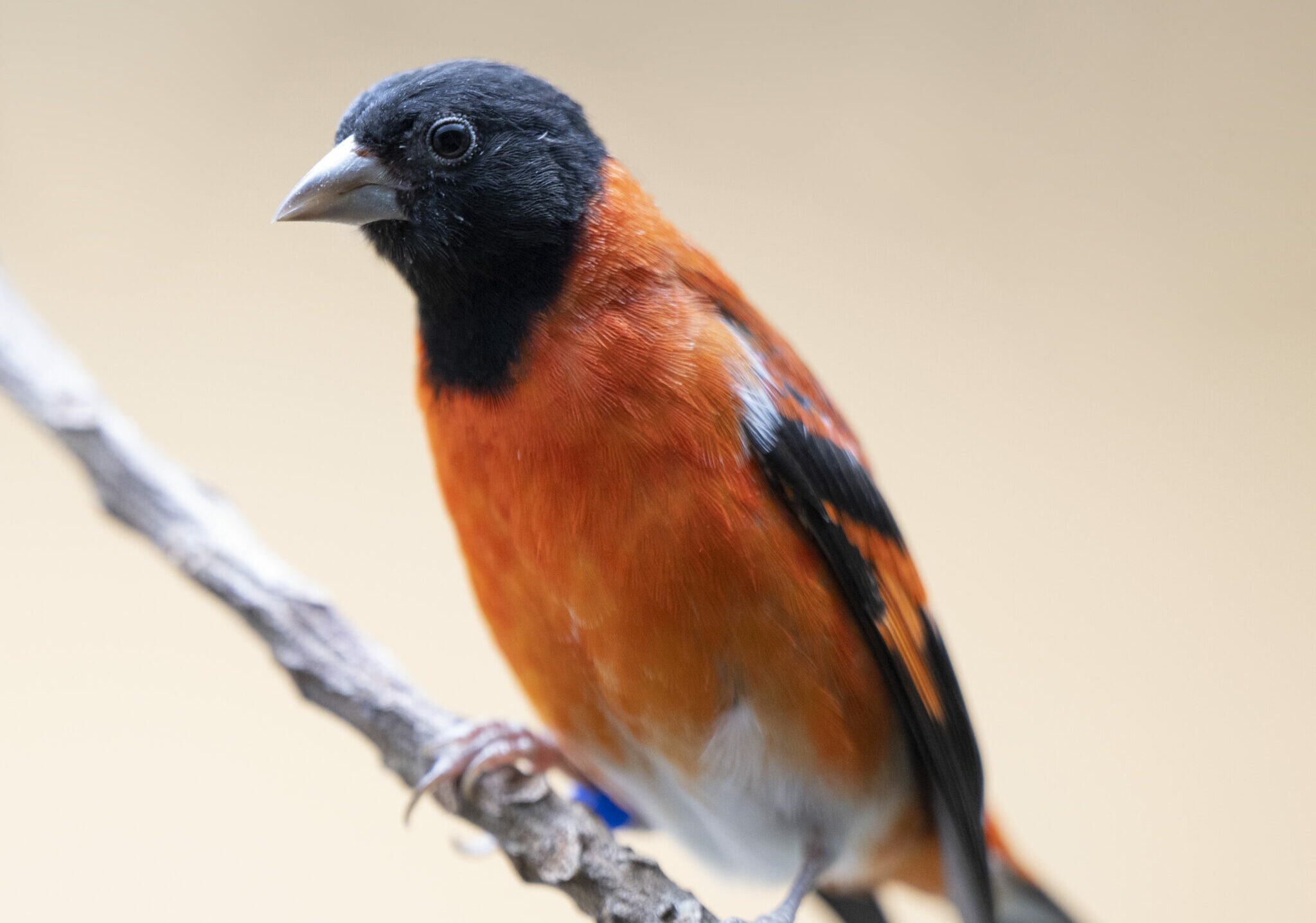
The Red Siskin is an Endangered species owing to its popularity as a cage bird. The Red Siskin is a vibrantly colored finch that was once plentiful in Venezuela and so recognizable that their image is printed on Venezuelan banknotes, written into poetry, and appears in works of art. Native to the northern regions of…
Read More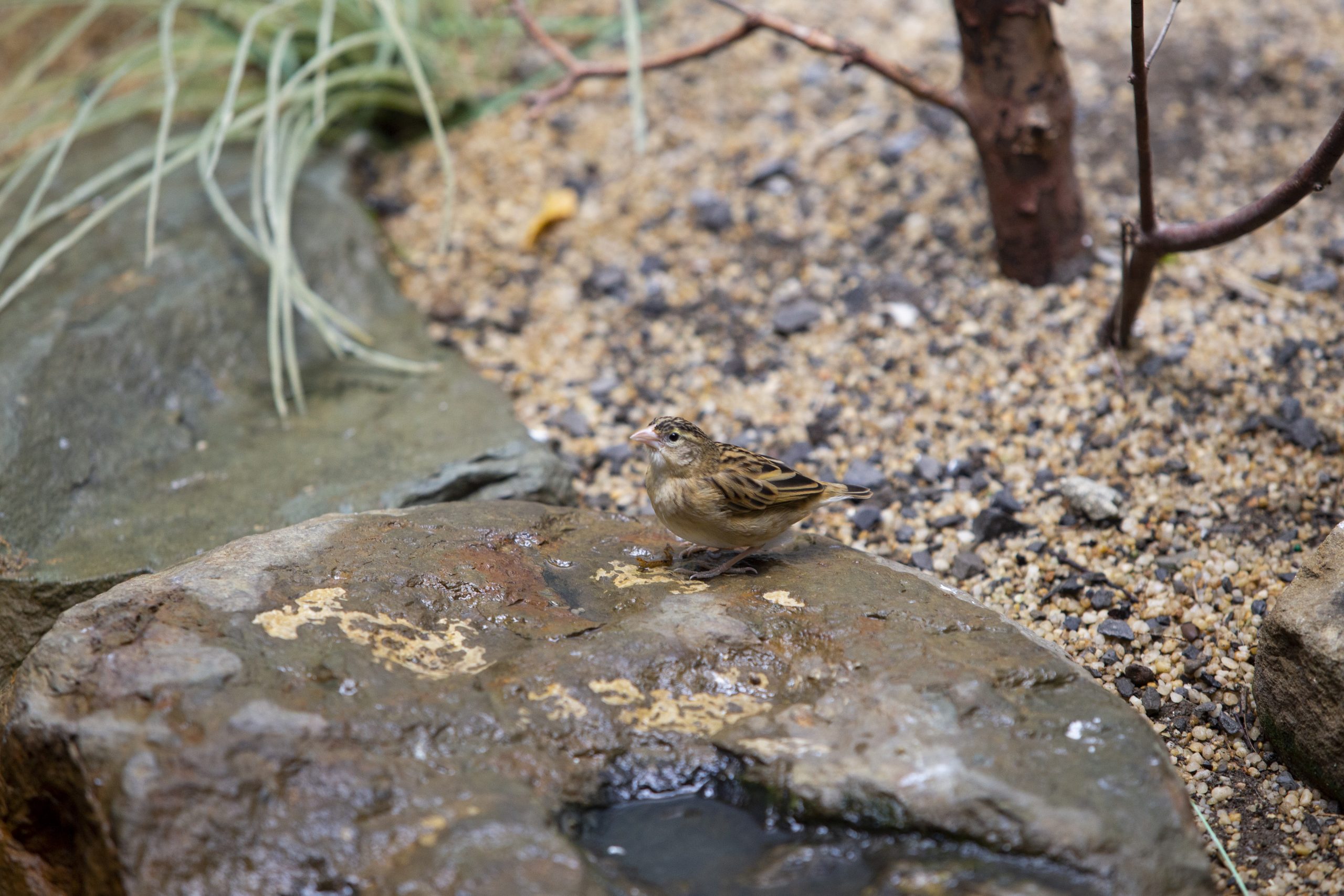
The Northern Red Bishop, sometimes called the Orange Bishop, is a small songbird found in the grasslands and wetlands of Africa. Some populations have become established in other areas, as well. This species forages in small flocks, primarily eating seeds. Males are a stunning orange. Females are less colorful but have beautiful streaking. Their song…
Read More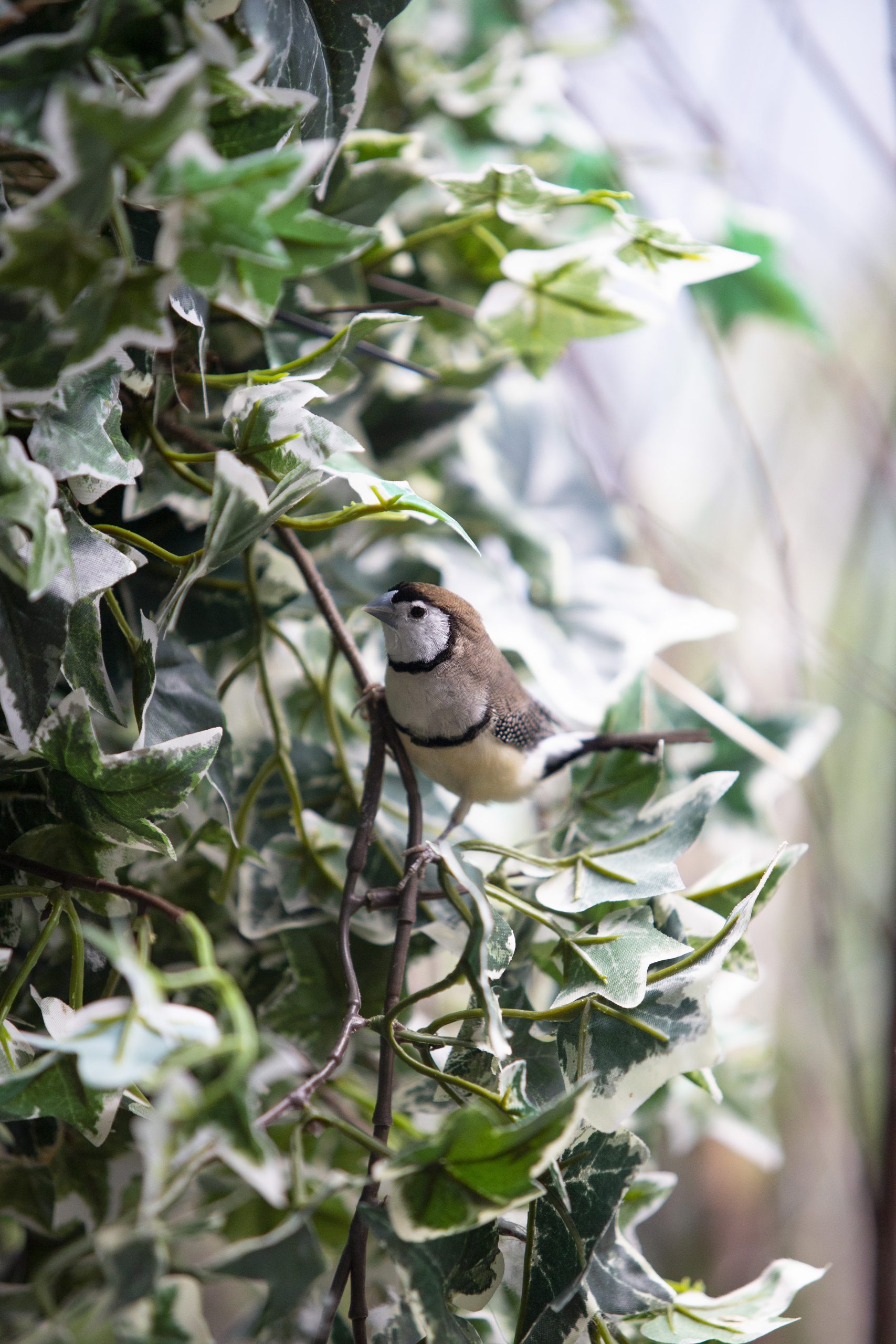
The Owl Finch, or Double-barred Finch, is a handsome bird from northern and eastern Australia, where it is found in open grassy woodlands, scrublands, forest edge, and grassy vegetation along larger watercourses, as well as more anthropogenic habitats such as cane fields, roadsides, and parks and gardens. Like similar finches, the Owl Finch feeds of…
Read More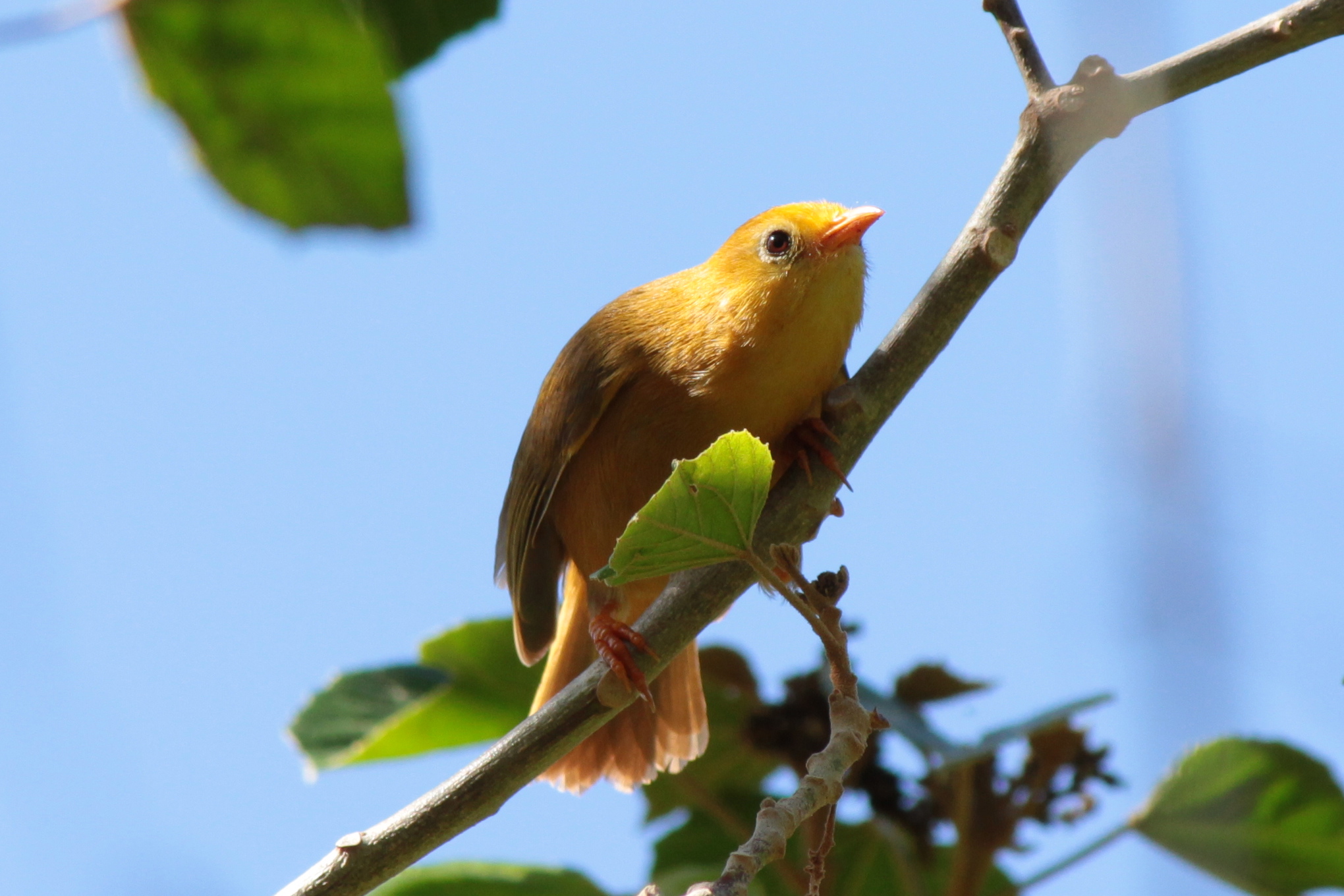
A small, understory specialist, the Golden White-eye is an Endangered bird restricted to the islands of Saipan and Aguijan in the Northern Mariana Islands. This species occurs in a wide variety of wooded and semi-wooded habitats, including suburban areas where it pursues a generalized diet of berries, seeds, nectar, and flower parts, as well as…
Read More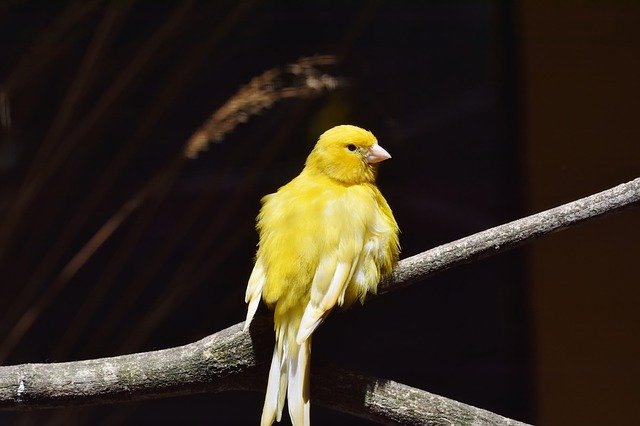
When most of us think of the canary, we think of a cheerful, bright yellow bird in a decorative cage. In reality, this common canary (Serinus canaria domestica) is the domesticated cousin of the “true” Island Canary (Serinus canaria), native to the Canary Islands just off the northwest coast of Africa. Spanish sailors first brought…
Read More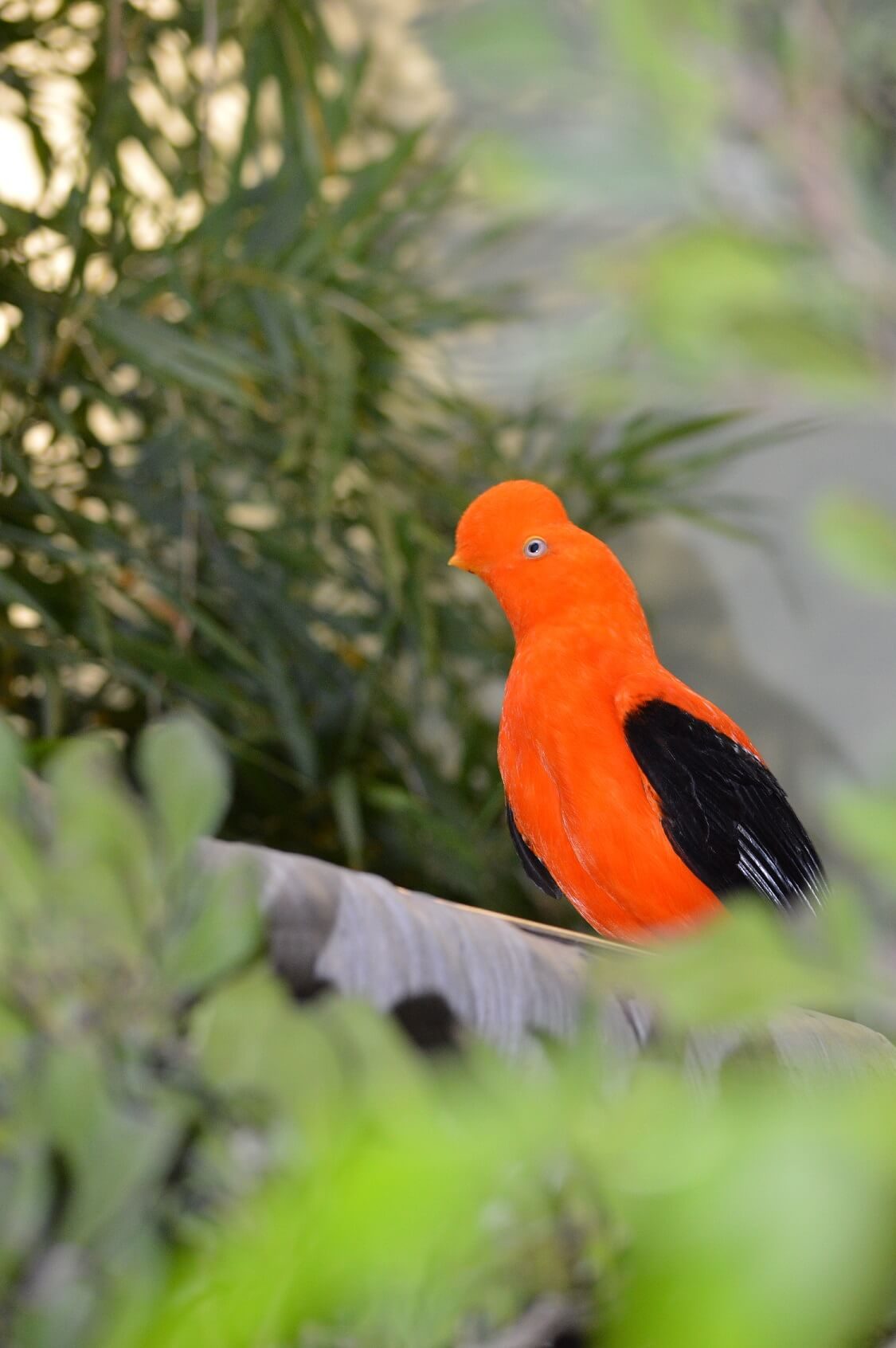
This spectacular bird, with its bright orange fan-shaped crest, is a resident of montane cloud forests, especially in ravines and along streams, in the Andes Mountains from Venezuela to Bolivia. The Andean Cock-of-the-rock feeds on fruits, large insects, and small vertebrates, and builds a nest mainly of mud lined with coarse vegetable fibers and attached…
Read More Previous Posts