
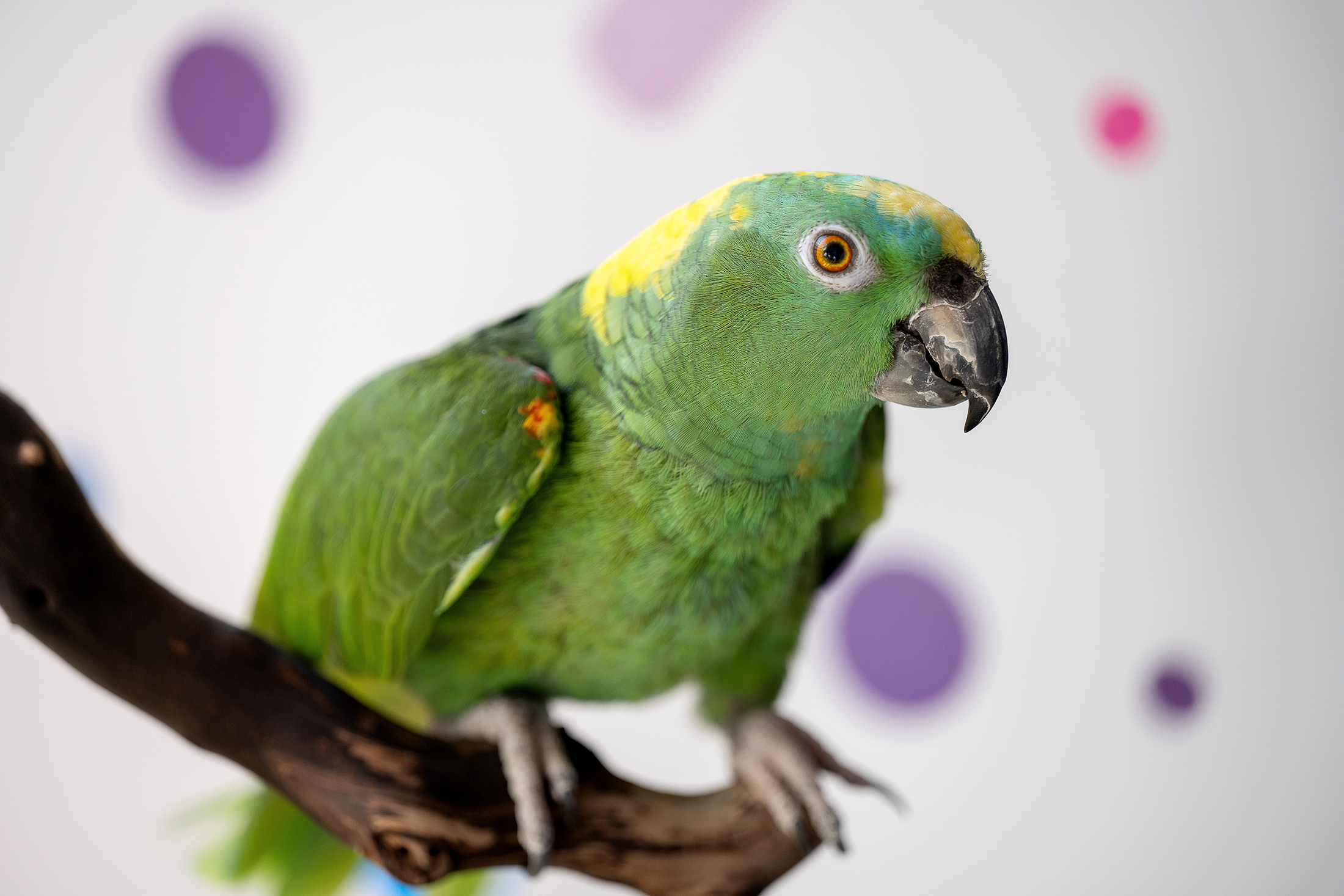
The Yellow-naped Amazon is an Endangered species of the Pacific coast of Mexico and Central America. It inhabits semi-arid woodland, arid scrubland and pine savannas, and treefall gaps in tropical deciduous and swamp forests. Often found in large and noisy flocks, they feed on a variety of seeds and fruits. They nest in hollows of…
Read More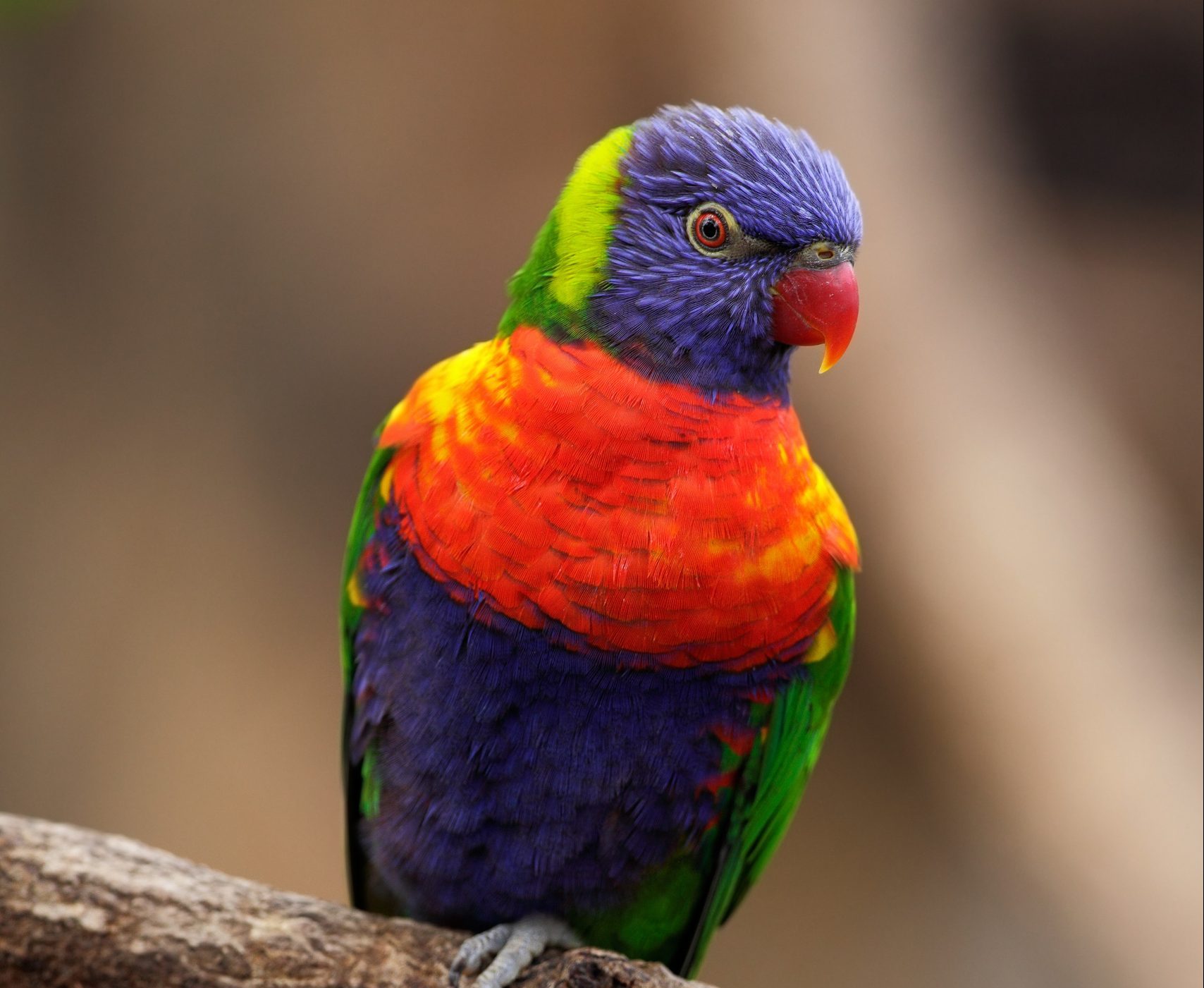
Rainbow Lorikeets couldn’t have a more appropriate name. These small, active parrots are among the most brightly colored in the bird world – as though someone used a whole box of crayons while designing them! Lorikeets are native to Australia and eastern Indonesia, where they live in large, noisy flocks. Nectar from blooming trees such…
Read More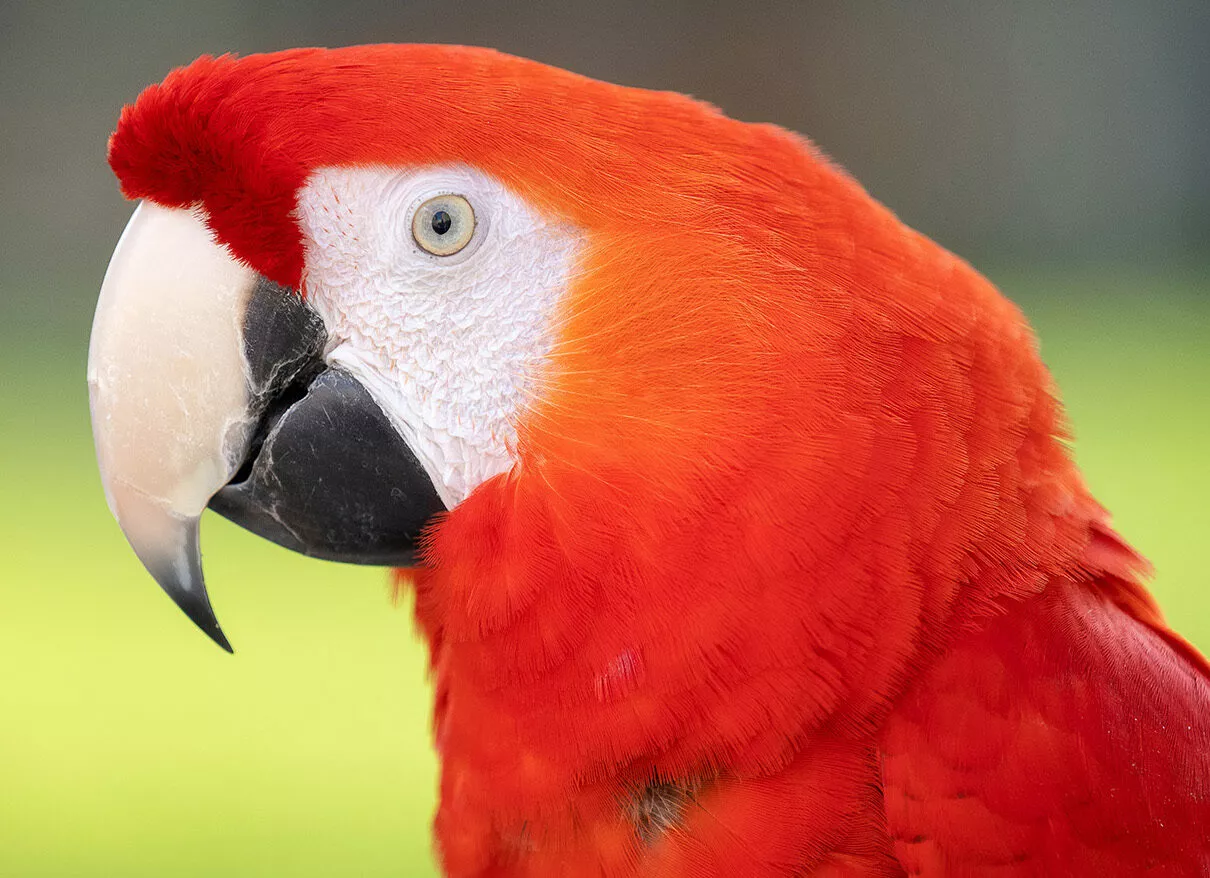
Scarlet Macaws are a striking bird, known for their deep red coloring and white faces. In their tropical evergreen habitats, they can often be seen flying in pairs or in family groups. Their calls can be loud and harsh, and Scarlet Macaws in human care can sometimes mimic human speech. They have powerful beaks and…
Read More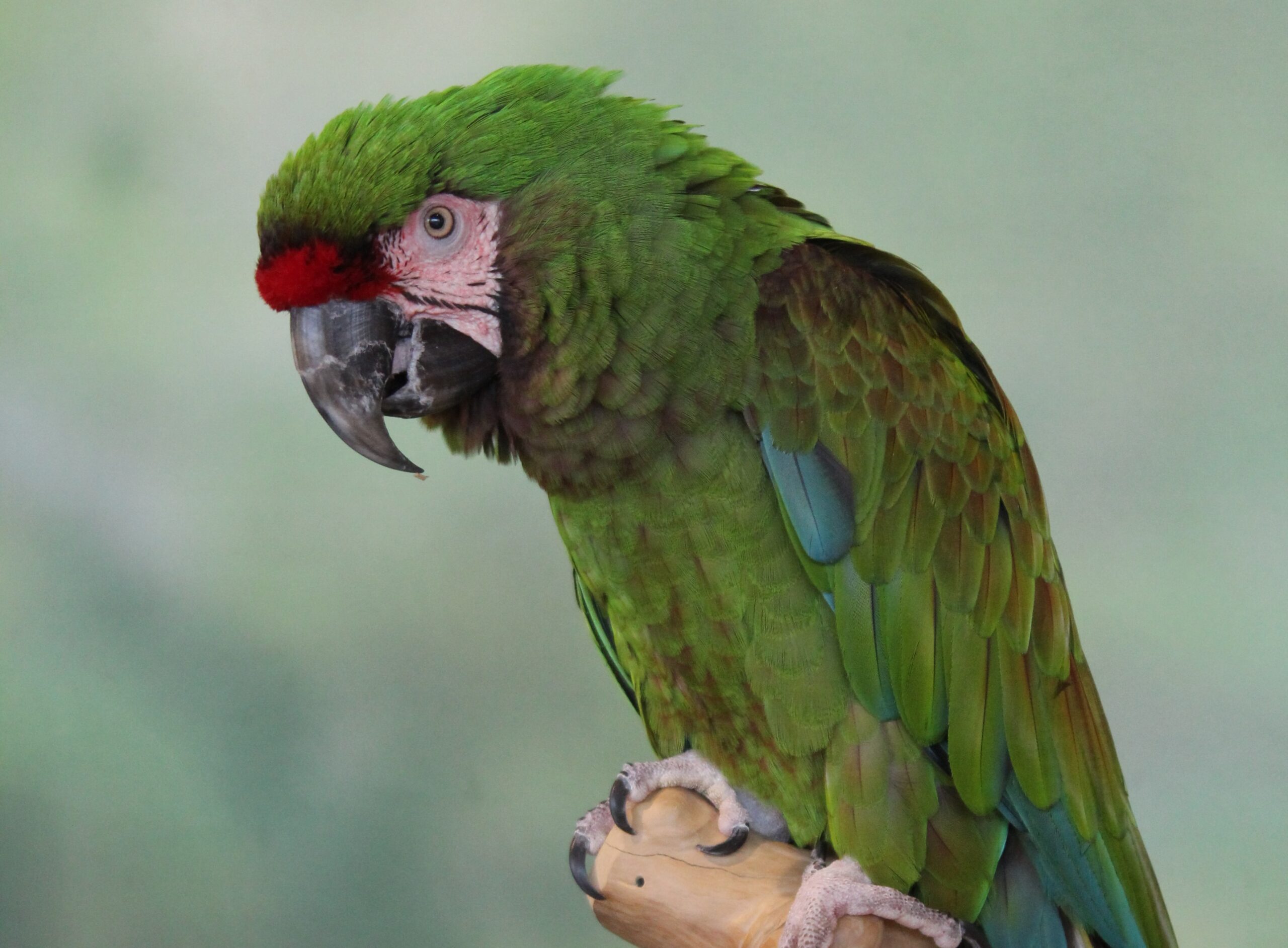
The Military Macaw, a parrot species with a fragmented range running from Mexico to northwest Argentina, is a playful and inquisitive bird. Each Military Macaw has a unique pattern of feathers on its face, similar to a human fingerprint. They also have incredible vision and are able to see colors on the ultraviolet spectrum that…
Read More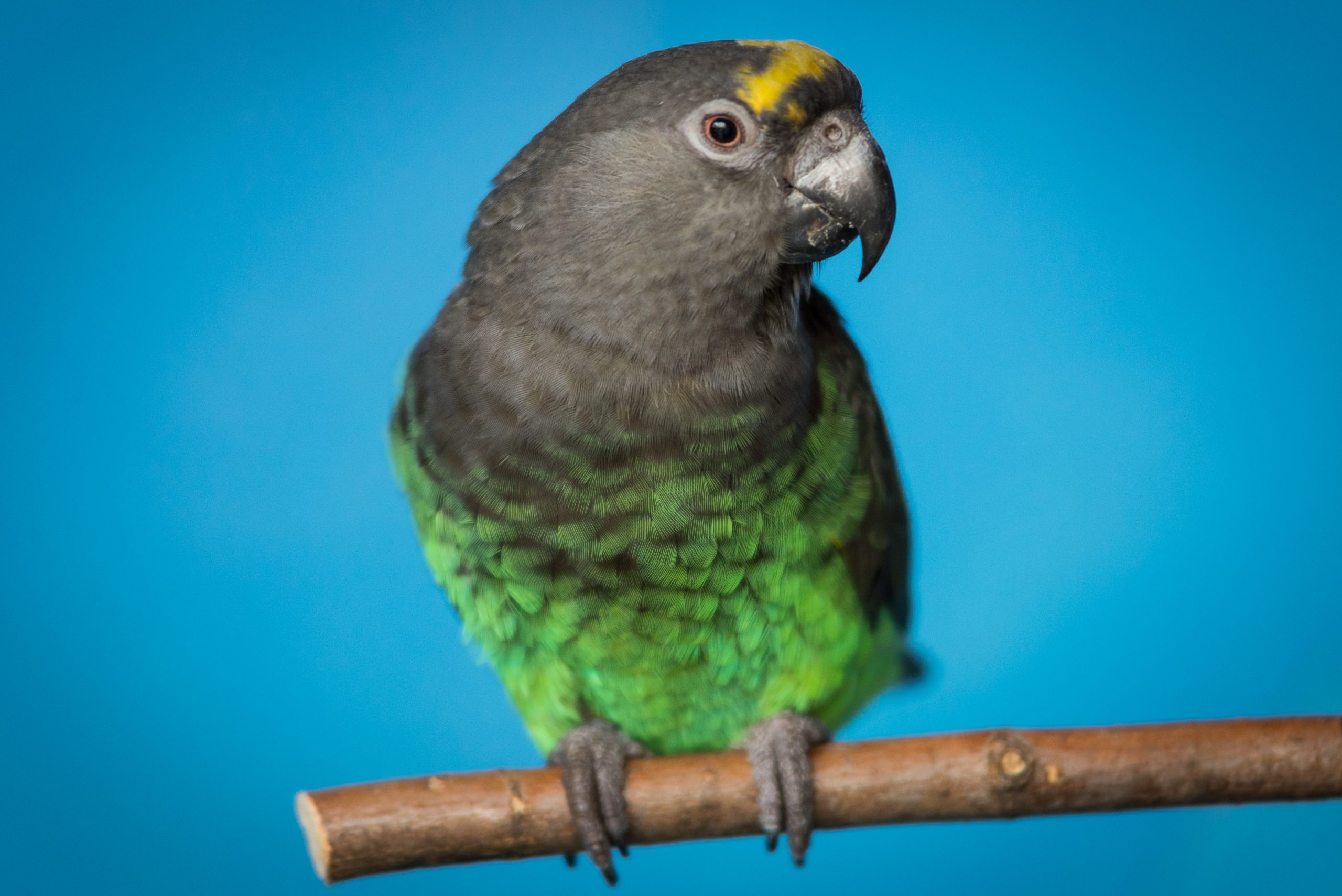
The Meyer’s Parrot (also called the Brown Parrot), is a species native to tropical Africa, found throughout scrub, savanna, palm grove, and subtropical woodland habitats. This species relies on old-growth areas with large trees, because it nests in the excavated cavities left by woodpeckers. While the Meyer’s Parrot is similar to other parrots in its…
Read More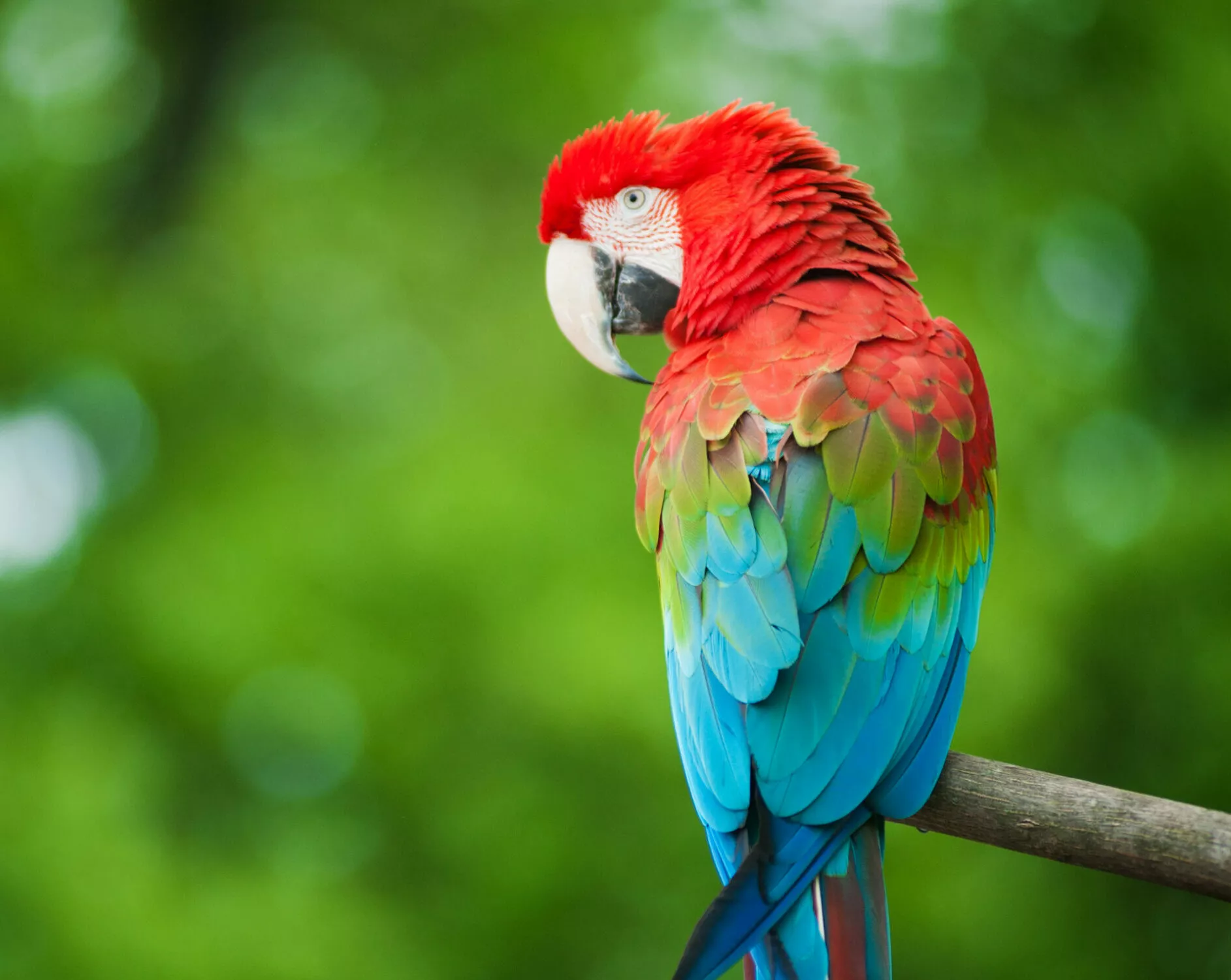
The Green-winged Macaw (also called the Red-and-green Macaw) is a large parrot, second only to the Hyacinth Macaw in size. This species range is also large, spanning eastern Panama to Paraguay. The Green-winged Macaw’s band of green feathers on its wings and the presence of fine, tiny red feathers on its white face distinguish it…
Read More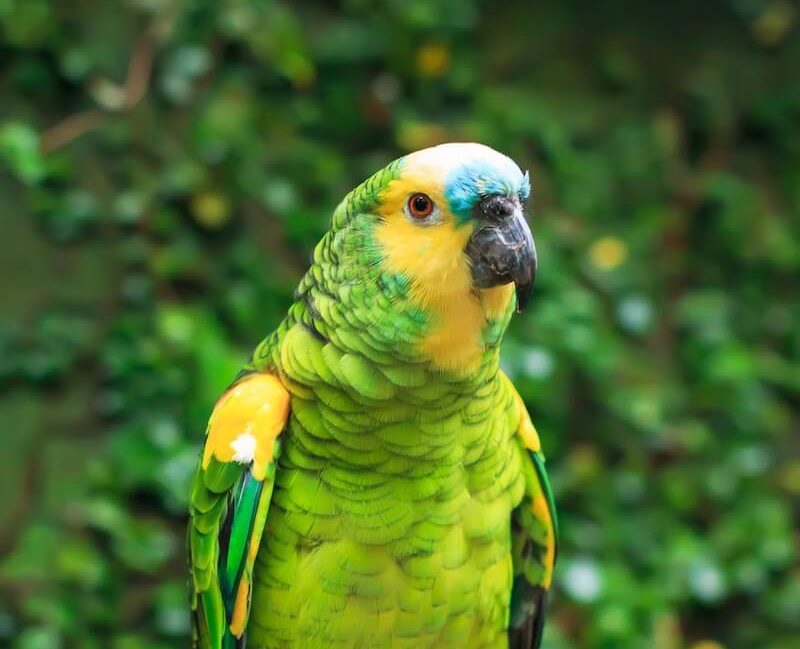
Blue-fronted Amazon parrots, also called Turquoise-fronted Amazons, are loud, social, and intelligent birds that live in family groups in their native South American habitats. They are cavity nesters, and rely on old-growth forested areas for breeding. Like all parrots, Blue-fronted Amazons have the ability to mimic different sounds in their environment — an ability that…
Read More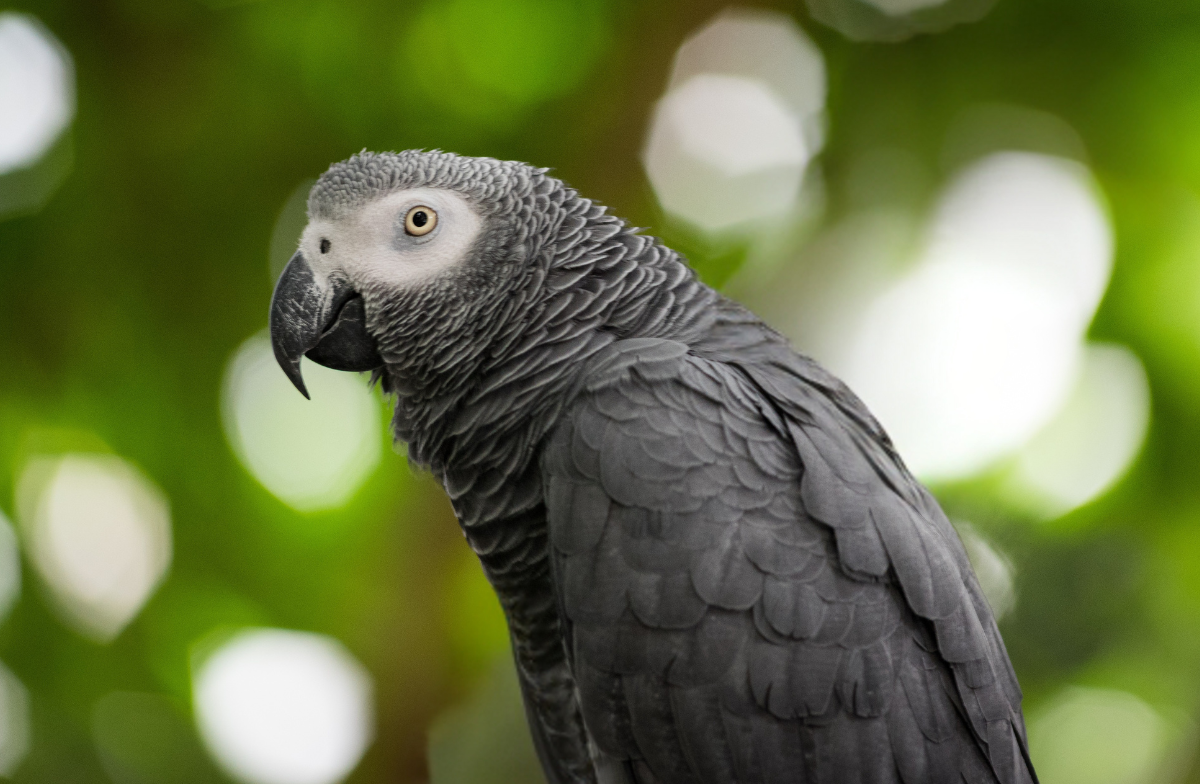
African Grey Parrots, a medium-sized parrot native to the forests of central Africa, are some of the best mimics in the bird world. In the wild, this species often copies the sounds of other animals in the forest. Around people, they may learn to copy a variety of sounds including laughter, a phone ringing, whistling,…
Read More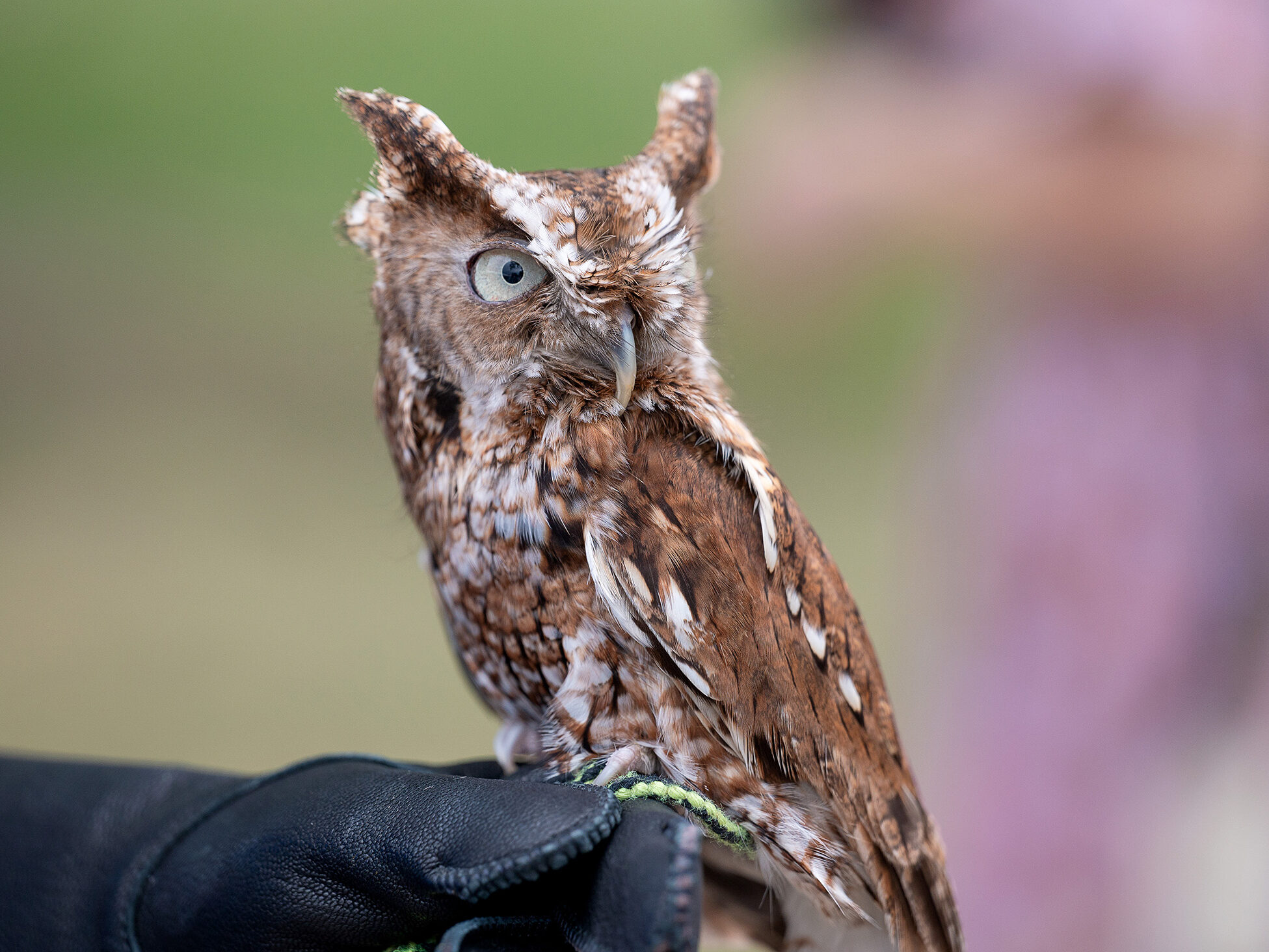
Eastern Screech-Owls are a very common owl species throughout North America, and they have gotten very used to living near humans. These pint-sized owls can be gray or a reddish-brown. They roost and nest in cavities in trees, but also make use of nest boxes. Males are smaller than females, but still have a deeper…
Read More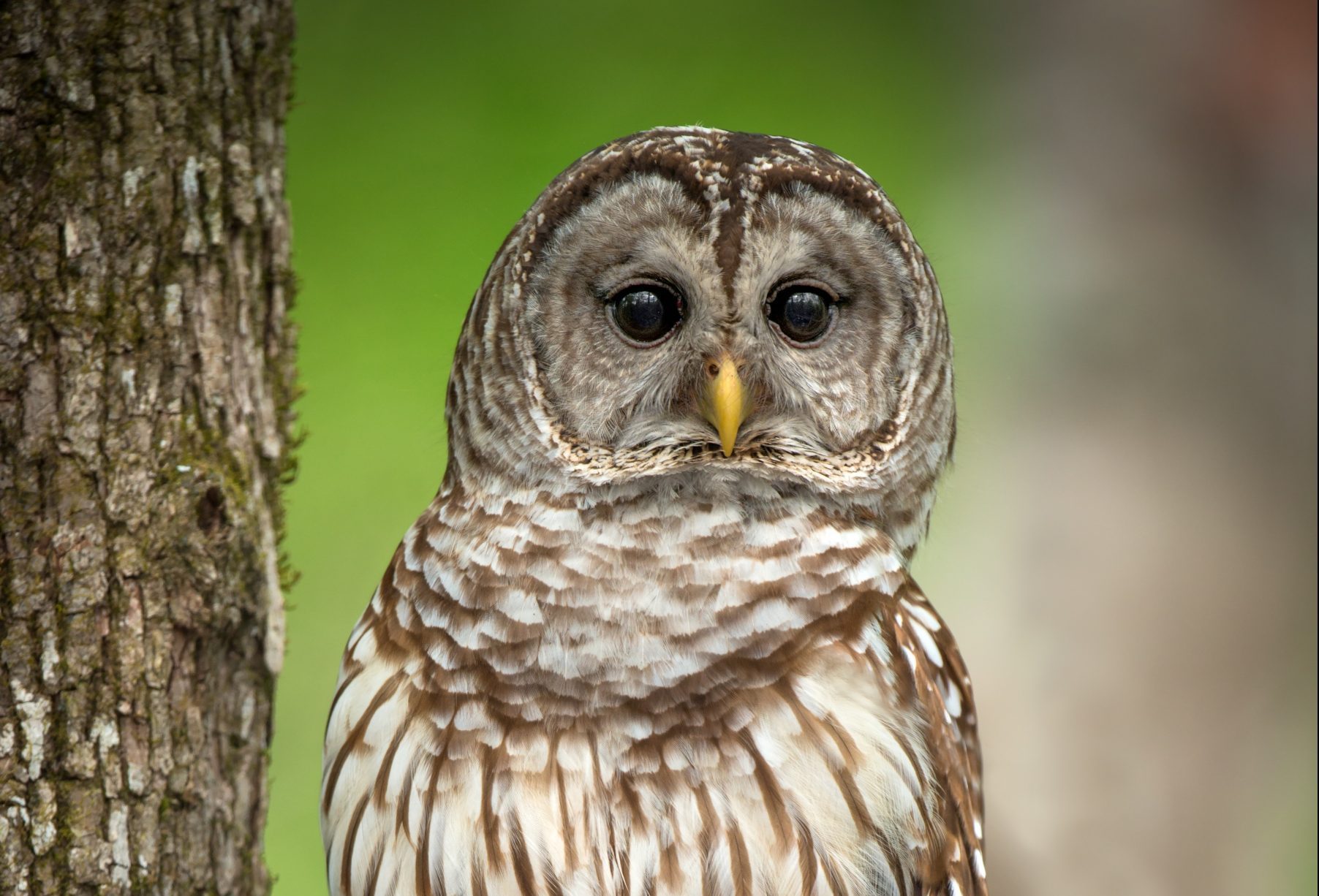
A relatively common Nearctic owl, the Barred Owl inhabits mature mixed deciduous-coniferous forests, often near streams or wooded swamps. This owl nests primarily in cavities, with both parents helping to care for the young until the autumn. Barred Owls have a varied diet of small mammals and birds. Barred Owls are, unfortunately, susceptible to collisions…
Read More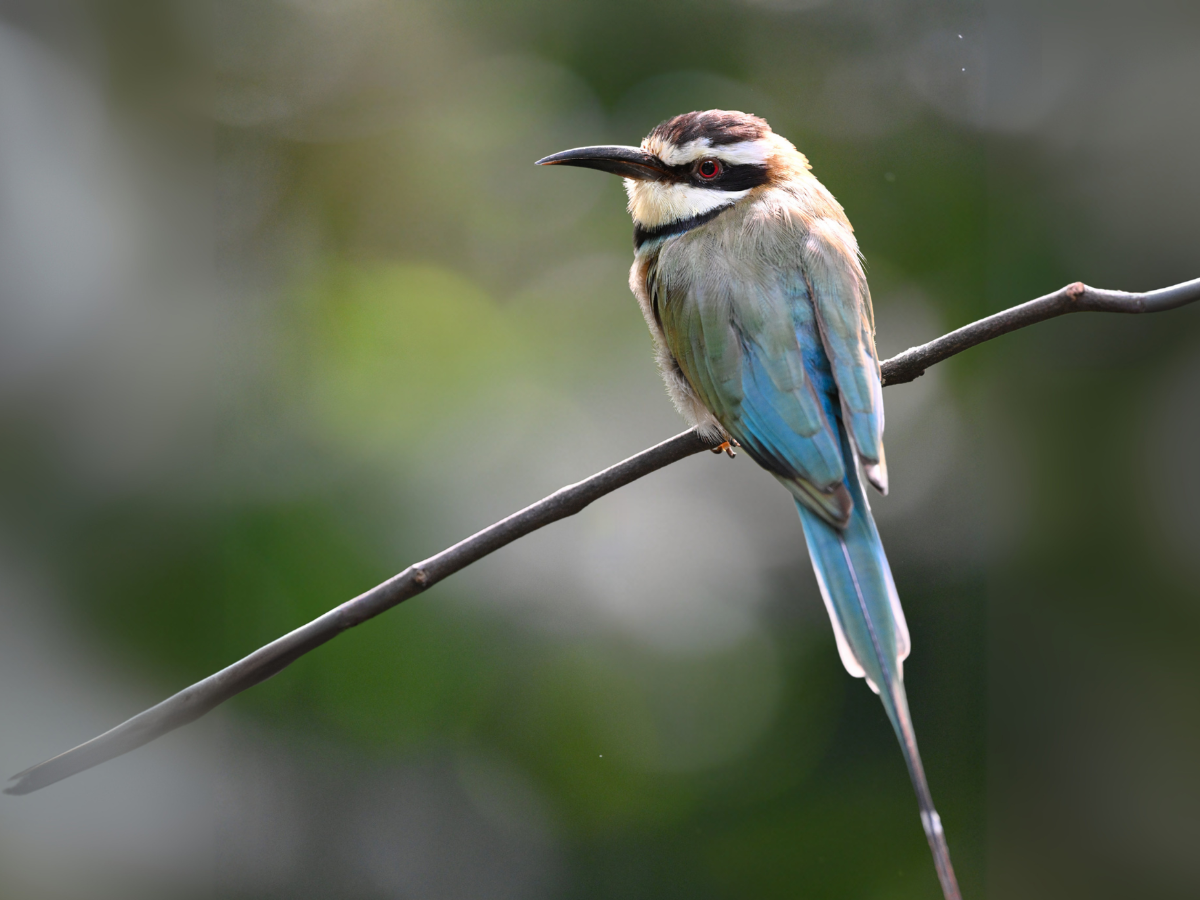
White-throated Bee-eaters are colorful, social birds, named for their ability to pluck honeybees (and other insects) from the air with amazing agility using their long, curved bills. Found throughout central Africa, they breed in the dry sub-desert steppe and winter in woodland areas and farmlands. They are the only bee-eater species that has an elaborate…
Read More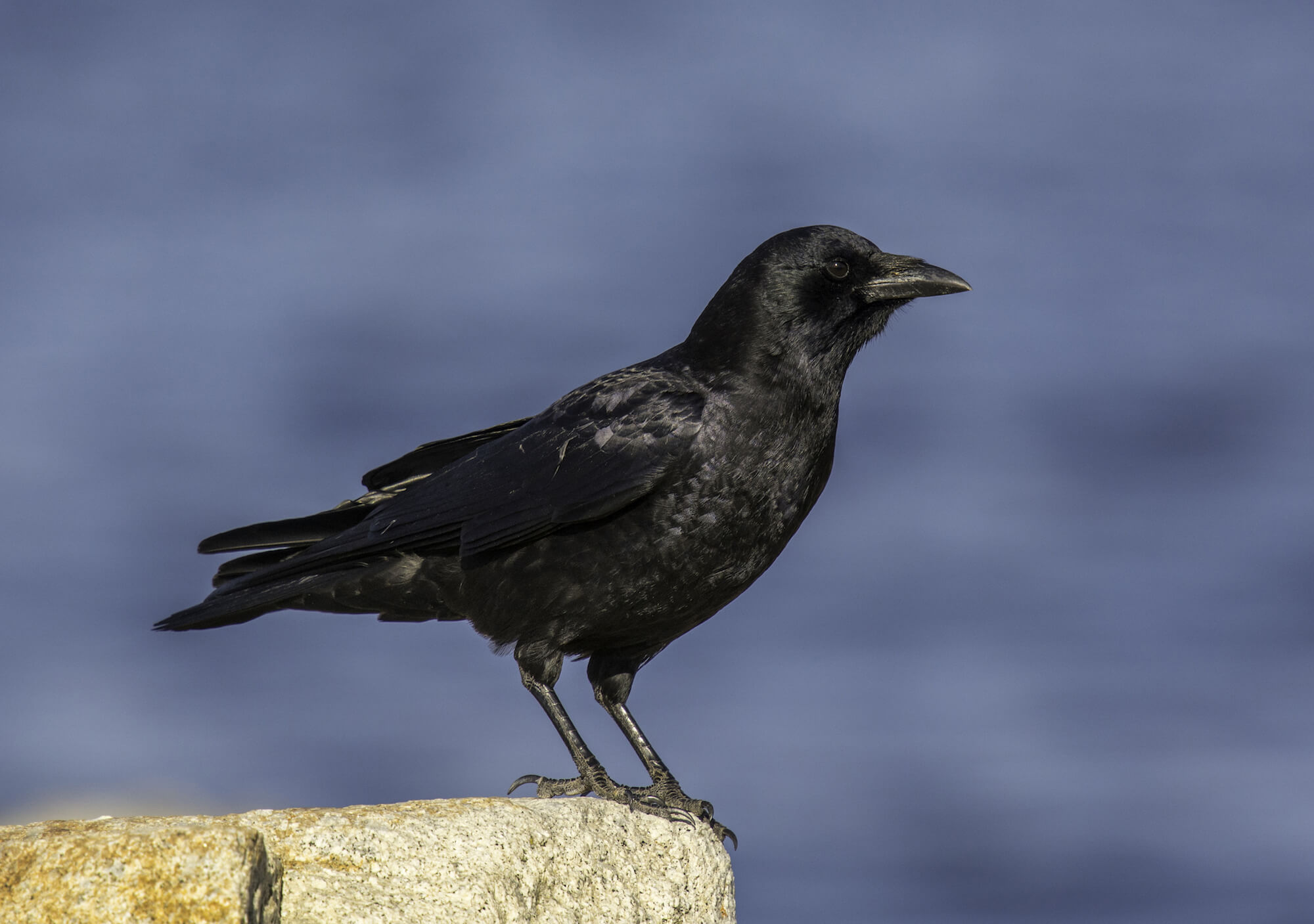
The American Crow occurs in a wide range of habitats in North America and can be found in rural farmland, suburbs, and even urban and residential areas. This species requires little more than large trees for roosting and nesting, and open ground for foraging. Much of the success of the American Crow lies in its…
Read More Previous Posts