
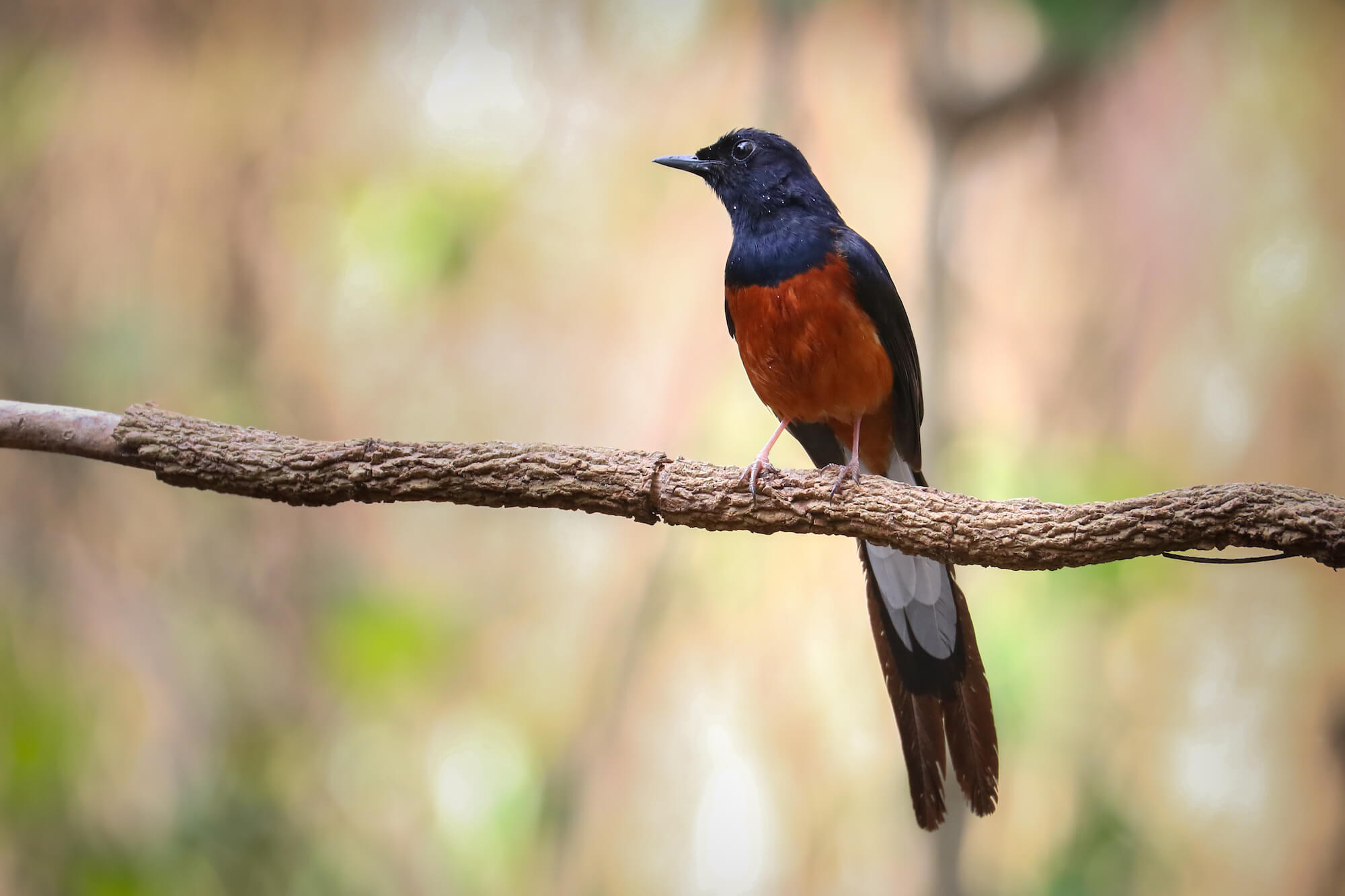
The White-rumped Shama, also called the Common Shamma Thrush, is native to southeast Asia, India, and some Indonesian islands. This species prefers dense greenery and uses its long tail to change directions easily as it flits about in dense thickets. It has a melodious and complex song and was once thought to be a member…
Read More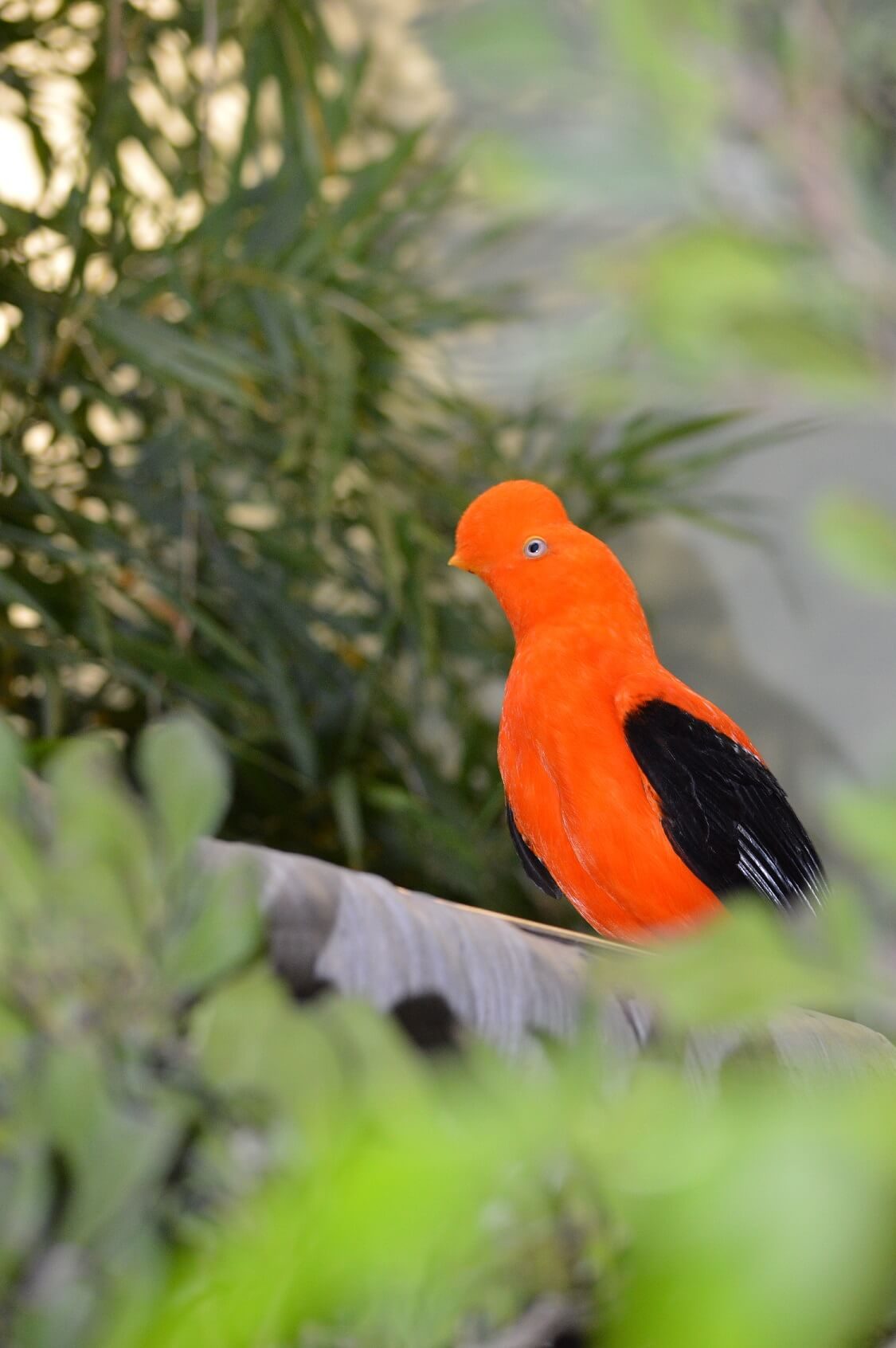
This spectacular bird, with its bright orange fan-shaped crest, is a resident of montane cloud forests, especially in ravines and along streams, in the Andes Mountains from Venezuela to Bolivia. The Andean Cock-of-the-rock feeds on fruits, large insects, and small vertebrates, and builds a nest mainly of mud lined with coarse vegetable fibers and attached…
Read More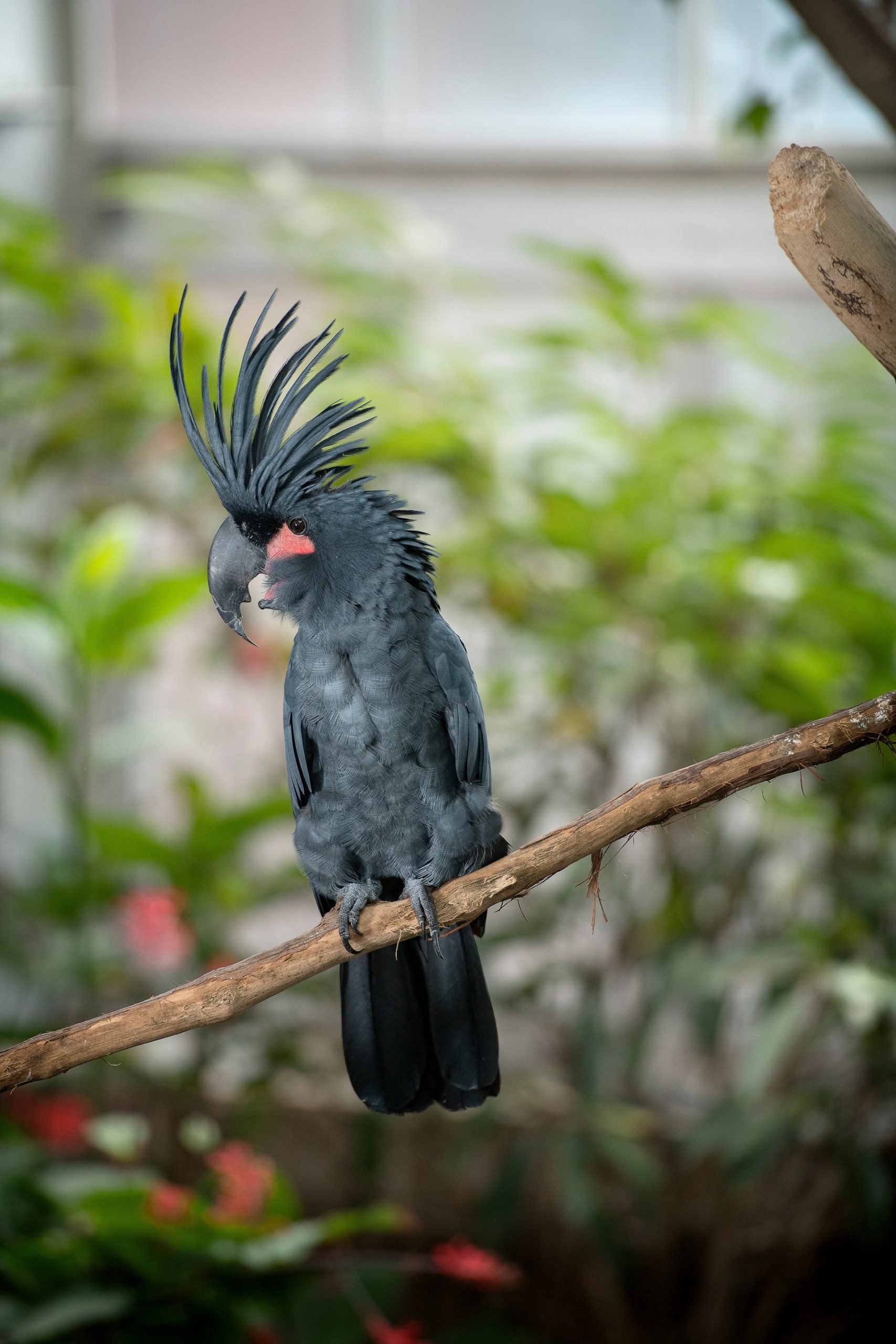
The Palm Cockatoo has the largest bill of any parrot (except for the Hyacinth Macaw), and it uses its powerful bill to eat very hard seeds and nuts that other species can’t access, like palm nuts. They are also among the loudest of all parrots, and communicate by whistling contact calls, stomping noisily on their…
Read More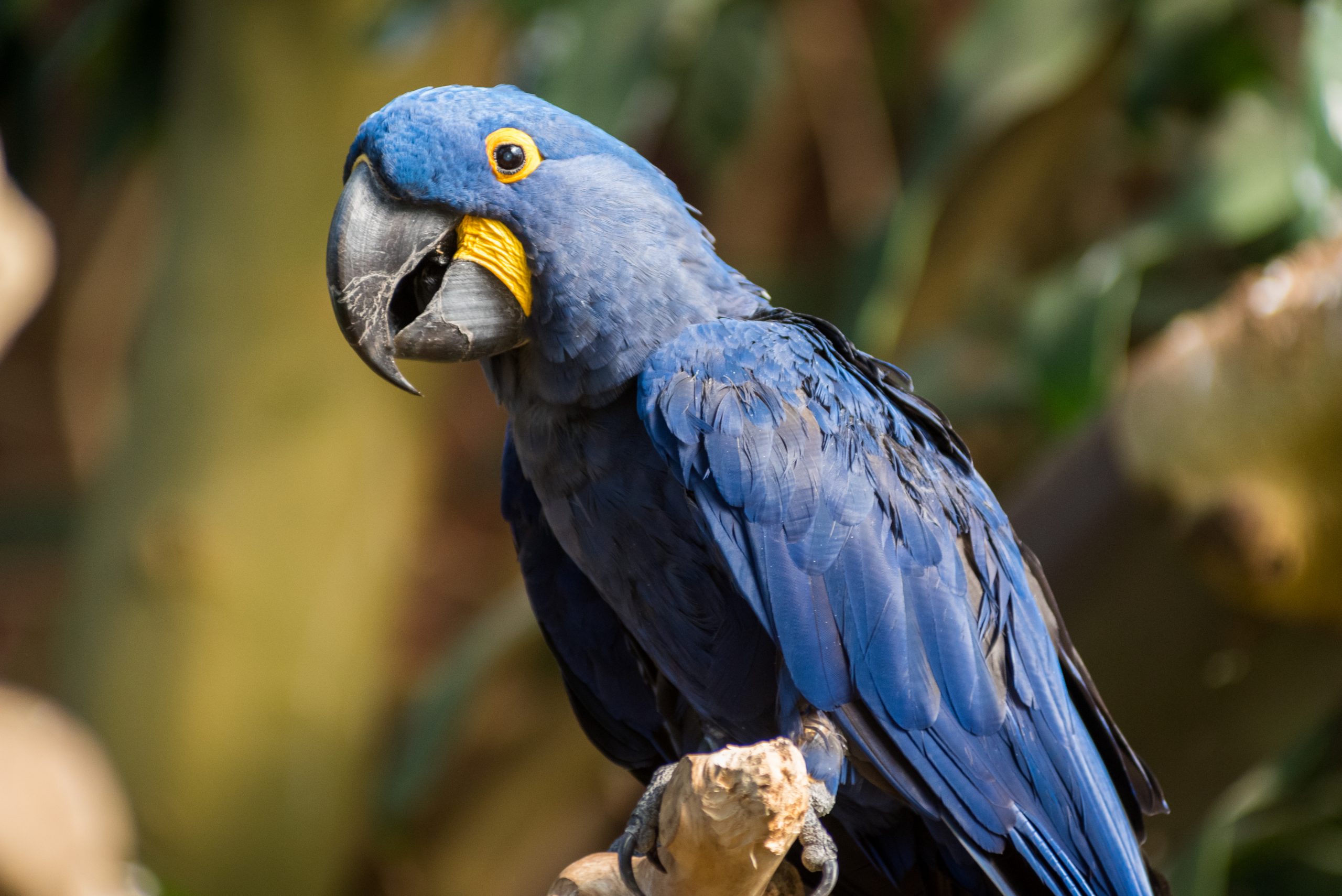
The Hyacinth Macaw is a beautiful inhabitant of várzea, savanna, palm-savannas, and similar habitats adjacent to tropical forests in central and eastern South America. These intelligent and social birds are sometimes known as “gentle giants” for their gentle personalities and their large size. They are the largest macaw species, with strong beaks to match: some…
Read More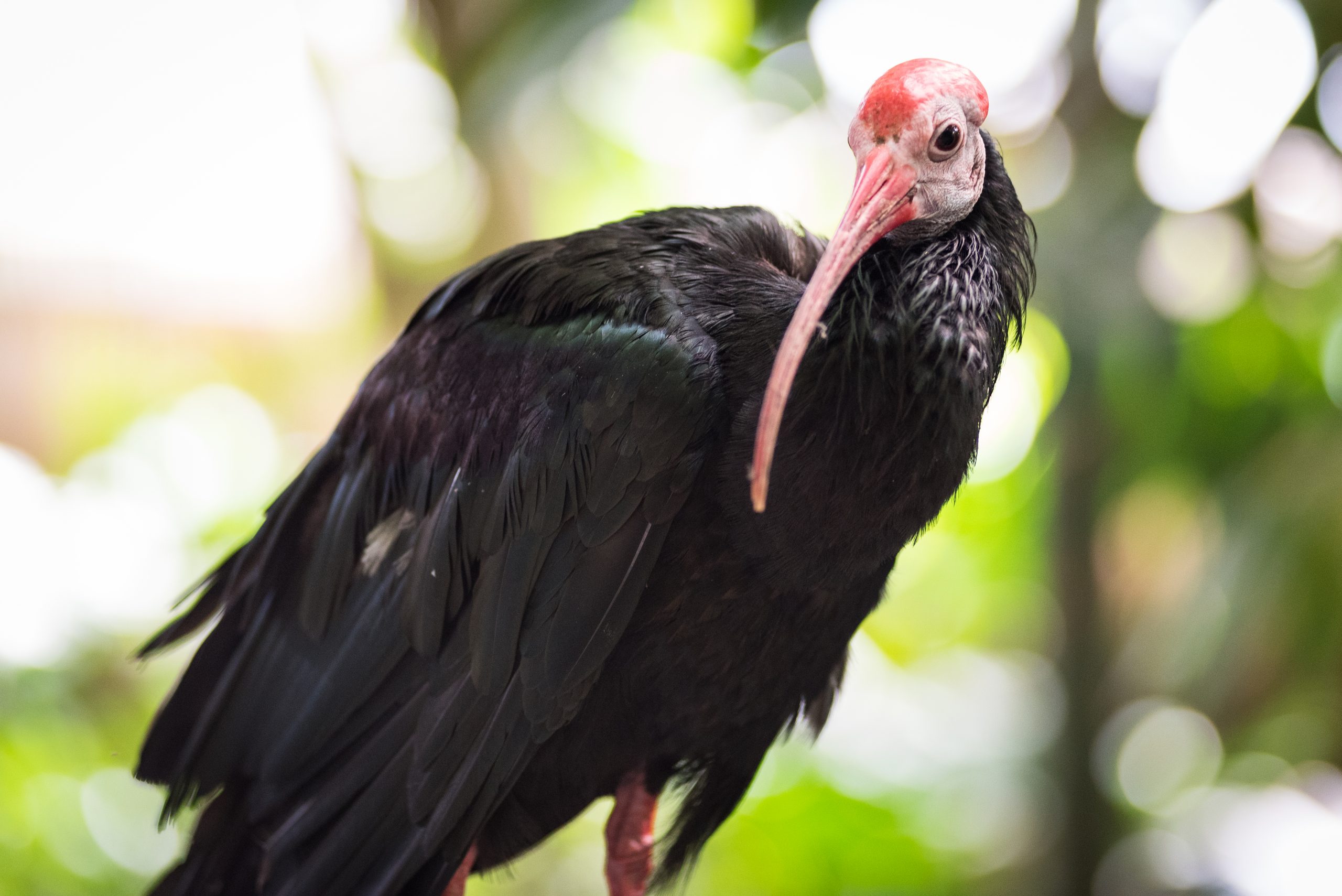
The Southern Bald Ibis is a gregarious, glossy bluish-black ibis restricted to the southern tips of South Africa. This ibis resides in mountainous regions, where it prefers higher elevation short-grass habitats, as well as recently burned, plowed, mowed, or heavily grazed fields and cultivated lands. In these grasslands, the Southern Bald Ibis feeds frequently in…
Read More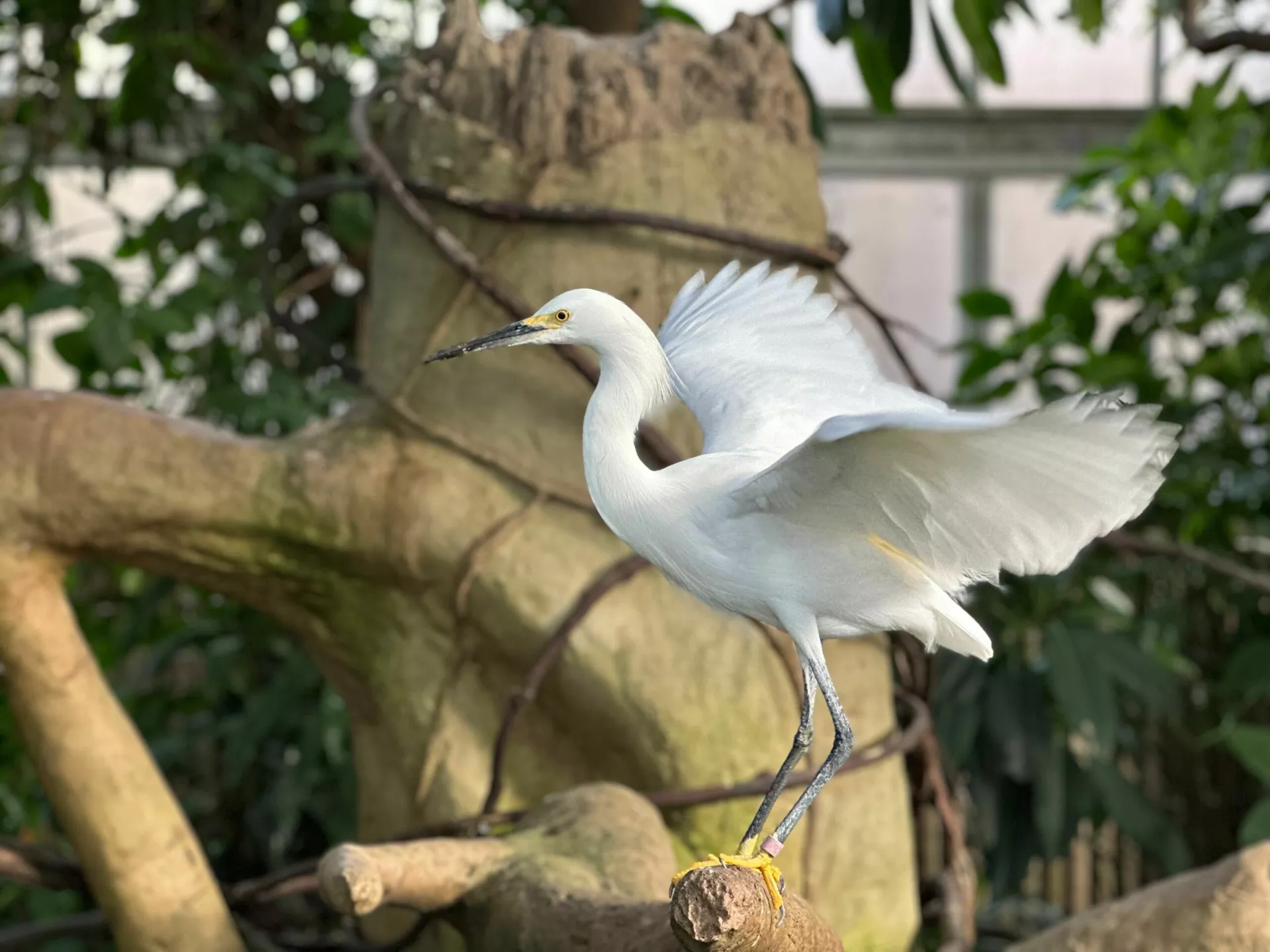
Snowy Egrets are strikingly beautiful birds, with pure white plumage and graceful and elaborate courtship displays. The feathers of the Snowy Egret were highly sought after for fashion, primarily for women’s hats, throughout the late 1800s and into the early twentieth century. The species’ population declined rapidly until restrictions on hunting were put into place…
Read More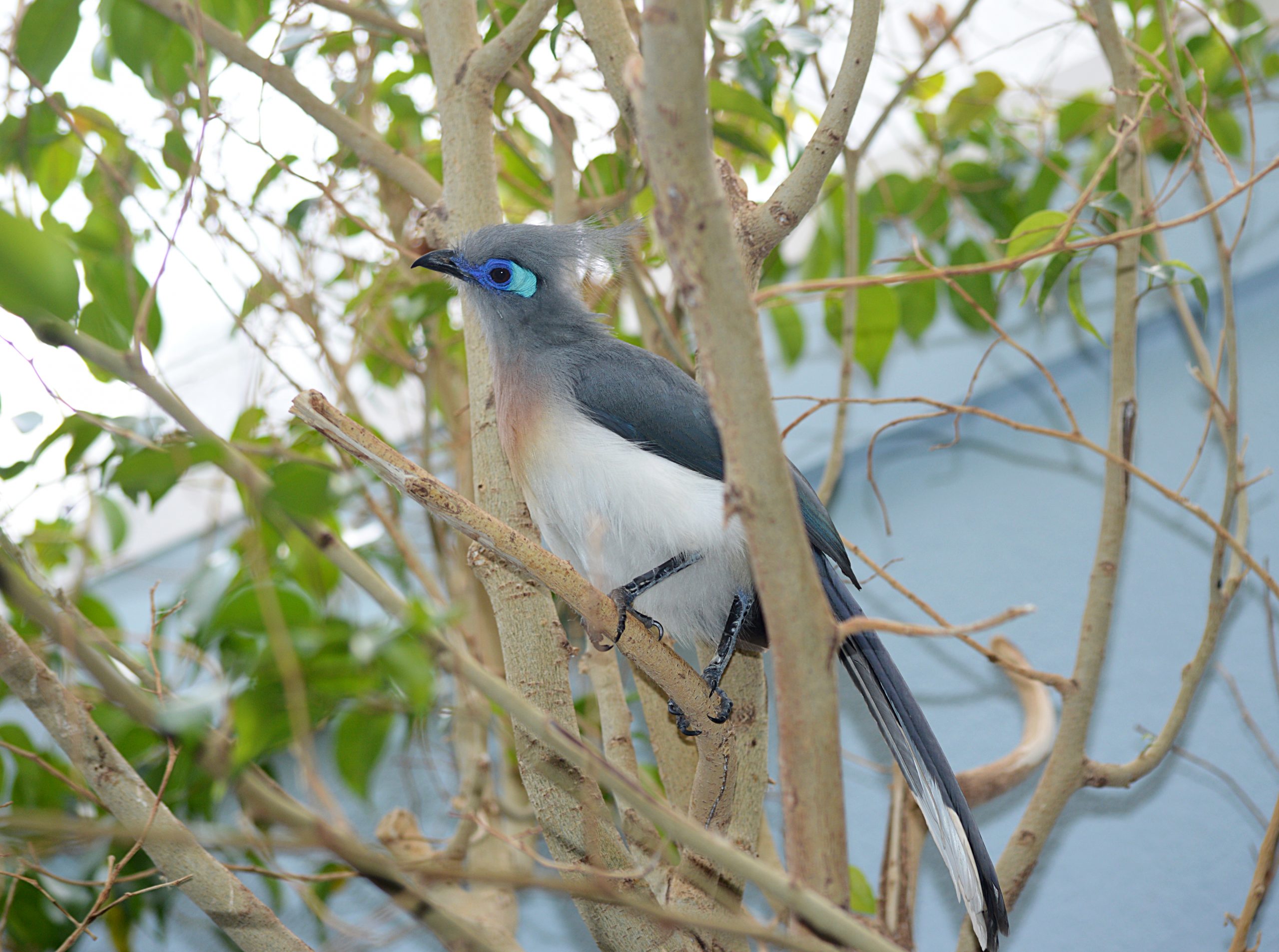
The Crested Coua is found in drier habitats of the Afrotropical region, including coastal deciduous forest, savanna, spiny brushland, palms, and mangroves. The Crested Coua eats large insects, snails, small lizards, and occasionally other birds’ eggs, but also some berries, seeds, and fruits. These are collected at higher levels of the forest, mostly by walking…
Read More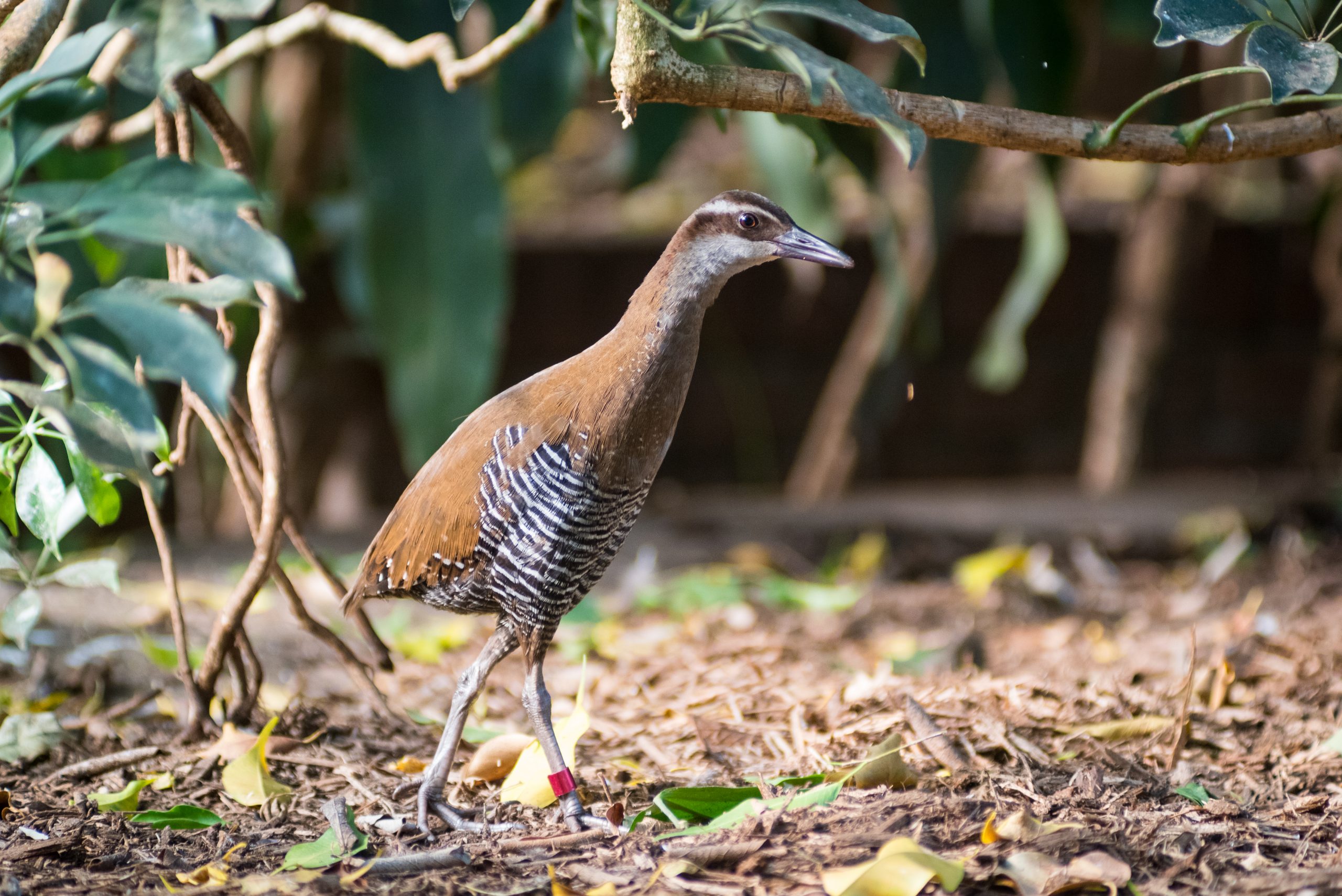
The Guam Rail is a small, ground-dwelling bird, inhabiting forests, mixed woodland and scrub, fern thickets, and grasslands. They move quickly through thickets and grasses. It is most active at dawn and dusk. In the late 1980s, the presence of an invasive species, the brown tree-snake threatened the survival of bird species on the island…
Read More Previous Posts