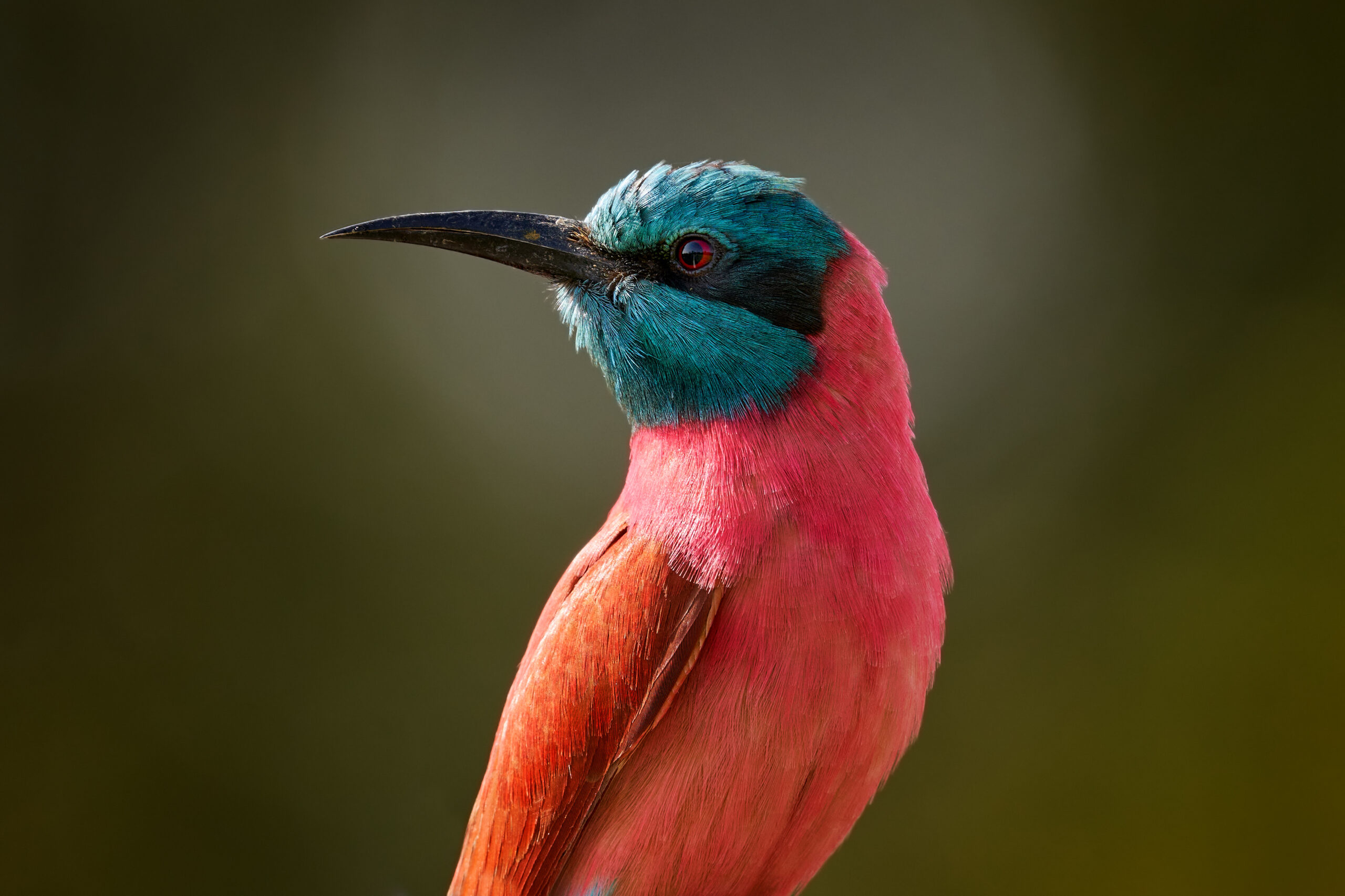
Like other bee-eaters, the Northern Carmine Bee-eater sports rich, bold plumage. They are predominantly a vivid red (hence “carmine”) hue, with a green-blue head and throat and black mask. Their elongated central tailfeathers aid in their aerial hunting tactics. Similar to a boat rudder, which increases steering and balance, these uniquely adapted tailfeathers increase agility…
Read More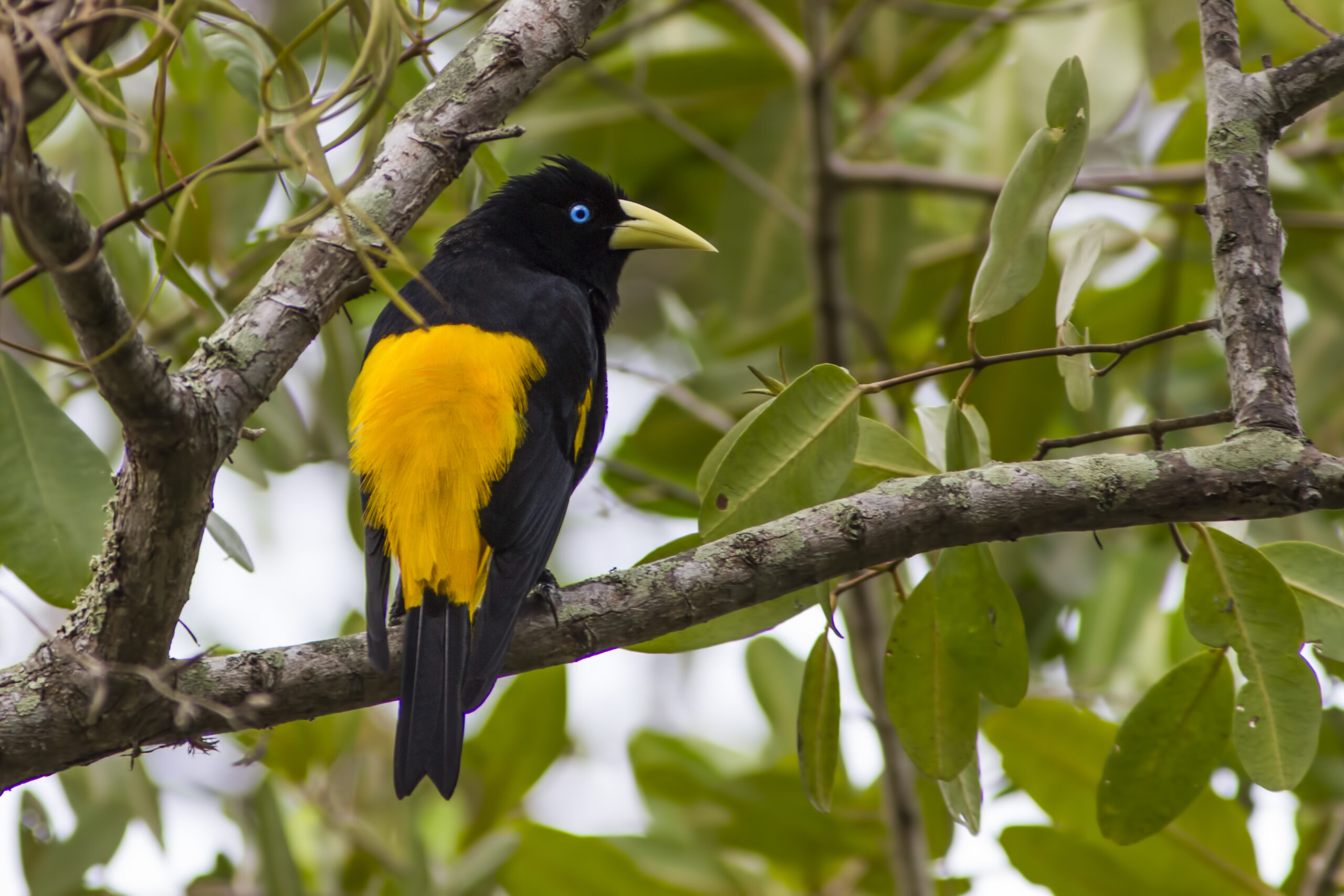
Yellow-rumped Caciques are named after the bright yellow plumage on their rump, which is brighter in males than females.
Read More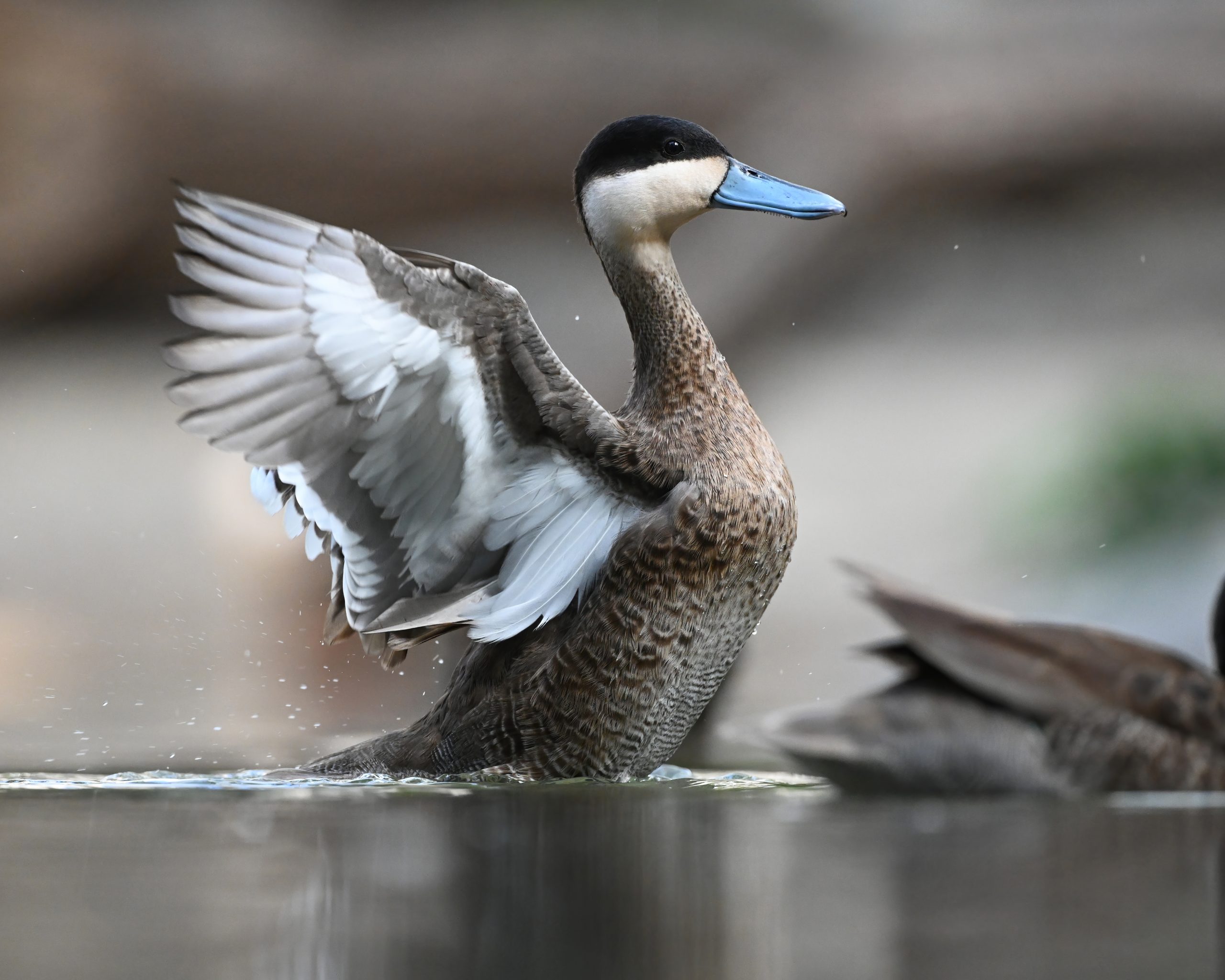
Puna Teal are dabbling ducks that feed by tipping up and reaching down into shallow water and are commonly found on bogs, lakes, and wetlands in the high Andes Mountains. Male and female Puna Teal look alike and sport a blue bill and a crisp, black cap, though males tend to be slightly brighter.
Read More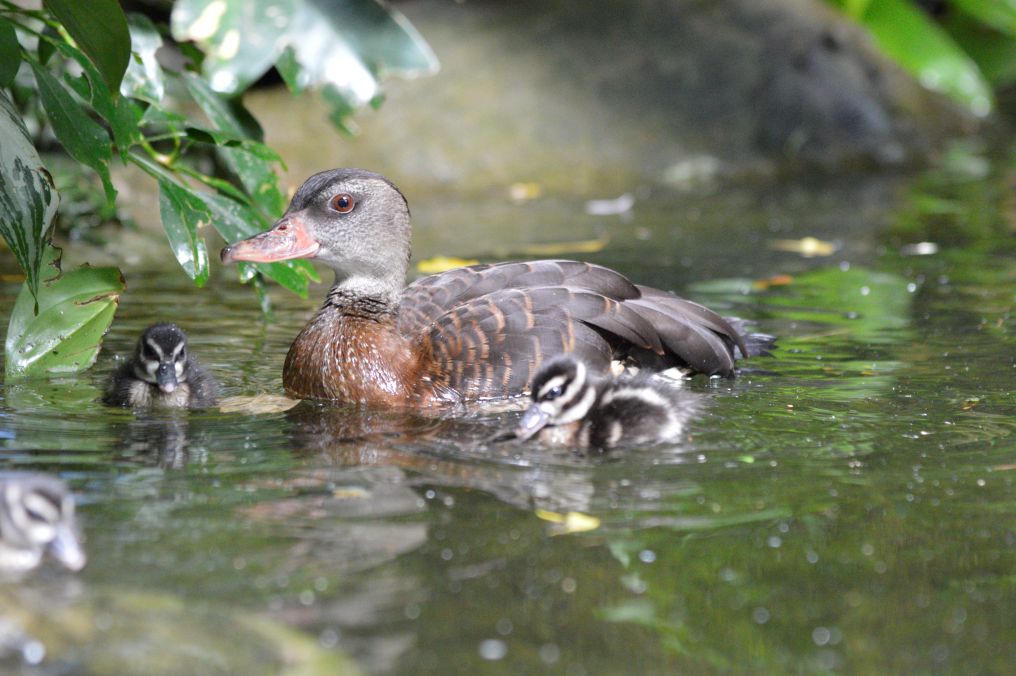
The Spotted Whistling-Duck is a distinctive duck species found in Southeast Asia. Also known as the tree duck, it has long legs and a long neck compared to other ducks, and is very comfortable perching high up in trees. They favor low-lying wetlands, where they both dabble and dive for food, which includes seeds and…
Read More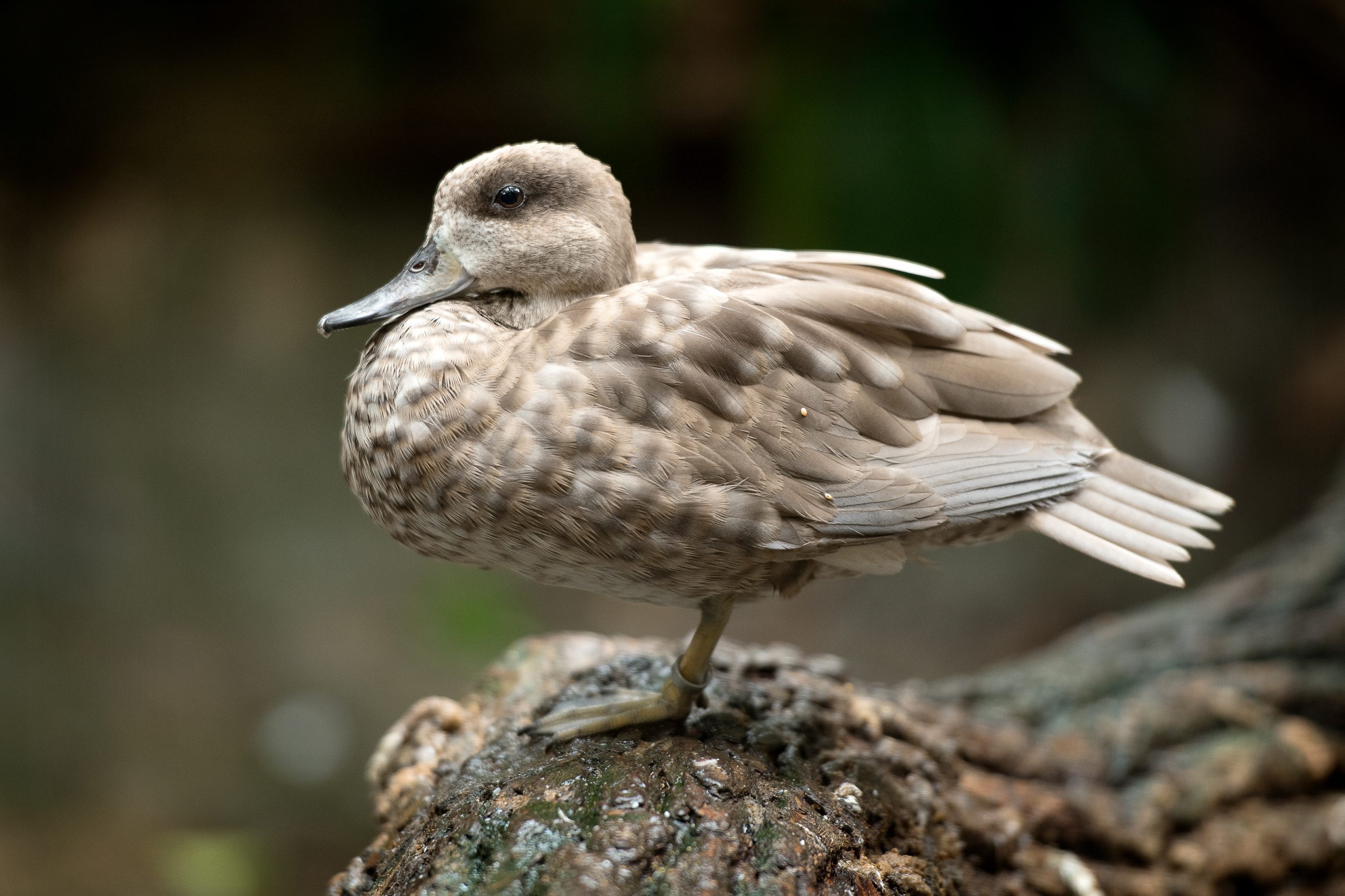
The Marbled Teal is a duck of the Mediterranean region, particularly fond of shallow brackish and freshwater pools with abundant emergent vegetation. This is an omnivorous dabbling duck, eating seeds, roots, tubers, and green parts of aquatic plants, as well as aquatic invertebrates like midge larvae. The Marbled Teal is threatened by over-hunting, and by…
Read More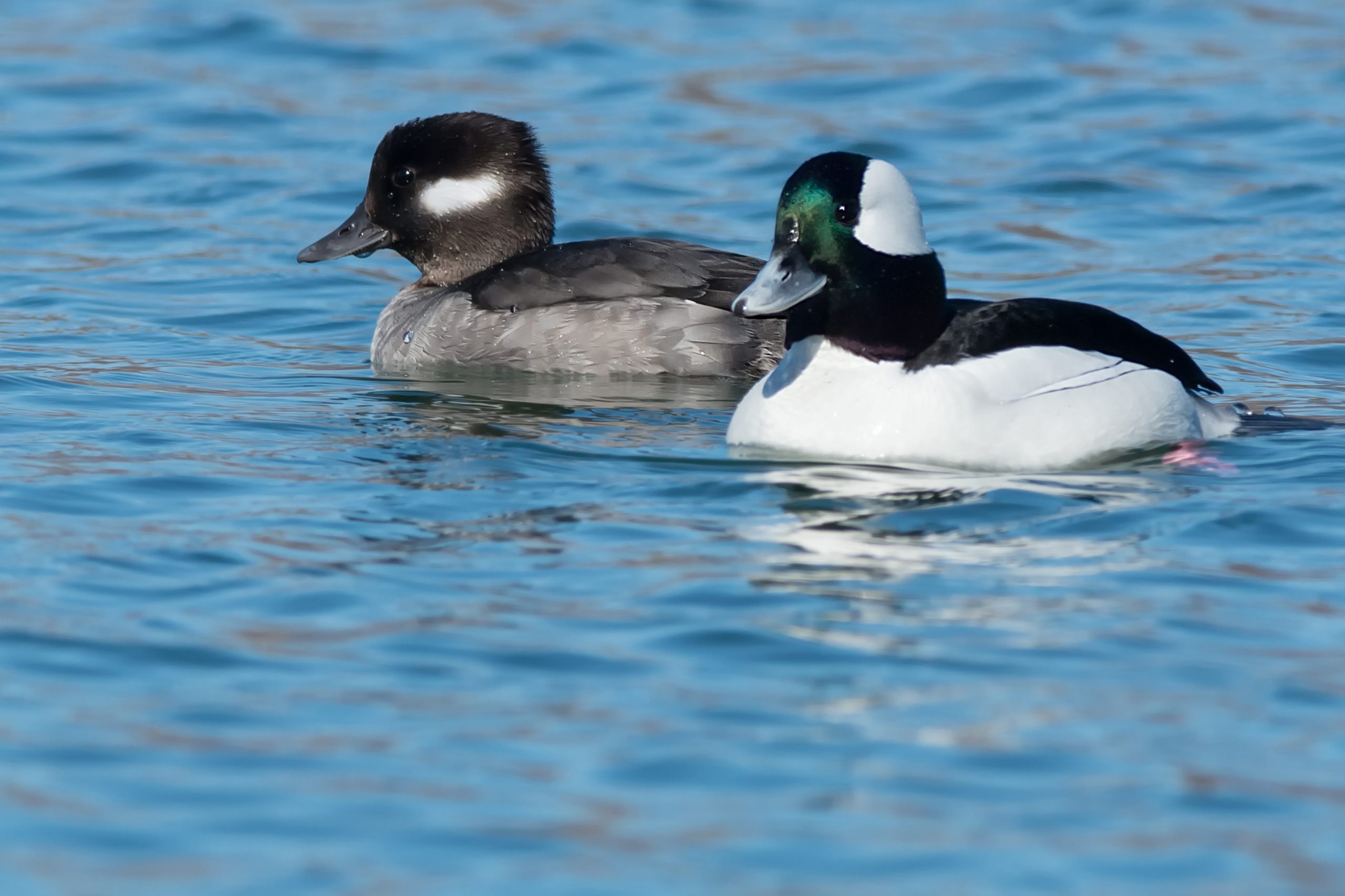
The Bufflehead is a small, handsome resident of permanent freshwater ponds and lakes within the boreal forest and aspen parkland zone of North America. The smallest duck species in North America nests in old woodpecker cavities in poplar, spruce, or fir trees near water. This duck is small enough to fit in the nest cavities…
Read More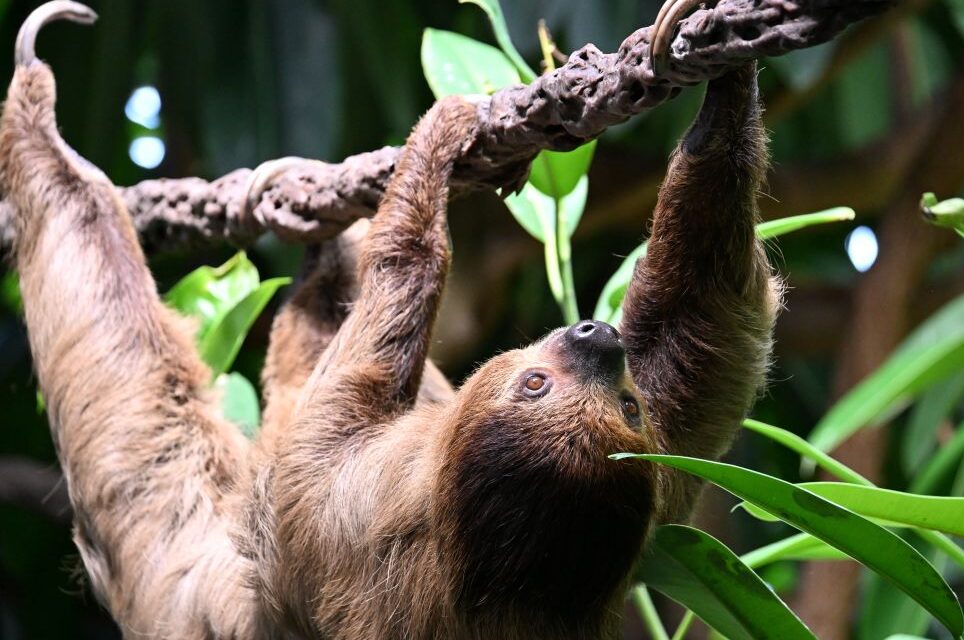
Linnaeus’s Two-toed Sloths are expert climbers. When you visit the Tropical Rainforest, you may catch Wookiee hanging upside down high in the canopy, or moving slowly along branches and vines. They have two claws on their hands and three claws on their feet, all measuring about 4 inches in length, that help them to hang….
Read More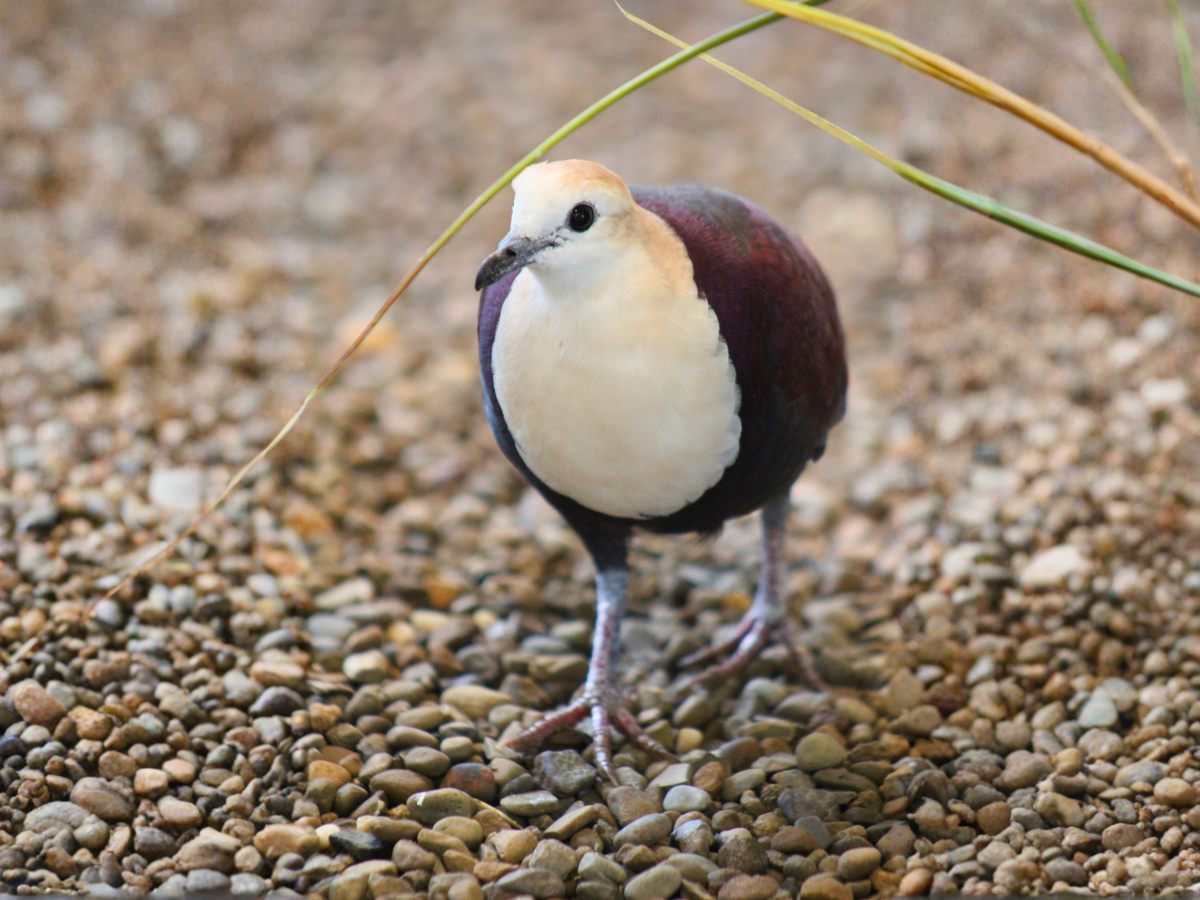
The White-throated Ground Dove is a little known species from the Northern Mariana Islands of the Pacific Ocean. It occurs in all types of forested habitats on several islands in the Mariana Islands chain, and is most abundant on the island of Rota. This species is frugivorous, meaning it primarily eats fruits. Unlike other birds…
Read More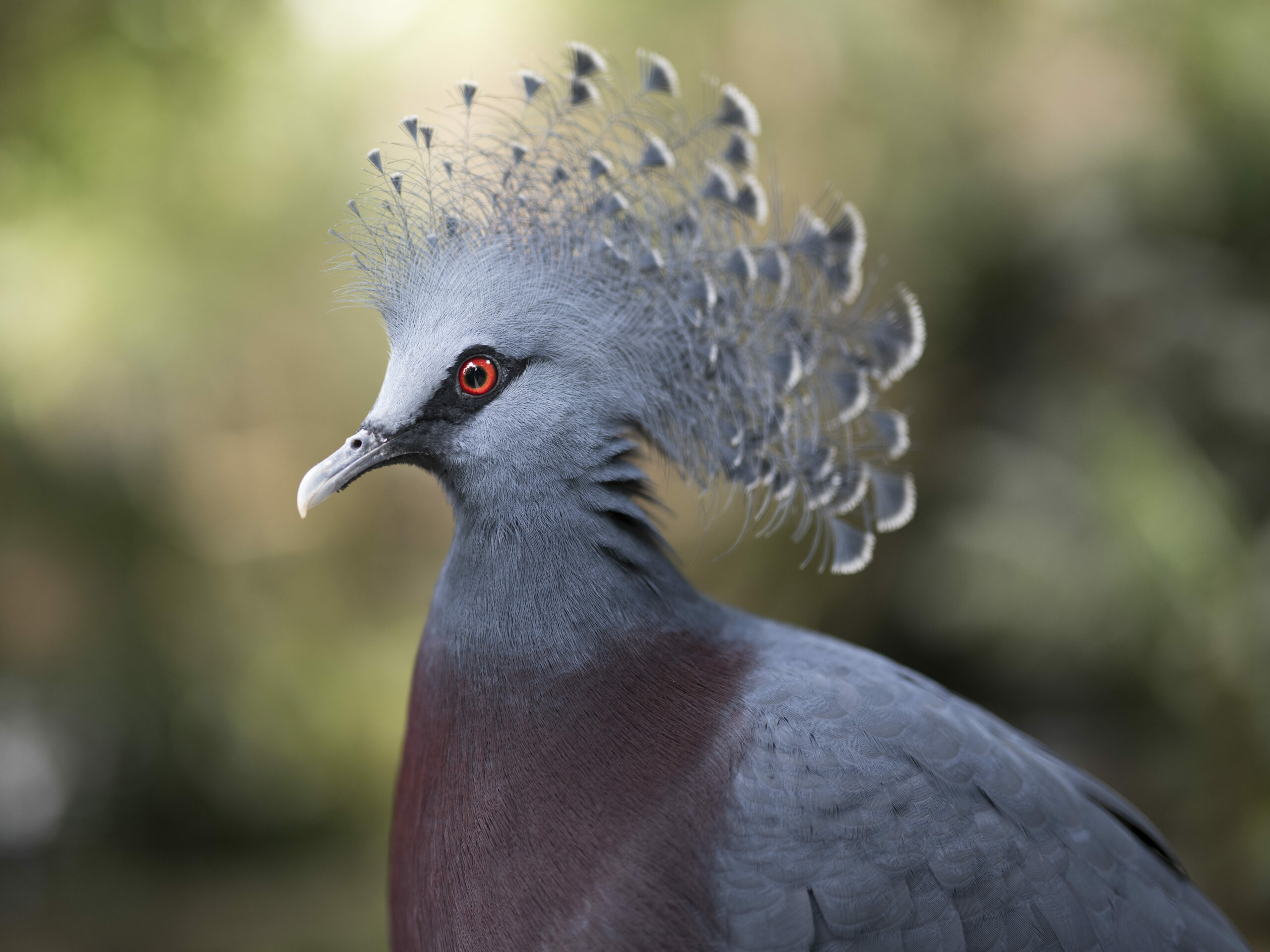
Named for the British Monarch Queen Victoria, the Victoria Crowned Pigeon is without doubt a royal bird. Its dusty blue-grey feathers may remind one of the pigeons found on any city street, but the Crowned Pigeon’s elegant blue lace crest, scarlet eyes, and rakish black mask are unlike anything you’ll find pecking around in the…
Read More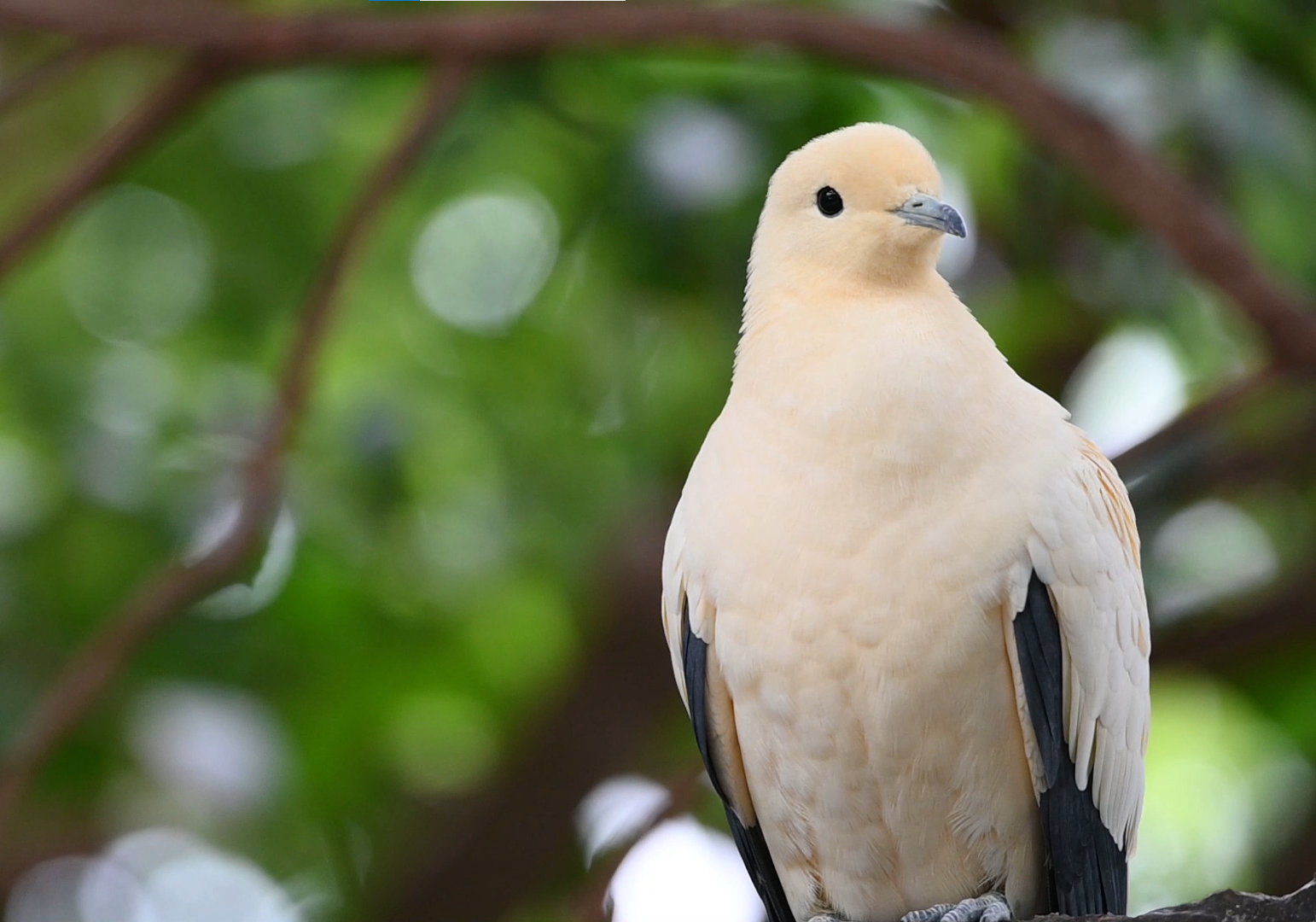
The Pied Imperial-Pigeon is a very large inhabitant of coastal forests, mangroves and coconut plantations, principally on islands in the Indo-Malayan region. This species travels in flocks at dusk and dawn and nests in colonies of up to tens of thousands of birds. They are among the most powerful and agile flyers in the bird…
Read More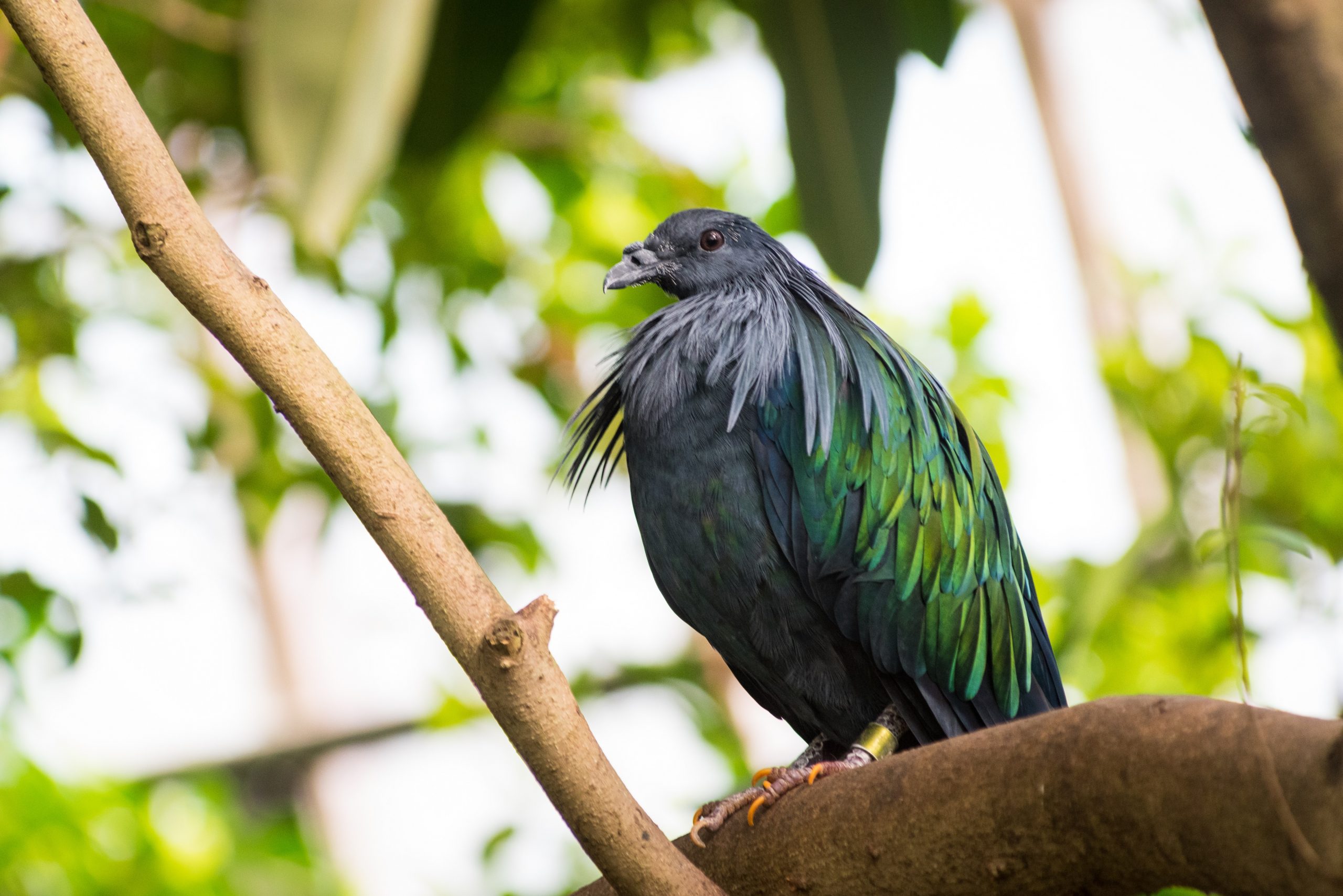
The closest living relative to the now extinct Dodo, the Nicobar Pigeon occurs only on small wooded, often uninhabited islands of the Indo-Malayan region, where it favors lowland habitats such as mangroves, scrub, and lowland and foothill forests. It may also occur in some forests which have been selectively logged. This species nests colonially, with…
Read More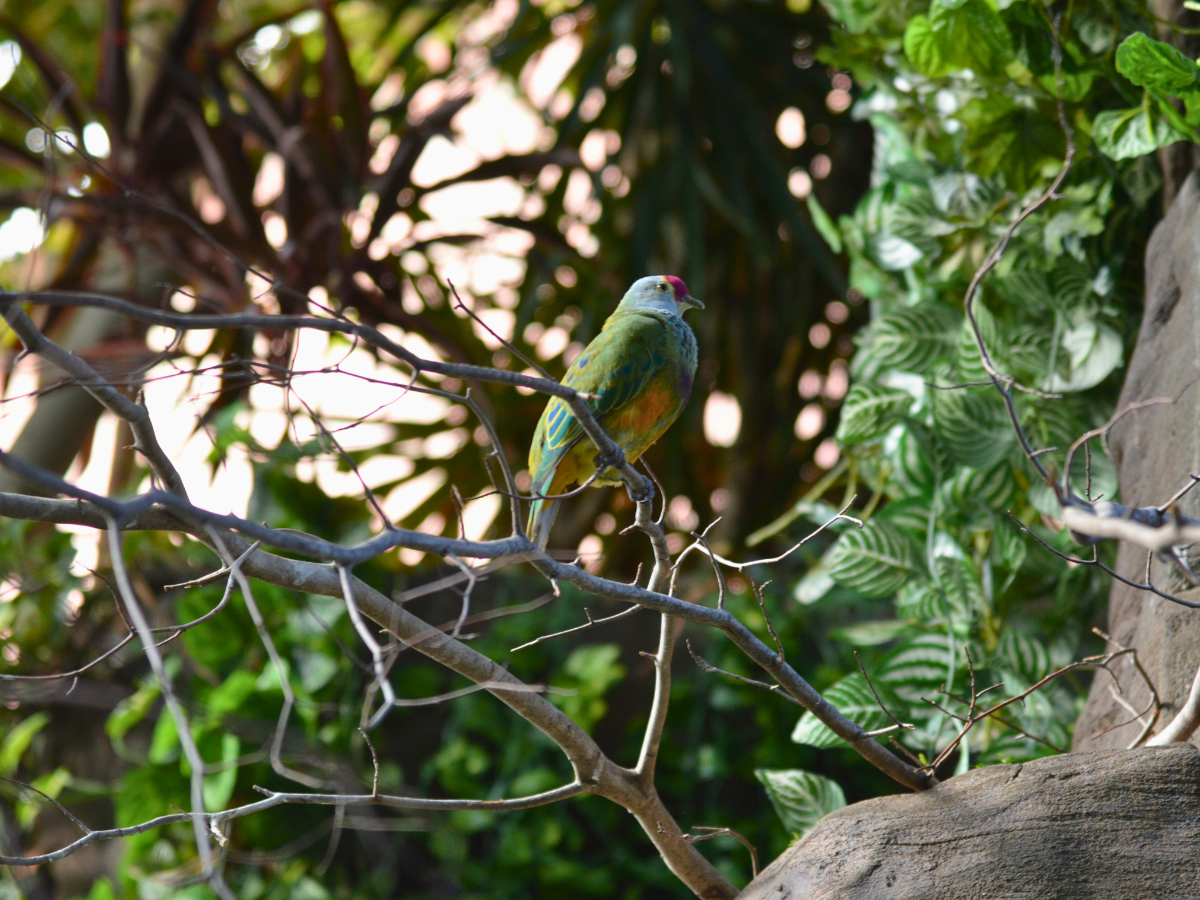
The Mariana Fruit-Dove is a beautiful bird from the Pacific islands. This species is found in various types of forested habitat, but prefers mature native forest where it typically feeds on fruits in the canopy, but may descend to feed in bushes, or even on the ground. They are a secretive species, rarely spotted, and…
Read More