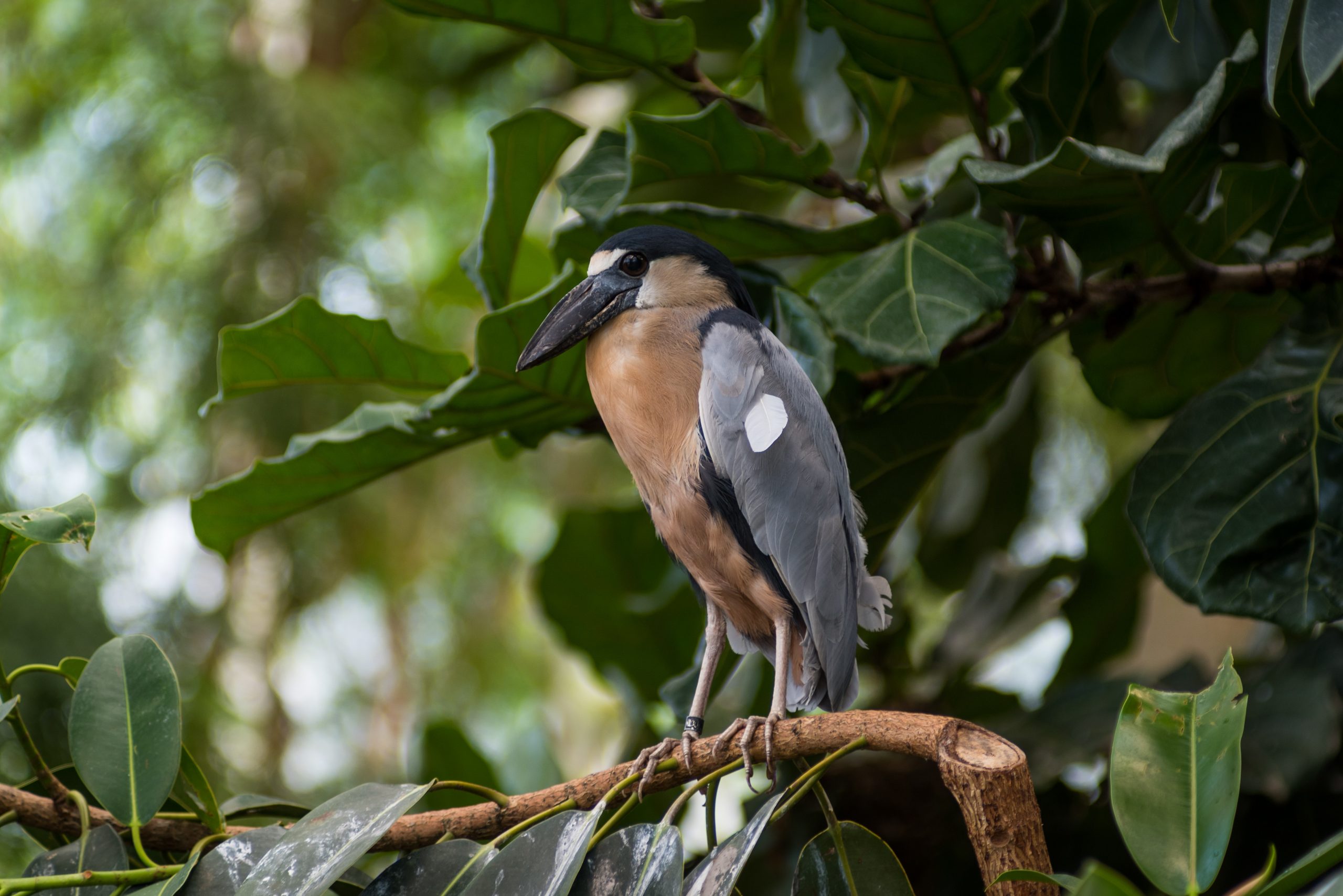
Boat-billed Herons have shorter legs and squatter bodies than most herons, but their distinguishing feature is their very large and broad bill and huge, dark eyes. The eyes are an indication of their foraging behavior, which takes place at dusk and early night. Native to the Neotropics, this heron is an inhabitant of coastal mangroves…
Read More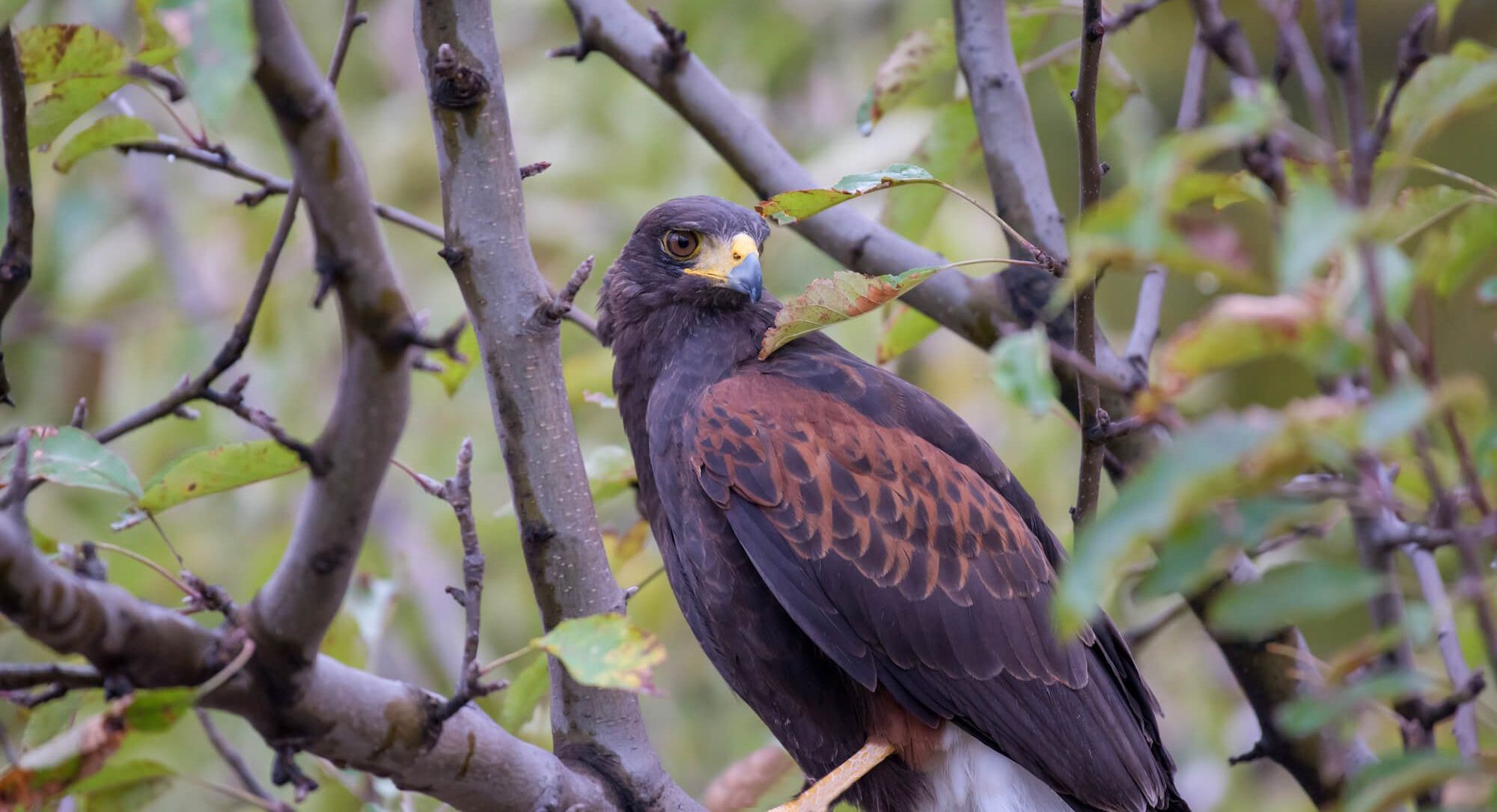
Harris’s Hawks are a deep chestnut brown with yellow markings that make them stand out. They are a very social species, and have been observed raising young and hunting—an unusual trait for a raptor species! While on the hunt, a group of Harris’s Hawks will descend on their prey and flush it. Harris’s Hawks can…
Read More
The Black Kite is a medium-sized, primarily brown raptor. Kites are characterized by their long wings and tails, buoyant and acrobatic flight, and ability to catch food in mid-air. Black Kites are widespread and adaptable and can be found throughout portions of Africa, Europe, and Australasia. They eat small mammals, other birds, carrion, and insects….
Read More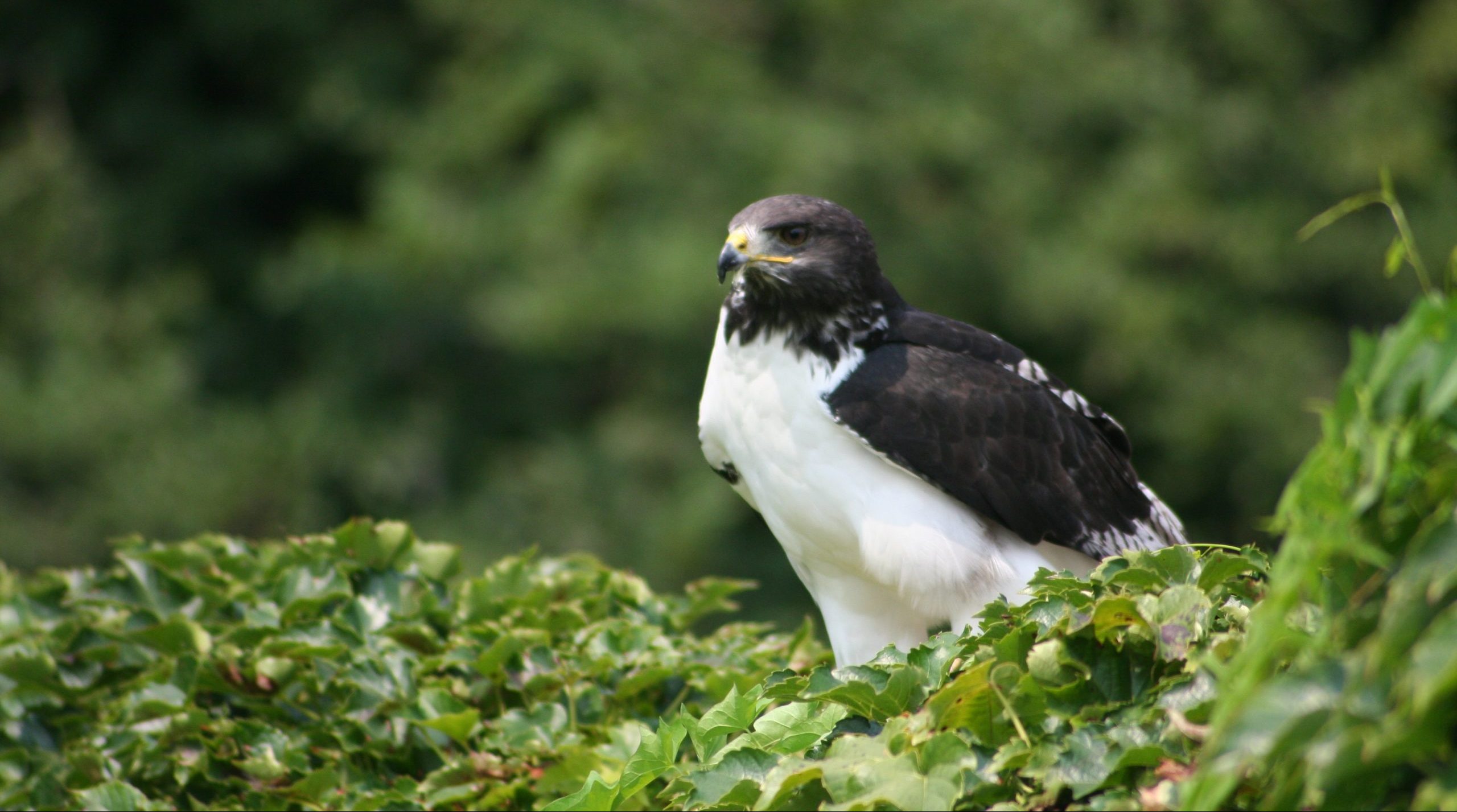
Augur Buzzards are one of the most numerous types of hawks in Africa. In the Americas, the term “buzzard” generally refers to vultures, but in the Old World, the word’s original meaning was “hawk.” Augur Buzzards are members of the Buteo genus, a group of hawks found all over the world and known for their…
Read More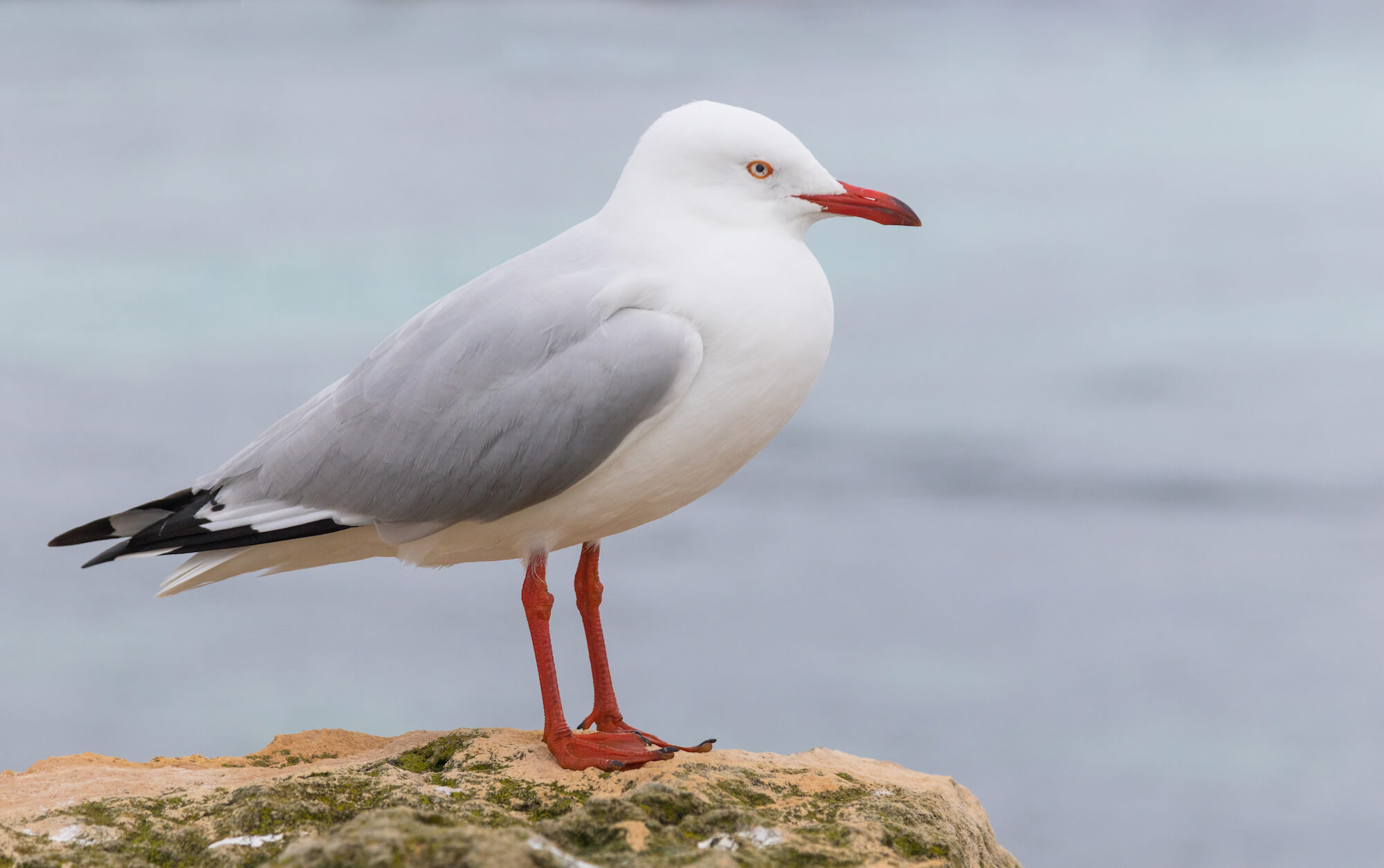
The Silver Gull is the most common gull found in Australia. It is most common in coastal areas but can be found throughout the continent. They use a variety of habitats, from sandy and rocky shores to garbage dumps, and breed on small islands. Their diet is as varied as their habitats. The Silver Gull…
Read More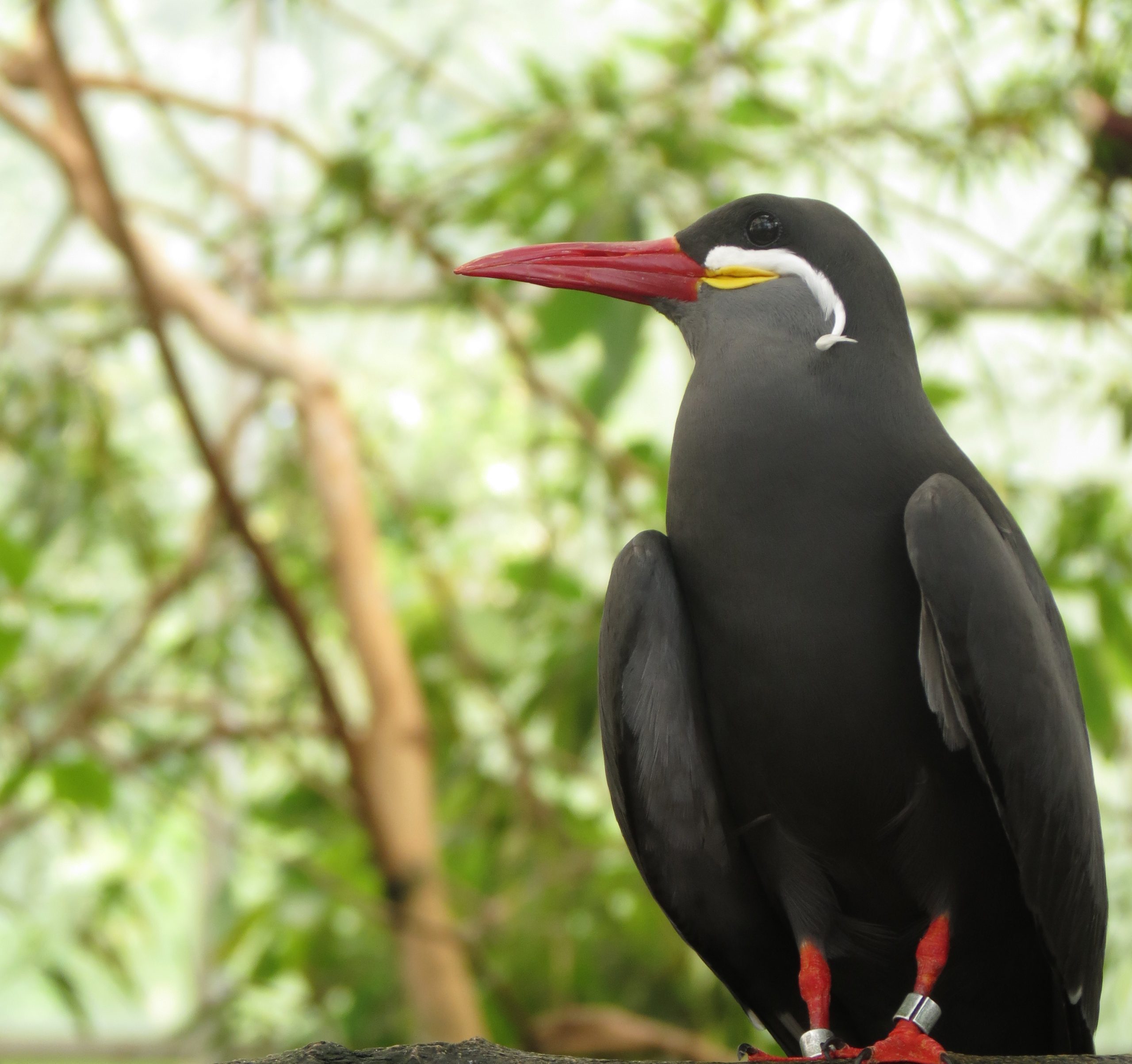
This dark tern with its reddish-orange beak and feat, and striking white moustache, is a resident of the coasts of Peru and Chile where it catches fish in the Humboldt Current. The Inca Tern nests along the Pacific coast on rocky cliffs or guano islands, sometimes utilizing the old nest of a Humboldt Penguin. Reduction…
Read More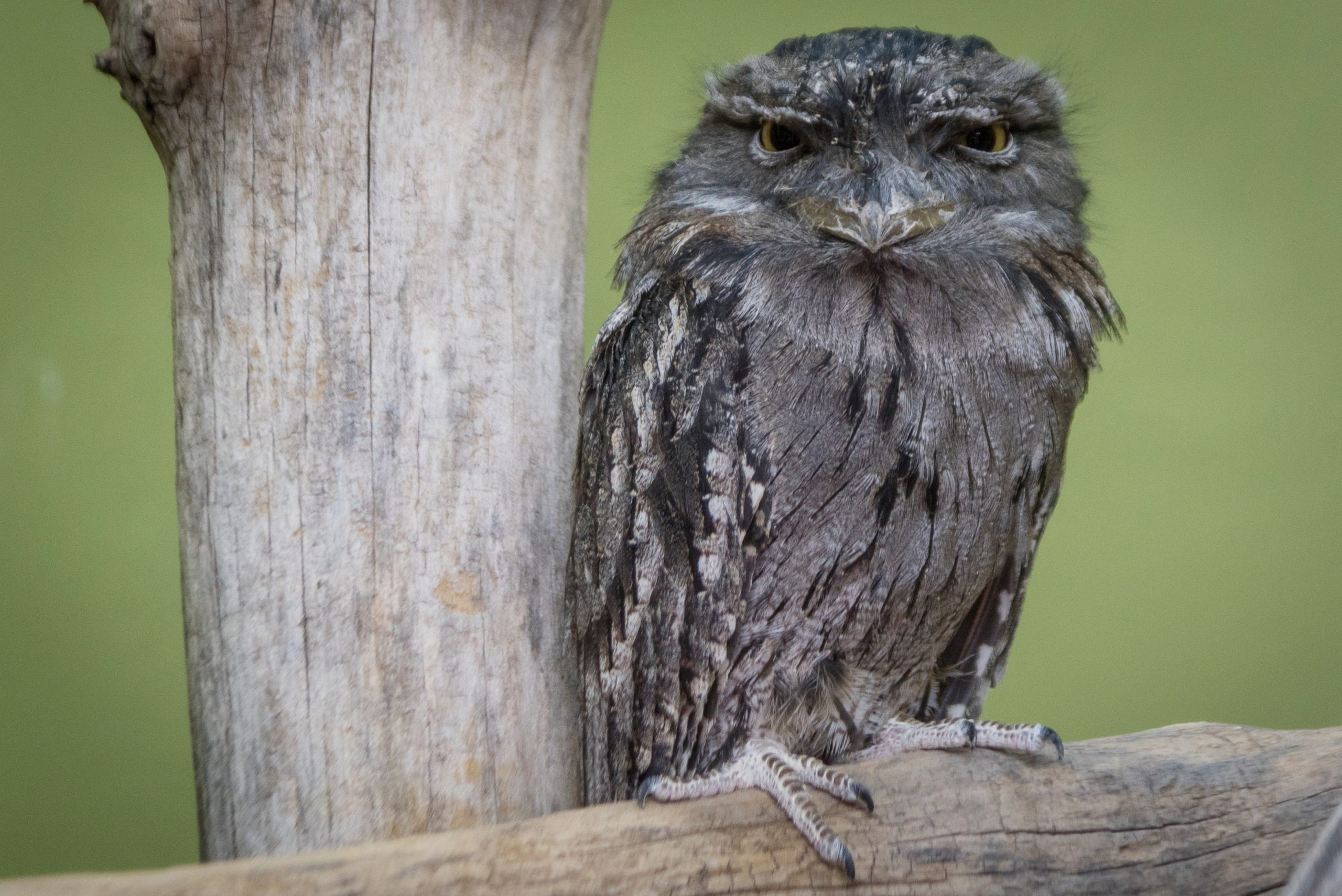
Tawny Frogmouths are comical looking birds with large eyes and wide mouths. They are found throughout Australia in a wide variety of habitats, from Eucalyptus forests to city parks. They inhabit areas with extreme temperature variation, with very cold nights and very hot days. To stay cool, Tawny Frogmouths engorge the blood vessels in the…
Read More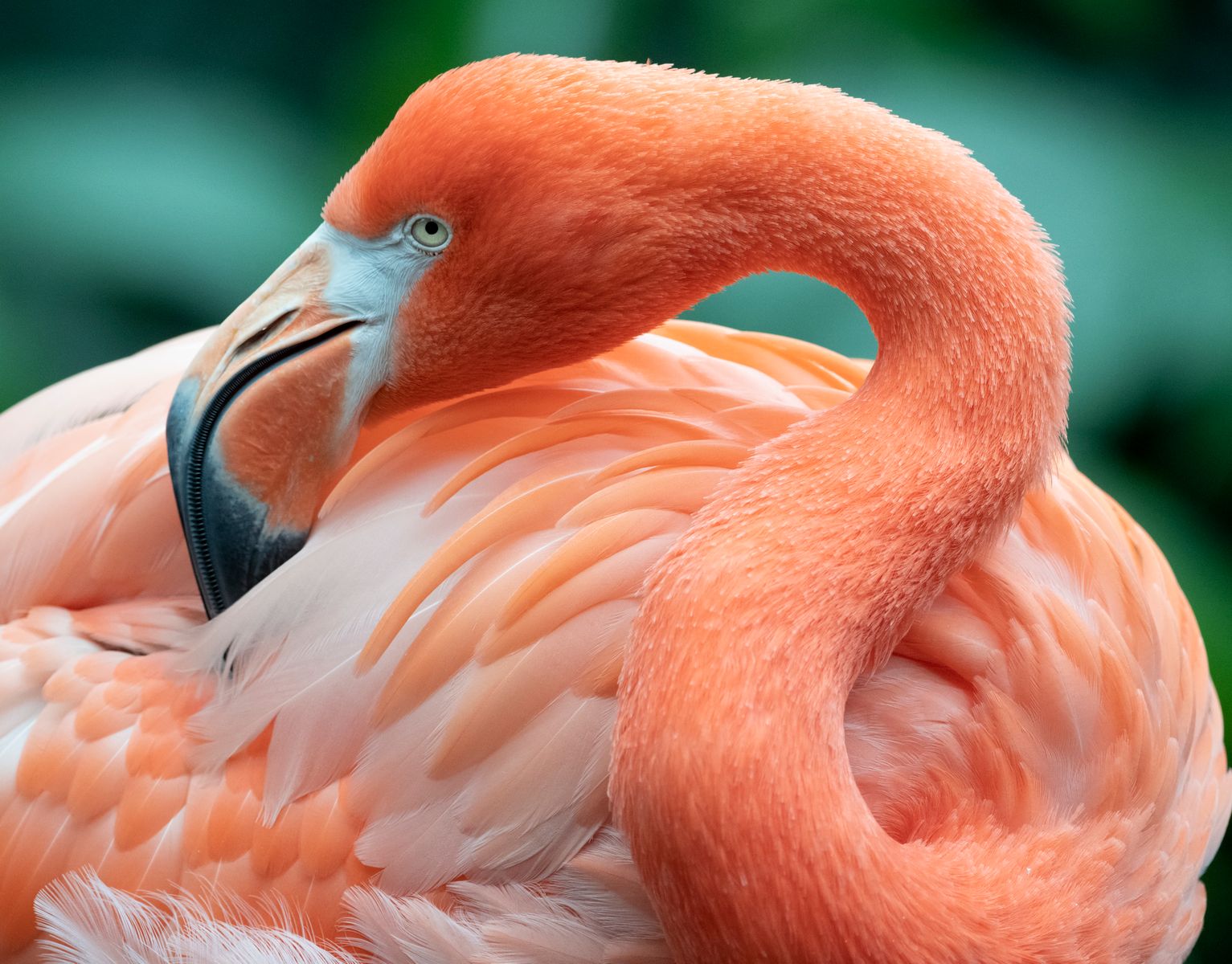
American Flamingos have brilliant feathers that range from pale pink to a deep scarlet red, and get their coloring from the microscopic shrimp and algae in their diet. The depth of their pigmentation indicates how well a flamingo was eating as its feathers grew. Their long neck and legs allow them to wade and forage…
Read More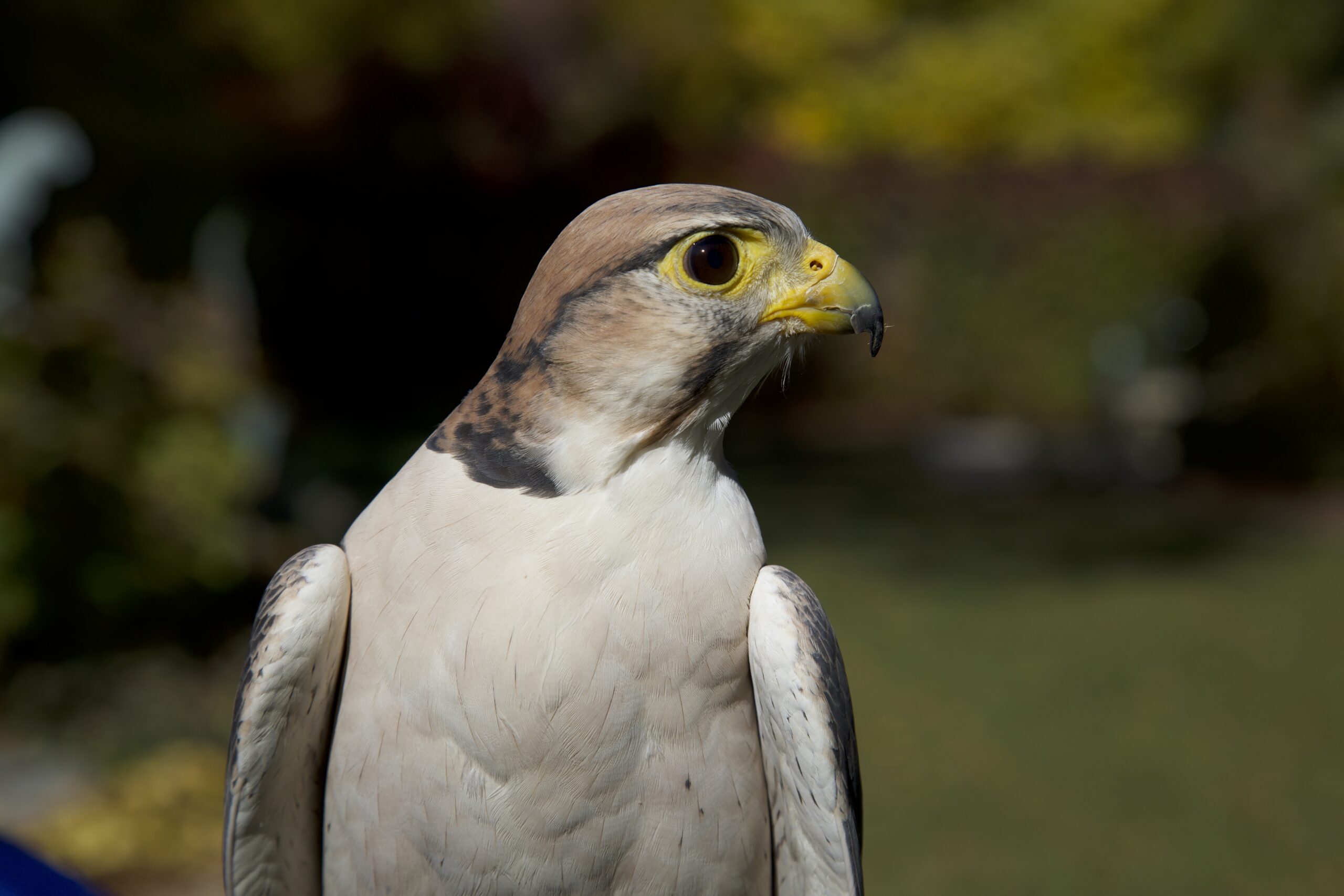
Lanner Falcons are strong, stocky birds with long wings and a relatively short tail, very similar to the North American Peregrine Falcon. Males and females of this species tend to look the same, but females are slightly larger. Lanner Falcons have been used in the sport of falconry for centuries, and are prized for their…
Read More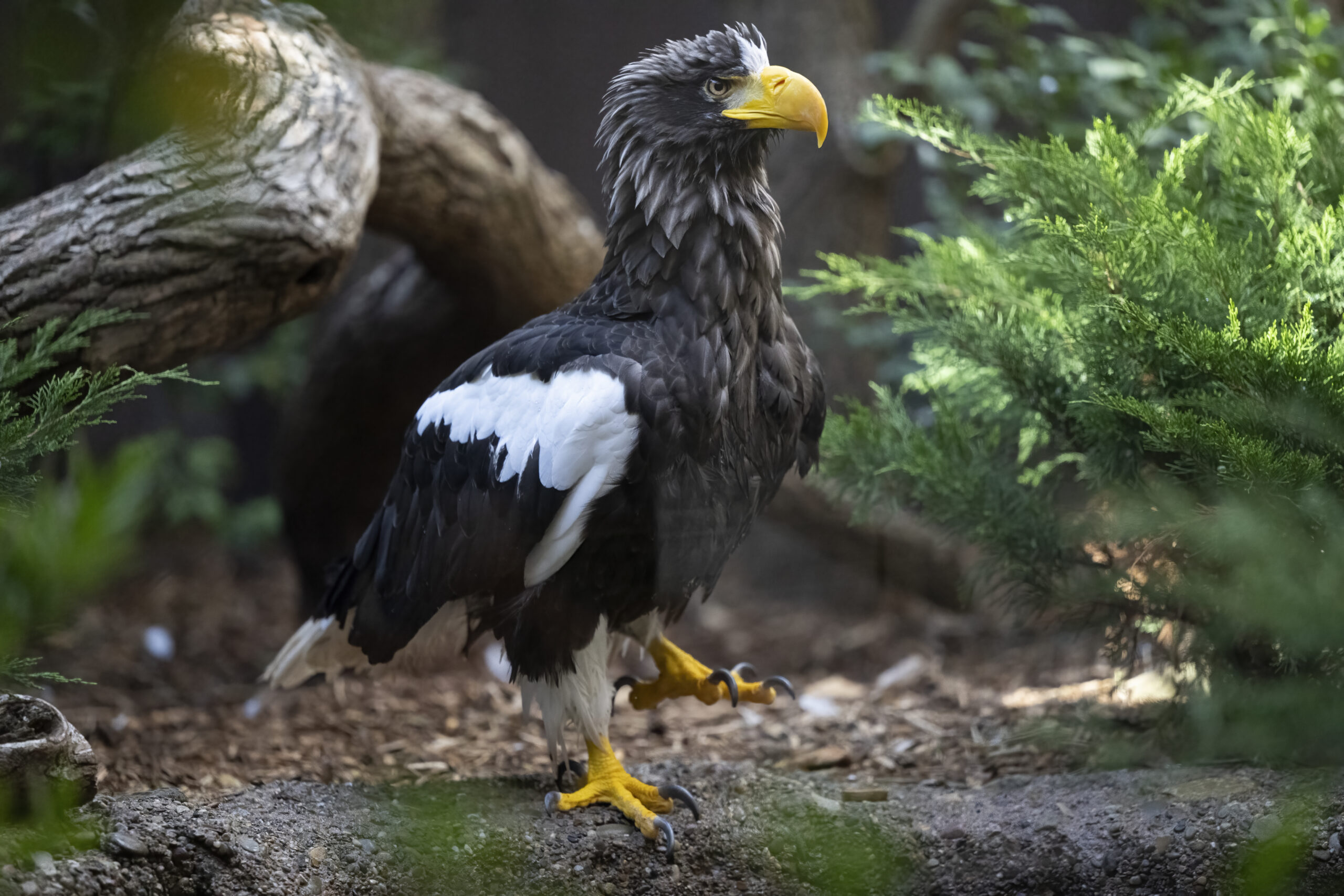
The Steller’s Sea Eagle is a fierce, impressive raptor with chocolate-brown plumage and striking white shoulders and tail. With its deep, strongly arched bill and massive yellow feet, it’s no wonder that the Japanese call this bird O-washi (The Great Eagle). At nearly four-feet in length and an average weight of 13-20 pounds, Steller’s Sea…
Read More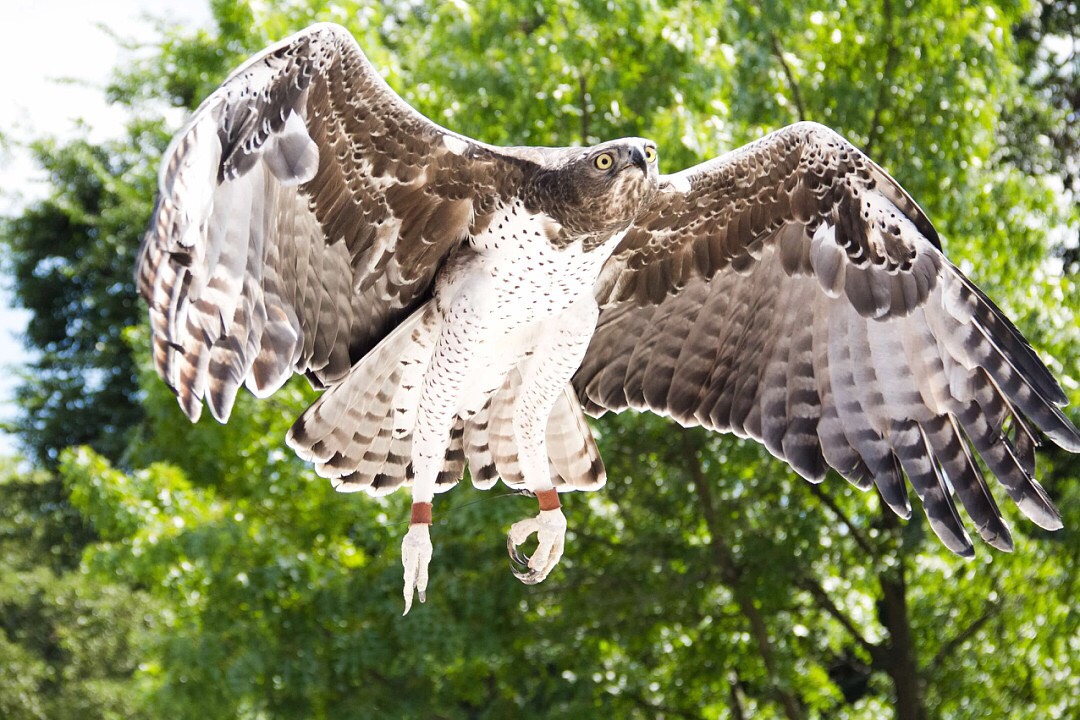
A large and powerful eagle of Africa, the Martial Eagle is found in sparse woodlands and other open habitats such as steppes, savannas, and shrublands. Martial Eagles are extremely powerful predators, feeding on medium-sized vertebrates which they catch after stooping from a high soar. Martial Eagles build large stick nests in the fork of a…
Read More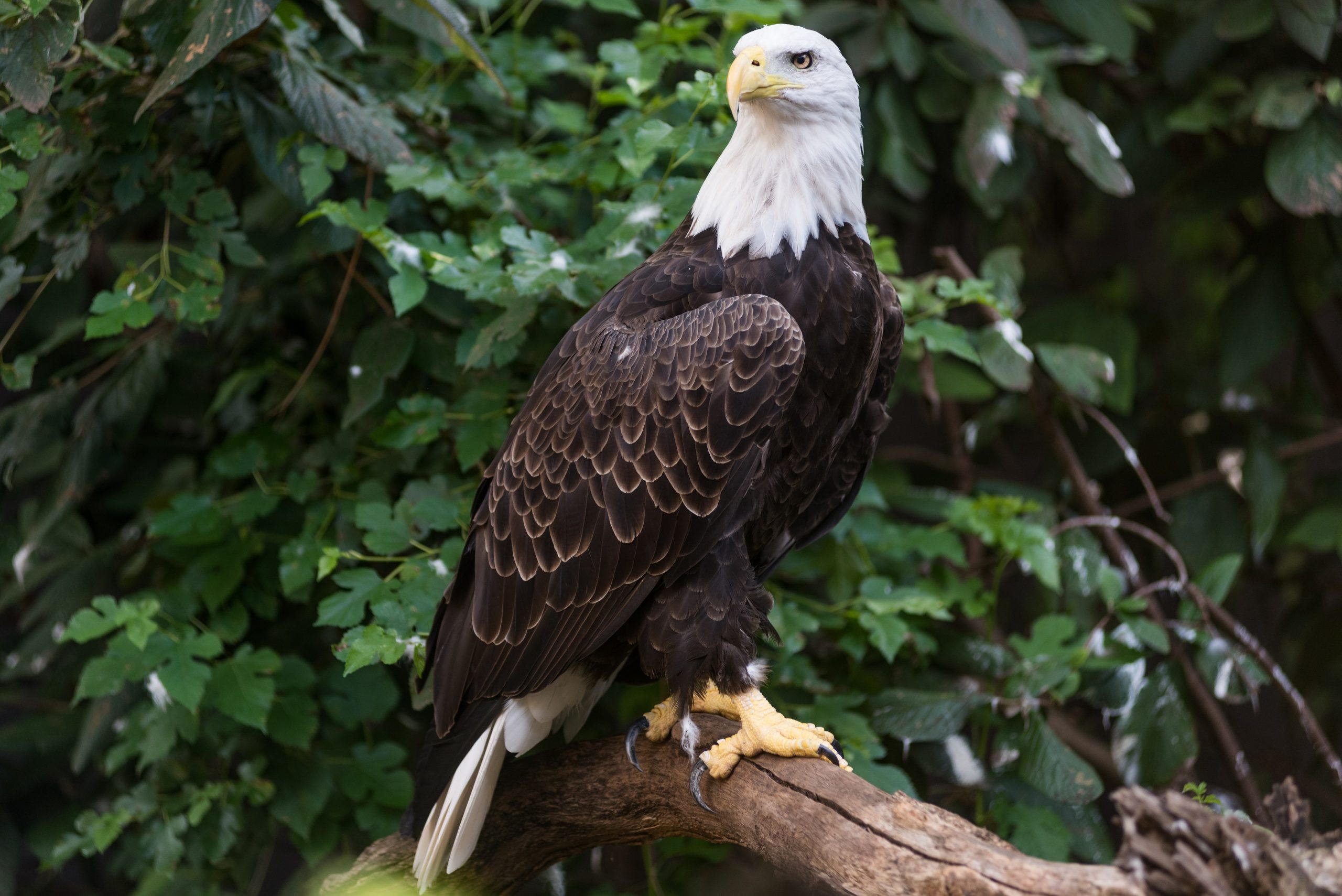
The Bald Eagle is one of the most readily recognizable birds in North America. They are also one of the largest, with the biggest females reaching 13 pounds or more. And, since 1782, the Bald Eagle has been the national bird of the United States. Bald Eagles are also one of the most well known…
Read More Previous Posts