Conservation Challenges and Opportunities in High Andes Habitats
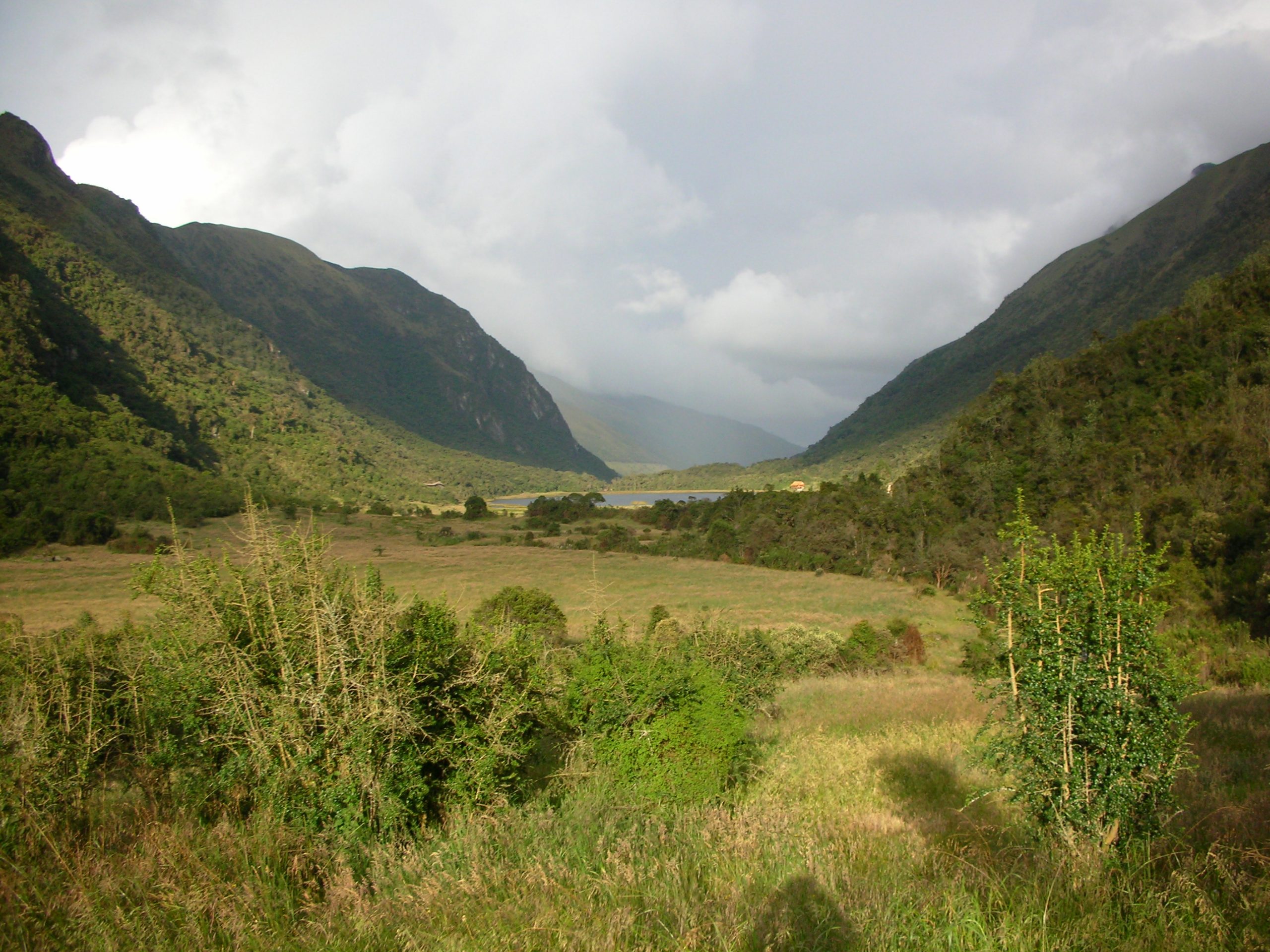
The tropical Andes Mountains rank first among the world’s 25 “hotspots” of biodiversity and endemism (native species) yet are highly threatened and little studied. The Andes harbor the greatest concentration of restricted-range species in South America, and has one of the highest concentrations of the world’s threatened bird species. The original vegetation of the Andes, made up of native páramo grasslands, and unique Andean evergreen and broadleaf cloud forests, has been affected for decades by human disturbances including burning of the grasslands to promote new forage for livestock, introduction of exotic tree species, timber cutting, cultivation, and road building. As a result, anthropogenic (caused by humans) habitat degradation and fragmentation is so pervasive that it can be considered the greatest threat to biological diversity in the region. Because degradation of natural habitats jeopardizes the survival of species and communities, it is critical to understand the patterns and processes that occur within these human-altered landscapes. In order to document and understand how habitat alteration influences biodiversity, both monitoring (to understand patterns of change) and detailed behavioral studies (to understand processes resulting in change) are required.
A Suite of Approaches for Effective Conservation
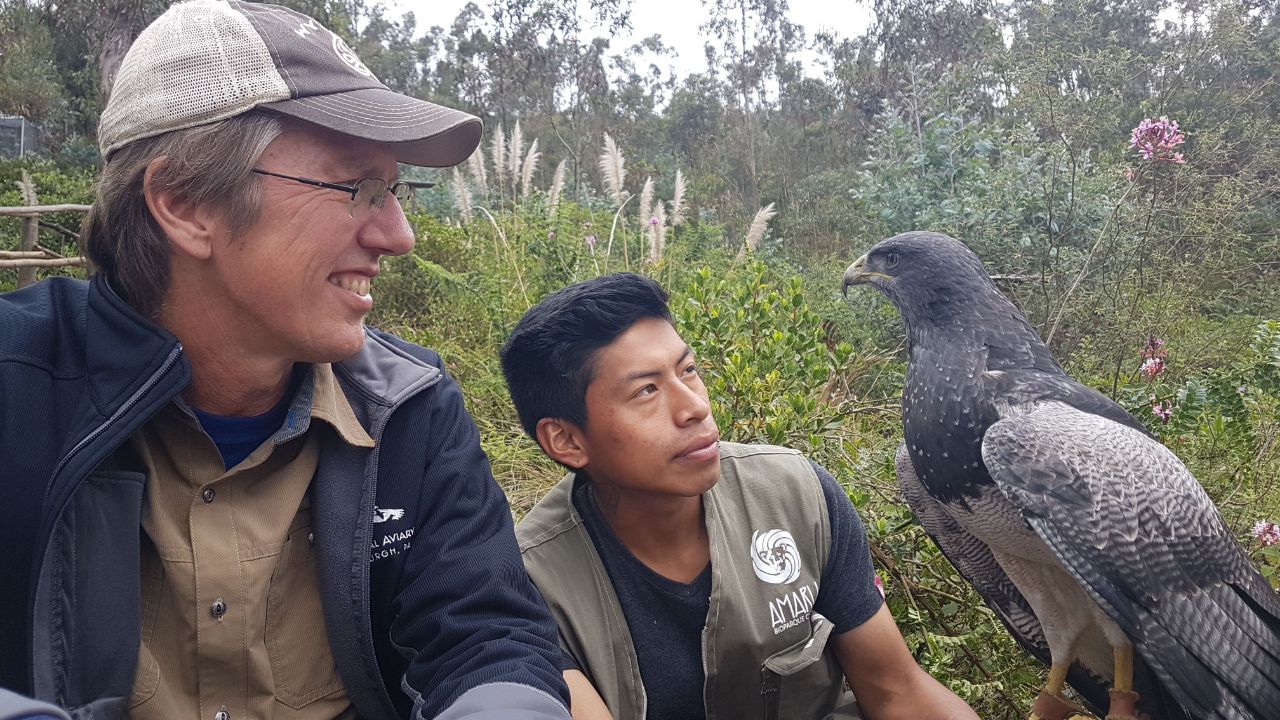
The conservation challenges in the Andes Mountains are best met with a diverse suite of approaches which encompass research, applied conservation, and education. At the National Aviary we have built extensive collaborative relationships to address avian conservation issues in and around Cajas National Park in south-central Ecuador. At this “Ramsar wetland” site, designated under the international treaty that provides the framework for the conservation and wise use of wetlands and their resources, our collaborators include Bioparque Amaru or Cuenca Zoo, the city of Cuenca’s municipal company for water supply (ETAPA) which co-manages the national park, and the local University of Azuay.
Our conservation activities focus on generating management and conservation tools to address habitat disturbance across the landscape. To do this we build capacity among students, communities, and park personnel to monitor and manage birds and their habitats, we expand opportunities for ecotourism, and we promote a conservation ethic in communities around the national park to ensure long-term success in species and habitat management. Our goal is to use these activities to insure informed management and conservation of the unique birds and their habitats, and help guarantee community-wide support for their conservation.
Research in the High Andes Applied Conservation in the High Andes Education & Capacity Building in the High Andes