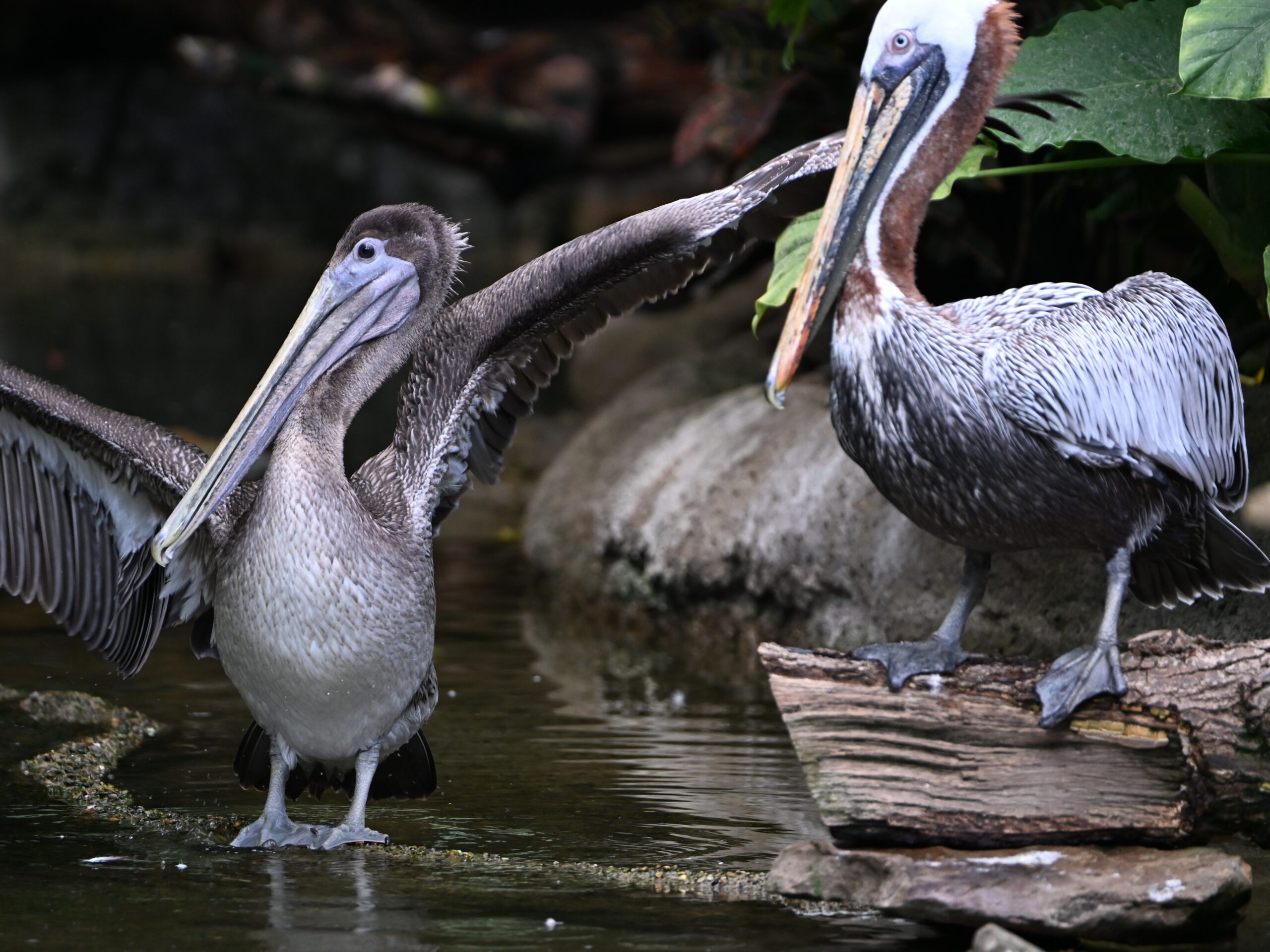
Birds who are injured in the wild and can’t return don’t always have a place to call home after they’ve healed. That’s where the National Aviary steps in.
Read More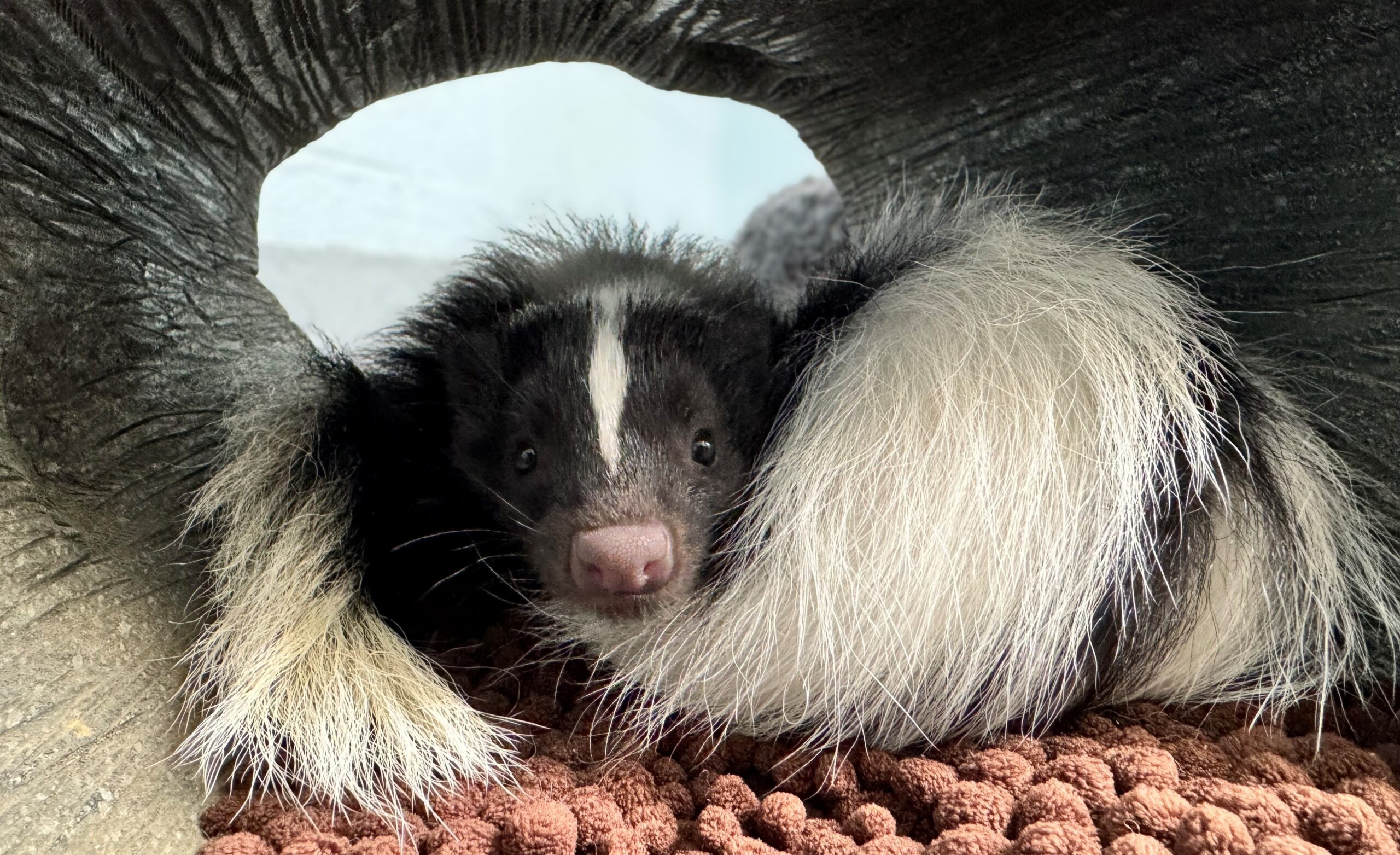
The National Aviary is welcoming TWO new Animal Ambassadors: Striped Skunk Sisters! Find out how to meet them…
Read More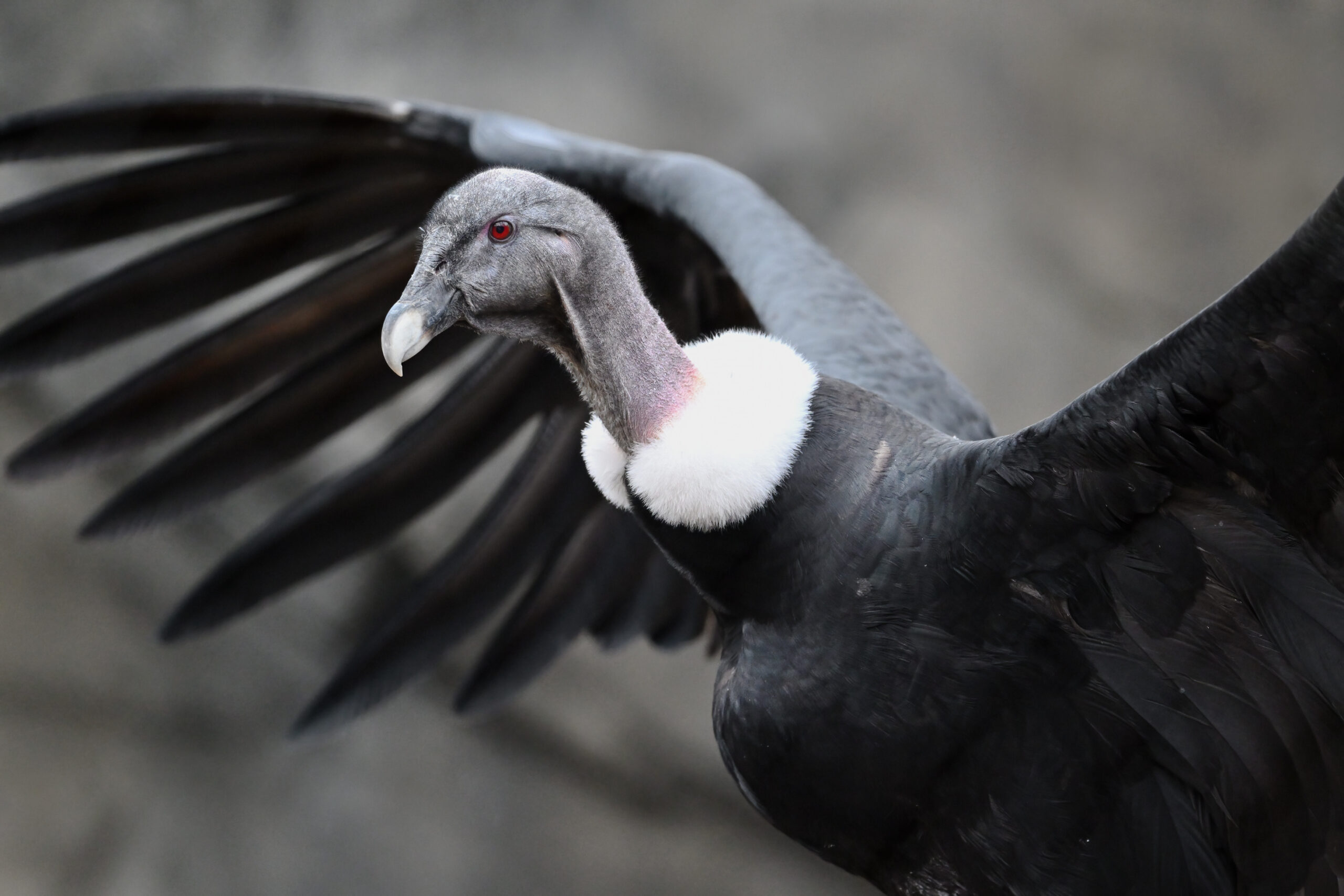
The National Aviary has long-term, strategic partnerships around the world, including with Bioparque Amaru, a wildlife conservation center in Cuenca, Ecuador. These joint efforts focus on conservation research, education, breeding and healthcare. Learn more!
Read More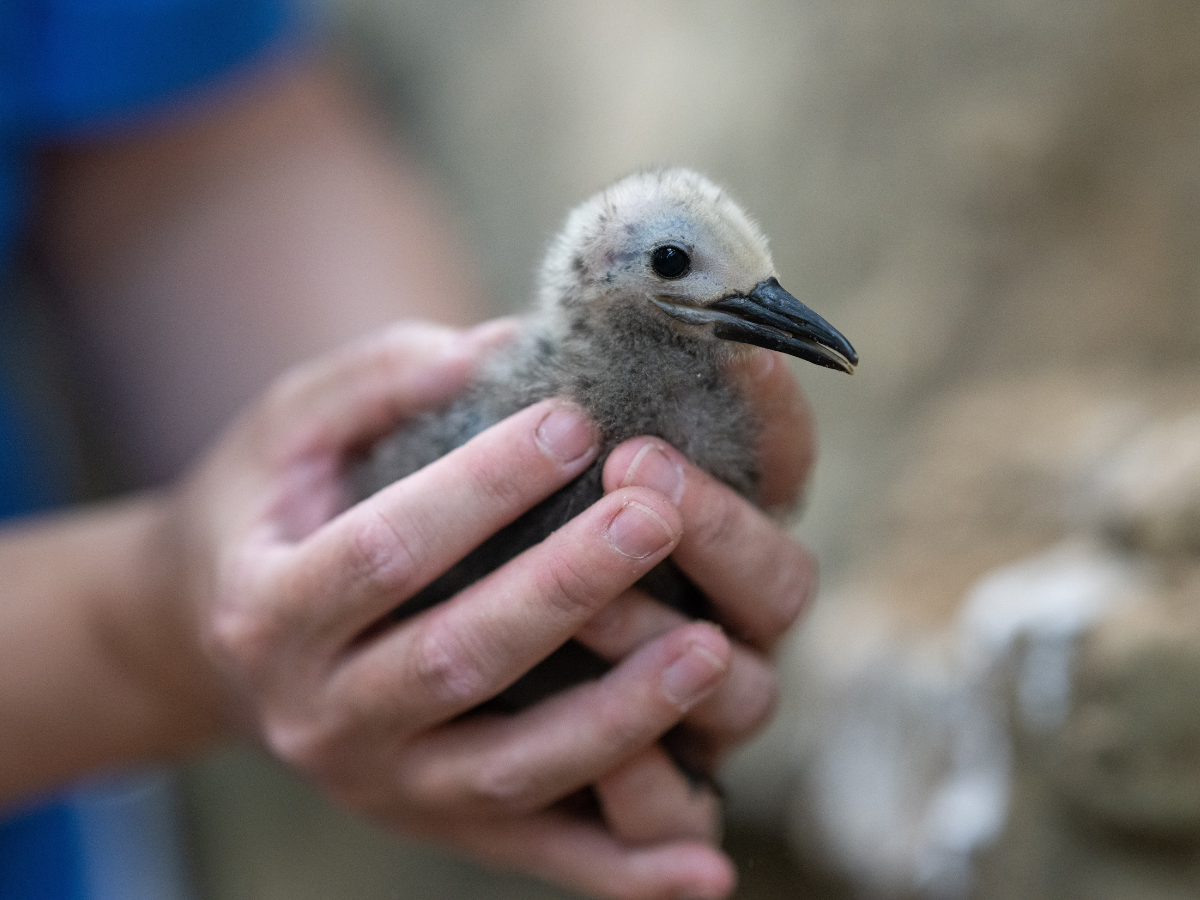
Little Wings, Big Future Safeguarding the Future of Threatened Species It all begins with a single pip – as a new chick uses its beak to crack the wall of the egg it once called home and takes its first breath in the outside world. What may be just a simple hatching for some represents…
Read More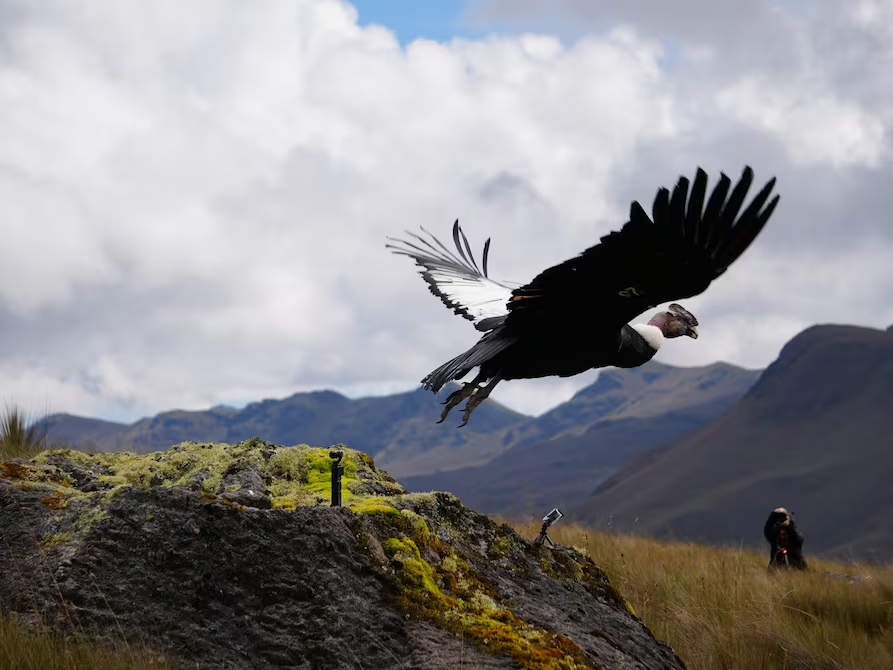
Valentino: The Condor that Could Only nine rehabilitated condors have ever been able to return to their natural habitat. Valentino is now one of them, and his amazing story is part of larger National Aviary Condor Conservation efforts at home and abroad. April has been a busy month in Andean Condor developments. In early April…
Read More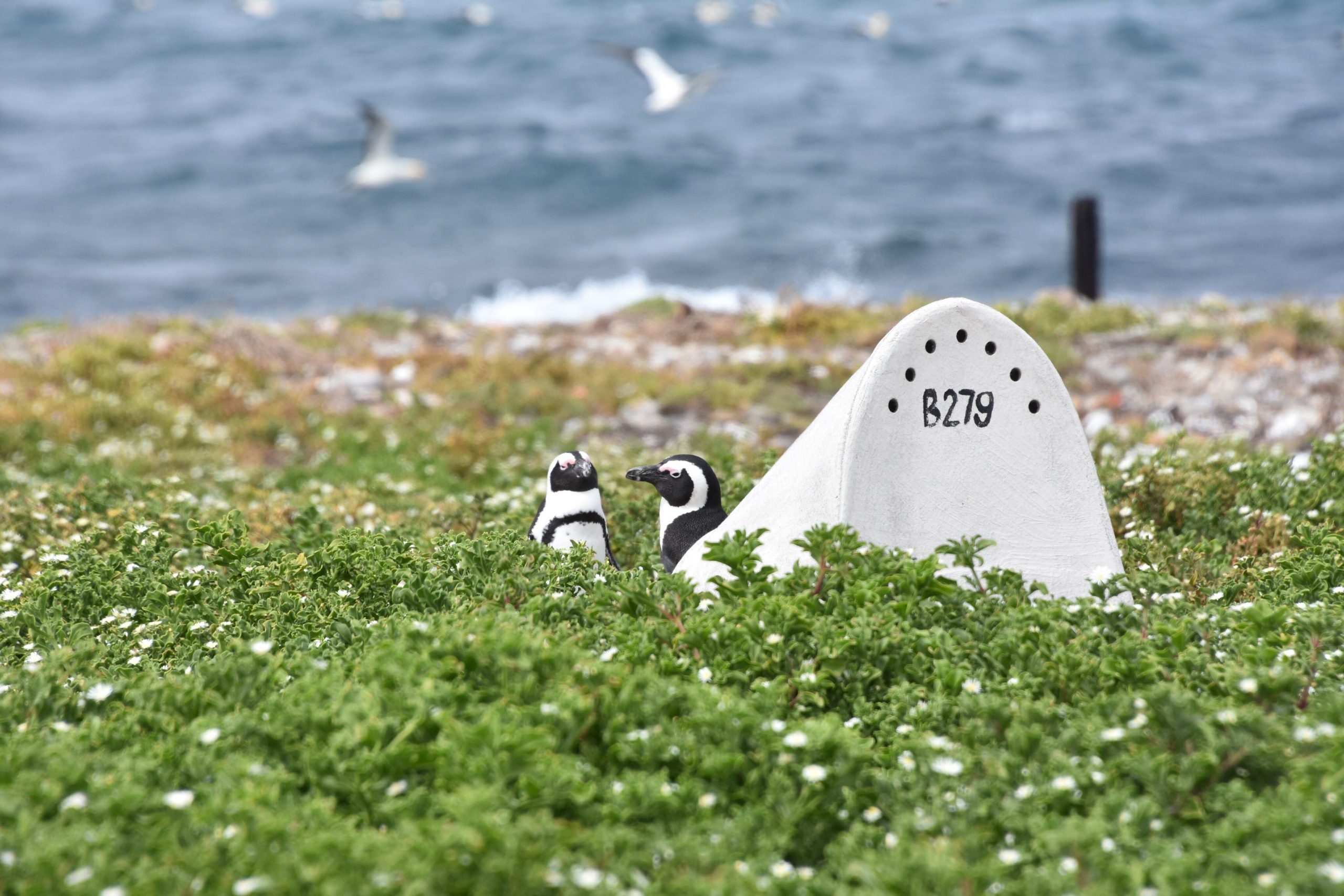
Nesting in Namibia The rapid decline of wild African Penguins and the National Aviary’s conservation work to help here in Pittsburgh and on the African continent they call home. Fewer than 10,000 African Penguin pairs remain in South Africa and Namibia. In 2021, there were more than 50,000 individual penguins recorded. That’s why, in October…
Read More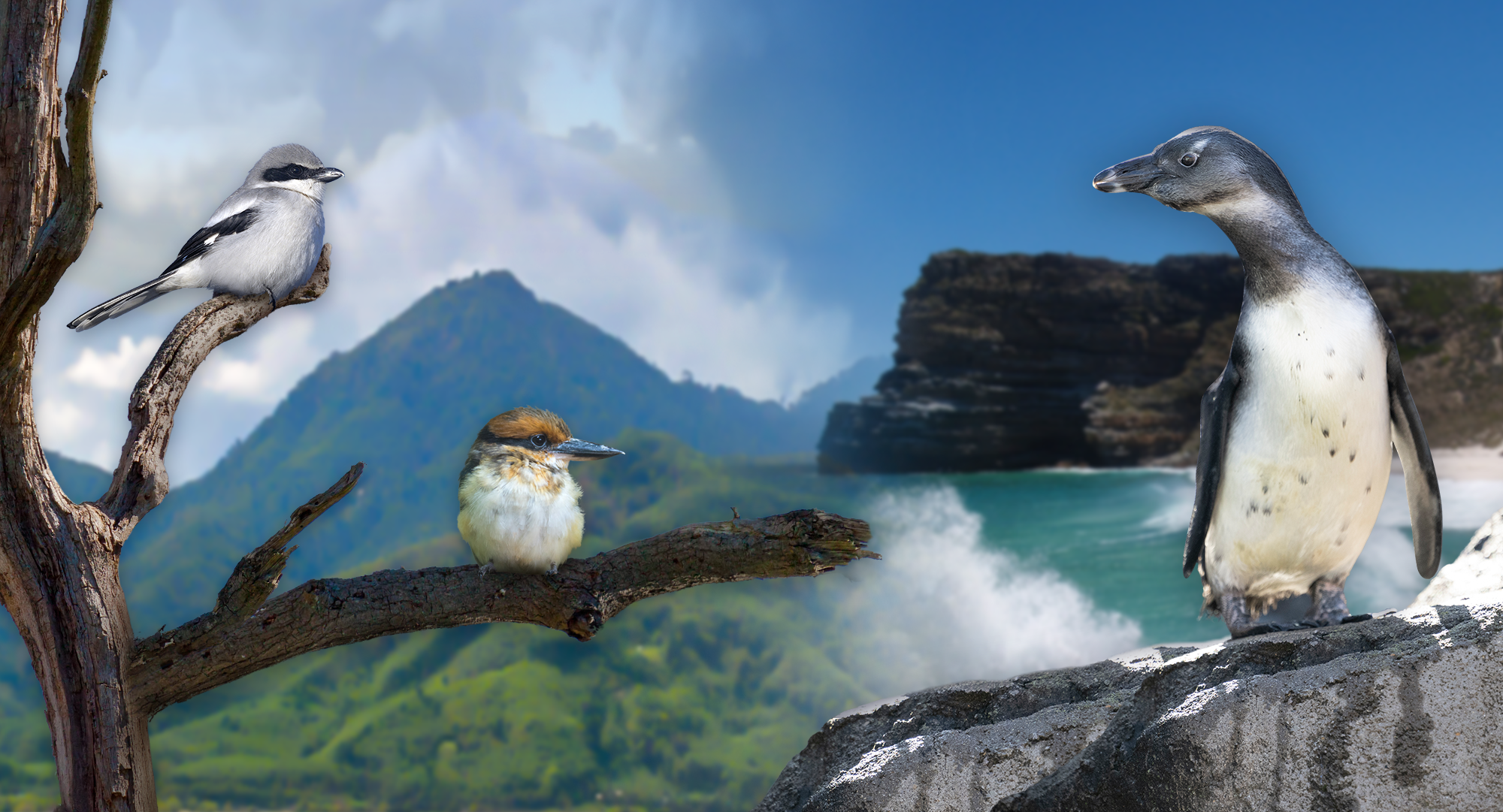
One of the ways in which zoos like the National Aviary conserve species is by working tirelessly behind-the-scenes to help ensure an increase of healthy populations for a variety of threatened bird species. Your help today can make this work possible.
Read More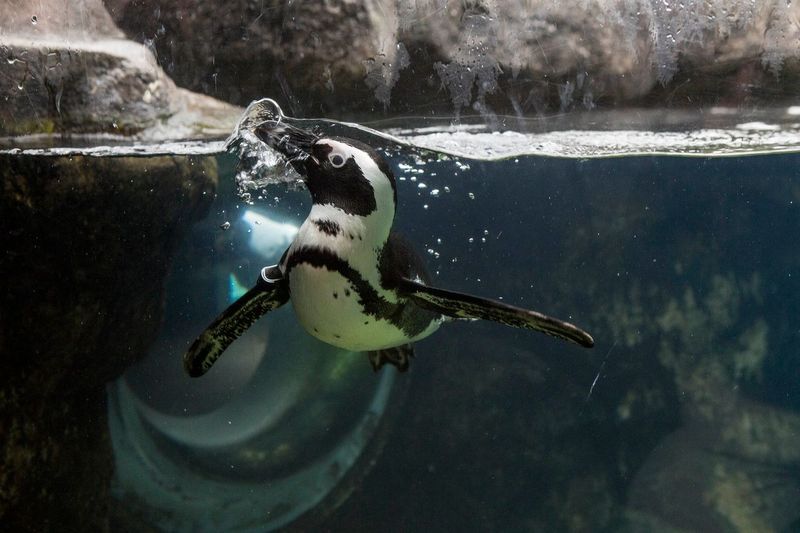
Did you know that when you’re watching the African Penguin colony splash and swim about in the National Aviary’s Penguin Point, you’re having a positive effect on African Penguins living on the other side of the world?! Native to South Africa and Namibia, these charming feathered friends face a challenging future. With only 10,400 pairs…
Read More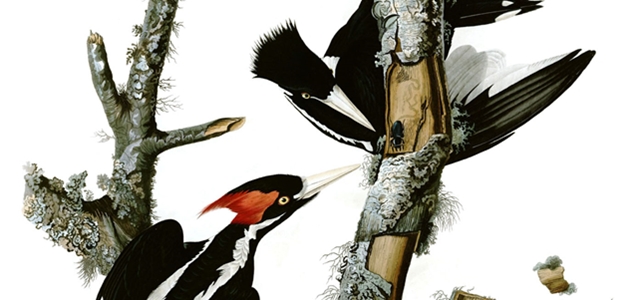
The National Aviary, along with Project Principalis, is delighted to announce that we have made available to the public the results to date of our search for the Ivory-billed Woodpecker. A paper titled, “Multiple lines of evidence indicate survival of the Ivory-billed Woodpecker in Louisiana” co-authored by Steven Latta, Mark Michaels, and eight other Project…
Read More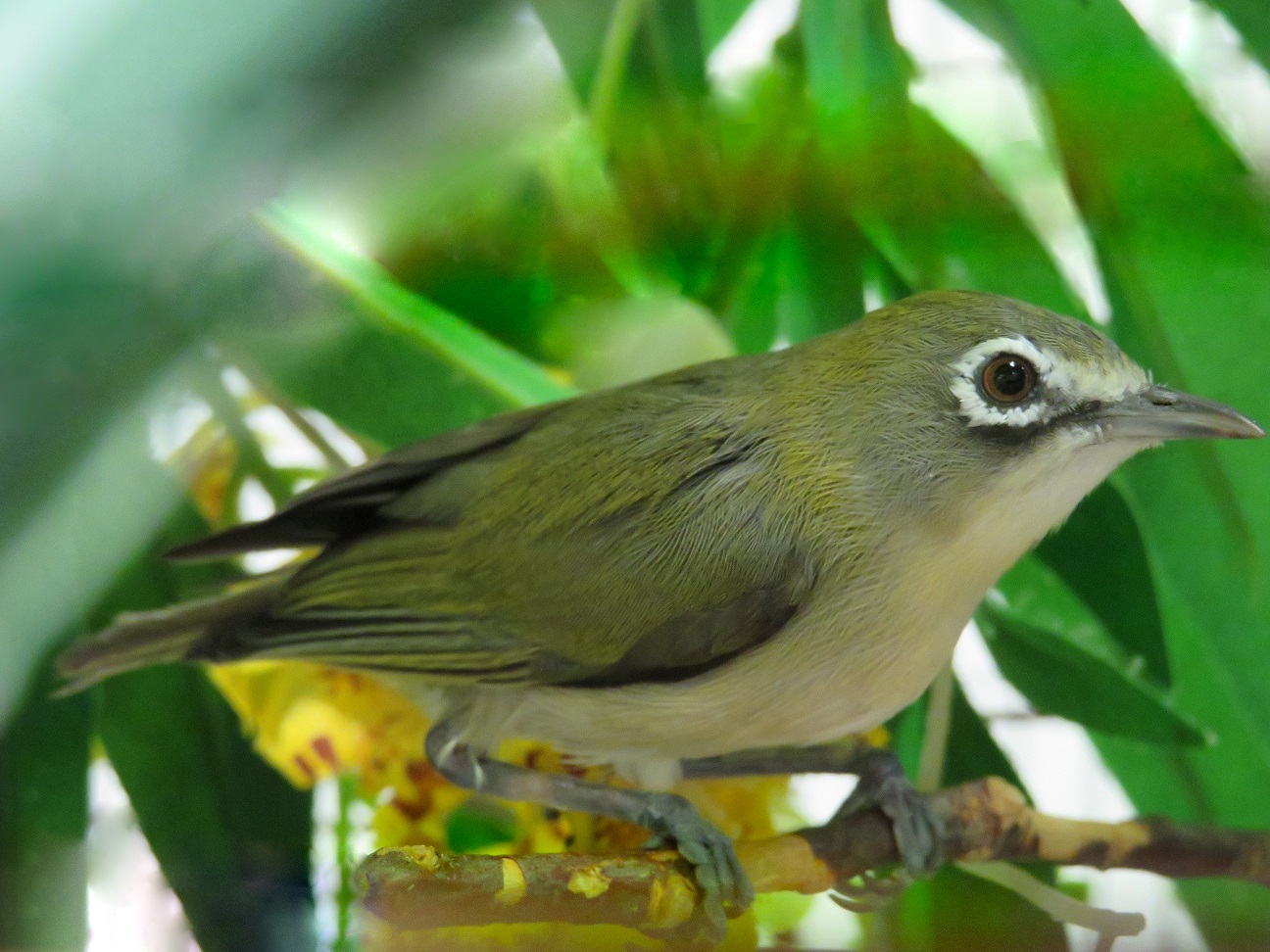
Meet Tasi, a tiny bird with a bubbly personality. Tasi is a Saipan White-eye, also known as a Bridled White-eye, a Critically Endangered species native to the Northern Mariana Islands. This species is threatened by the encroaching presence of an invasive snake–the same invasive snake species that ravaged the populations of Guam’s native birds, including…
Read More