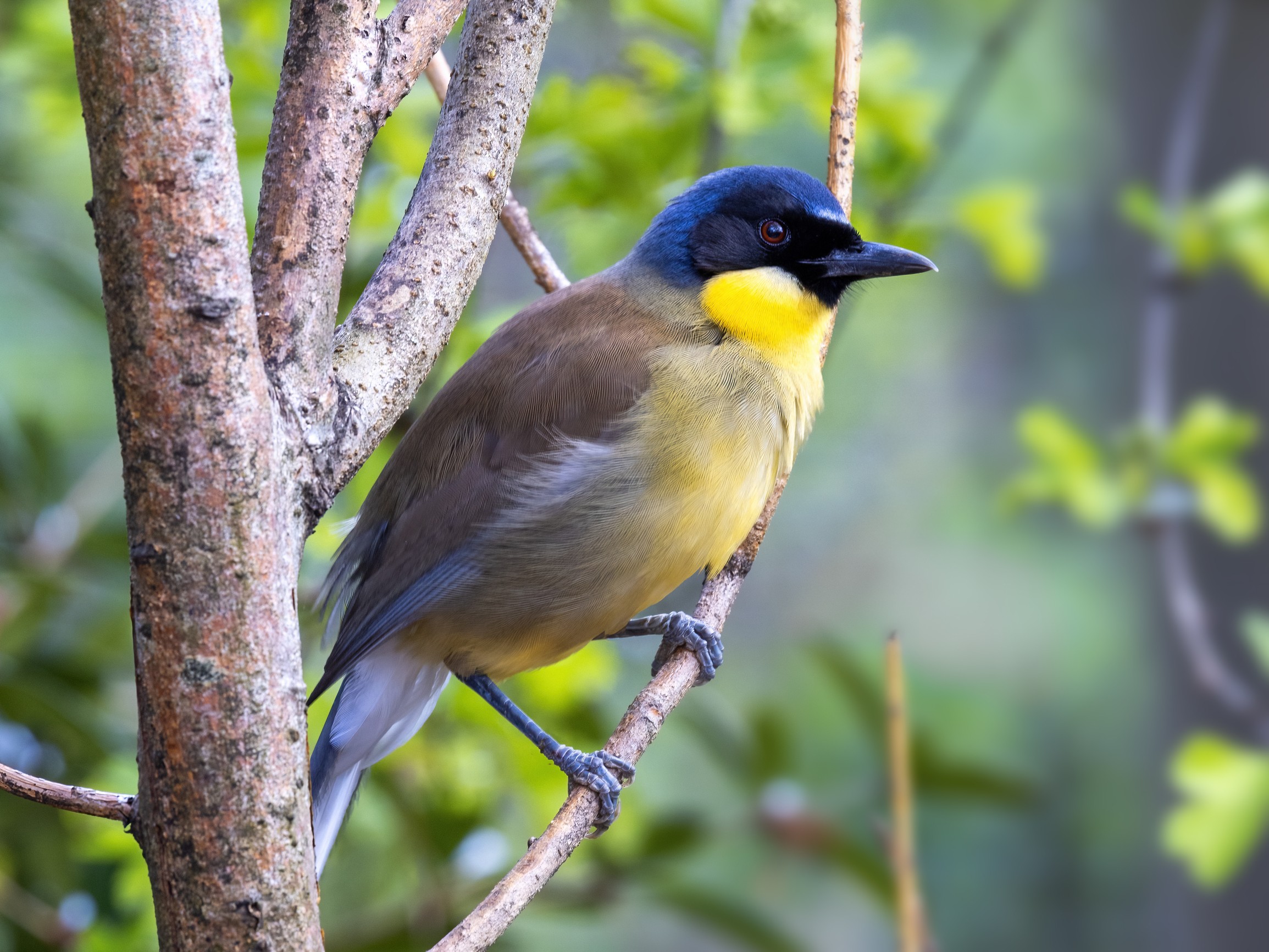
As the name suggests, Blue-crowned Laughingthrushes are an extremely social species, often maintaining a close family dynamic where sometimes young from early clutches help raise younger chicks. These beautifully blue, yellow, and brownish birds communicate with each other through various squeals and calls…and one that even sounds like human laughter! In the late 1980s, the…
Read More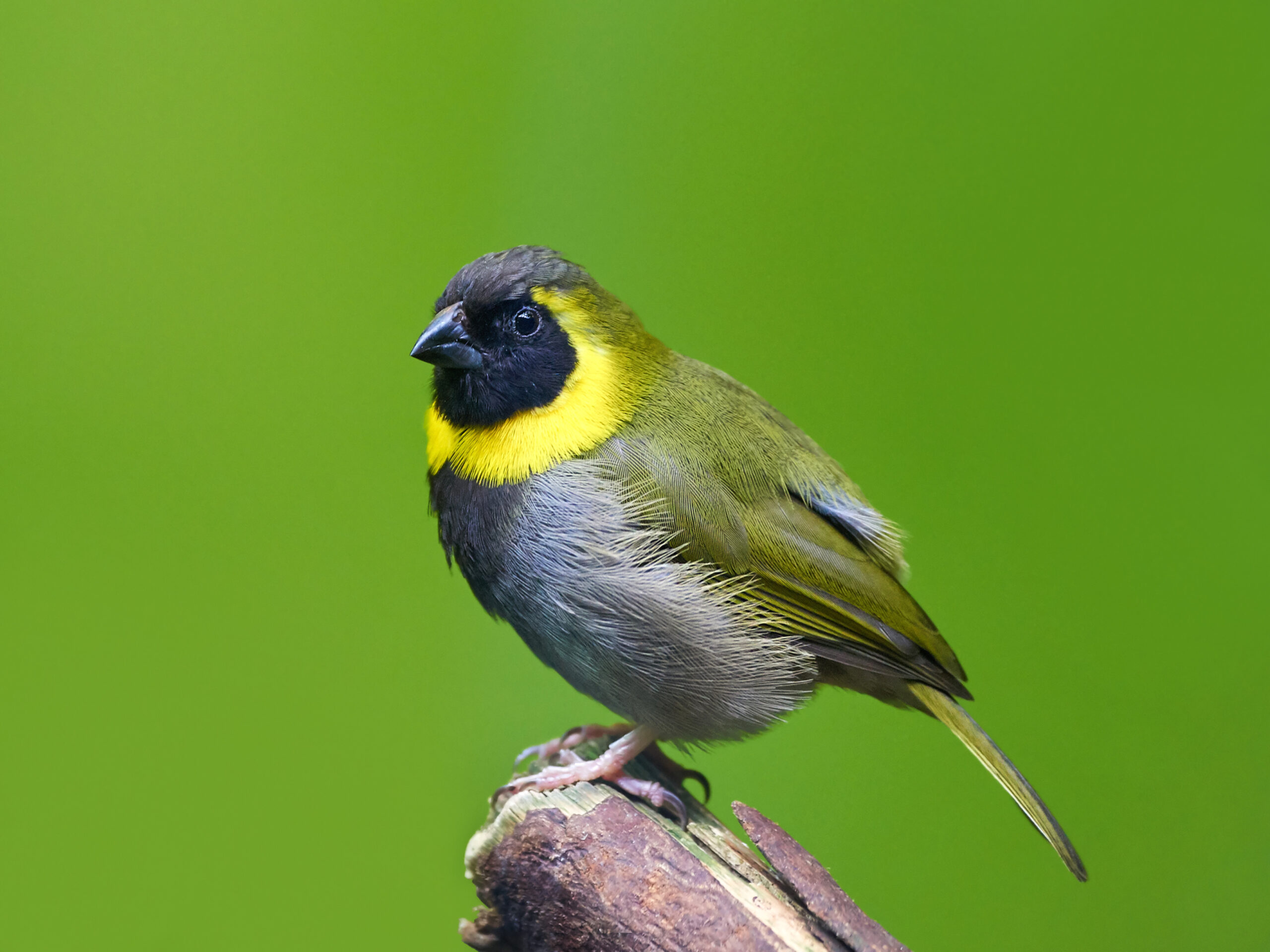
The Cuban Grassquit (pronounced grass-keet, like parakeet!) is a member of the tanager family known for its beautiful calls. So much so that the “canora” in their scientific name is derived from the Latin canorus, which means “melodious.” Males are notably different than their female counterparts. Males feature a black mask and breast-patch with bright…
Read More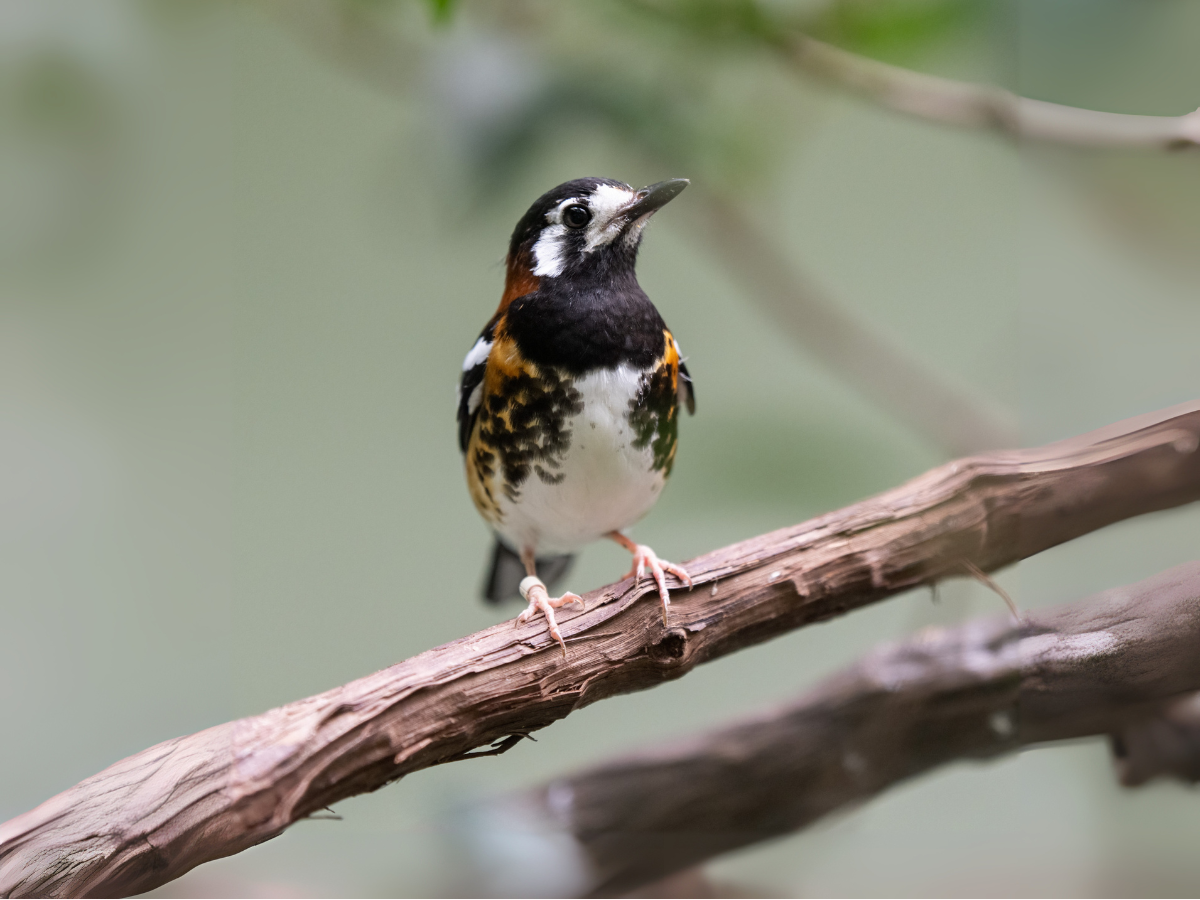
The Chestnut-backed Thrush is a beautifully patterned bird endemic to Lombok, Timor, and the Lesser Sunda Islands in Indonesia. They thrive in areas with semi-evergreen mountain areas, or forest edges with dense trees and higher elevations. Their scientific name pays homage to William Doherty, an American Ethnologist from the 19th century. Some of his collections…
Read More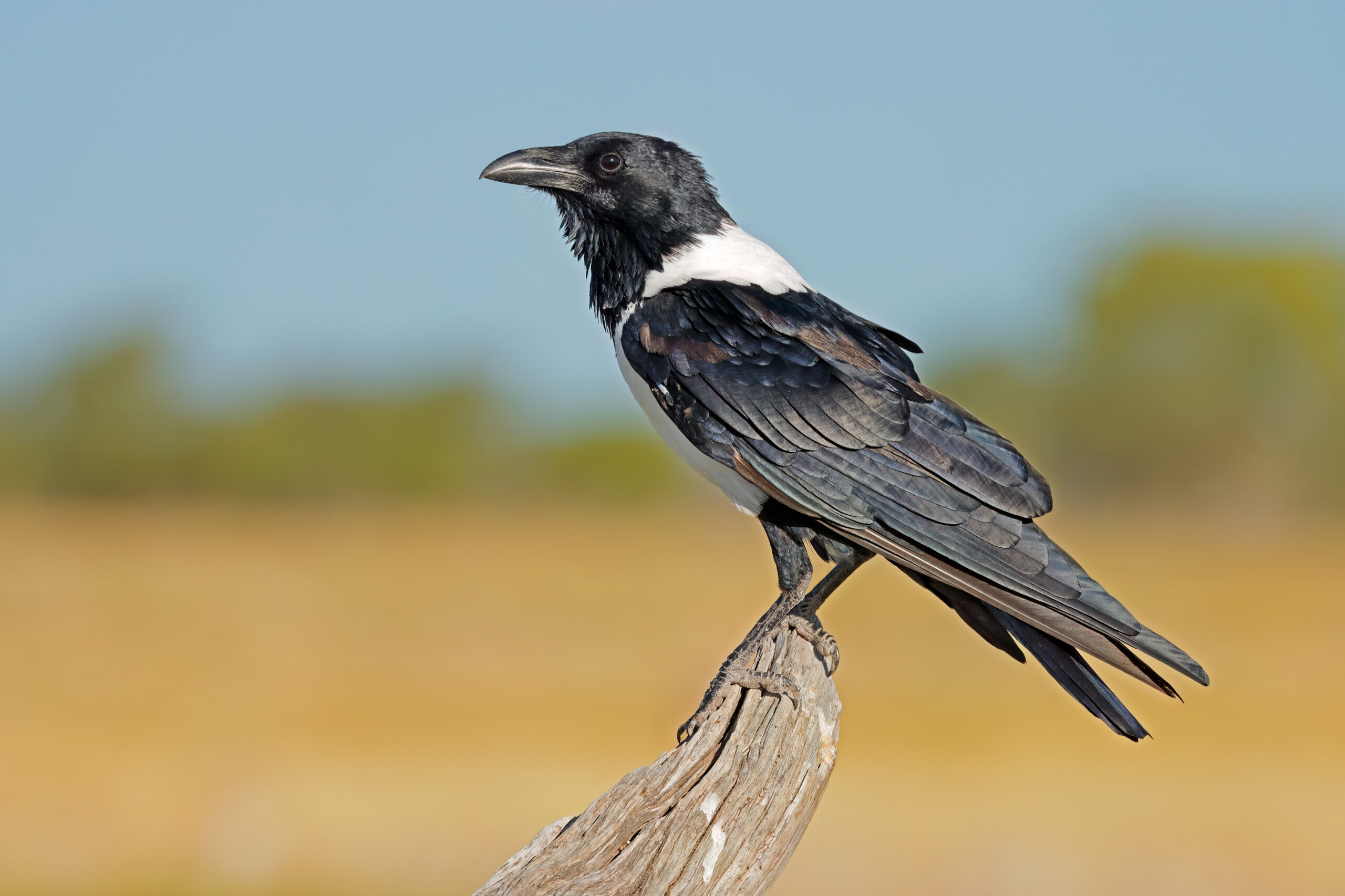
Measuring between 18 – 20 inches long, Pied Crows are found throughout Africa, from Senegal to Sudan. They reside in most environments except for rainforests and very hot desert regions. They have a hefty, robust bill that allows them to eat various foods from small vertebrates to fruit, and carrion. Because of its expansive diet,…
Read More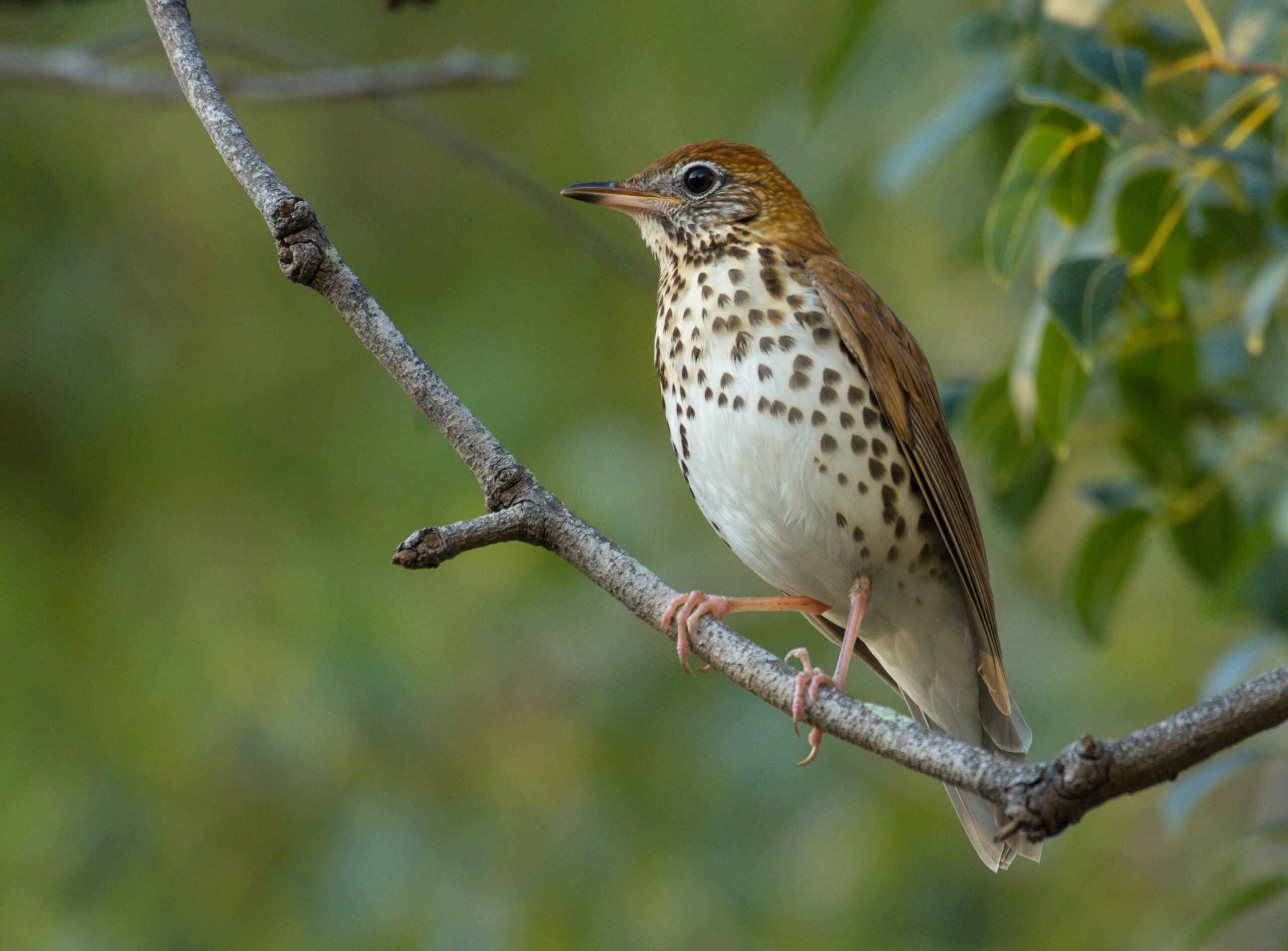
The Wood Thrush is a medium-sized songbird found primarily in forests across eastern North America. Recognizable by its rich, flutelike song, it has a distinctive appearance with a reddish-brown back and spotted breast. These thrushes are primarily migratory, spending their winters in Central America and returning to North America to breed. One of the most…
Read More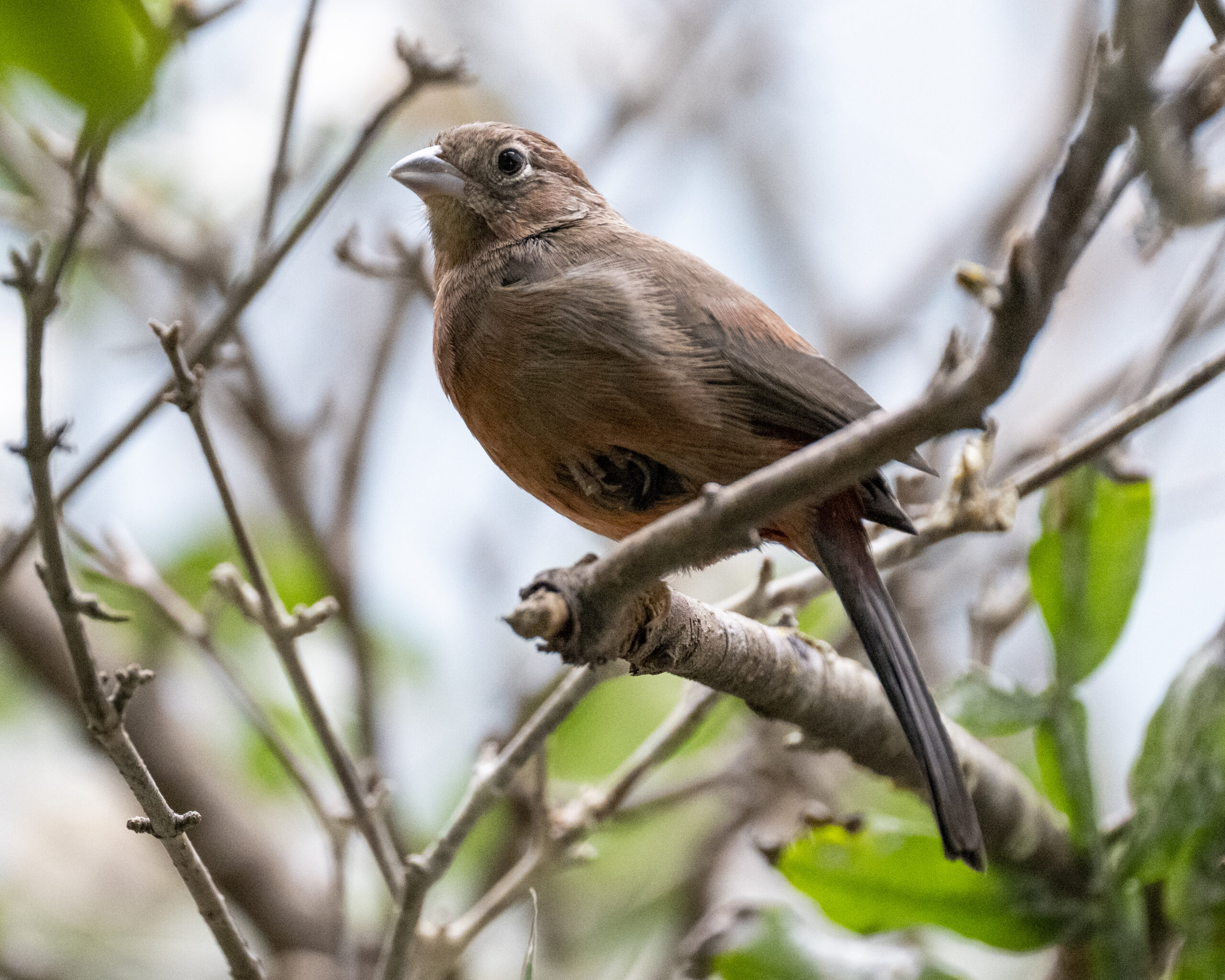
In many species, such as Red-crested Finches, males have a distinct appearance compared to females. They have a dark red coloration with a narrow white eye ring and a black-bordered bright red crown. Males can partly conceal or show off their crown coloration according to the situation. On the other hand, females have a white…
Read More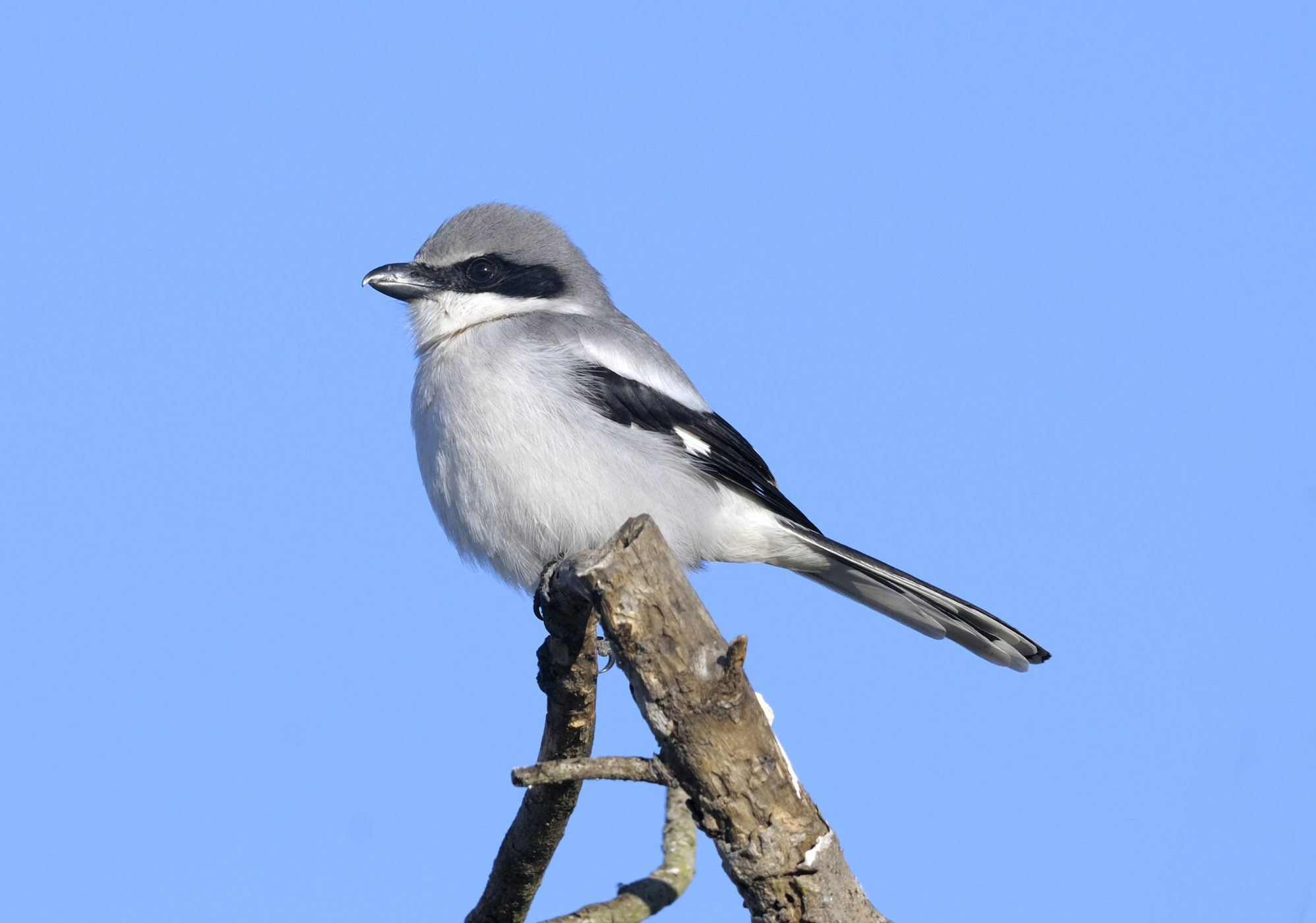
The National Aviary is home to Loggerhead Shrikes behind-the-scenes. They are hawk-like songbirds that create “food pantries.”
Read More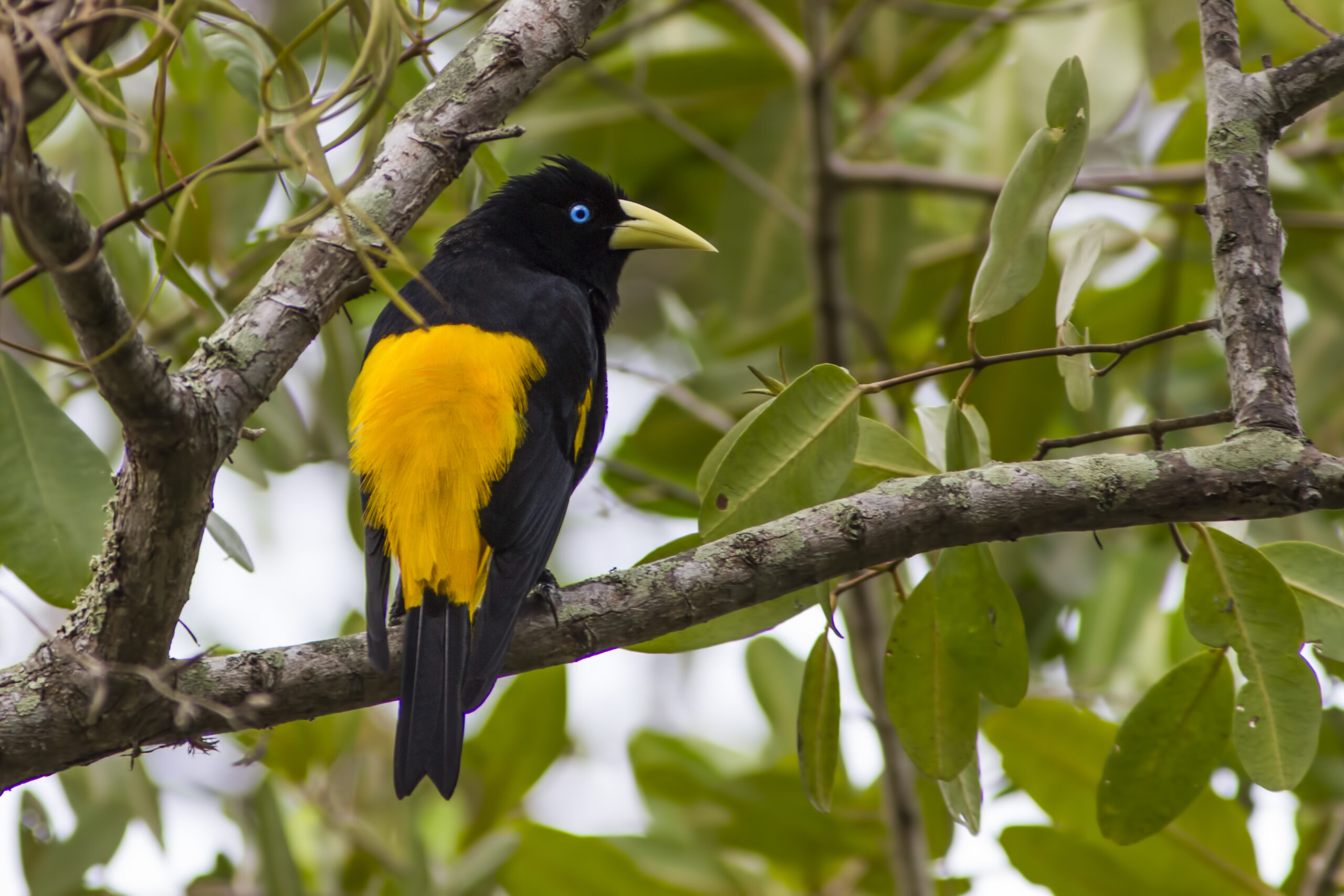
Yellow-rumped Caciques are named after the bright yellow plumage on their rump, which is brighter in males than females.
Read More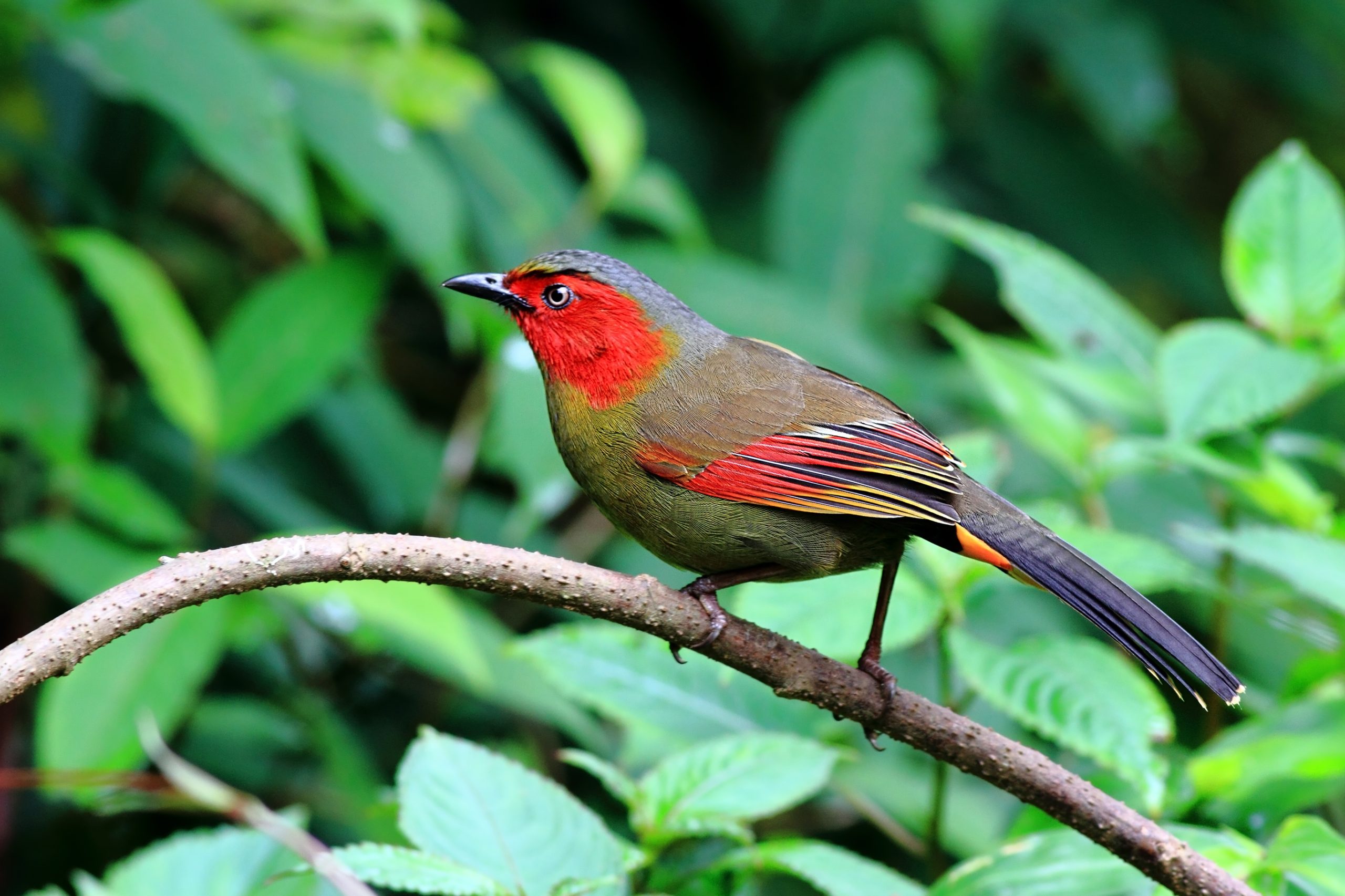
The striking Scarlet-faced Liocichla is found in the dense, hilly forests in Myanmar, Thailand, Vietnam, and China. These birds are typically furtive, spending much of their time foraging in the forest undergrowth. Scarlet-faced Liocichlas are known for being very vocal and musical like other members of the bird family that contains laughinghthrushes and babblers. As…
Read More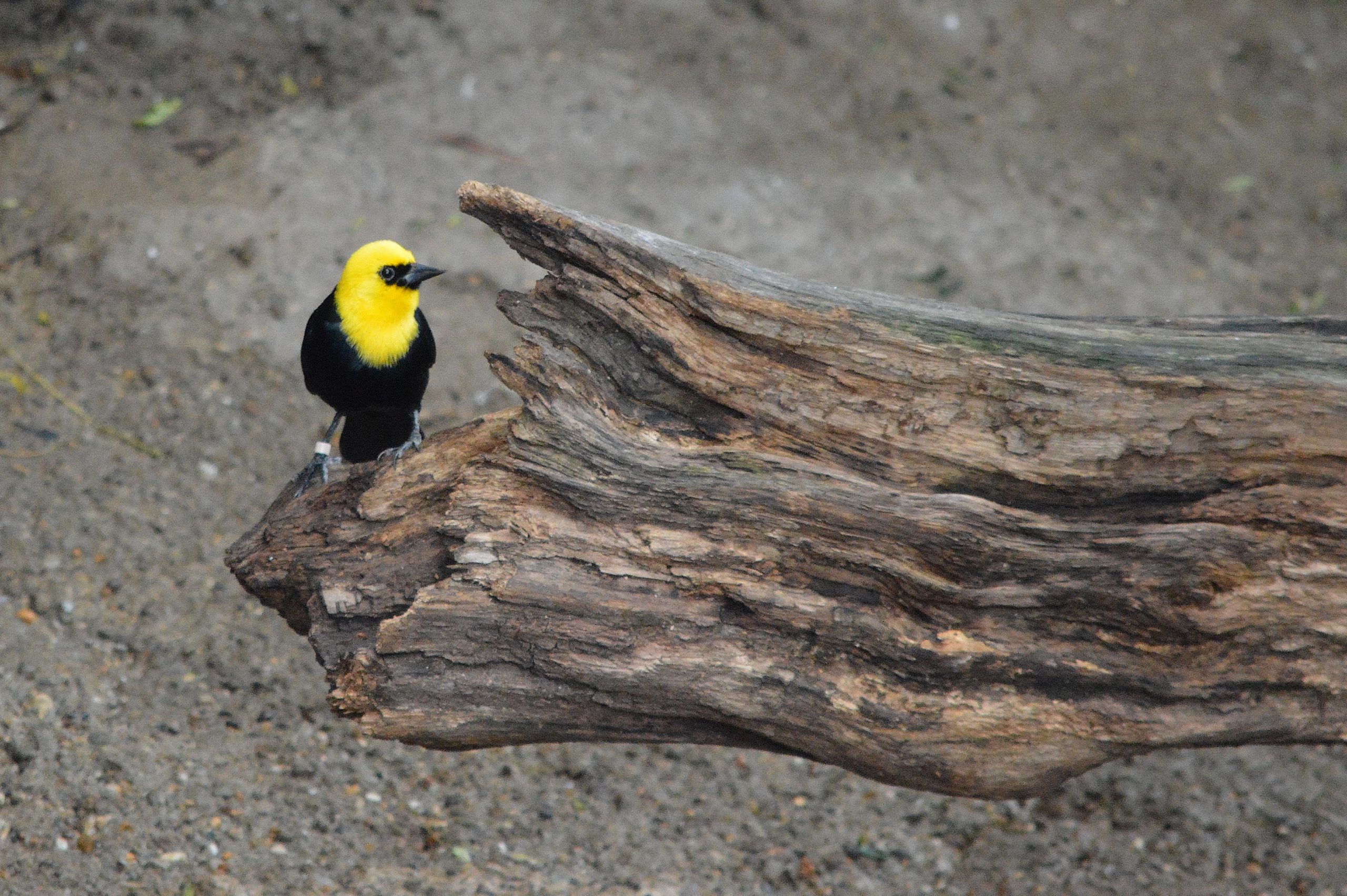
The Yellow-hooded Blackbird occurs in northern South America where it favors marshes with emergent aquatic plants such as cattails or bulrushes, as well as humid savannas, mangroves, and agricultural land where it can forage in newly plowed fields. Yellow-hooded Blackbirds also frequently forage in grass and vegetation for seeds and insects, including caterpillars and weevils….
Read More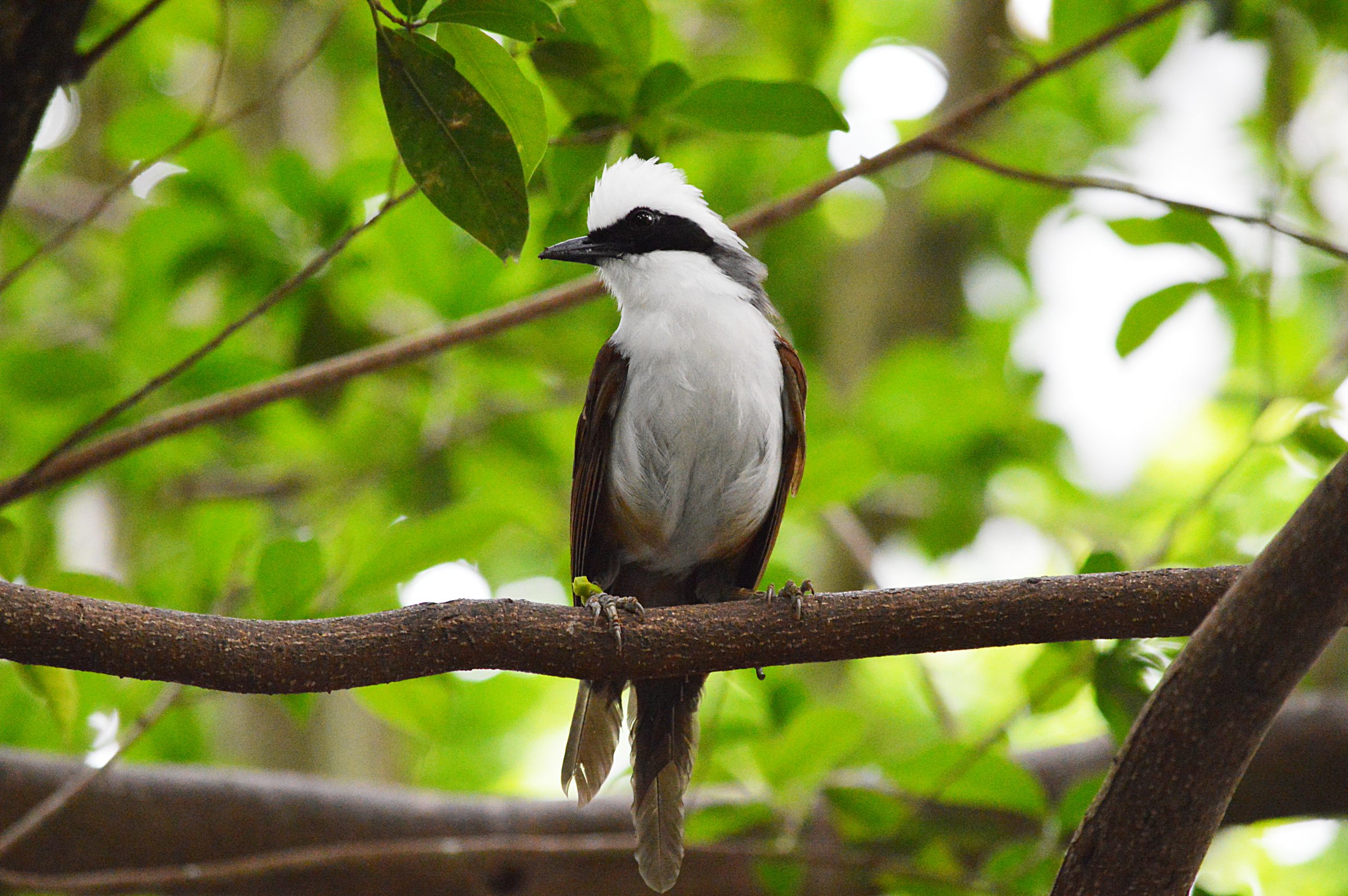
The White-crested Laughingthrush occurs in broadleaf evergreen forest and mixed deciduous forest in Southeast Asia and in the foothills of the Himalayan Mountains. It will also inhabit disturbed forests, secondary forest and gardens. This is a very social and vocal species, often foraging on the ground in groups of 6 to 20 individuals while looking…
Read More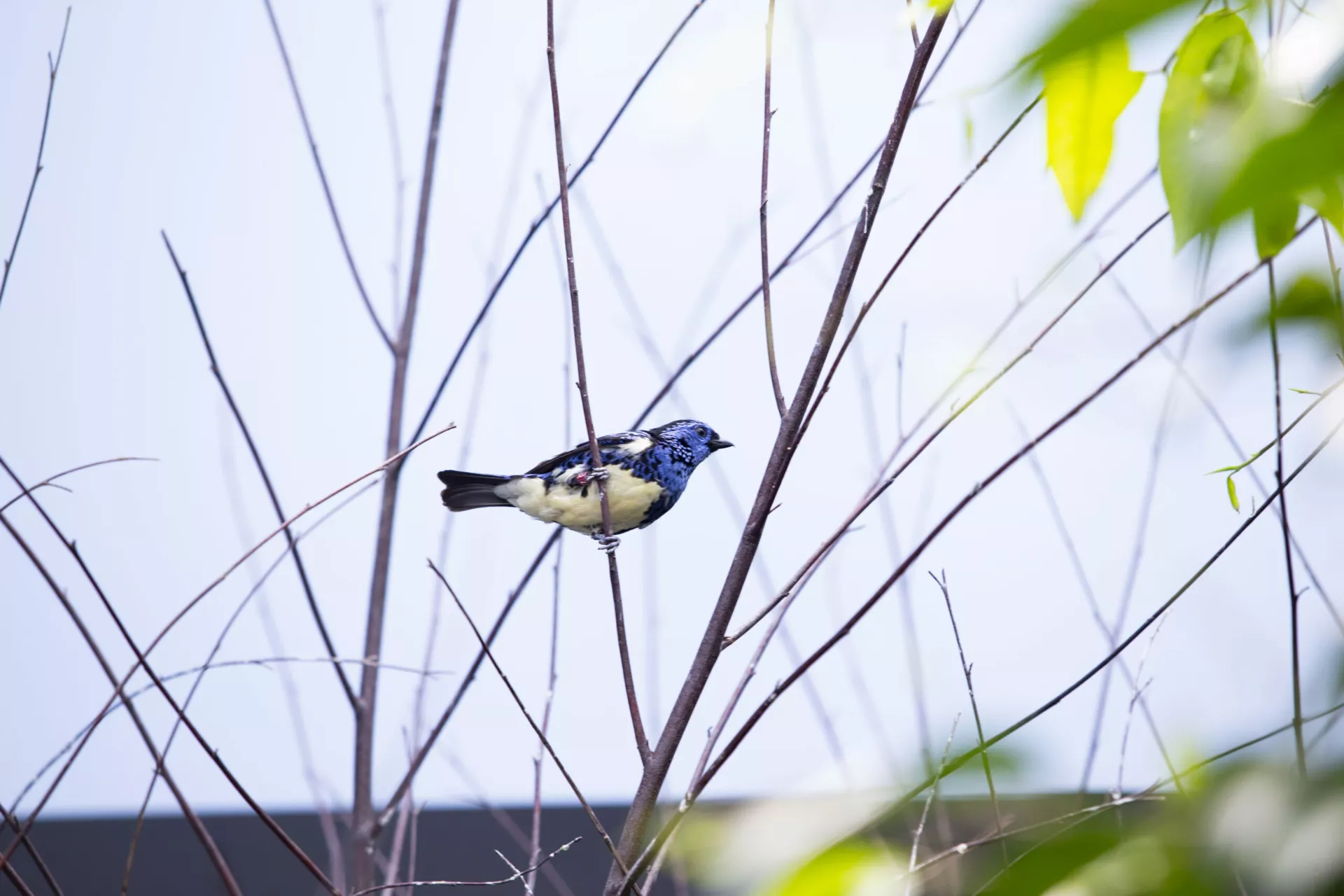
The Turquoise Tanager occurs in the Amazon Basin and nearby habitats of South America where it favors forest edge, clearings with scattered trees, tall second growth, riparian forests, and parks and gardens. It consumes about equal proportions of fruit and insects, but in particular, mistletoe berries are a very important part of the diet of…
Read More