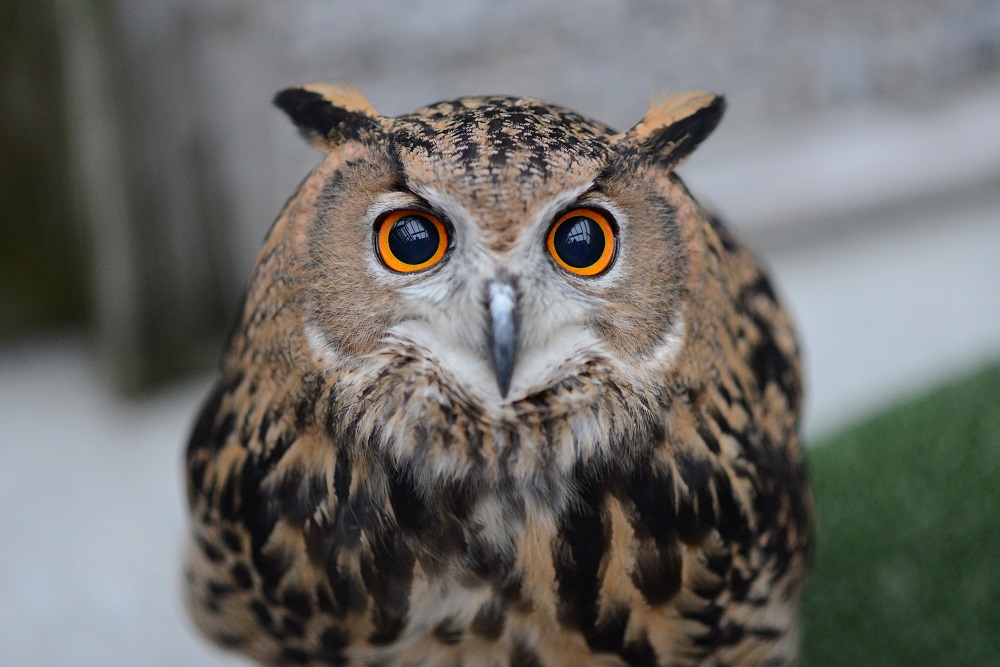
Eurasian Eagle-Owls have the largest wingspan of any owl species, reaching a whopping 6.5 feet! This species is widely distributed across Europe and Asia, and frequents a variety of habitats, from coniferous forests to grasslands and deserts. Eurasian Eagle-Owls are powerful flyers and soar on updrafts, similar to the flight style of many hawks. They…
Read More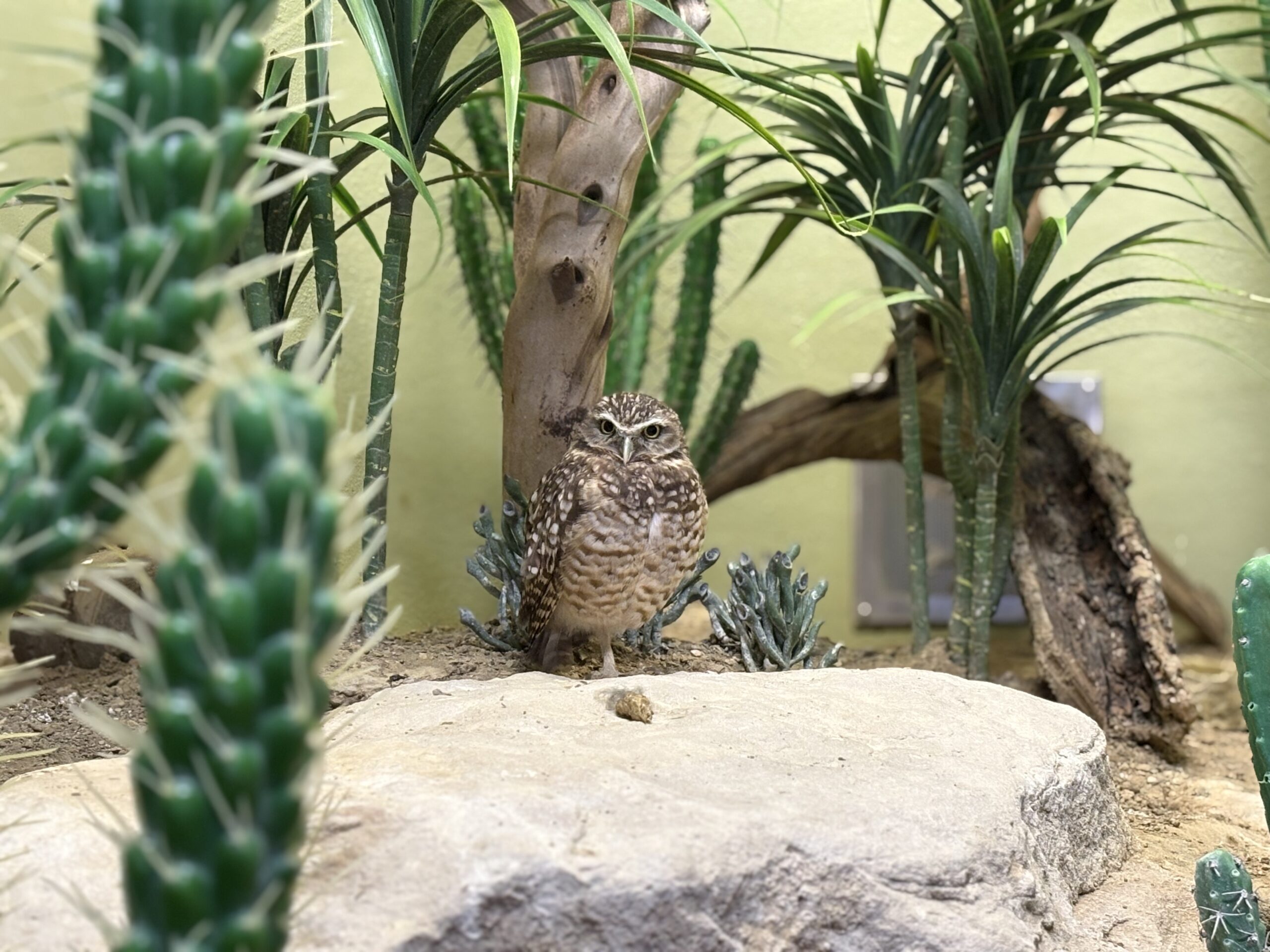
Burrowing Owls are a small, long-legged species of owl that spends the majority of its time on the ground. They are native to open grassland, prairie, and desert habitats and range from southern Canada (where they are considered an endangered species) to the drier habitats of South America. They have also been found nesting in…
Read More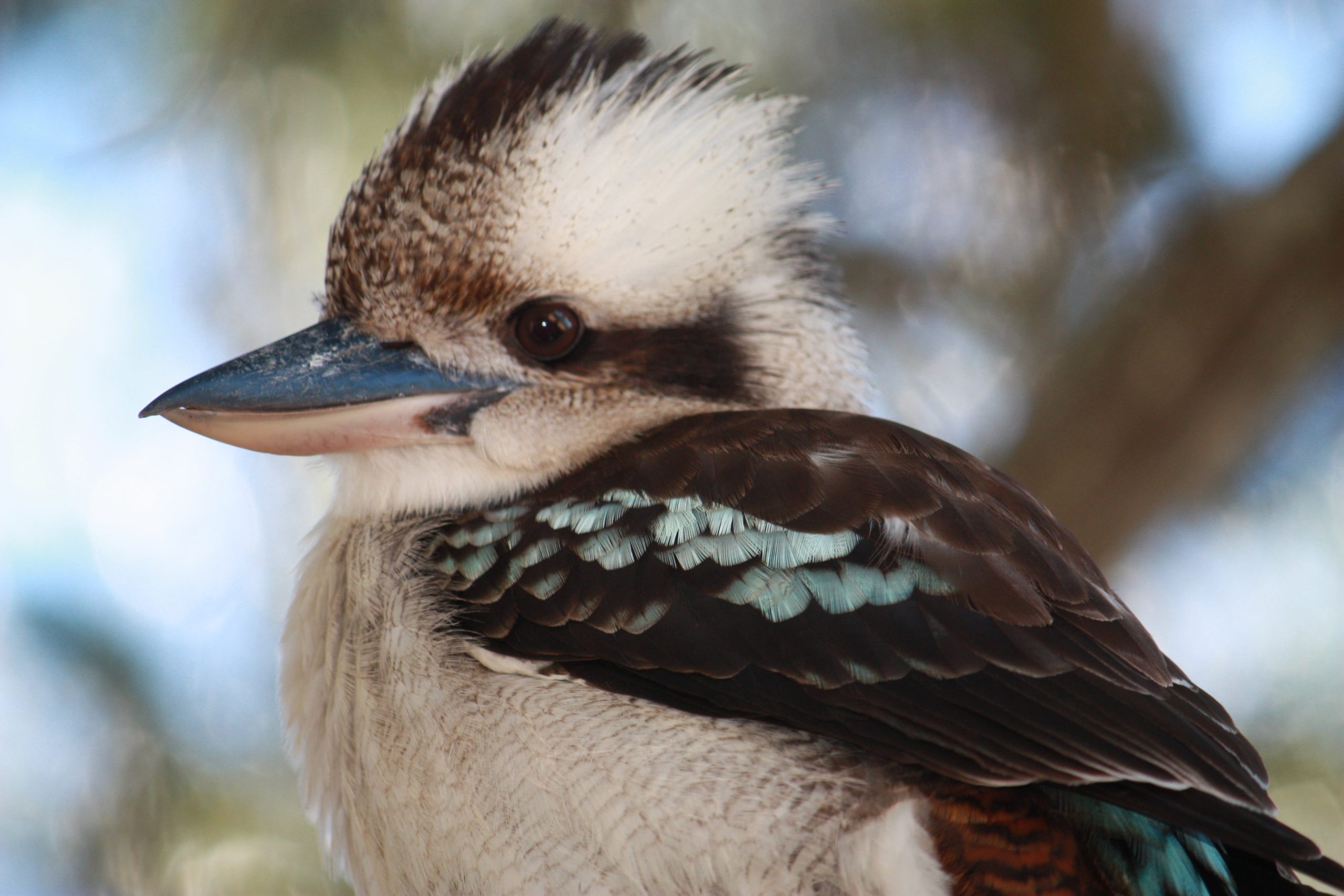
You may not think you’ve heard the rollicking call of the Laughing Kookaburra, but you almost certainly have. The Kookaburra’s loud “laugh” — that echoing koo-koo-koo-koo-KA-KA-KA! in the background of every jungle movie ever made — actually comes from a squat, unassuming bird who would never be found anywhere near a jungle. In fact, the…
Read More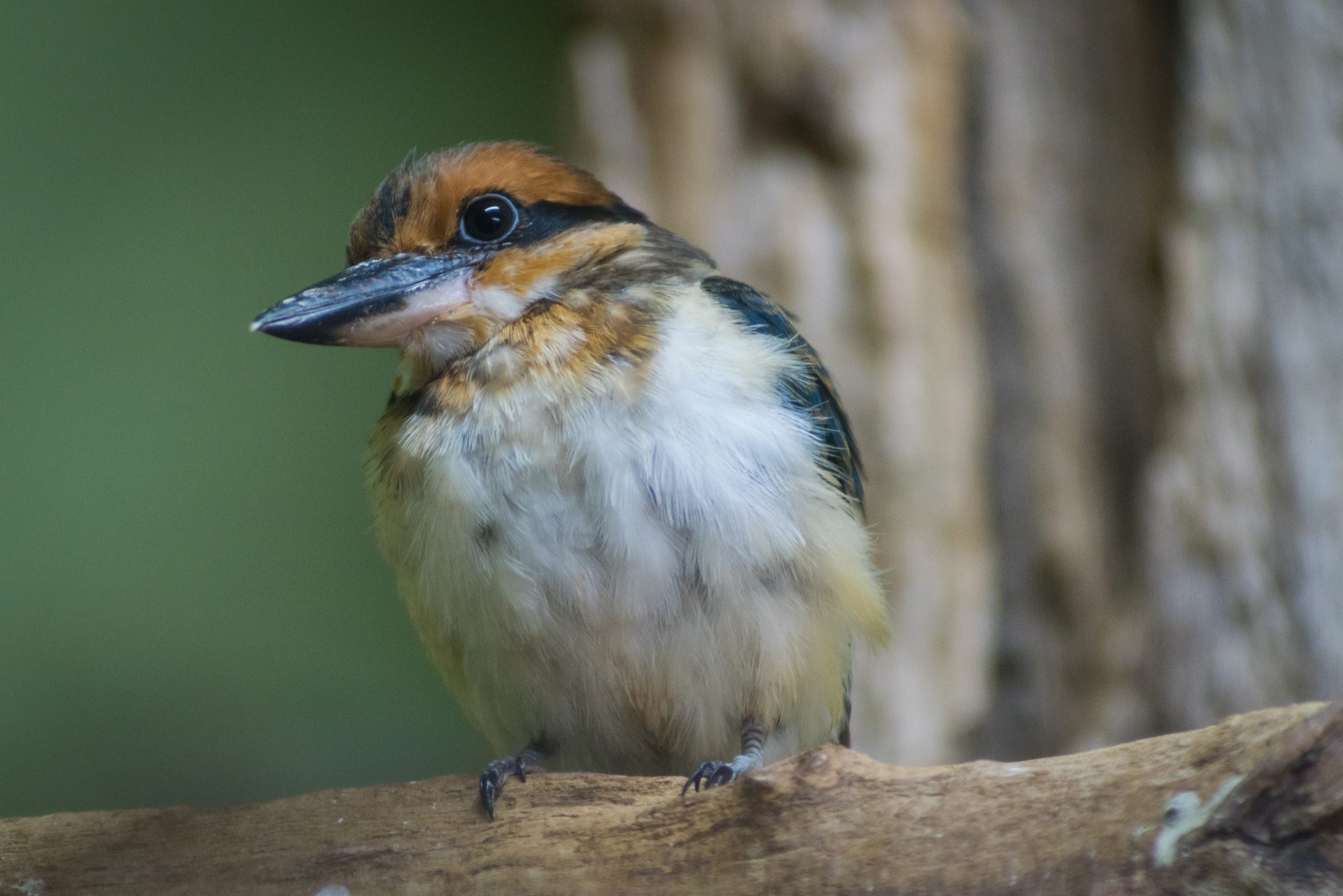
The Guam Kingfisher is small by kingfisher standards. Males average only about 58g (two ounces) and 24 cm (9 inches) long, making them less than half the size of North America’s Belted Kingfisher. Both male and female Guam Kingfishers have an iridescent blue-green back, a disproportionately very large, slightly crested, rust-colored head, and a long,…
Read More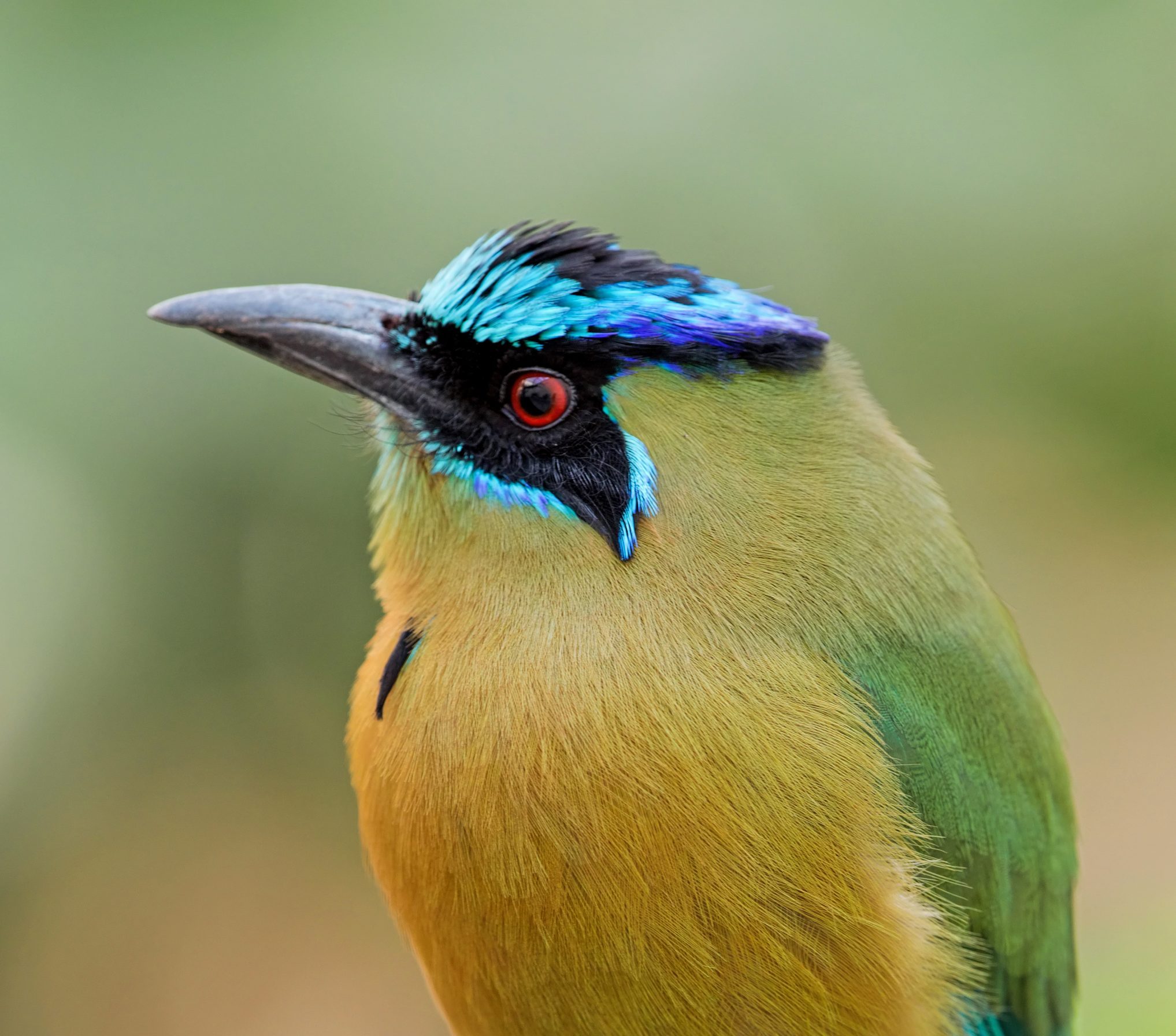
Both the male and female Blue-crowned Motmot have green and blue plumage with a chestnut chest. They have a large head with a blue crown, black eye mask around red eyes, and a short serrated beak. Their most distinguishing features are their long central tail feathers that feature bare sections near the tips. These oddly…
Read More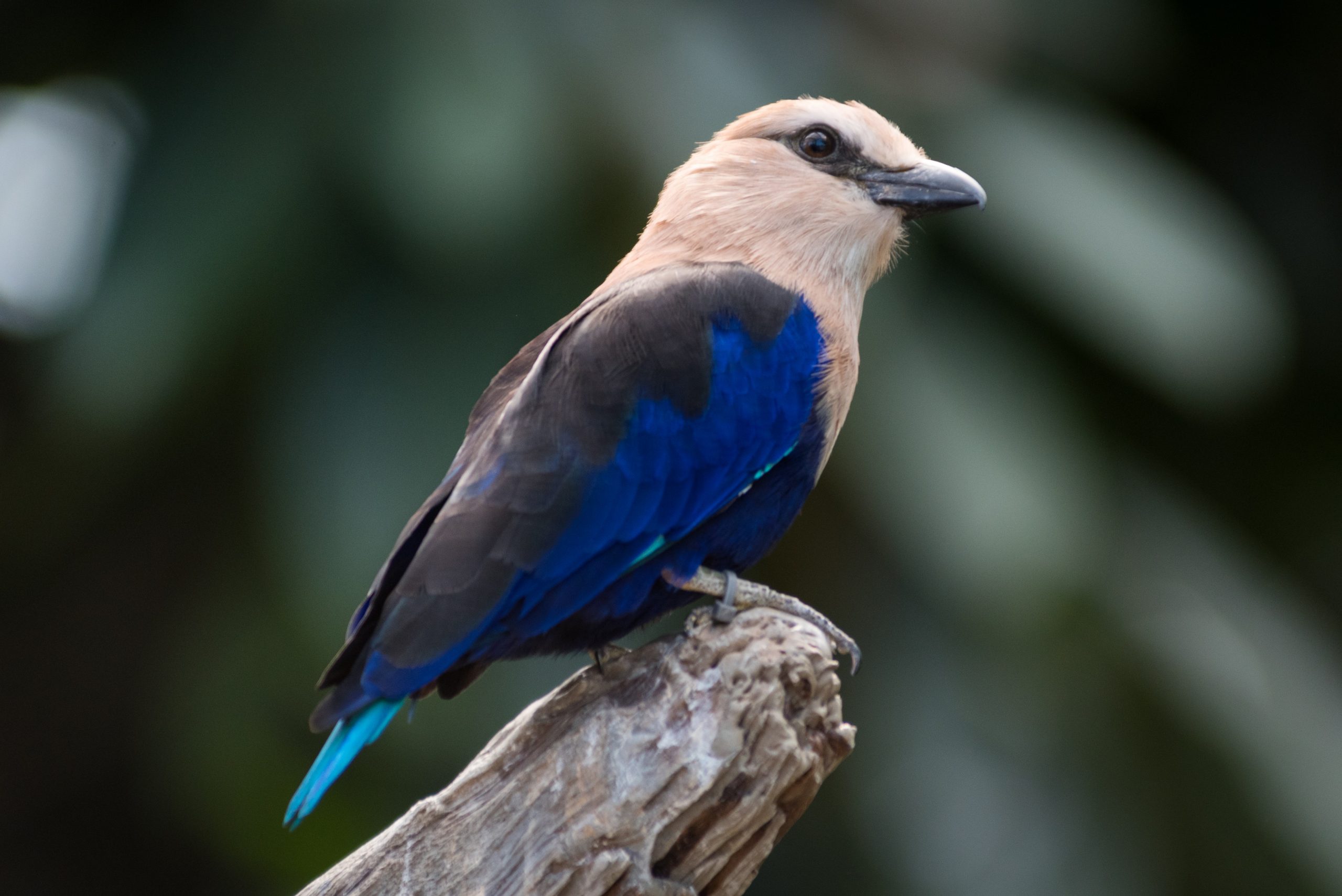
Blue-bellied Rollers are a colorful species native to central Africa. Males and females look identical, and have a brilliant royal blue abdomen, dark and light blue feathers on their wings, and a tan head. They are powerful flyers and have a loud, croaking call. During the breeding season, pairs of Blue-bellied Rollers engage in elaborate…
Read More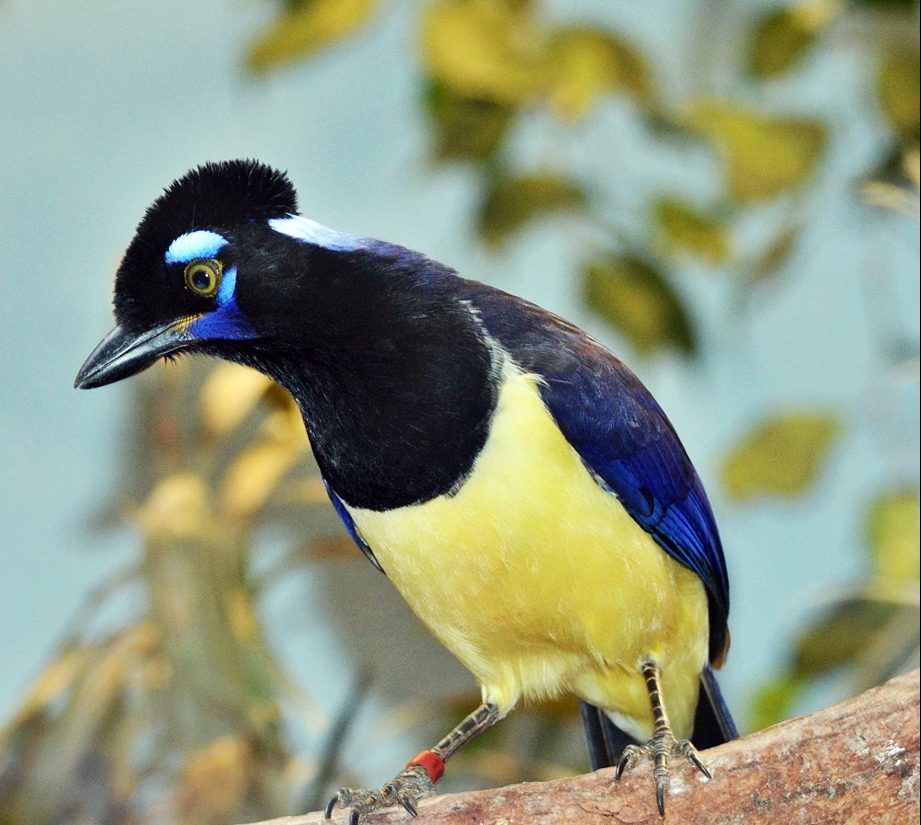
The handsome Plush-crested Jay inhabits forests, open woodlands, and forest edges, as well as scrublands and fruit groves of south-central South America. This species is omnivorous, mostly eating small invertebrates and fruits, but also taking seeds, eggs, nestlings, frogs, and lizards. Plush-crested Jays forage in flocks of several birds, and, like temperate zone jays, will…
Read More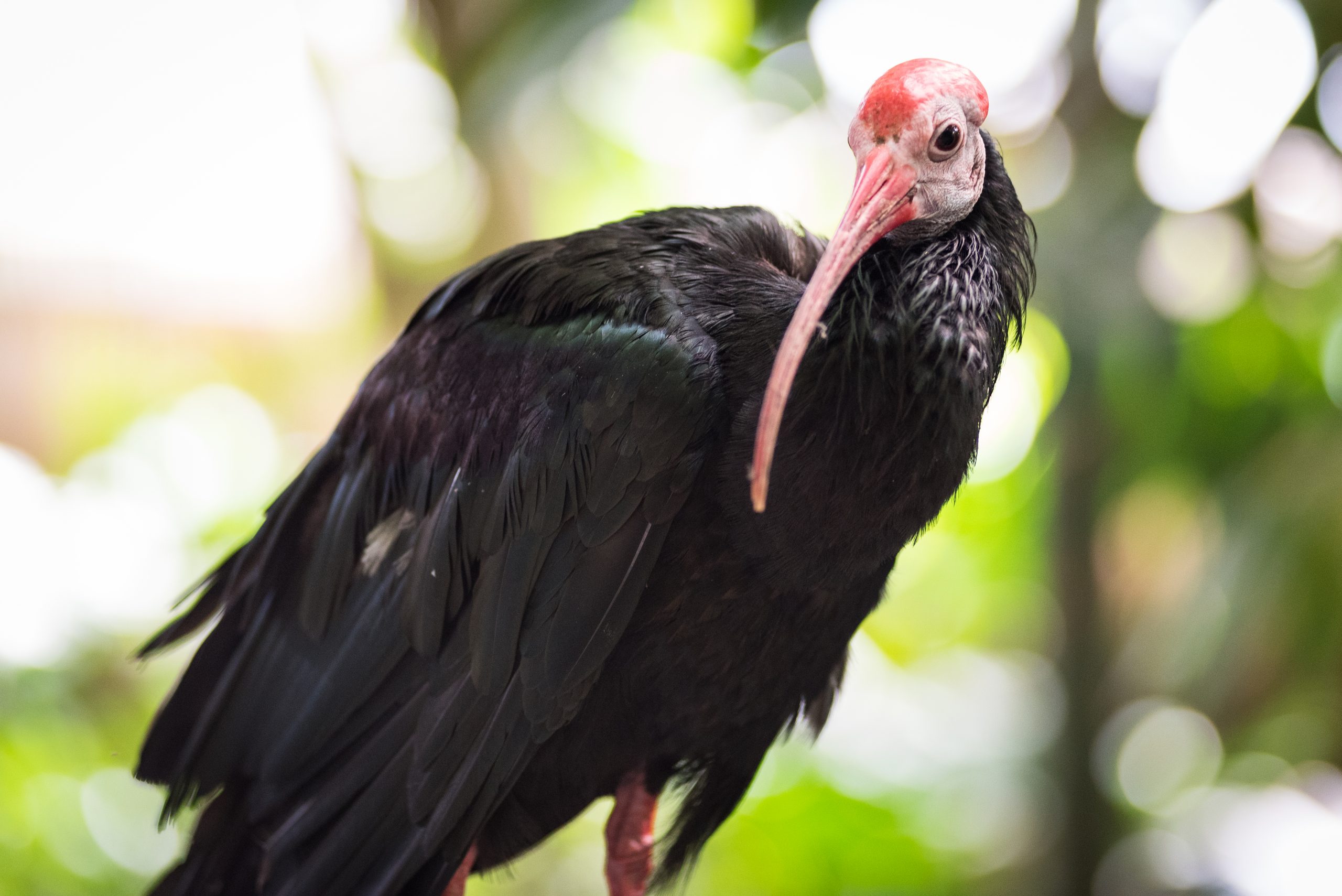
The Southern Bald Ibis is a gregarious, glossy bluish-black ibis restricted to the southern tips of South Africa. This ibis resides in mountainous regions, where it prefers higher elevation short-grass habitats, as well as recently burned, plowed, mowed, or heavily grazed fields and cultivated lands. In these grasslands, the Southern Bald Ibis feeds frequently in…
Read More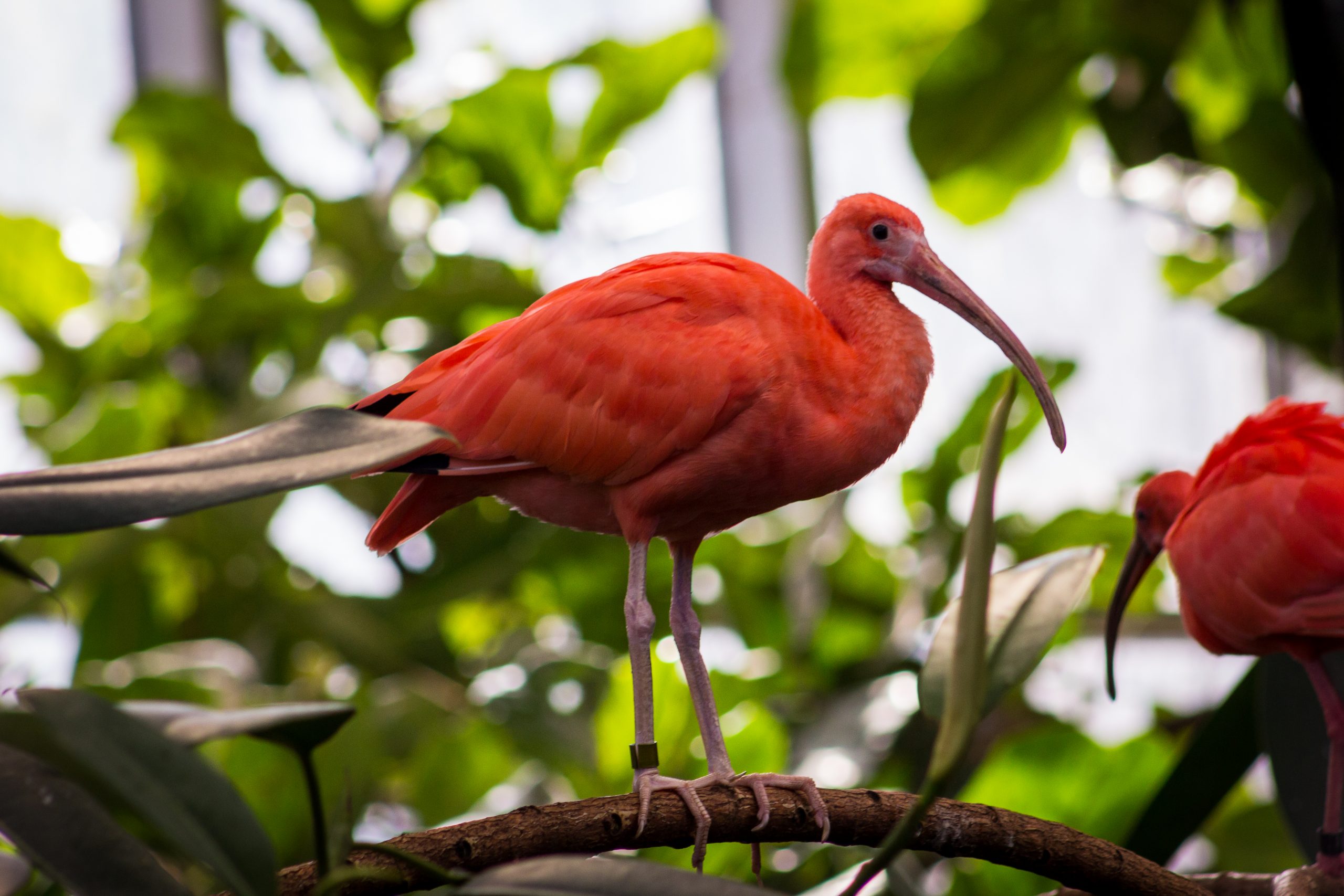
Scarlet Ibis are beautiful birds noted for the vibrancy of their namesake scarlet feathers. These bright birds are found in mangrove swamps and wetlands of northern South America, feeding on crustaceans as they wade through water. Like other ibis species, the Scarlet Ibis is very social, and sometimes even forages with other species like herons…
Read More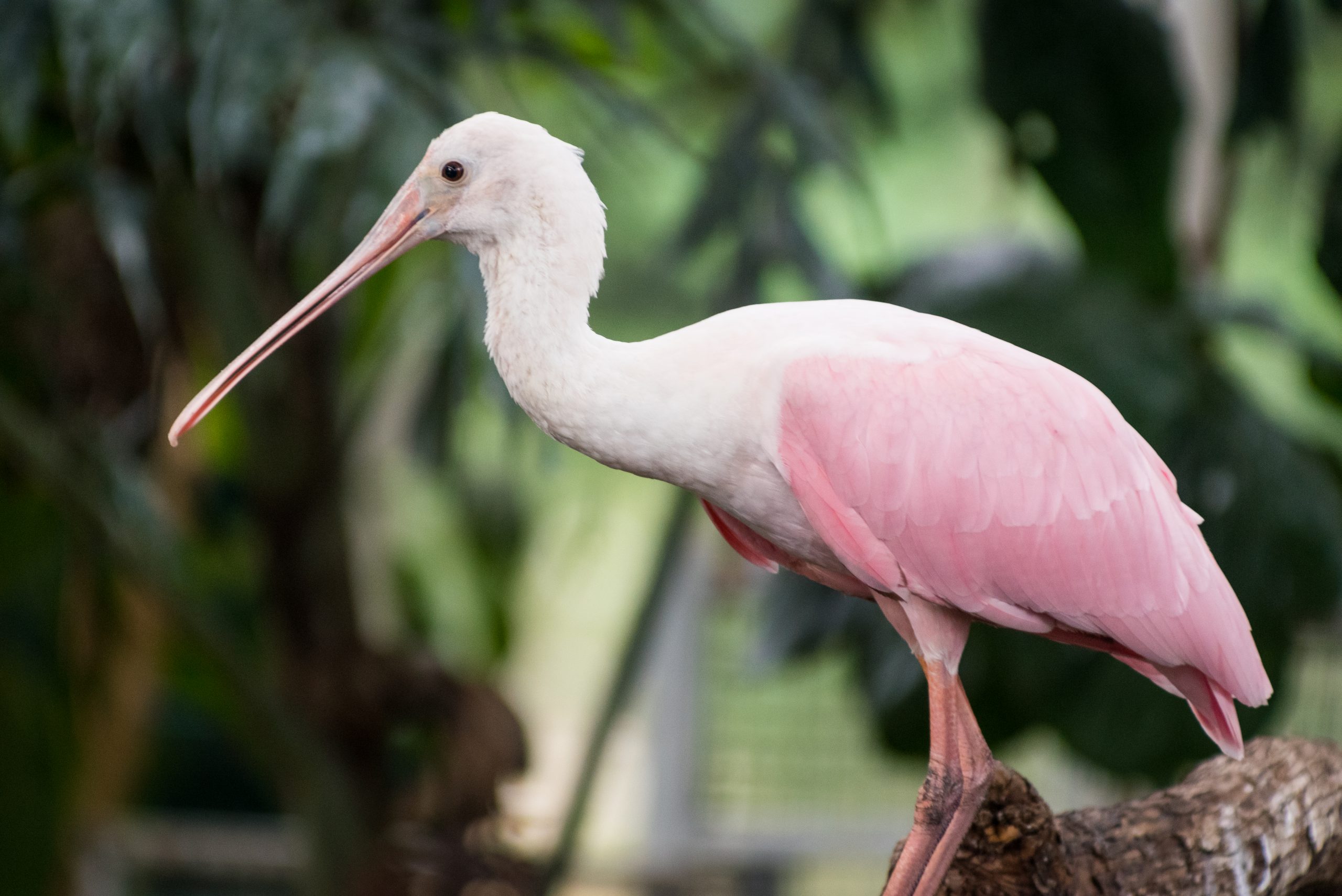
Roseate Spoonbills are distinctive birds with pink plumage with a uniquely shaped bill that gives them their name. Their long, flat bill is rounded at the end like a spoon, and they use it to scoop up small crustaceans as they slowly walk through shallow water. These small crustaceans are also the source of the…
Read More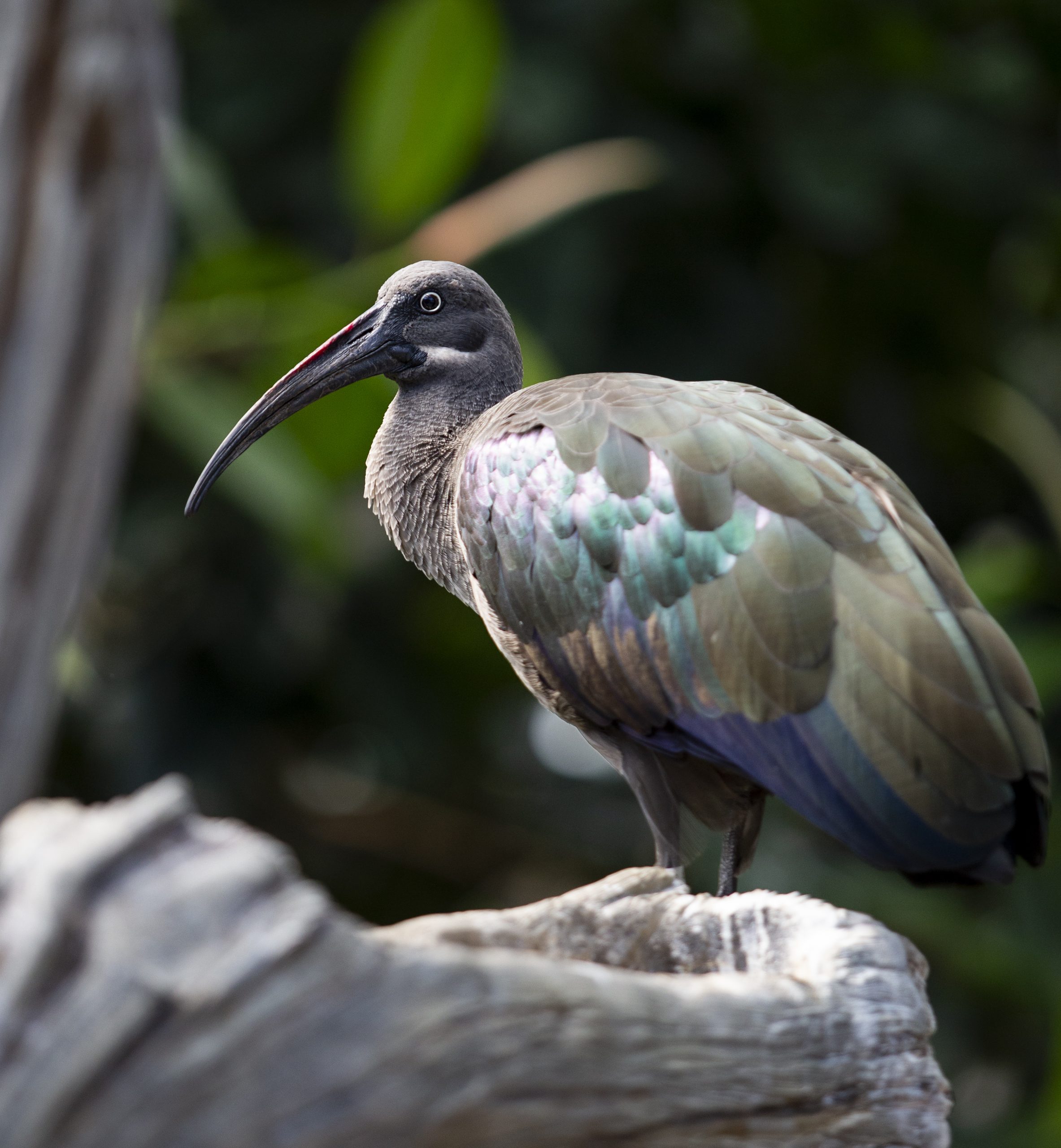
The shimmery feathers of the Hadada Ibis isn’t the only attention-grabbing feature of this bird: its loud call can be heard echoing through the Wetlands! Hadada Ibises are found in sub-Saharan Africa in a variety of habitats and often in close proximity to humans. This medium-sized ibis uses its long, curved beak to probe the…
Read More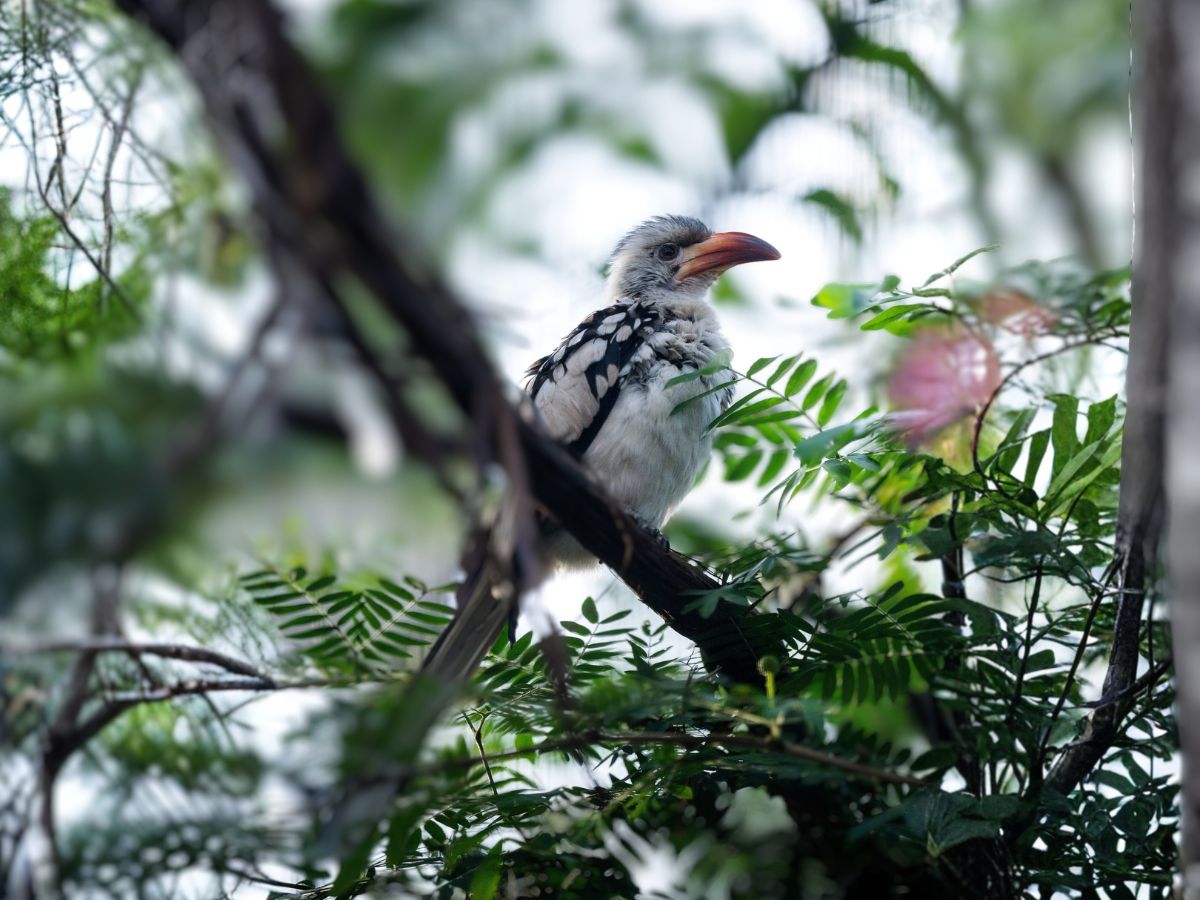
Made internationally famous as the result of the animated character, Zazu, in Disney’s The Lion King, the Red-billed Hornbill is a bird of open savannas and woodlands, and dry thorn-scrub with sparse ground cover in the Afrotropical region. This species forages for a variety of small invertebrates, but will also take some fruit and seeds….
Read More Previous Posts