Of the 18 penguin species found around the world, 13 of them are experiencing population declines and are listed as Near Threatened, Vulnerable, or Endangered on the IUCN Red List. African Penguins are no exception. This species is considered Critically Endangered and has experienced a precipitous drop in its population in a very short period of time. It is estimated that African Penguins will be functionally extinct in South Africa by 2035.
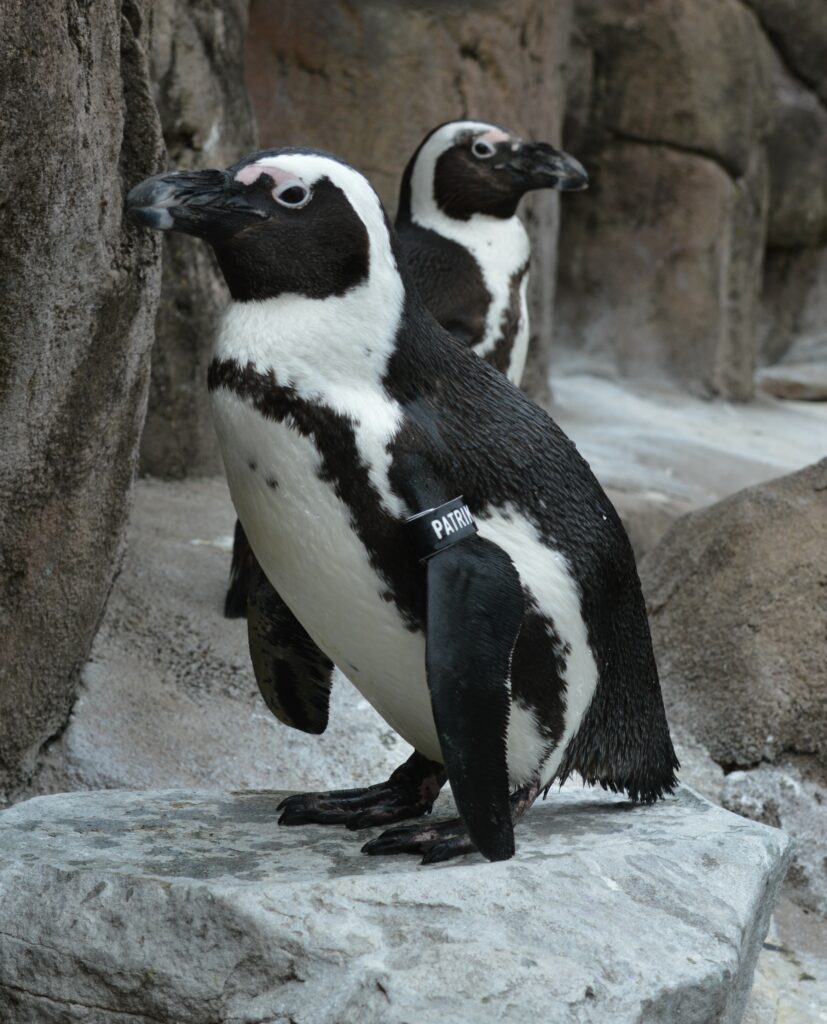
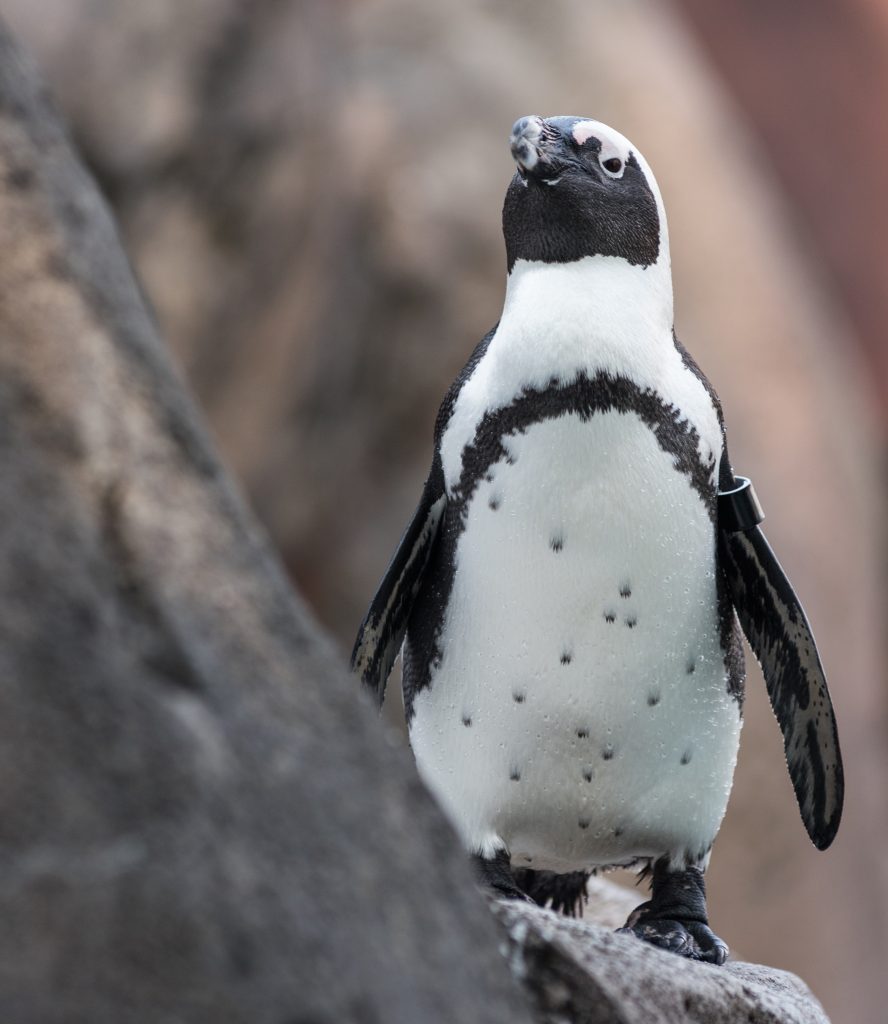
The causes for the decline in African Penguin populations are multifaceted, but they are largely rooted in human actions. Overfishing and warming sea levels caused by climate change contribute to a loss of the fish on which penguins rely as a primary food source. Guano mining and human disturbance on penguin nesting grounds reduce their reproductive success. Short-term disasters like oil spills and disease outbreaks also pose a serious threat.
The National Aviary is the leader of the Association of Zoos and Aquariums (AZA): Saving Animals From Extinction® (SAFE) Program for African Penguins. The program is coordinated by National Aviary Senior Conservation Scientist Dr. Patty McGill, who works with colleagues at the Aviary and around the world to identify and address the short-term and long-term challenges plaguing the species.
Dr. McGill and her colleagues are working to address long-term and short-term conservation challenges. SAFE’s initiatives include supplying and deploying artificial nest burrows and training teams across the African Penguin’s range to respond to disasters like oil spills and disease outbreaks. SAFE is also working to address overfishing by using RFID/PIT tags to track penguins’ movements to identify high-usage areas and mitigate conflicts with fisheries.
Donate Today