!

Please Note

Please Note: The National Aviary will close at 1 pm on Tues., May 26 for Staff Wellness Day! We will reopen on Wed., May 27 at 10 am. Plan Your Next Visit

Close Announcement

Location: Canary's Call

A Black Crake walking on the ground

The Black Crake is a water bird found throughout sub-Saharan Africa. With its bright yellow bill, red legs, and sleek black body, this bird is among the most common and least secretive of Africa’s rail species. They are well-suited for life in a wetland habitat: their long toes help them move easily along floating vegetation,…

Read More
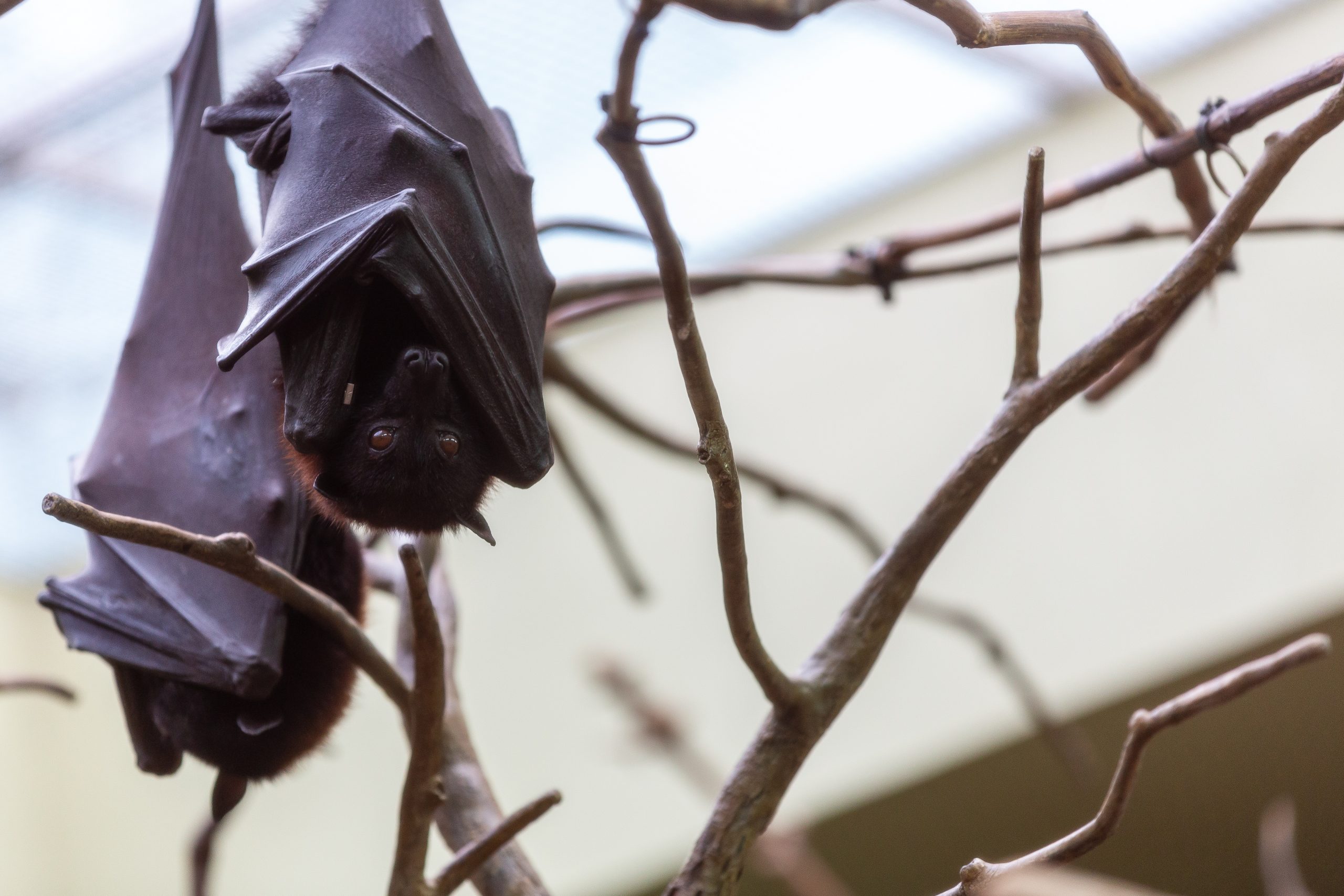
Malayan Flying Foxes hanging upside down from a branch

Malayan Flying Foxes are the largest member of Pteropus! With their striking red or russet heads that turn deep orange during breeding season, these bats are a true wonder of nature. They have large, well-developed eyes for flight navigation and form feeding groups of up to 50 and roosting colonies of up to 20,000 individuals….

Read More

In The News

See All News

4 peregrine falcon chicks banded at Pitt’s Cathedral of Learning | CBS News

Viewers of the National Aviary's FalconCam have been watching parents Carla and Ecco raise the chicks since the start of the season, and it's the third year their offspring have been banded.

Read More »

4 Cathedral of Learning peregrine falcon chicks banded by game commission | WPXI

Four chicks of the peregrine falcon pair Carla and Ecco were banded Wednesday morning at the Cathedral of Learning on the University of Pittsburgh’s campus.

Read More »

Do Animals Enjoy Music? Zoömusicology Has Surprising Answers (Ft. National Aviary Ornithologist Bob Mulvihill) | Yahoo News

Bob Mulvihill, Lead Ornithologist at the National Aviary, also explains how music affects birds.

Read More »

USPS Bald Eagle Stamps | United States Postal Service

U.S. Postal Service released a set of stamps honoring our national bird, the bald eagle, at the National Eagle Center.

Read More »

How to attract orioles to your yard this spring | National Geographic

These songbirds have a conspicuous sweet tooth—but experts say putting out oranges and other fruits isn't the only way to turn your backyard into an oriole hotspot.

Read More »