Saving Vietnam Pheasants
The Vietnam Pheasant is considered by many to be the most endangered of all pheasant species. An elusive bird not seen in Central Vietnam’s dense, evergreen forests since 2000, the Vietnam Pheasant is currently listed by the IUCN as Critically Endangered, but many believe the species could be Extinct in the Wild.
Little is known about this evasive species, once referred to as Edward’s Pheasant. Endemic to just few Central Vietnam regions, its species decline is attributed to habitat loss likely caused by Vietnam War herbicide usage, logging, agricultural land clearing, and hunting.
Like many species threatened with extinction, accredited zoos worldwide are actively working to maintain a healthy pheasant population under expert care. We do this in part through the Association of Zoos and Aquariums (AZA) Species Survival Plan ® (SSP). According to AZA, as of 2022, there are fewer than 100 individual Vietnam Pheasants in accredited facilities (though our recent hatchling helps that number!).
The National Aviary’s Vietnam Pheasants play a crucial role in conservation efforts essential for the species’ survival. The Aviary’s contributions to the Vietnam Pheasant population success story began in 2019, when we officially became part of the SSP program.
A 2024 Timeline of Hatchings
After joining the SSP, we brought our first Vietnam Pheasant pair into the Aviary’s Treetops Presented by Peoples habitat. This move led to early success: the duo’s first egg hatched within months! That offspring, a vibrantly hued male, has since moved onto another AZA-accredited zoo.
In 2023, the National Aviary welcomed another adult male, Erik, as a potential new mate for our current adult female, Magda.
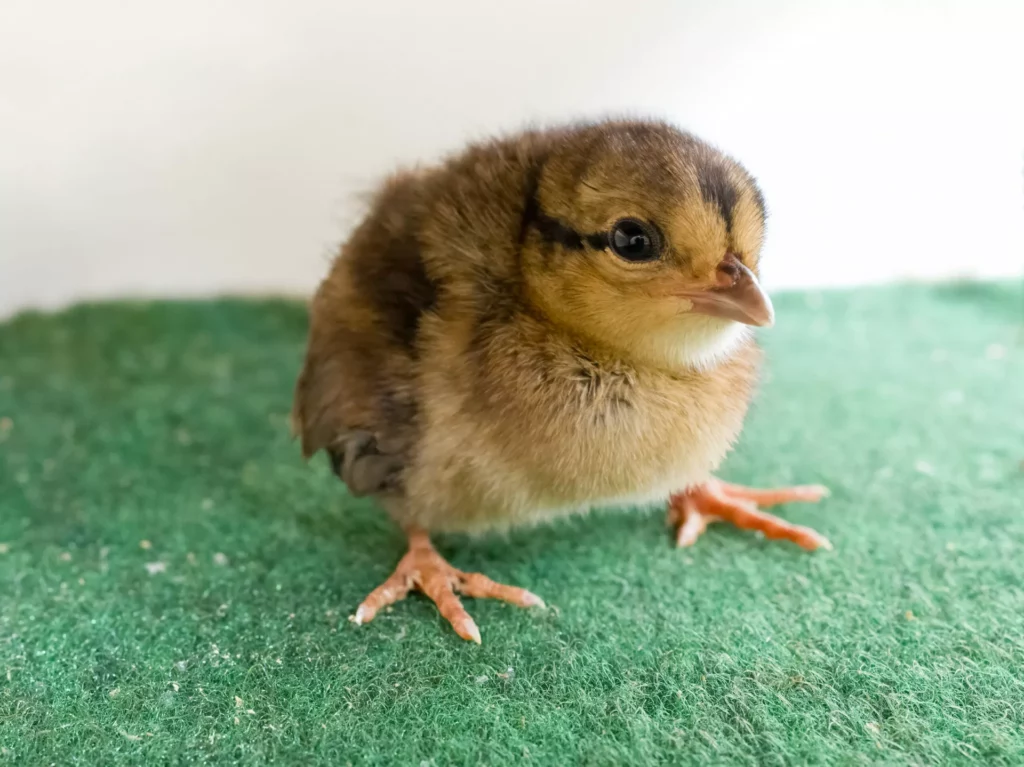
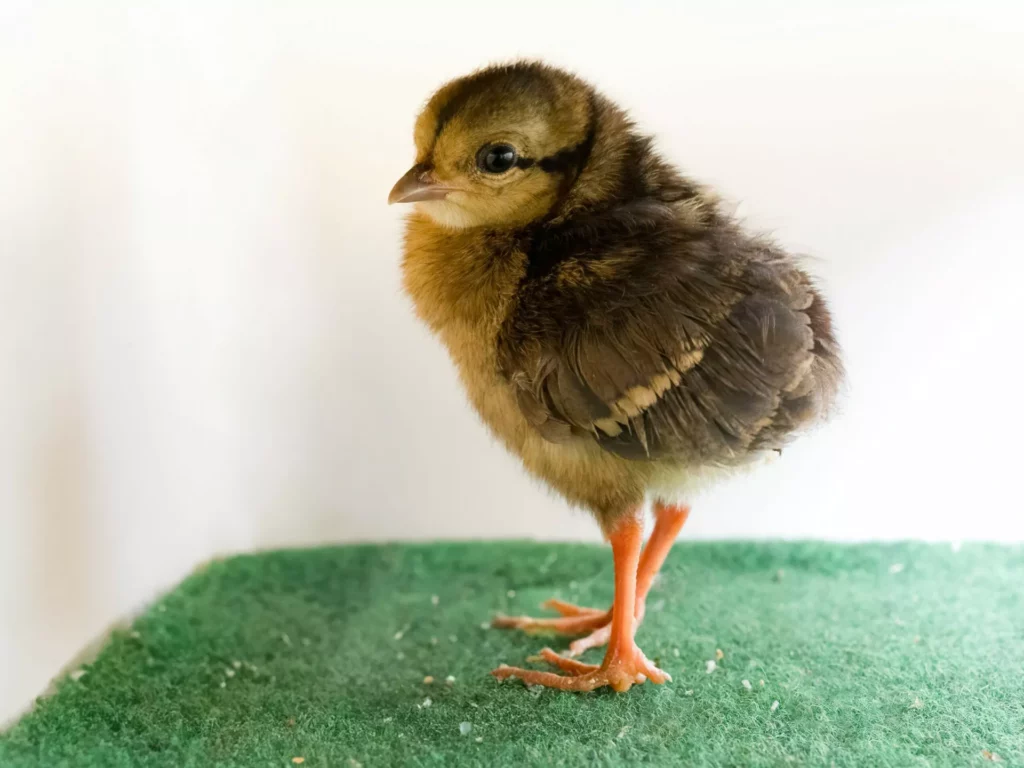
Excitingly, on May 24, 2024, another Vietnam Pheasant hatched in the Aviary’s Breeding Center. The chick phase is an extremely delicate time for a hatchling. Since every hatching of the Vietnam Pheasant is incredibly important for the species’ survival, and this was Erik and Magda’s first egg, hatching within the National Aviary’s Breeding Center was this chick’s best chance at thriving. Our experts have been able to conduct regular checkups, just like with an infant, recording their weight and monitoring their growth and development.
The Aviary veterinary team conducted a DNA feather test and determined that this beautiful bird is a GIRL! Affectionately dubbed Wanda by her care staff. Wanda now lives at another AZA-accredited zoo as part of the Vietnam Pheasant SSP.
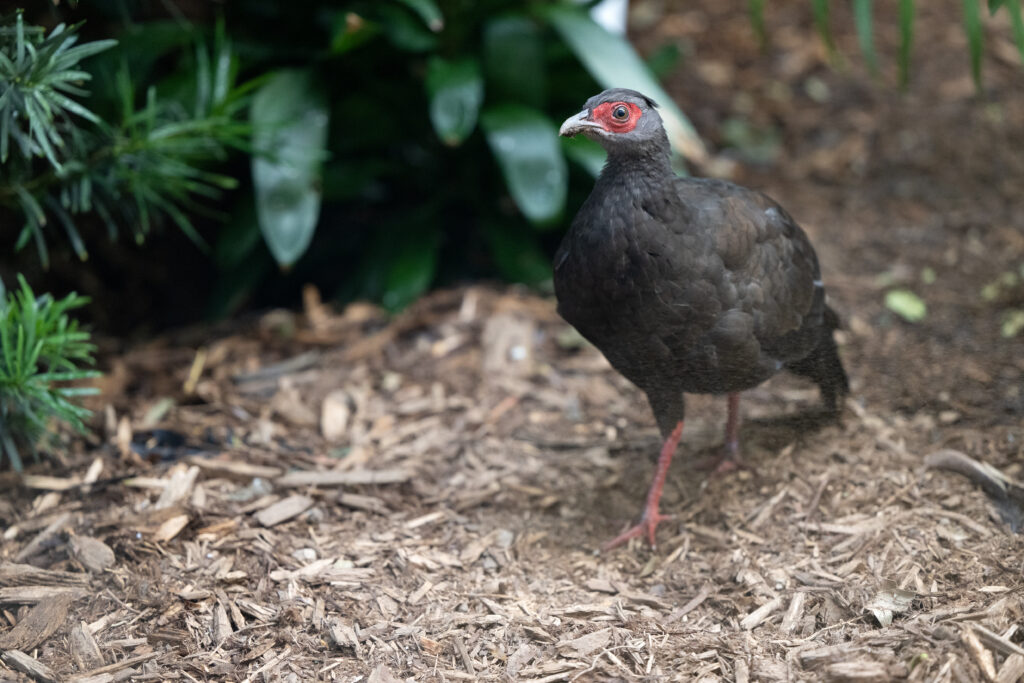
How to Tell the Difference Visually
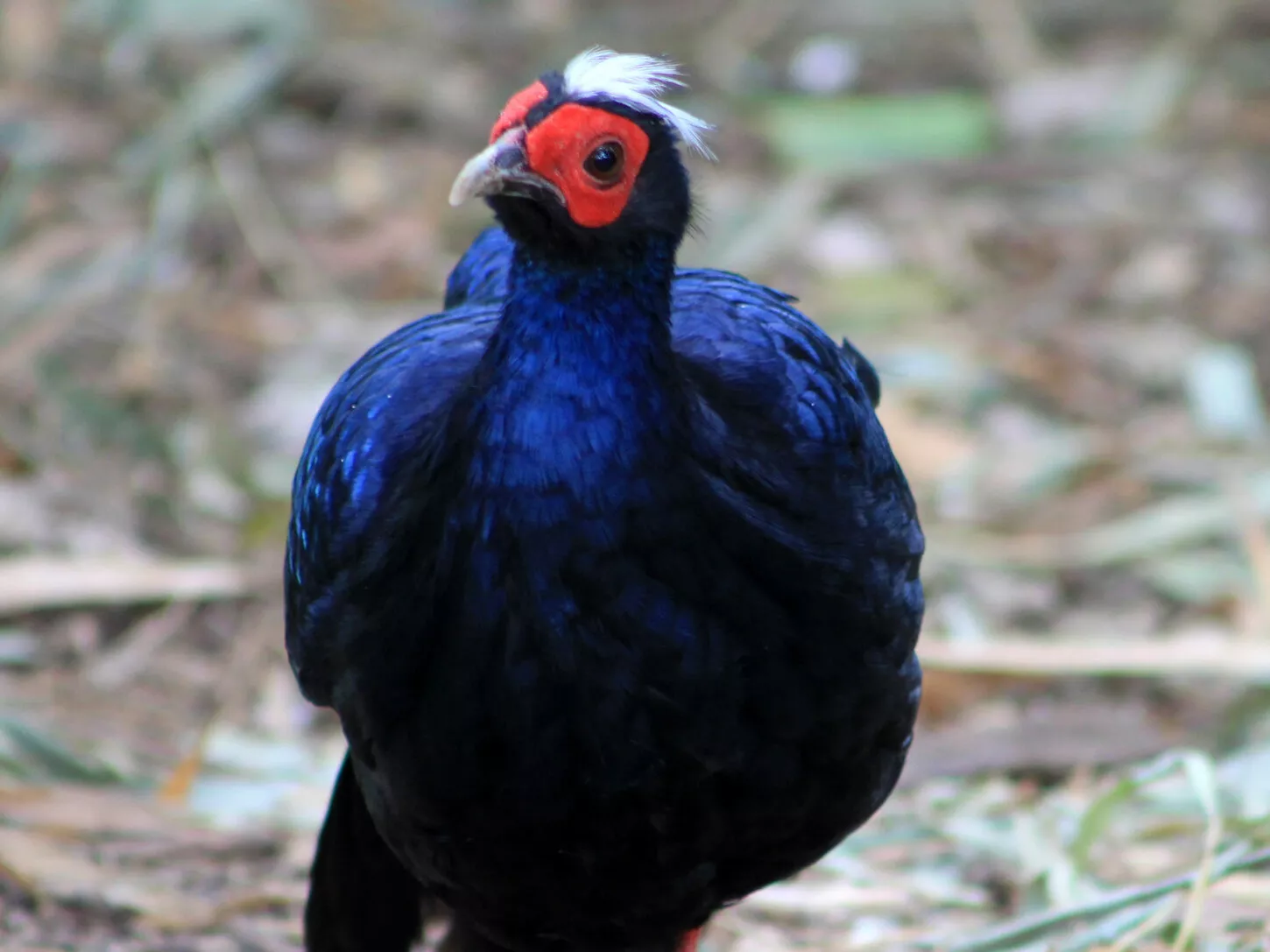
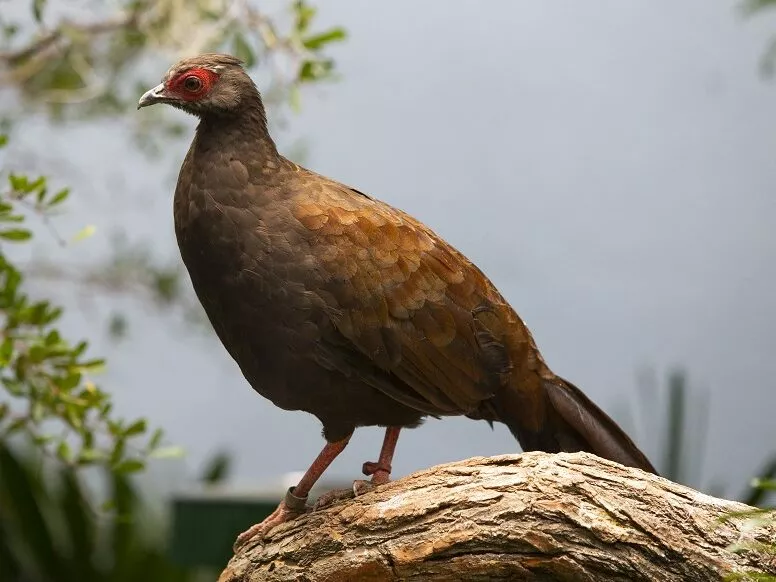
Vietnam Pheasants are a dimorphic species. This means the male and female have different markings to easily tell them apart. Male Vietnam Pheasants are known for having bright and even metallic blue feathers and a white crest (a group of feathers on the top of a bird’s head). This coloring helps them to attract mates. Female Vietnam Pheasants are a dark, chestnut shade of brown, perfect for blending into a forest setting, and do not have a crest. If a chick is a male, the blue feathers would begin to develop around 12 weeks (about 3 months) of age.
Stay tuned for more details about this ever-evolving story.
Donate Today