
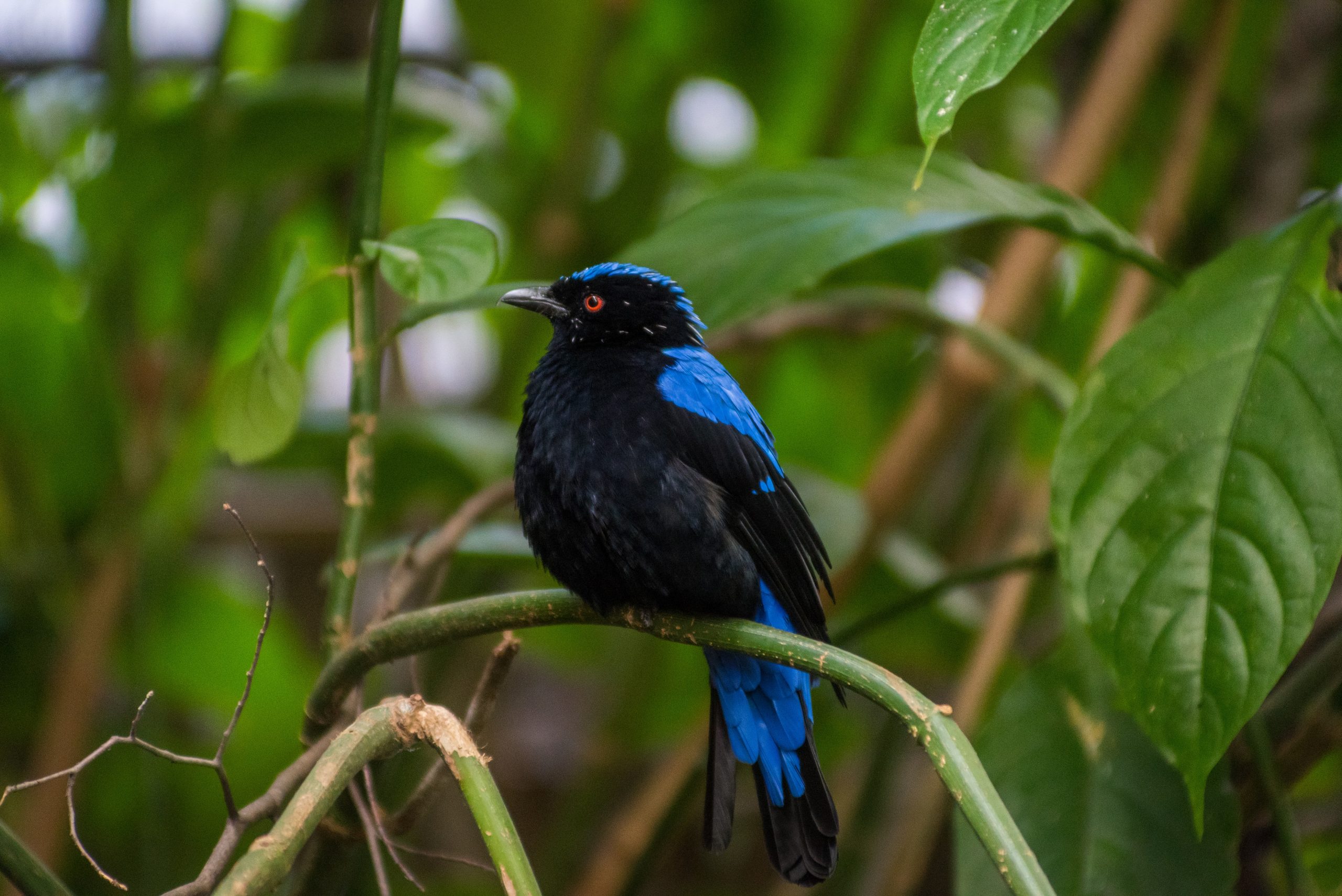
The Asian Fairy-bluebird lives up to its name: this bird’s plumage is a deep, brilliant blue. Males have glossy black feathers on the wings, chest, and tail, and the eyes of both sexes are bright red. Found in tropical forests throughout Southeast Asia, the Asian Fairy-bluebird mainly eats fruit, which it takes while perched or…
Read More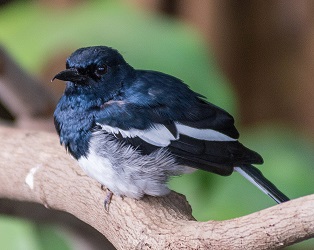
The Dhyal Thrush, also called the Oriental Magpie-Robin, is a small songbird found throughout India and southeast Asia. It is the national bird of Bangladesh. The Dhyal Thrush can be found in a variety of habitats including deciduous forest, orchards, cacao plantations, and even in residential village gardens. It has a clear warbling song that…
Read More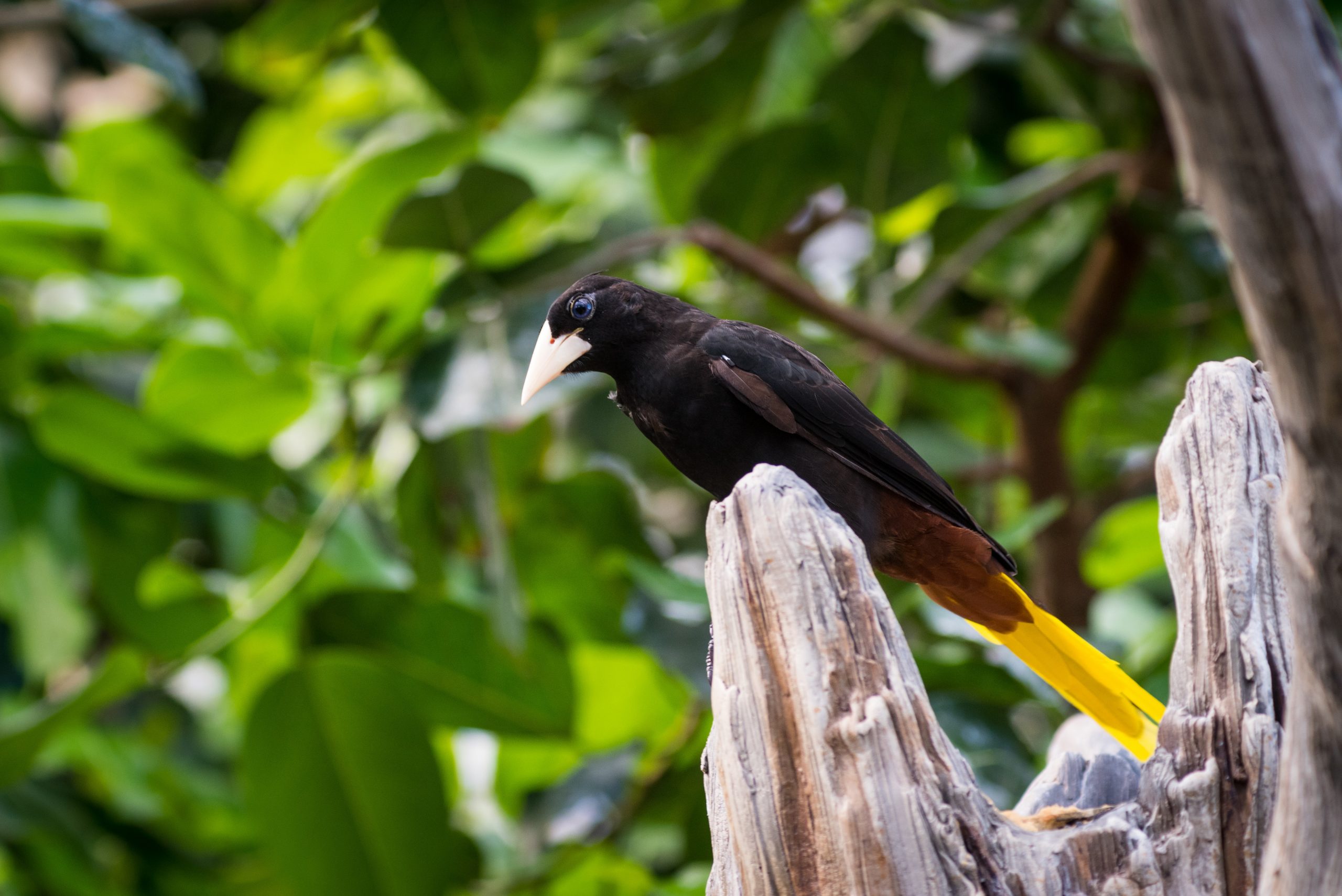
The Crested Oropendola inhabits forest edges and clearings in lowland South America east of the Andes Mountains. This species forages mostly in the upper stratum of trees on fruits, insects, and spiders, as well as small vertebrates such as tree frogs. The Crested Oropendola will also take cultivated fruits such as oranges, papayas, and mangos….
Read More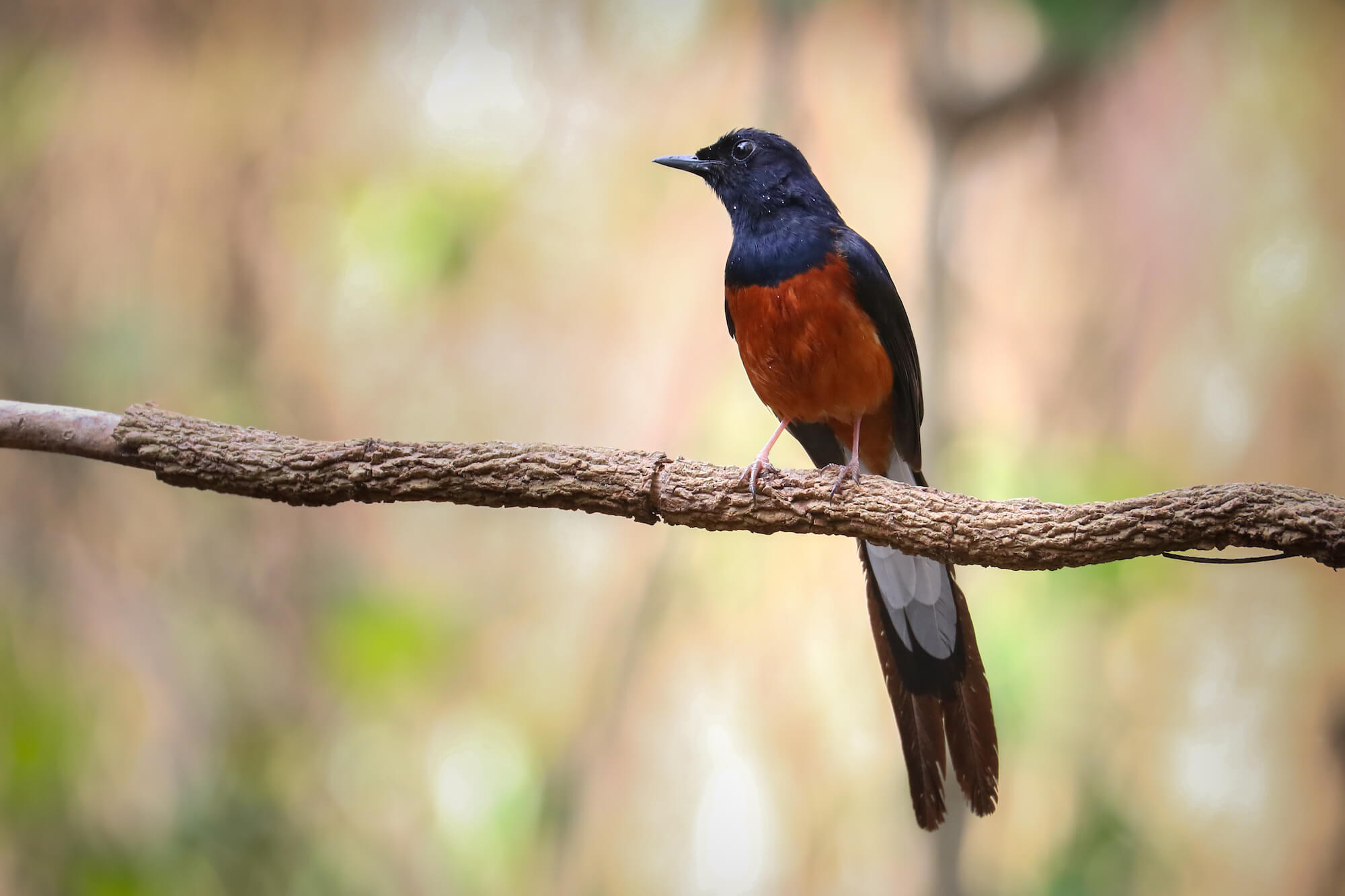
The White-rumped Shama, also called the Common Shamma Thrush, is native to southeast Asia, India, and some Indonesian islands. This species prefers dense greenery and uses its long tail to change directions easily as it flits about in dense thickets. It has a melodious and complex song and was once thought to be a member…
Read More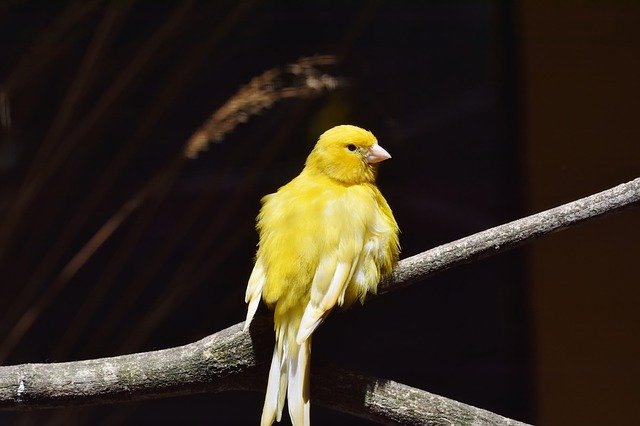
When most of us think of the canary, we think of a cheerful, bright yellow bird in a decorative cage. In reality, this common canary (Serinus canaria domestica) is the domesticated cousin of the “true” Island Canary (Serinus canaria), native to the Canary Islands just off the northwest coast of Africa. Spanish sailors first brought…
Read More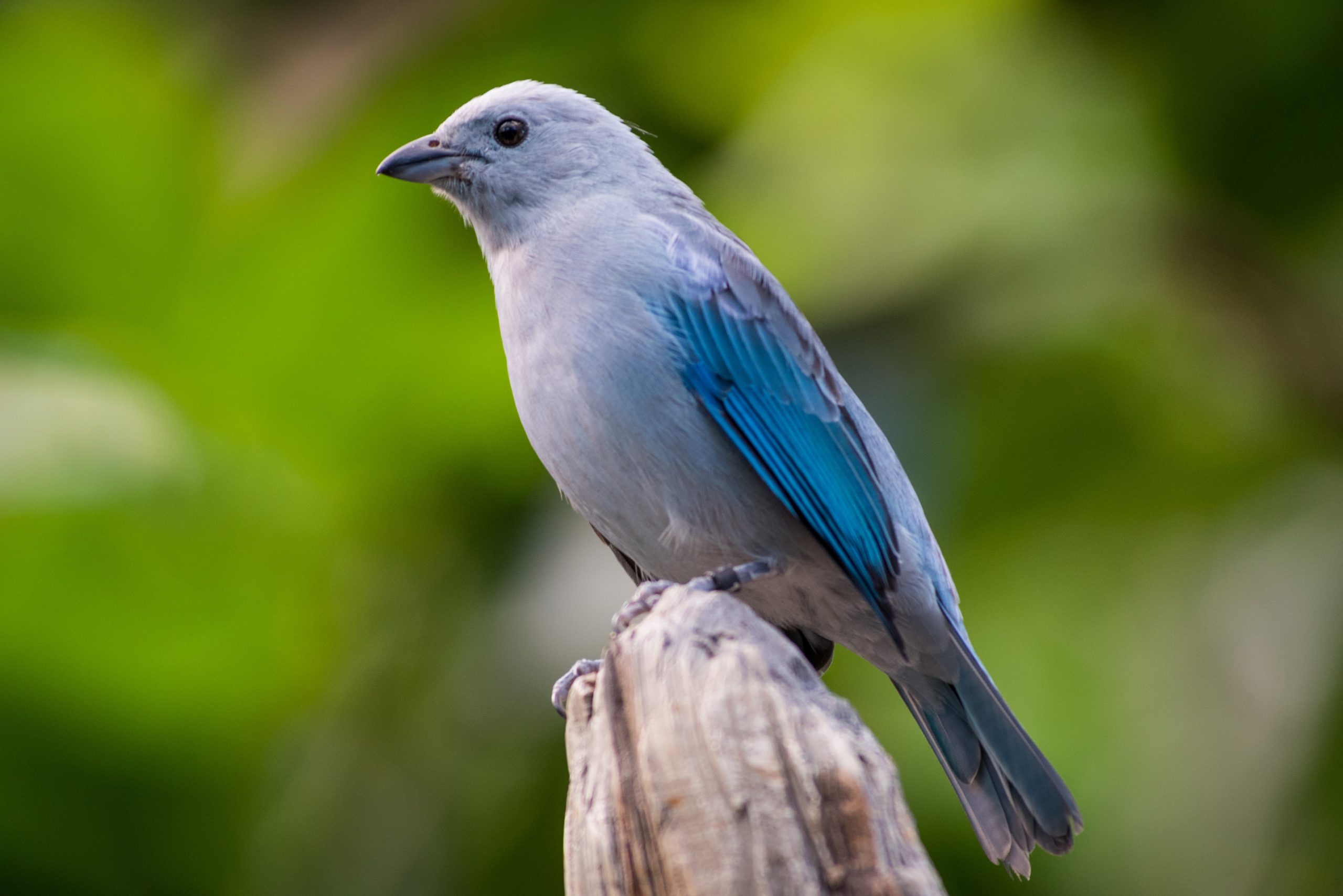
One of the most familiar tanagers of the Neotropics, the Blue-gray Tanager ranges from Mexico south through Central and South America. This species uses a wide variety of non-forest and human-altered habitats, including cacao and coffee plantations, city parks and gardens, and second growth forest and forest edges. Typically seen in pairs, this tanager may…
Read More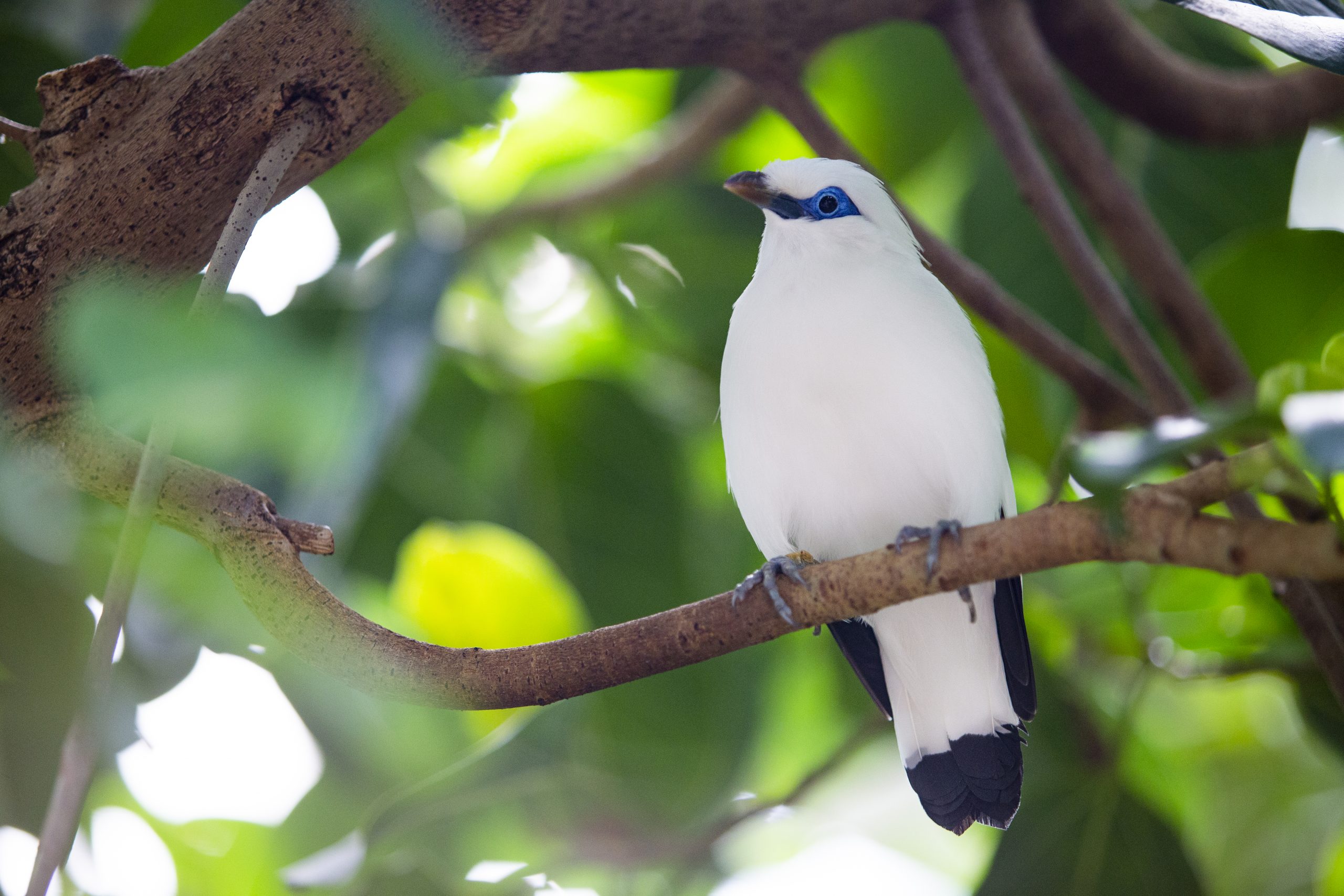
The Bali Myna is a Critically Endangered endemic resident of Bali and surrounding small islands, where fewer than 100 individuals remain. Habitat destruction and capture for the illegal wildlife trade have significantly impacted this species. Community-based conservation efforts are underway to help save this species, as is a robust breeding program in zoos through the…
Read More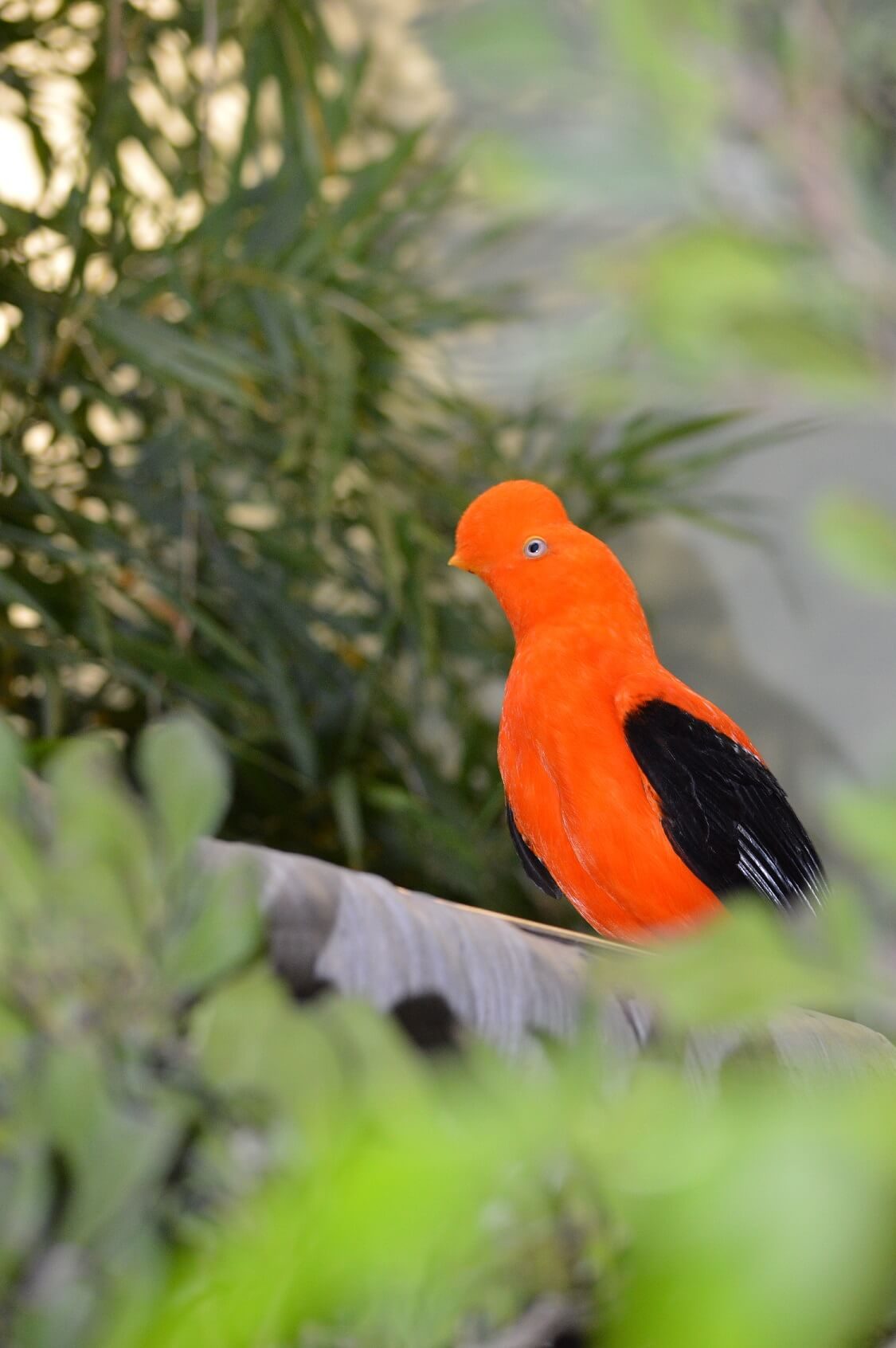
This spectacular bird, with its bright orange fan-shaped crest, is a resident of montane cloud forests, especially in ravines and along streams, in the Andes Mountains from Venezuela to Bolivia. The Andean Cock-of-the-rock feeds on fruits, large insects, and small vertebrates, and builds a nest mainly of mud lined with coarse vegetable fibers and attached…
Read More Previous Posts