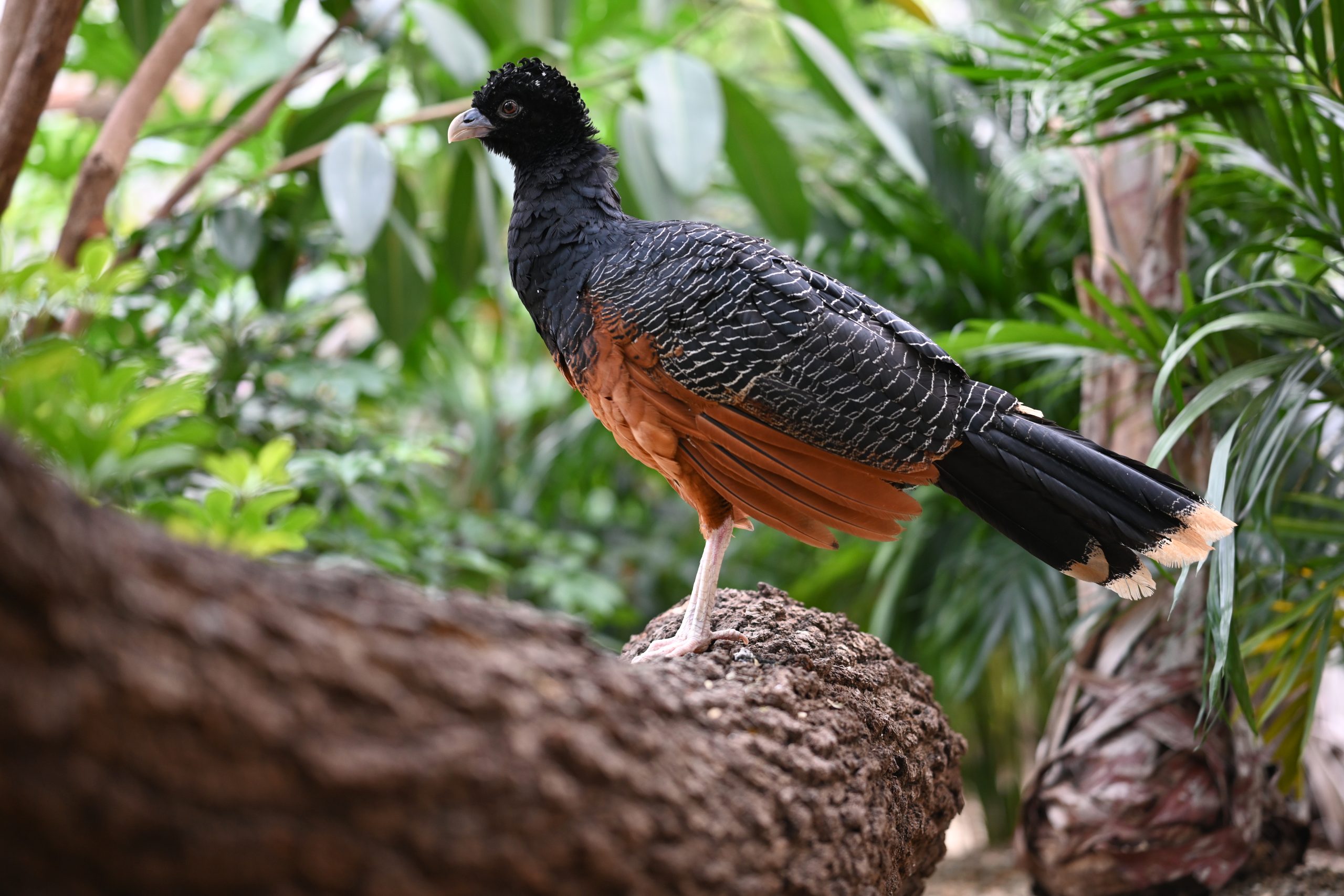
Blue-billed Curassows are large, turkey-like birds found in small, fragmented lowland habitats in Colombia. Males and females both have a fleshy blue wattle that hangs below the bill, but only the male grows a cere, or a knob, on the bill. They are primarily found on the forest floor, where they find worms, insects, fruits,…
Read More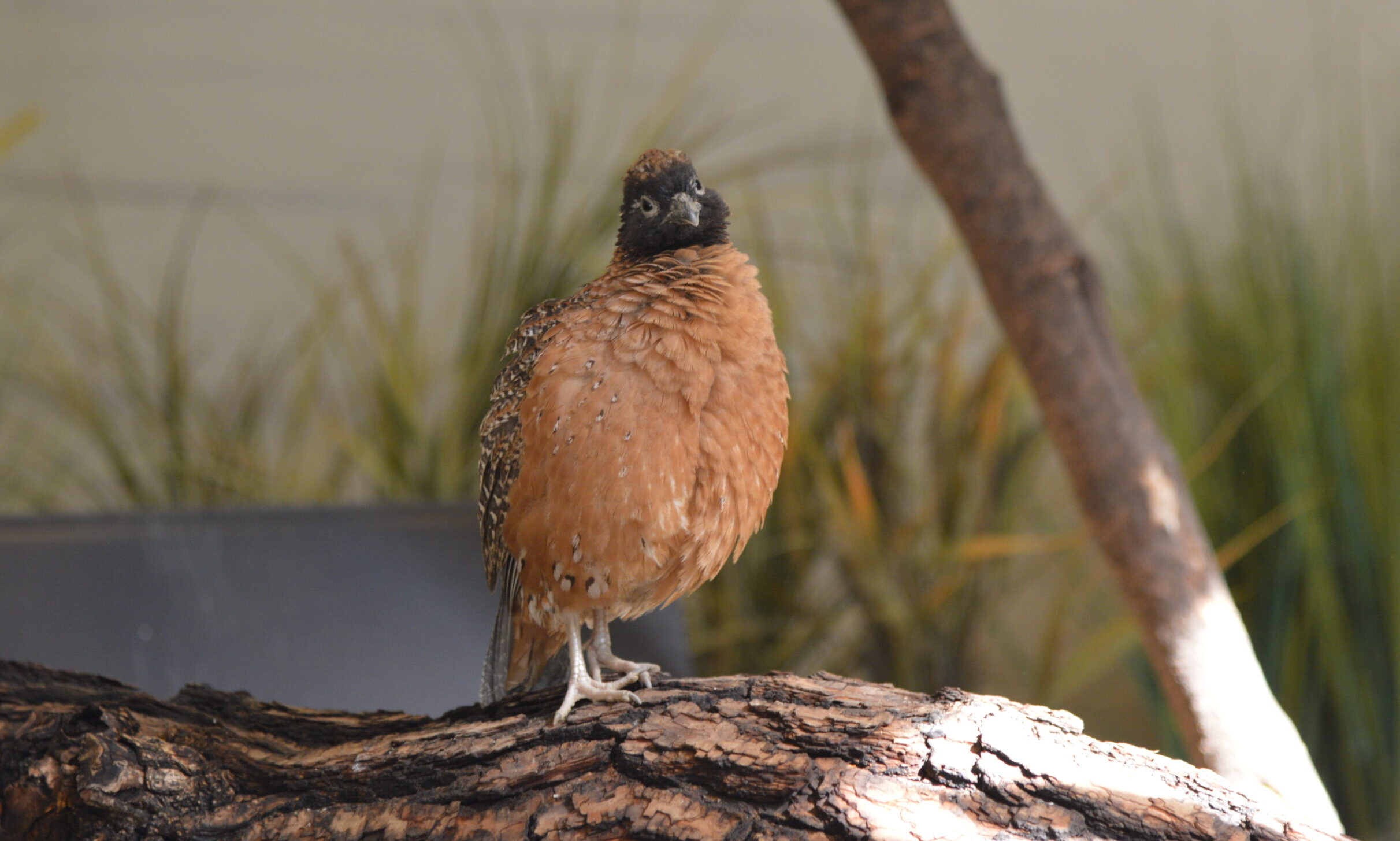
The Masked Bobwhite is a member of the New World quail family. A subspecies of the Northern Bobwhite, the Masked Bobwhite is distinguished primarily by the male’s striking appearance—it has a mostly un-patterned black head and throat and rich cinnamon-colored underparts. Female Masked Bobwhites are very similar to females of the other subspecies. Masked Bobwhites…
Read More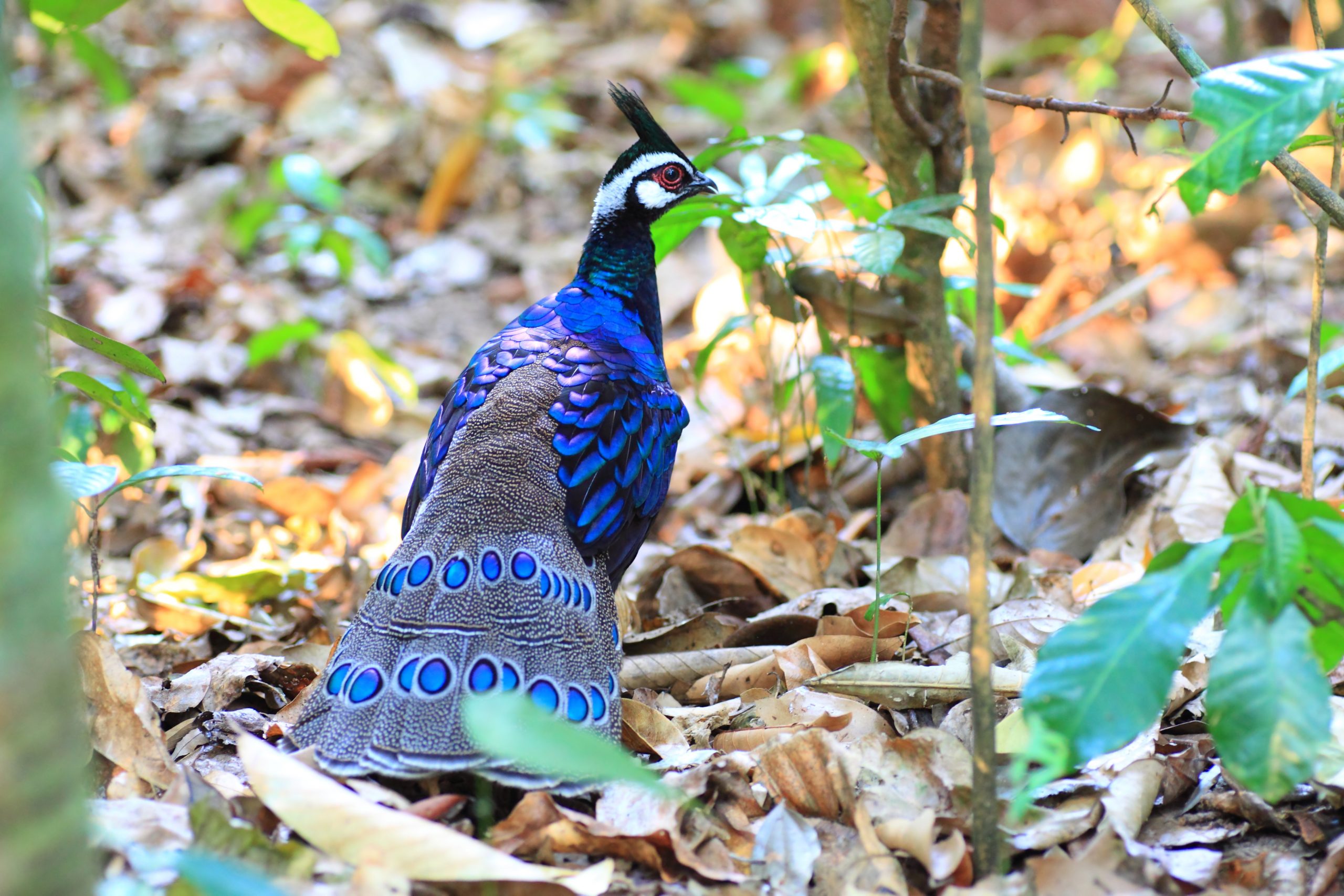
The Palawan Peacock-pheasant is a gorgeous bird with vibrant plumage; males have bright blue accents while females have striking markings and less colorful plumage. The spots on their feathers resemble eyes and may help scare away predators. Males use their remarkable plumage in an elaborate courtship display. Palawan Peacock-pheasants are strictly monogamous, and both males…
Read More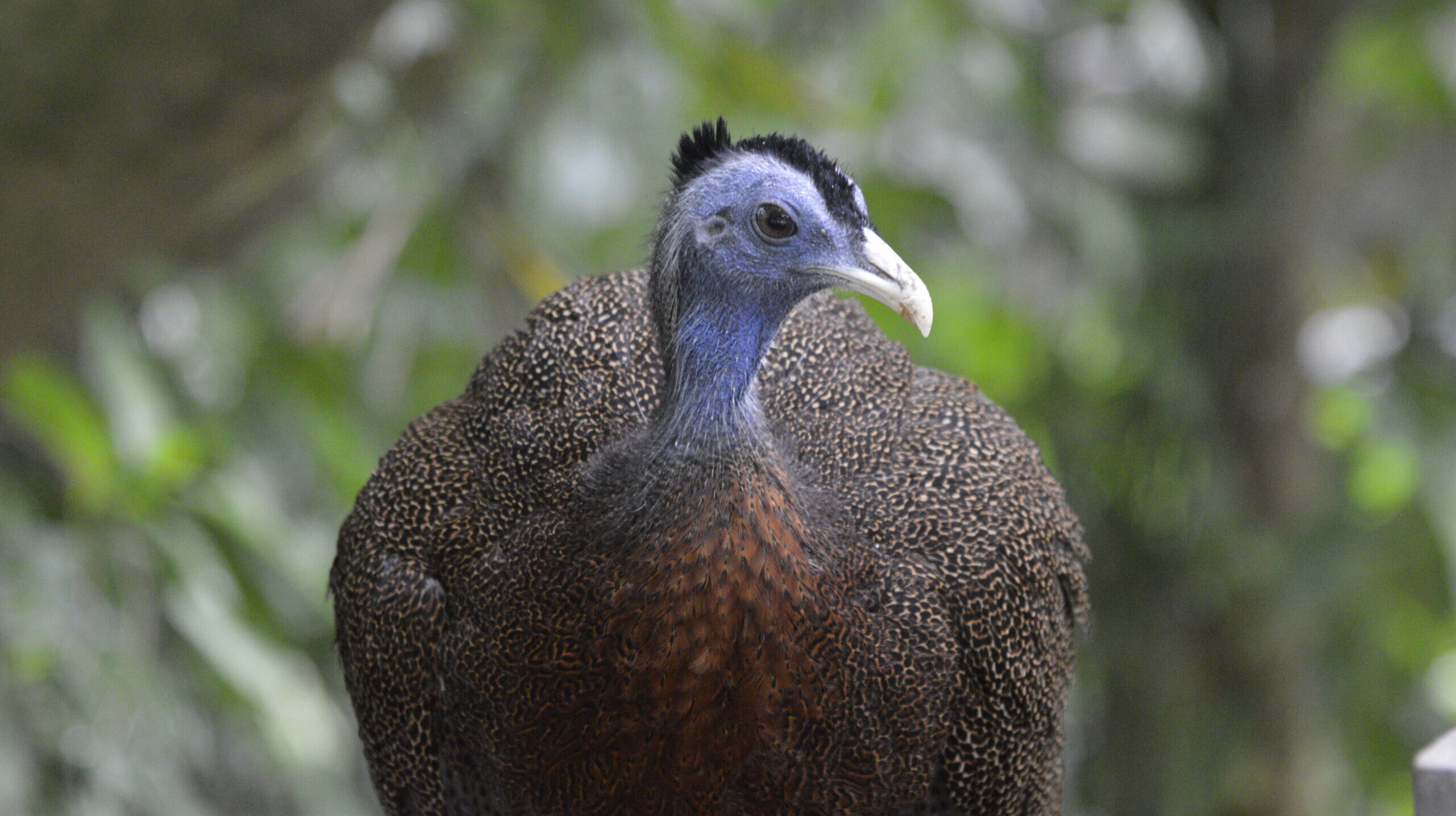
A fabulously majestic resident of tall, dry, primary, and secondary forests of the Indo-Malayan region, the Great Argus forages solitarily for fruit, seeds, flowers, and invertebrates on the forest floor. The bird’s taxonomic and common names both derive from Argus, the hundred-eyed giant, from Greek mythology (a reference to the many eye-like spots on the…
Read More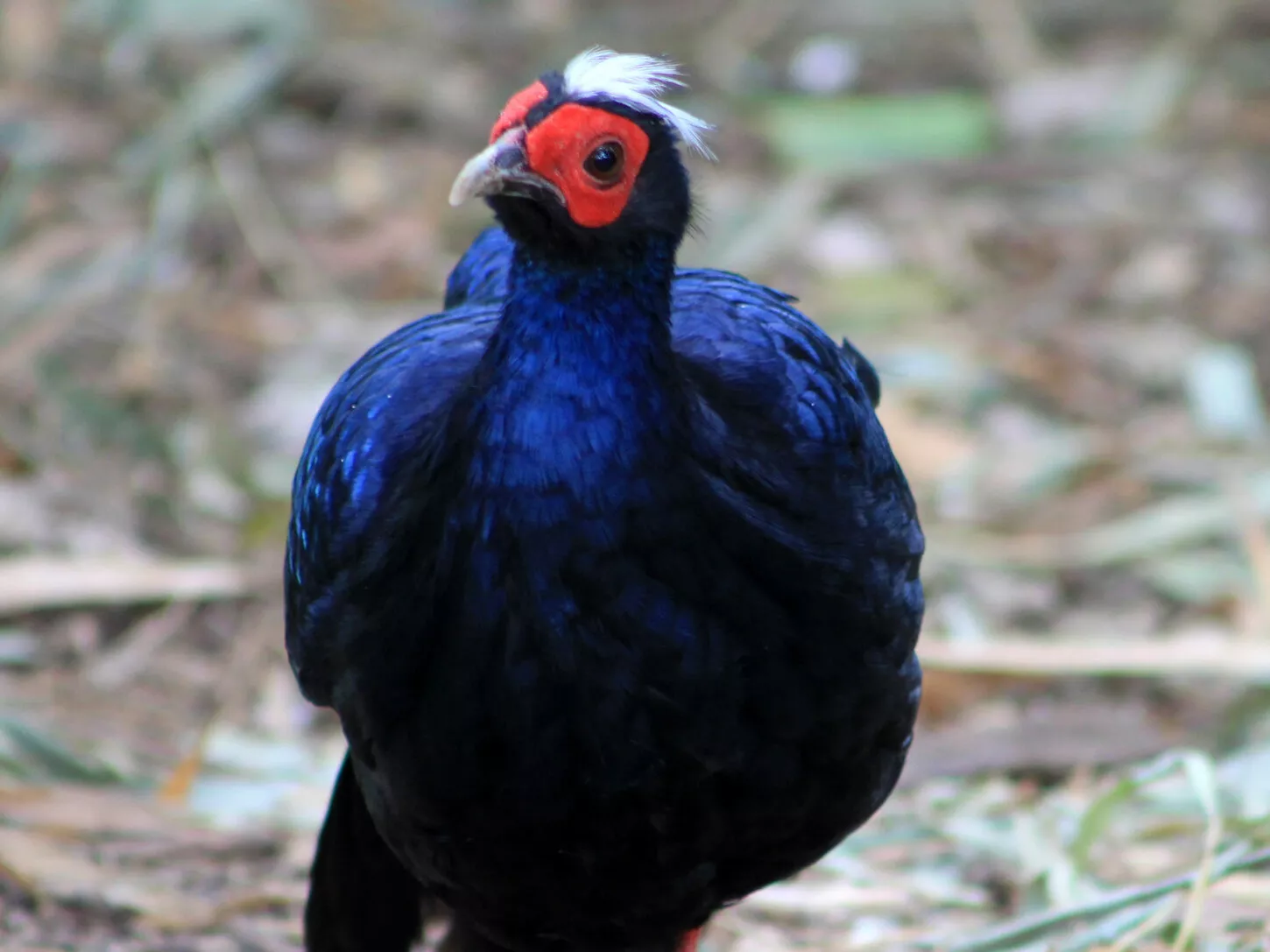
The Vietnam Pheasant, also called the Edwards’s Pheasant, is a little-known species which may be Extinct in the Wild. It has not been observed in the wild since 2000 and is currently listed as Critically Endangered. Much of the species’ potential habitat was destroyed as a result of herbicide use during the Vietnam War, and…
Read More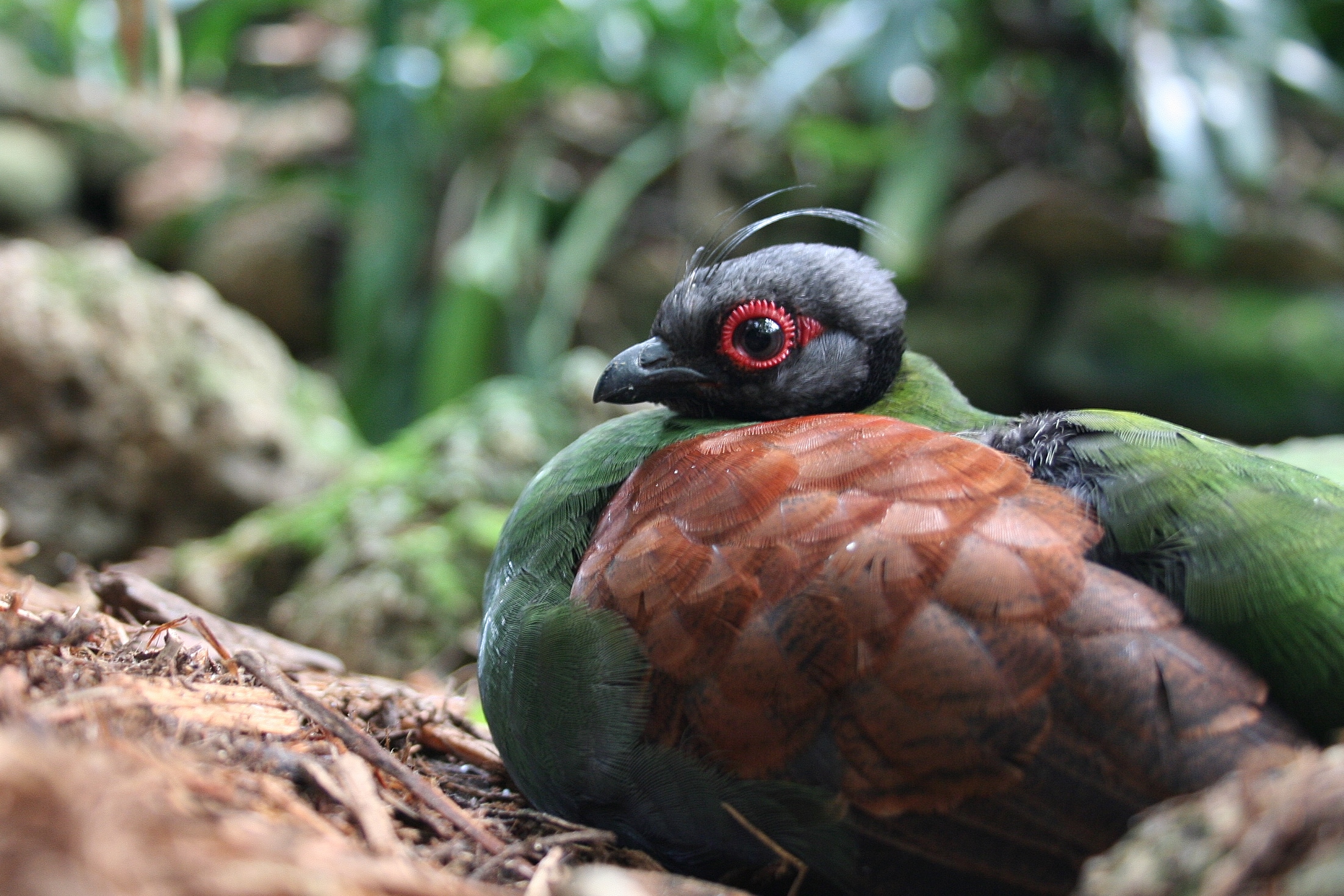
The Crested Partridge is a fairly small, quail-like bird; its short tail adds to a rotund appearance. A native of low elevation, broad-leaved evergreen and dense primary forests, the Crested Partridge consumes a variety of seeds, large fruits, large beetles, ants, and snails. This species is considered Vulnerable because of habitat lost to logging and…
Read More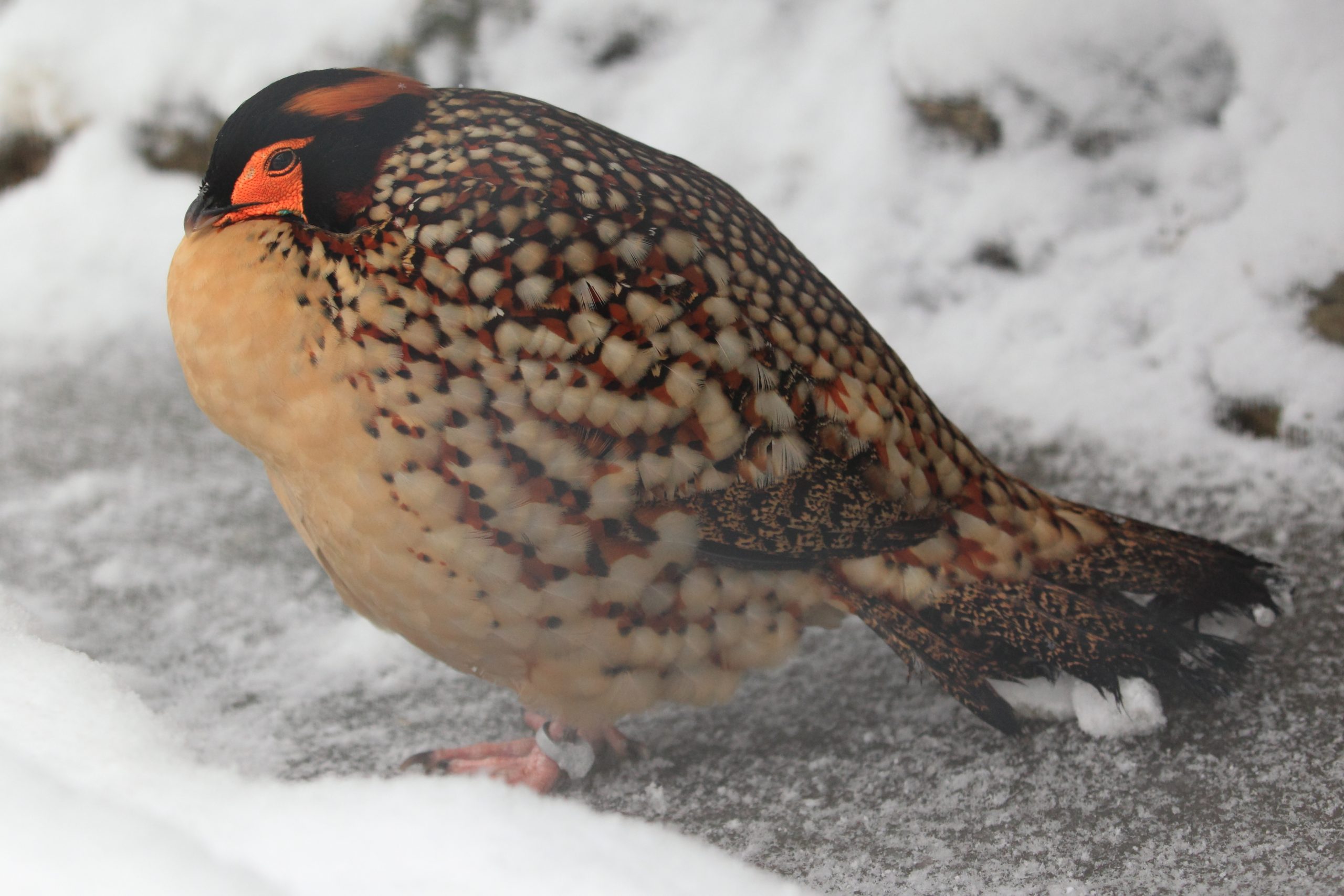
An inhabitant of high mountain ranges in eastern China, the Cabot’s Tragopan—also sometimes called the Yellow-bellied Tragopan—is a grouse-like bird. Male Cabot’s Tragopans perform a spectacular display at dawn and dusk, sometimes while perched on a mossy log, which is reminiscent of Pennsylvania’s state bird, the Ruffed Grouse. Both the Ruffed Grouse and Cabot’s Tragopan…
Read More