Order: Old World Vultures

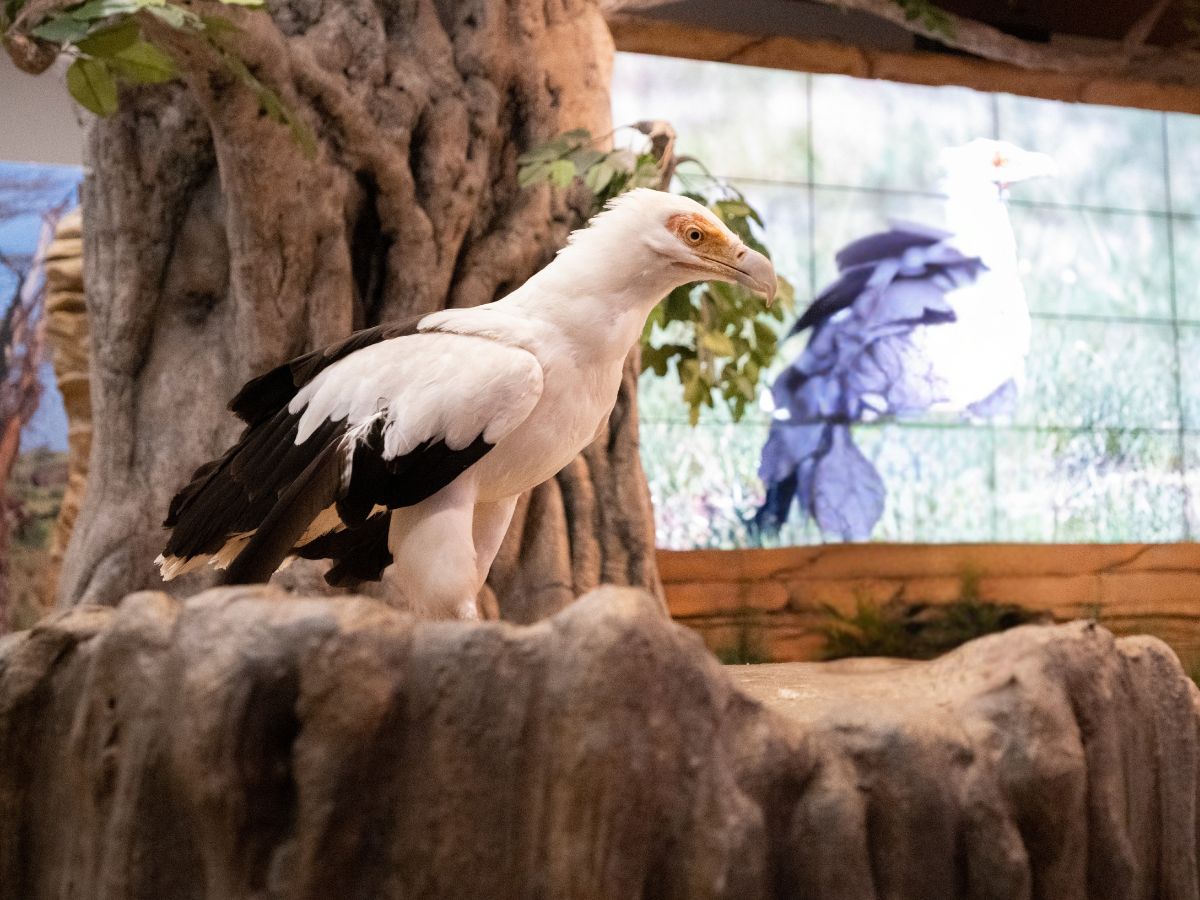
Palm-nut Vulture

A striking black and white vulture of Sub-Saharan Africa, the Palm-nut Vulture is found along the edges of tropical forests, large rivers, lakes, and seashores, especially where oil palms abound. Unlike other vultures, the Palm-nut Vulture feeds only occasionally on smaller carrion – and rarely at large animal carcasses – and instead specializes its feeding…

Read More
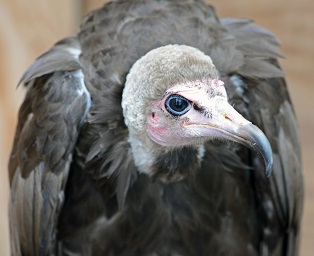
Headshot of a Hooded Vulture

The Critically Endangered Hooded Vulture is a rather small, brown vulture, native to Sub-Saharan Africa. This species mainly occupies open woodland and savanna, but also forest edge, where if feeds on carrion and human food scraps. Unlike other vultures which mostly construct their nests on cliffs or buildings, the Hooded Vulture makes a stick nest…

Read More

In The News

See All News

The first Andean condor in Ecuador is born in Cuenca under artificial incubation | Expreso

The Amaru Biopark announced the birth of Ecuador's first Andean condor through artificial incubation, a step forward for conservation.

Read More »

Forget the plane. Your tropical vacation can be found in Pittsburgh | Pittsburgh Today Live

The National Aviary is bringing the island vibes to Pittsburgh, with music, cocktails, and plenty of birds.

Read More »

Nearly extinct species coming back in wild thanks to Pittsburgh aviary | Yahoo News

The National Aviary has two baby Guam Kingfishers, known as sihek in the indigenous CHamoru language. The male Guam kingfisher hatched on April 19, while the female hatched on May 12. On May 27, the male chick took his first flight.

Read More »

Nearly extinct species coming back in wild thanks to Pittsburgh aviary | USA Today

With the help of two recently hatched chicks, Pittsburgh's National Aviary has plans to help a bird species that no longer exists in the wild to once again find its way home.

Read More »

National Aviary welcomes new chick to Wetlands habitat | WPXI

Aviary officials just announced the hatching of a Roseate Spoonbill chick as part of the Association of Zoos and Aquariums’ Species Survival Plan.

Read More »