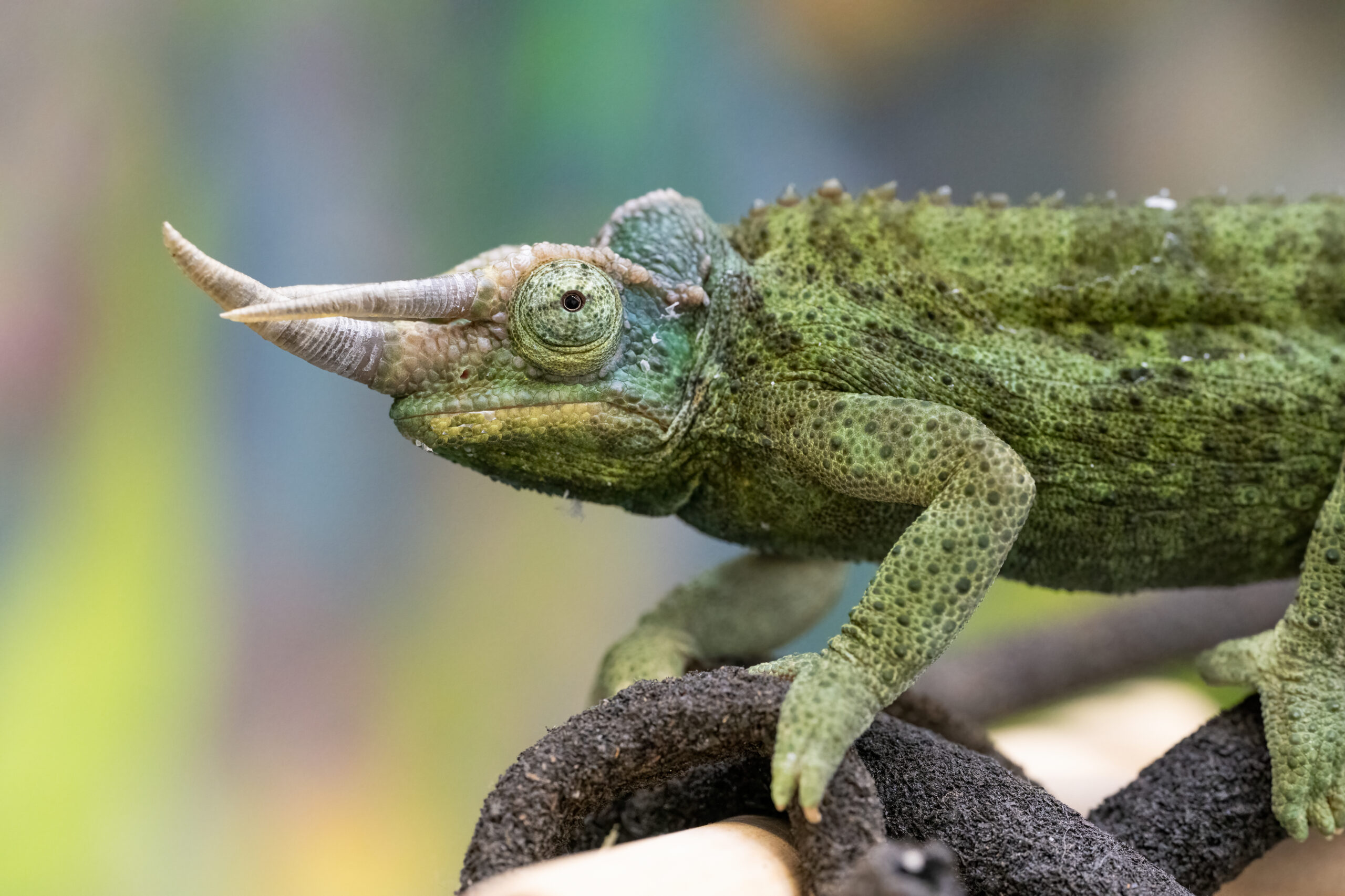
Measuring roughly 12 inches in length, Jackson’s Three-horned Chameleons live amongst tree canopies. Their prehensile tail – or a tail adapted to grasp or hold objects – allows them to grip tree branches. They are a dimorphic species – meaning it’s easy to tell males from females. Males are bright green-yellow and feature three, distinct…
Read More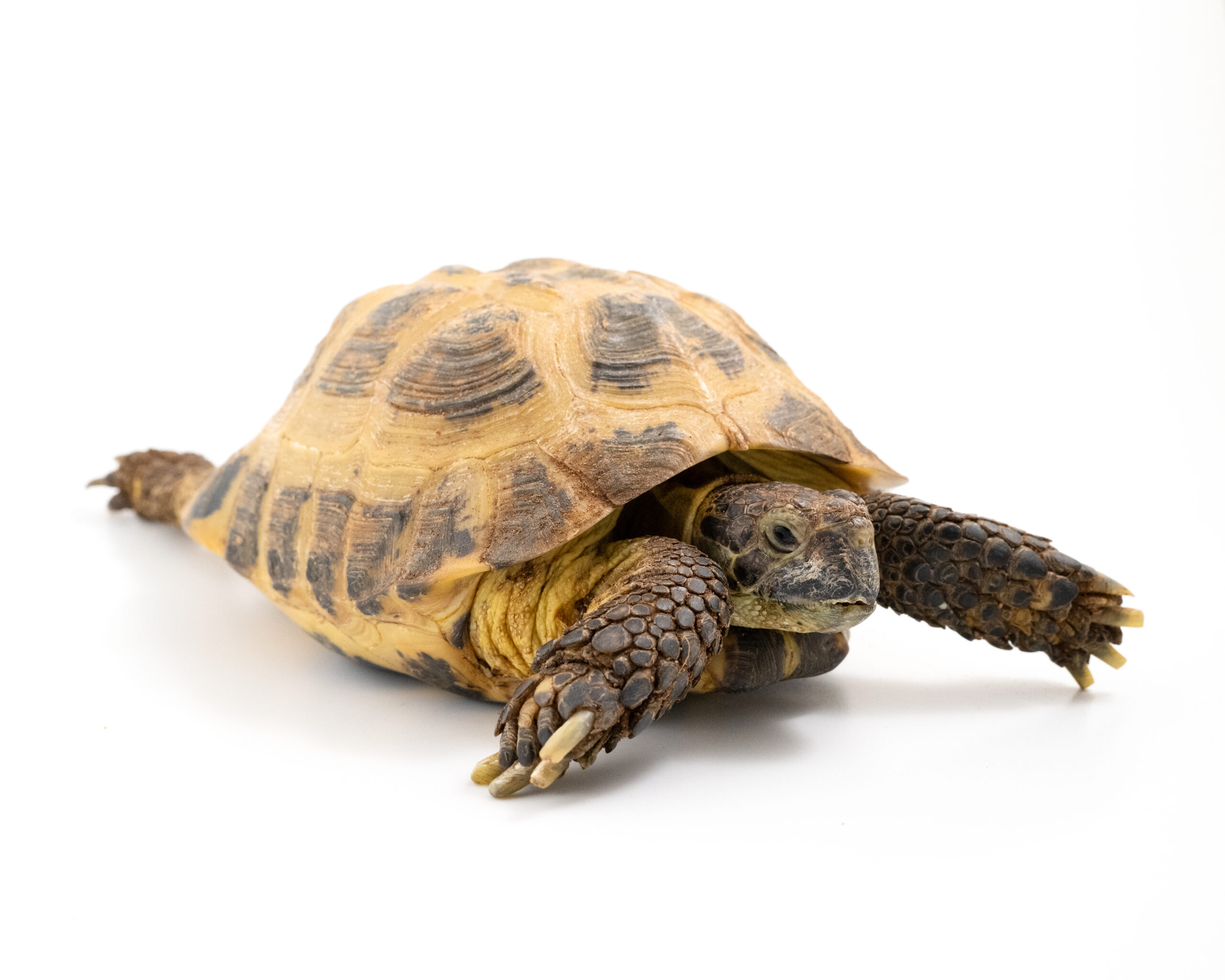
The Central Asian Tortoise thrives in dry, semi-arid regions with sparse vegetation. They are characterized by their domed, yellowish-brown to green shells featuring a distinct pattern of light and dark markings. They feed primarily on grasses, weeds, and some flowers and are well-adapted to surviving harsh environments. In their natural habitats, their diet helps control…
Read More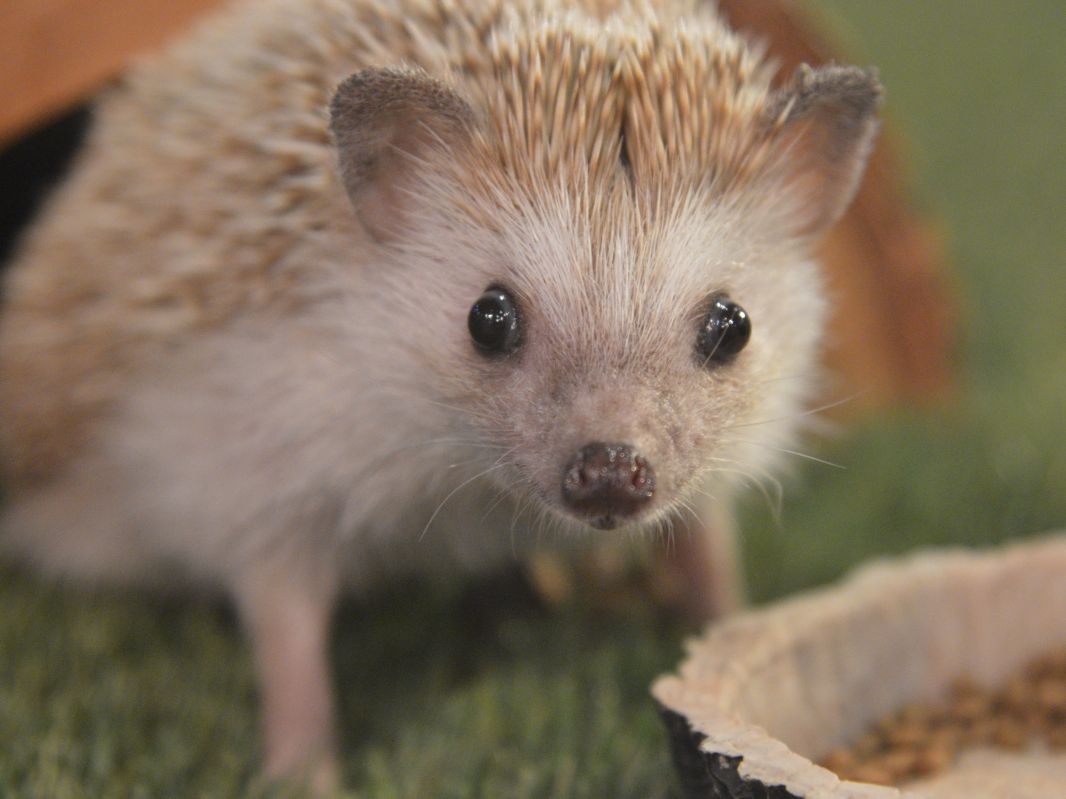
This small, endearing species found primarily in North Africa, is known for its distinctive appearance, featuring a rounded body covered in tiny spines. Unlike their larger European counterparts, these hedgehogs are small and have four toes on each foot instead of five, hence the name! They are nocturnal and active at night, foraging for various…
Read More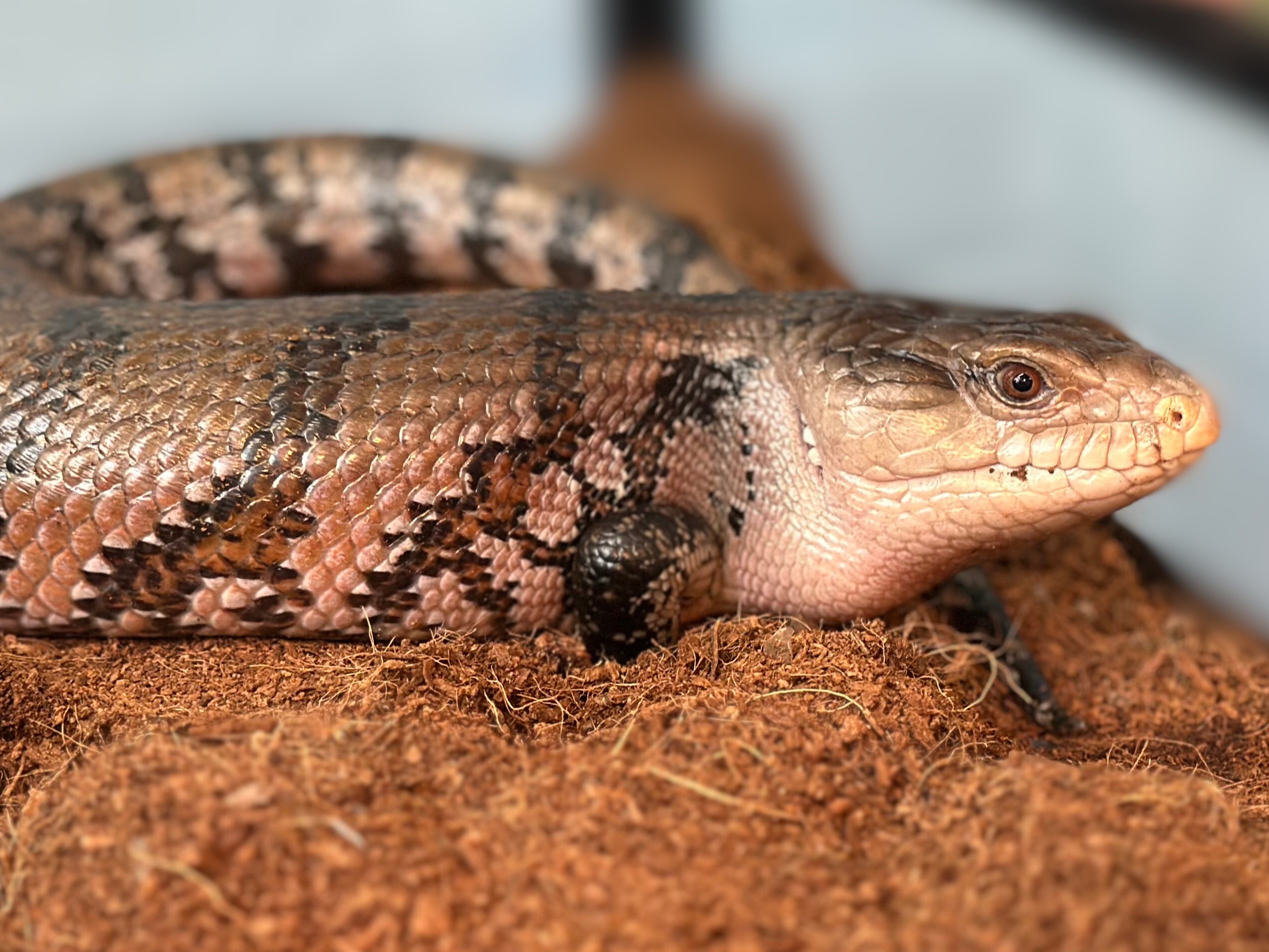
Native to northern and eastern Australia, as well as parts of New Guinea, New Guinea Blue-tongued Skinks are one of the largest skink species (measuring up to 24 inches long!). They have robust, stocky bodies, a triangular head, and sturdy limbs that are adapted for both climbing and burrowing. They are adorned with a mix…
Read More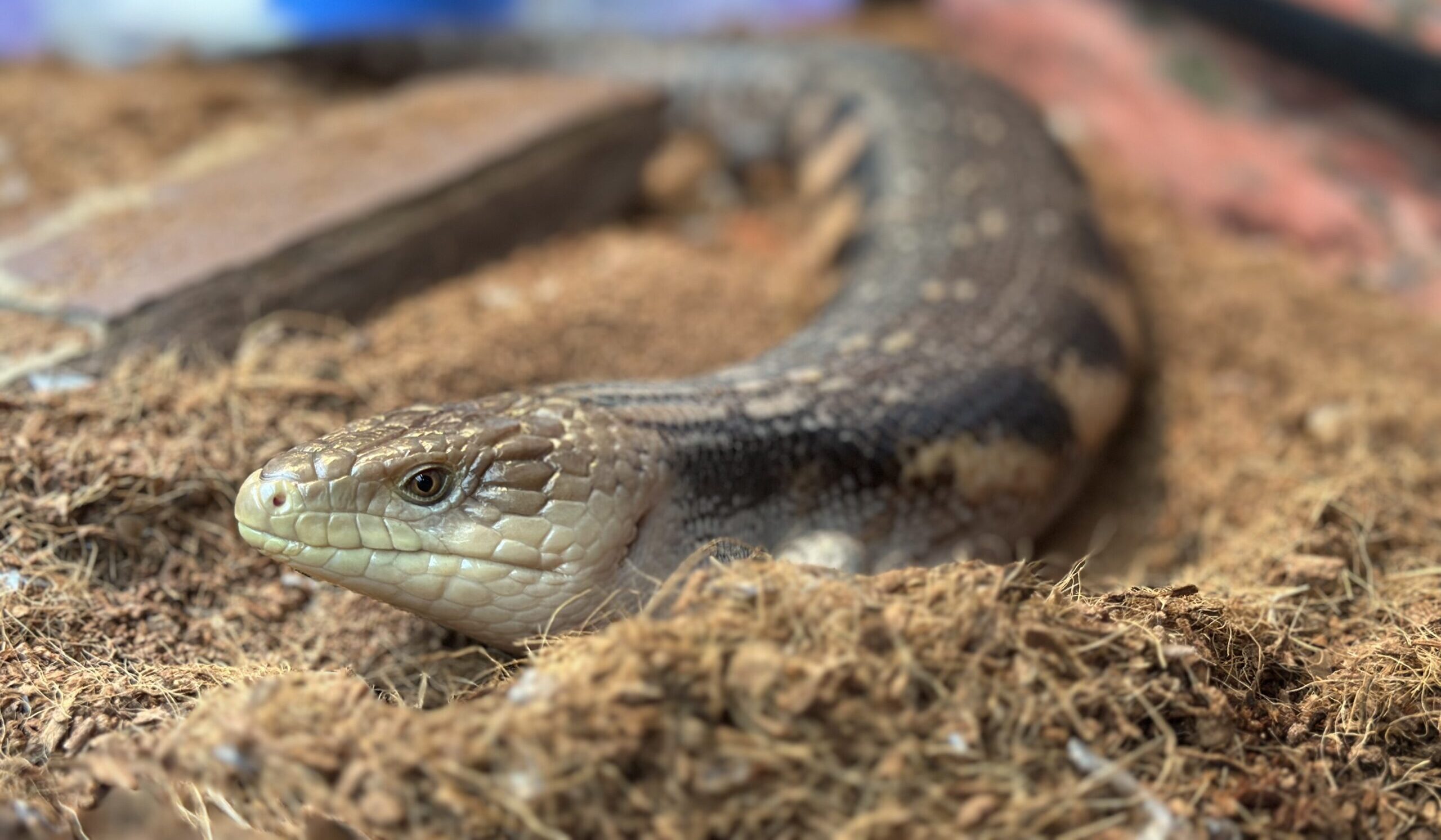
Named after their iconic, vibrant, blue tongue, the Blue-tongued Skink is a multi-faceted reptile. As an omnivore, Blue-tongued Skinks eat both plants and animals. While they aren’t poisonous or venomous, they trick predators into believing they are! In the wild, bright colors tend to indicate that an animal is toxic or venomous. As a defense…
Read More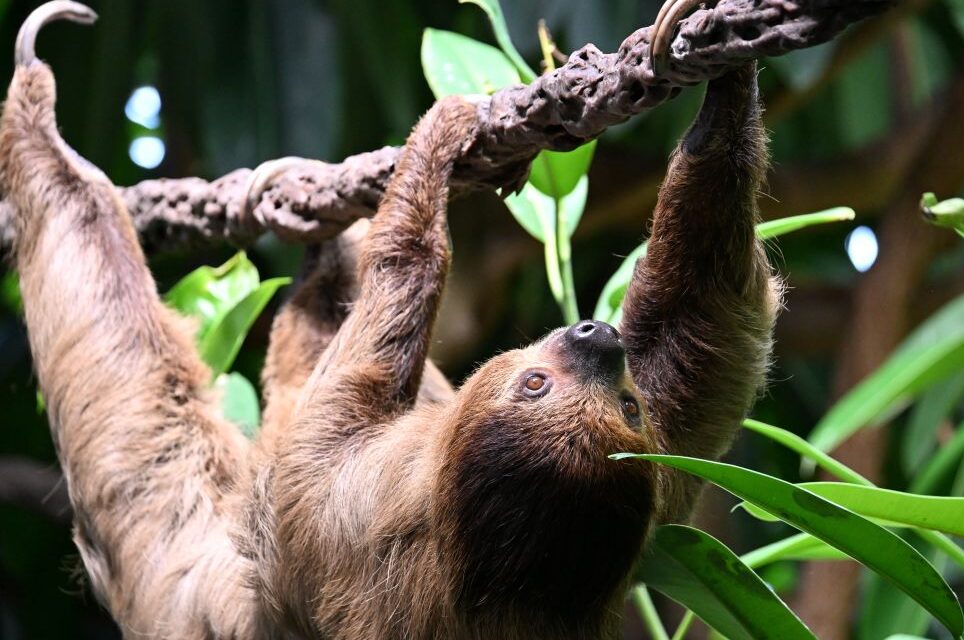
Linnaeus’s Two-toed Sloths are expert climbers. When you visit the Tropical Rainforest, you may catch Wookiee hanging upside down high in the canopy, or moving slowly along branches and vines. They have two claws on their hands and three claws on their feet, all measuring about 4 inches in length, that help them to hang….
Read More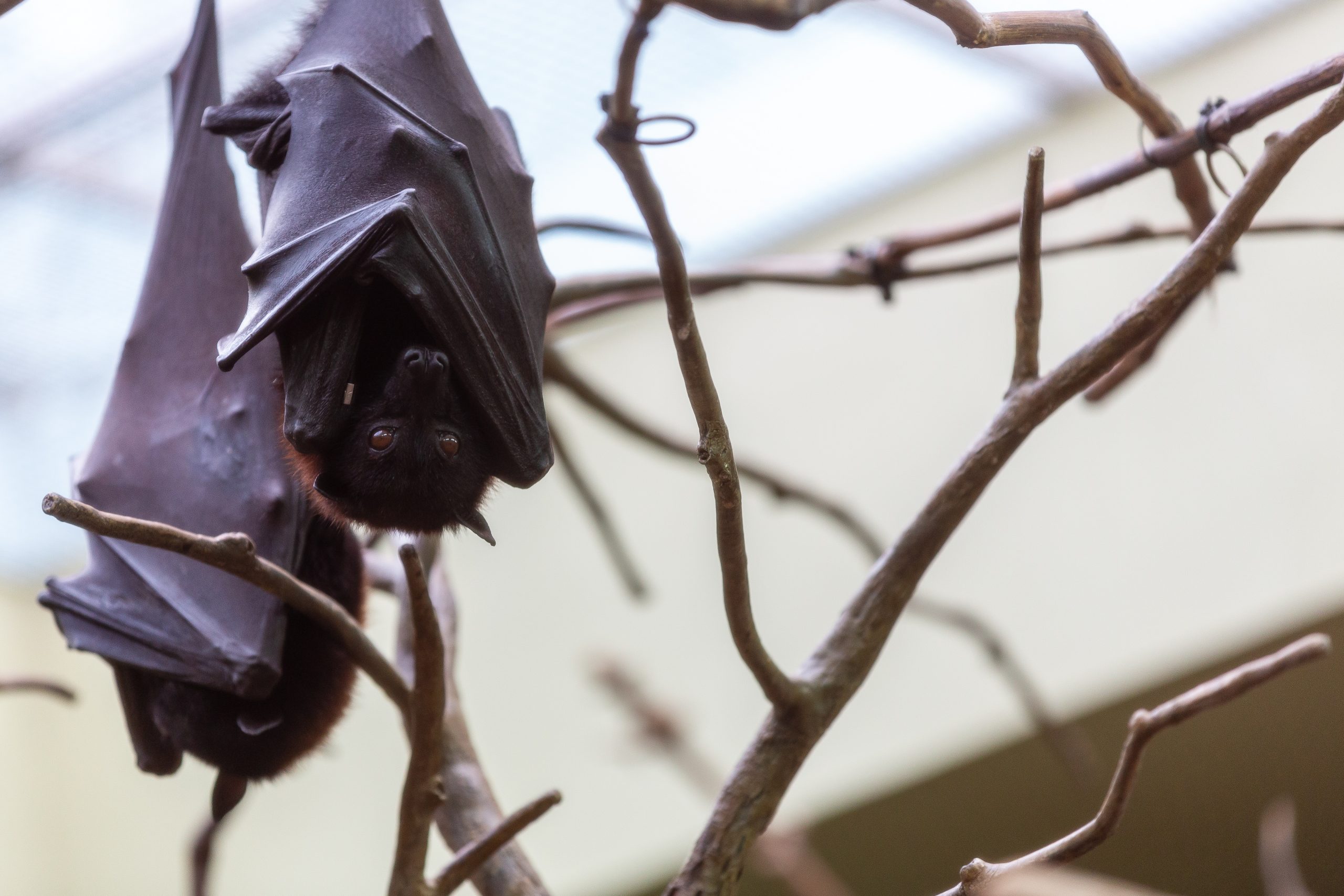
Malayan Flying Foxes are the largest member of Pteropus! With their striking red or russet heads that turn deep orange during breeding season, these bats are a true wonder of nature. They have large, well-developed eyes for flight navigation and form feeding groups of up to 50 and roosting colonies of up to 20,000 individuals….
Read More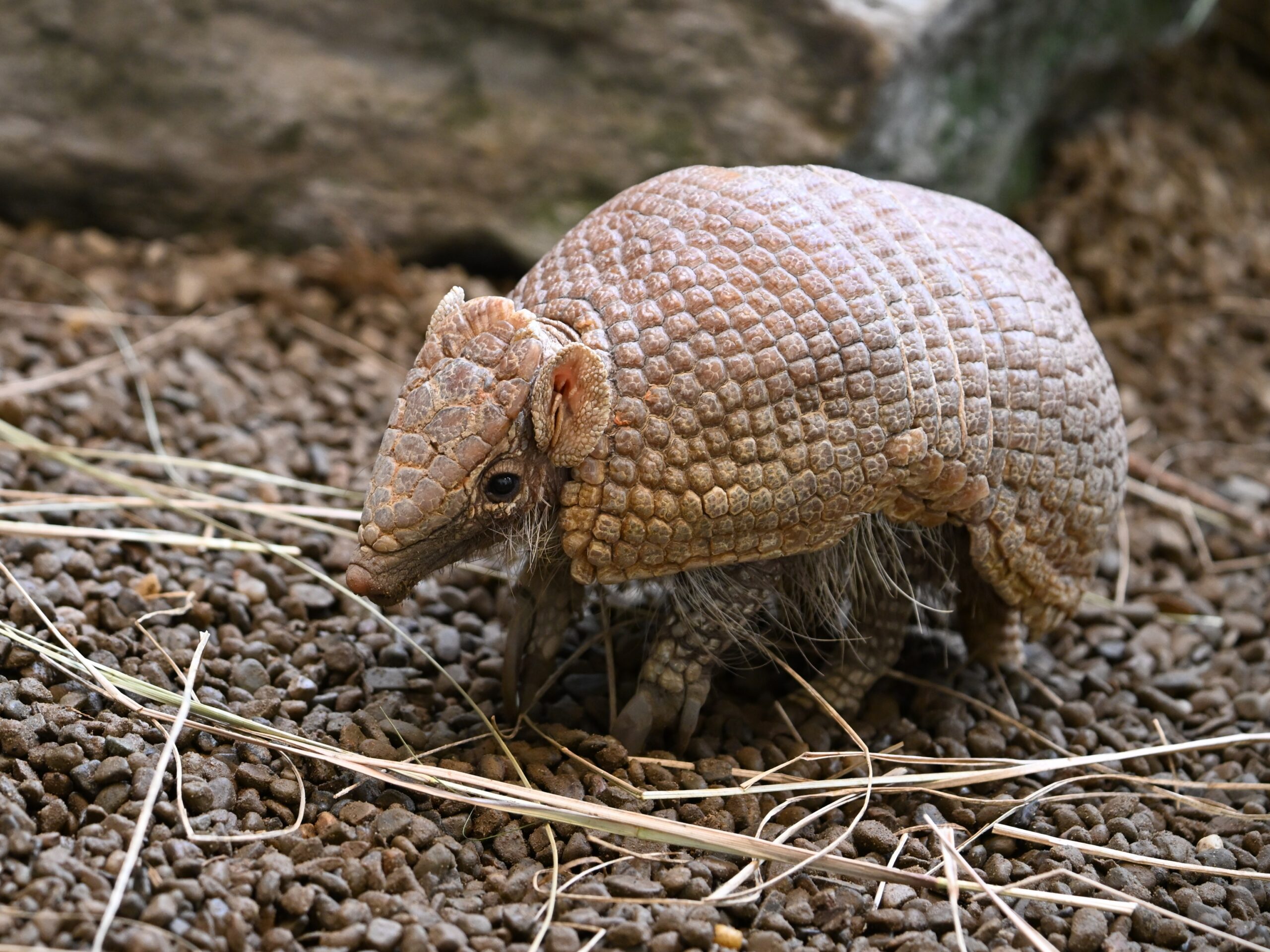
Southern Three-banded Armadillos are one of the mammal species living at the National Aviary. They are among the smaller of the armadillo species, and are native to grassy areas and forests throughout Argentina, Bolivia, Brazil, and Paraguay. Armadillos have very acute senses of hearing and smell, which helps them to find termites and ants and…
Read More