
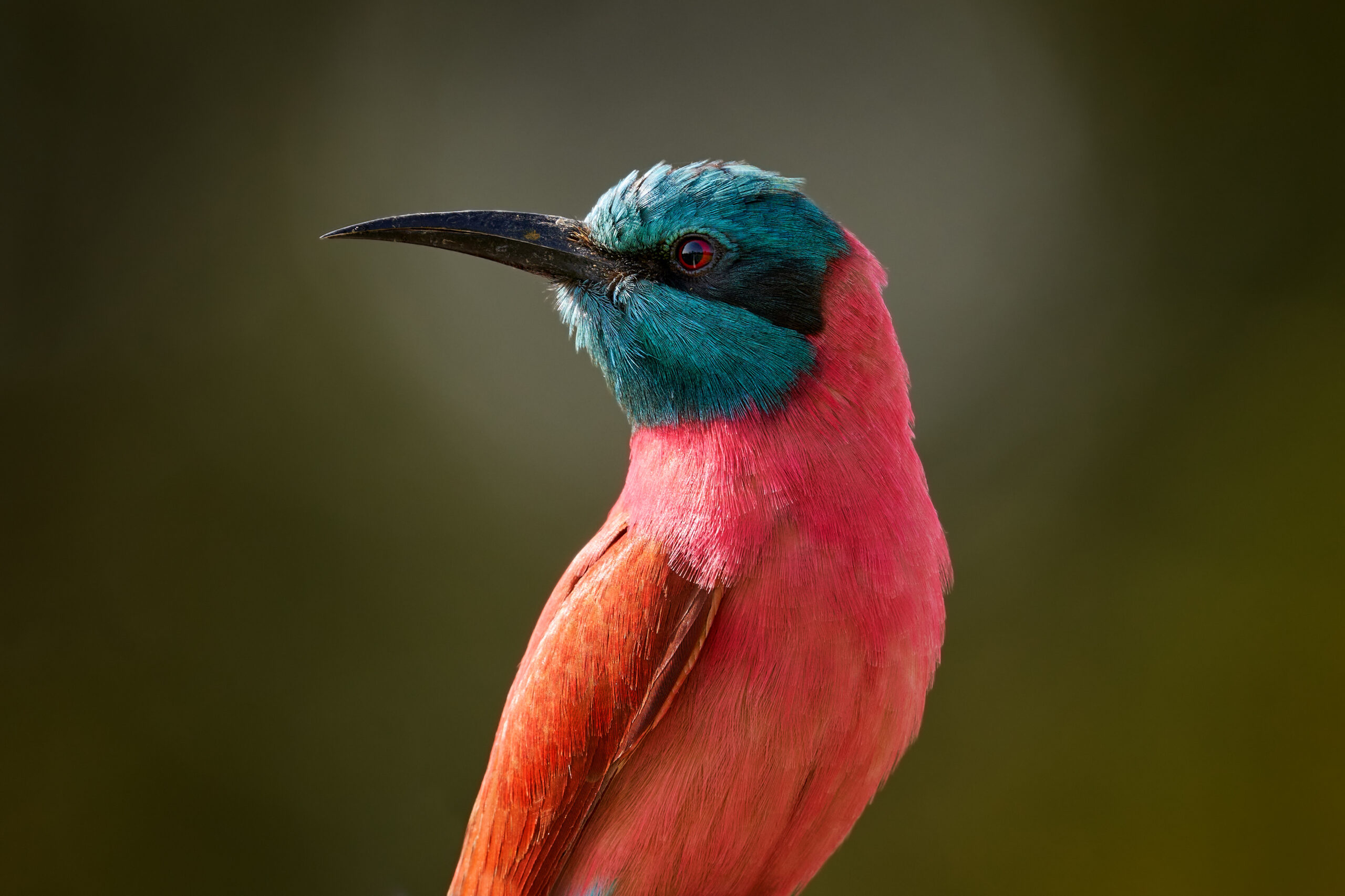
Like other bee-eaters, the Northern Carmine Bee-eater sports rich, bold plumage. They are predominantly a vivid red (hence “carmine”) hue, with a green-blue head and throat and black mask. Their elongated central tailfeathers aid in their aerial hunting tactics. Similar to a boat rudder, which increases steering and balance, these uniquely adapted tailfeathers increase agility…
Read More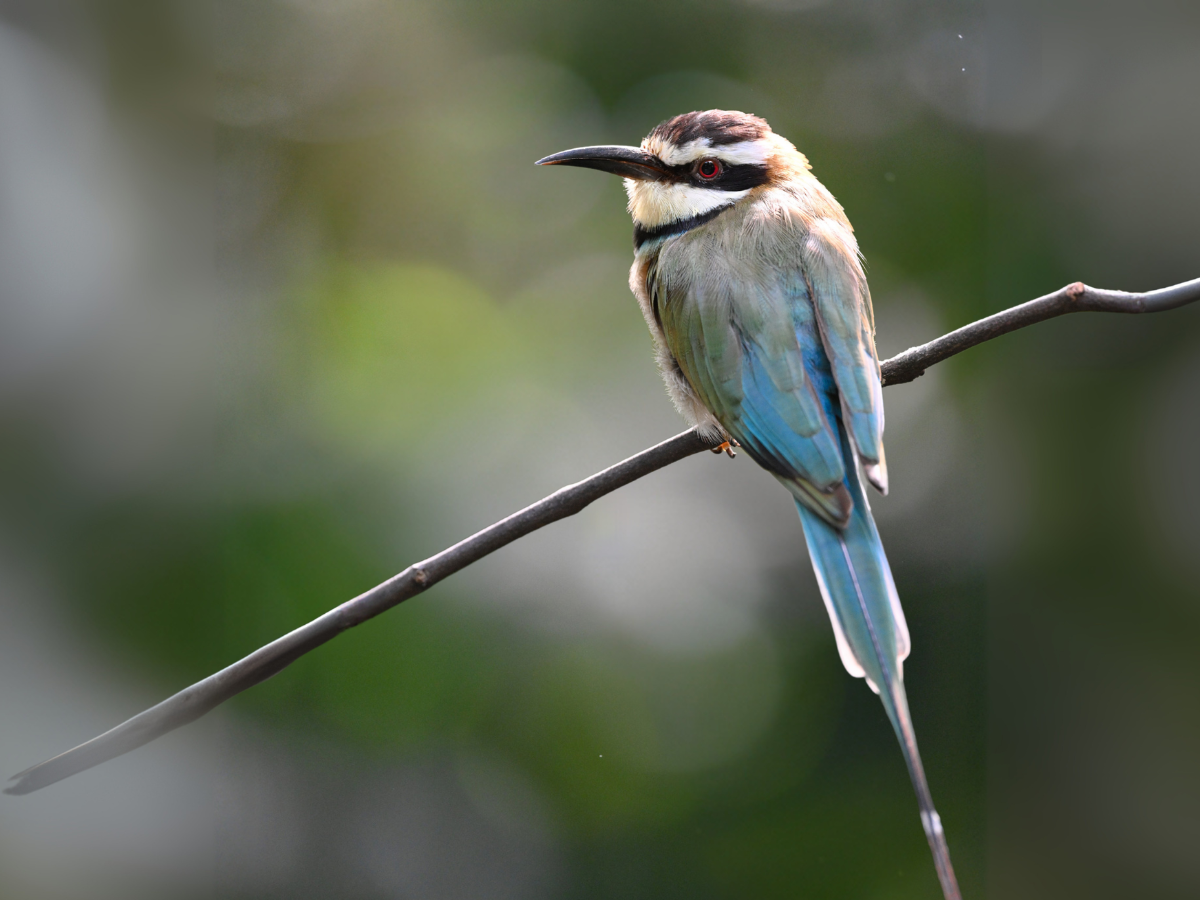
White-throated Bee-eaters are colorful, social birds, named for their ability to pluck honeybees (and other insects) from the air with amazing agility using their long, curved bills. Found throughout central Africa, they breed in the dry sub-desert steppe and winter in woodland areas and farmlands. They are the only bee-eater species that has an elaborate…
Read More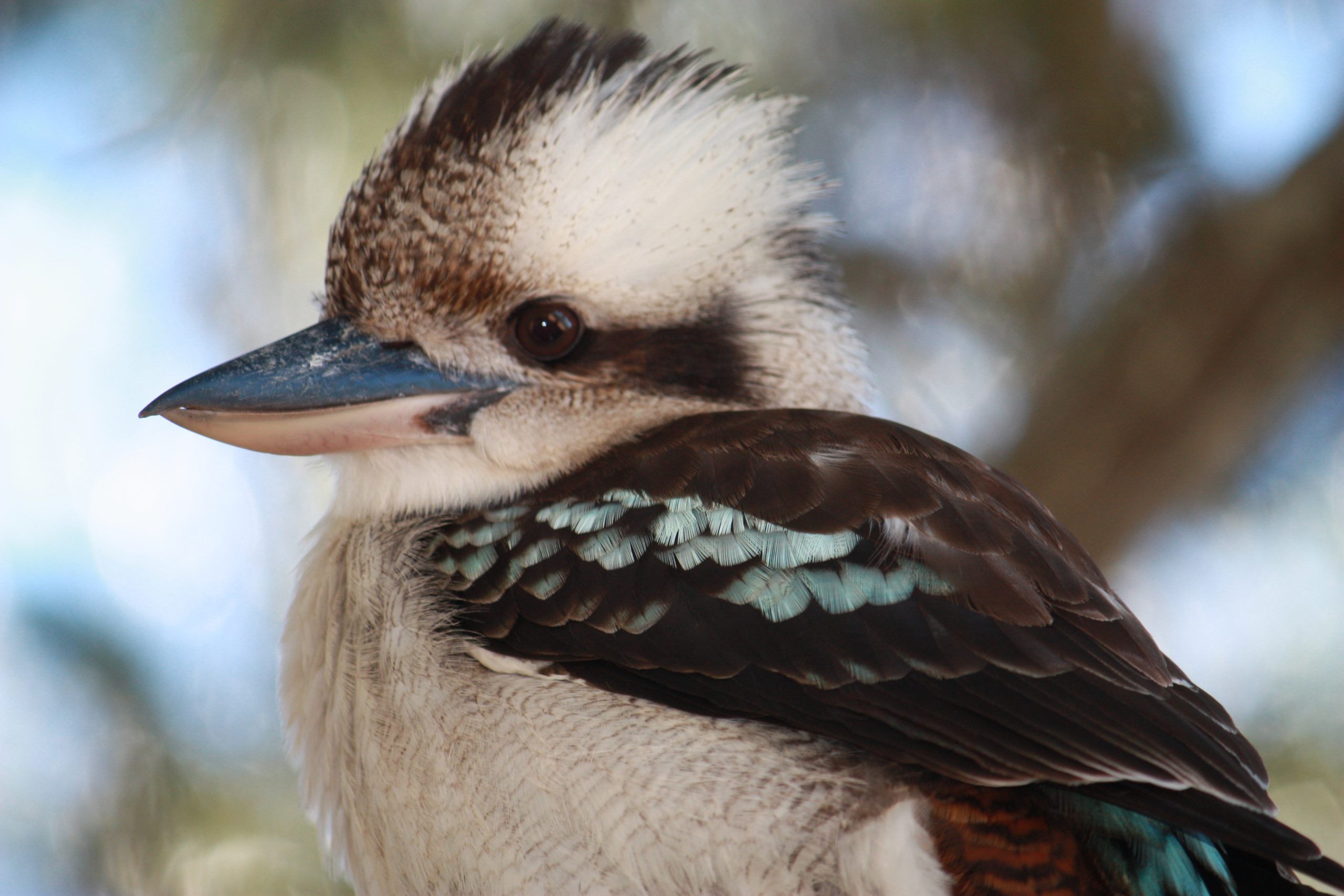
You may not think you’ve heard the rollicking call of the Laughing Kookaburra, but you almost certainly have. The Kookaburra’s loud “laugh” — that echoing koo-koo-koo-koo-KA-KA-KA! in the background of every jungle movie ever made — actually comes from a squat, unassuming bird who would never be found anywhere near a jungle. In fact, the…
Read More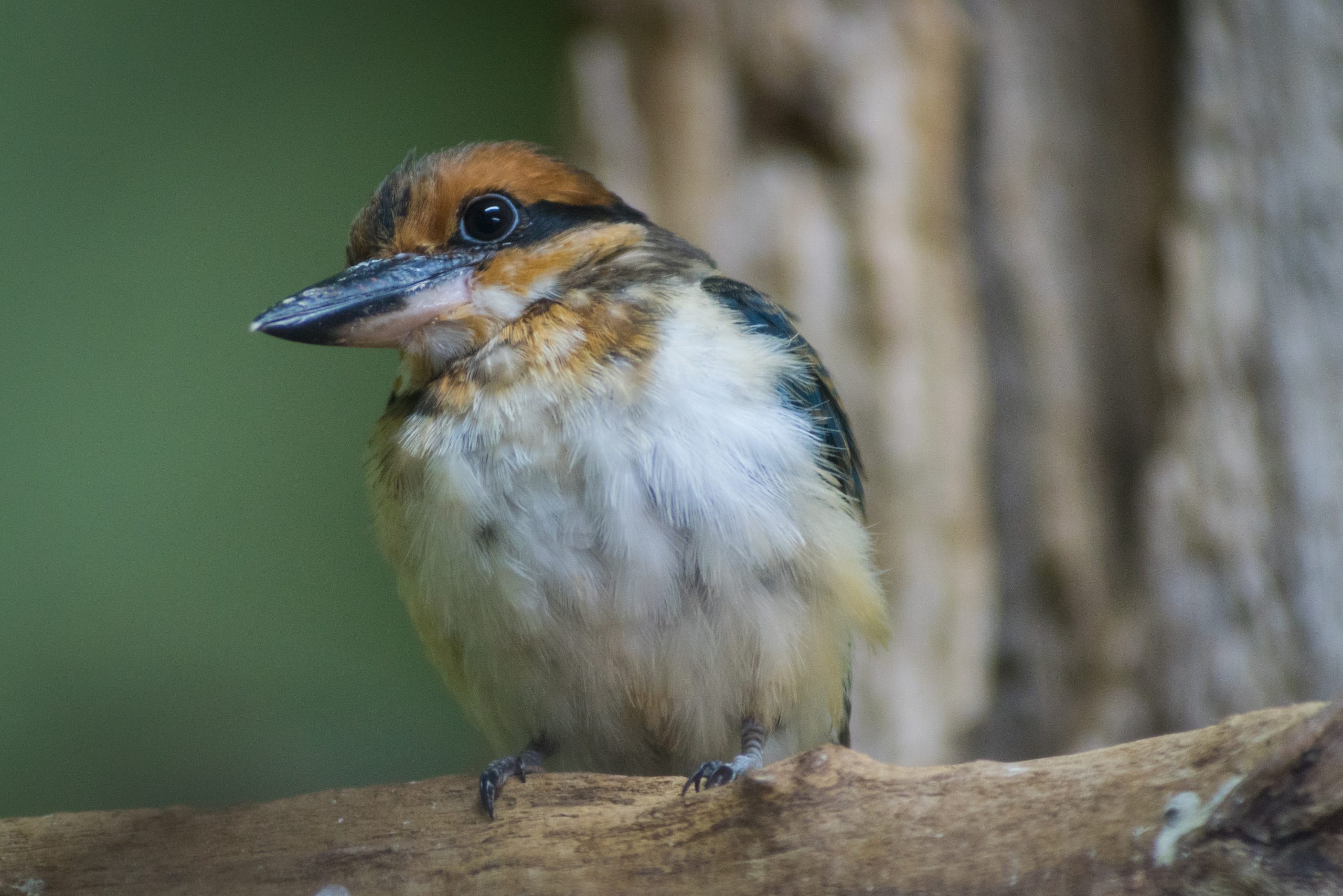
The Guam Kingfisher is small by kingfisher standards. Males average only about 58g (two ounces) and 24 cm (9 inches) long, making them less than half the size of North America’s Belted Kingfisher. Both male and female Guam Kingfishers have an iridescent blue-green back, a disproportionately very large, slightly crested, rust-colored head, and a long,…
Read More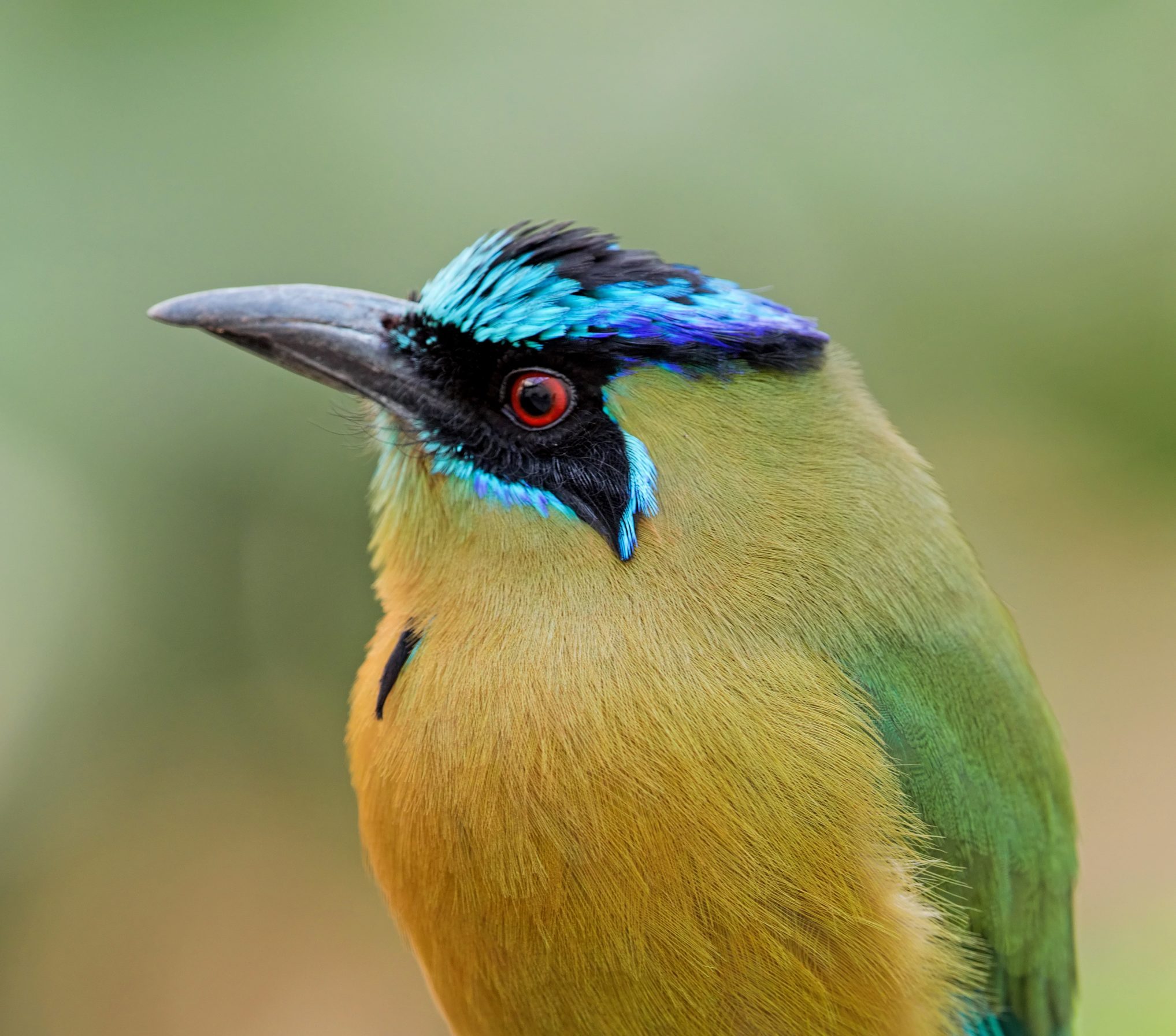
Both the male and female Blue-crowned Motmot have green and blue plumage with a chestnut chest. They have a large head with a blue crown, black eye mask around red eyes, and a short serrated beak. Their most distinguishing features are their long central tail feathers that feature bare sections near the tips. These oddly…
Read More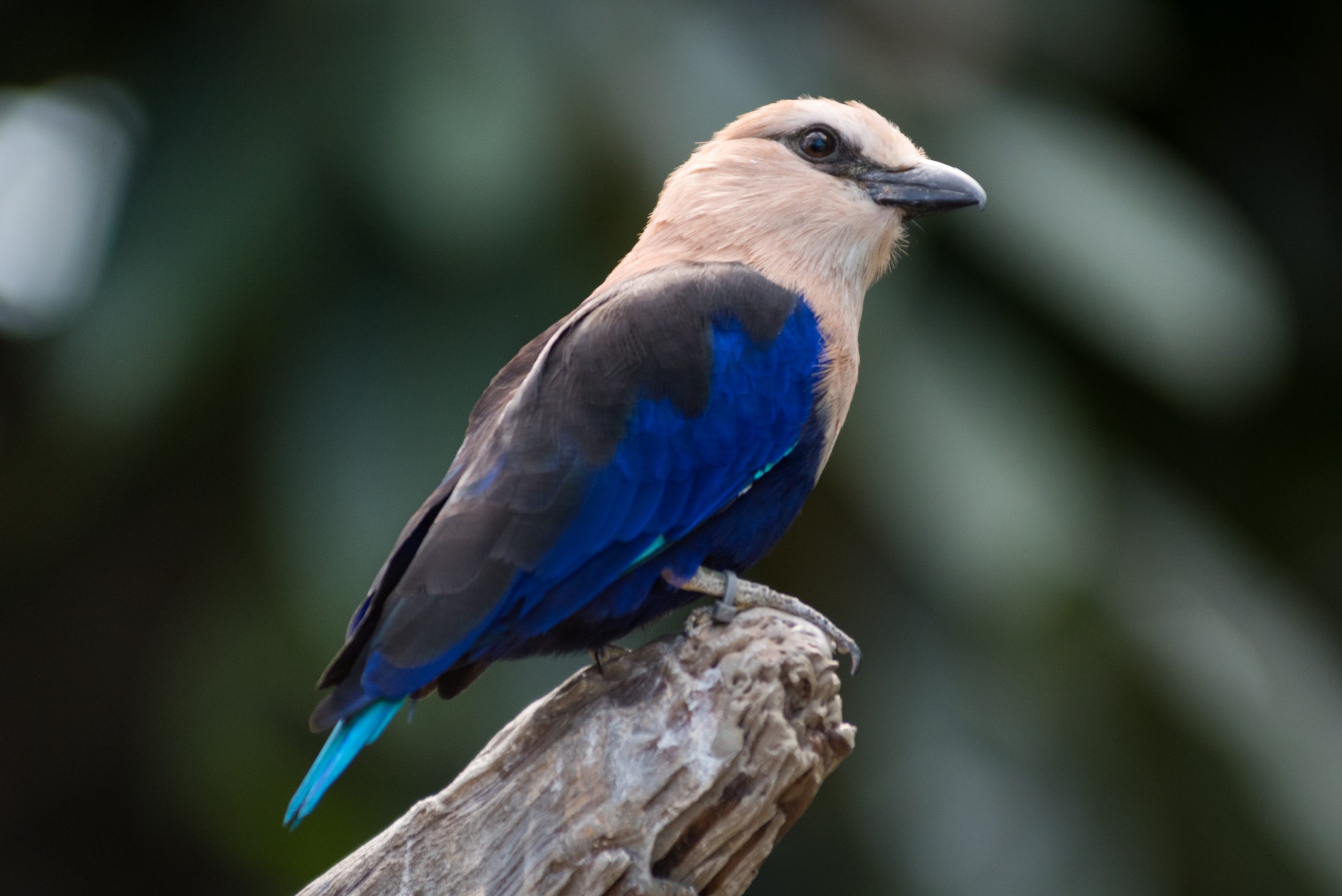
Blue-bellied Rollers are a colorful species native to central Africa. Males and females look identical, and have a brilliant royal blue abdomen, dark and light blue feathers on their wings, and a tan head. They are powerful flyers and have a loud, croaking call. During the breeding season, pairs of Blue-bellied Rollers engage in elaborate…
Read More