Bird Blog: Mascot Edition
Between a falcon’s agility and the talon strength of eagles to a raven’s intelligence, birds have long symbolized speed, toughness, and power. It’s no surprise that many professional sports teams embrace birds as their mascot – because in nature and on the field, victory belongs to those who rise (or shall we say fly) above the rest. Dive into what makes these “birdiful” mascots stand out below!
Meet Our FlockCardinals
Northern Cardinals (Cardinalis cardinalis) are some of the most abundant songbird species in North America. Their range extends from the eastern United States (like here in Pittsburgh), through the Midwest, and even into parts of Texas and Arizona (wink wink)!
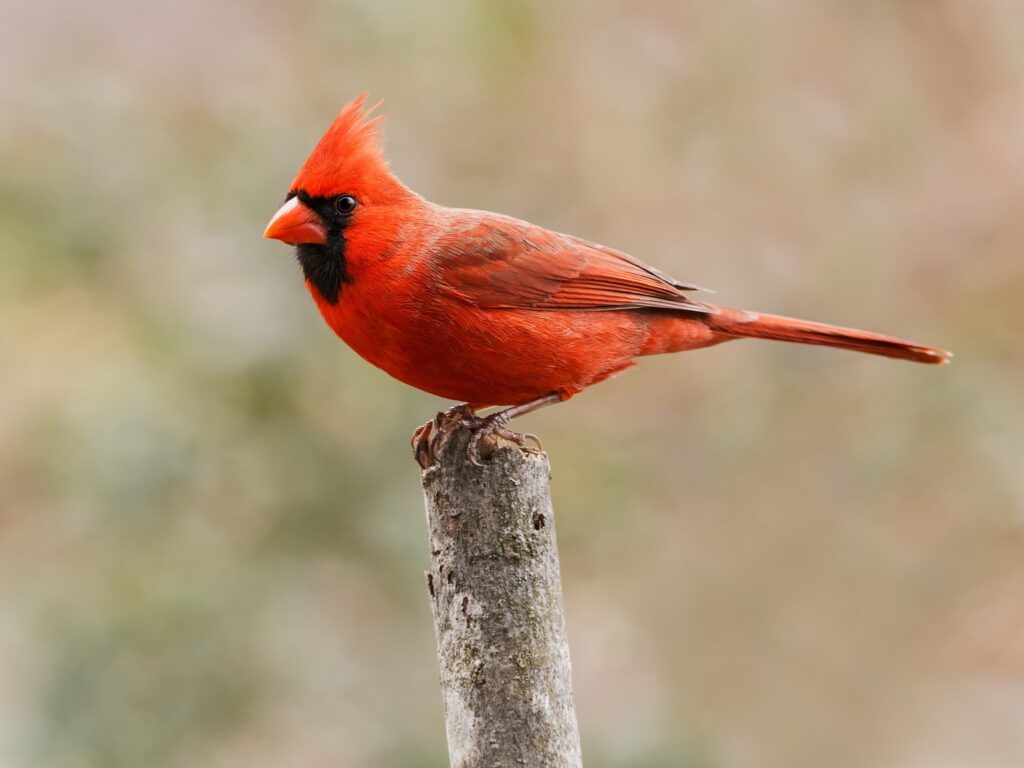
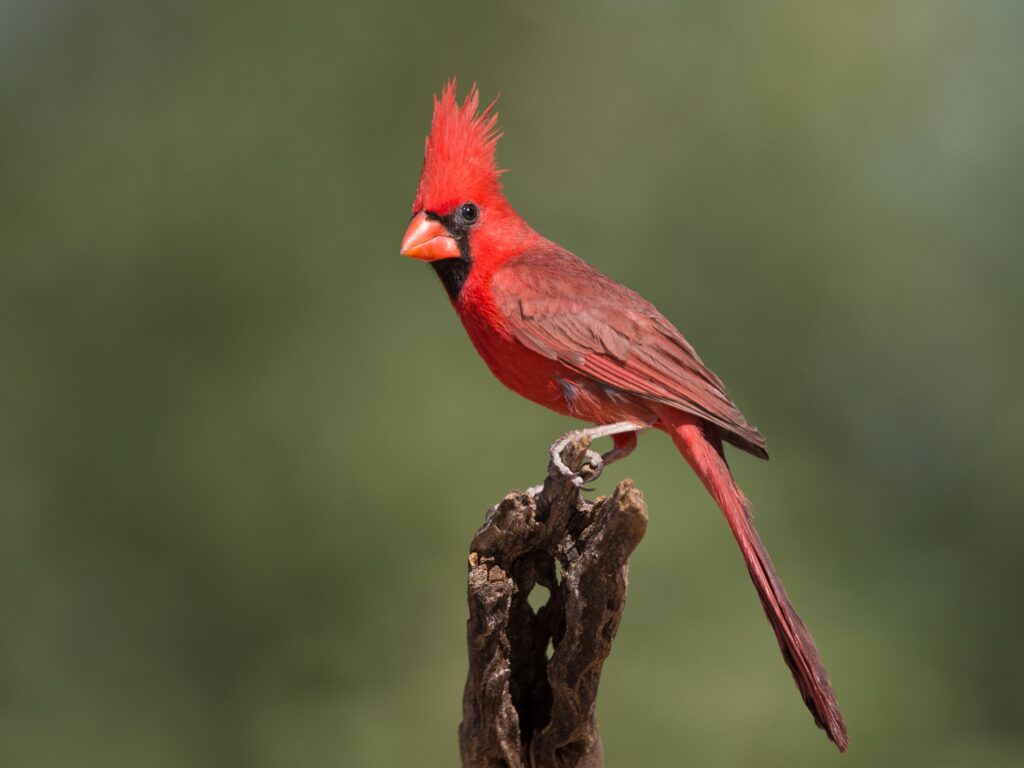
A male cardinal’s iconic red plumage comes from their diet of insects and various fruits (like mulberries!), which contain carotenoids (or naturally pigmented nutrients). They will also munch on sunflower and safflower seeds dispensed within your backyard bird feeders!
Northern Cardinals in Arizona actually look quite different from the ones in Pittsburgh. They have taller red crests, larger bills, less black on their forehead, and sing a noticeably different song, too!
Eagles
Here we go, Steller’s, here we go! Steller’s Sea Eagles and Bald Eagles are closely related and are classified in the same genus (Haliaeetus). Like bears (not the ones in Chicago!), both eagle species’ take advantage of the annual salmon run in northeastern Asia and the Pacific Northwest, using their strong talons to grasp the spawning fish.
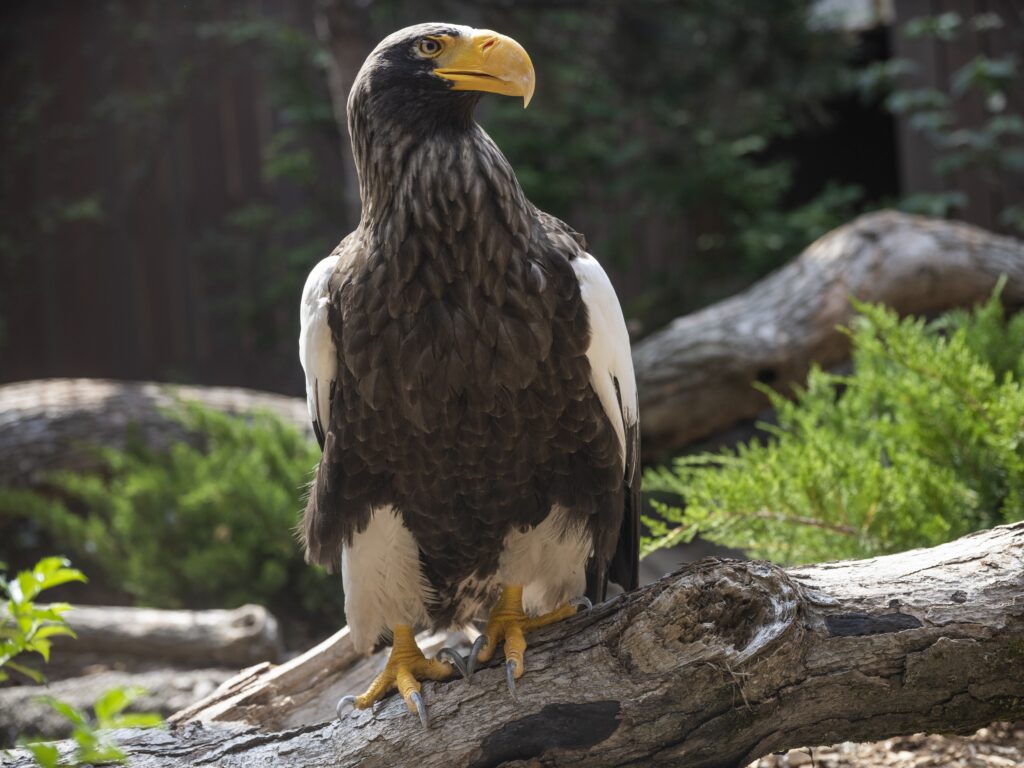
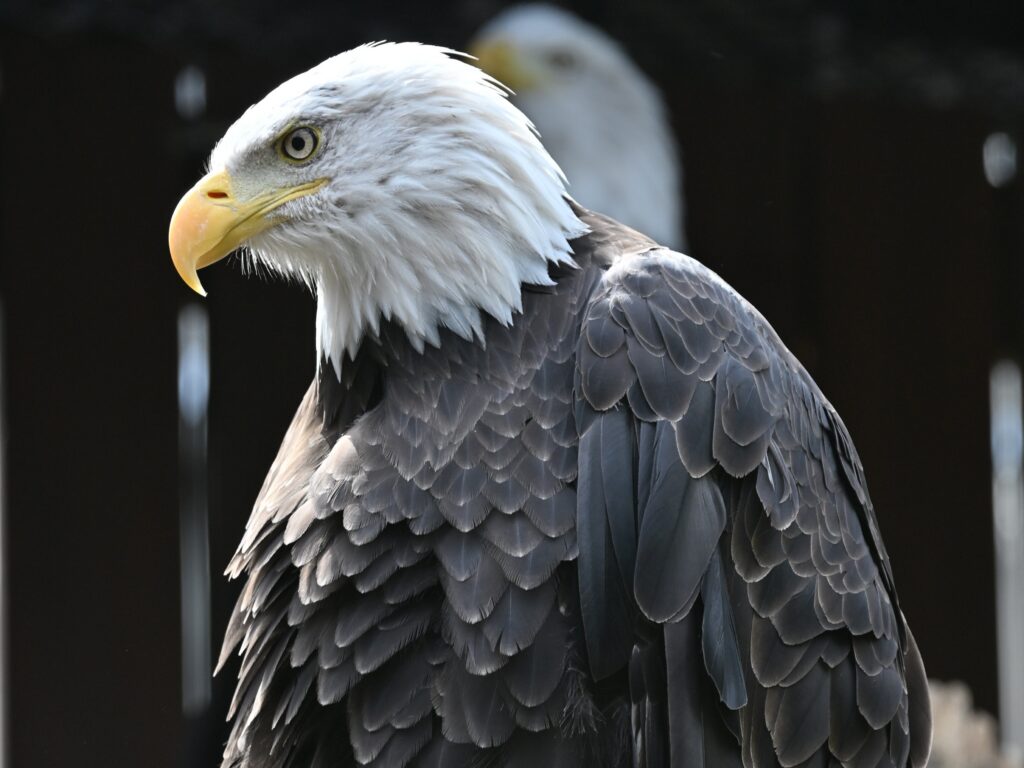
Steller’s Sea Eagles are classified as Vulnerable by the International Union for the Conservation of Nature (IUCN), with around 2,000 breeding pairs remaining in the wild. Similarly, Bald Eagles have also faced challenges that resulted in a decrease in their population, including here in Pittsburgh. In the mid-20th century, Bald Eagles were considered Endangered due to habitat loss and the widespread use of a pesticide called DDT. Thanks to the nation-wide banning of DDT in 1972 and concerted conservation efforts, Bald Eagle populations in the Lower 48 States (like Pennsylvania!) have rebounded, and the species now is listed Least Concern by the IUCN: HUGE progress!
Bald Eagles began nesting again in Philadelphia in 2007, after an absence of more than 150 years; similarly, they began nesting in Pittsburgh in 2013. See BOTH of these species’ during your next National Aviary visit.
Falcons
Like wide receivers and running backs, falcons are FAST! Peregrine Falcons can dive up to 200 miles per hour, striking and capturing prey mid-air!
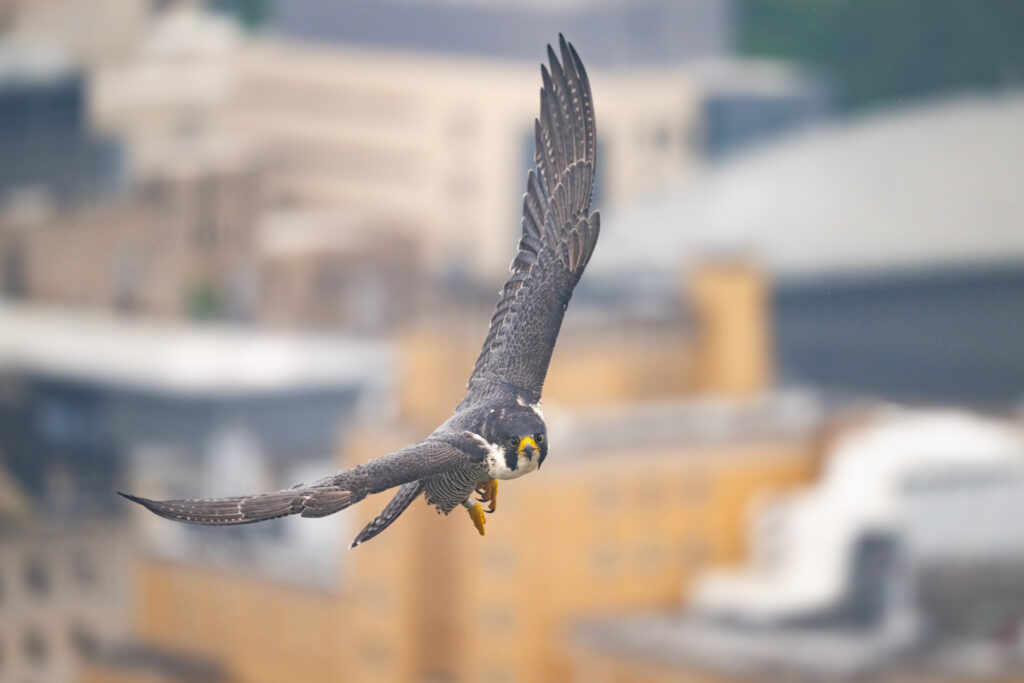
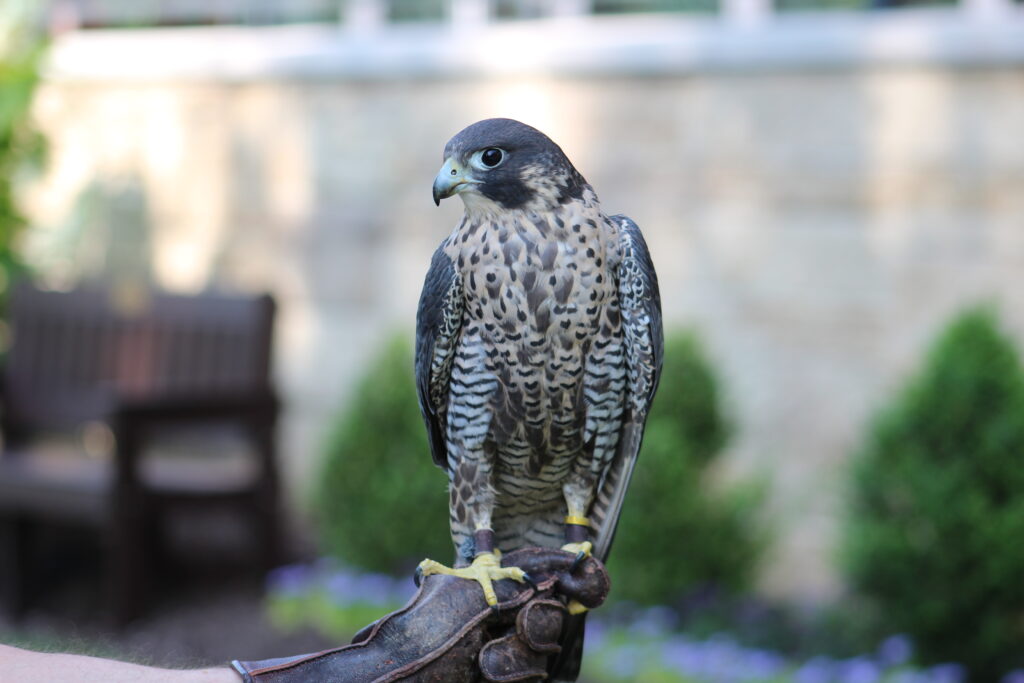
The lines of black feathers below a Peregrine Falcon’s eyes are called “malar stripes.” They act as a built-in sunshade to reduce glare, increasing their ability to track prey – like the eye-black grease wide receivers wear on the football field to better track a pass thrown by their quarterback!
Tune into the National Aviary Peregrine FalconCam to get a peek into the wild world of these fast birds!
Ravens
Common Ravens (Corvus corax) are often confused with American Crows (Corvus brachyrhynchos). The best way to tell them apart is the sheer size of a Common Raven! They can reach two (2) feet height – roughly the same size as a Red-tailed Hawk.
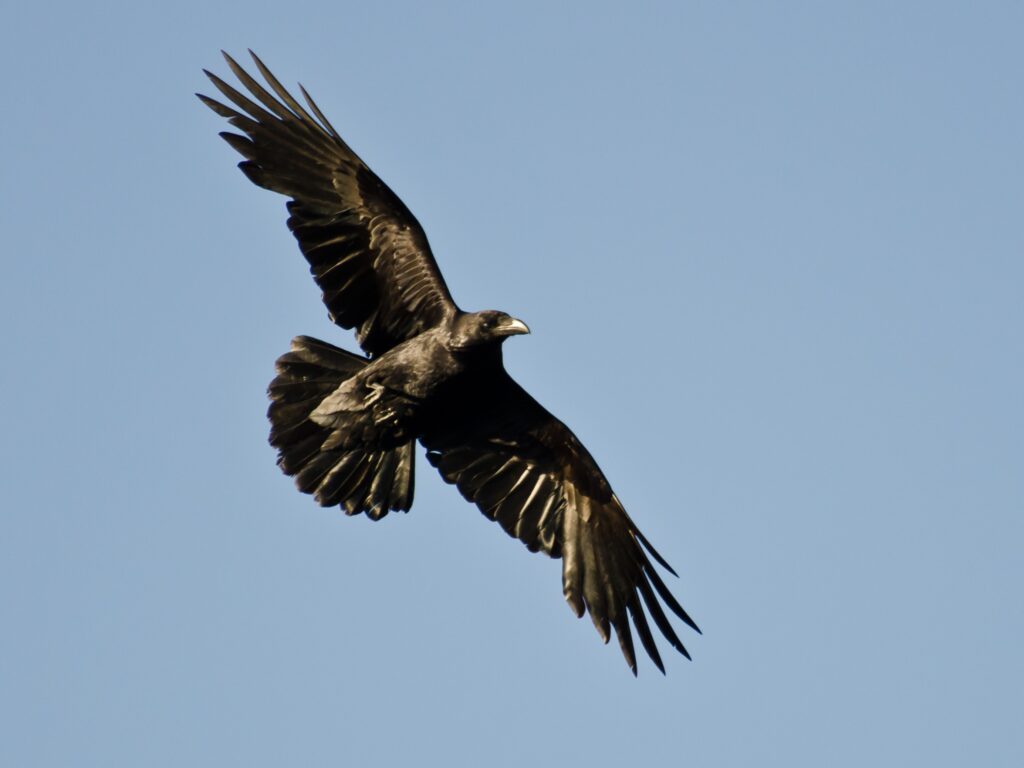
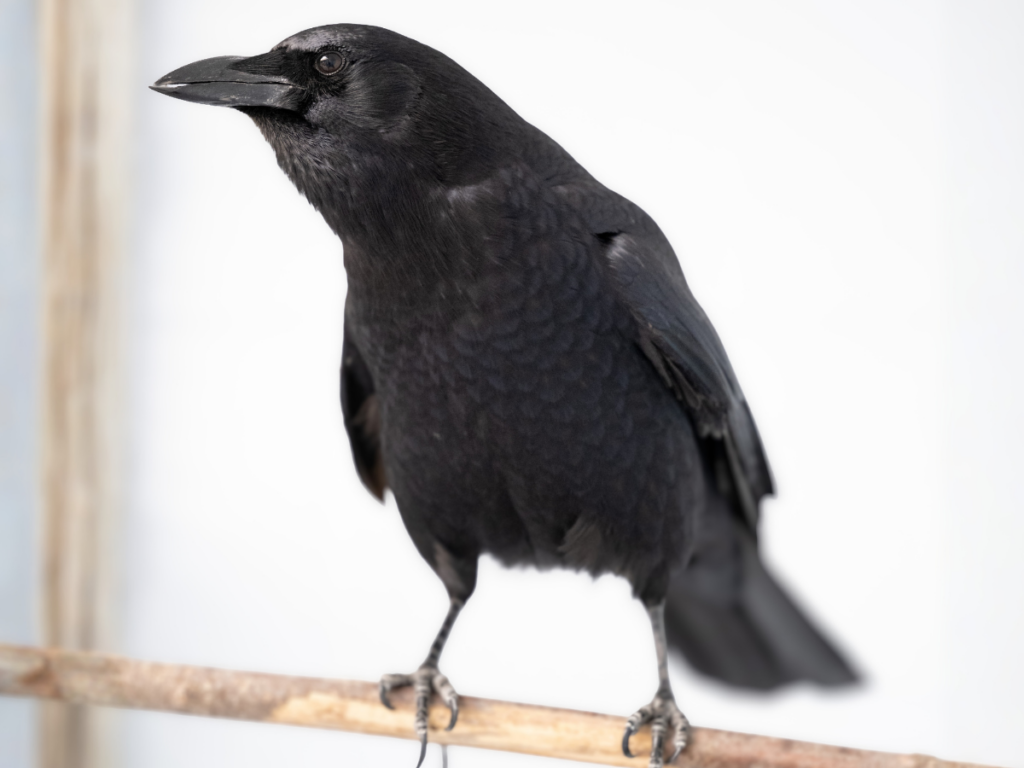
Common Ravens are the largest passerine (songbird) in the world: they’re also extremely intelligent and, probably in connection to those smarts, are very playful! They have been observed using tools to obtain food, and they have a large repertoire of at least nearly 80 distinct calls, twenty of which have been decoded by researchers to have a specific function or meaning.
By the early 1900s, Ravens were nearly Extinct in the eastern United States, but rebounded dramatically after 1960, and have even established themselves in urban areas like Baltimore and Pittsburgh.
Seahawks
Seahawk is an old name for the species now known as Osprey. They live along coastlines, lakes, and rivers on every continent except Antarctica and dine almost exclusively on fish (a unique characteristic amongst raptors).
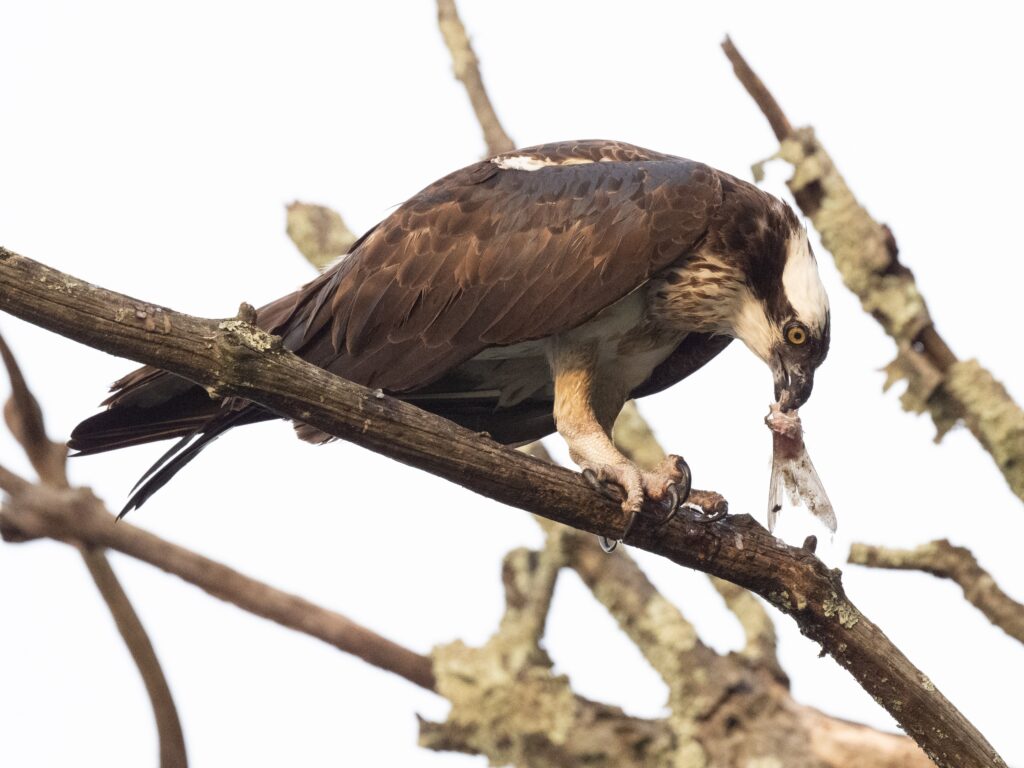
Bald Eagles sometimes chase Ospreys and force them to drop their fish so they can swoop in and steal it, a behavior known as kleptoparasitism…talk about an interception!
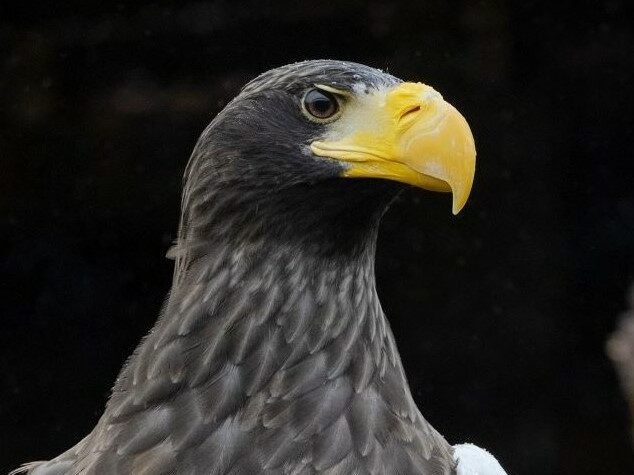
The huge bill of the football team’s logo, however, is unlike an Osprey’s and is matched in nature only by the Steller’s Sea Eagle’s bill.
Soar like a bird of prey on the hunt for a meal with a flight on Birdly®, a full-body flight simulator!
Help Our Feathered Friends
From small songbirds to large birds of prey, simple actions taken in our communities can help feathered friends of all sizes. The National Aviary’s Green Team is a committee that implements environmentally friendly onsite strategies – many of which you can also do at home! Learn more about some of these initiatives here, as well as how you can help the planet by using regularly consumed products in more environmentally friendly ways.
Know Before You Go
- Normal Operating Hours: The National Aviary is open DAILY from 10 am – 5 pm.
- Special Hours: The National Aviary will be CLOSED Thurs. – Fri., April 23 – 24, so people may enjoy football festivities.
- Parking: Parking in the National Aviary parking lot is available on a first-come, first-served basis for a $7 flat rate. Visitors may access the National Aviary entrance on Arch Street via a 2-minute walk through Allegheny Commons Park. Click here for additional parking information!