SSP: Yes

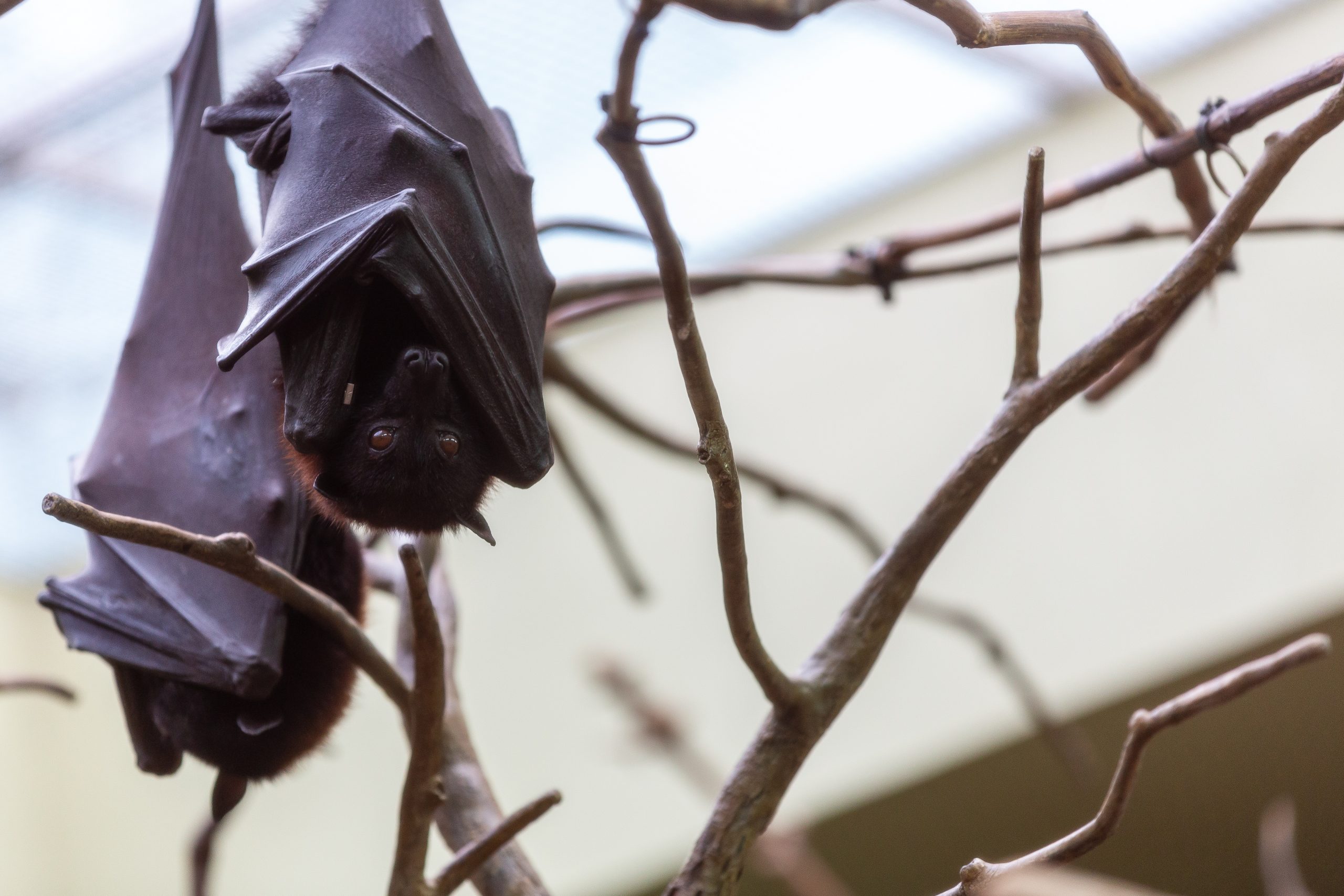
Malayan Flying Foxes hanging upside down from a branch

Malayan Flying Foxes are the largest member of Pteropus! With their striking red or russet heads that turn deep orange during breeding season, these bats are a true wonder of nature. They have large, well-developed eyes for flight navigation and form feeding groups of up to 50 and roosting colonies of up to 20,000 individuals….

Read More
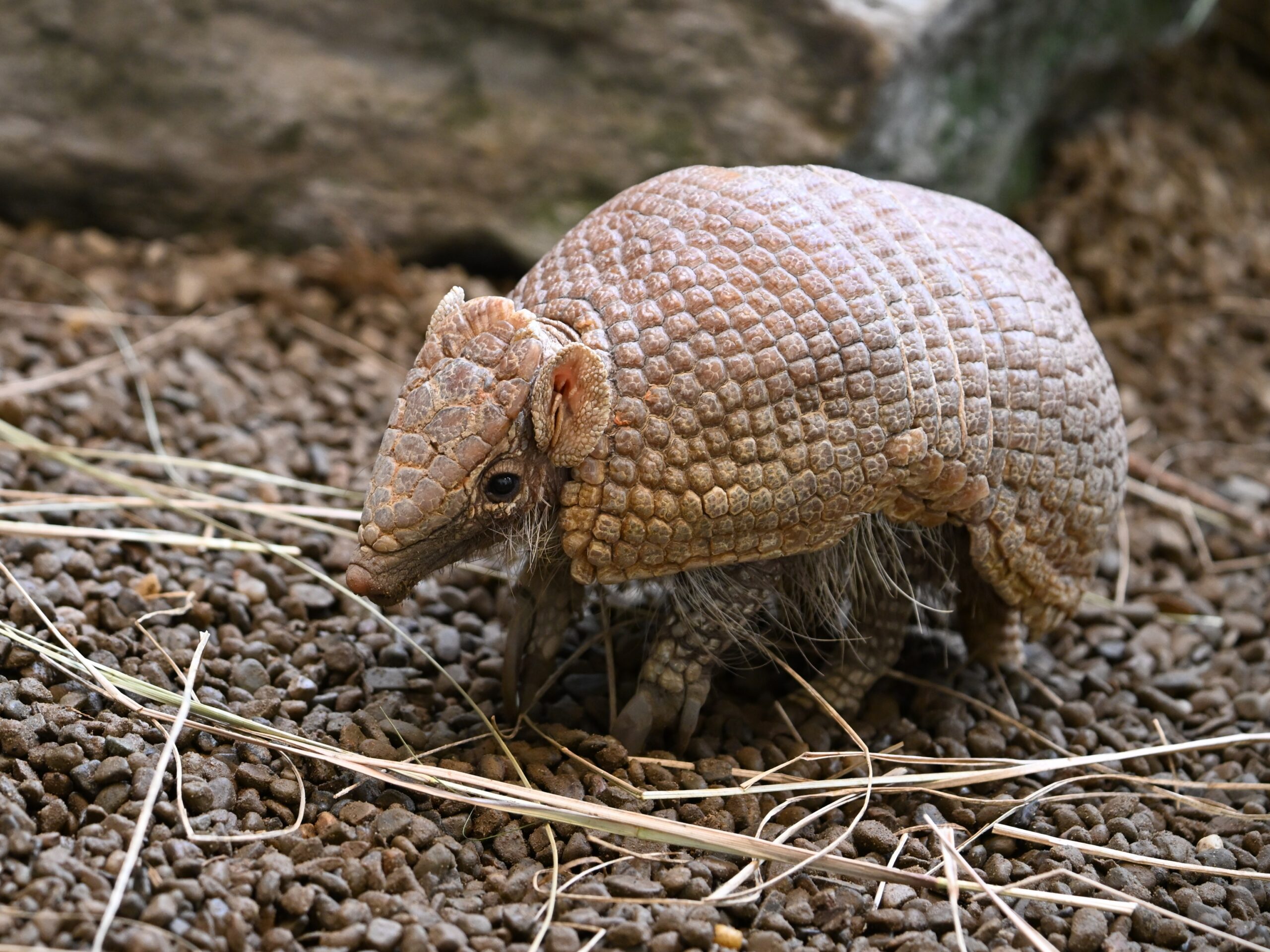
Willy walking through straw and pebbles that mimic his natural habitat

Southern Three-banded Armadillos are one of the mammal species living at the National Aviary. They are among the smaller of the armadillo species, and are native to grassy areas and forests throughout Argentina, Bolivia, Brazil, and Paraguay. Armadillos have very acute senses of hearing and smell, which helps them to find termites and ants and…

Read More

In The News

See All News

Peregrine falcons start incubating clutch of 4 eggs in Cathedral of Learning nest | WPXI

The National Aviary says Carla started incubating her eggs after laying a third one on Sunday afternoon.

Read More »

Peregrine falcon clutch of eggs growing in Cathedral of Learning nest | WPXI

The clutch of peregrine falcon eggs is growing up high on the Cathedral of Learning.

Read More »

Peregrine falcons on Pitt’s Cathedral of Learning lay first egg of season | CBS News

The National Aviary, which runs a livestream of the nest, said Carla laid the first egg around 4 a.m. on Wednesday. It's the first of up to six, though the average peregrine falcon clutch is four. 

Read More »

National Aviary’s star peregrine falcons welcome first egg of the season | WPXI

Carla and Ecco are featured on the aviary’s Peregrine FalconCam livestream, showing their nest high up on the southeast side of the Cathedral of Learning.

Read More »