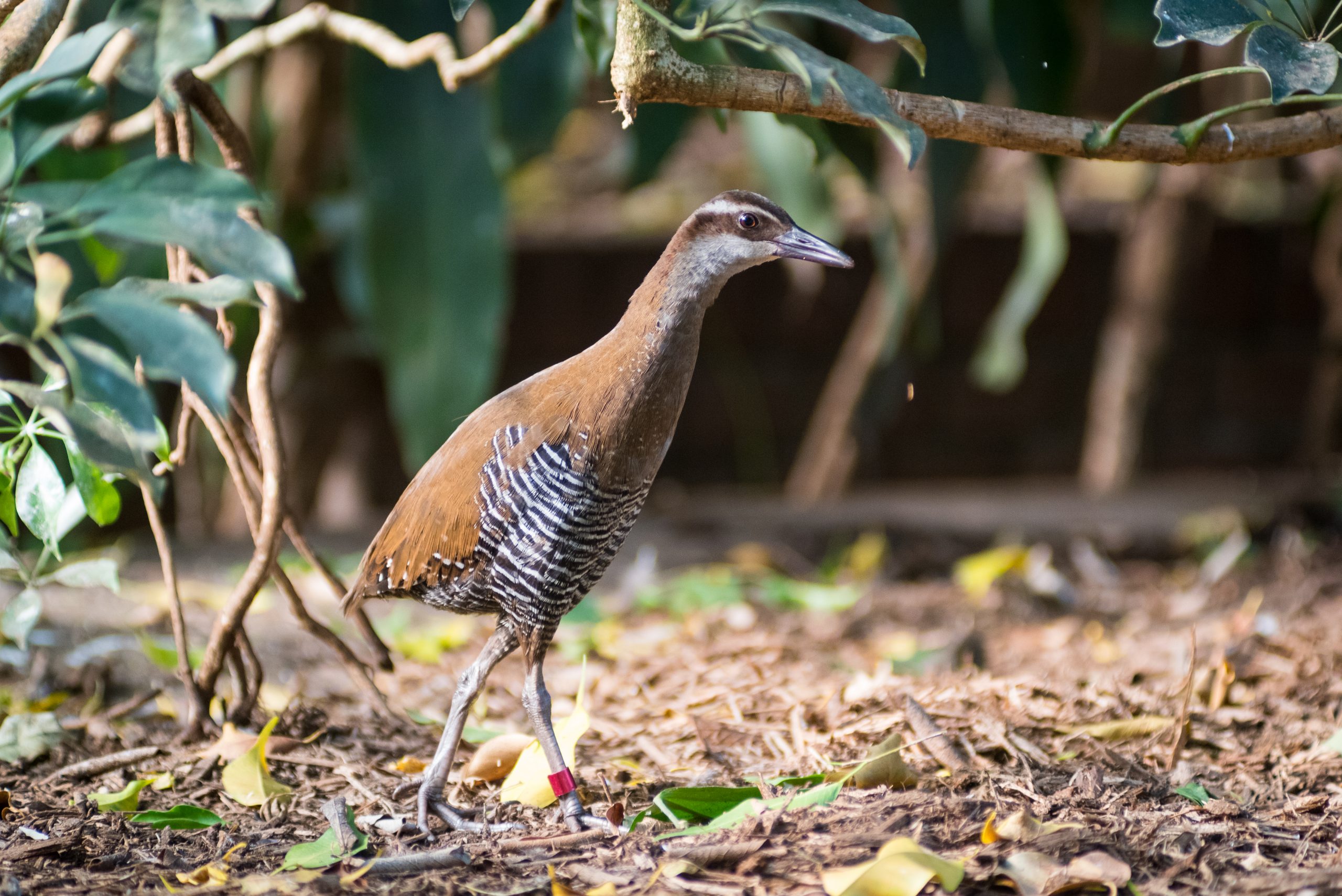
Saving Guam Rails In 1987, only 21 Guam Rails remained after their population was nearly driven to extinction by an invasive species. The Guam Rails were rescued and brought into human care in a last ditch effort to save the species. Several of the rails made their way to a limited number of Association of…
Learn More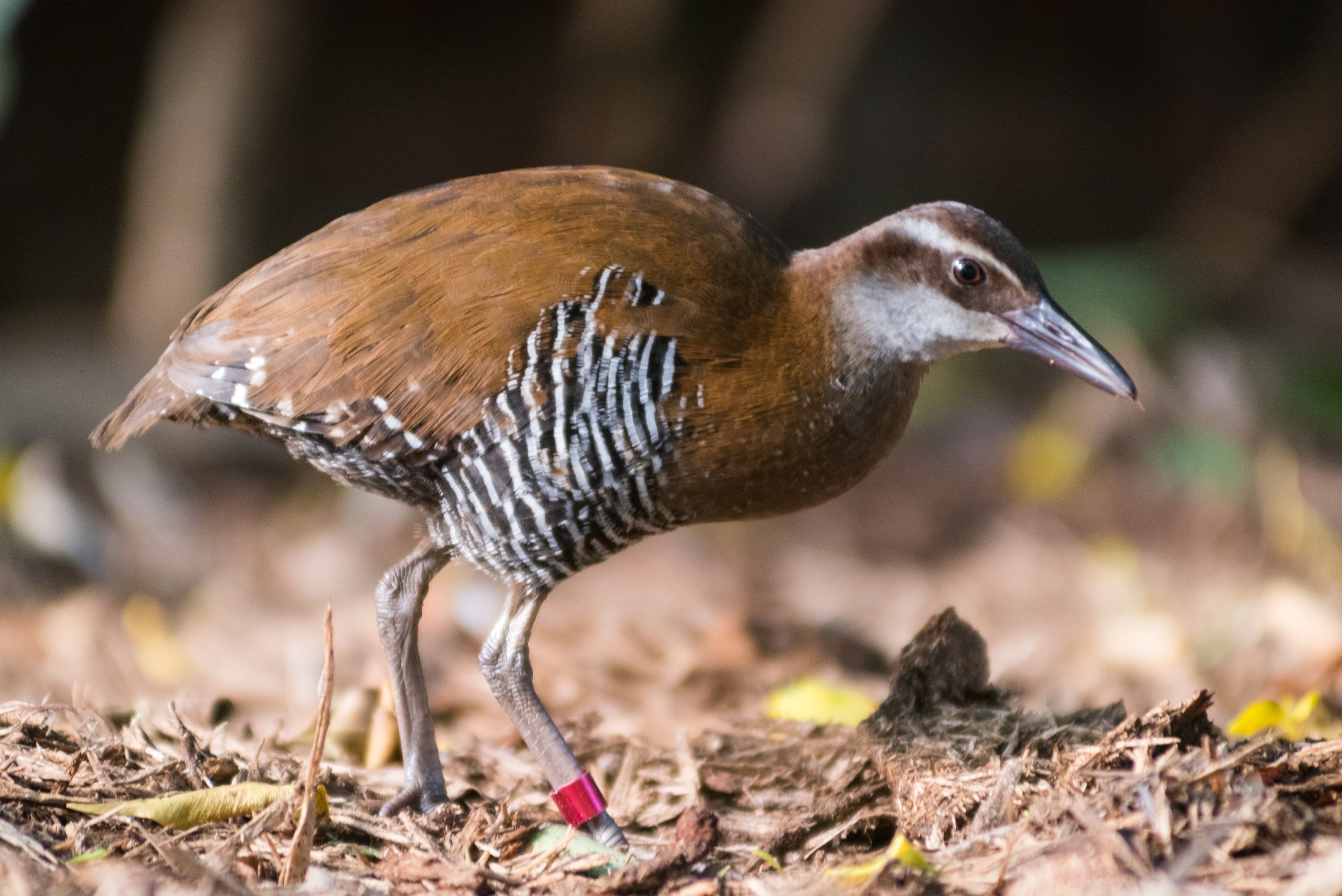
Guam Rails are small, flightless, and if you blink, you’ll miss them. They dart in and out of the foliage of the Tropical Rainforest at the National Aviary. But great things come in small packages, and in late 2019, Guam Rails made a huge leap forward when their IUCN status changed from “Extinct in the Wild” to “Critically Endangered.”…
Learn More The Guam Rail is a small, ground-dwelling bird, inhabiting forests, mixed woodland and scrub, fern thickets, and grasslands. They move quickly through thickets and grasses. It is most active at dawn and dusk. In the late 1980s, the presence of an invasive species, the brown tree-snake threatened the survival of bird species on the island…
Learn More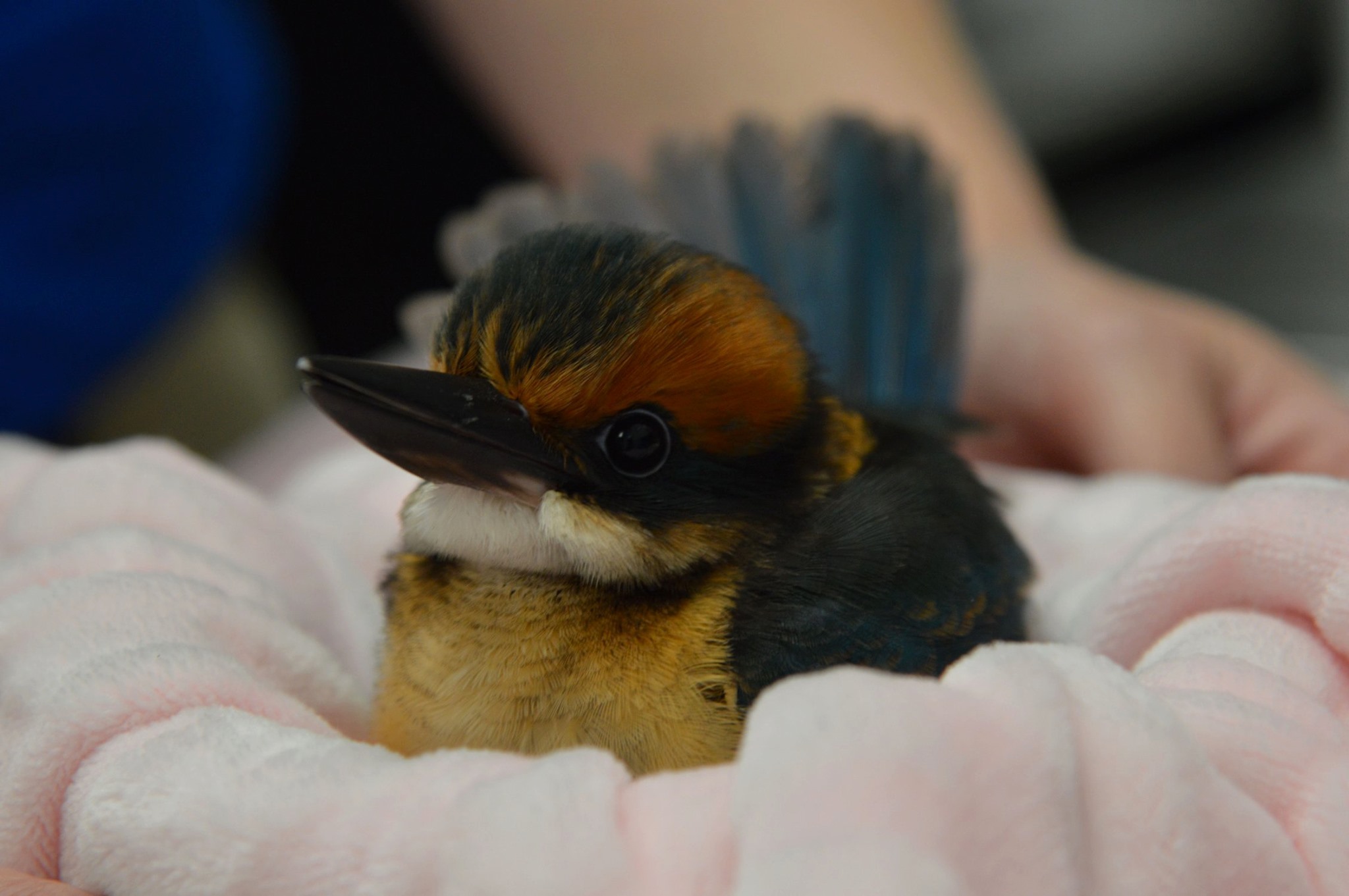
Saving Guam Kingfishers Your Support in Action! The National Aviary continues to make great strides in protecting these tiny, cinnamon-hued birds. Our very own Senior Aviculturist, Brianna Crane, will play a key role in Sihek Recovery Program efforts for 2026. She will continue to oversee sihek hatchings at the National Aviary and potentially travel to Palmyra…
Learn More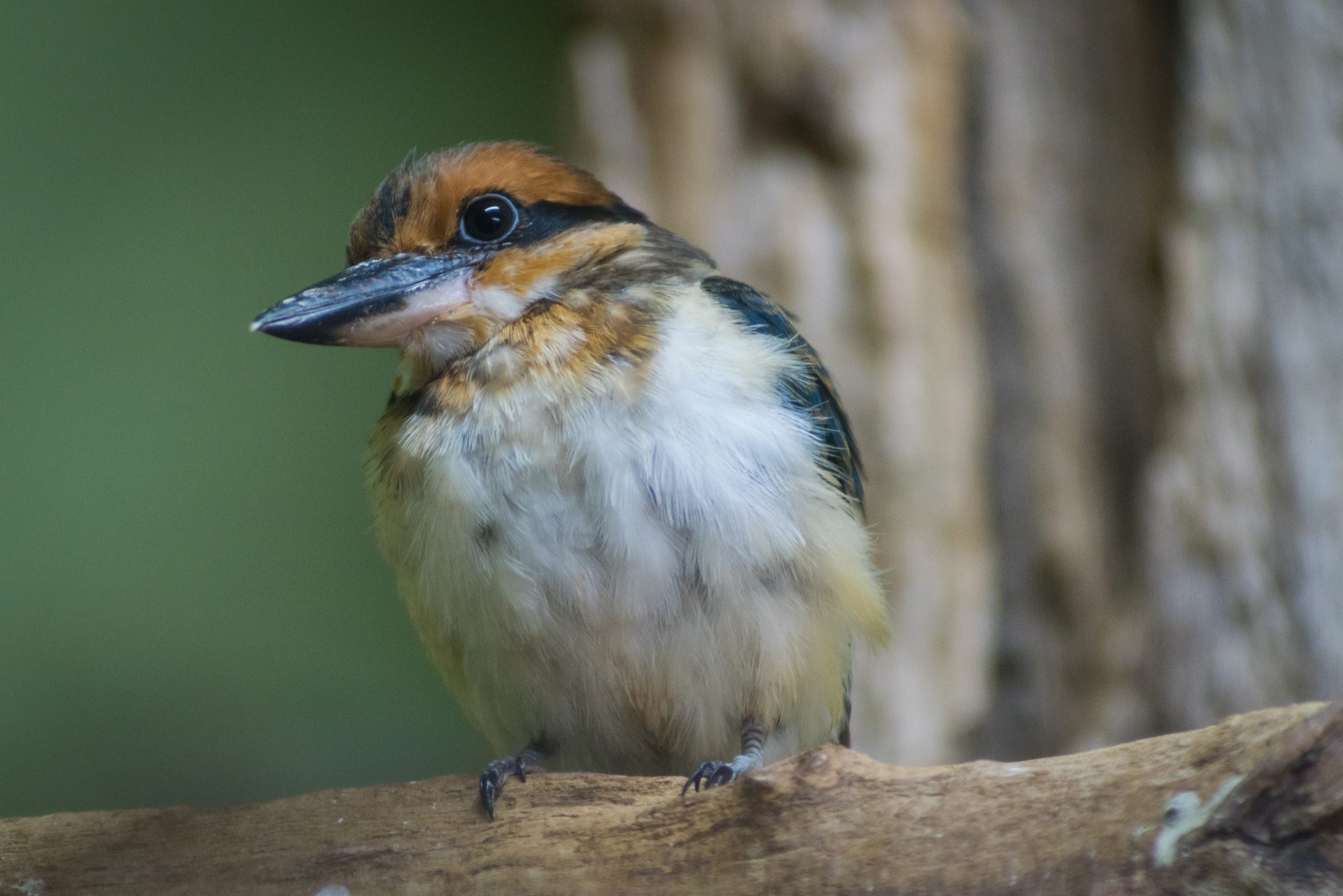
The Guam Kingfisher is small by kingfisher standards. Males average only about 58g (two ounces) and 24 cm (9 inches) long, making them less than half the size of North America’s Belted Kingfisher. Both male and female Guam Kingfishers have an iridescent blue-green back, a disproportionately very large, slightly crested, rust-colored head, and a long,…
Learn More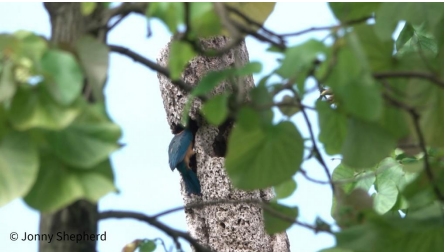
National Aviary in Pittsburgh receives $25K grant for protecting endangered species WPXI.com News Staff Thu, February 5, 2026 at 12:02 PM EST 2 min read The National Aviary in Pittsburgh received a $25,000 grant from the Foxwynd Foundation to support the continued protection of endangered and at-risk bird species. The funding will be used…
Learn More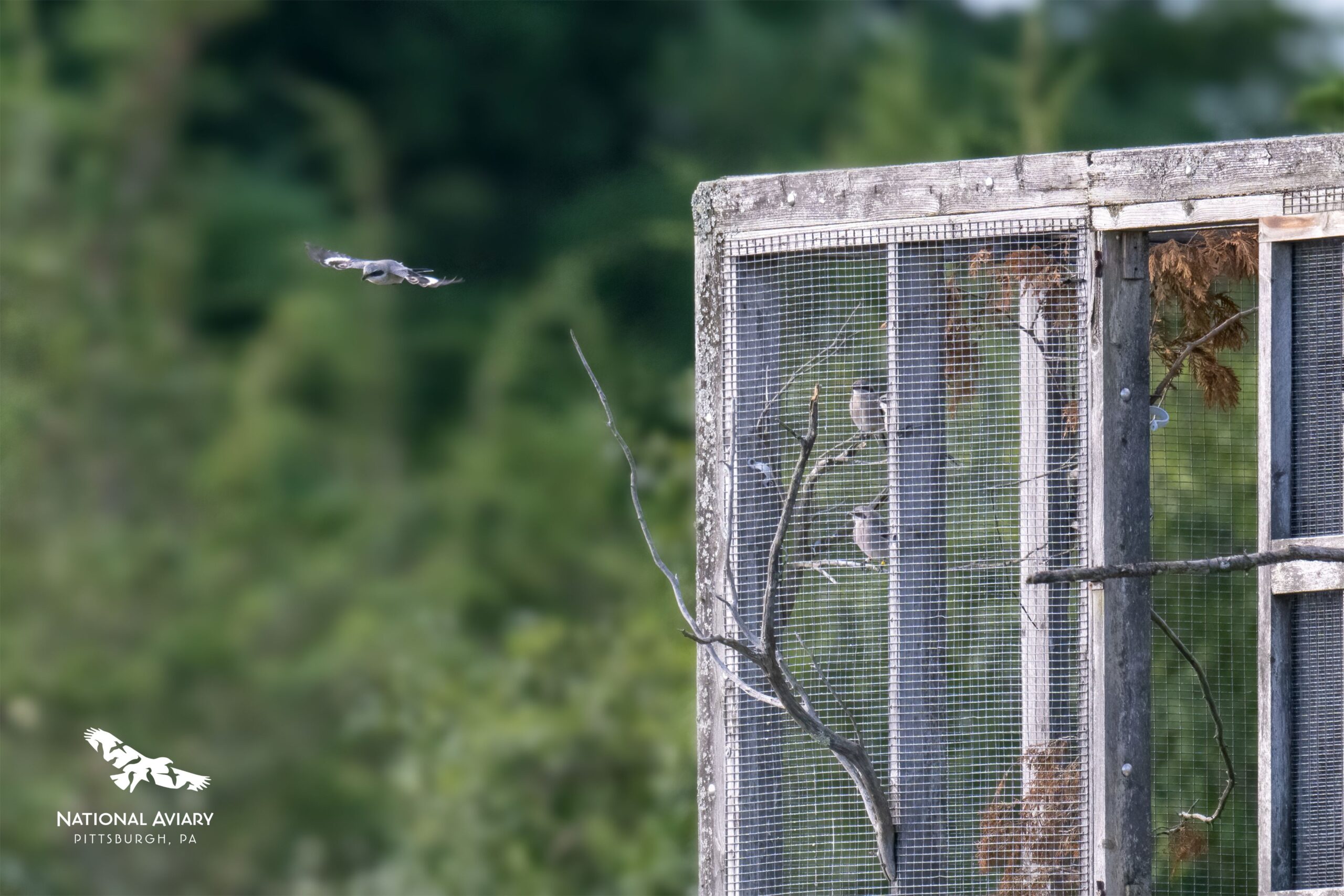
National Aviary in Pittsburgh receives $25K grant for protecting endangered species By WPXI.com News Staff February 05, 2026 at 12:02 pm EST PITTSBURGH — The National Aviary in Pittsburgh received a $25,000 grant from the Foxwynd Foundation to support the continued protection of endangered and at-risk bird species. The funding will be used for…
Learn More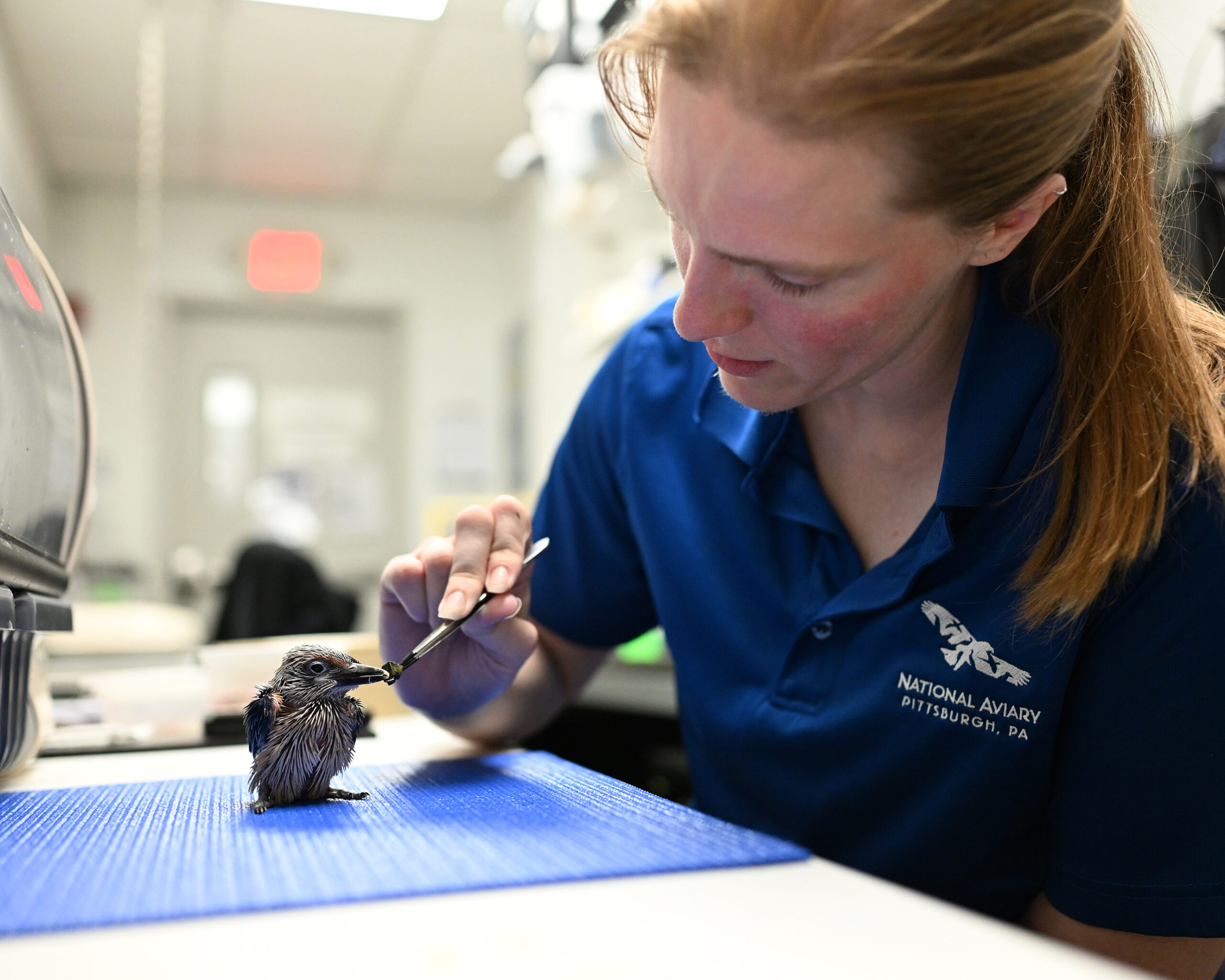
Pittsburgh’s National Aviary secures $25K to help endangered birds 90.5 WESA | By Ayla Saeed Published February 6, 2026 at 5:31 AM EST The Guam Rail is the second bird species ever to be downgraded from Extinct-in-the-Wild to Critically Endangered — with help from the work ongoing at the National Aviary. (Photo Credit: Jamie Greene/National Aviary)…
Learn More Pittsburgh, PA – The National Aviary is thrilled to announce the recent acquisition of a $25,000 grant from the renowned Foxwynd Foundation that will directly support the Aviary’s programming for Endangered and other at-risk species throughout the current calendar year and beyond. This grant was made possible through a Donor-Advised Fund (DAF) of the Foxwynd…
Learn More
National Aviary to take over Shady Side Academy middle school Michael DiVittorio TribLive Fri, Feb 21, 2025 • 08:01 AM A Shady Side Academy alumnus is helping the National Aviary find a nest for its next breeding and conservation center, teaching hospital and educational space. S. Kent Rockwell, a Fox Chapel resident and 1962 academy…
Learn More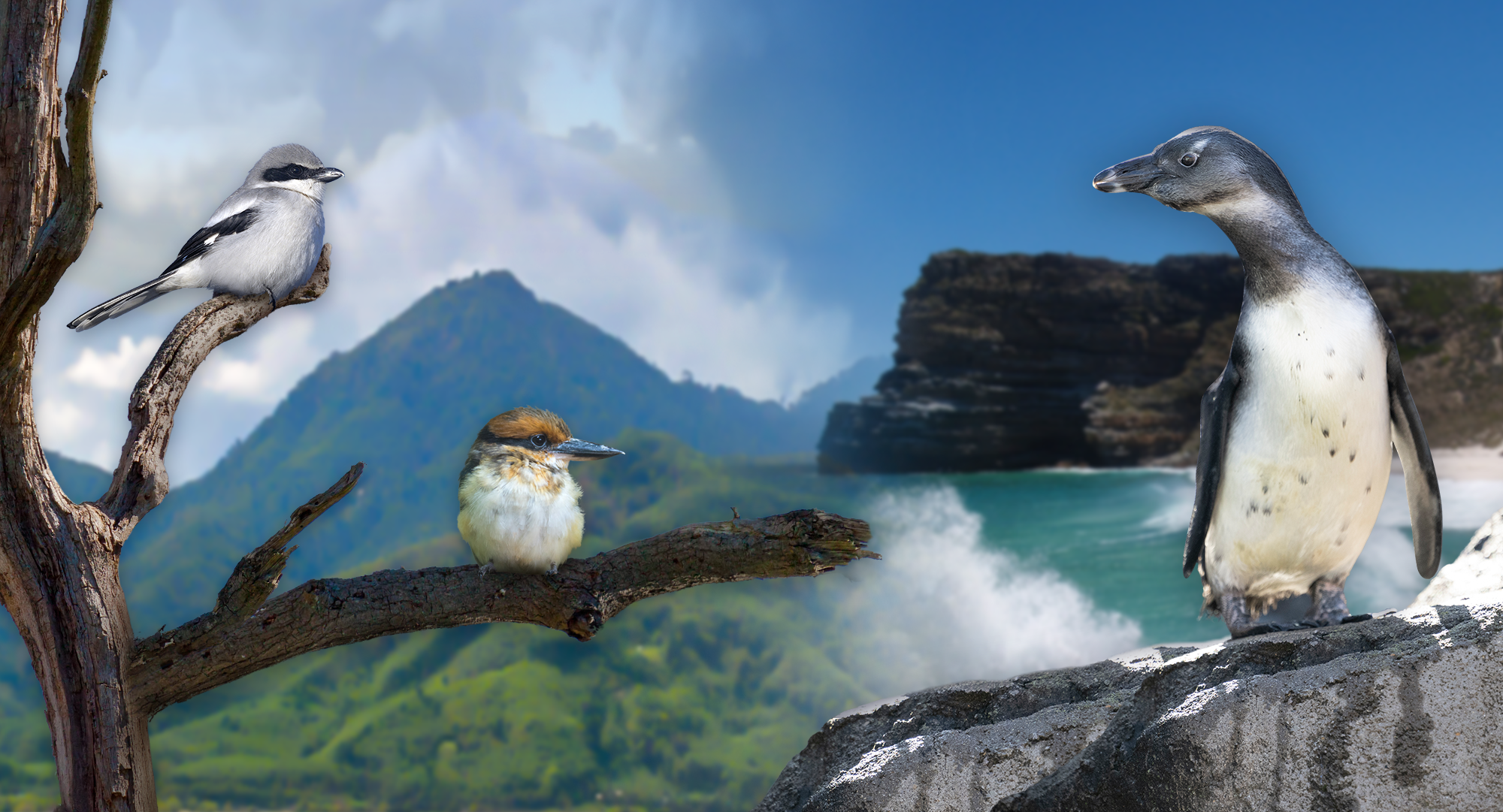
One of the ways in which zoos like the National Aviary conserve species is by working tirelessly behind-the-scenes to help ensure an increase of healthy populations for a variety of threatened bird species. Your help today can make this work possible.
Learn More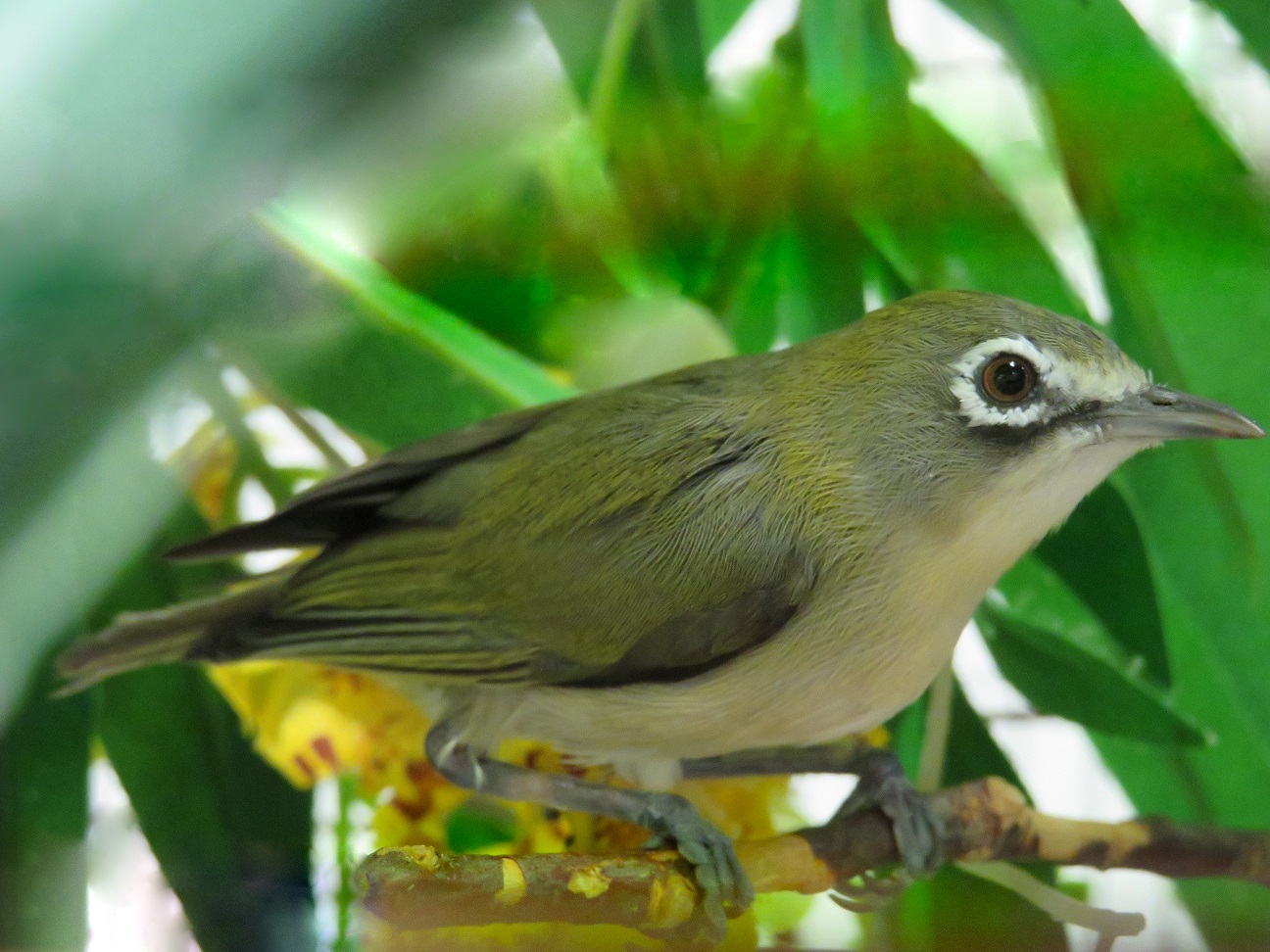
Meet Tasi, a tiny bird with a bubbly personality. Tasi is a Saipan White-eye, also known as a Bridled White-eye, a Critically Endangered species native to the Northern Mariana Islands. This species is threatened by the encroaching presence of an invasive snake–the same invasive snake species that ravaged the populations of Guam’s native birds, including…
Learn More