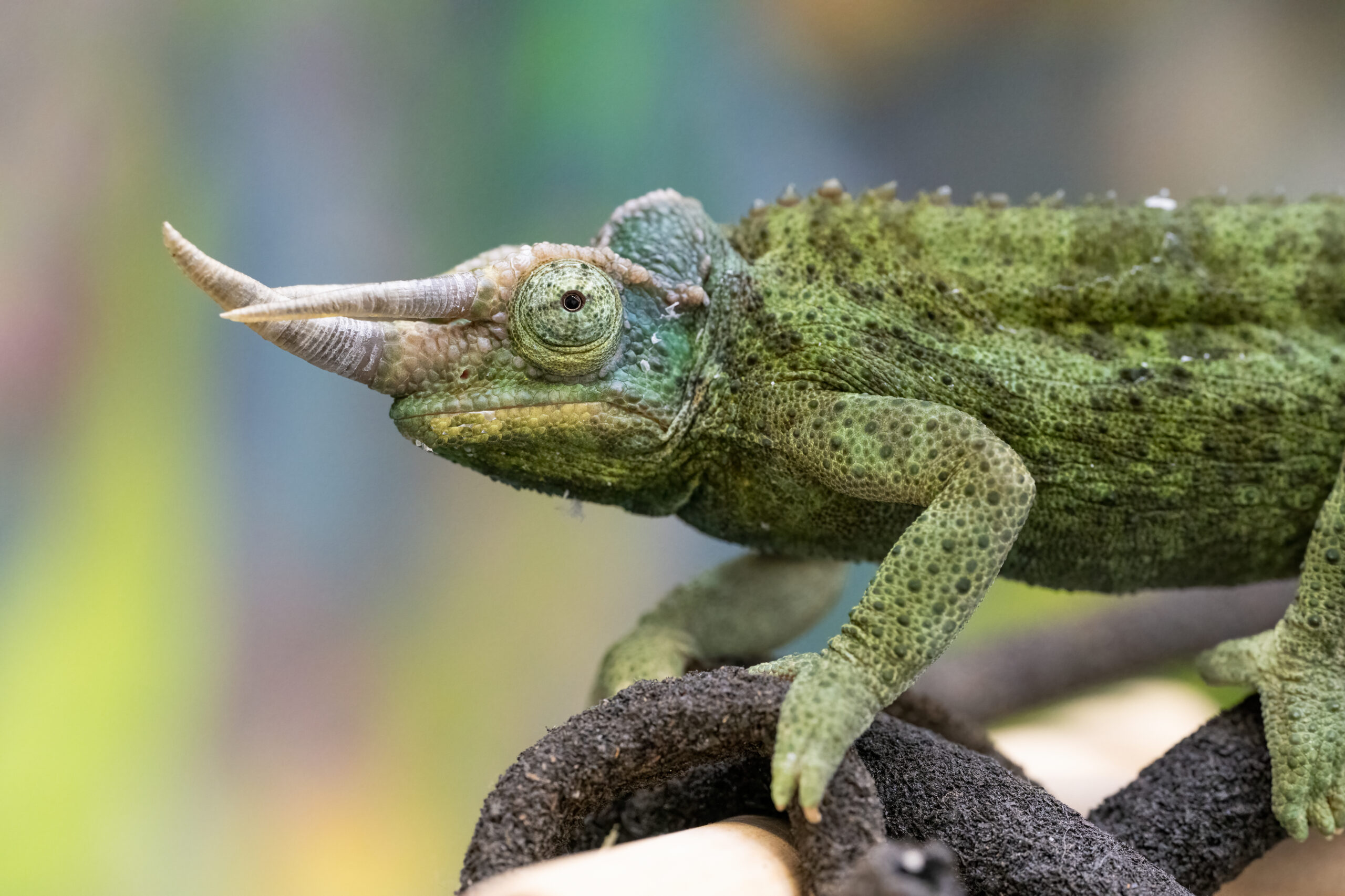
Measuring roughly 12 inches in length, Jackson’s Three-horned Chameleons live amongst tree canopies. Their prehensile tail – or a tail adapted to grasp or hold objects – allows them to grip tree branches. They are a dimorphic species – meaning it’s easy to tell males from females. Males are bright green-yellow and feature three, distinct…
Read More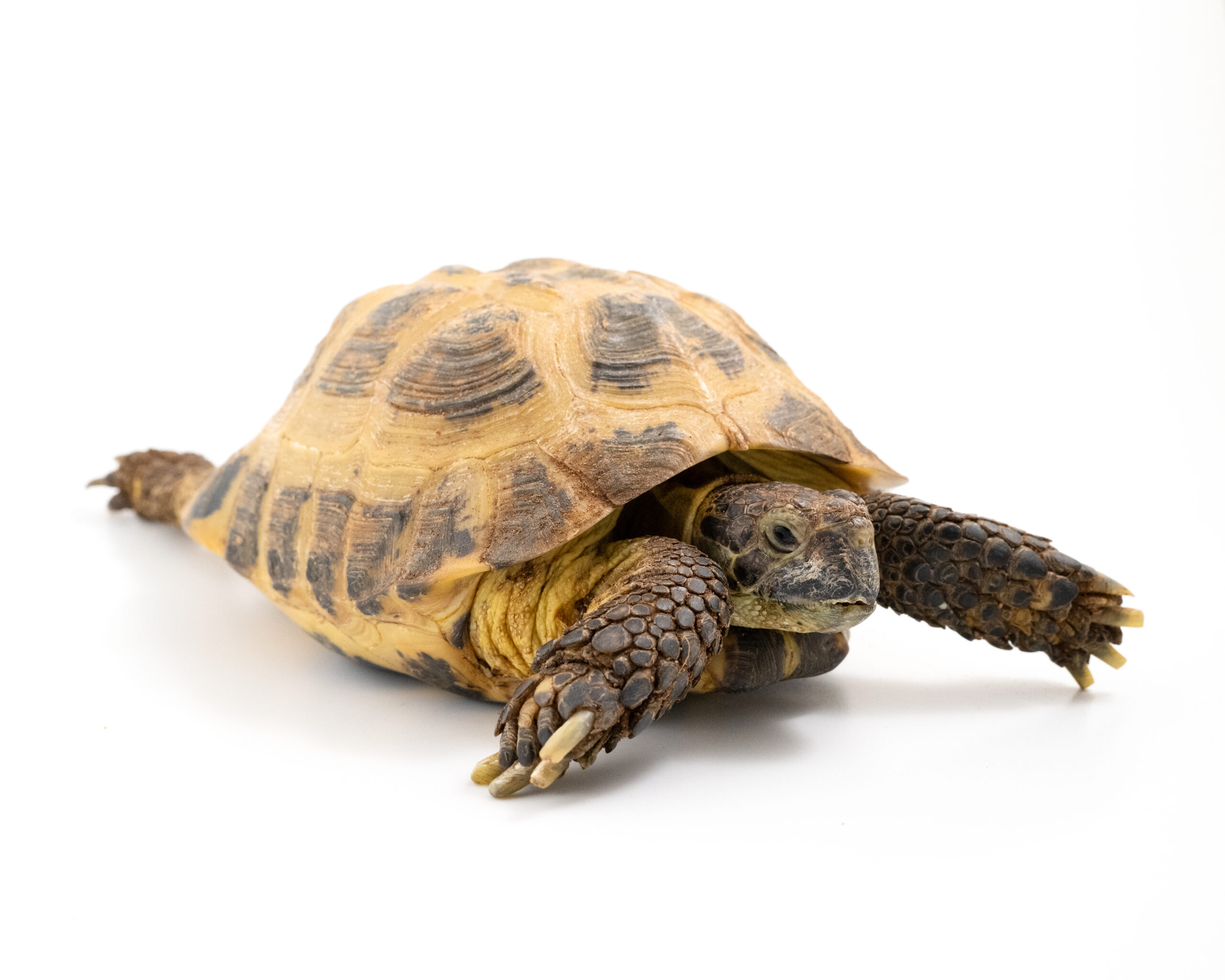
The Central Asian Tortoise thrives in dry, semi-arid regions with sparse vegetation. They are characterized by their domed, yellowish-brown to green shells featuring a distinct pattern of light and dark markings. They feed primarily on grasses, weeds, and some flowers and are well-adapted to surviving harsh environments. In their natural habitats, their diet helps control…
Read More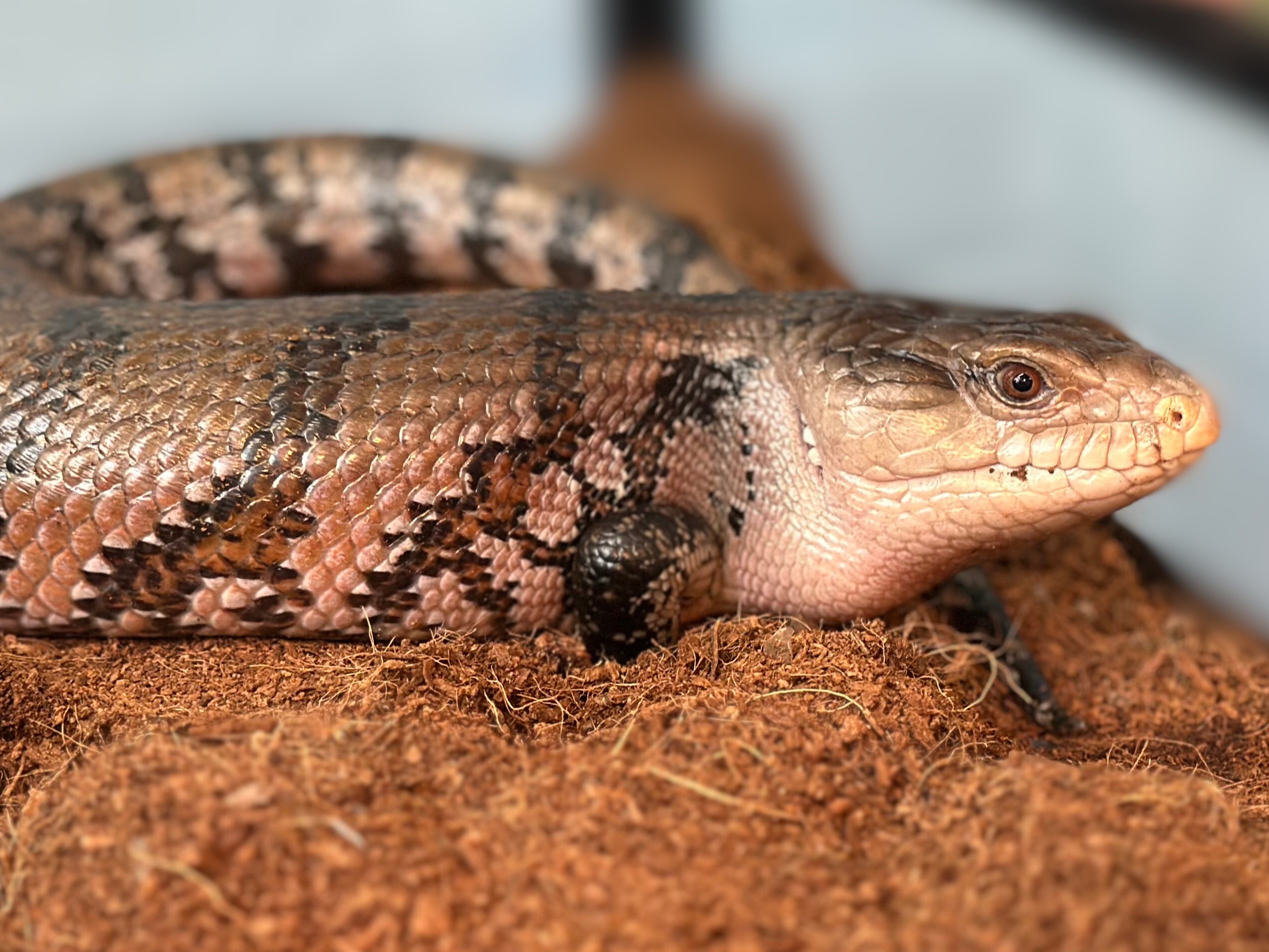
Native to northern and eastern Australia, as well as parts of New Guinea, New Guinea Blue-tongued Skinks are one of the largest skink species (measuring up to 24 inches long!). They have robust, stocky bodies, a triangular head, and sturdy limbs that are adapted for both climbing and burrowing. They are adorned with a mix…
Read More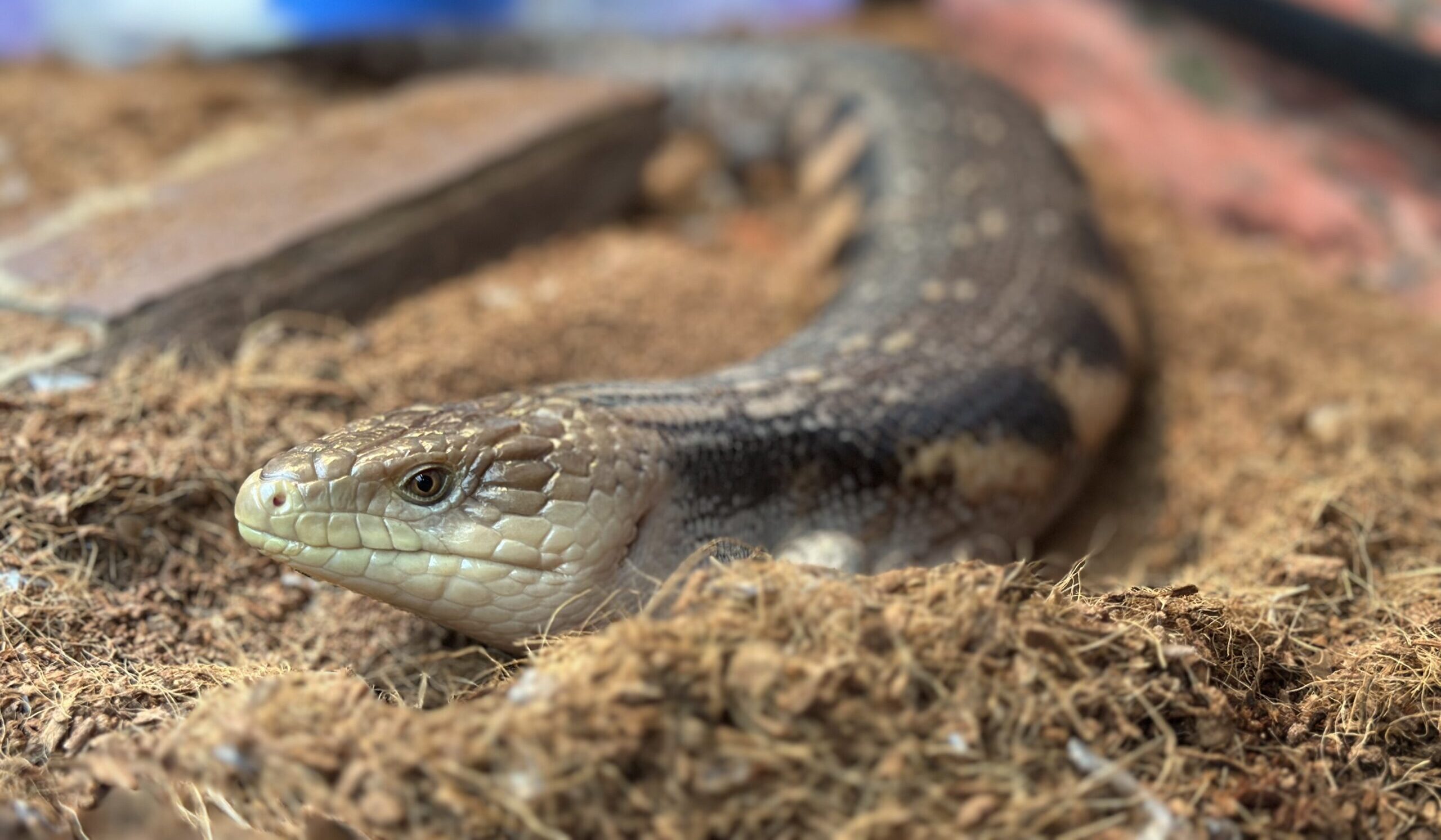
Named after their iconic, vibrant, blue tongue, the Blue-tongued Skink is a multi-faceted reptile. As an omnivore, Blue-tongued Skinks eat both plants and animals. While they aren’t poisonous or venomous, they trick predators into believing they are! In the wild, bright colors tend to indicate that an animal is toxic or venomous. As a defense…
Read More