Birding Expedition: Powdermill Nature Reserve and Avian Research Center
Sat., October 3 | 8:30 – 11:30 am | Members: $50; Non-Members: $55
Meet at Powdermill Nature Reserve and Avian Research Center
Meet at Powdermill Nature Reserve and Avian Research Center
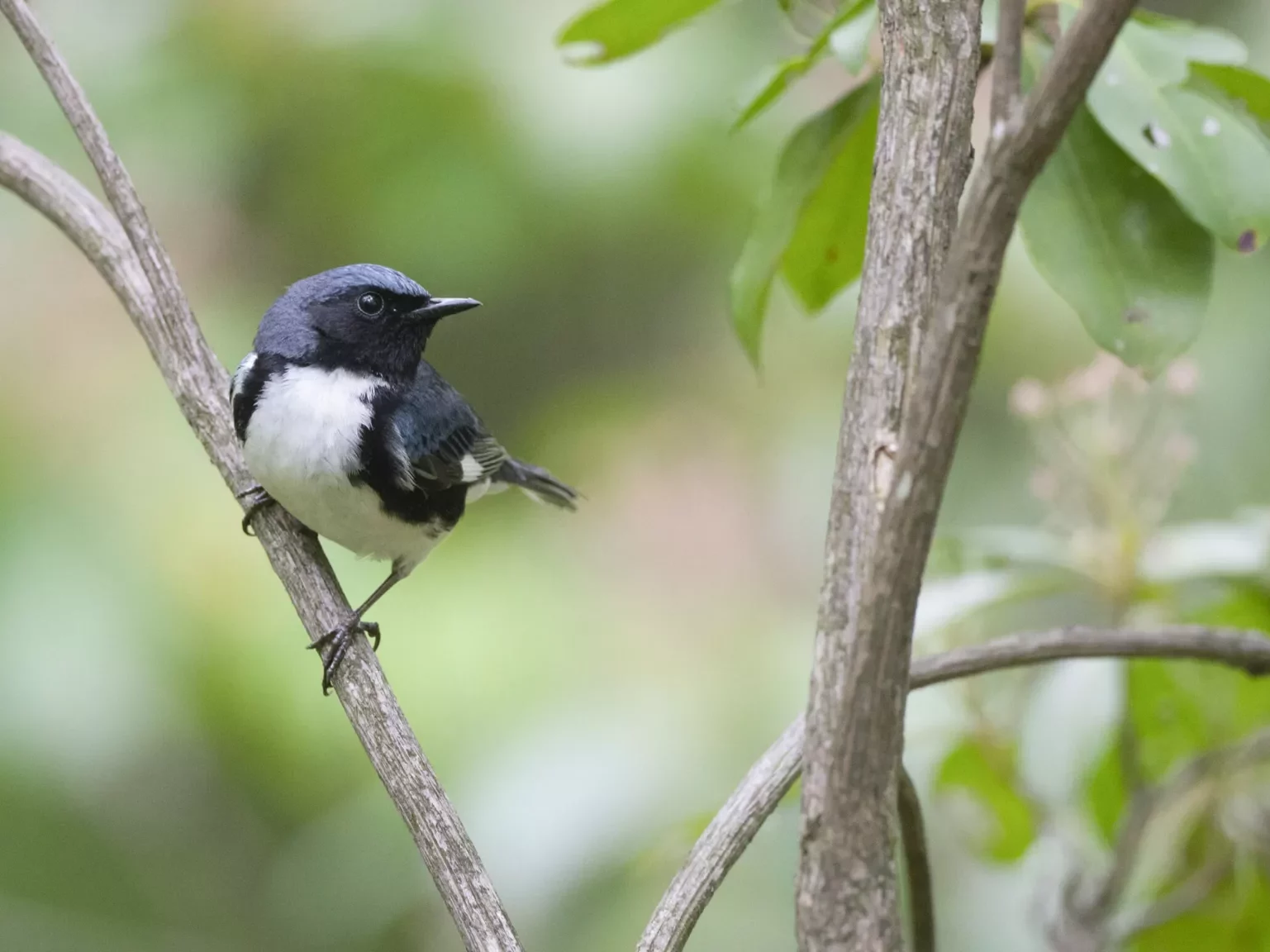
A photo-worthy day full of important conservation work, stunning views, and beautiful birds! Begin your day at the Powdermill Avian Research Center (PARC), part of the Carnegie Museum of Natural History’s Powdermill Nature Reserve. Here, you can watch skilled ornithologists gently capture, band, and release wild birds—an up-close look at avian research and conservation in action. It’s a rare chance to see warblers, thrushes, and other songbirds just inches away while learning about migration and habitat studies.
Join the Aviary to zoom in on birds like warblers, thrushes, vireos, and flycatchers with Ornithologist Bob Mulvihill and Educator and Photographer Mike Faix, who will be able to provide interesting information and birding tales appealing to kids and adults alike. Bring your own binoculars, or borrow an Aviary pair that we'll help you use!
Afterward, we continue our adventure into the Laurel Highlands with a visit to the Spruce Flats Bog, a unique high-elevation wetland surrounded by spruce and tamarack trees. A short boardwalk trail leads you through mossy hummocks and quiet pools where we may spot migrant birds on their journey south.
Birding Expeditions are open to participants 6 years and older. Those under 16 must be accompanied by a registered adult. Binoculars will be available to borrow.