
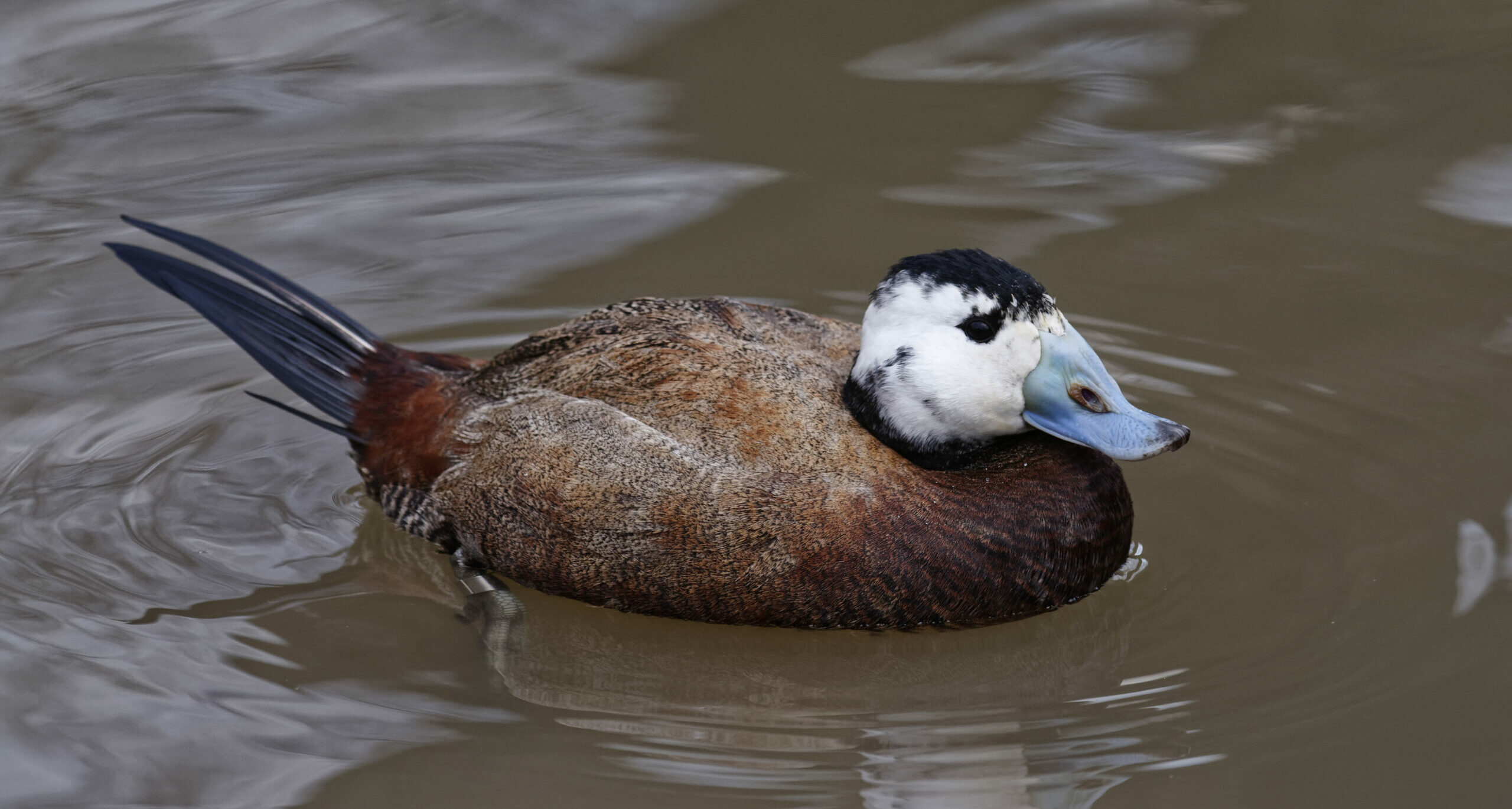
These birds are unique in that the females look different than the males, showcasing the beauty of dimorphism. But that’s not all – their prominent bills and gorgeous plumage make them a sight to behold. White-headed Ducks are also impressive divers! They engage in extensive feeding at night, feasting on mideg larvae, and can remain…
Read More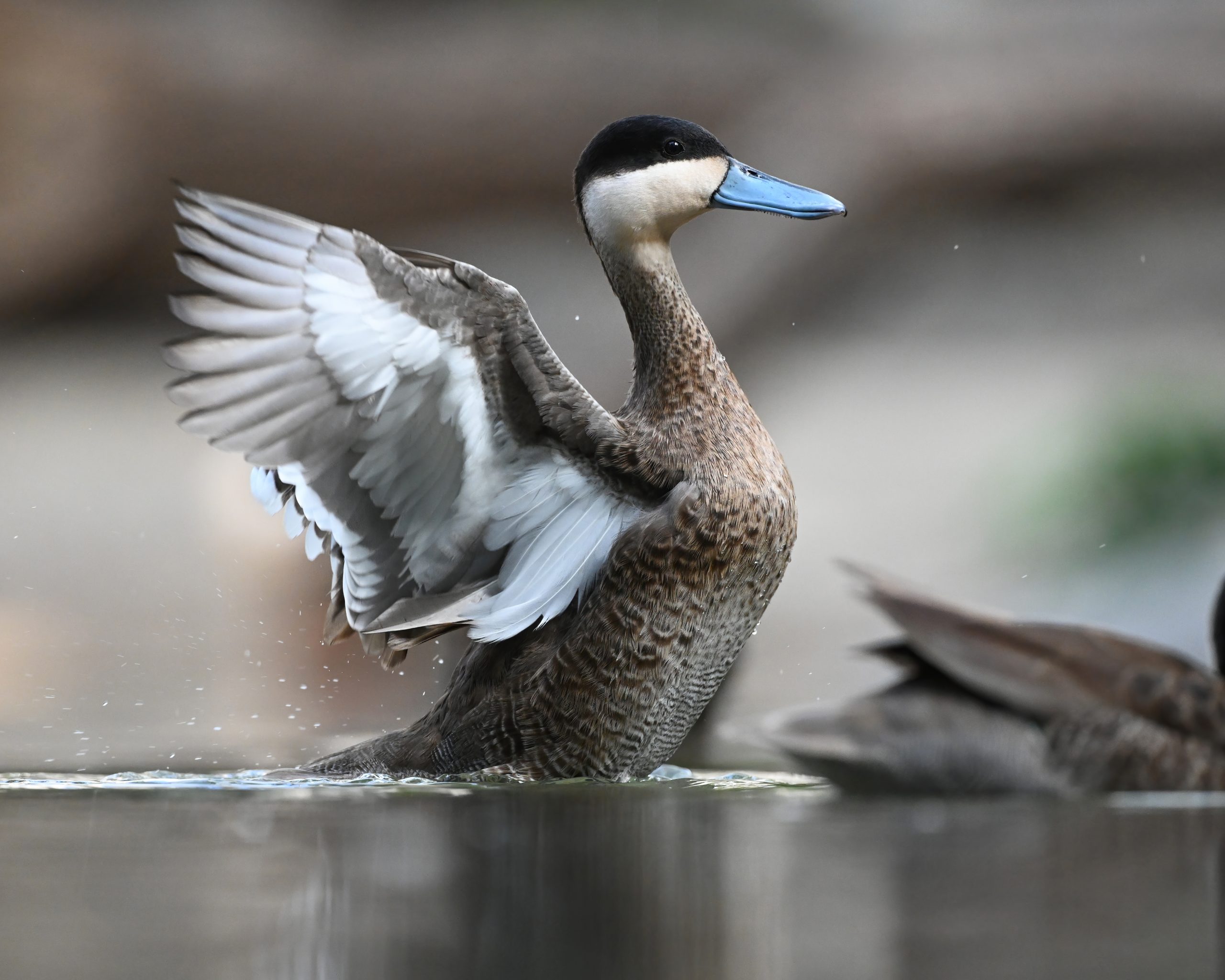
Puna Teal are dabbling ducks that feed by tipping up and reaching down into shallow water and are commonly found on bogs, lakes, and wetlands in the high Andes Mountains. Male and female Puna Teal look alike and sport a blue bill and a crisp, black cap, though males tend to be slightly brighter.
Read More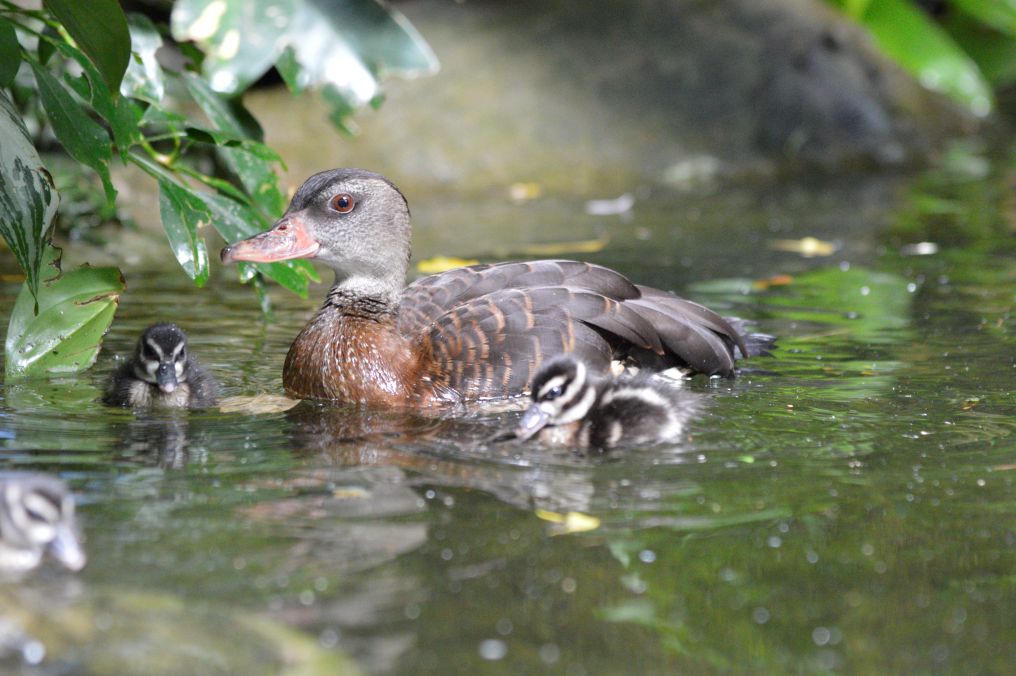
The Spotted Whistling-Duck is a distinctive duck species found in Southeast Asia. Also known as the tree duck, it has long legs and a long neck compared to other ducks, and is very comfortable perching high up in trees. They favor low-lying wetlands, where they both dabble and dive for food, which includes seeds and…
Read More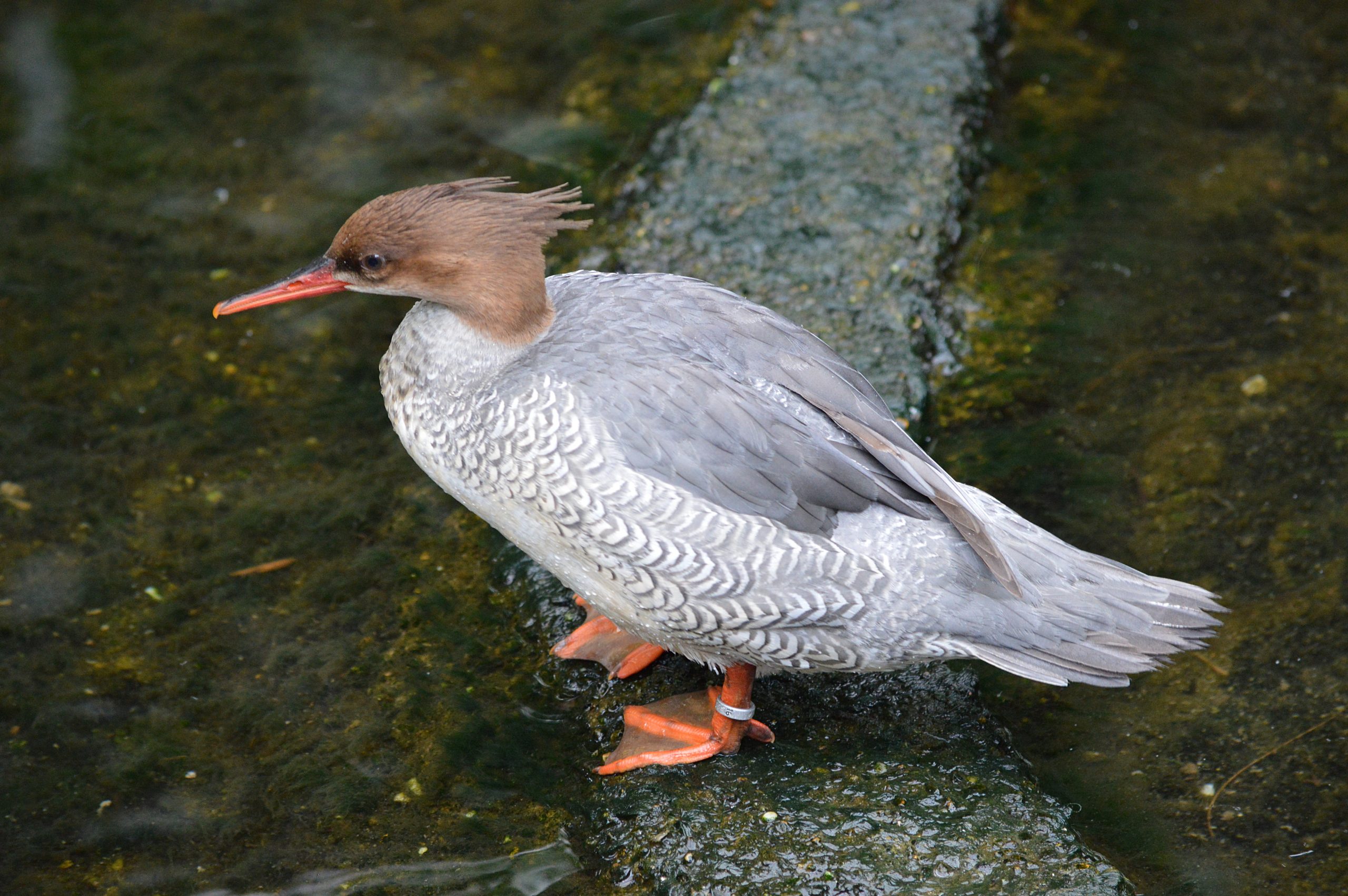
The Scaly-sided Merganser is a diving duck that breeds in Siberia, northern China, and Korea, and winters in southern China and in Russia. This species makes its home along clear, fast-flowing mountain rivers and forested streams in the taiga, a swampy coniferous forest between the tundra and the steppes. Scaly-sided Merganser females sometimes end up…
Read More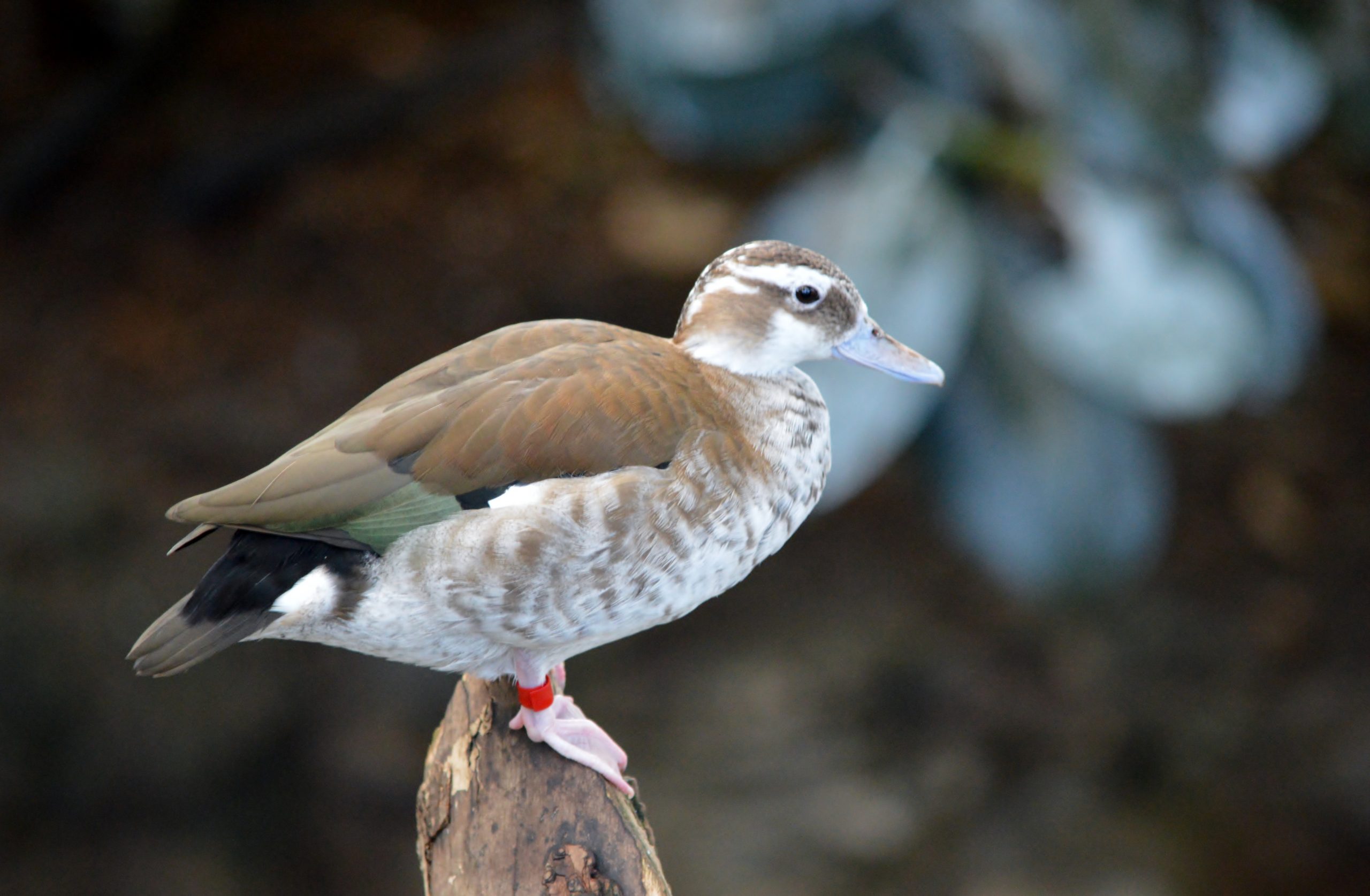
The Ringed Teal is a colorful dabbling duck of South American forests where it favors swampy tropical forests and marshy clearings in well-wooded lowlands. Although its diet is not well known, it probably includes mostly seeds, other vegetable matter, and aquatic insects. A cavity nester, the Ringed Teal forms very strong pair bonds that can…
Read More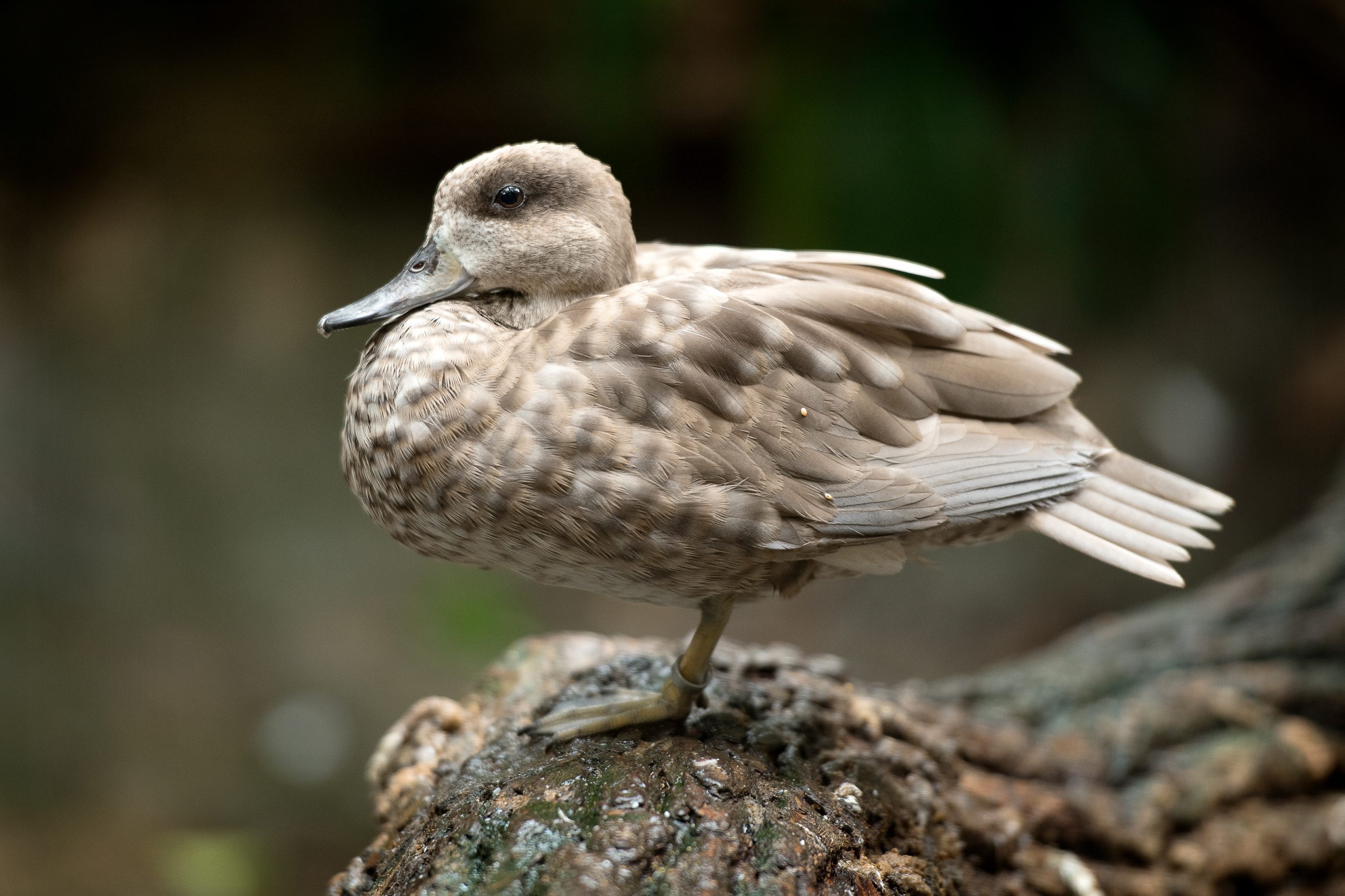
The Marbled Teal is a duck of the Mediterranean region, particularly fond of shallow brackish and freshwater pools with abundant emergent vegetation. This is an omnivorous dabbling duck, eating seeds, roots, tubers, and green parts of aquatic plants, as well as aquatic invertebrates like midge larvae. The Marbled Teal is threatened by over-hunting, and by…
Read More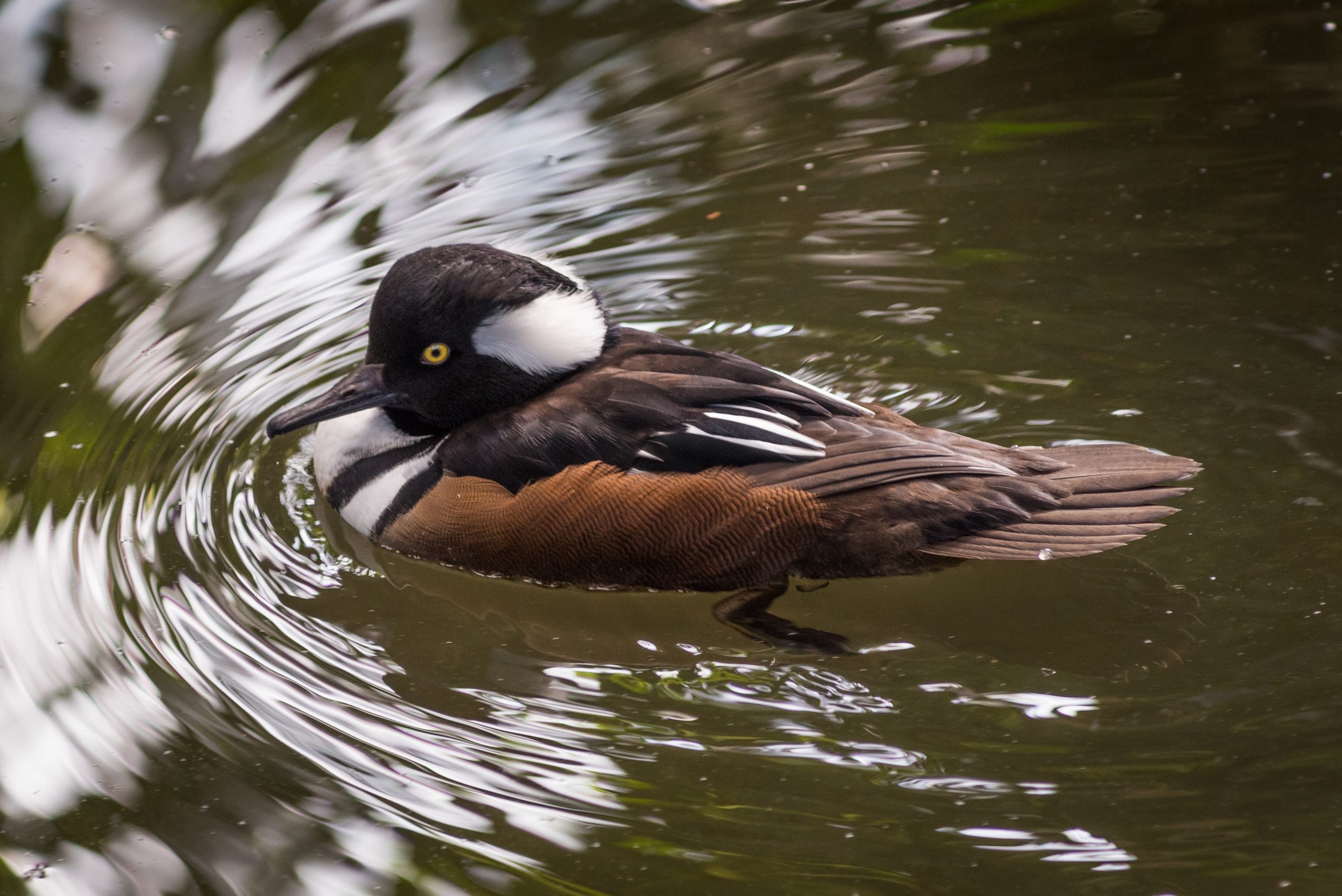
The Hooded Merganser is a showy diving duck with a distinctive head crest and bright eyes. The smallest of the three merganser species found in North America, the Hooded Merganser is found throughout most of the continental United States and southern Canada. The serrated edge and hooked tip of its bill helps the Hooded Merganser…
Read More
A very common dabbling duck of the Nearctic region, and introduced elsewhere where it is sometimes considered an invasive pest, the Mallard occurs on almost any body of shallow water, but especially those with submerged or floating vegetation. In the breeding season the Mallard eats mostly animal foods such as aquatic insect larvae and snails,…
Read More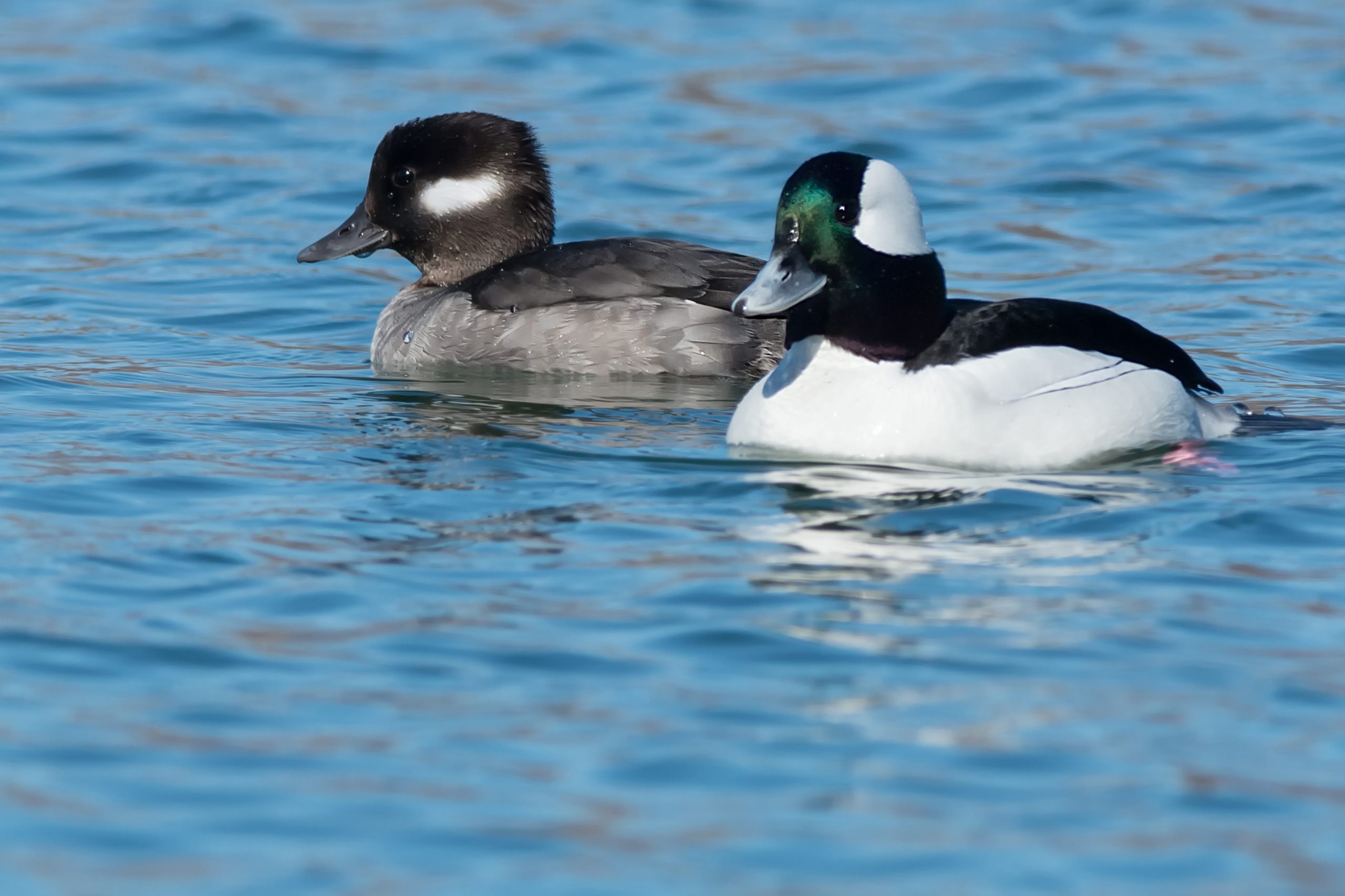
The Bufflehead is a small, handsome resident of permanent freshwater ponds and lakes within the boreal forest and aspen parkland zone of North America. The smallest duck species in North America nests in old woodpecker cavities in poplar, spruce, or fir trees near water. This duck is small enough to fit in the nest cavities…
Read More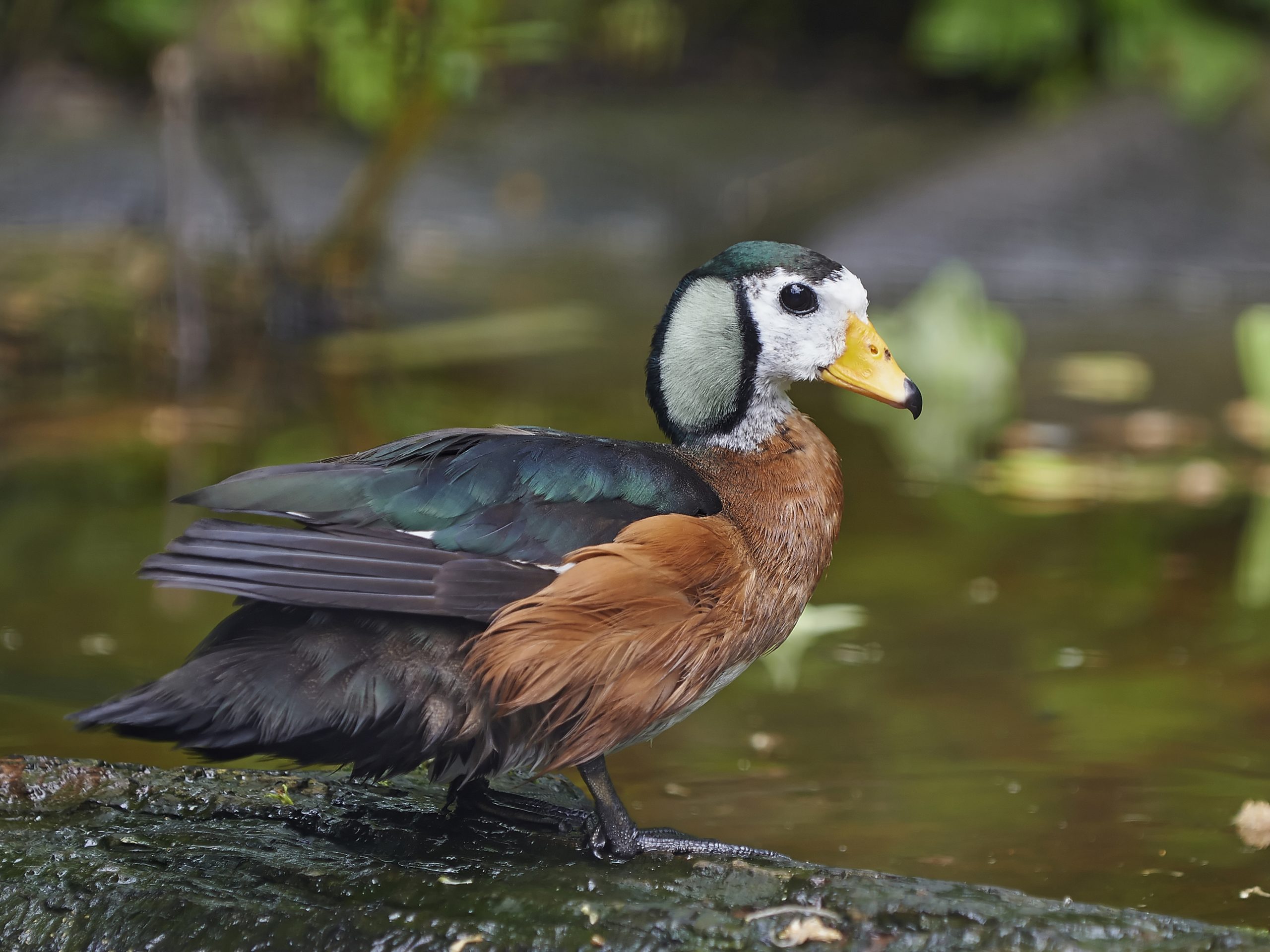
Weighing just over half a pound, the African Pygmy-Goose is the smallest species of waterfowl in the world! This goose inhabits swamps, marshes, shallow freshwater lakes, and slow-flowing rivers in Africa which have abundant aquatic vegetation. Here it feeds primarily on seeds, leaves, and flowers of various aquatic plants, and nests in a variety of…
Read More