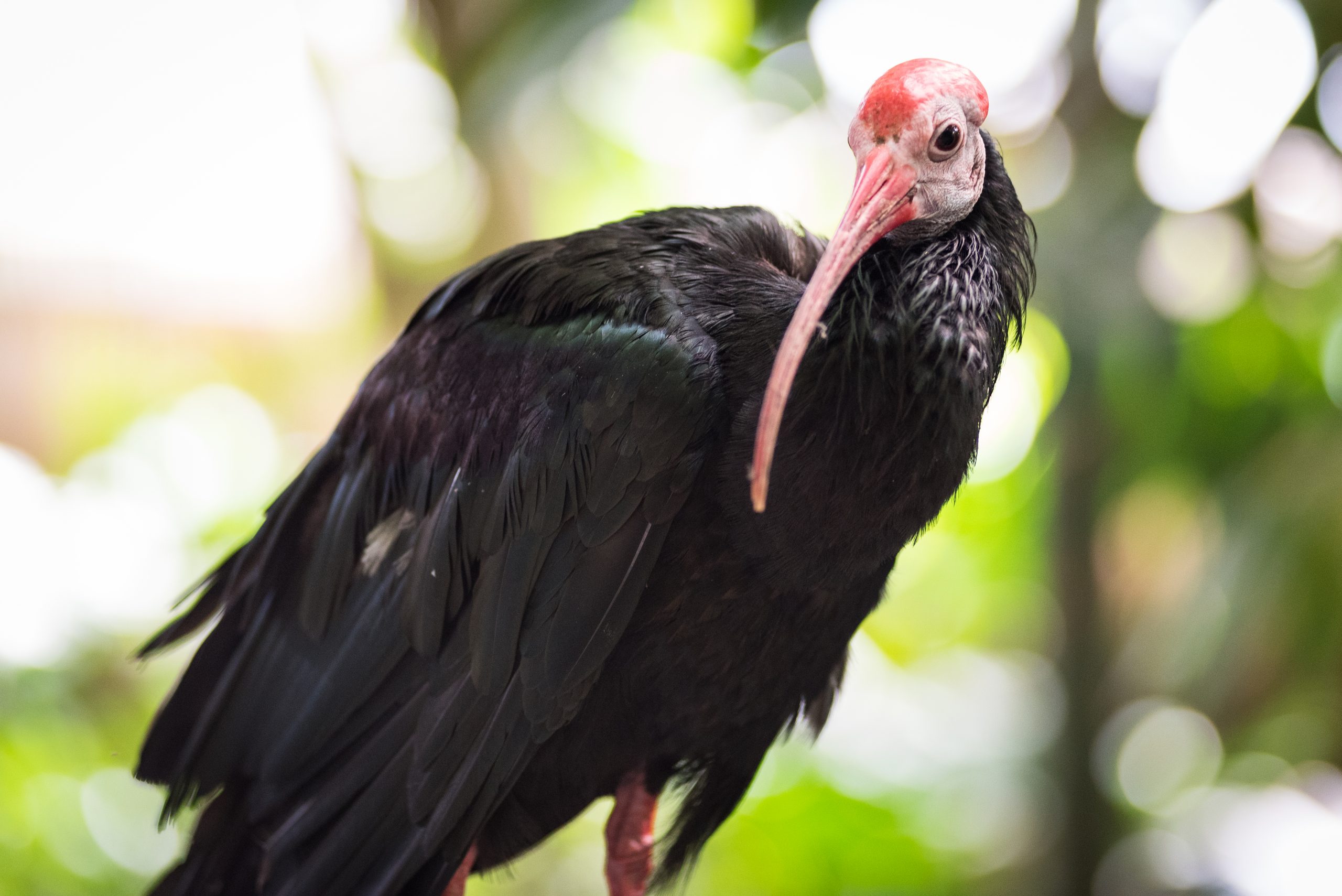
The Southern Bald Ibis is a gregarious, glossy bluish-black ibis restricted to the southern tips of South Africa. This ibis resides in mountainous regions, where it prefers higher elevation short-grass habitats, as well as recently burned, plowed, mowed, or heavily grazed fields and cultivated lands. In these grasslands, the Southern Bald Ibis feeds frequently in…
Read More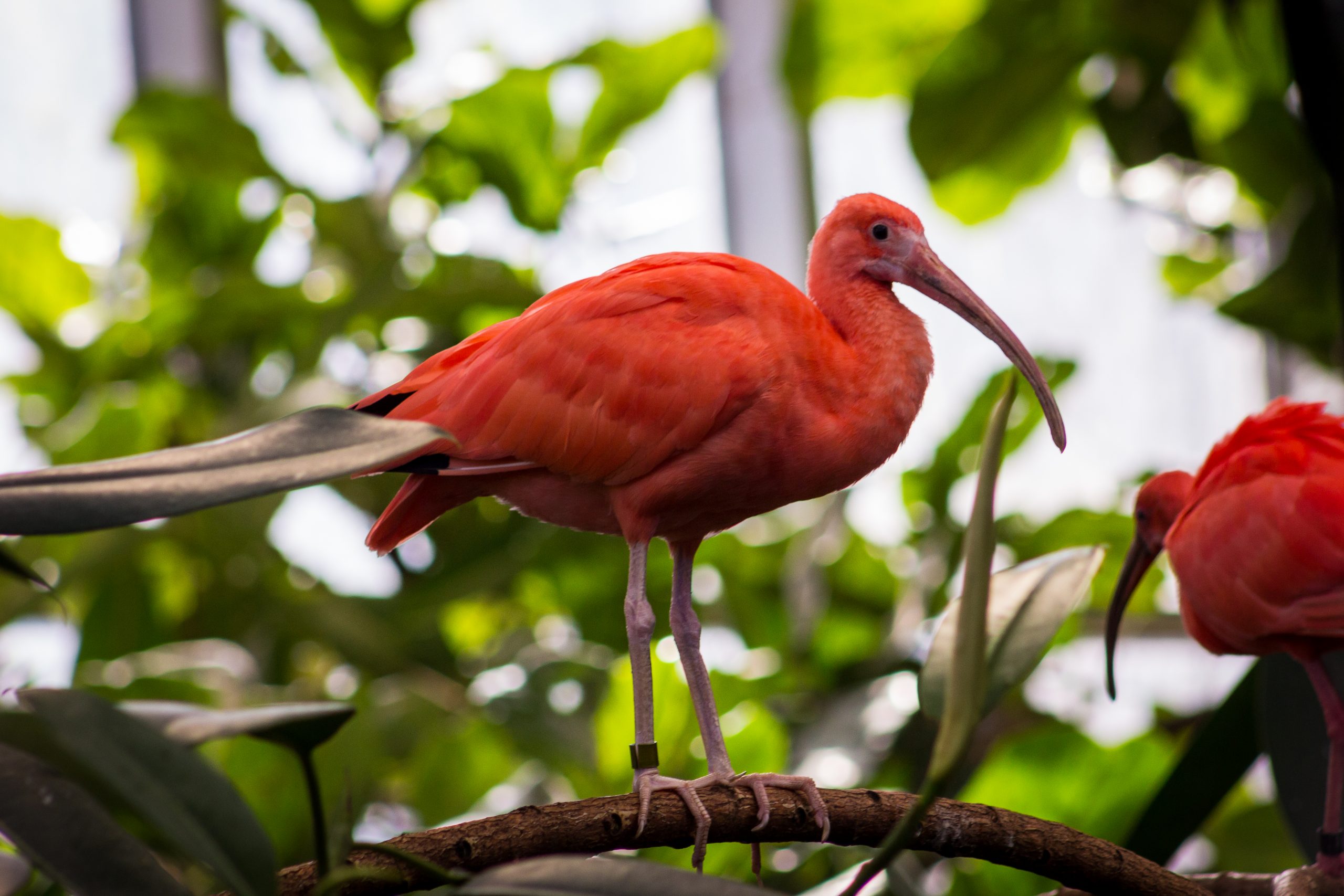
Scarlet Ibis are beautiful birds noted for the vibrancy of their namesake scarlet feathers. These bright birds are found in mangrove swamps and wetlands of northern South America, feeding on crustaceans as they wade through water. Like other ibis species, the Scarlet Ibis is very social, and sometimes even forages with other species like herons…
Read More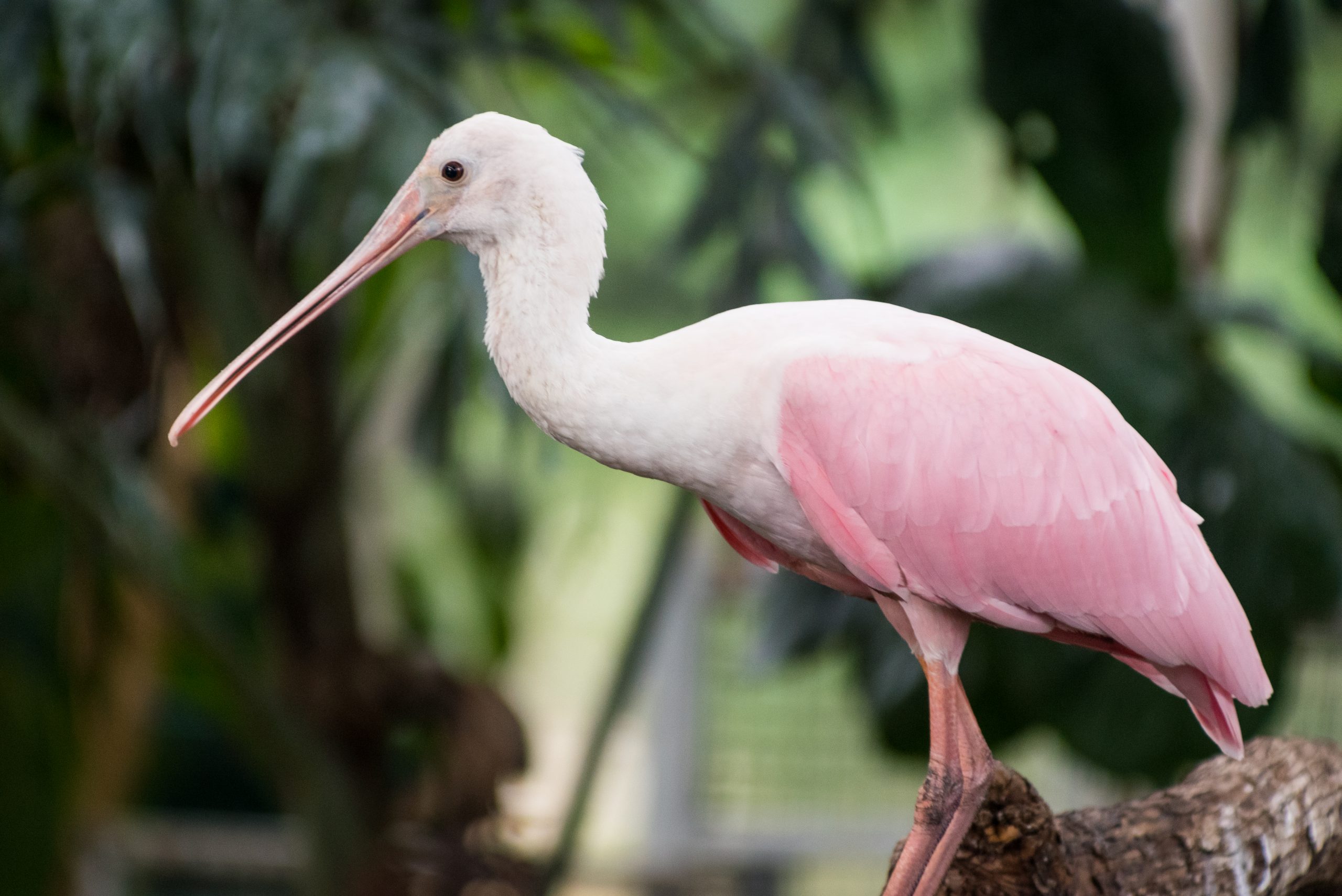
Roseate Spoonbills are distinctive birds with pink plumage with a uniquely shaped bill that gives them their name. Their long, flat bill is rounded at the end like a spoon, and they use it to scoop up small crustaceans as they slowly walk through shallow water. These small crustaceans are also the source of the…
Read More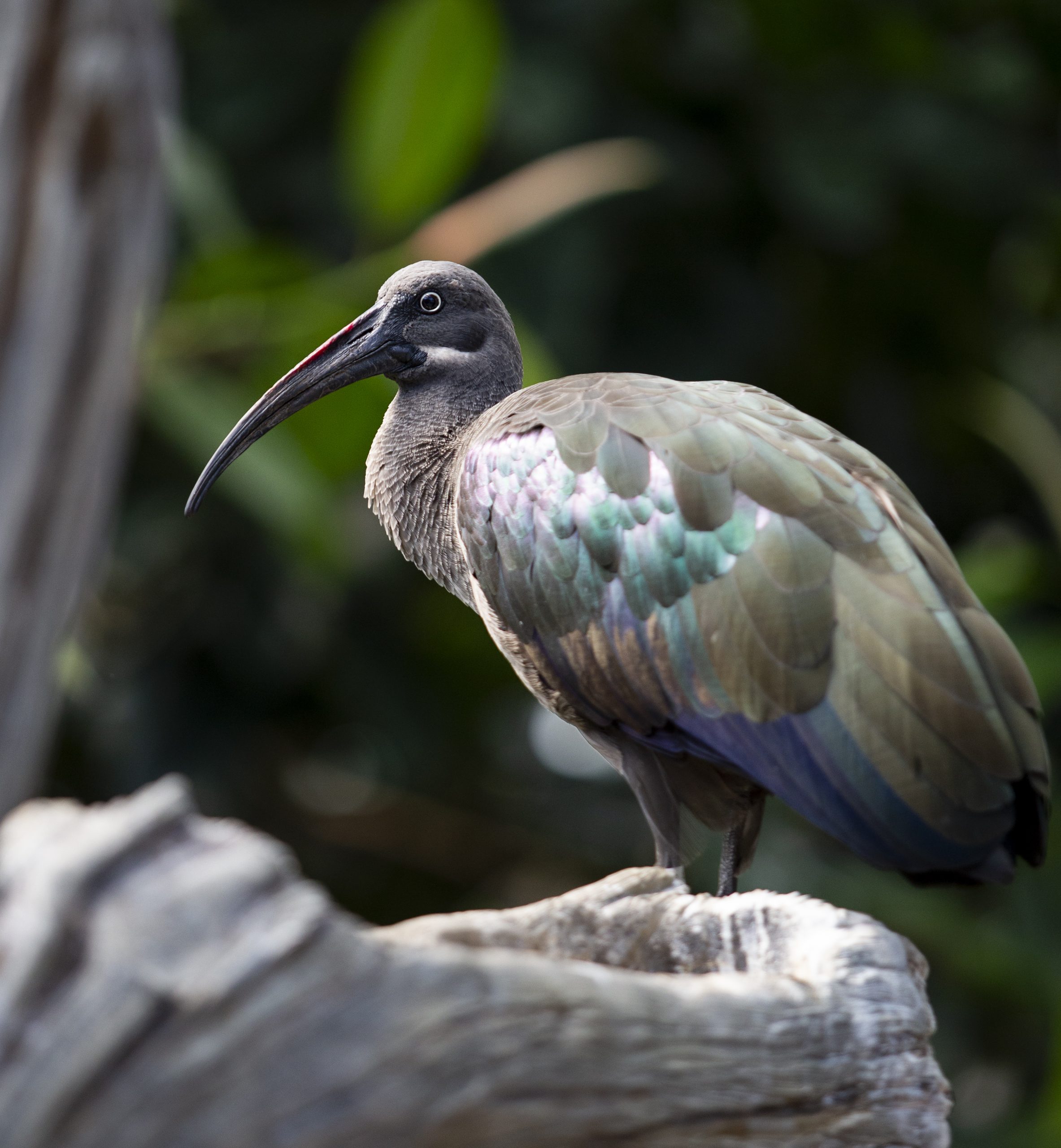
The shimmery feathers of the Hadada Ibis isn’t the only attention-grabbing feature of this bird: its loud call can be heard echoing through the Wetlands! Hadada Ibises are found in sub-Saharan Africa in a variety of habitats and often in close proximity to humans. This medium-sized ibis uses its long, curved beak to probe the…
Read More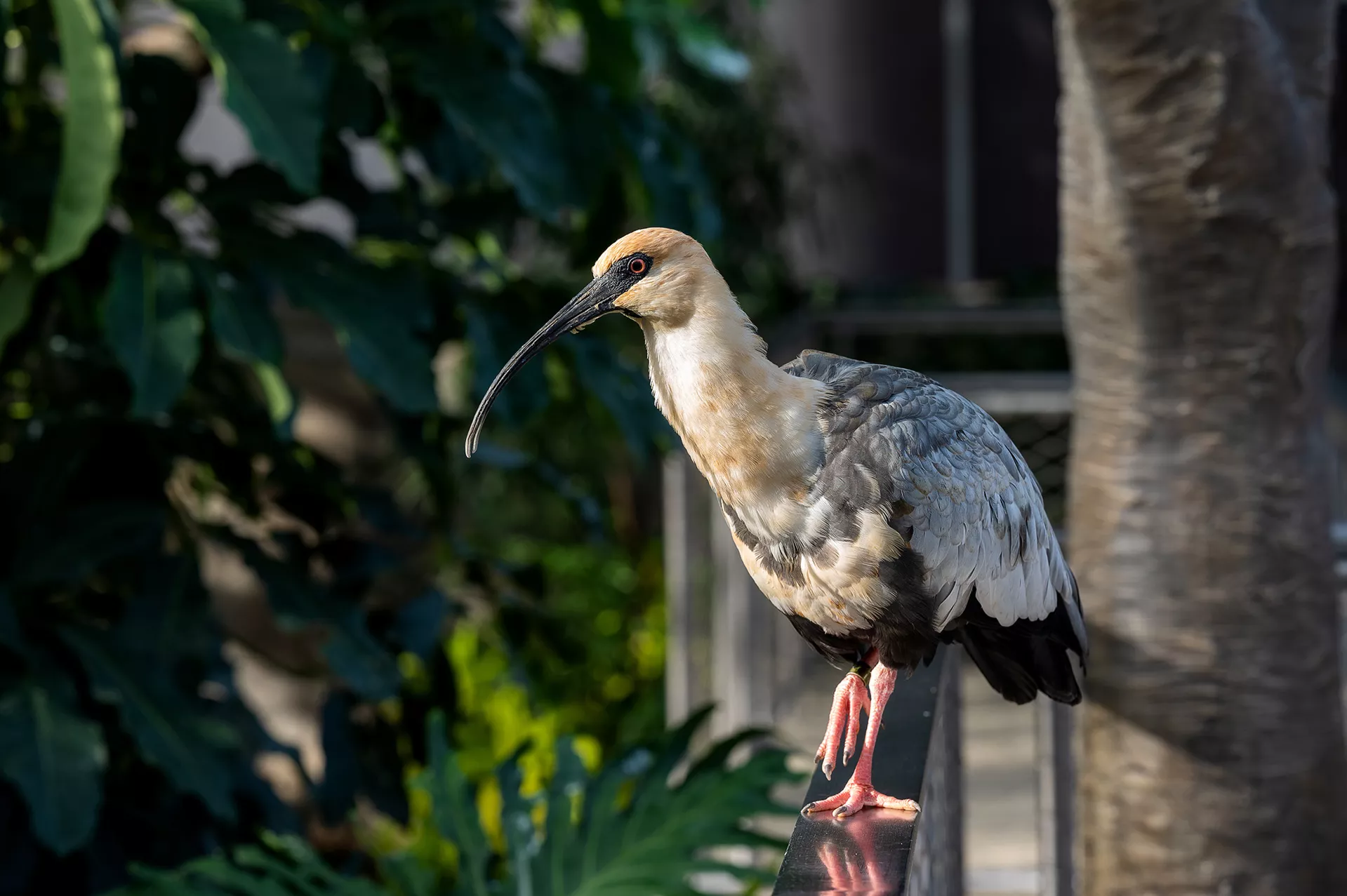
The Black-faced Ibis is found throughout open fields and meadows in southern South America. Black-faced Ibises are sociable birds, often nesting in colonies of up to 50 pairs, and sometimes among other species like Black-crowned Night-Herons or cormorants. They may feed alone or in small flocks, and their diet consists of insects and occasionally frogs,…
Read More