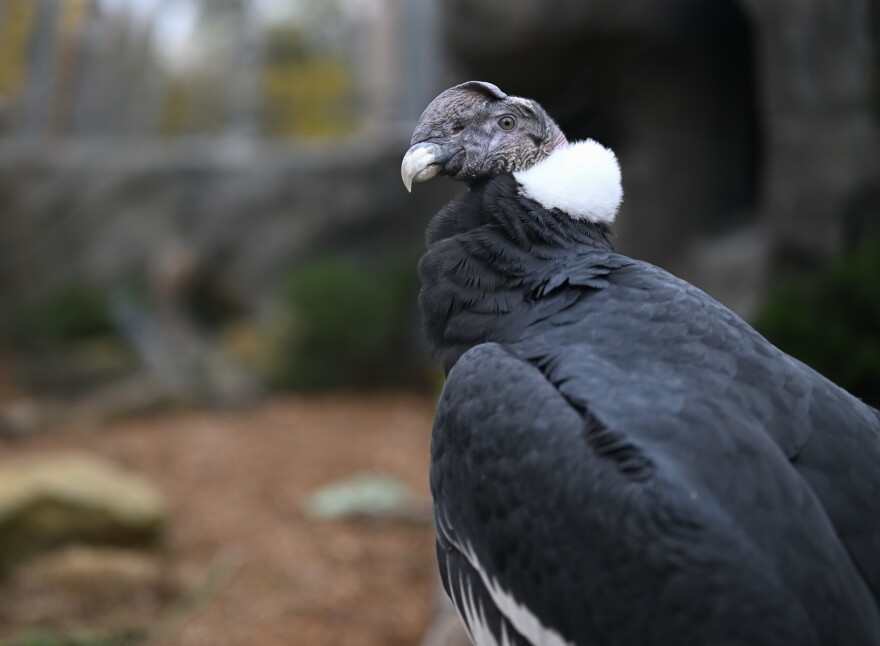
The National Aviary publicly welcomed a new, male Andean Condor named Bud to Pittsburgh this week.
Traveling from the Dallas Zoo, the male Andean Condor arrived at the Aviary sometime in September and underwent a quarantine and checkups before slowly being introduced to his new habitat.
The Andean Condor is a threatened vulture species from South America; it’s critically endangered in Ecuador. The Aviary, which is a part of the Association of Zoo and Aquarium’s Species Survival Plan for Andean Condors, hopes the male will play a role in the conservation of the species as he is a potential mate for the Aviary’s female condor, Lianni.
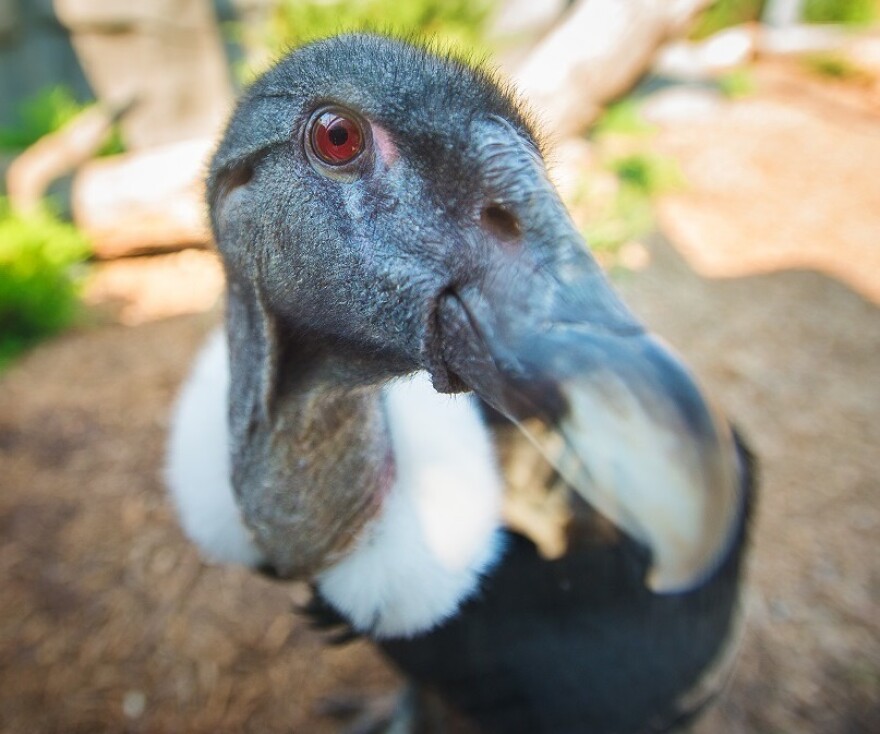
Lianni, the Aviary’s first Condor, has previously produced offspring that were transported to South America as part of conservation efforts.
Sylvia Ronquillo, assistant manager of animal care who oversees the condors, said the potential new pair is still adjusting to living in the same habitat.
“These are birds that live incredibly long lives,” Ronquillo said. “They can easily live into their 50s.”
Bud is 43 years old; Lianni is almost 40.
“Sometimes they might take a while to get to know each other. And so we expect it may take a couple of years, probably before they start going into reproduction. But that being said, hopefully they’ll surprise us,” Ronquillo said. “If it is a good match, then hopefully we have a successful hatch. And that will contribute to the North American population of Andean condors.”
The National Aviary helps with conservation in three ways, according to Ronquillo. These include facilitating research on the species both in North America and in the native habitat, partnering with the Bioparque Amaru in Cuenca, Ecuador, and participating in the Species Survival Plan by pairing condors for reproduction.
“Should anything ever happen to their wild populations in South America, we have a good, genetically sound population here,” Ronquillo said.
Now residing in the Condor Court habitat at the National Aviary, Bud is one of four Andean Condors in Pittsburgh.
People can symbolically adopt the new male Andean Condor and support conservation efforts at Aviary.org.