Conservation in Flight: A Partnership Saving Condors
The National Aviary has a long-term, strategic partnership with Bioparque Amaru, a wildlife conservation center in Cuenca, Ecuador. These joint efforts focus on Andean Condor conservation research, education, breeding, and healthcare.
Help Our EffortsInternational Travels
Over the last several years, Aviary veterinarians and animal care staff have traveled to Ecuador to work at the wildlife rescue center and assist with field biology studies tracking condor populations, establish a wildlife hospital, and organize successful condor breeding programs.
Learn more about our efforts in returning Valentino, a male Andean Condor injured in the wild, back into his natural habitat, here!
Growth in Conservation
We have also helped to grow Amaru’s Selva Eterna Reserve in the Amazon Rainforest! We recently acquired funding obtained through an International Union for Conservation of Nature (IUCN)’s Land Acquisition Fund grant, which will allow for a substantial land expansion for the reserve.
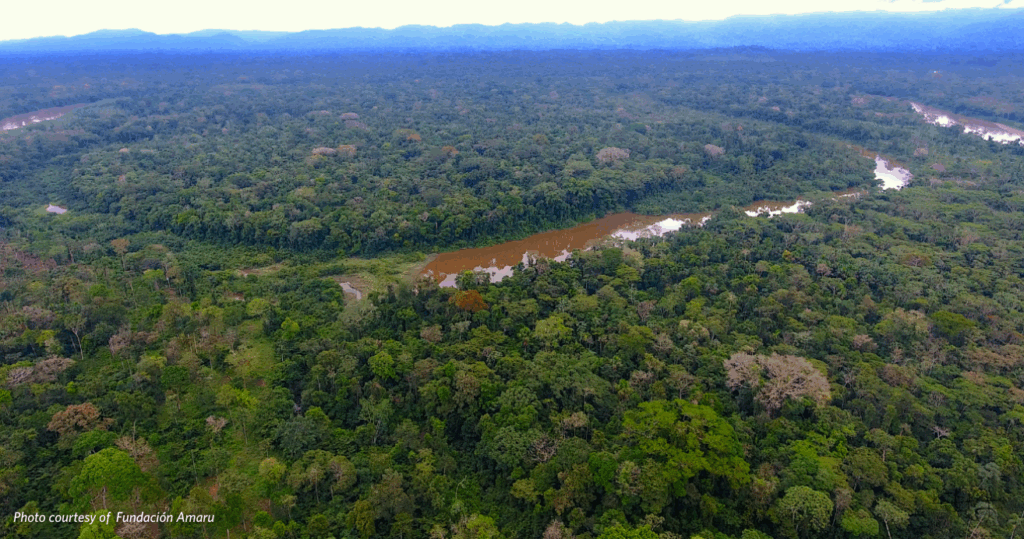
With this grant, we are now able to purchase two plots of land, totaling almost 155 hectares (nearly 400 acres!), that will support the continued preservation of the Amazon Rainforest from human-caused threats. The grant also includes funding that will be used to strengthen educational programs on the ground in southern Ecuador.
We are beyond proud to have a strong presence in the Amazon Rainforest for research and conservation work. We are also able to further promote an essential bio-corridor of connectivity between Peru and Ecuador, while expanding protections over one of the most biodiverse areas in the world.
Collaborative Conservation Work and Veterinary Care
In the summer of 2024, we were pleased to welcome Amaru’s Executive and Conservation Director, Ernesto Arbelaez, and Veterinarian, Dr. Rubi Carpio, during two separate National Aviary visits. Ernesto presented an intriguing Members Talk, alongside a lecture for Aviary staff on the multifaceted work taking place in Ecuador. Both highlighted how conservation efforts help wildlife populations recover from decline from human disturbances such as deforestation.
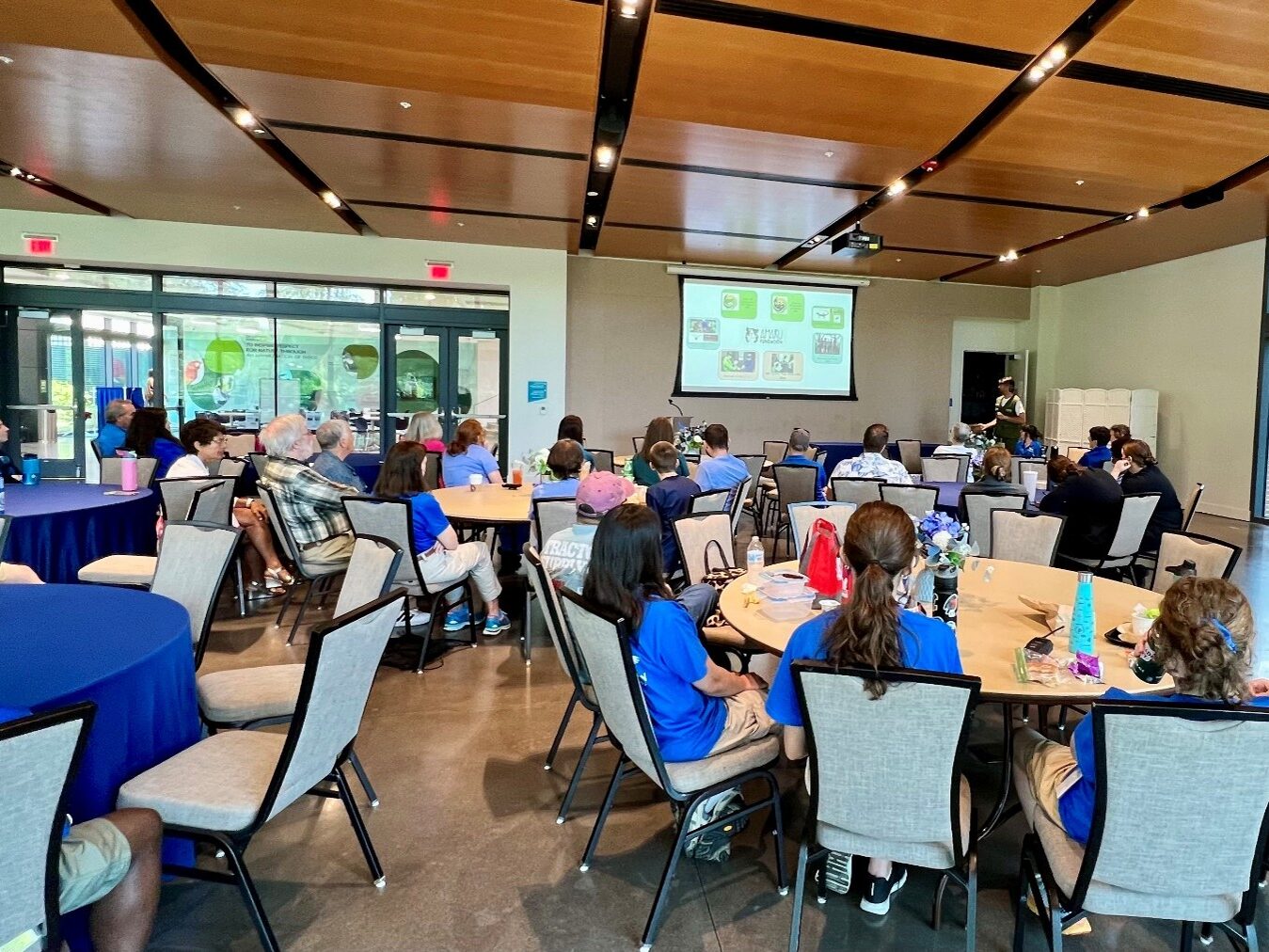
Of course, one of the species highlighted was Ecuador’s Critically Endangered Andean Condor. After this educational and inspiring lecture, Ernesto spent time with each department at the Aviary discussing education, condor conservation, training, and healthcare programs.
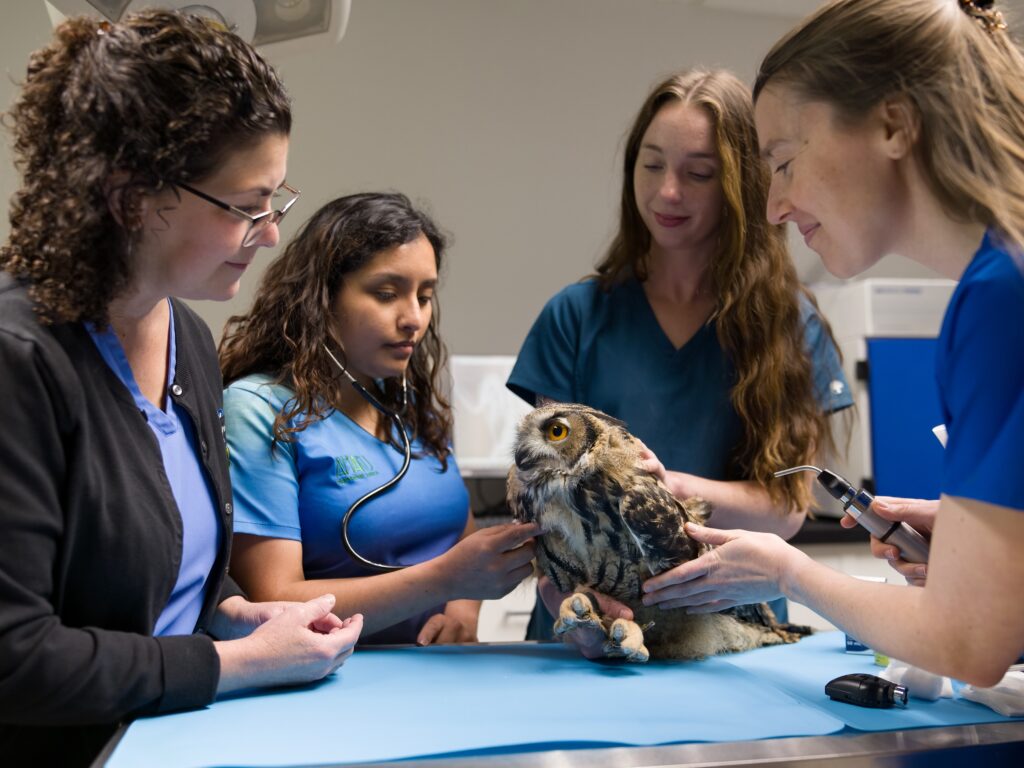
Prior to Ernesto’s arrival, Amaru Veterinarian Dr. Rubi Carpio spent a week in the National Aviary’s Teaching Hospital. During this time, Dr. Carpio gained experience in our specialized and innovative avian medicine procedures. Amaru receives thousands of injured, ill, and orphaned wild birds each year spanning from the Galapagos Islands and the Amazon Rainforest to the Andes Mountains. The new medical skills Dr. Carpio acquired at the National Aviary will provide extra leverage to treat a variety of birds, such as parrots, eagles, toucans, and, naturally, Andean Condors.
Next Steps
The National Aviary and Bioparque Amaru partnership continues to grow. It demonstrates the power of teamwork, and how working together internationally can have a positive impact on conservation efforts for endangered species around the world. We are excited to be at the helm of what’s to come.
Give Today