Did you know that when you’re watching the African Penguin colony splash and swim about in the National Aviary’s Penguin Point, you’re having a positive effect on African Penguins living on the other side of the world?! Native to South Africa and Namibia, these charming feathered friends face a challenging future. With only 10,400 pairs remaining in South Africa, a decline of 75% within the last 20 years, African Penguins could be functionally extinct in the wild by 2035 if we don’t act now.
To protect these Critically Endangered birds from extinction, National Aviary Senior Conservation Scientist and leading expert on penguin conservation, Dr. Patty McGill, works directly with partners at the South African Foundation for the Conservation of Coastal Birds (SANCCOB) and the Namibian Foundation for the Conservation of Seabirds (NAMCOB) to tackle some of the issues African Penguins are facing. Originally studying seabirds, Dr. McGill was captivated by a colony of Little Penguins and chose to focus her life’s work on saving penguins.
Throughout her career, she has worked with penguins at several different zoos across the United States and conducted research internationally. Her work with the National Aviary connects, supports, and informs our educational efforts with other zoos and aquariums across the United States and with our partners in South Africa.
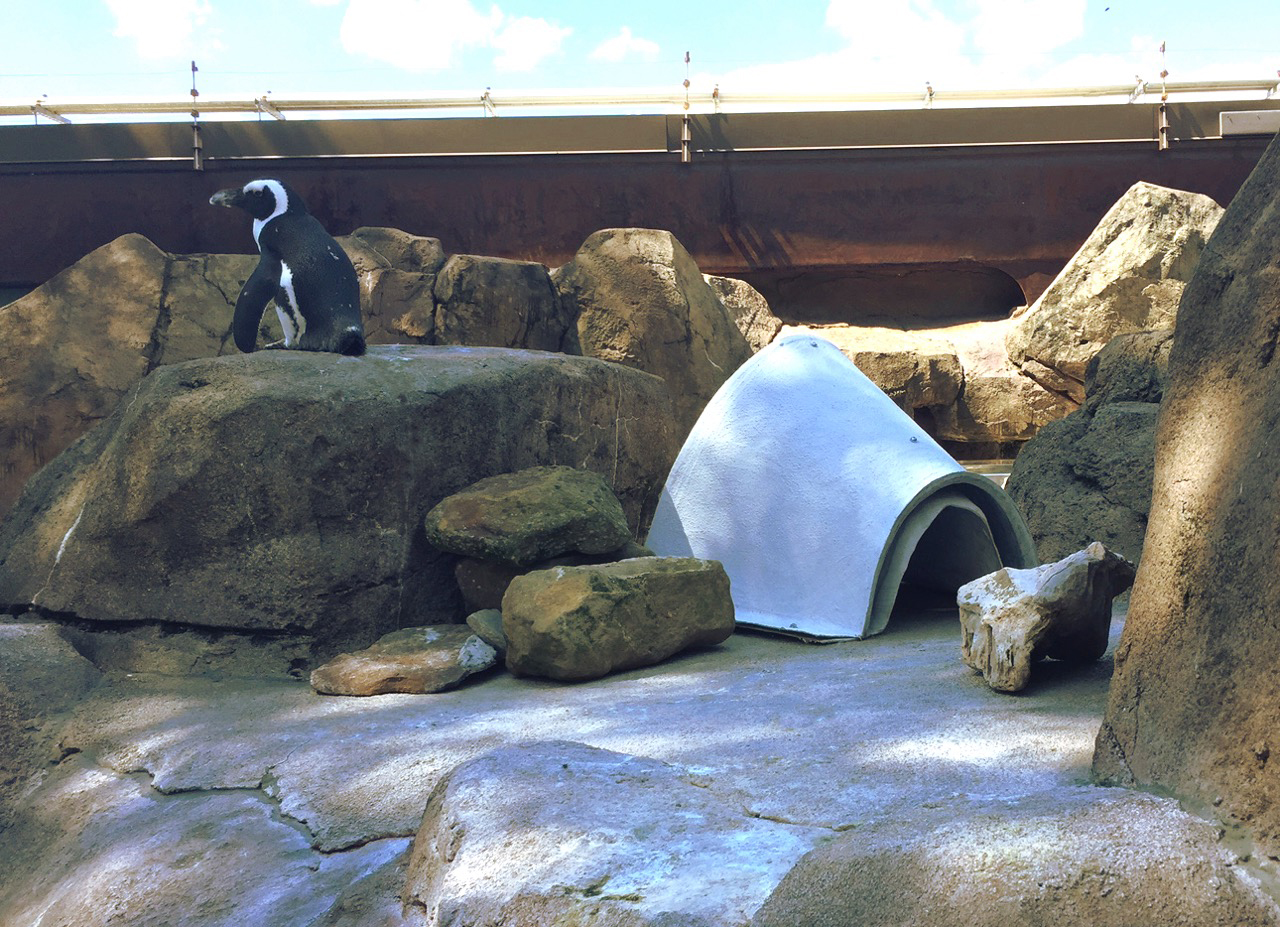
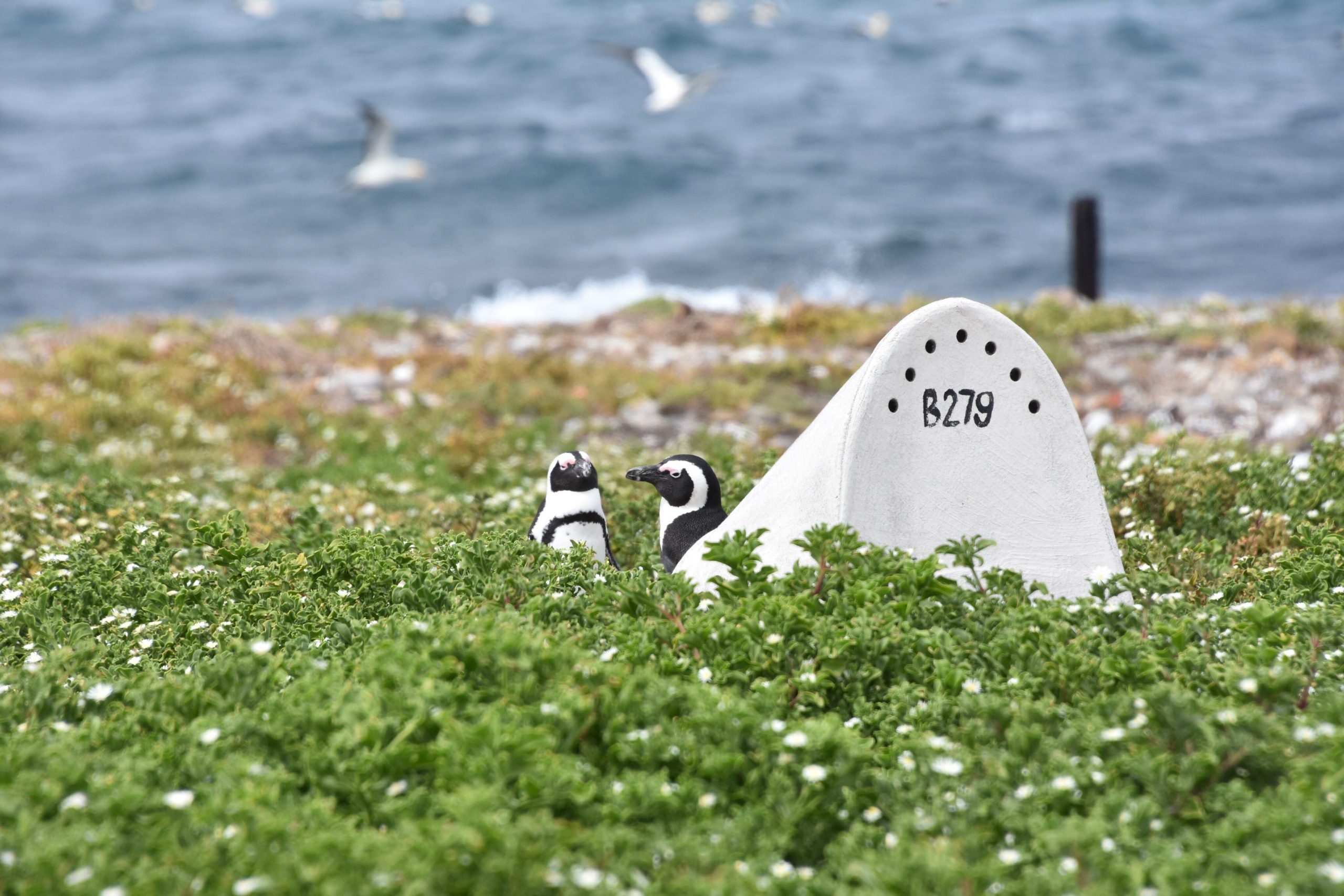
The National Aviary is a leader for the Association of Zoos and Aquariums (AZA) Saving Animals From Extinction® (SAFE) Program for African Penguins. This program connects more than 50 AZA-accredited zoos and aquariums in a collaborative effort to save African Penguins from extinction. This work is done in a variety of ways, including through the creation of Species Survival Plan® Programs onsite at various zoos, including the National Aviary, as well as by supporting projects in the wild, like creating, testing, and implementing artificial nest burrows (similar to the ones found in the National Aviary’s Penguin Point!). These nest burrows work to address the issue of habitat loss and offer protection from natural disasters and prey to African Penguin chicks and eggs.
With her vast knowledge of animals and conservation, Dr. McGill is an integral part of the SAFE program.
There are many problems facing the Critically Endangered African Penguin species, from oil spills and climate change to overfishing. African Penguins swim miles to find food, following instincts that would lead them to their next meal; however, according to Dr. McGill,
“The fish are so depleted now…that these poor little penguins are not finding the fish, and so they’re finding themselves in what scientists call an ‘ecological trap.’ The system is starting to fall apart. What should work for these young penguins no longer does.”
Dr. McGill added, “We as people need to learn how to take care of these animals that we love, even if they live on the other side of the world.”
Help Our WorkHow Does the National Aviary Help African Penguins in the Wild?
- Participates in and coordinates the African Penguin Species Survival Plan® (SSP) Program
- Tests artificial nest burrows in our Penguin Point habitat, which can be used for wild African Penguins
- Shares innovative, life-saving medical treatments with our partners in South Africa
- Sends staff to South Africa to lend their African Penguin expertise to SANCCOB and NAMCOB
- Maintains an onsite “Percy the Penguin” piggy bank near our Penguin Point habitat, in which all proceeds put in this bank are donated directly to SANCCOB
Association of Zoos and Aquariums (AZA): Saving Animals From Extinction®