
Danielle Marcillo
The first Andean condor in Ecuador is born in Cuenca under artificial incubation
The Amaru Biopark announced the birth of Ecuador’s first Andean condor through artificial incubation, a step forward for conservation.
This article was translated from Spanish to English. For the Spanish version, click here.
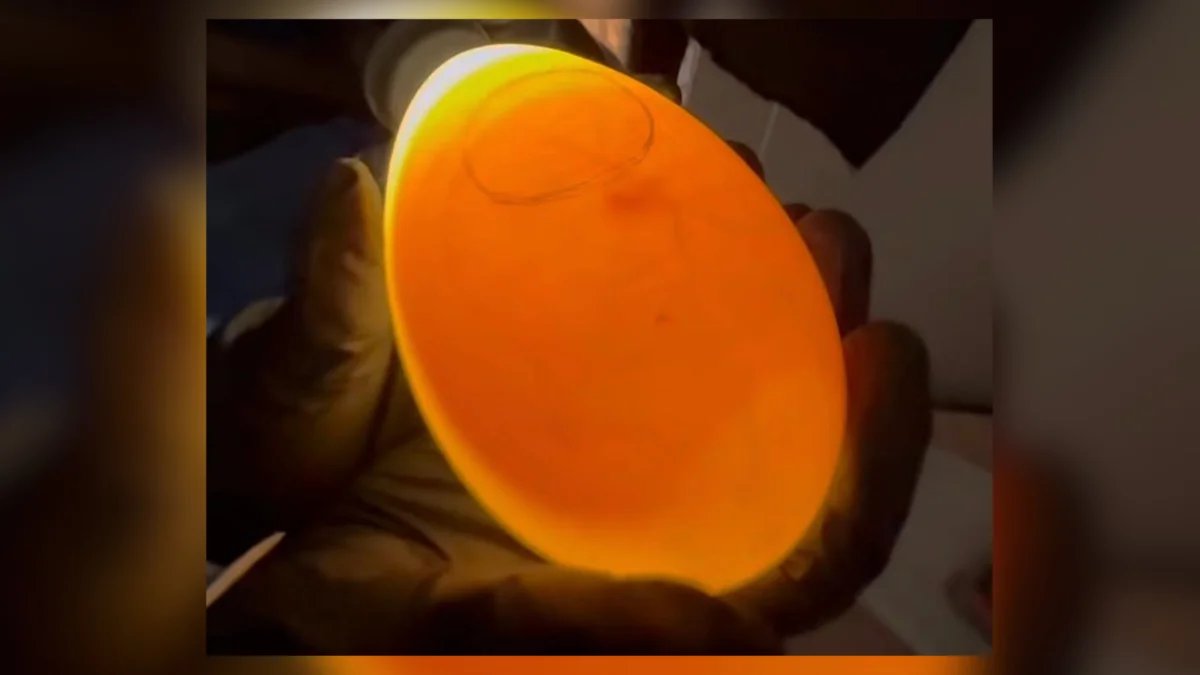
The artificial incubation process resulted in the birth of the first Andean condor in Cuenca, Ecuador.
This Tuesday, July 7 , the Amaru Biopark in Cuenca announced a new advance for the conservation of the Andean condor in Ecuador with the birth of the first chick obtained through an artificial incubation process in the country.
The chick, a female, is the second offspring of the condors Pacha and Inty. As part of the procedure, the egg remained under natural incubation for two days before being removed and transferred by a specialized team to an incubator donated by the National Aviary organization, where it continued its development under controlled conditions.
An incubation process with specialized monitoring
For 63 days, veterinarians, biologists, and conservation specialists continuously monitored variables such as temperature, humidity, egg weight loss, and embryo development.
According to a statement from the Amaru Biopark, the process was carried out following international protocols specifically adapted for the reproduction of the Andean condor.
The chick hatched on May 11, 2026. During hatching, the technical team closely monitored the process and provided assistance as needed. Interventions included a controlled opening of the shell to facilitate the chick’s emergence and management of the umbilical cord, measures aimed at ensuring its survival.
The offspring is progressing favorably
After its birth, the new cub was transferred to a specialized incubator, designed based on the experience gained with Kimsa , the first offspring of Pacha and Inty, born in June 2025 after completing her entire incubation period naturally.
The Biopark reported that, as of July 7, the chick is 57 days old and is showing favorable progress within an assisted breeding program focused on preserving its well-being and promoting the development of behaviors typical of the species.
The institution highlighted that the birth represented one of the most complex technical challenges faced by its team. Furthermore, it noted that this achievement consolidates a scientific program based on the continuous improvement of protocols, ongoing evaluation of results, and interdisciplinary work, strengthening Ecuador’s capacity to breed and raise one of South America’s most endangered birds.
Kimsa will begin a new stage in Cotopaxi
As part of the national conservation program, the Amaru Biopark also announced that Kimsa will be transferred to the Ilitío Rescue Center in Cotopaxi, where she will live with other juvenile condors.
The goal is to promote their socialization process, allowing them to develop natural behaviors of the species and establish bonds with specimens of the same age, which are fundamental for their future adaptation.
Until now, Kimsa has shared her enclosure with Auki, an adult condor who has contributed to her behavioral development. However, the Biopark explained that interaction with other juveniles is key, since the Andean condor acquires many of its social and survival skills through learning from individuals of its own species.