Canary’s Call Presented by Dollar Bank
Canary’s Call is an indoor immersive, museum-style habitat with interpretive displays that bring to life the stories that birds, as an indicator species, are telling.
Canaries As Bioindicators
Birds have long been indicators of the health of our natural environment, going back to when miners sent canaries into coal mines to warn of dangerous fumes. Through words, images, and interactive elements, birds tell the stories of the impacts of pollution, invasive species, overconsumption, and habitat loss on entire ecosystems around the globe. Today, wild birds serve as reliable indicators of many other environmental problems. By paying close attention to our wild bird populations everywhere, we can safeguard their populations and, at the same time, protect human health and well-being.
National Aviary Conservation Efforts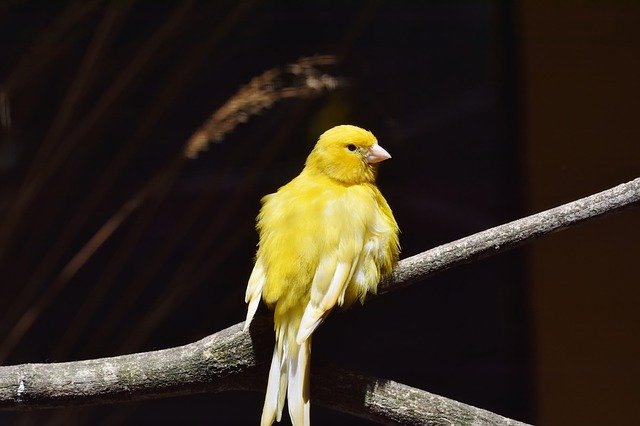
Canary’s Call Residents
Canary’s Call is home to the lively Rainbow Lorikeet habitat, where a vibrant flock of lorikeets and perch and chatter. Around the corner, find a pair of Extinct-in-the-Wild Guam Kingfishers (known locally as Sihek). This pair is part of the Sihek Recovery Project, and future hatchlings may eventually make their way into the wild! Adorable Burrowing Owls also reside in a desert-inspired habitat, generously sponsored by Duolingo.
Opened in 2019, the Andean Mountain habitat in Canary’s Call is home to striking and unusual birds from Latin America, never before seen in Pittsburgh, like the neon orange Andean Cock-of-the-rock, a forest-dwelling bird with a showy fan-shaped crest.
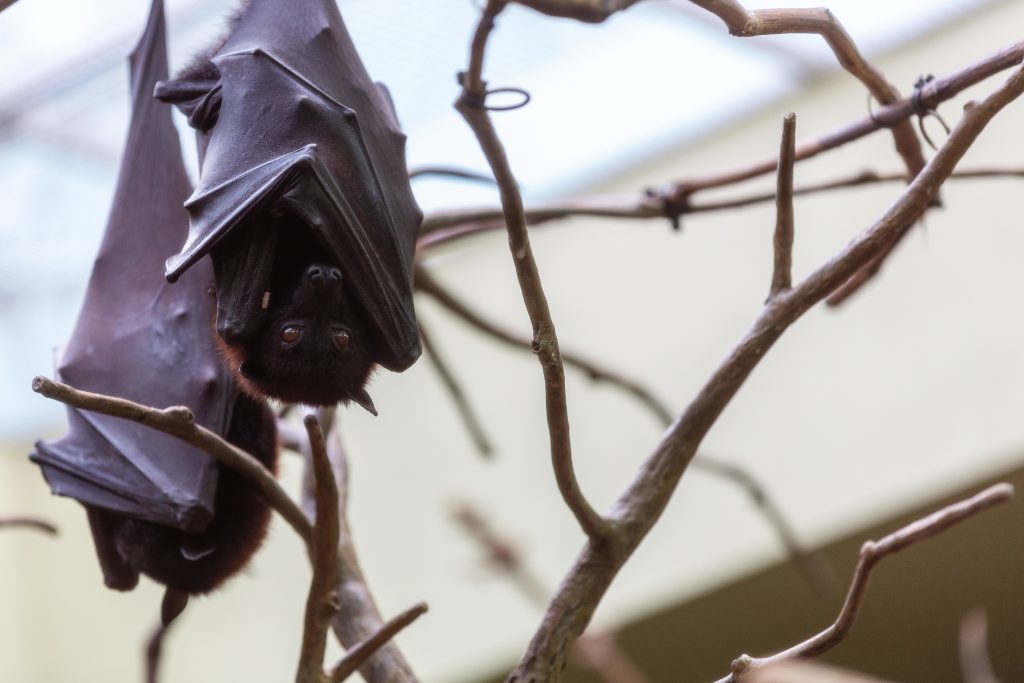
Another flying creature can be found in Canary’s Call? A colony of Malayan Flying Foxes, a megabat species native to Southeast Asia! These large fruit-eating bats have a nearly five-foot wingspan, revealing surprisingly cute faces when they stretch their wings.
Support Rainbow Lorikeets with a symbolic adoption! The Adopt-A-Bird program makes a great gift and helps us care for our flock!
Safeguarding Species
YOU can help protect our shared planet, thanks to tips and tricks from the National Aviary Green Team.
Learn MoreThank You to Our Canary’s Call Sponsor:

Thank You to Our Burrowing Owl Habitat Sponsor: