Stronger Together:
Saving Species One Hatchling at a Time
The National Aviary remains committed to saving Critically Endangered and threatened species like the African Penguin and the Andean Condor.
A Penguin Pair
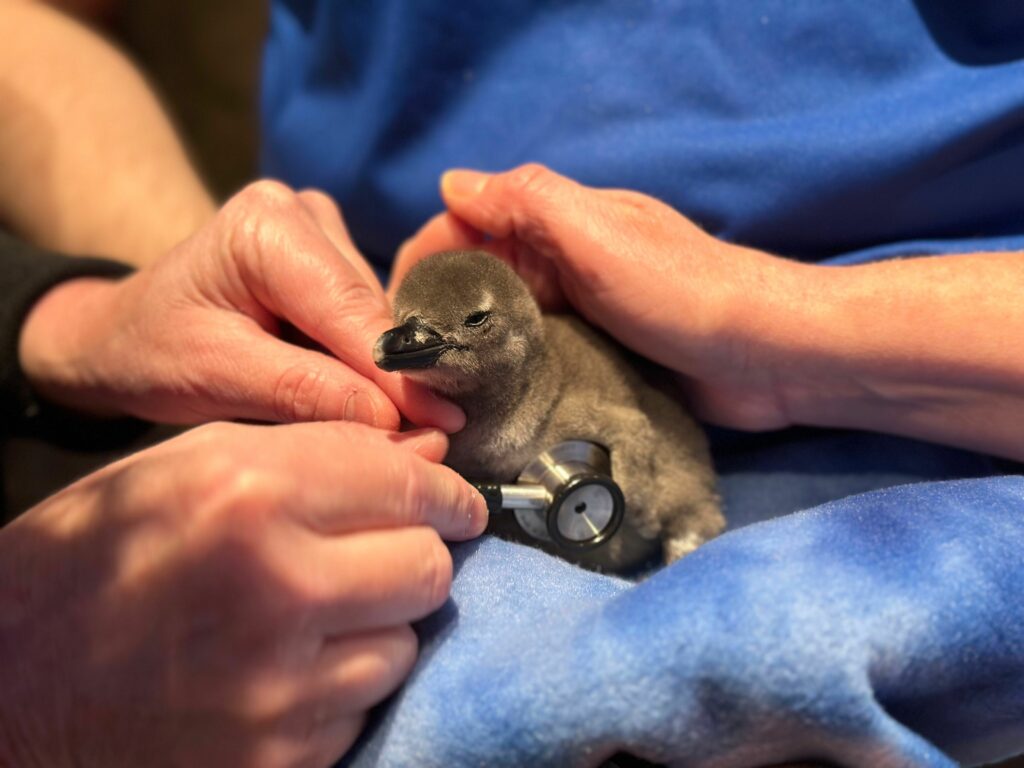
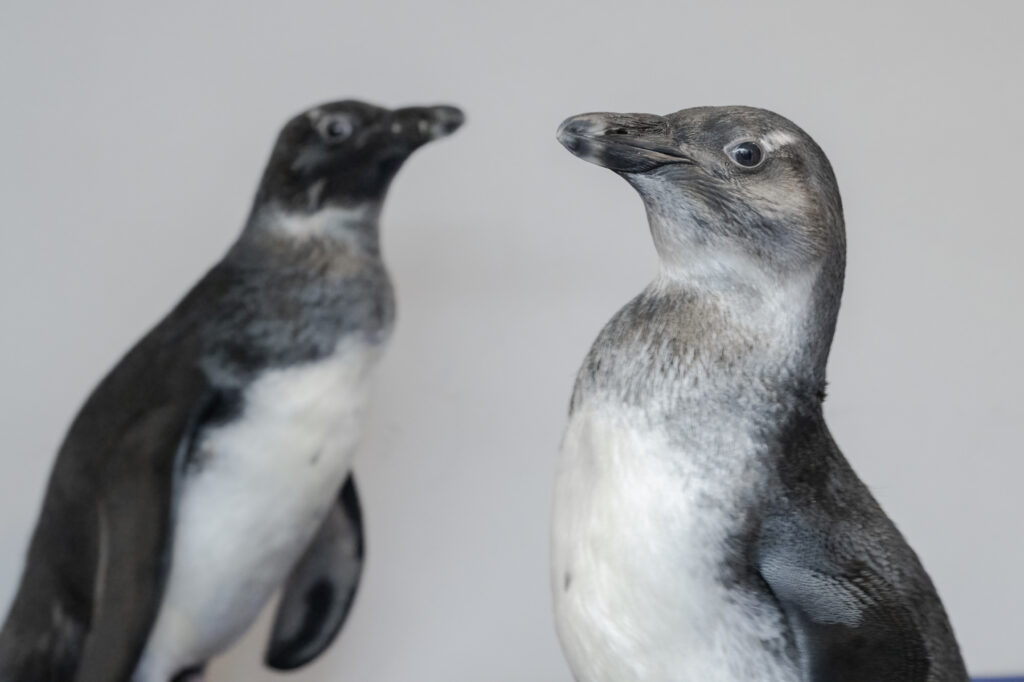
Back in November, we excitedly announced the arrival of two African Penguin chicks from Patrick and her mate, Owen. This sibling pair is the first at the Aviary to be parent-reared by Patrick and Owen: meaning the parents have entirely raised them. Under their parent’s care, along with the watchful eye of our expert staff, the duo have now grown into their fully-fledged juvenile feathers, revealing their sexes to be one male and one female!
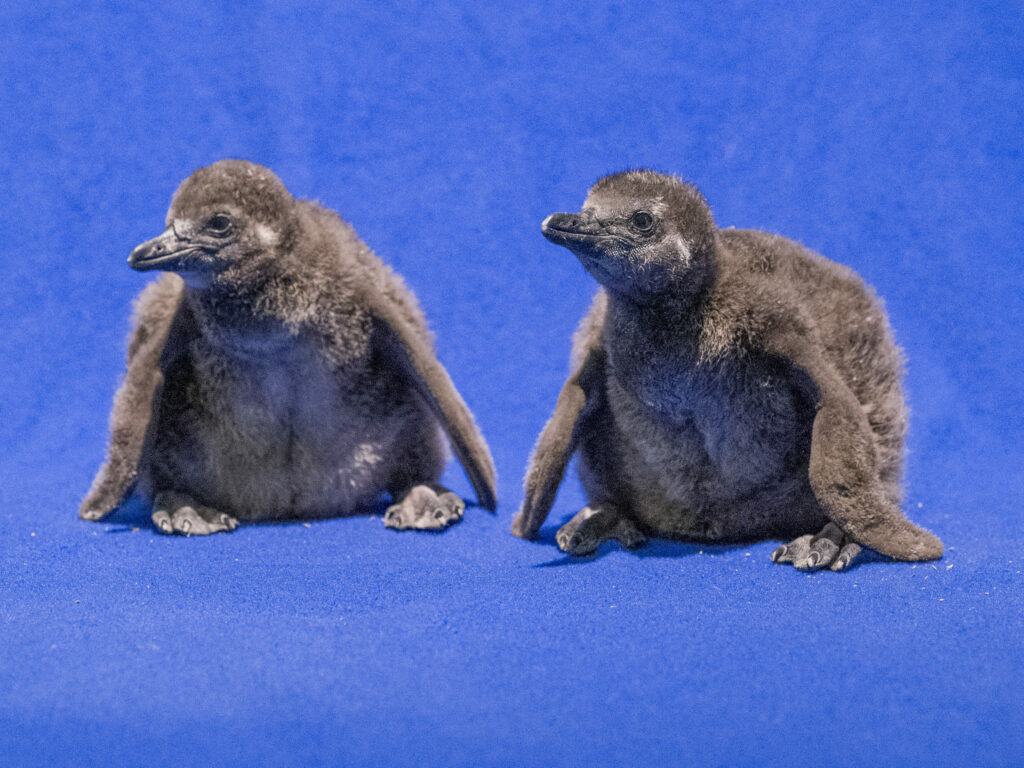
The brother and sister African Penguin duo mark an additional spark of hope for their species who are increasingly declining in the wild. It is said that African Penguins could become functionally Extinct in the Wild by 2035 due to human actions like overfishing and disturbances at nesting sites. This troubling news makes every Aviary hatchling all the more precious.
Give TodayGrowing Together
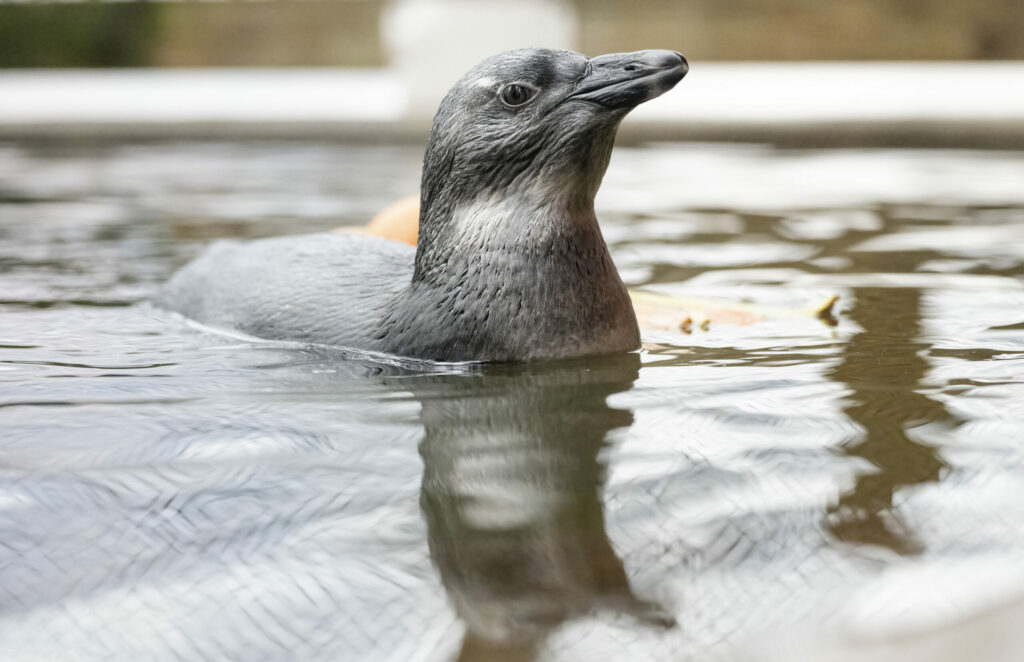
During their most recent check-up exam and weigh-in, the “Dynamic Duo” are now about 15 times larger than when they first hatched. On average, African Penguin chicks take about three months to grow into their adult size and these two are no different. Both are extremely healthy and developing as their care team expects them to. Having shed their downy feathers, they are learning how to swim in a behind-the-scenes habitat.
In addition to their physical health, their care team is learning more about their personalities. Both are naturally inquisitive, out-going, and love exploring their environment. They’re learning the essential skills from their parents that will suit them well in Penguin Point.
Next Steps
As for when they’ll be ready to join the Penguin Point colony: that will occur once the juvenile penguins can feed on their own without the help of their parents. The African Penguin’s care team remains optimistic that this will happen in late April around World Penguin Day (April 25). During their transition into the habitat, we will also announce their names!
The National Aviary is the leader of the Association of Zoo and Aquarium’s (AZA): Saving Animals From Extinction (SAFE) program for African Penguins. The program is coordinated by National Aviary Senior Conservation Scientist Dr. Patty McGill, who works with colleagues at the Aviary and around the world to identify and address the short-term and long-term challenges plaguing the species. The African Penguin duo hatched at the Aviary as a part of the AZA’s Species Survival Plan® for African Penguins. The Species Survival Plan® helps to keep the African Penguin population within AZA-accredited zoos and aquariums healthy and genetically diverse to support larger efforts towards conserving the Critically Endangered species.
Give TodayA Couple of Condors
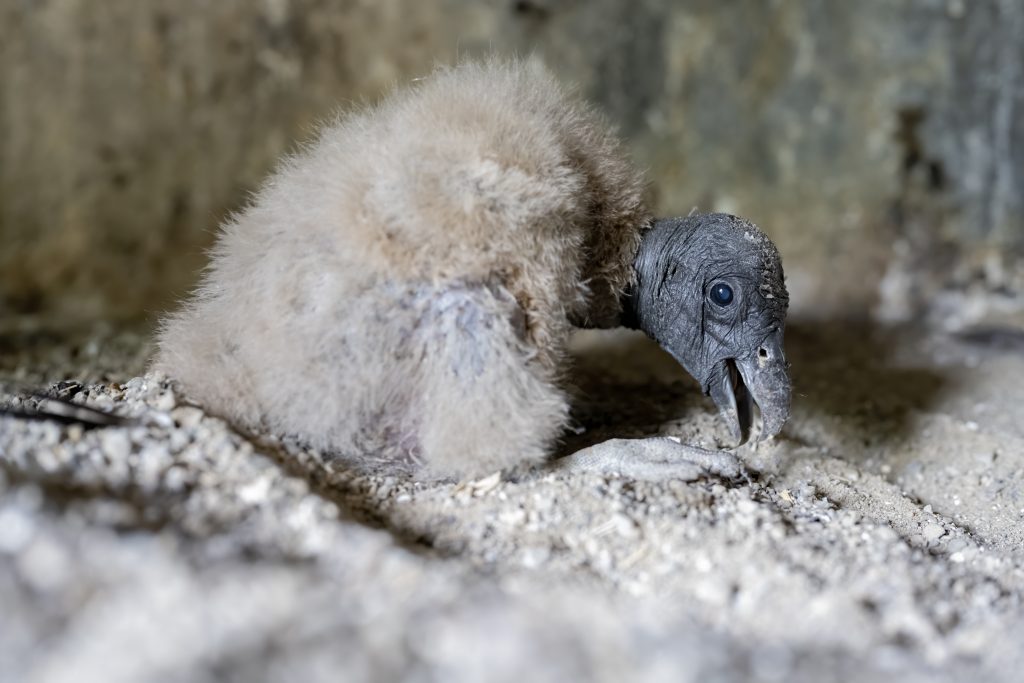
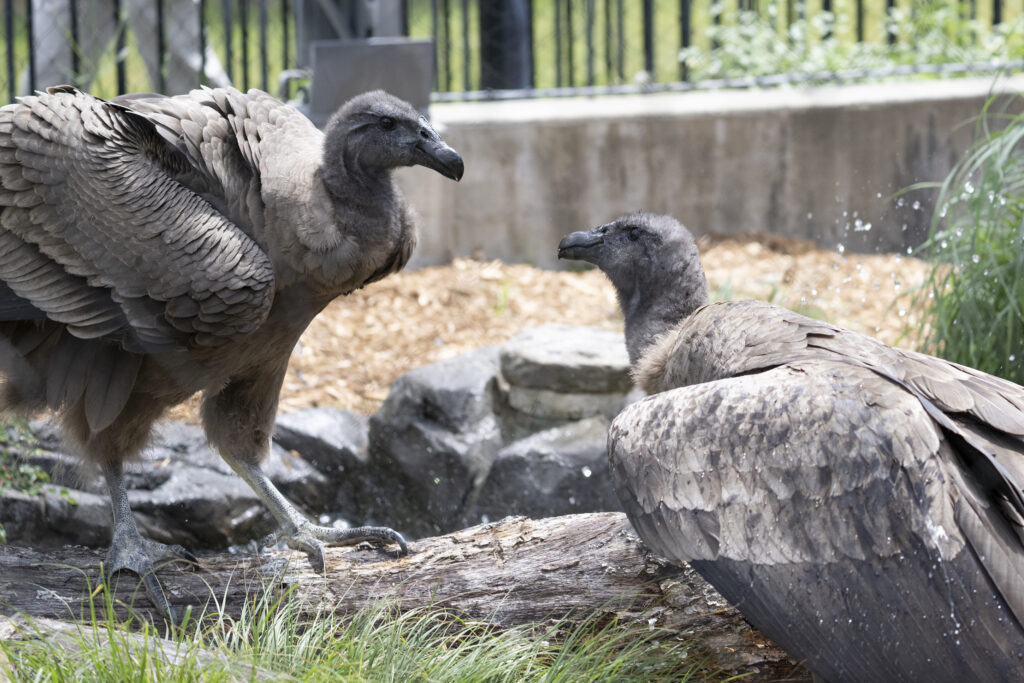
In 2022, the National Aviary made national headlines by being one of only two North American zoos to have an Andean Condor hatch at their facility. Our hatchling, Marijo, was an important step in the future of this declining South American species. Marijo continues to live and thrive in their Condor Court habitat alongside her friend Illimani. And guess what? Illimani is the other 2022 North American zoo hatchling.
Even More Condors
Marijo and Illimani’s Condor Court neighbors are Marijo’s mom, Lianni, and her new potential mate, male Bud. Lianni and Bud’s bonding process is still in the developmental phase. Our expert staff has seen strong signs that they are currently acclimating well with one another. We remain hopeful that the pair will potentially raise a chick to boost their population in future years.
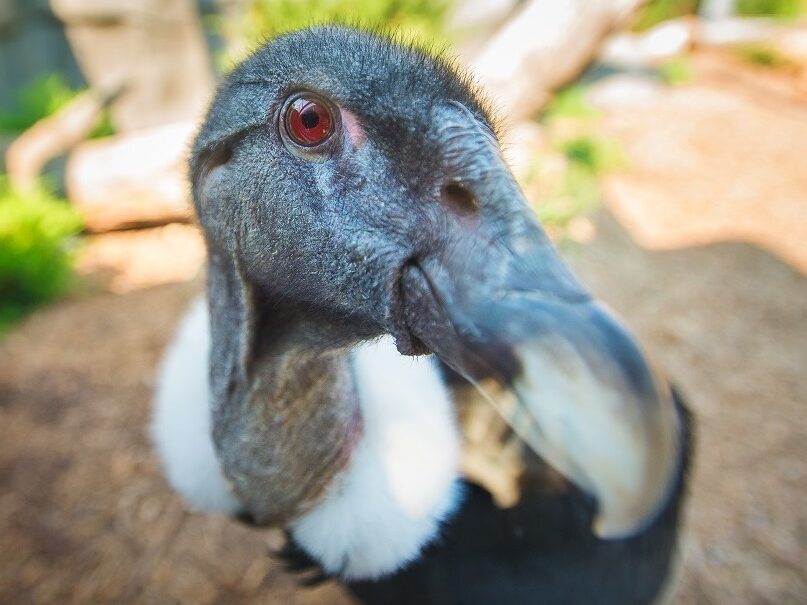
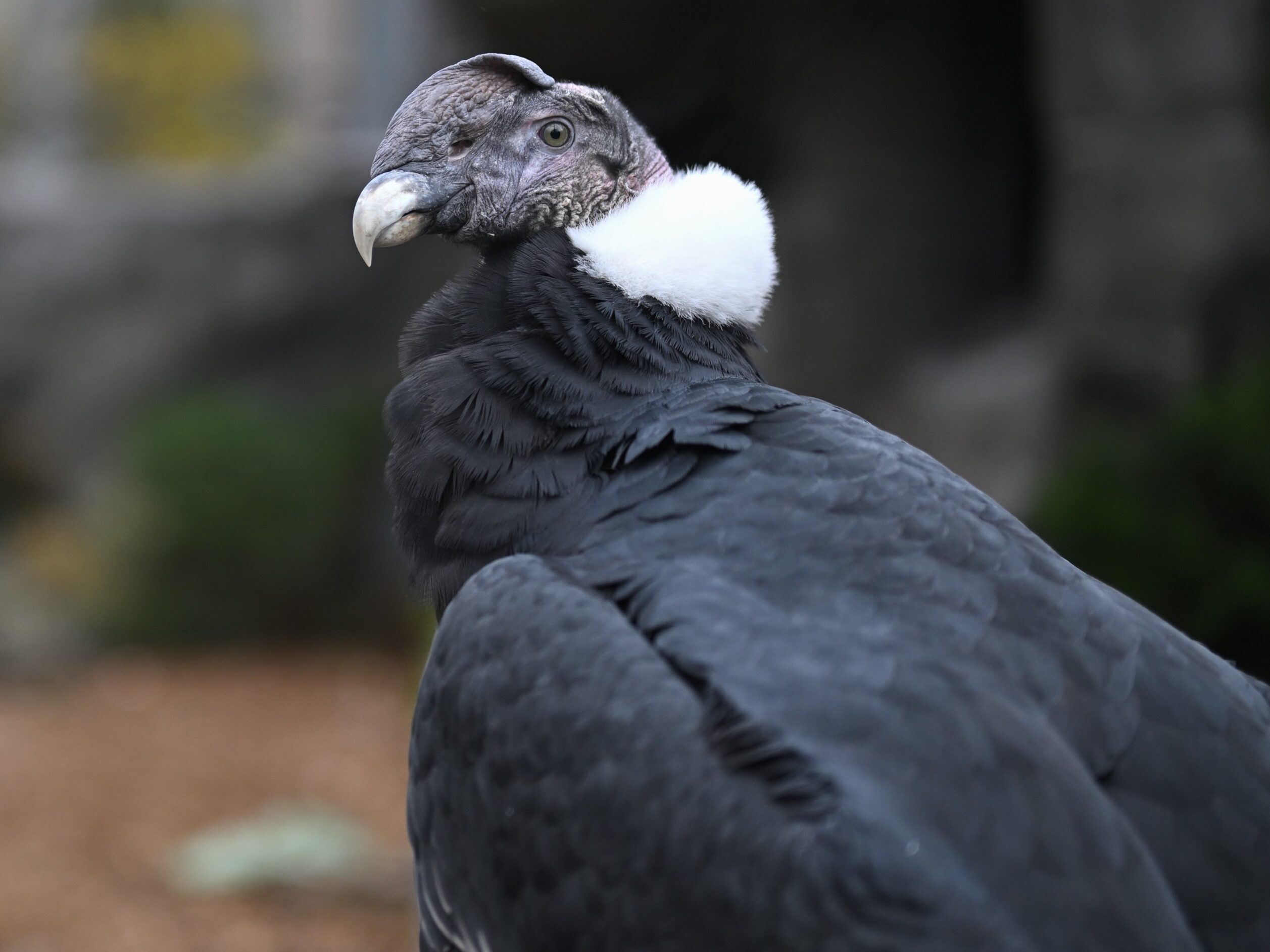
Andean Condors, one of the world’s largest flighted birds, are listed as Vulnerable throughout their range in South America, and Critically Endangered in Ecuador, and are increasingly declining in the wild. The National Aviary plays an important role in their conservation through participation in the AZA’s Species Survival Plan® for Andean Condors which works to ensure that the entire Andean Condor population continues to thrive and are genetically diverse for their long-term future.
None of the efforts the National Aviary makes with these species, and others, is possible without the support of people like you. Your gift this spring brings us one step closer to saving species one hatchling at a time.
Give Today